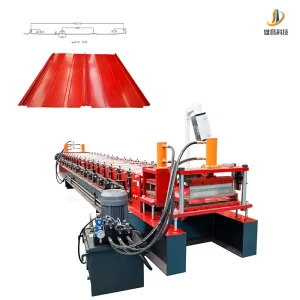
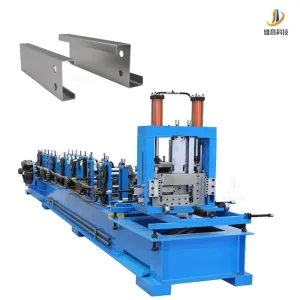
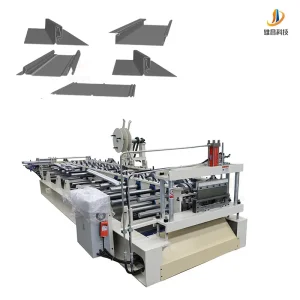
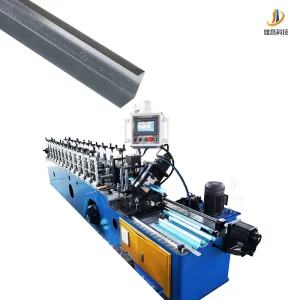
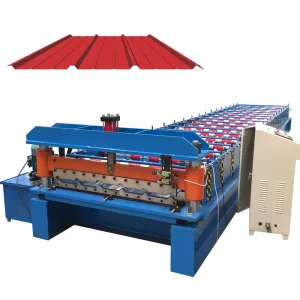
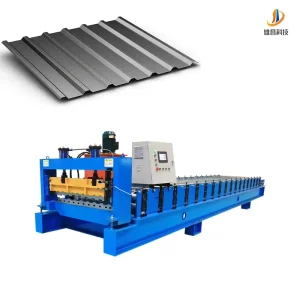
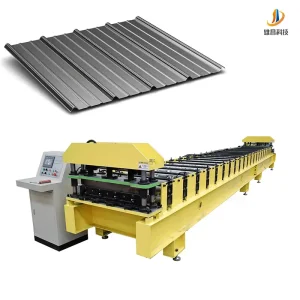
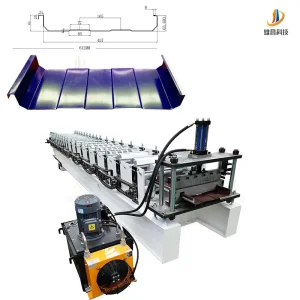
Explore our elite selection of high-precision cold roll forming solutions, built to manufacture certified building structural panels, profiles, and LGS framework.
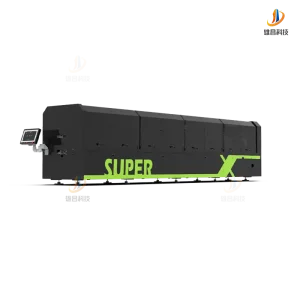
The global construction industry is undergoing a structural transition toward rapid assembly, material efficiency, and environmental sustainability. Underpinning this revolution is the adoption of Light Gauge Steel (LGS) framing, manufactured using high-speed, automated Stud & Track Roll Formers. Across North America, Europe, Asia-Pacific, and the Middle East, structural engineers and commercial builders are shifting away from traditional wood framing and heavy hot-rolled steel structures in favor of lightweight cold-formed steel sections.
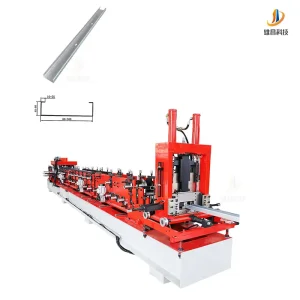
These specialized profiles—primarily C-Studs and U-Tracks—serve as the skeleton for load-bearing walls, interior partitions, floors, and roof systems in both residential and mid-rise commercial building projects. By applying advanced automation, modern manufacturers can achieve dimensional deviations below ±0.5 mm, minimizing construction site errors and eliminating thermal warping.
"Cold-formed steel framing represents the sweet spot of modern off-site prefabrication, offering unmatched strength-to-weight ratios and 100% recyclability."
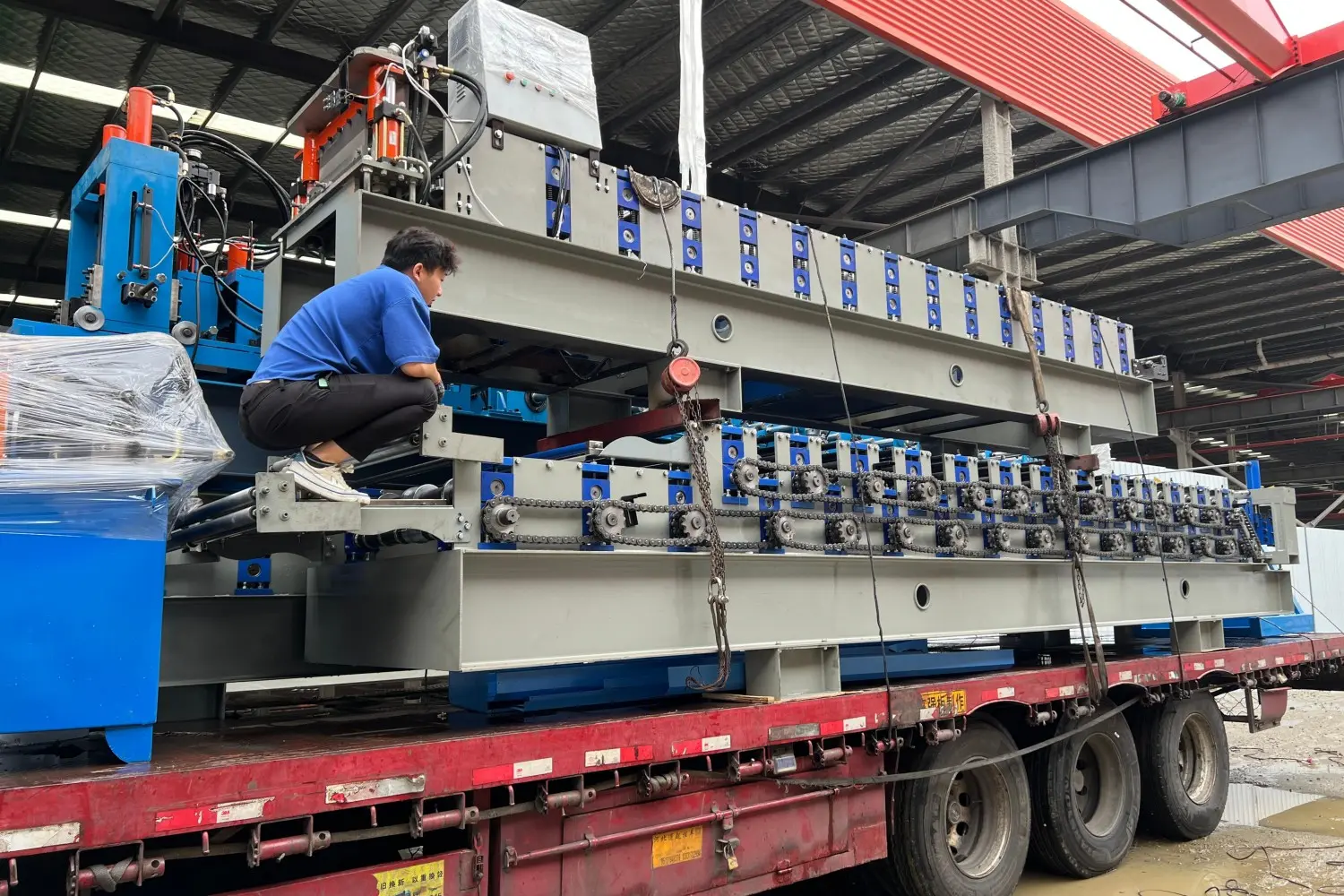
An established global leader providing integrated cold roll forming systems and advanced turnkey manufacturing lines.
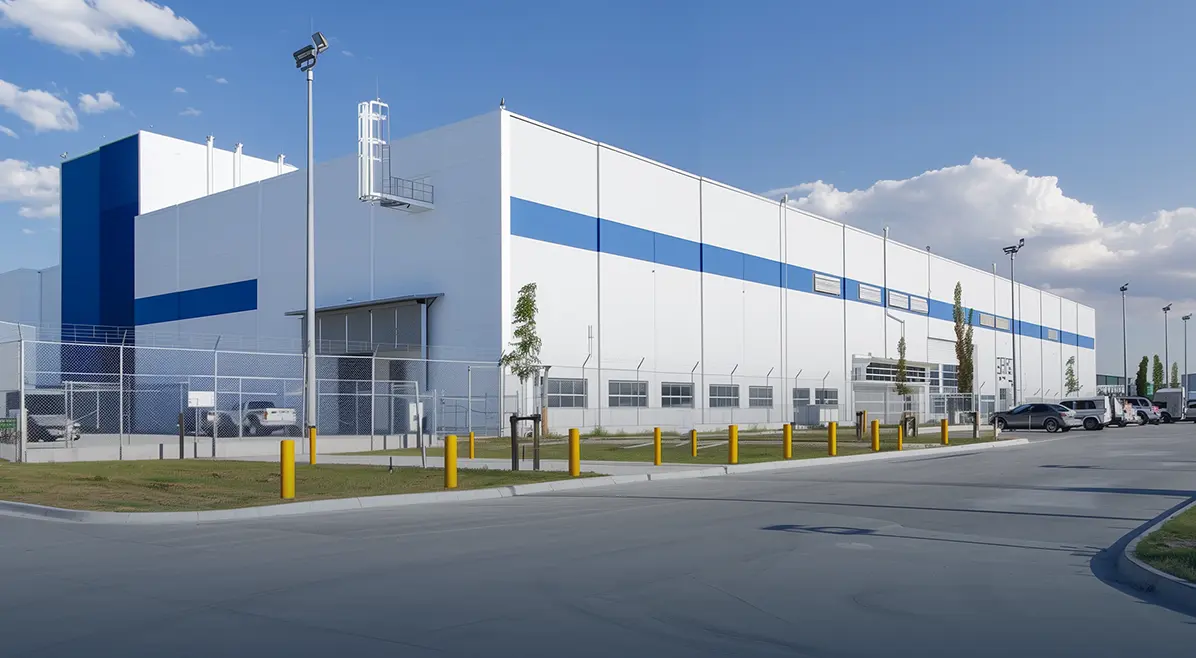
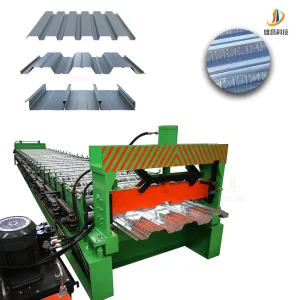
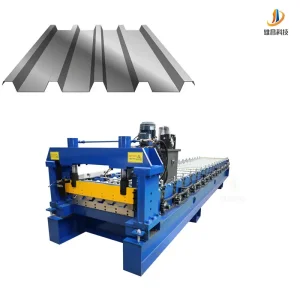
As an established expert in the cold forming sector, XC (Xiongchang) delivers high-end, integrated roll forming lines. Our comprehensive portfolio encompasses core production machines for roofing, floor decking, door frame profiles, and structural LGS elements, alongside auxiliary decoiling, cutting, stacking, and packaging equipment essential for streamlined operation.
Our heavy investments in state-of-the-art tooling, CNC machining centers, and automated manufacturing lines ensure the highest degree of tool-steel precision and consistency. This strict dedication to mechanical stability is the foundation of our engineering excellence.
Deploying advanced engineering methodologies to build reliable, high-performance cold metal forming lines.
XC designs and constructs robust cold roll forming systems configured for three primary structural segments:
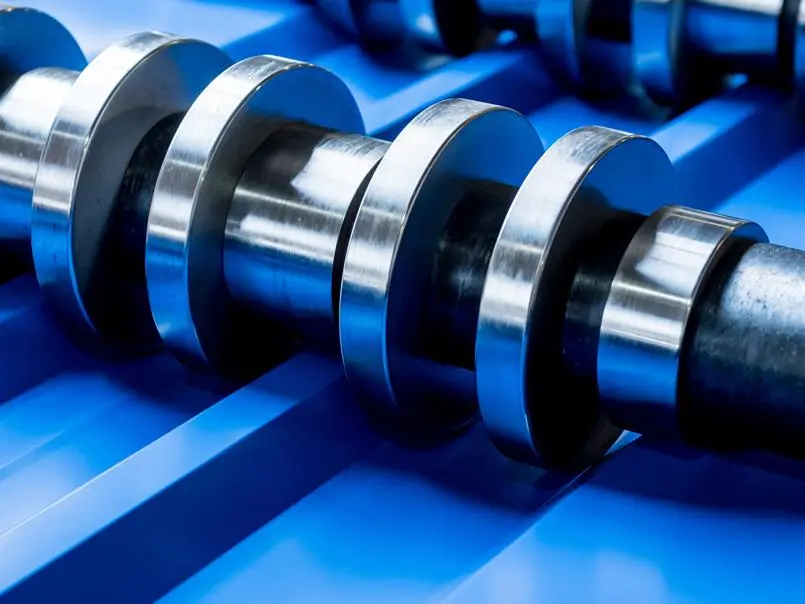
How industry-leading manufacturing lines are changing to meet the digital requirements of high-speed prefabrication.
Dynamic changeover systems governed by PLC inputs allow instant transition between web widths (e.g. 50mm to 300mm) in under 60 seconds, eliminating manual spacers.
Modern Stud & Track machines import XML or CSV framing layouts directly from structural programs like Vertex BD or MWF, driving automatic punching and sizing operations.
Hydraulic punch stations execute service holes, screw dimples, web notches, and chamfered cuts on the fly, eliminating structural post-processing costs.
Adopting high-efficiency regenerative drive systems that cycle energy during braking cycles back into the plant grid, cutting overall electricity consumption by up to 25%.
Customizing cold-formed steel manufacturing configurations to comply with international zoning and structural requirements.
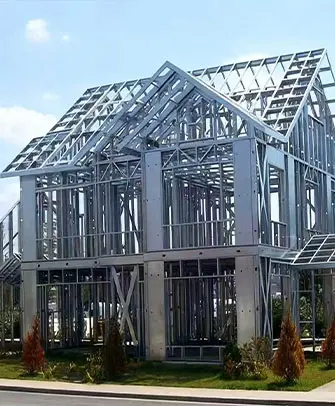
Designed for active tectonic regions, our machines produce high-ductility studs and tracks that exceed wind-load and earthquake regulations in Japan, New Zealand, and western North America.
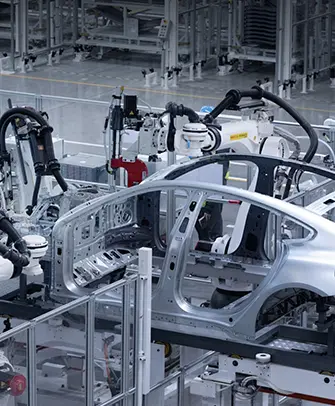
Lightweight, thin-gauge studs (0.4mm - 0.8mm) are optimized for cost-competitive high-volume drywall installations in mega-cities throughout Southeast Asia and the Middle East.

Heavy-duty cold-formed components (up to 3.0mm thickness) designed for solar tracking arrays, commercial warehouses, and modular transport structures.
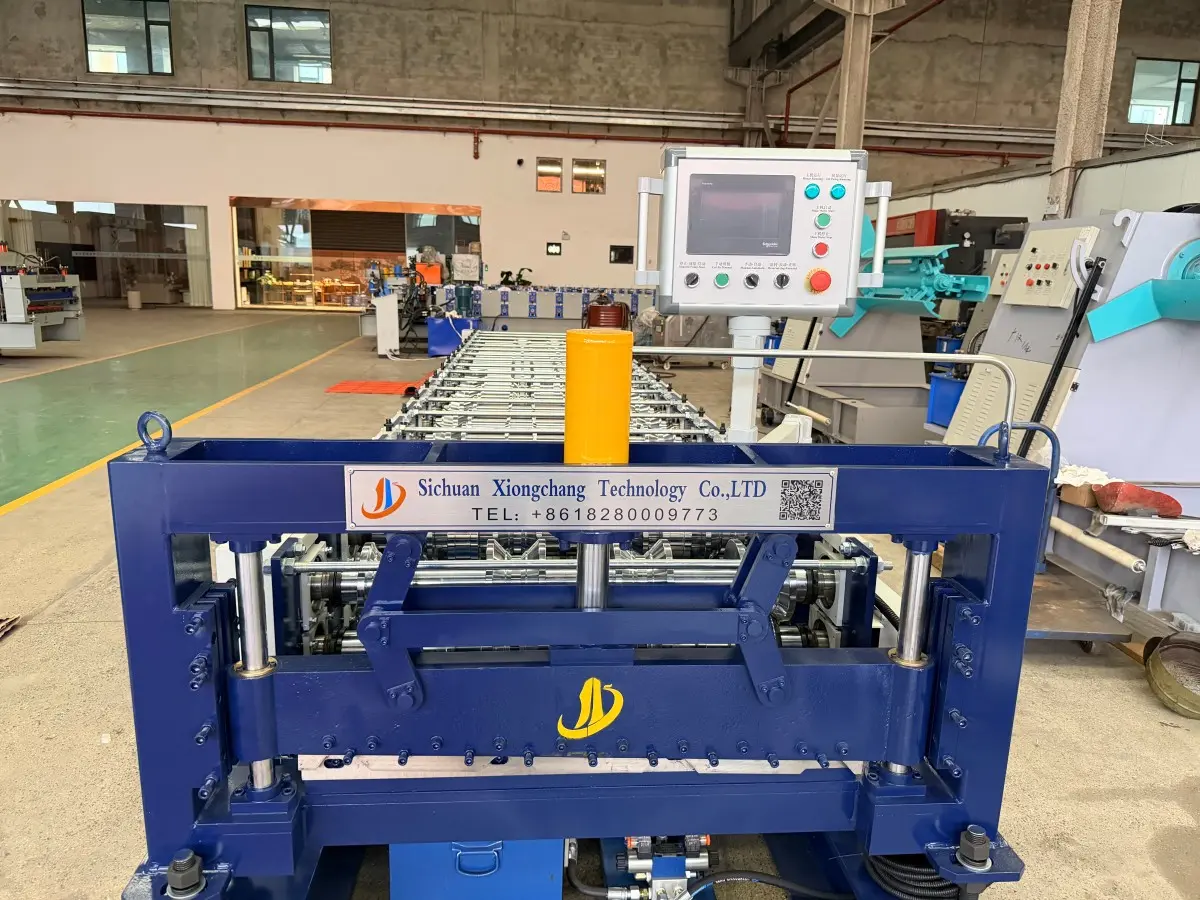
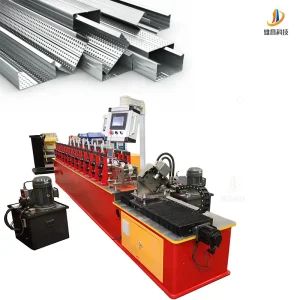
Modern structural steel production demands more than a standalone roll forming mill. To achieve commercial-grade efficiency, XC engineers custom, end-to-end processing lines. This starts with hydraulic coil loading cars and heavy-duty, double-mandrel decoilers that allow for rapid coil changes.
Post-decoiling, high-precision levelers remove coil set and internal material stresses, ensuring flat profiles. The material then passes through a multi-station hydraulic punching unit that punches anchor holes and conduit penetrations prior to profile formation. Heavy-duty cardan shaft drive assemblies roll the flat strip into exact dimensions through multiple forming passes, followed by high-speed flying shear cutoff systems that prevent profile deformation.
By synchronizing the entire line via centralized Mitsubishi or Siemens PLC architectures, the system achieves line speeds up to 100 meters per minute while maintaining high operator safety standards.
Answers to crucial technical questions regarding raw materials, profile tolerances, tooling, and machine performance.
We manufacture heavy-duty, high-efficiency equipment for commercial building envelopes, structural frames, and roofing systems.
 Xiongchang