Explore our high-precision custom production lines designed for global industrial infrastructures.
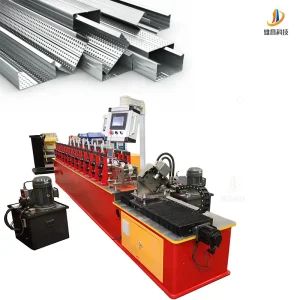
In the modern global supply chain ecosystem, warehousing is no longer just a space for static storage. It has evolved into highly automated, dynamic distribution hubs where density, speed, and safety are of paramount concern. As e-commerce, third-party logistics (3PL), cold chain systems, and automated storage and retrieval systems (AS/RS) continue to experience exponential growth, the demand for high-strength, precision-engineered storage racks has reached unprecedented heights. At the heart of this structural transformation lies the Storage Rack Roll Forming Machine.
Industrial storage rack systems—predominantly upright frames, box beams, step beams, and shelf panels—must bear immense static and dynamic loads. A minor deviation in profile consistency or structural integrity can lead to catastrophic warehouse collapses, causing massive financial losses and safety hazards. Consequently, global procurement teams are shifting away from off-the-shelf machinery. Instead, they seek custom roll forming factories capable of integrating advanced metallurgical precision, smart control interfaces, and flexible tooling changes.
Information Gain Insight: Modern heavy-duty storage racks require steel profiles to retain material yield strength during cold bending. Advanced factories utilize specialized Finite Element Analysis (FEA) to simulate material flow, ensuring that even under severe deformation in complex upright punch patterns (such as teardrop or hexagonal holes), the finished profile remains free of micro-cracks and residual stress concentrations.
From a global market perspective, the adoption of storage rack cold roll forming technologies varies by region. Developing economies are aggressively building massive logistical networks, driving high-volume demands for standard selective pallet racks. Concurrently, highly industrialized nations in North America and Europe are focusing on customized, complex profiles designed for AS/RS integration, requiring continuous tolerance monitoring, in-line punching versatility, and seamless connectivity with ERP factory execution systems.
As an established expert in the cold metal forming field, XC (Xiongchang) provides comprehensive, integrated roll forming solutions. Our extensive portfolio encompasses core production machines for roofing, flooring, doors, and heavy structural components, as well as the complete auxiliary line equipment essential for efficient, high-yield plant operations.
Over two decades of engineering excellence allows us to deliver machinery that operates at peak precision. We provide global infrastructure builders and industrial warehousing suppliers with the tools to construct reliable systems that meet rigorous international safety standards.
VIEW MORE ABOUT XC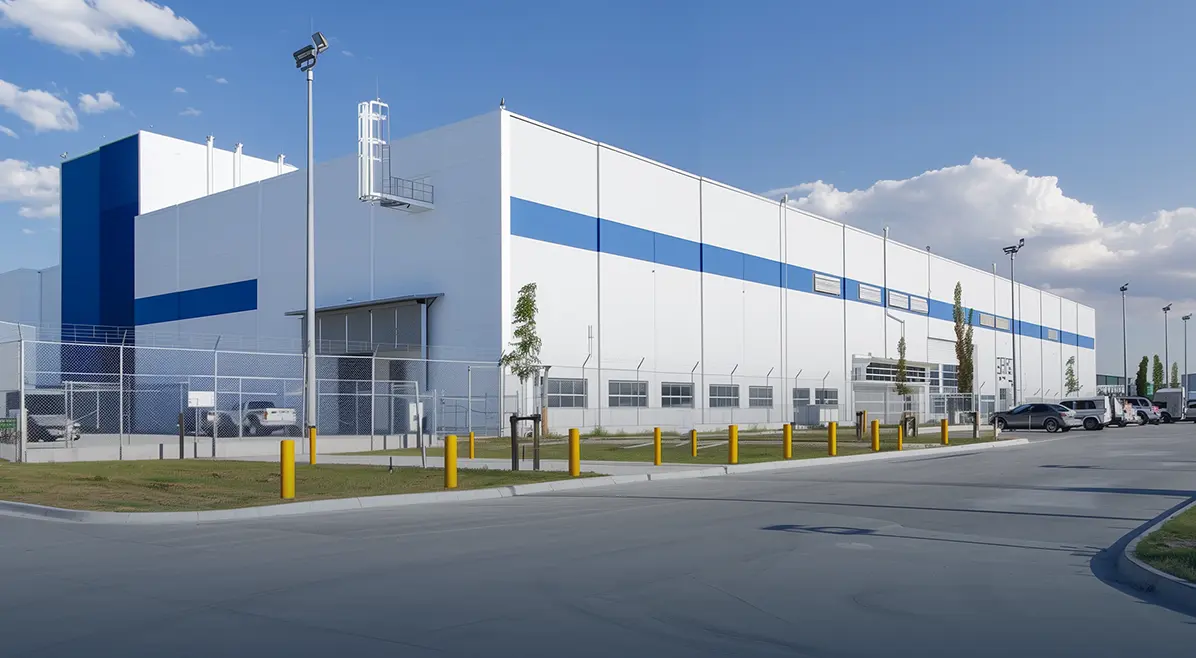
The manufacturing of storage rack profiles—specifically heavy-duty upright posts—demands a configuration that balances load capacity with material efficiency. Unlike standard purlins, rack uprights have deep channels and multi-bend profiles to increase structural rigidity and resist buckling. This requires specialized roll tooling stations with a higher number of forming passes (often between 24 and 32 stages) depending on the material thickness and profile complexity.
A critical stage in the manufacturing line is the pre-punching system. The system must punch complex, highly repeatable hole patterns (teardrop, diamond, or customized slots) along the steel strip prior to forming. Because the steel undergoes longitudinal stretching during bending, the positioning of these punches must be mathematically adjusted. High-end storage rack machines implement servo-driven, high-speed hydraulic punching stations controlled by integrated PLC systems to ensure the distance tolerance between punch patterns remains within ±0.15mm.
For horizontal box beams and step beams, the roll former must execute complex interlocking seams. Box beams are formed by joining two C-channels together through automated welding or clinching mechanisms. Step beams require an inner recess (step) to hold wire decking or shelf support bars. Modern high-efficiency factories integrate these functions into a single automated line that decoils, punches, rolls, seams, and cuts-to-length continuously without manual intervention.
Empowered by decades of engineering iterations, XC designs machinery built for structural performance and longevity.
Our specialized engineering team designs integrated, automated control platforms (utilizing Siemens/Mitsubishi PLCs) to support high-speed continuous line production.
Using advanced material flow simulations, we pre-calculate stress zones to build rollers that prevent profile twisting, warping, or cracking during high-velocity forming.
Heavy investment in CNC machining centers, coordinate measuring machinery, and heat treatment ensures structural precision and tooling life expectancy exceed 100,000 tons.
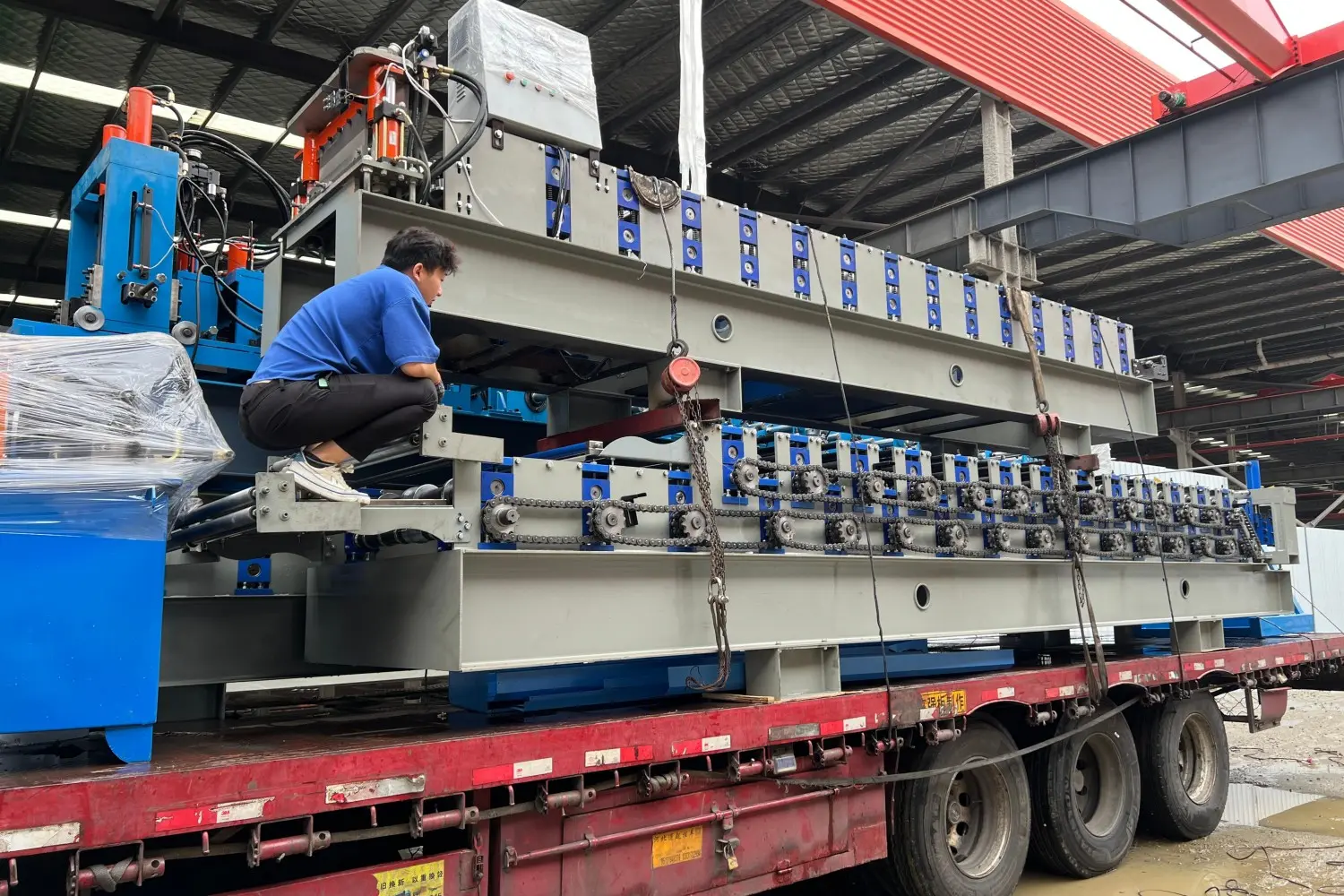
By dedicating resources to robust technical engineering and modern tooling infrastructure, XC provides integrated systems that handle challenging profile geometries. We focus on ensuring that from the moment raw coil material is fed into our system to the final discharge conveyor, every stage functions under tight quality tolerances.
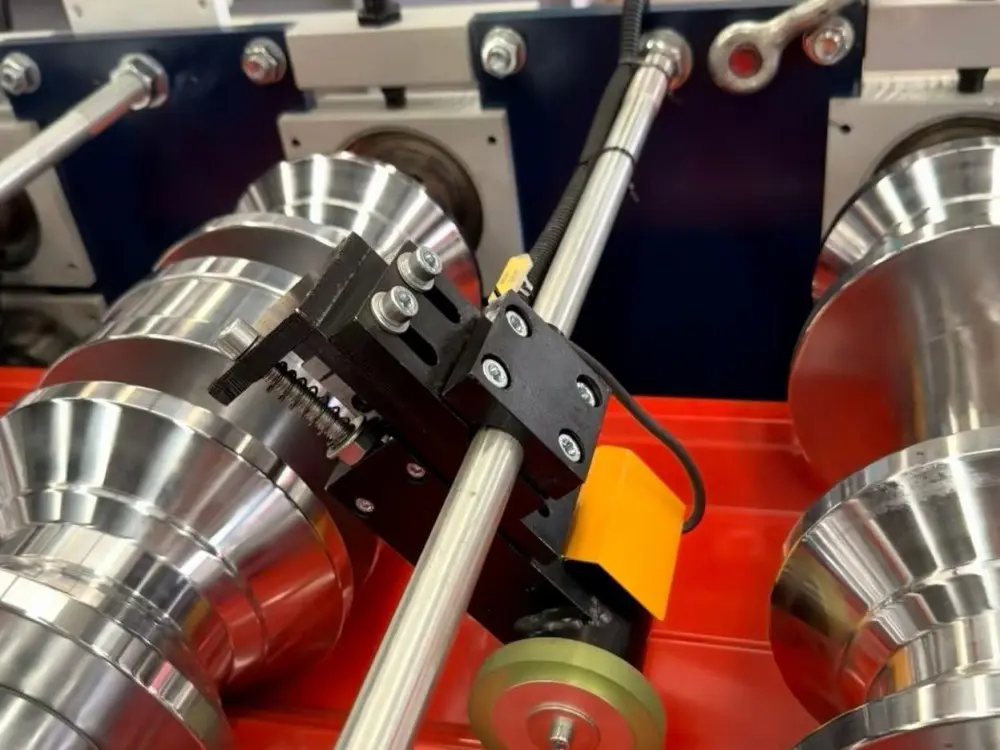
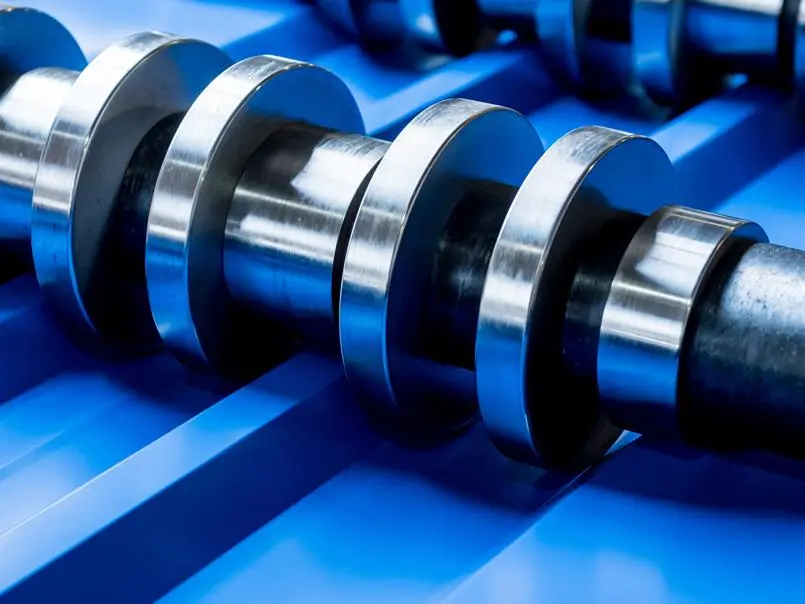
Our facility operates high-capacity, multi-axis milling machines to fabricate our forming rollers from Cr12MoV or GCr15 steels, vacuum hardening them to Rockwell Hardnesses exceeding HRC60. This guarantees long-term wear resistance when forming high-tensile hot-rolled steel coils.
In the procurement of cold roll forming machines, global enterprises must weigh cost against technical expertise. Chinese roll forming factories, particularly those located in industrial clusters with advanced supply chain integration, offer distinct advantages that go beyond lower initial capital expenditure.
Integrated Industrial Supply Chain: Chinese factories operate within a concentrated manufacturing ecosystem. From high-grade raw steel sourcing to specialized heat treatment facilities, CNC machine shops, and electronics integrators, every component is sourced quickly. This proximity shortens engineering timelines, allowing custom rack roll forming lines to be designed, tested, and shipped in a fraction of the time required by Western competitors.
Advanced Custom Engineering Capability: China's roll forming companies have transitioned from copying standard profiles to leading custom design engineering. Engineers regularly design complex lines that run dual-profile components (e.g., interchangeable upright and brace lines or combination step/box beam systems) that minimize changeover downtime through automated cassette-type side-shifting tooling setups.
Uncompromised Quality Control Systems: Industry leaders like XC deploy comprehensive quality assurance frameworks. This includes ultrasonic testing of raw steel bars, coordinate measuring machine (CMM) testing of roller tooling geometries, and trial runs under full load conditions. These measures ensure that the equipment arrives at the customer's site ready for immediate installation and commissioning.
We deliver engineered systems to support the structural fabrication requirements of various industries.
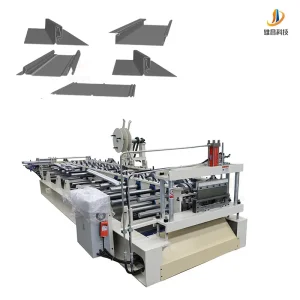
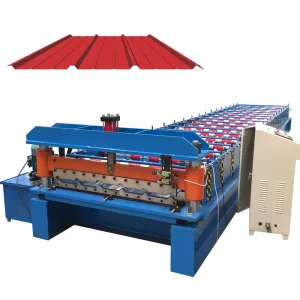
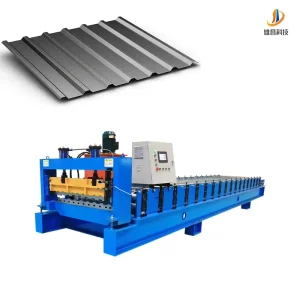
Roof Panel, Wall Panel, and Floor Deck Roll Forming Machines.
Envelope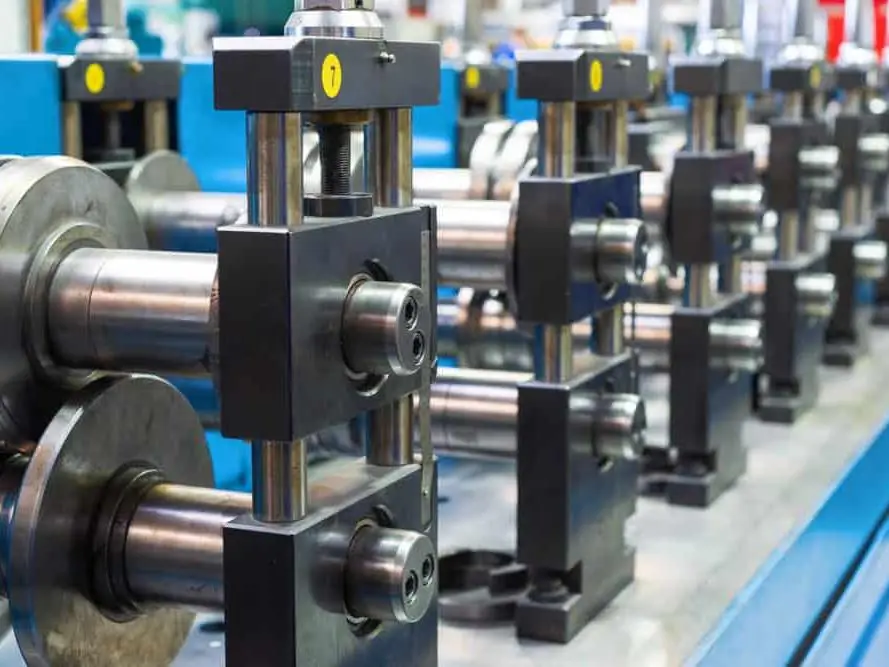
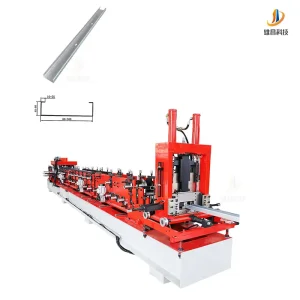
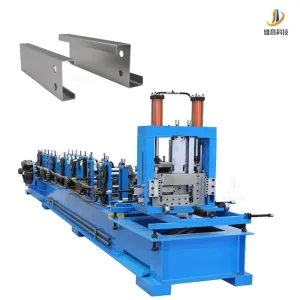
C/Z Purlin Roll Forming Machines, and Stud & Track Roll Forming Machines.
Structural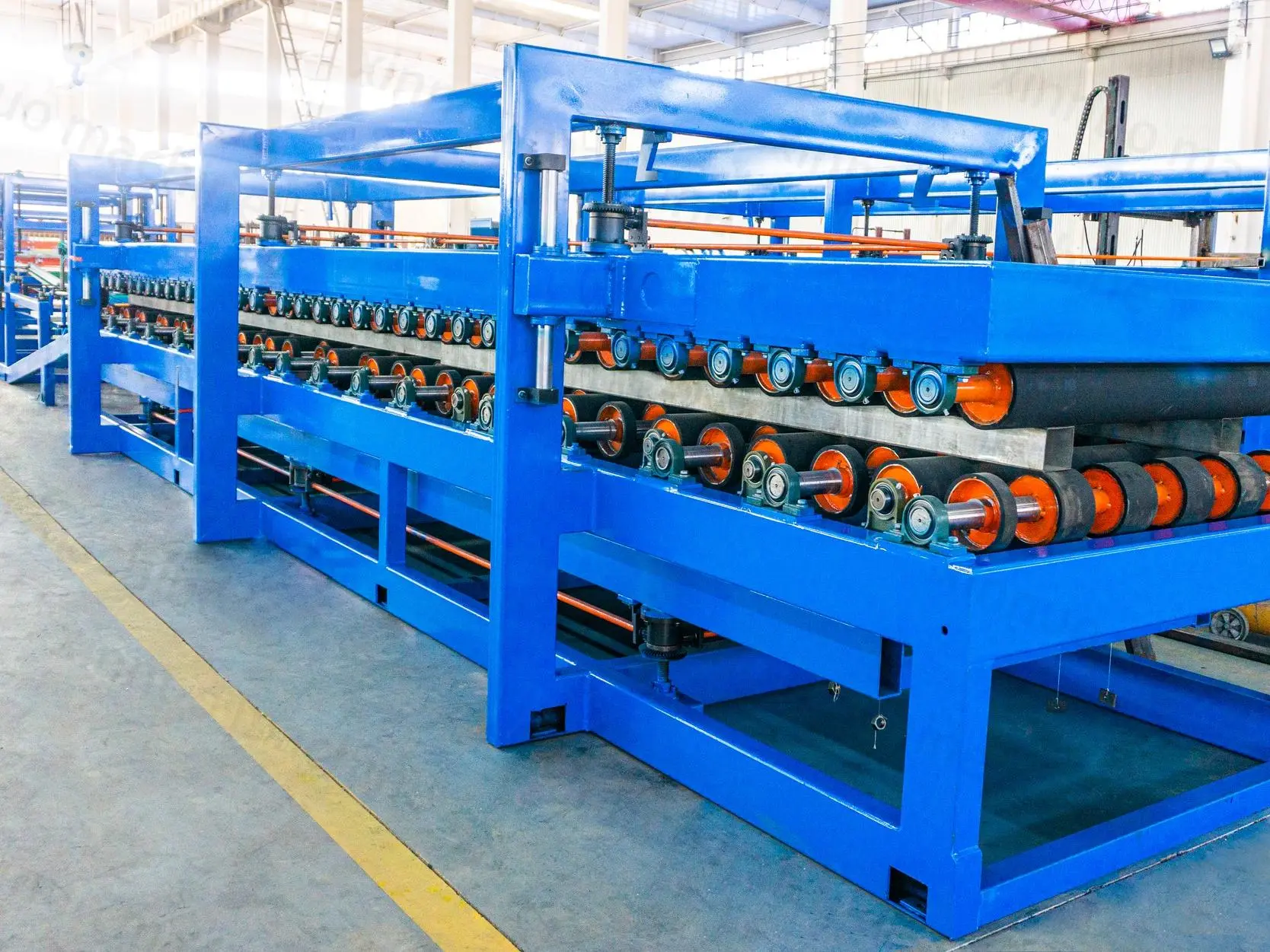
Gutter Roll Forming Machines and Door Frame Roll Forming Machines.
SpecialtyXC operates a specialized laboratory housing detection and testing instruments designed to verify product structural strength, profile accuracy, and long-term operating durability.
Our quality control protocols span from raw coil metallurgical inspection to finished profile dimensional verification. By adhering to these standardized checks, we ensure that every machine we build runs reliably under field conditions.
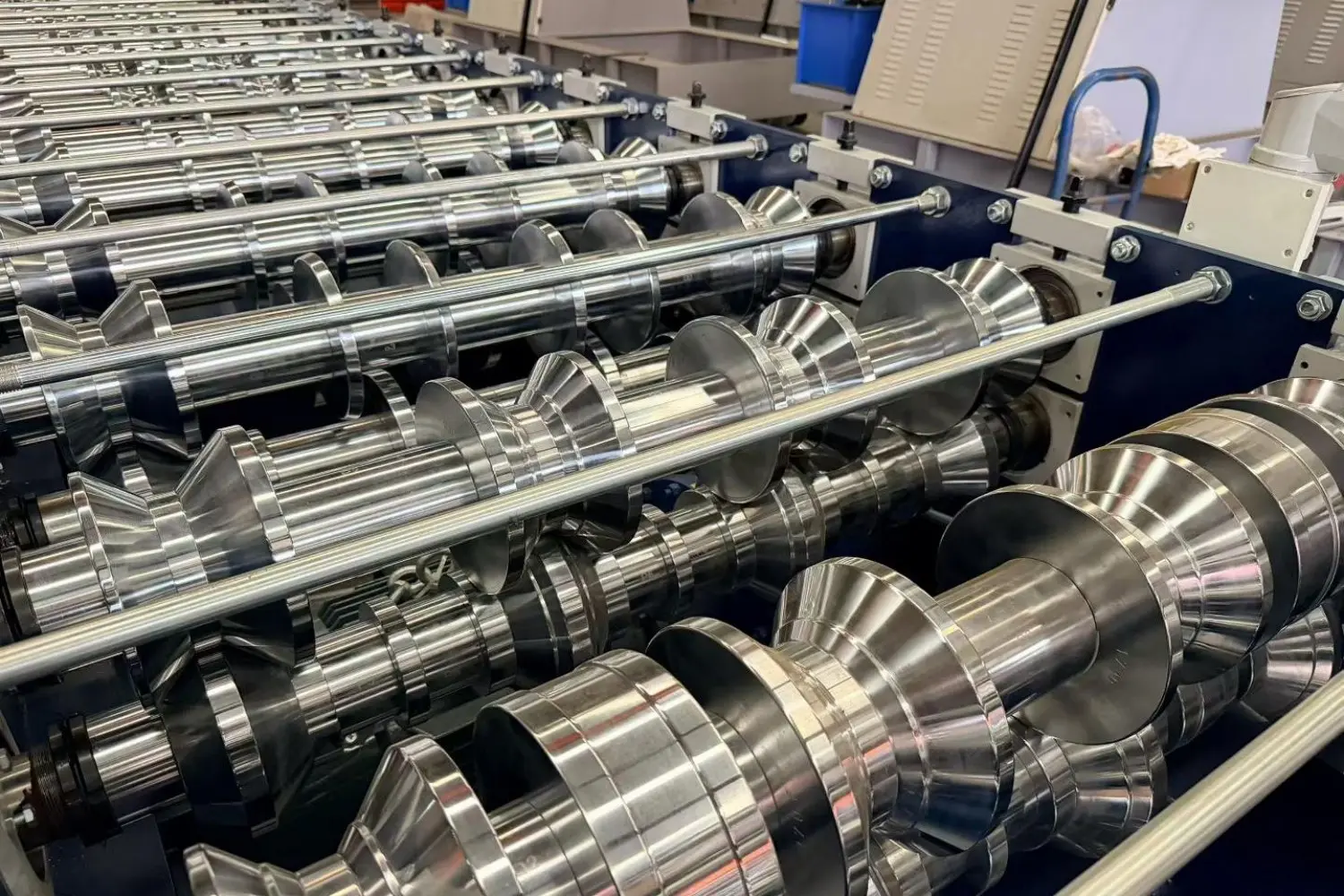
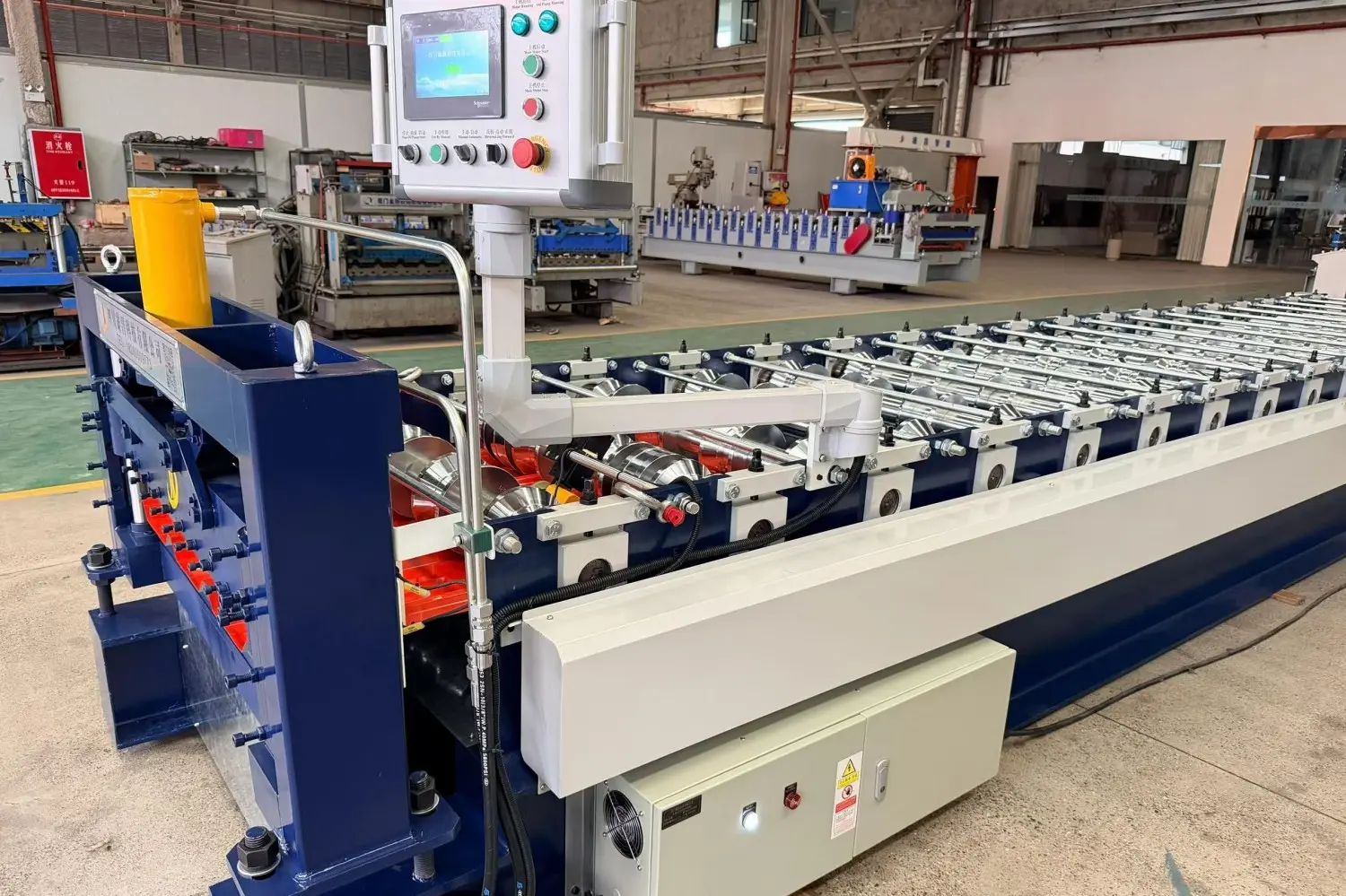
From initial concept design and profile analysis to installation and machine commissioning, XC provides end-to-end support for our clients' manufacturing lines.
We offer professional engineering deployment, operator training, and preventative maintenance strategies to help minimize setup time. Our after-sales technical support team is available to assist you in maintaining high productivity over the lifecycle of your system.
Over decades of engineering focus, we have established a reputation for manufacturing standards and responsive service.
Our team works closely with clients to address their technical requirements. This approach has allowed us to serve customers across the construction, manufacturing, and engineering sectors, with our equipment supporting residential developments, commercial logistics hubs, and infrastructure projects.
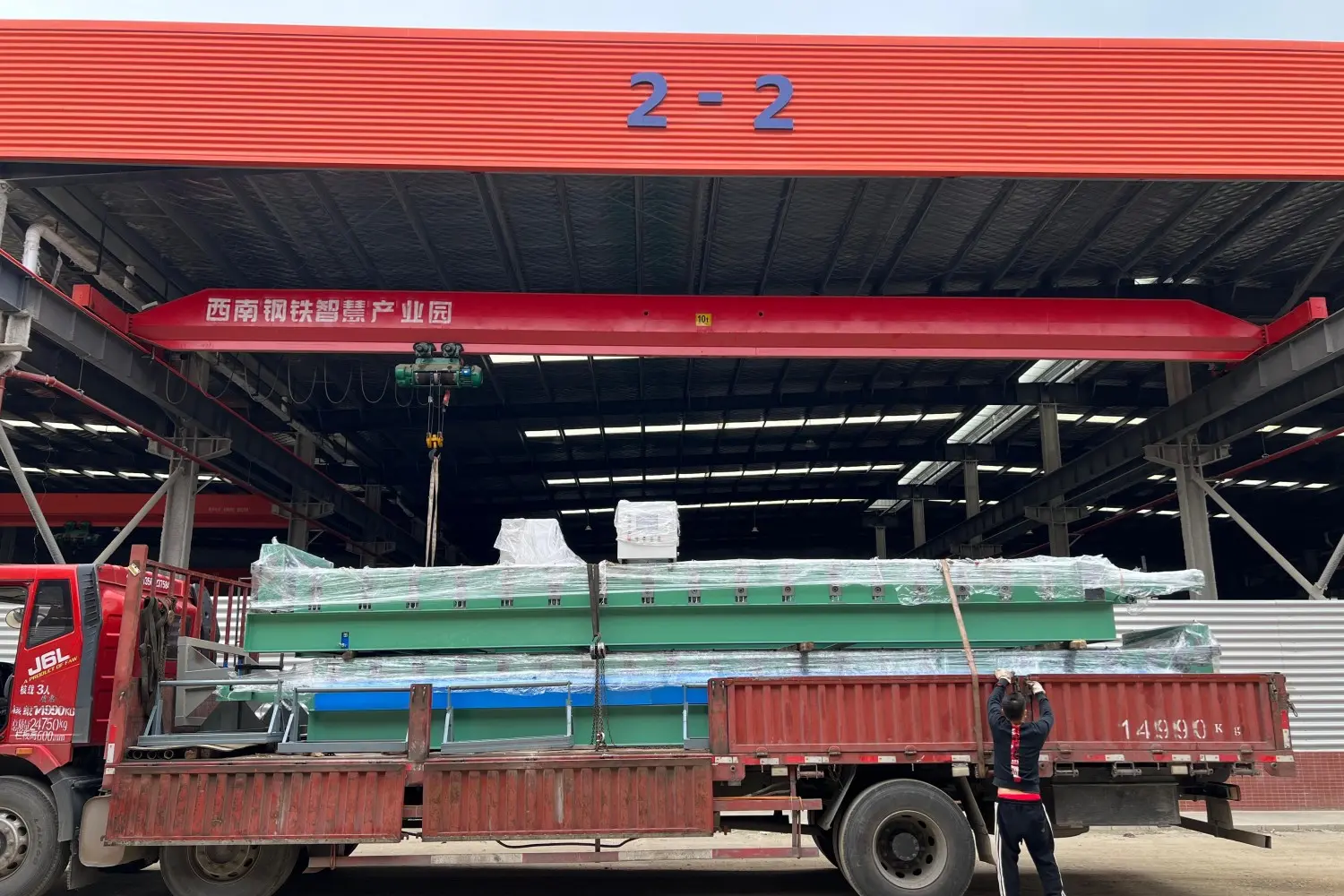
We deliver engineered systems to support the cold forming requirements of our clients.
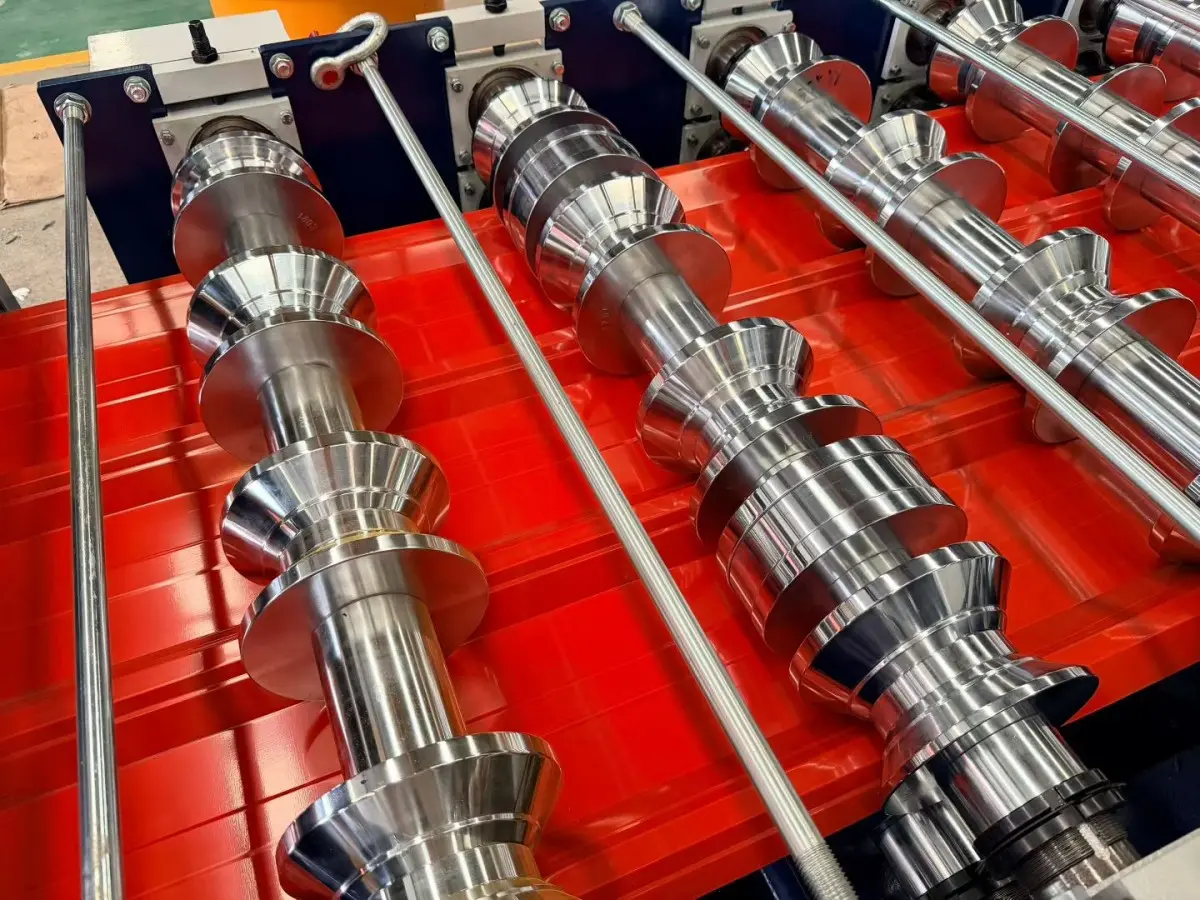
Providing custom metal forming solutions designed to meet dynamic industrial structural requirements.
Industrial Solutions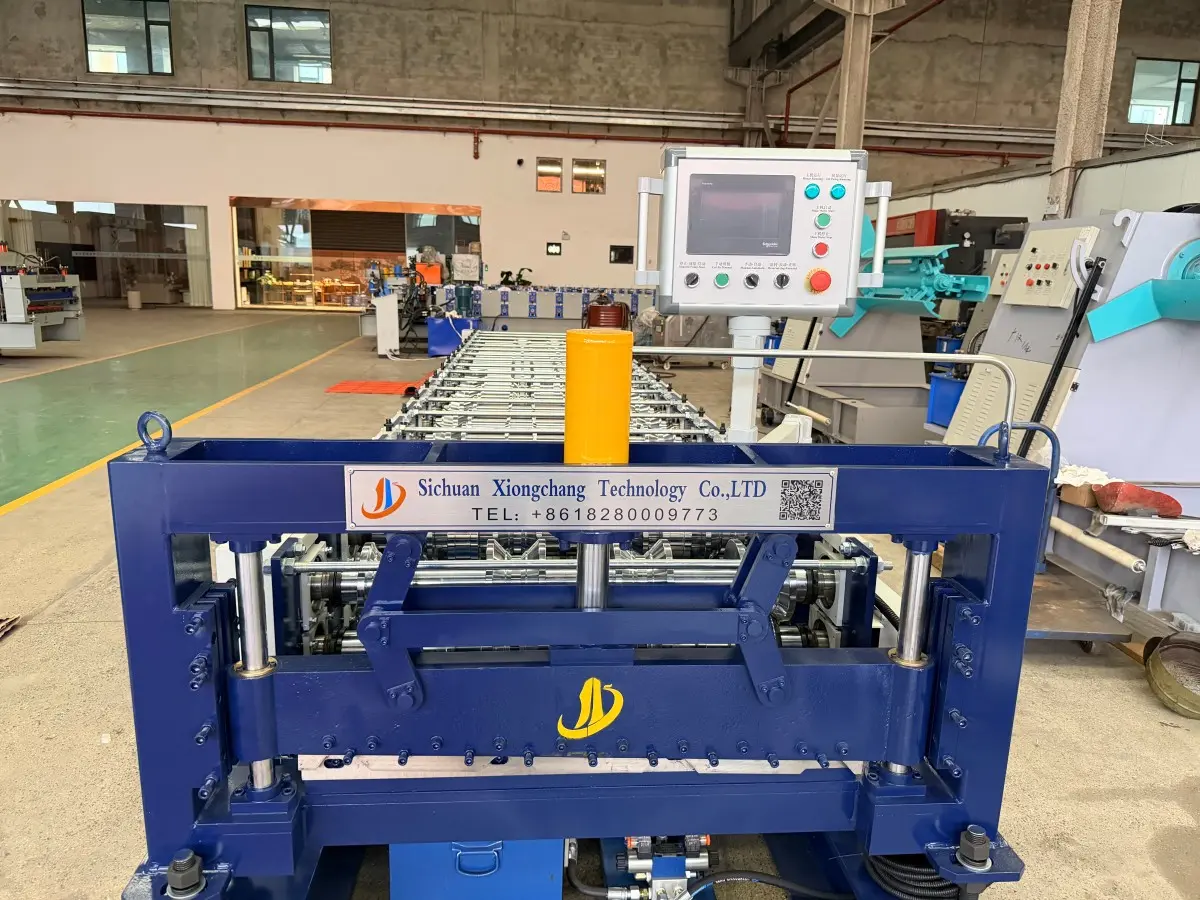
End-to-end machinery layout, commissioning, and long-term component support.
Customer SuccessWhen deploying storage rack systems globally, companies must align their designs with localized safety regulations and code requirements. Different regions utilize distinct racking designs based on seismic activity, fire codes, and load characteristics.
North American Standards (RMI & ANSI MH16.1): In the United States and Canada, selective pallet racks are highly standardized, with the "teardrop" style configuration dominating the market. Uprights require high-capacity base plates and anchors to comply with the Rack Manufacturers Institute (RMI) standards. Our custom lines accommodate these US standard punching specifications, allowing operators to run heavy 12-gauge or 14-gauge structural steel profiles with pre-programmed teardrop patterns.
European Standards (FEM 10.2.02 & EN 15512): The European Federation of Materials Handling (FEM) mandates safety factors for structural steel design, particularly under lateral wind loads and seismic events. European storage racking profiles often use dynamic hooks, bolt-together frames, and high-tensile thin-gauge steel (e.g., S350GD or S420GD). To handle these materials without cracking the zinc coating of pre-galvanized coils, our rollers are designed with optimized forming angle progressions and chromed finishes.
Seismic Design Considerations: Racks deployed in seismic zones (such as parts of California, Japan, Chile, and New Zealand) require thick, complex profiles that absorb lateral kinetic energy. Our roll forming systems are designed to process structural steel up to 3.5mm thick with precision punching to prevent stress concentration points around connection slots.
For over two decades, XC has been a designer and manufacturer of cold roll forming equipment, combining industry experience with a commitment to clients.
We design systems built to perform consistently, drawing on over 20 years of field engineering experience.
Our structures are engineered to handle high production loads while maintaining structural stability and profile tolerance.
From technical consultations to operator training, we work to support your production goals.
Our roll forming systems serve a diverse global client base, providing machinery to support residential building and industrial logistics projects.
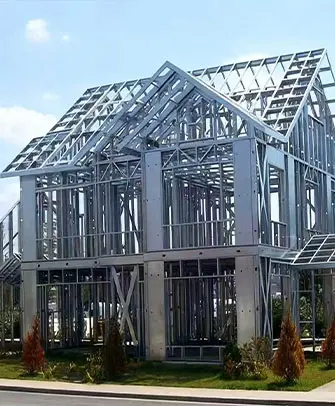


Purchasing heavy cold roll forming machinery is a long-term capital investment. To protect this investment, global procurement teams must follow a rigorous technical check process before taking delivery.
1. Steel Material Analysis: Insist on verification of the steel grade used for rollers and shafts. For heavy-duty operations forming 2.0mm to 3.5mm thick uprights, the rollers must be high-grade carbon steel or alloy tool steel (such as Cr12MoV) hardened via professional vacuum quenching. Low-end suppliers may use inferior steels or omit the hardening stage, leading to rapid wear and profile deviations within a few months of operation.
2. Drive & Transmission Integrity: Uprights and heavy box beams require robust mechanical transmissions. Ask for a solid gear coupling drive system rather than standard chain drives. Gear box transmissions provide stable torque distribution, prevent chain slippage, and maintain profile dimensions when forming high-strength steels.
3. Hydraulic Cutting and Punching Tolerances: Request details on the hydraulic cutting mechanism. In-line flying post-cut systems must run without creating burrs or material deformation. Confirm that the cutting blade is made of high-wear-resistant materials (such as Cr12 or H13) and features a quick-change assembly to minimize maintenance downtime.
4. Factory Acceptance Testing (FAT): Require a full continuous-run test at the manufacturer's facility before shipping. The testing should use the same material thickness, steel grade, and width that will be run in production. Run at least 1,000 meters of profile, measure dimensions at regular intervals, and verify that twist and bow remain within international standards (e.g., DIN or ISO tolerance limits).
Get professional technical answers to common queries regarding storage rack roll forming equipment.
Retaining all original equipment URLs for industrial procurement access.
 Xiongchang