The global industrial landscape of cold-formed steel manufacturing is undergoing a profound structural transition. Driven by structural performance requirements, carbon mitigation policies, and modular construction methods, modern industrial envelope builders are abandoning traditional brick-and-mortar methodologies in favor of high-strength structural profiles. Cold roll-formed sheet steel has emerged as the baseline standard for structural envelopes, providing unparalleled strength-to-weight ratios, seismic resilience, and rapid installation.
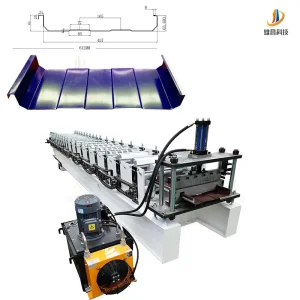
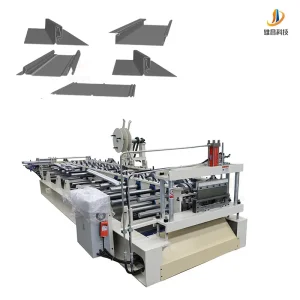
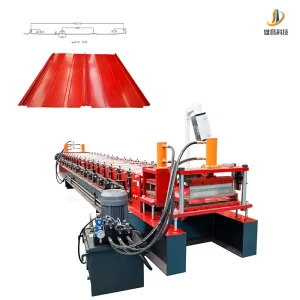
Key growth sectors such as logistics warehousing, commercial hubs, cold storage chambers, and heavy chemical industrial zones demand customized steel cladding panels. These applications must withstand severe wind uplift loads, corrosion, and extreme thermal movement. Custom-engineered roll forming machines must produce structural standing seam profiles, PBR panels, and IBR claddings that maintain structural integrity across diverse climatic conditions.
To achieve this, contemporary steel manufacturers look for advanced tooling geometries, automated width variations, and precision cut-off systems. As high-strength steel grades like G550 become common, roll forming systems must adapt to severe elastic springback and tight deformation tolerances, making high-spec machine calibration essential.
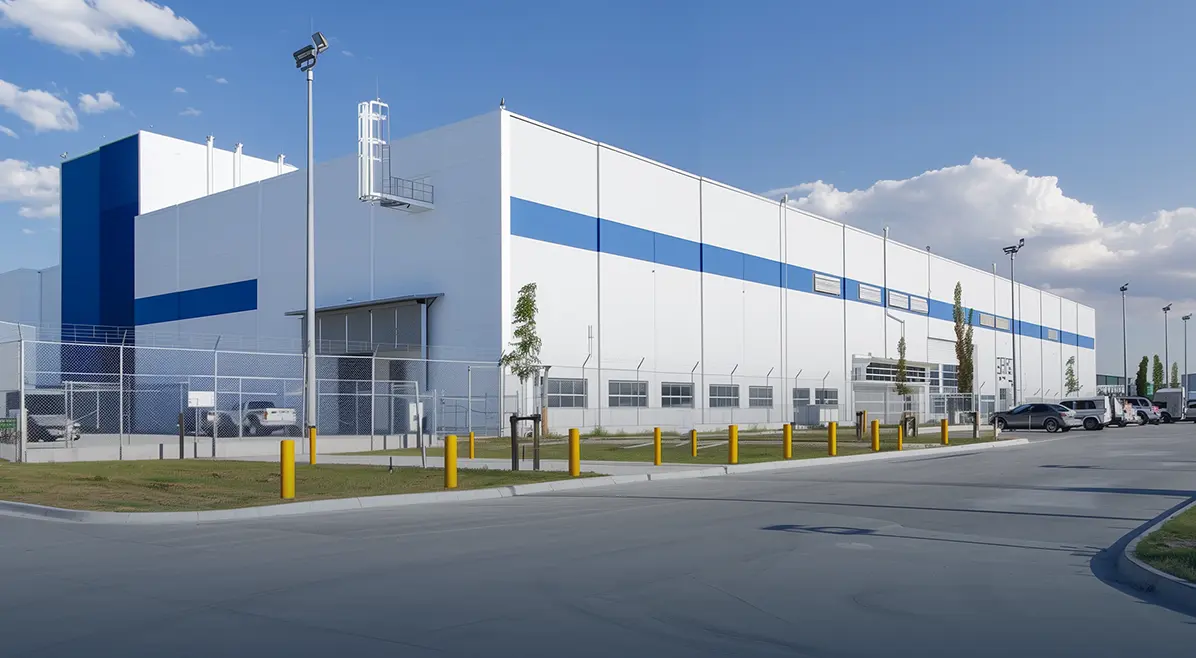
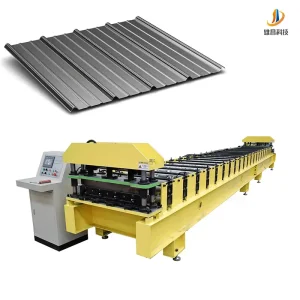
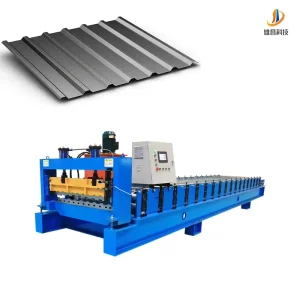
As an established expert in the field, XC (Xiongchang) provides integrated cold roll forming solutions globally. Our robust system portfolio encompasses core high-speed production lines for metal roofing, structural wall panels, floor decking, door frame profiles, and light gauge structural framing components. We support these systems with automated decoiling, leveling, punching, cutting, and stacker lines to maximize plant throughput.
With over two decades of experience, XC combines deep roll-pass tooling design expertise with a customer-centric focus. From custom-engineered profiles to standard production machinery, our systems are built for long-term reliable performance.
Discover Our Production CapacityOur substantial investments in automated production lines, CNC machining, and quality assurance protocols guarantee exceptional dimensional consistency across our entire range of structural profiles.
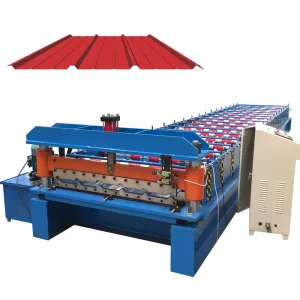
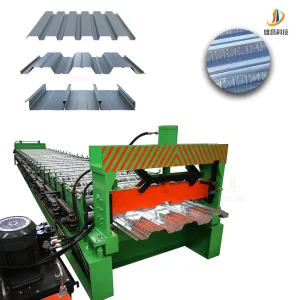
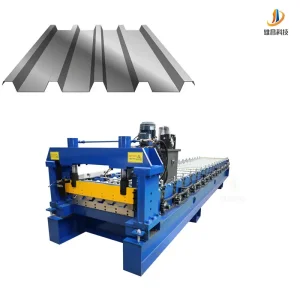
Roof panels, architectural siding wall profiles, and composite floor decking lines engineered to form high-strength pre-painted steel sheets without surface scratching.
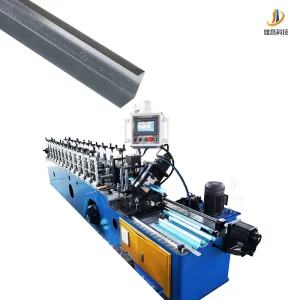
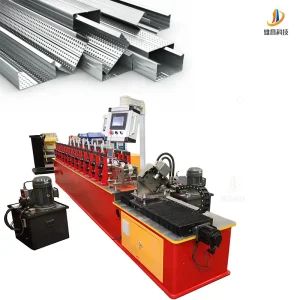
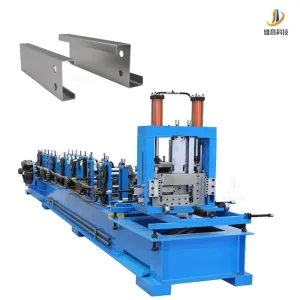
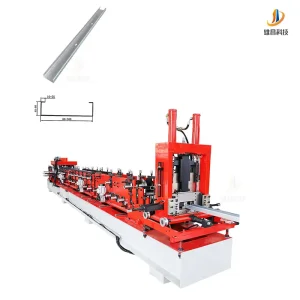
Highly dynamic C/Z interchangeable purlin machines and Light Gauge Steel (LGS) framing track-and-stud formers with integrated hydraulic punch modules.
Automated high-speed rainwater drainage gutter formers, downspout systems, and custom industrial steel door frame profiling equipment.
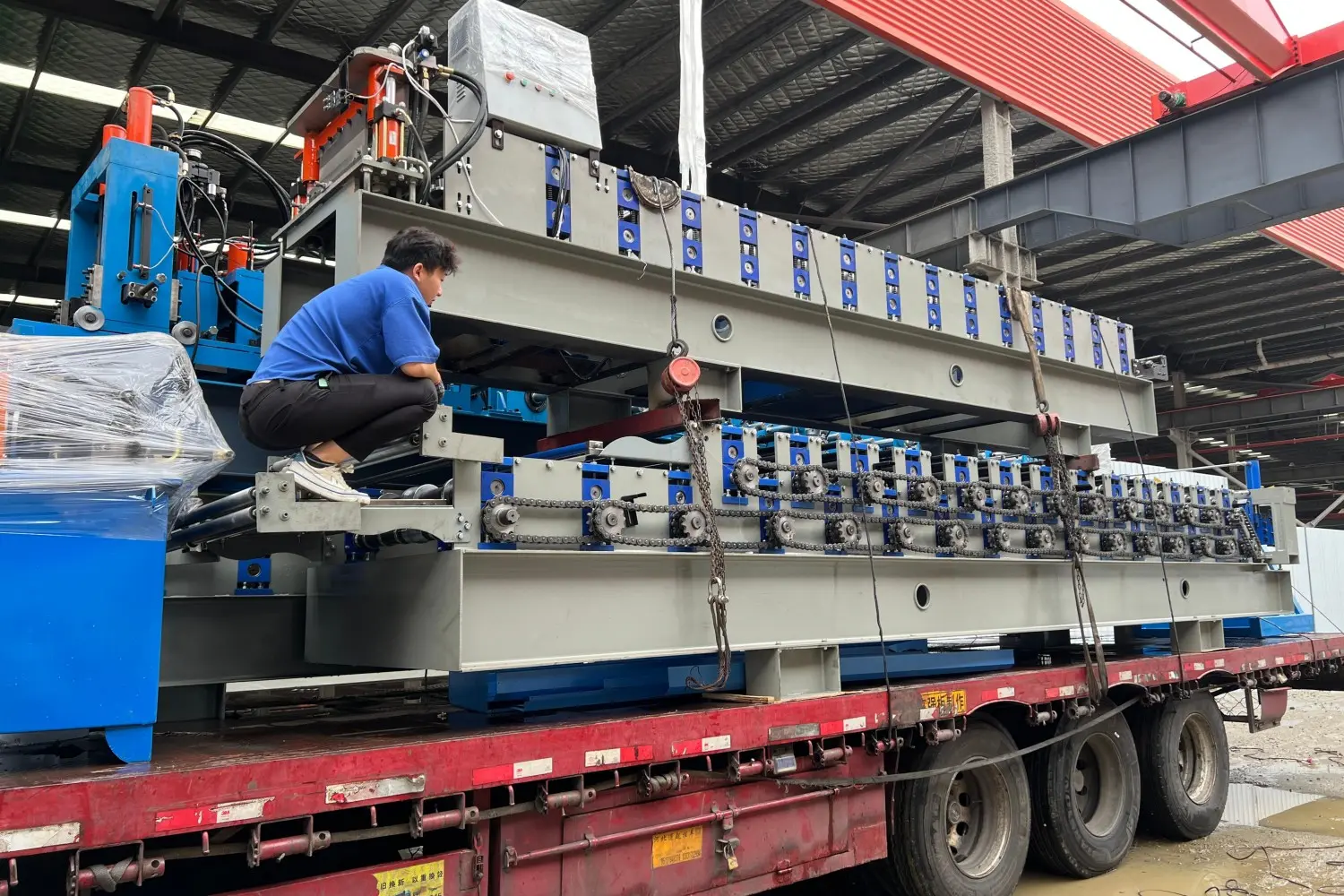
At XC (XiongChang), our engineering department uses advanced roll-pass design software (such as COPRA) to run FEA (Finite Element Analysis) structural stress simulations. This step evaluates material deformation, springback rates, and cold-work hardening across every forming pass.
We manufacture our roller tooling from premium steel grades (e.g., Cr12MoV, D2, or SKD11) using precision CNC machining. The rollers undergo vacuum heat treatment to reach HRC 58-62 hardness, followed by hard-chrome plating. This ensures high wear resistance, preventing profile distortion or surface damage when forming pre-painted, galvanized, or high-tensile steel coils.
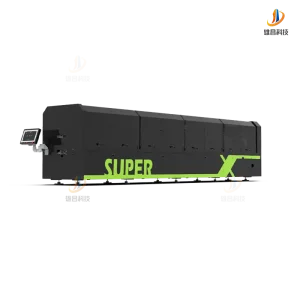
The integration of smart manufacturing systems and adaptive electronics defines the future of metal forming.
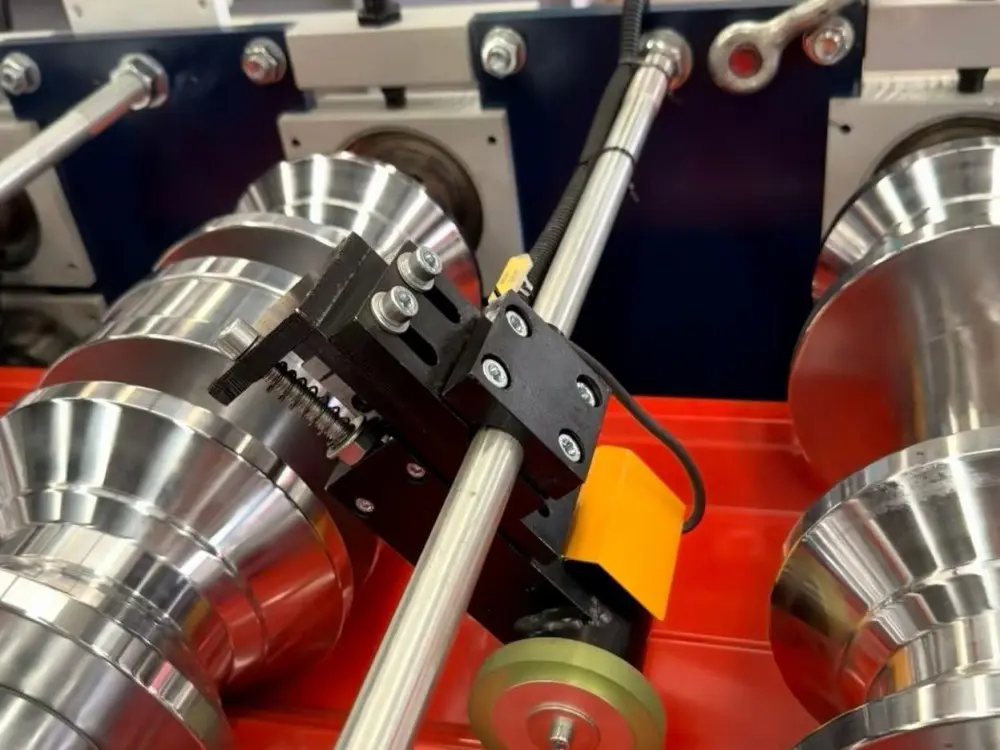
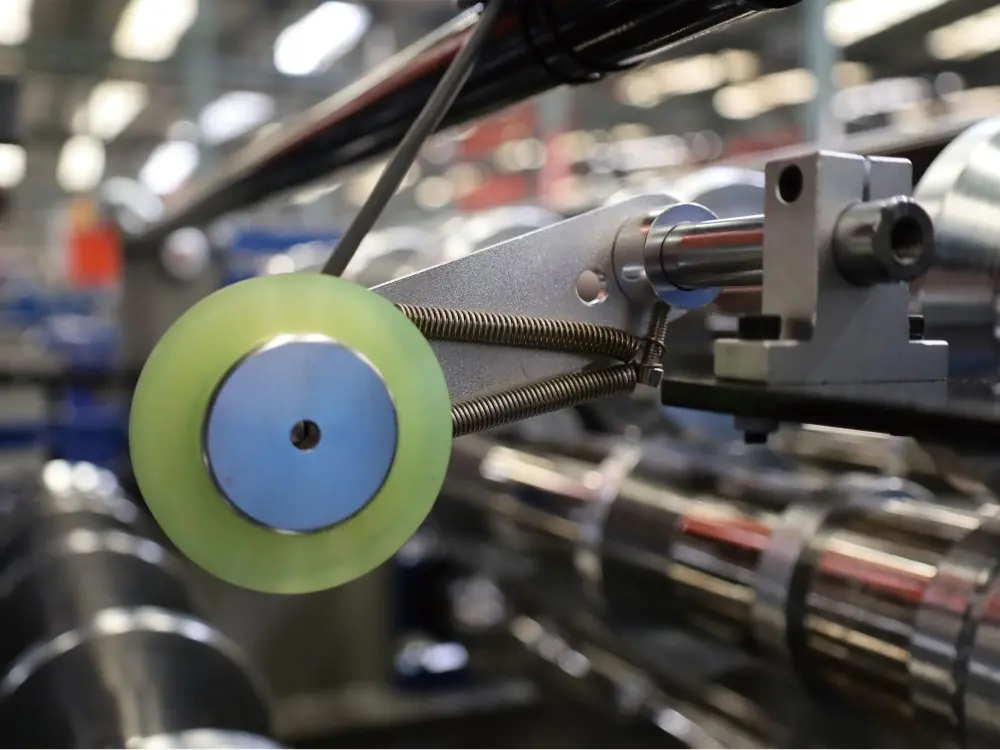
Real-time monitoring using laser and mechanical sensors adjusts the final roll stations automatically. This system compensates for variations in coil tensile strength and yield points on the fly.
Replacing conventional chain/gear drive lines with dedicated multi-shaft AC servo motors. This architecture enables variable profile forming, reduces backlash, and matches cutting speeds dynamically.
Built-in system logging tracking key parameters like hydraulic oil temperature, motor current draw, and cut cycle speeds, providing preventive maintenance alerts to avoid downtime.
Our quality program focuses on structural safety and precise engineering tolerances. Each roll former undergoes rigorous testing before shipment. We verify sheet metal yield points, check roll gap settings, and test shear dies at full operational speeds.
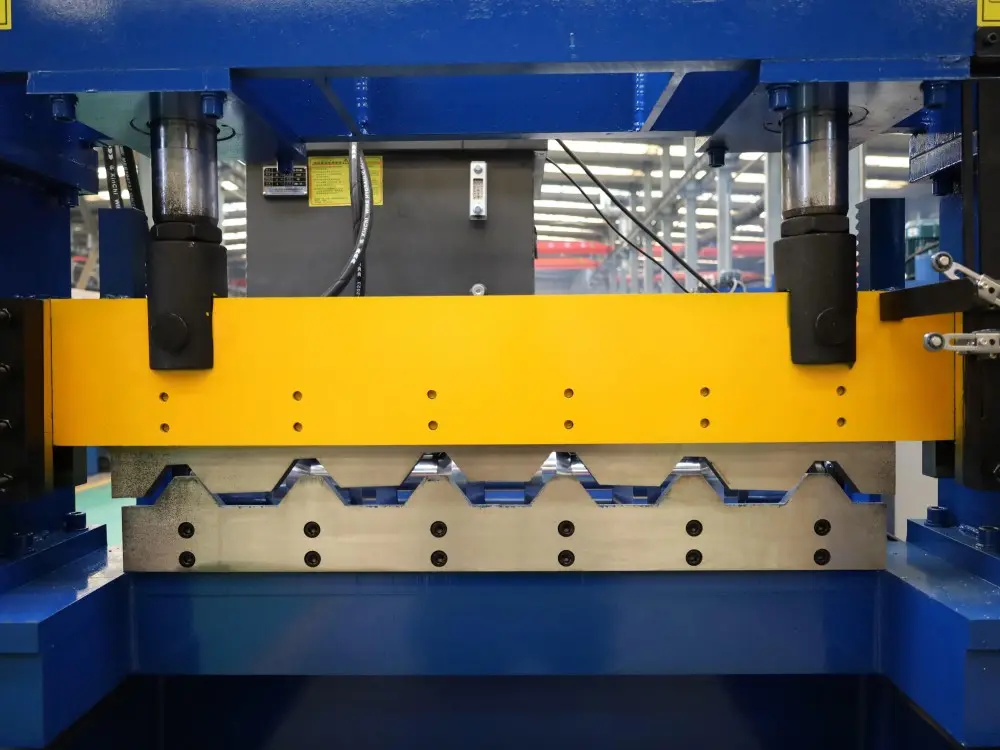
Through continuous investment in modern testing and inspection tools, XC guarantees profile consistency within ±0.5mm. We ensure perfect overlap alignment on the construction site, simplifying installation. Additionally, our automated pre-shear and post-shear configurations minimize end-flaring and material waste.
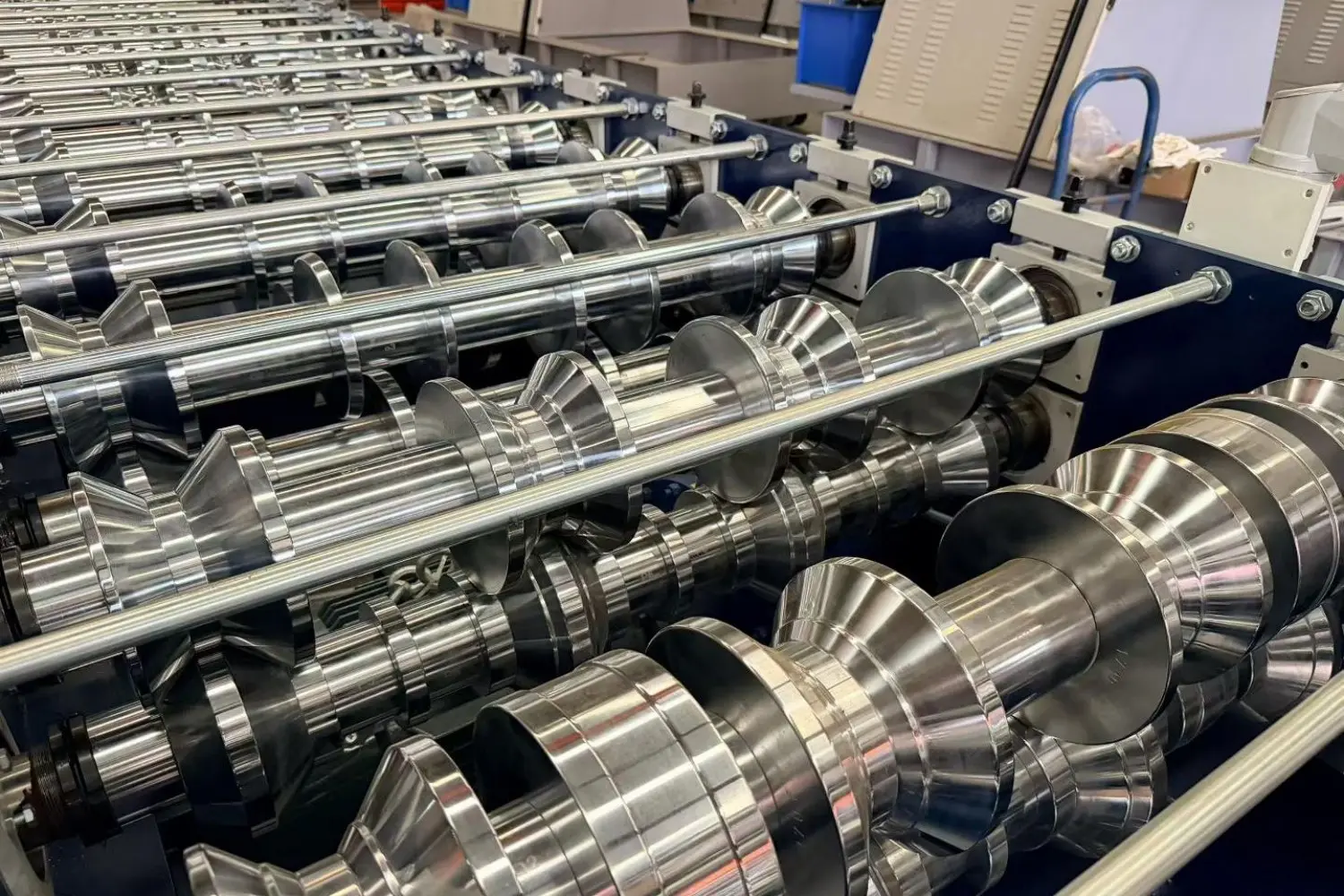
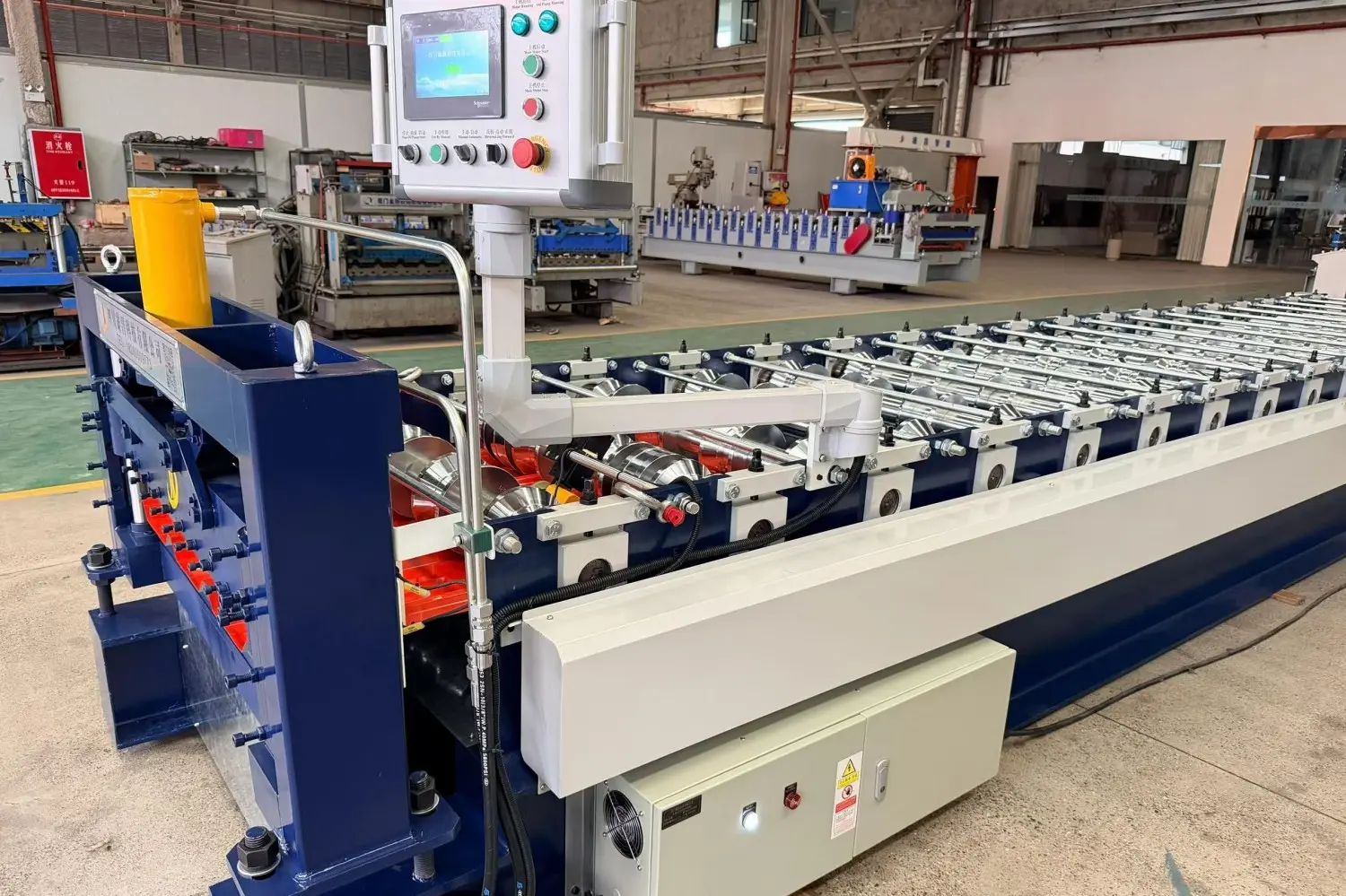
At XC, our relationship with clients extends far beyond delivery. We provide comprehensive lifecycle support for our machinery, from design to system commissioning and regular optimization.
We offer professional installation, site commissioning, and operator training to ensure quick startup and high productivity. Our dedicated after-sales support team provides technical assistance, software updates, and replacement parts to keep your production lines running efficiently.
High-efficiency roofing lines designed for expansive commercial retail centers, airports, and logistics hubs.
Heavy-duty structural decking and purlin systems engineered for massive manufacturing plants and heavy industry.
Light-gauge steel framing (LGS) and decorative cladding formers designed for modular residential construction.
High-precision sandwich panel profiles and cladding lines designed to ensure thermal insulation and air-tight seals.
Over two decades of engineering expertise, backed by advanced structural simulations and automated machining tools.
Heavy-duty steel plates, premium heat-treated roller tooling, and high-performance components ensure reliable long-term operation.
Complete lifecycle services, from pre-shipment testing to on-site commissioning and reliable spare parts supply.
Answers to key technical questions on profile calibration, material parameters, and system maintenance.
 Xiongchang