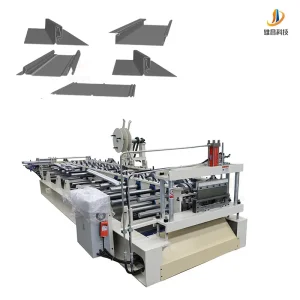
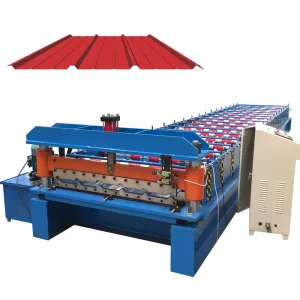
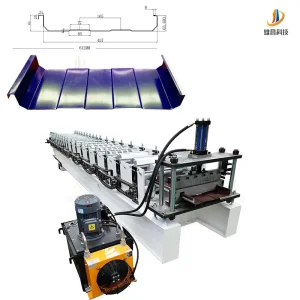
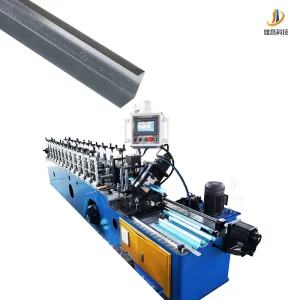
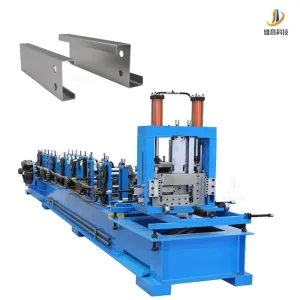
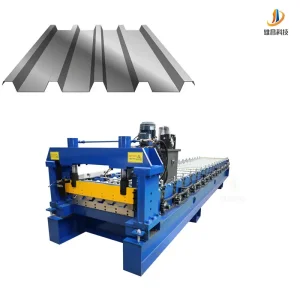
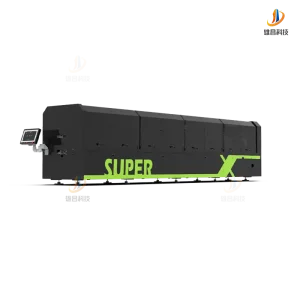
Explore our flagship, highly-configured roll formers designed to run high-performance architectural standing seam profiles and heavy-duty structural load-bearing sections.
XC (Xiongchang) is an industry-leading integrated roll forming specialist with decades of engineering excellence. Our operations encompass designing, engineering, and manufacturing core high-precision profiling machinery for metal roofing, steel flooring deck, wall cladding systems, structural frames, and custom heavy-duty tooling configurations.
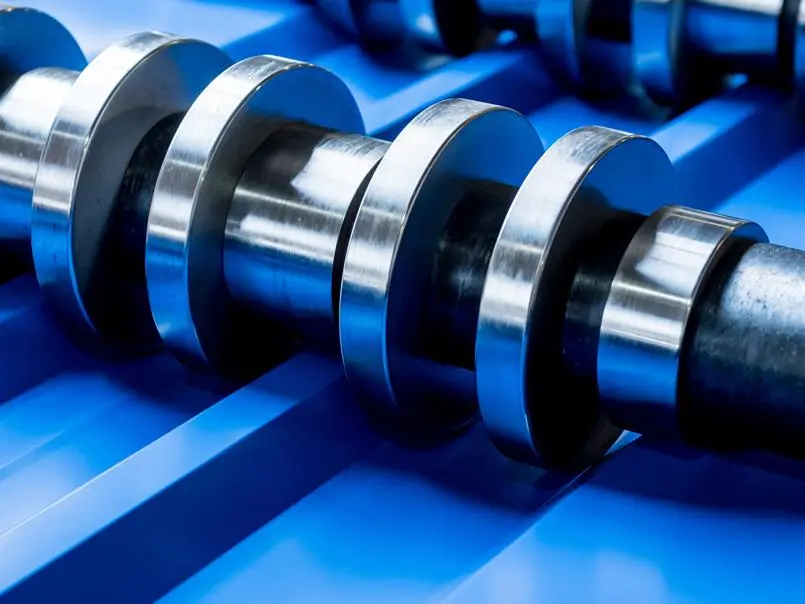
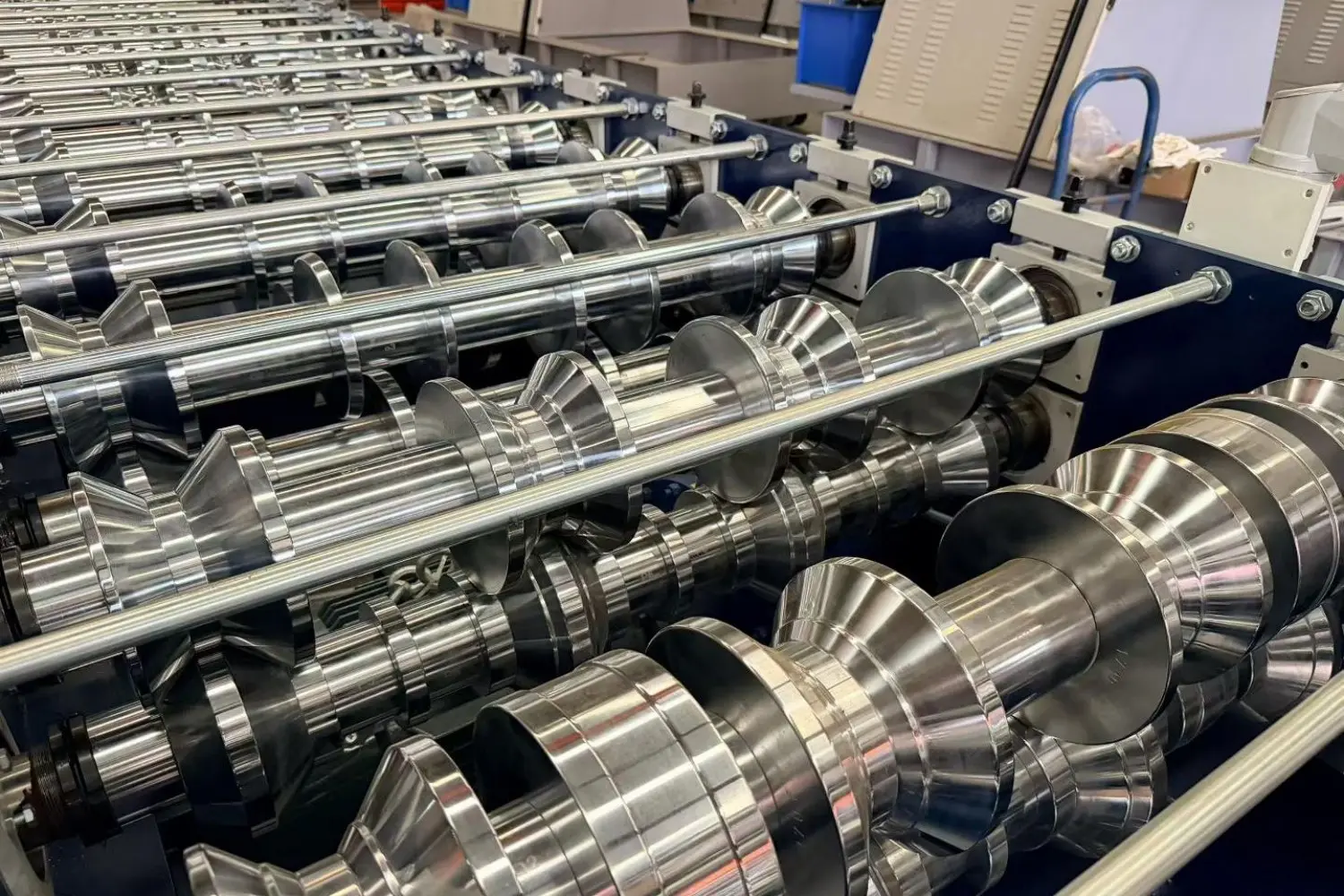
We utilize advanced fabrication methodologies, heavy-duty structural steel plating, and solid chrome-plated high-precision roll tooling. Through an unyielding commitment to automated technology, our systems consistently optimize cycle times, yield absolute dimensional consistency, and withstand rigorous industrial operations worldwide.
Download Corporate Capabilities Profile
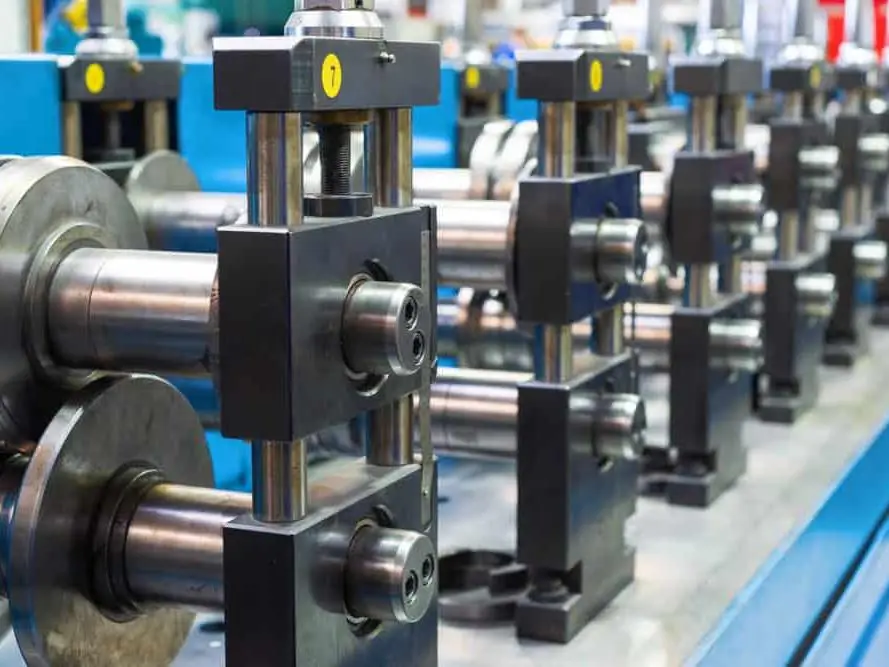
Our engineering facilities are equipped with heavy industrial CNC machining centers, high-tolerance coordinate testing benches, and computerized heat-treatment systems. This infrastructure allows us to build heavy-duty mechanical roll stations, robust steel structural plates, and modular tooling cassettes designed for fast profile transitions.
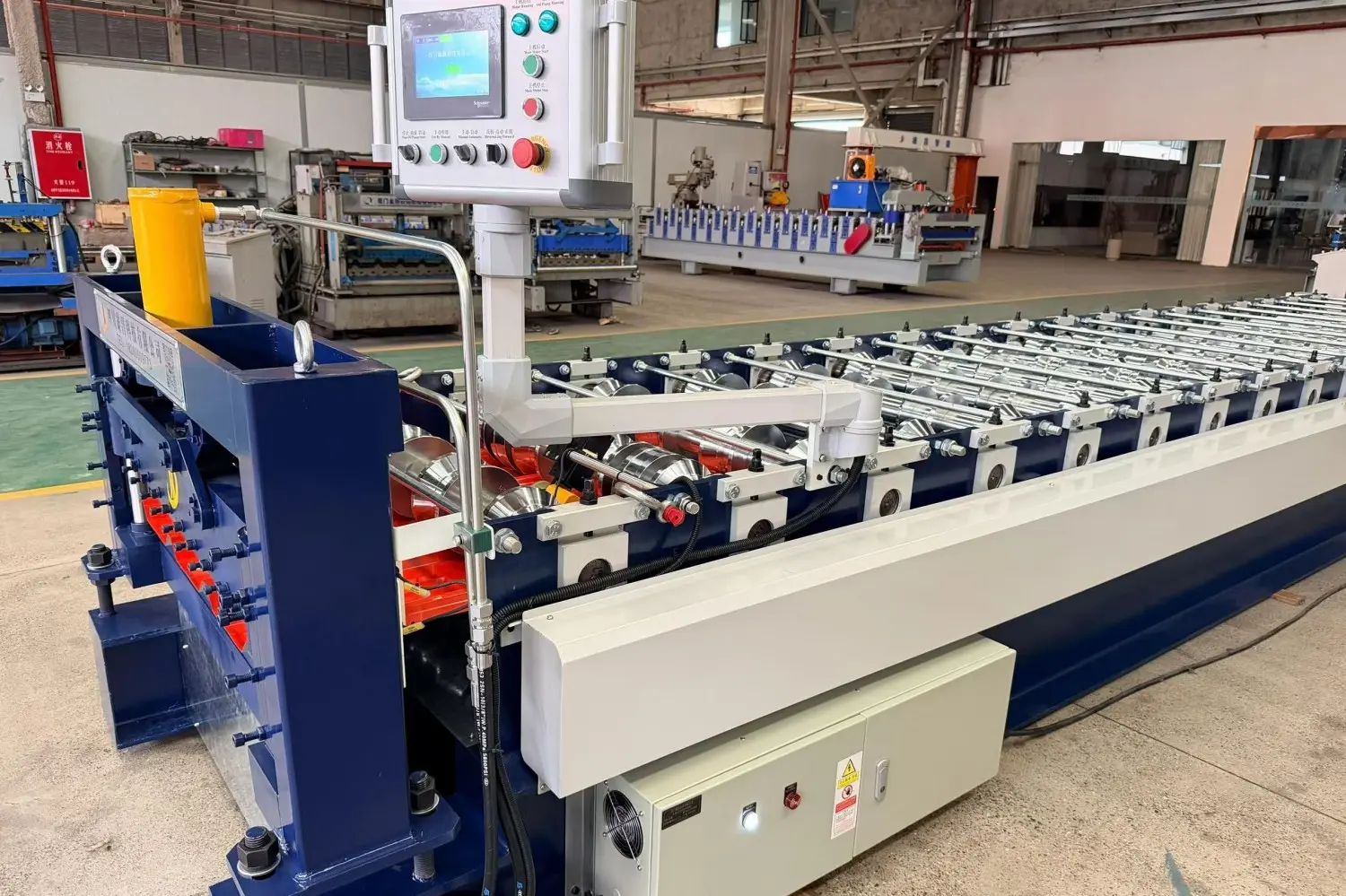
XC specializes in integrating automated systems with variable-frequency motor drives (VFD), high-torque hydraulic punching assemblies, and Siemens or Mitsubishi PLC human-machine interface (HMI) controls. This configuration yields ±0.5mm cutting tolerances and seamless operation across diverse material gauges, including high-yield galvanized steel, painted aluminum, and copper.
All systems are designed, simulated, and stress-tested through finite element analysis (FEA) software prior to manufacturing, eliminating structural deflection during roll-forming and guaranteeing machine longevity.
Understanding the transition from traditional fastening mechanisms to high-yield, smart, concealed standing seam roofing profiles.
Rapid urbanization, coupled with mandates for net-zero energy buildings, has intensified demand for solar-ready metal roofing. Architectural panels must now accommodate PV mounting brackets without penetrating the weathering envelope. Standardized standing seam configurations fulfill this requirement, driving high-volume procurement across North America, Europe, and Asia-Pacific.
Traditional screw-down panels suffer from thermal expansion fatigue, leading to elongated fastener holes and eventual water ingress. Architectural engineering has pivoted to snap-lock, mechanical lock, and nail-strip configurations. Our custom-engineered roll formers accommodate these complex geometries, forming locking seams that withstand extreme thermal fluctuations.
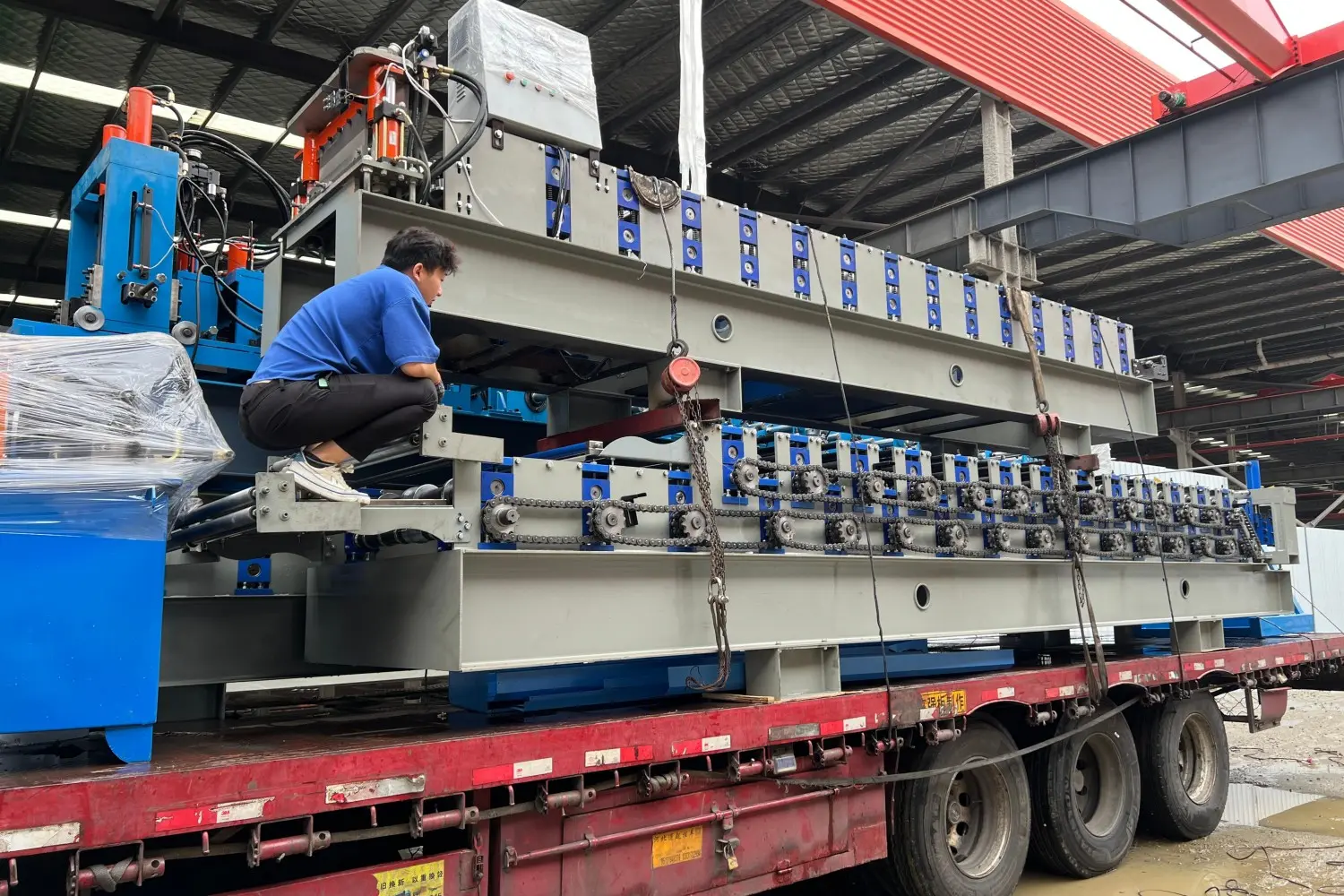
Shipping pre-formed standing seam panels longer than 12 meters introduces complex logistics and potential panel deformation. Modern construction practices favor job-site roll forming utilizing trailer-mounted, mobile machinery. XC develops rugged, compact standing seam roll formers optimized for transport without compromising calibration or rigidity.
Customized engineering solutions tailored to meet the strict demands of building envelopes, heavy structural frames, and industrial fabrication pipelines.
For international buyers, contractors, and industrial developers, roll forming procurement involves complex evaluations of long-term return on investment, engineering standards, and system flexibility.
Modern metal construction projects require processing high-tensile substrates, including Grade 80 steel (550 MPa) and high-strength marine-grade aluminum. Standard roll formers face frame flex and tooling wear under these conditions. XC engineers roll formers with heat-treated, heavy-duty alloy shafts (Cr12MoV/SKD11) and precision-aligned bearing blocks to handle high-yield materials without deformation.
This guarantees consistent bend radii and eliminates oil-canning—the waviness in the flat areas of standing seam panels—improving both aesthetic and functional performance.
Global projects frequently demand varying panel widths (e.g., from 300mm to 600mm) on the same site. Manual machine adjustment leads to downtime. Our advanced H1-series control platforms support motorized, HMI-driven width adjustments. This design saves labor, reduces adjustment errors, and increases daily throughput by up to 40%.
Integration of servo motors ensures sub-millimeter precision, providing smooth adjustments for custom panel designs.
To maintain our reputation as a trusted manufacturing partner, XC operates an internal quality laboratory equipped to test mechanical tolerances and material properties. Every machine undergoes a rigorous trial protocol before leaving our facility, including 24 hours of continuous test runs under full load.
We test and record profile dimensional deviations, hydraulic shearing accuracy, HMI responsiveness, and emergency safety systems. Our testing equipment measures surface roughness, hardness (HRC), and coating thicknesses to ensure compliance with global standards, including ASTM, CE, and UL.
This systematic verification minimizes installation times at the job site, enabling buyers to transition quickly from delivery to profitable production.
High-performance machinery requires proper installation and maintenance to operate at peak efficiency. XC offers a comprehensive service model that begins during the design phase and continues through the life of the machine.
Our engineering team assists with factory floor planning, power supply synchronization, and raw material feed optimization. During commissioning, our field engineers conduct hands-on training for HMI operations, tooling changes, safety protocols, and routine maintenance.
We also maintain a stock of spare parts—including shearing blades, encoders, and VFD modules—for rapid dispatch, minimizing downtime and supporting continuous production.
Our roll forming solutions are utilized across diverse industries, from architectural fabrication and residential construction to heavy industrial, automotive, and infrastructure sectors.
Whether forming high-wind-resistant standing seam panels for coastal zones, heavy structural purlins for warehouses, or thin-gauge framing for interior partitions, our machines are engineered to deliver precise profiles.
By working with major international engineering companies, XC designs custom forming systems that integrate directly into existing production workflows, supporting automated manufacturing lines worldwide.
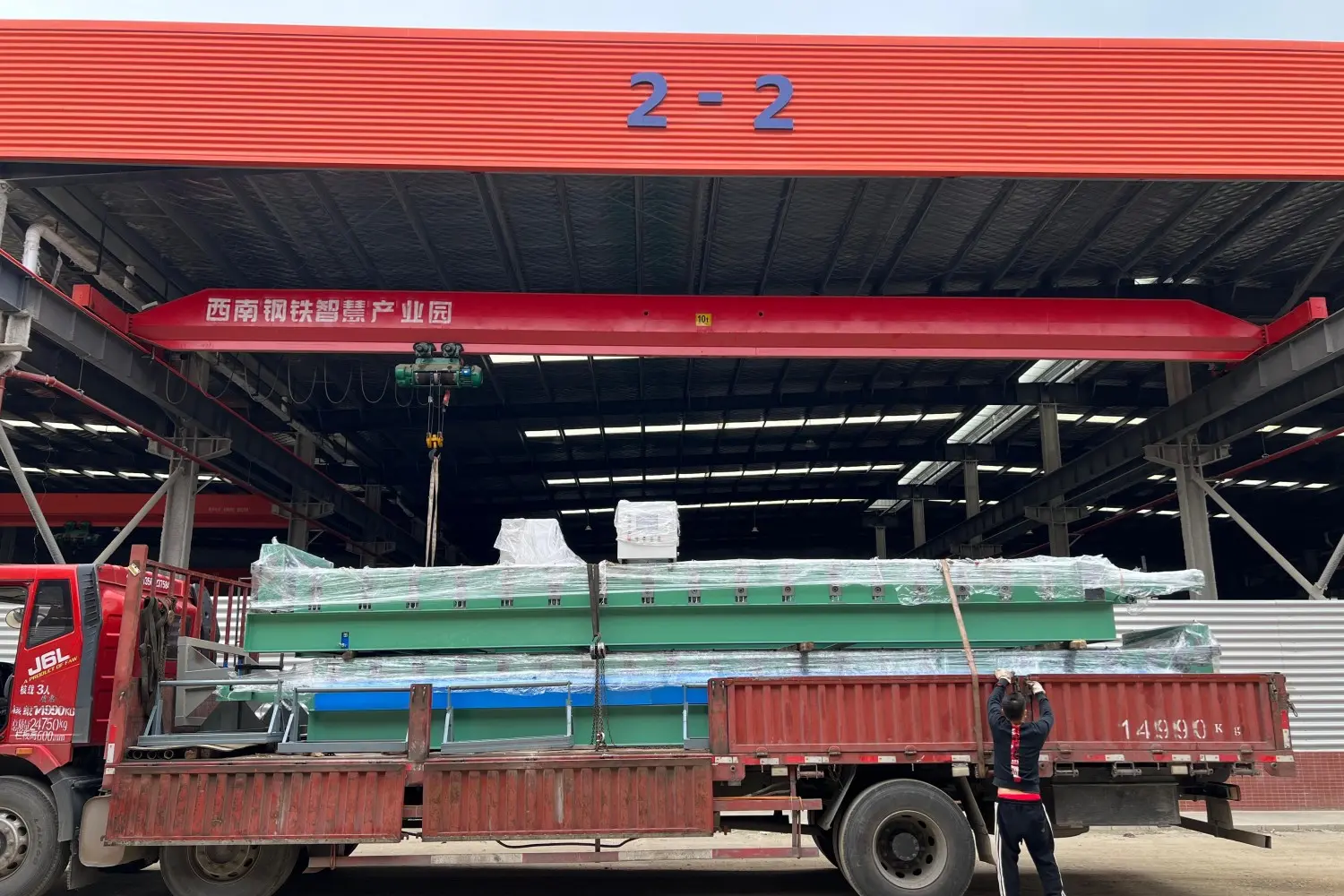
Our engineering solutions meet the quality and regulatory requirements of diverse vertical markets.
Our engineering R&D focus is on improving automated control and reducing downtime through advanced diagnostic features.
Integrating cloud-connected diagnostic modules allows our engineers to monitor operating parameters and troubleshoot issues remotely, reducing down-time for overseas operators.
Developing high-speed, non-stop flying shear systems that eliminate start-stop lag, improving output capacity by up to 30% without affecting length accuracy.
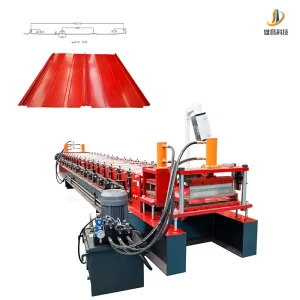
Upgrading our standing seam machines with HMI-programmable servo controls, allowing users to modify panel width on the fly through the touch-screen interface.
Find technical specifications, material capabilities, and operating advice from our engineering team.
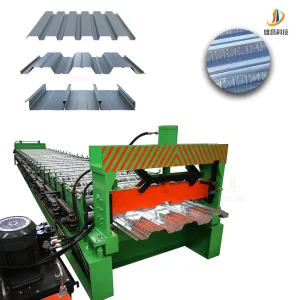
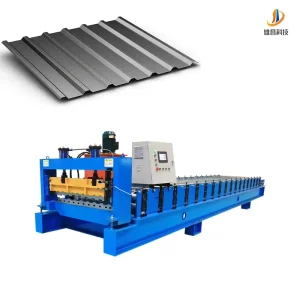
Architectural applications typically require standing seam profiles (snap-lock, mechanical lock, and nail-strip) to manage thermal expansion. For structural roofs and sub-floors, structural decking profiles are common. Our machines are designed to form these shapes cleanly, maintaining the protective zinc or paint coatings on the steel.
Our standard standing seam machines handle material thicknesses from 0.4mm to 0.8mm. Heavy structural deck lines can process steel up to 1.5mm. We can customize the roll forming stations to meet specific thickness and tensile requirements.
Oil-canning is minimized by using hardened, precision-ground tooling, adjustable entry guide rails, and auxiliary flattening rollers. We also offer optional ribbing rollers to add stiffening beads to the panel, improving stiffness and visual flatness.
We supply Siemens or Mitsubishi PLC systems paired with multi-language HMI screens. These systems allow operators to input batch sizes, target lengths, and punch patterns. Integration with VFDs ensures smooth speed control and precise cuts.
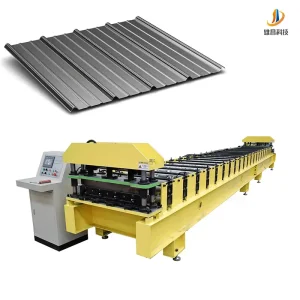
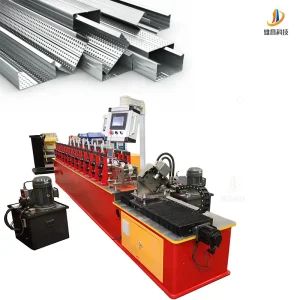
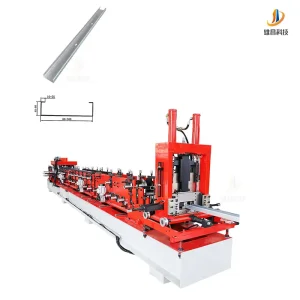
Select from our specialized line of C/Z purlin machinery, nail strip formers, and structural components.
Contact our technical sales team for custom engineering support, machine layouts, and detailed project quotes.
Request Technical Consultation Xiongchang