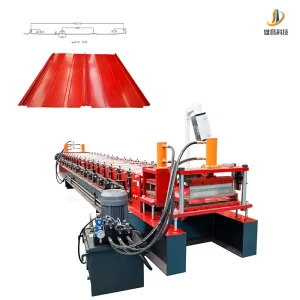
Explore our premium machinery portfolio including custom structural, roofing, and flooring roll formers.
An Industrial Guide on Custom Roll Forming, Supply Chain Dynamics, and Global Procurement Standards
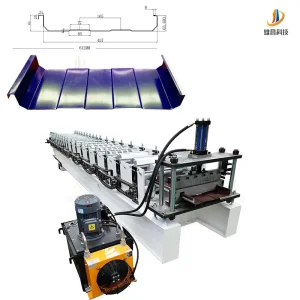
The modern structural landscape relies heavily on metal envelopes that prioritize thermal flexibility, wind uplift resilience, and architectural durability. Standing seam metal roofing systems represents the vanguard of this engineering evolution. Historically crafted through manual bending and simple onsite folding devices, modern architectural projects necessitate automated, high-precision Custom Standing Seam Profiling Machines.
Driven by rapid commercial infrastructure development, industrial warehouse setups, and the integration of solar photovoltaic (PV) arrays on standing seam tracks, the global market for customized profiling lines is experiencing a technological renaissance. Engineering teams globally require specialized systems capable of handling multi-material inputs—ranging from structural steel to premium copper, zinc, and aluminum—without micro-fracturing the paint coatings or distorting structural panel dimensions.
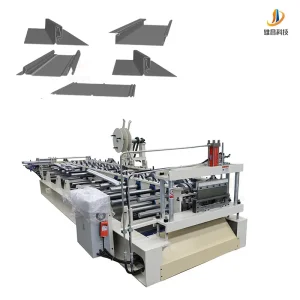
Procuring the right cold roll former requires an in-depth understanding of the end-product applications. Stand seam profiling machines are broadly categorized by the locking mechanism they produce:
| Profile Type | Locking Method | Primary Industrial Application | Key Advantage |
|---|---|---|---|
| Mechanical Lock | Field-folded 90° (single lock) or 180° (double lock) using electronic seaming tools. | Low-slope commercial roofs, high wind-load environments. | Maximum water-tightness and pull-out resistance under structural stress. |
| Snap-Lock | Interlocking male/female joints that snap together without manual seaming. | Commercial, light-industrial, and steep-slope architectural panels. | Extremely fast installation cycles reducing onsite manual labor cost. |
| Nail-Strip / Fastener Flange | Built-in nailing strip along the panel leg, hidden by the adjacent panel. | Residential roofing, accent cladding, and small-scale commercial roofs. | Requires no clip systems; minimal tooling footprint on site. |
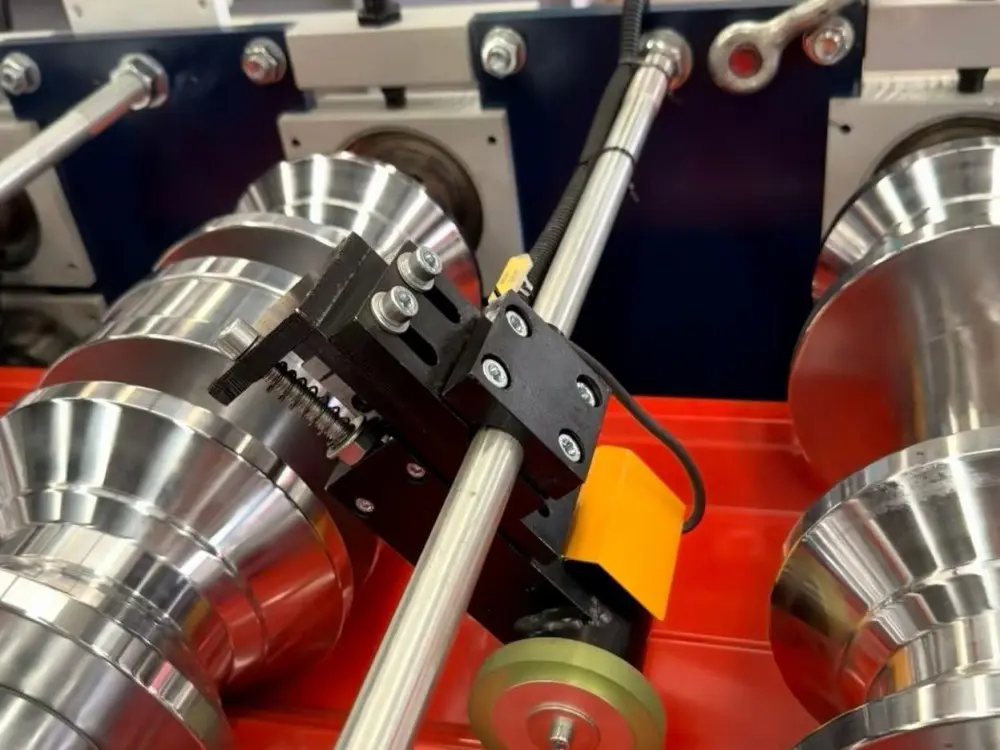
Custom manufacturers must optimize roller configurations (typically 12 to 22 forming stations) to gradually shape metal sheets without introducing structural memory stress, which leads to panel oil-canning—the waviness often seen in poorly rolled sheets.
As an established global expert in the metal forming industry, XC (Xiongchang) provides integrated cold roll forming solutions. Our comprehensive portfolio encompasses core production machines for roofing, floor decks, doors, and structural framing components, alongside complete auxiliary production lines designed for maximum efficiency.
We maintain high-precision roll design systems utilizing top-tier engineering software, ensuring every station, shaft, and roller assembly aligns perfectly to produce exact tolerances of less than ±0.5mm.
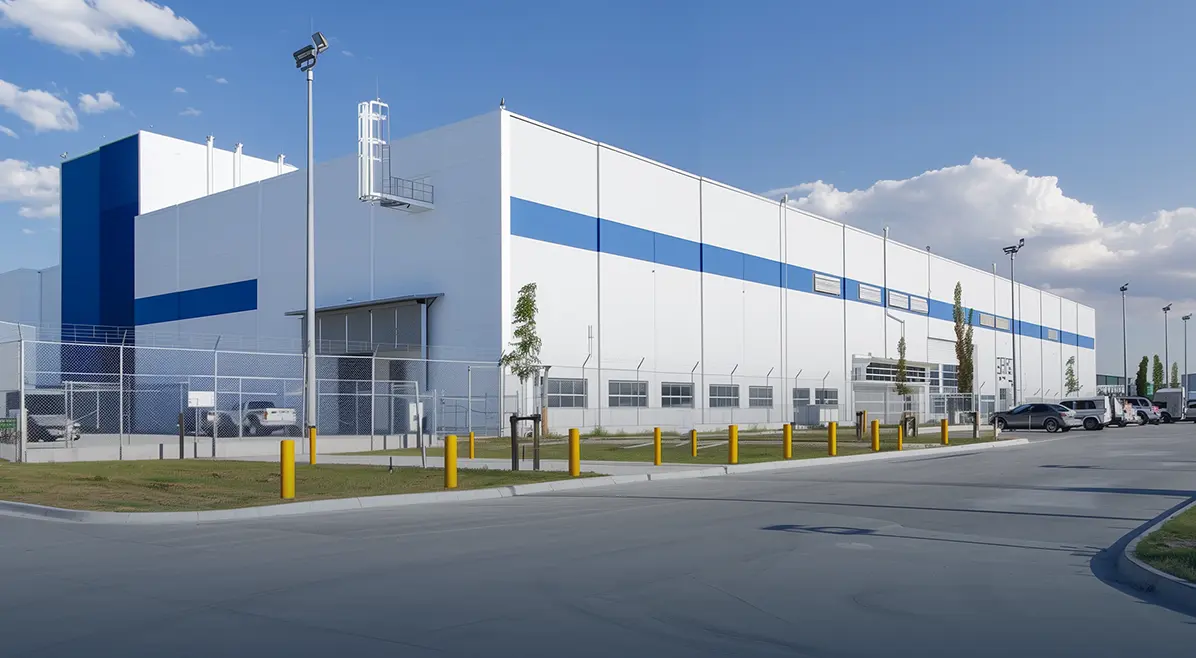
Delivering high-performance roll forming lines through automated machining and strict quality metrics.
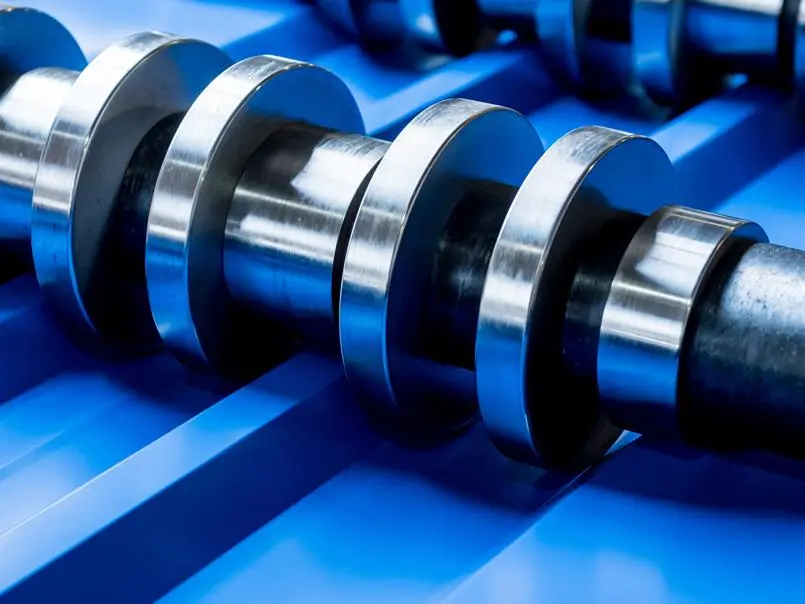
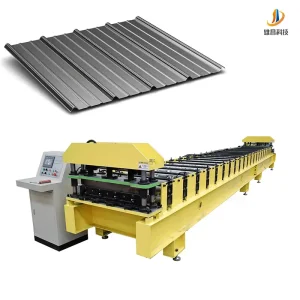
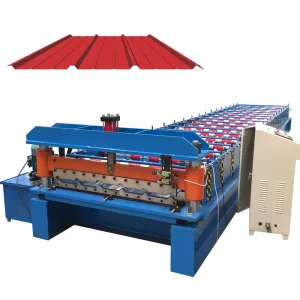
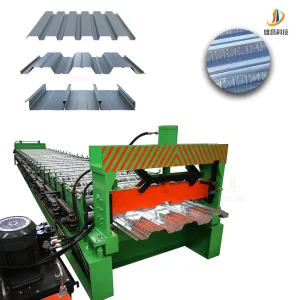
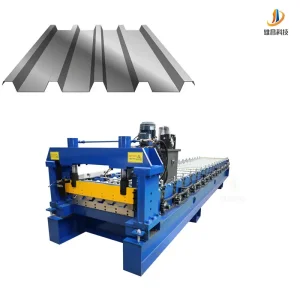
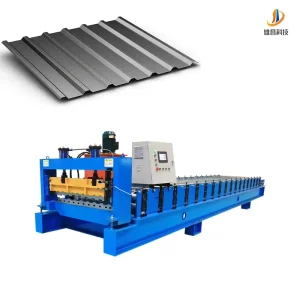
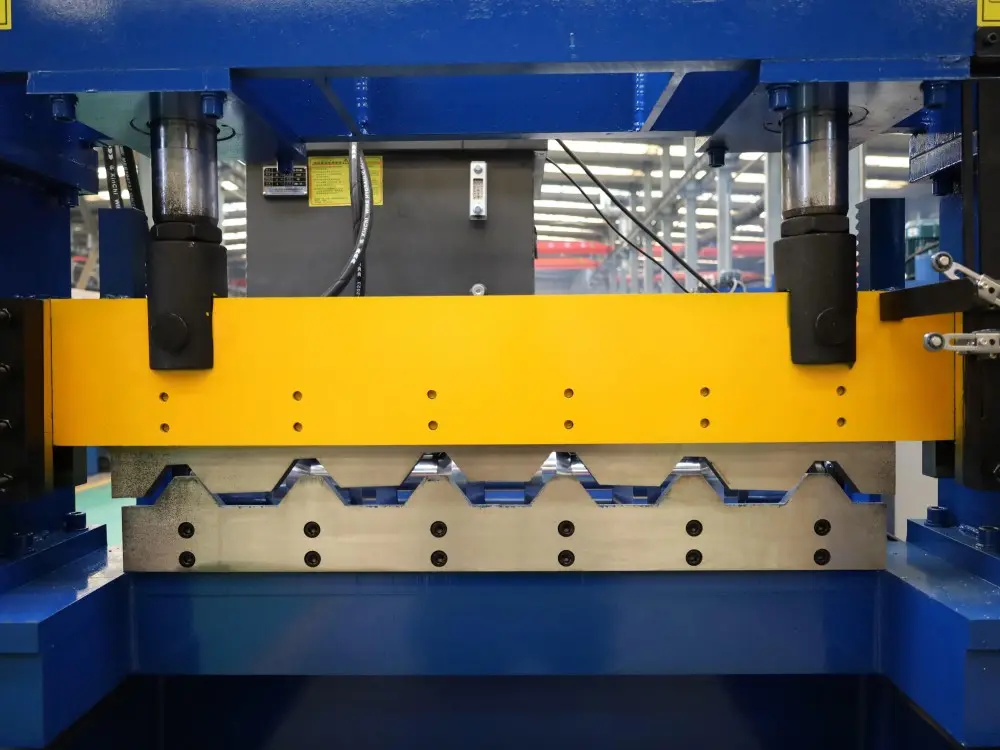
Precision engineered structural Roof Panel, Wall Panel, and Floor Deck Roll Forming Machines designed to process galvanized steel and heavy-gauge substrates.
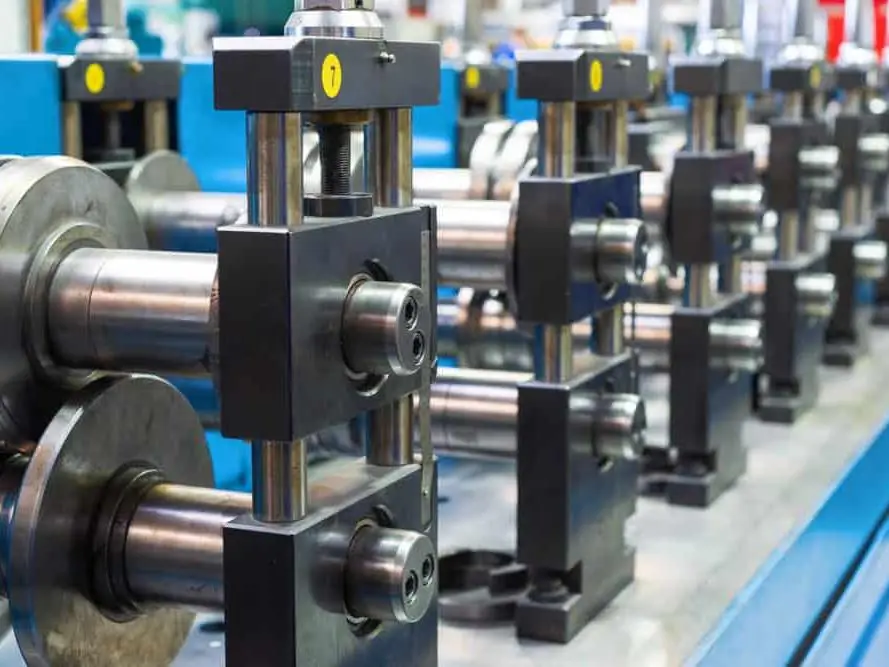
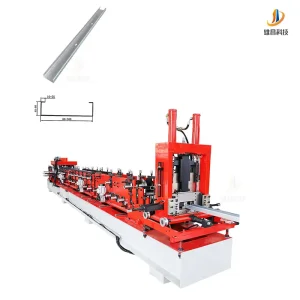
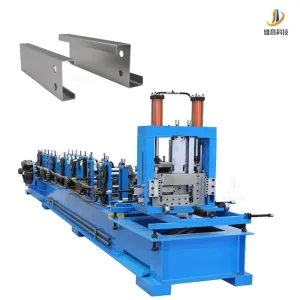
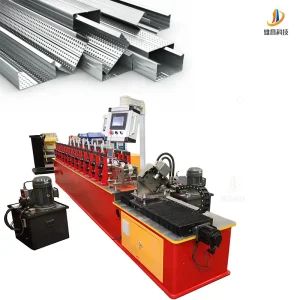
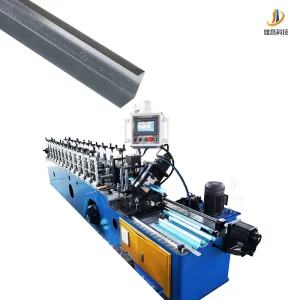
High-performance C/Z Purlin Roll Forming Machines, and automated Stud & Track systems. Features quick-change size adjustments via modern PLC interfaces.
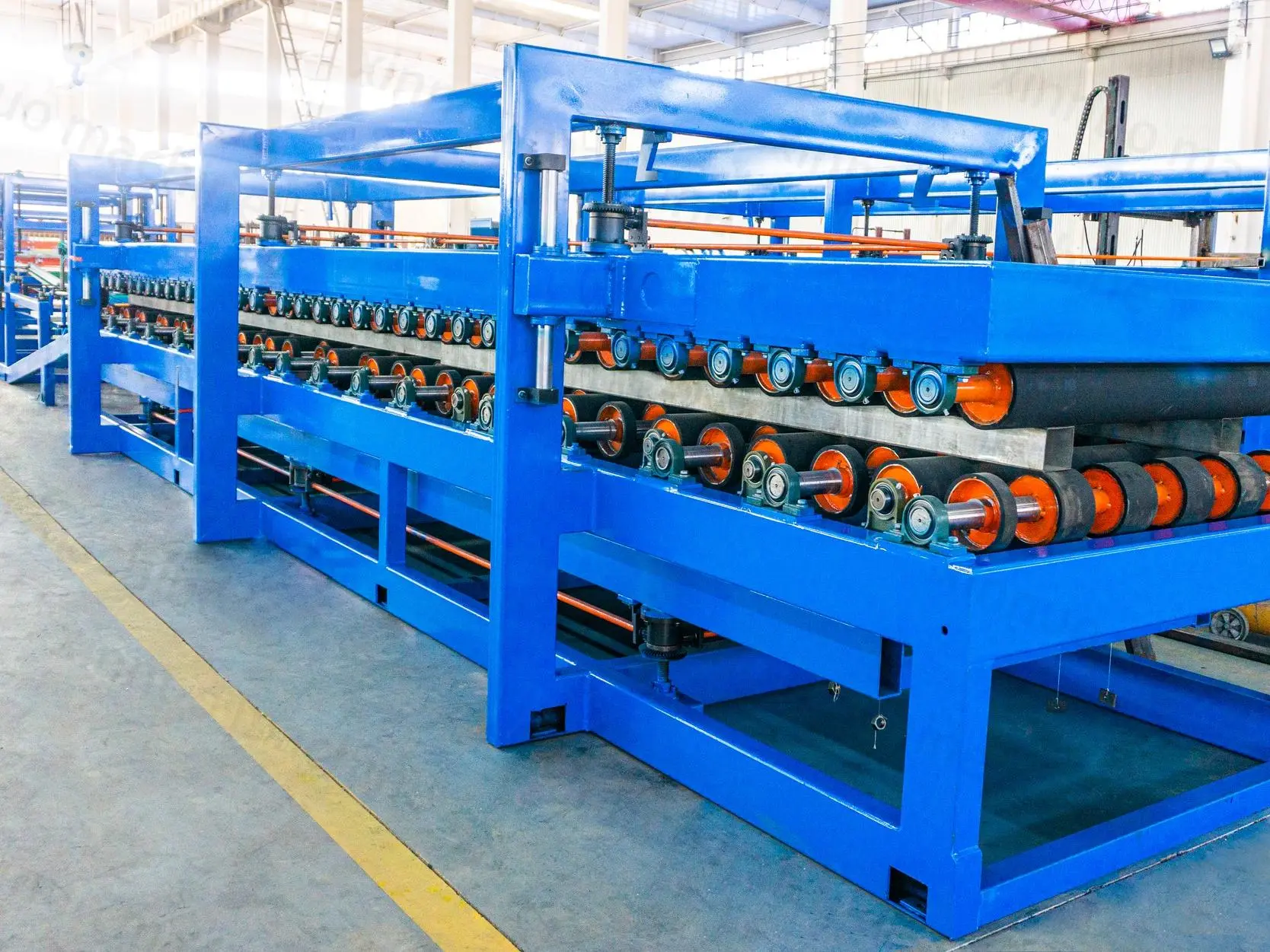
Custom configurations for Gutter Roll Forming Lines, Downspout profiles, and complex Door Frame designs to round out custom envelope projects.
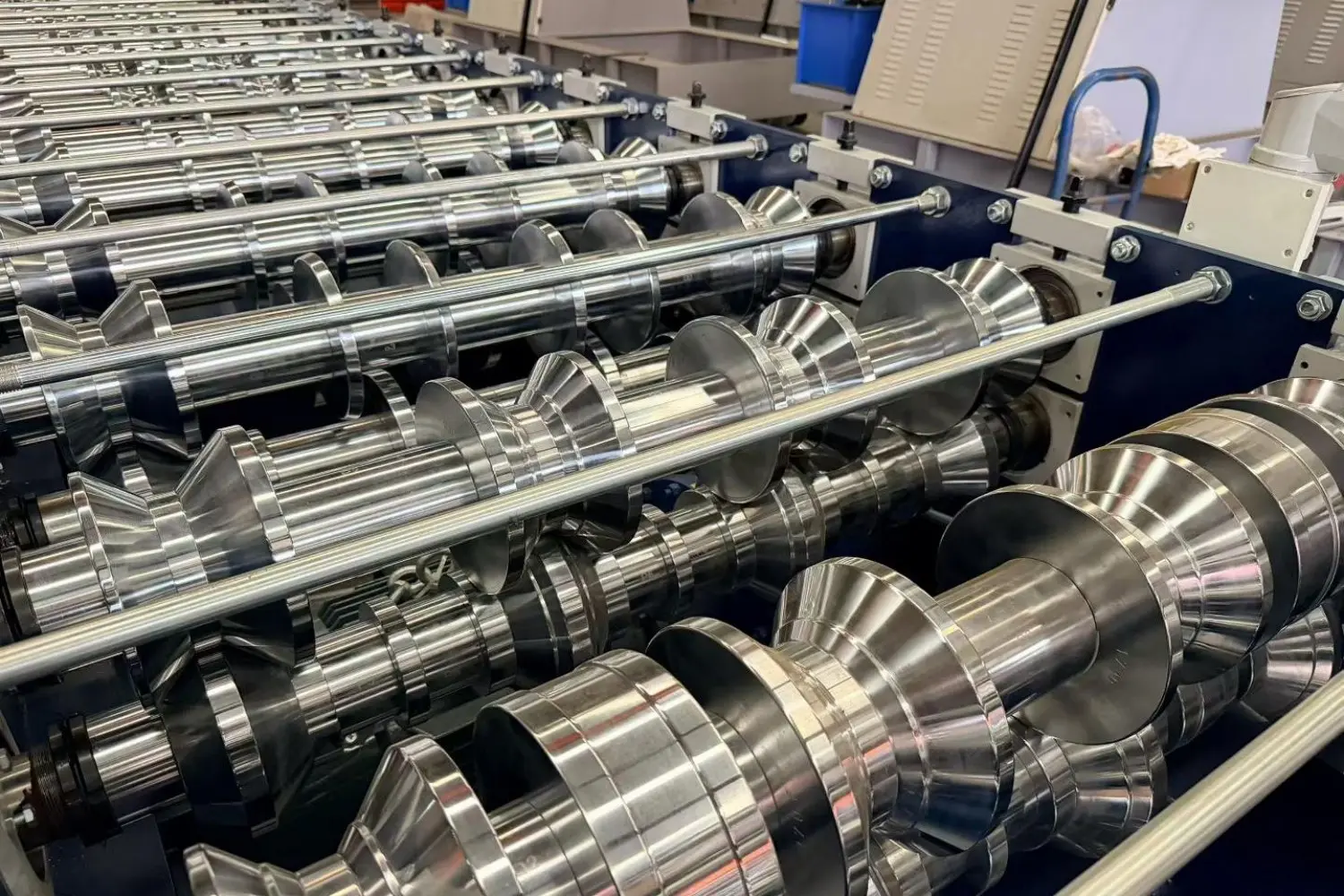
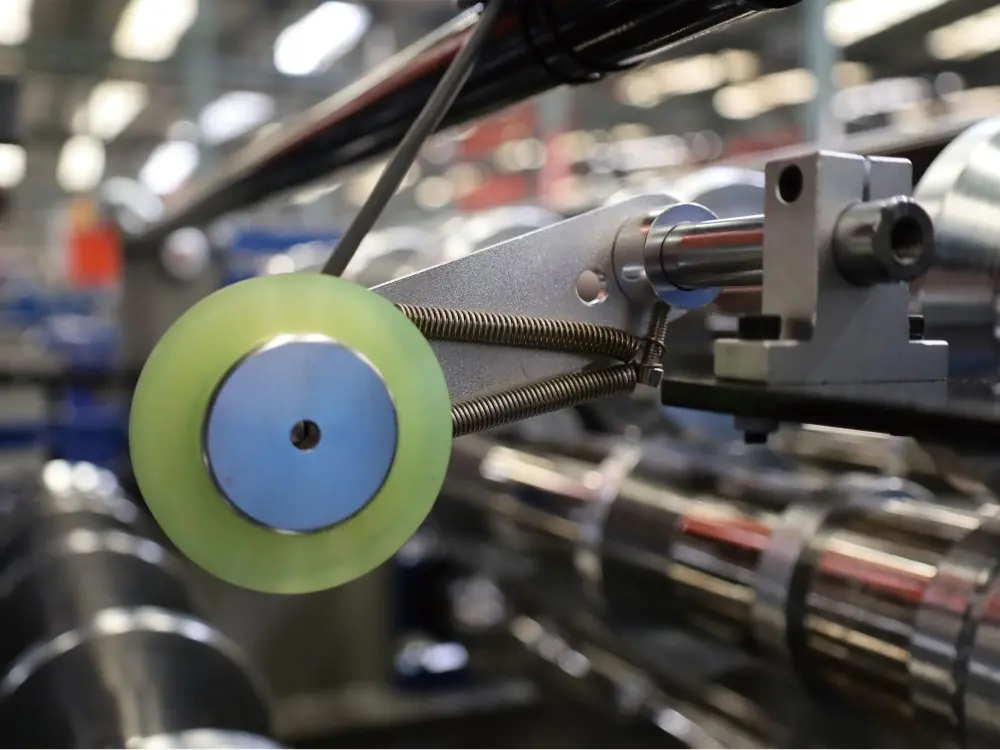
XC maintains a complete in-house suite of testing and calibration instruments. We verify tensile strength, yield limits, and dimensional structural consistency of rolled panels. Every station is inspected for runout to ensure that raw coils are fed, aligned, profiled, and cut at speeds of up to 25 meters per minute without deviation.
Our manufacturing processes follow strict, standardized quality protocols. From hardening the D2 roll tools to grinding the 40Cr solid shafts, we secure the mechanical lifespan of our cold forming machines for years of intensive factory operation.
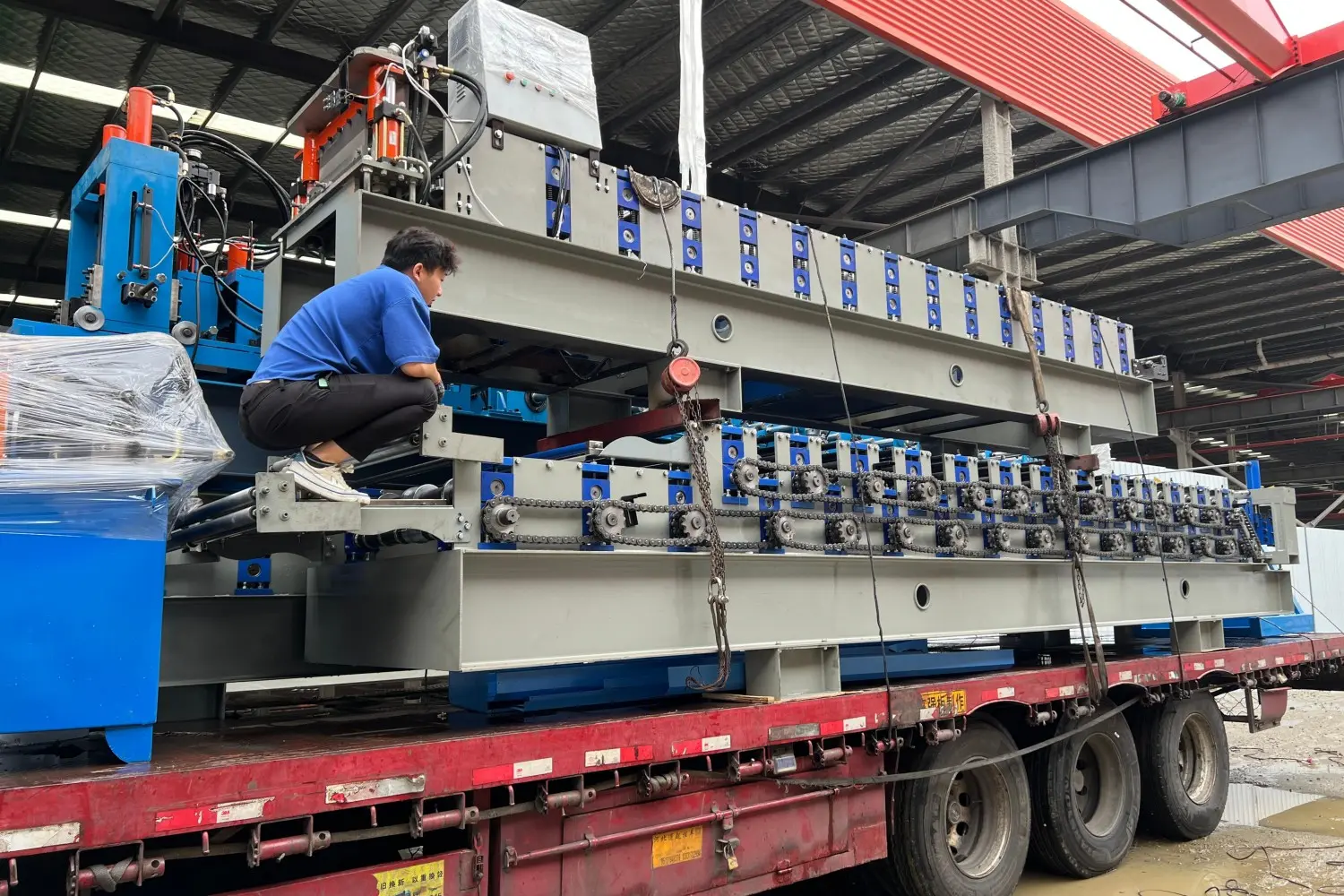
The global procurement paradigm has shifted toward mitigating risk and demanding shorter lead times. XC addresses these challenges by leveraging China's advanced industrial supply chain integration. The consolidation of high-grade steel manufacturers, automated CNC component providers, and custom electrical design bureaus enables our factory to prototype, test, and ship custom roll forming systems faster than Western competitors without compromising engineering fidelity.
Our Industry 4.0 integration includes CNC machining centers for precise roll-die finishing, automated welding stations, and simulation modeling for structural load calculations. This layout guarantees that custom standing seam profiles meet rigorous global compliance guidelines (such as European CE certifications, ASTM standards, and FM wind-uplift requirements).
By combining deep technical resources with optimal maritime logistics, we ensure our global partners remain resilient against raw material fluctuations and long project delays.
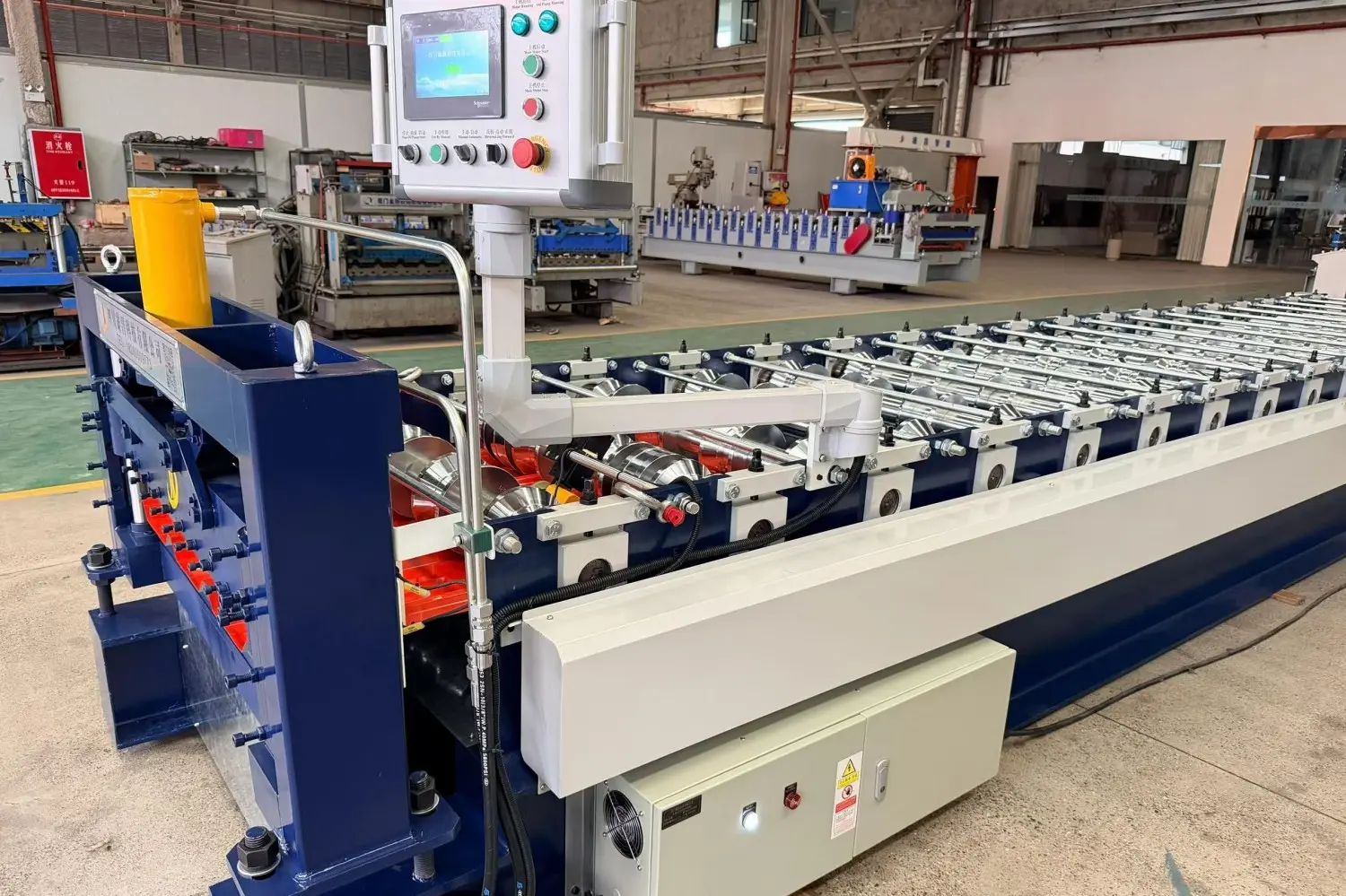
From design blueprinting to onsite commissioning, we ensure operational productivity.
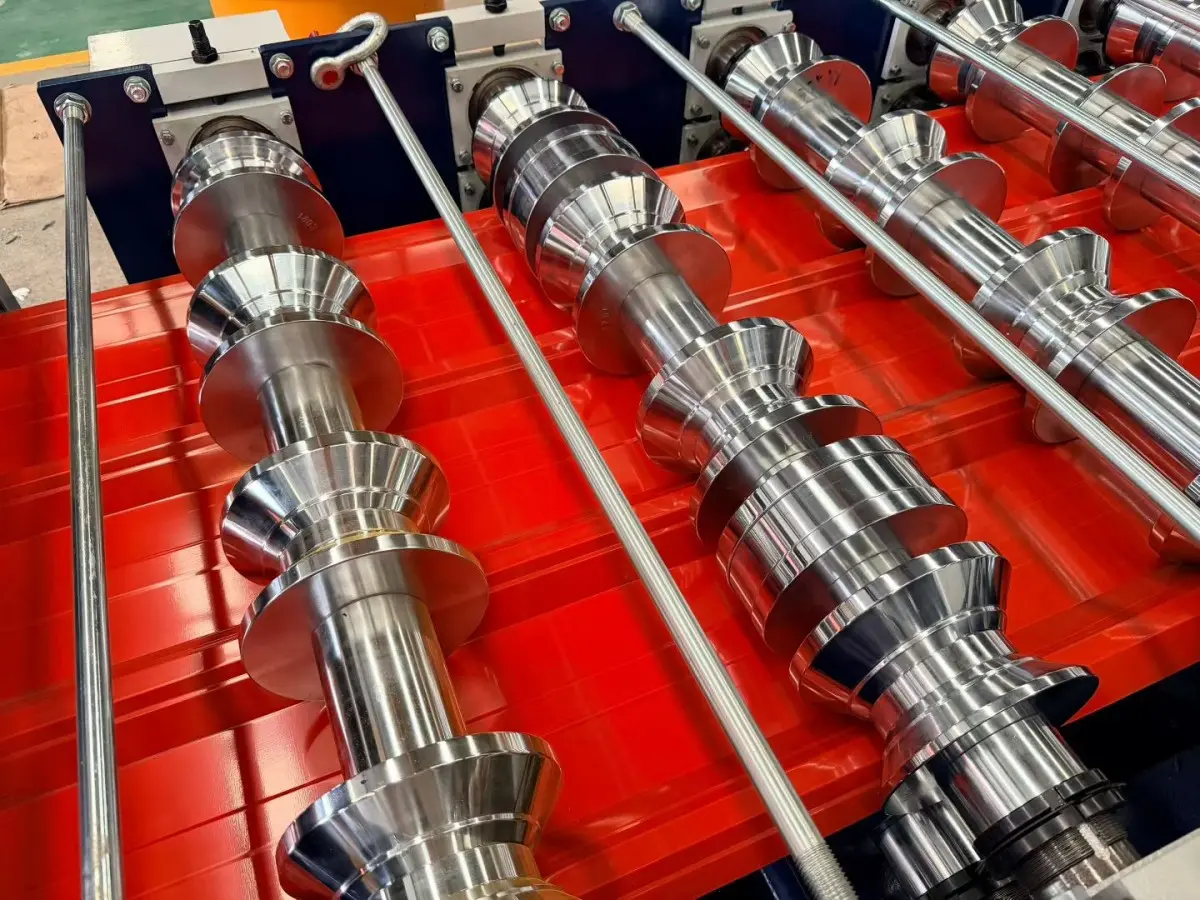
We tailor profiling lines to match specific local construction styles, material properties, and speed requirements, delivering turn-key equipment suites.
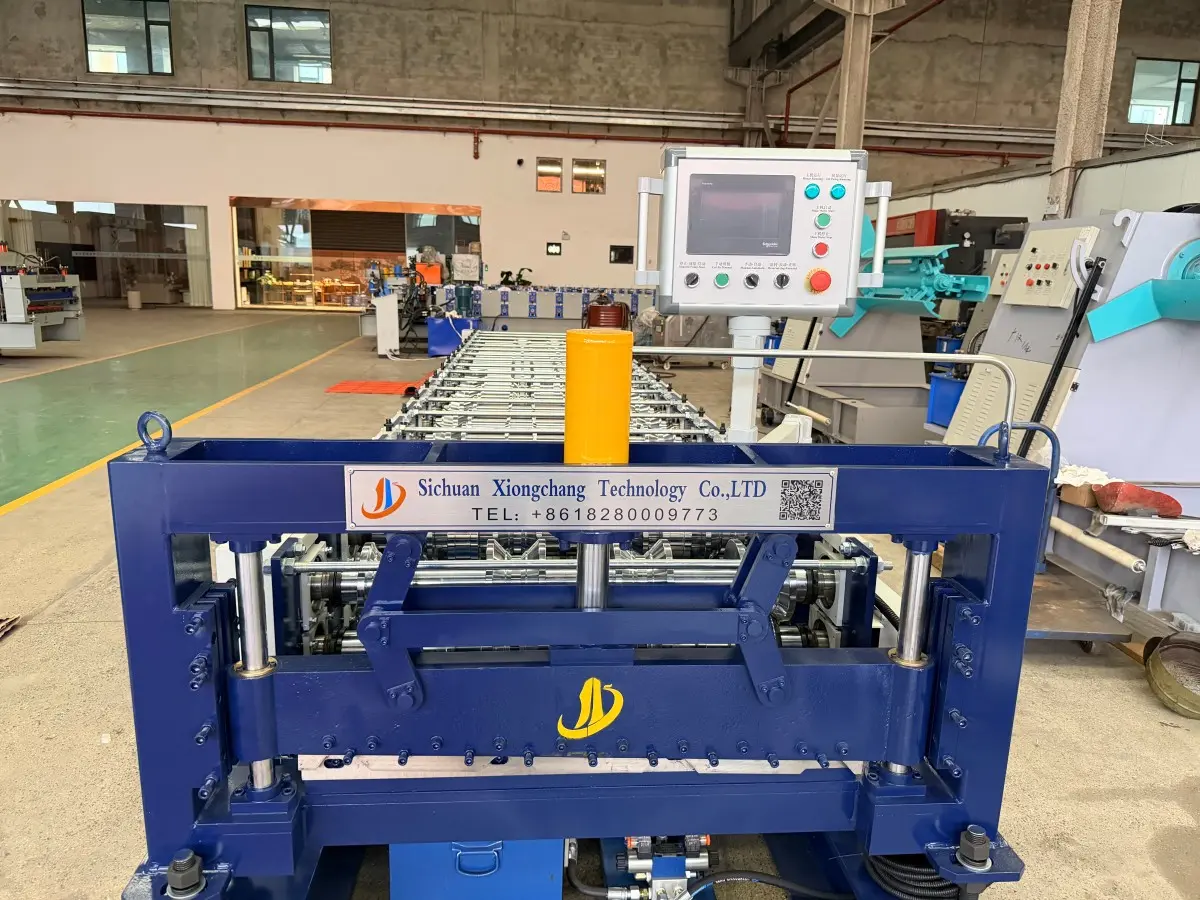
Our specialized engineering team supports clients with remote setup, on-site commissioning, operator training, and an active inventory of spare parts.
Providing high-precision profiling profiles across key heavy industry sectors.
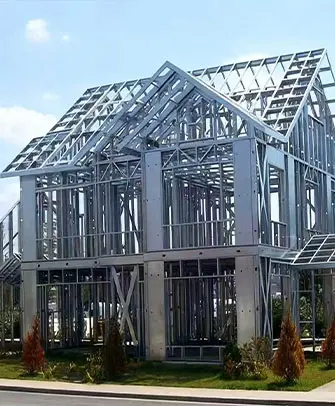
Providing weather-resistant roofing profiles, load-bearing flooring panels, and industrial cold-formed wall claddings.
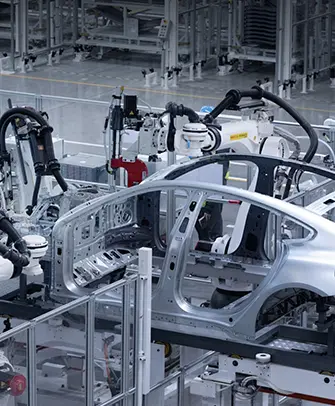
High-tensile profiles configured for frame rails, side impacts, and precision structural auto components.
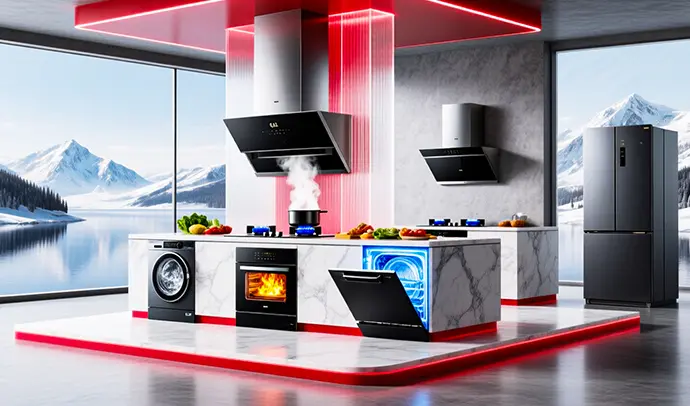
Delivering precise cosmetic tolerances and thin-gauge forming solutions for home refrigeration and housing.

Fabricating heavy structural framework elements, guardrails, and logistics hub paneling options.
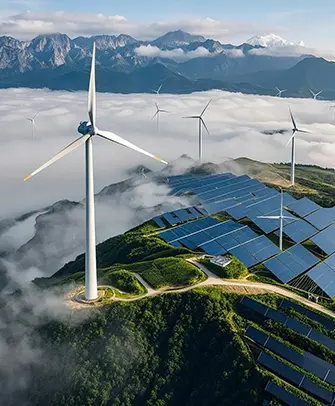
Solar mounting rails, tracker beams, and custom standing-seam PV clamps designed for fast deployment.
Crucial information to guide your roll former procurement process.
Discover our specialized secondary framing, light-gauge framing, and custom panel machinery.
 Xiongchang