Engineered systems designed to optimize construction efficiency, material utilization, and dynamic structural performance.
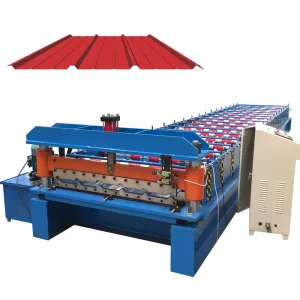
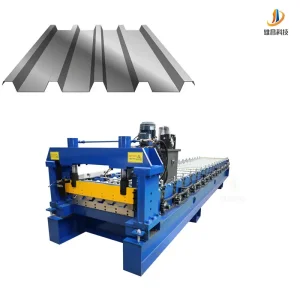
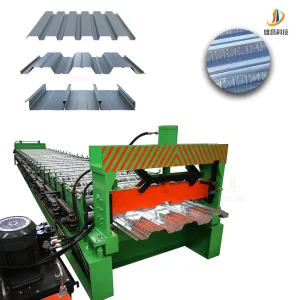
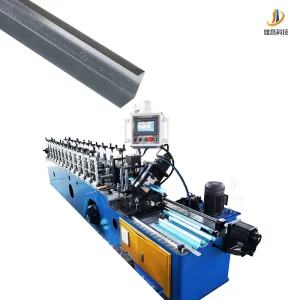
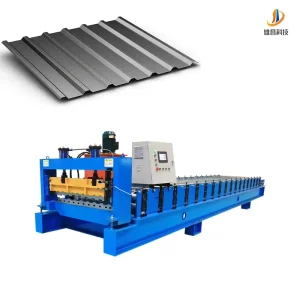
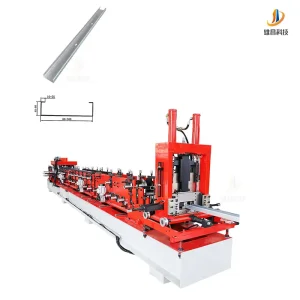
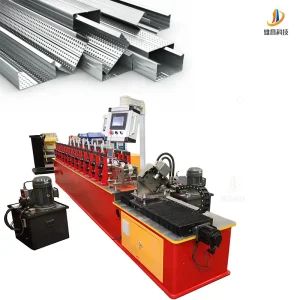
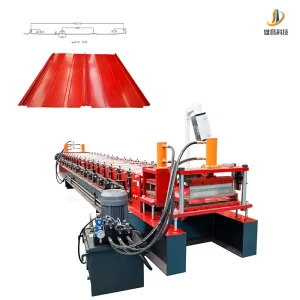
An authoritative analysis of structural demands, metallurgical standards, and mechanical roll forming dynamics in modern construction.
In the contemporary building envelope sector, the demand for high-performance, weather-tight, and structurally resilient roofing has positioned standing seam metal panel machines at the core of advanced construction manufacturing. Standing seam profiles—distinguished by their concealed fastener designs, vertical legs, and flat pan profiles—address the critical challenges of thermal expansion, water infiltration, and wind uplift that plague traditional screw-down metal panels. As structural engineers and commercial developers shift toward long-span industrial architectures, custom roll forming technologies have become indispensable tools for modern fabrication.
The manufacturing complexity of custom standing seam profiles necessitates machinery built to tight mechanical tolerances. Unlike standard profile roll formers, a custom standing seam machine must regulate roll alignment, profiling force, and dimensional stability dynamically. This capability ensures that when panels are seamed on-site or in-factory, the interlocks (whether snap-lock or mechanically seamed) fit together precisely. This degree of fit is critical for maintaining structural load capabilities under extreme circumstances, such as high-velocity hurricane zones (HVHZ).
Eliminating external punctures in the roof membrane significantly minimizes the risk of structural corrosion and water leakage over long lifecycle spans.
Designed to slide dynamically over structural clips, allowing panels to expand and contract smoothly in high-temperature swing regions without structural bowing.
Engineered profiles lock firmly together, achieving top-tier wind rating certifications (ASTM E1592 & UL 580) critical for architectural safety.
As an established expert in the field, XC (Xiongchang) provides integrated roll forming solutions. Our portfolio encompasses core production machines for roofing, flooring, doors, and structural components, as well as the complete auxiliary line equipment essential for efficient operation.
VIEW MORE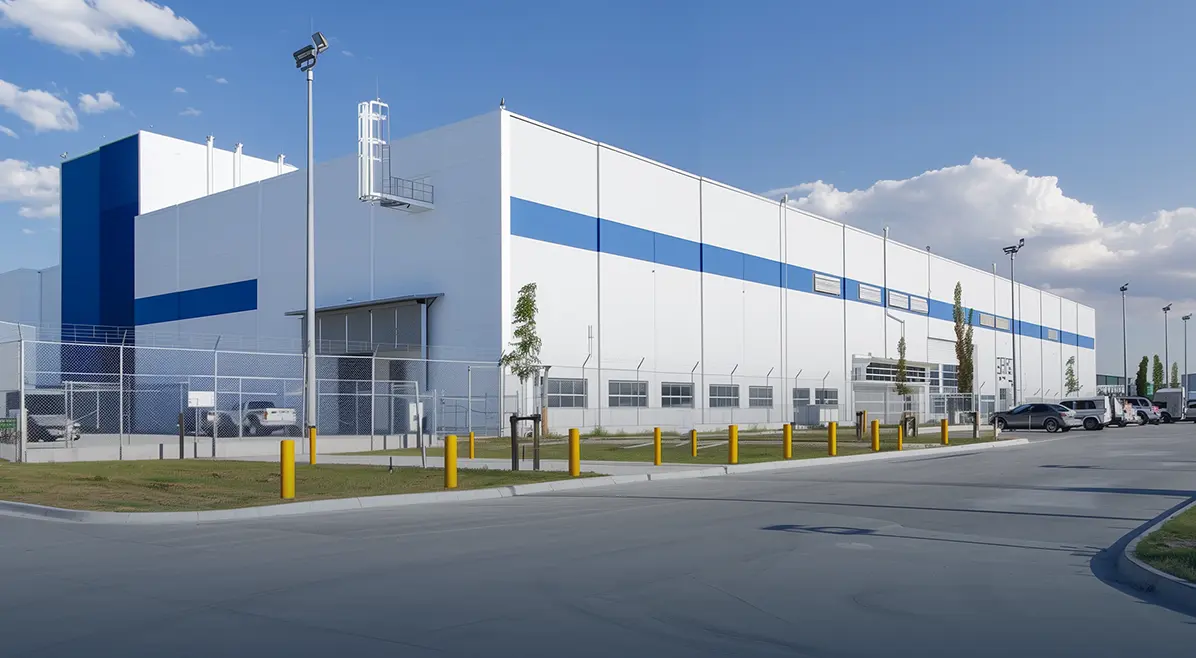
We get a specialized team of technical personnel and engineers, they are committed to delivering superior products and solutions for our valued customers.
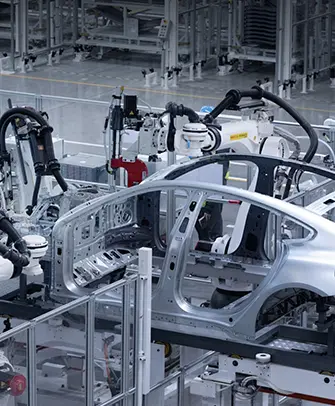
Our substantial investment in state-of-the-art, automated production lines ensures manufacturing precision and consistency, forming the foundation of our product excellence.
For over two decades, XC (XiongChang) has been a trusted leader in the design and manufacture of cold roll forming equipment. We combine deep industry expertise with a steadfast commitment to our clients, ensuring every machine delivers exceptional value and performance.
View More Competences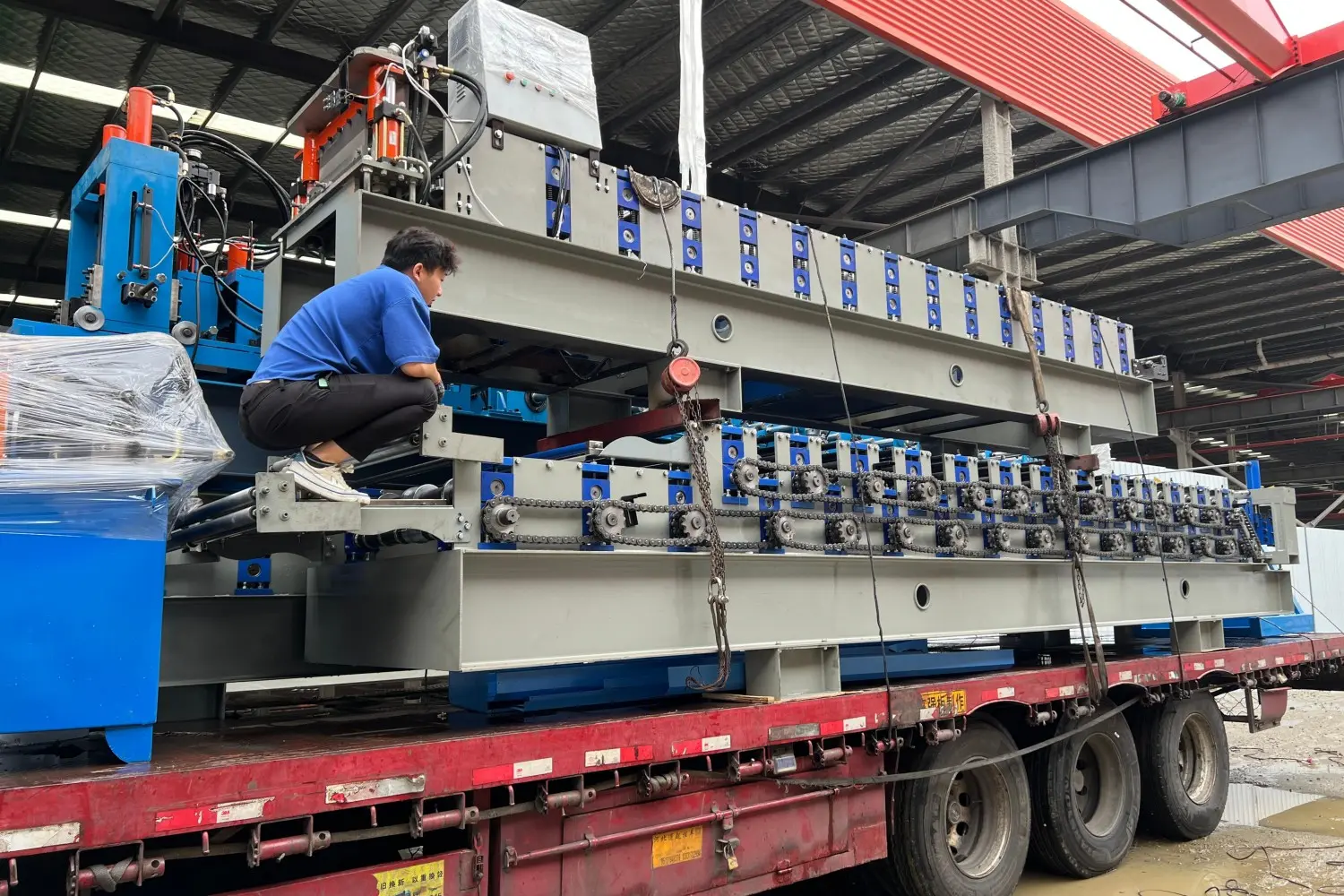
With our dedication on a robust technical force and advanced industrial equipment, We XC aimed to provide integrated and automated systems across our production, to fulfill diverse industrial requirements, try our best in guaranteeing the highest standards of quality and performance in every machine we build.
We offer an extensive range of precision cold roll forming systems to meet varied customer applications, including: All our equipment is engineered to produce durable, reliable, and high-performance end-products.
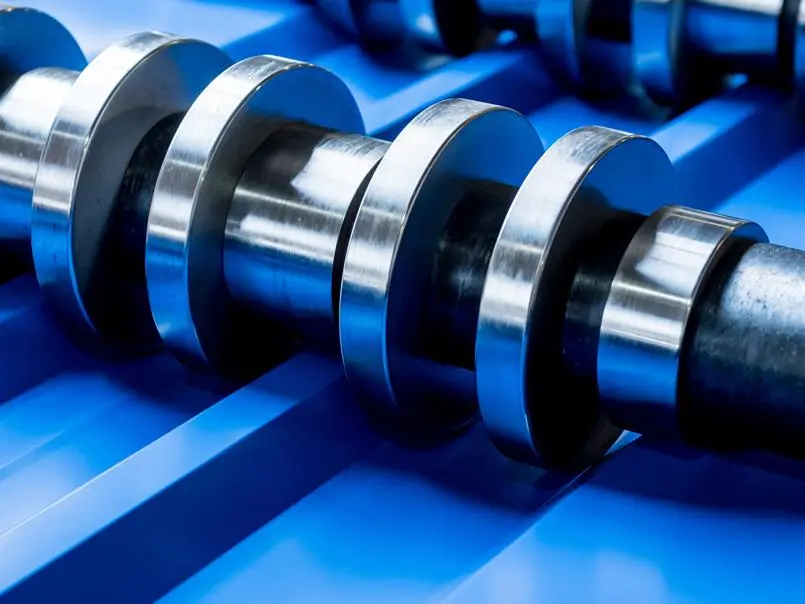
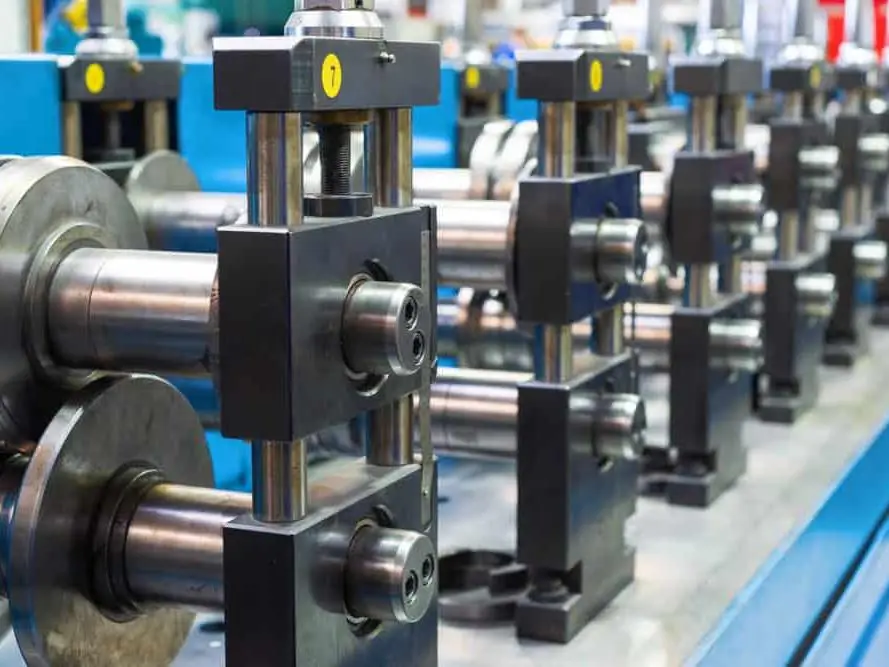
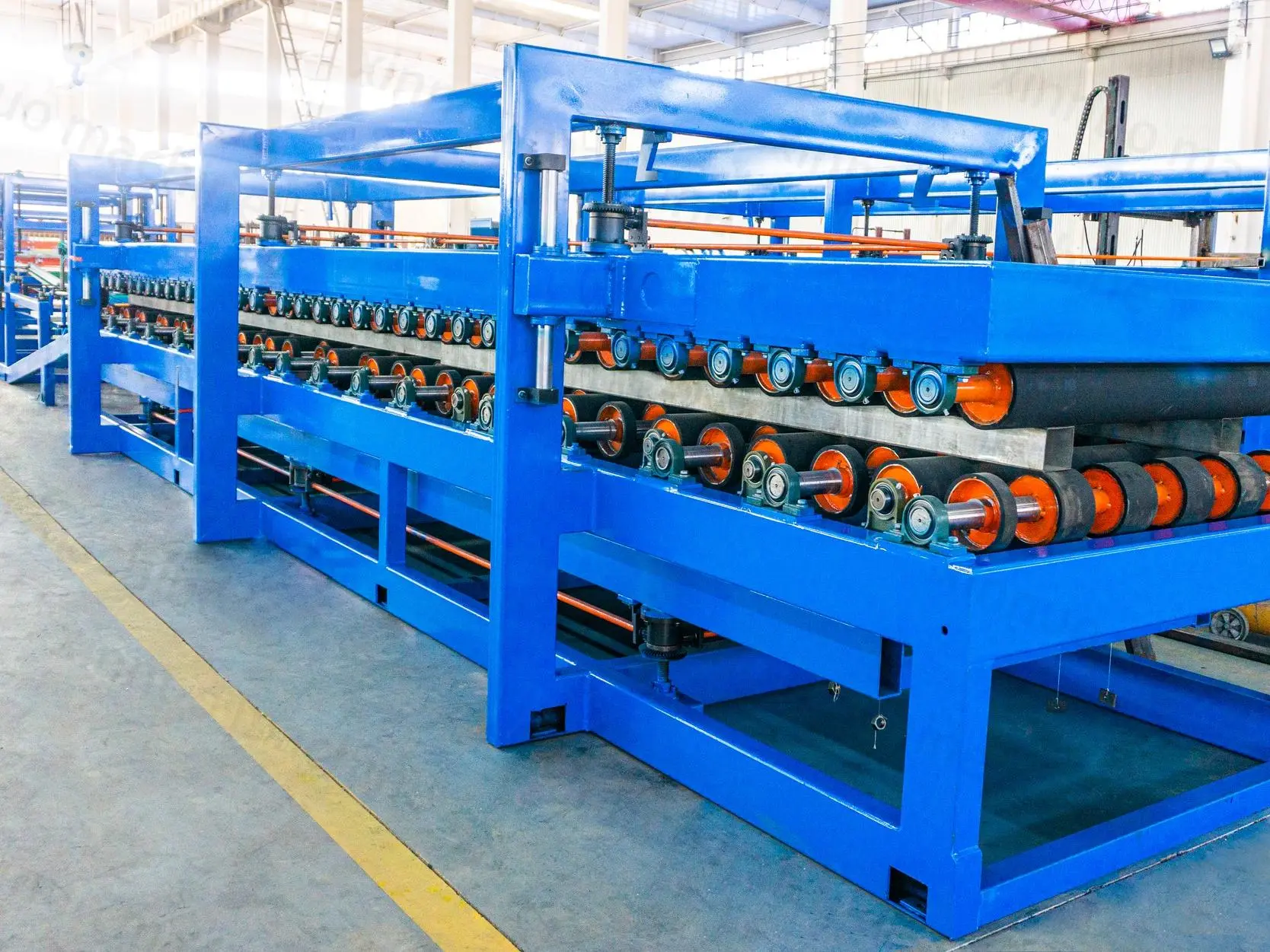
An engineering breakdown of component configuration, roller pass design, and high-performance control architecture.
Designing a custom standing seam metal panel machine requires precise metallurgical calculation and structural modeling. The steel or aluminum coil passes through multiple forming stages to slowly bend the metal to its final profile without fracturing the protective zinc or paint coatings. The mechanical process follows a set progression:
A hydraulic or manual decoiler holds the metal coil. An integrated leveling unit eliminates coil set and surface defects before the profile goes into the forming rollers.
14 to 20 rolling stations, constructed from D2/Cr12MoV tool steel, form the vertical male and female rib profiles gradually, avoiding oil-canning and uneven stress distributions.
Modern custom lines feature PLC-driven width adjustment. Operators input panel widths via touchscreen, and automated linear guides position the forming tools in seconds.
A profile-matched shear cuts the panels cleanly, without deformation or burrs. The blade is linked to encoder trackers, maintaining length precision within ±1.0mm.
The mechanical capabilities of a standard industrial custom standing seam metal panel machine line:
| Specification Feature | Standard Range Parameters | High-Performance Capabilities |
|---|---|---|
| Material Gauge Range | 0.4 mm – 0.8 mm (Steel / Aluminum) | Up to 1.0 mm (Copper / Stainless Steel) |
| Roll Forming Station Count | 16 - 18 Stations | 22+ Stations (For complex profiles) |
| Forming Velocity | 12 - 15 m / min | Dynamic PLC up to 25 m / min |
| Roller Steel Compound | Cr12 Steel with Hard Chrome Coating | Cr12MoV vacuum heat treatment (HRC 58-62) |
| Width Adjustment Interface | Manual Handwheel with Mechanical Counters | Fully automated PLC servo drive adjustment |
| Cutting Mechanism Tolerance | ±1.5 mm over 10m length | ≤ ±0.5 mm with closed-loop optical encoder |
How custom standing seam roll formers are configured to meet local building codes, high wind zones, and heavy snow loads.
Different regions face distinct climate challenges, which directly impact the choice of roofing profile and the machine configurations used to produce them:
In areas prone to typhoons and hurricanes (such as the Caribbean, Gulf Coast, and East Asia), roofs face intense uplift forces. Custom standing seam machines for these zones are configured to roll a mechanical lock profile (90° or 180° seams), which provides superior resistance to being torn loose during storms compared to standard snap-lock options.
In Northern Europe, Canada, and alpine regions, roofs must support heavy, sliding snow loads. This requires taller seam heights (2 inches or 50mm+) to prevent snow and melting ice from topping the seams and leaking into the building structure.
In desert environments like the Middle East (MENA region), roof temperatures can exceed 80°C. Custom profiles rolled with expansion joints and dynamic fastening clips allow the metal to expand and contract freely, avoiding buckle failures and oil-canning over time.
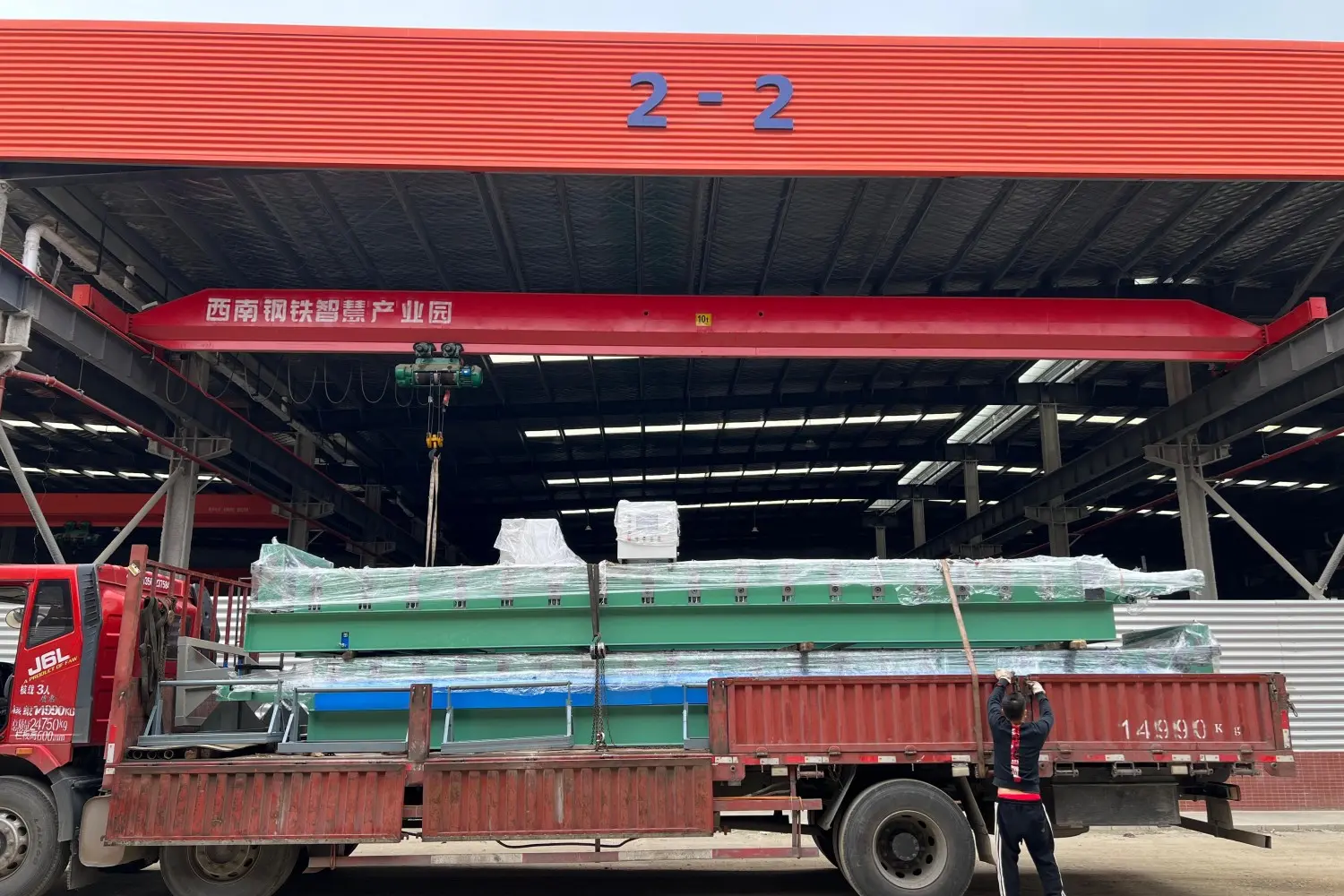
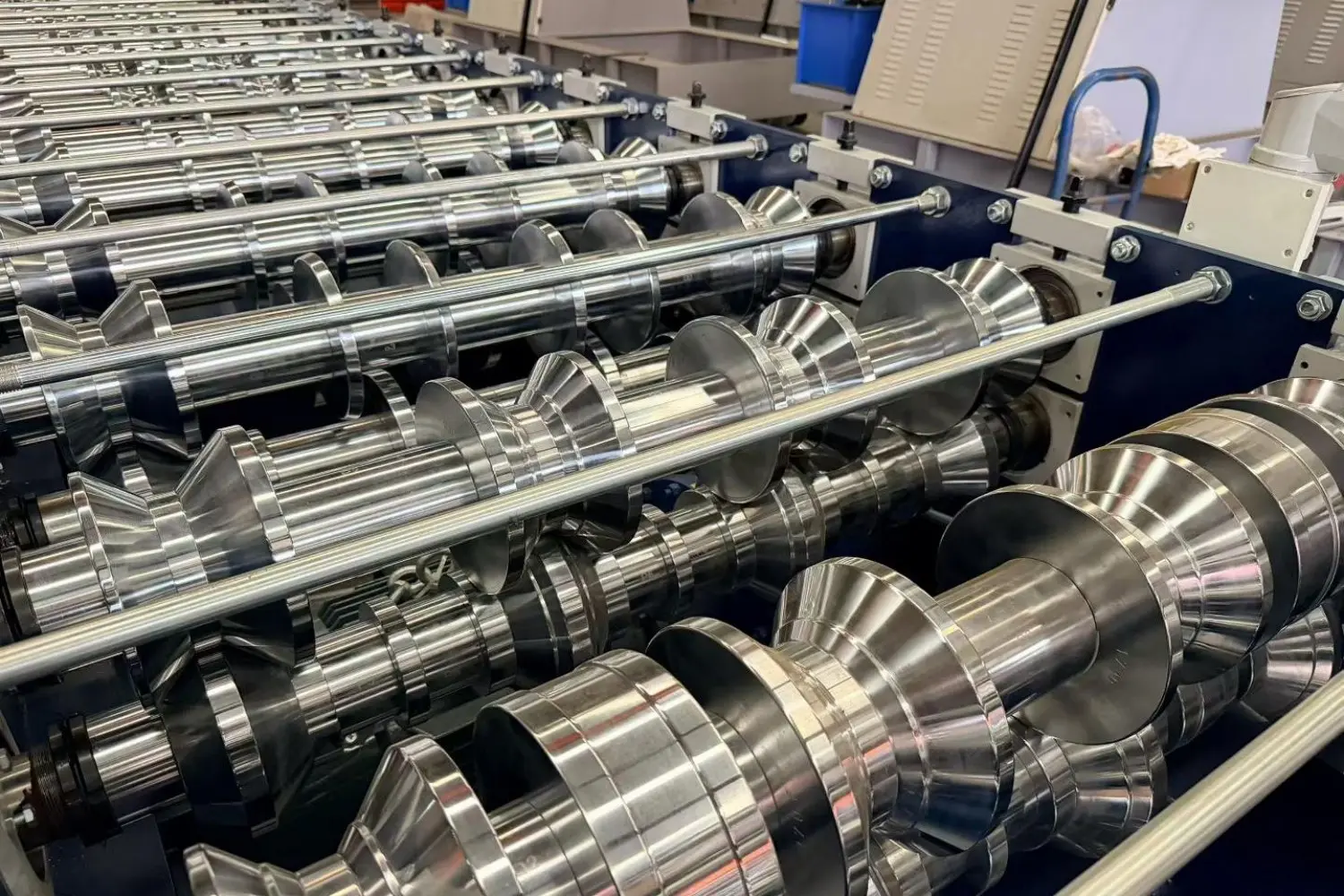
XC has a complete suite of detection and testing instruments, to rigorously verify product strength, durability, and reliability.
We adhere to strict, standardized quality control protocols throughout the manufacturing process, ensuring all output consistently meets specified customer specifications.
From design to installation, XC provides comprehensive lifecycle support.
We offer professional installation, commissioning, and operational training to ensure optimal setup and productivity.
Our dedicated after-sales support team delivers ongoing technical assistance and maintenance services, helping customers achieve sustained, peak operational performance.
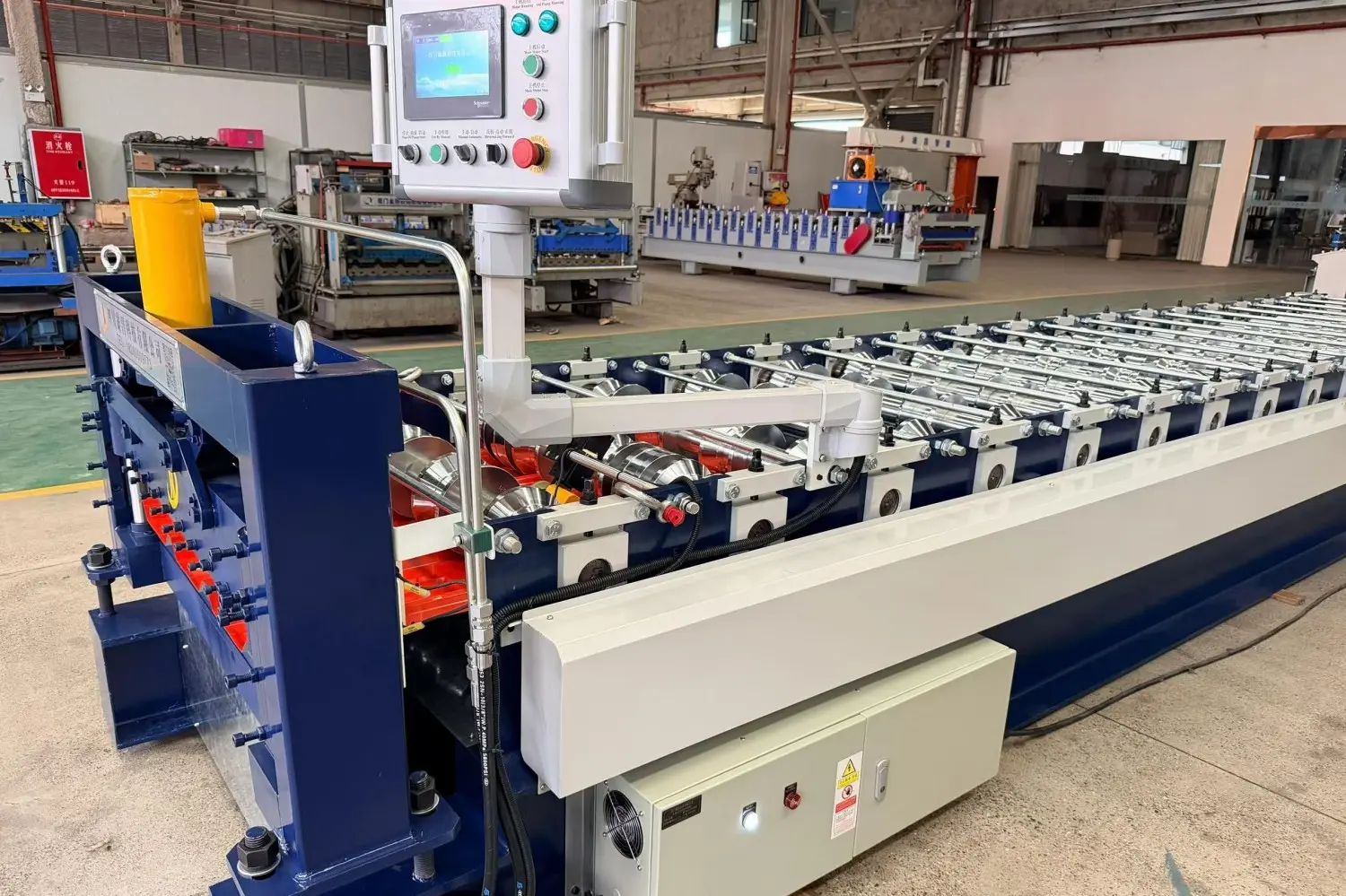
With years of industry expertise, we have established a strong reputation for quality and customer-centric service.
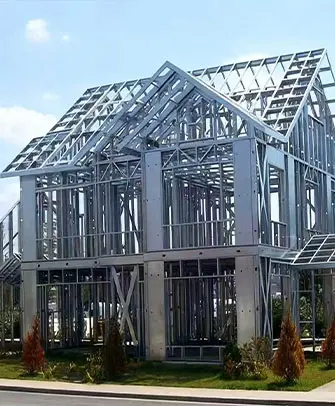
Our professional team provides tailored, personalized support for both standard and customized technical needs. This commitment has fostered a loyal client base across construction, manufacturing, and engineering sectors, with our machines contributing to projects ranging from residential complexes to large-scale commercial and infrastructure developments.
Providing top-tier cold roll forming machinery and lifetime after-sales services across worldwide industrial complexes.
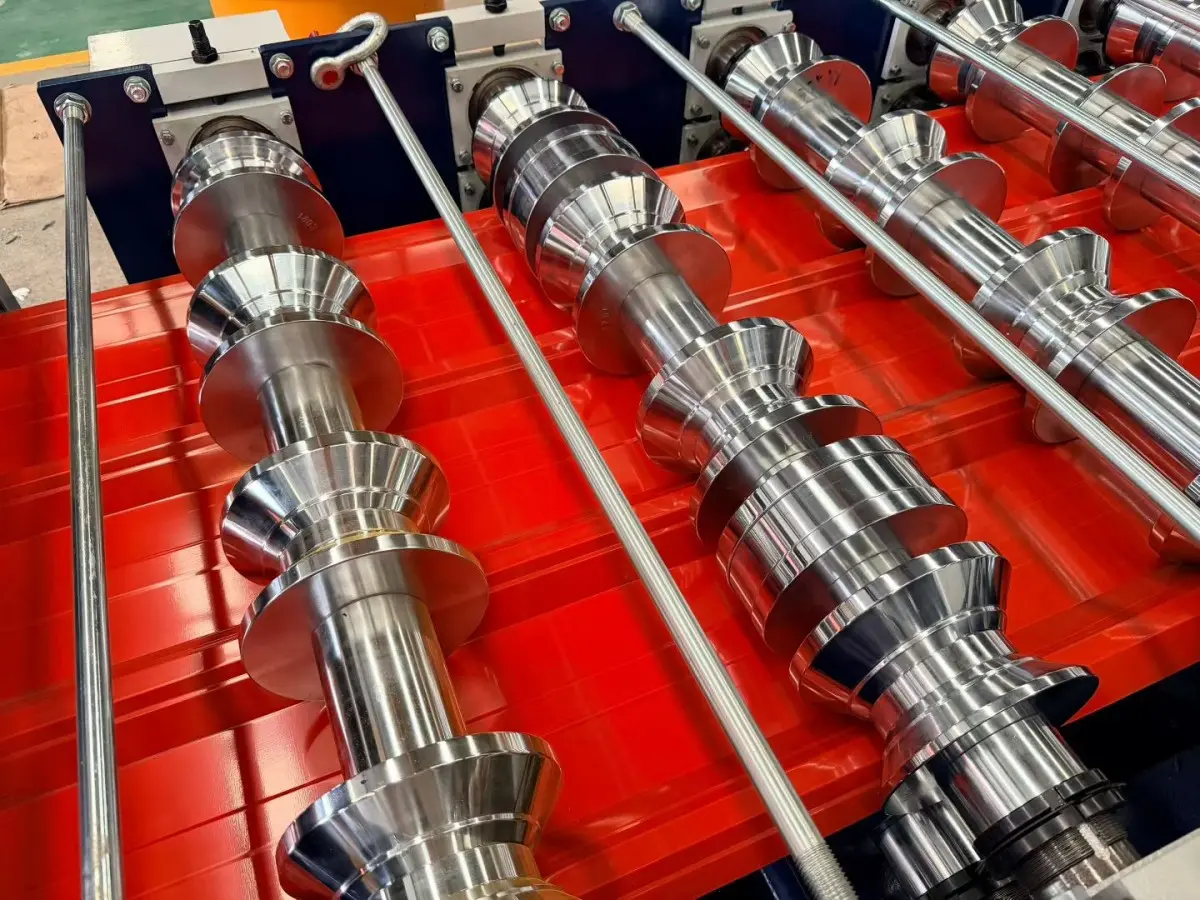
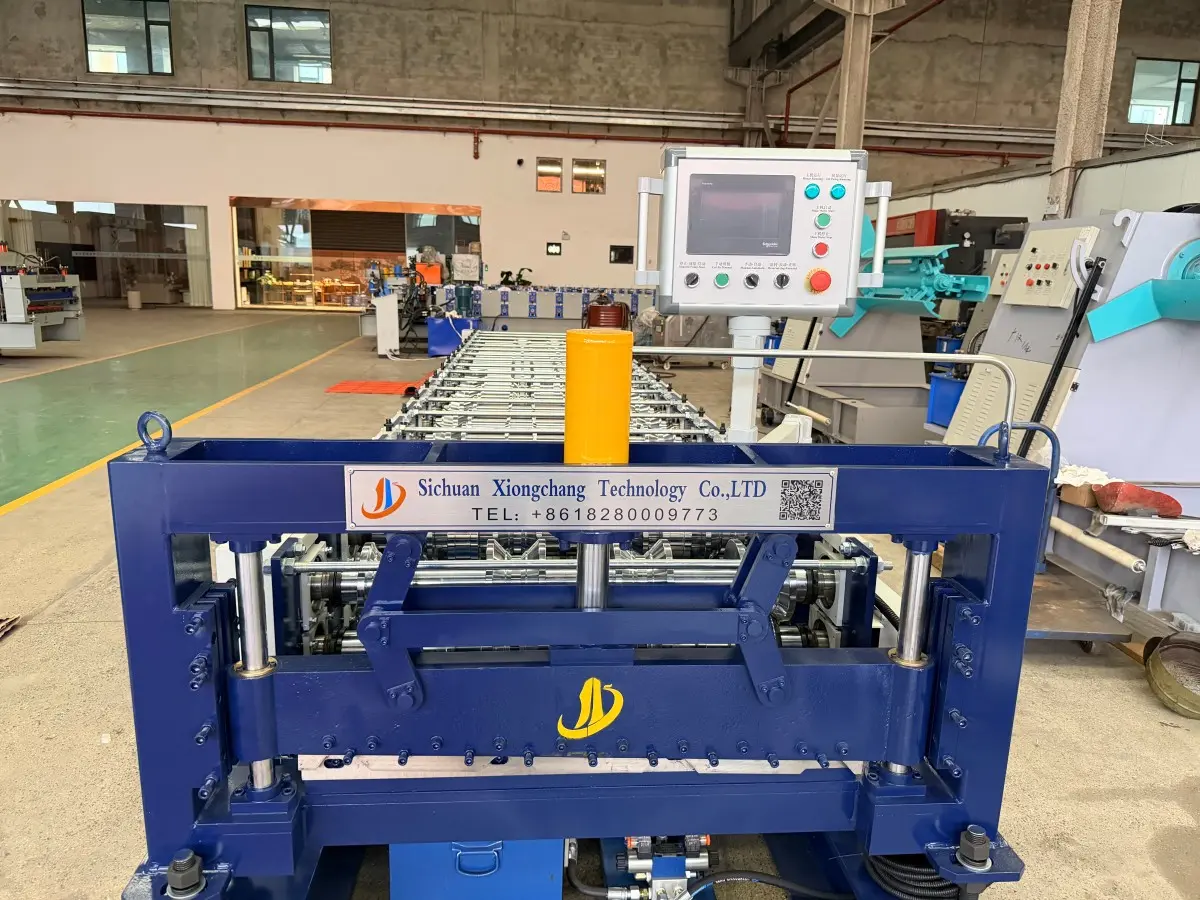
For over two decades, XC (XiongChang) has been a trusted leader in the design and manufacture of cold roll forming equipment. We combine deep industry expertise with a steadfast commitment to our clients, ensuring every machine delivers exceptional value and performance.
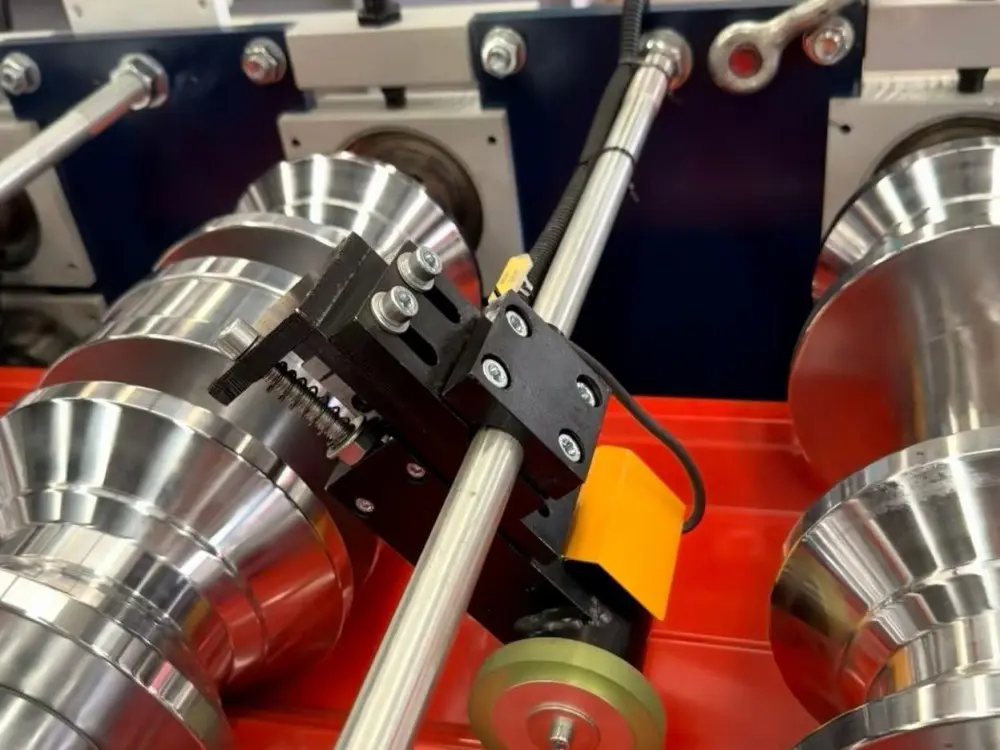
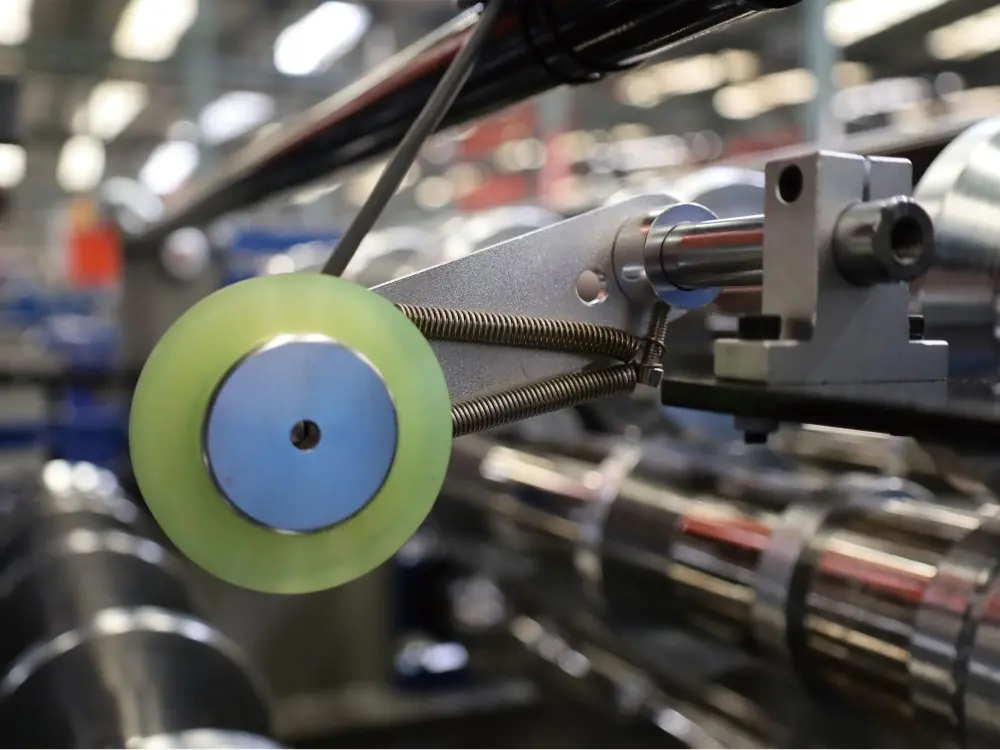
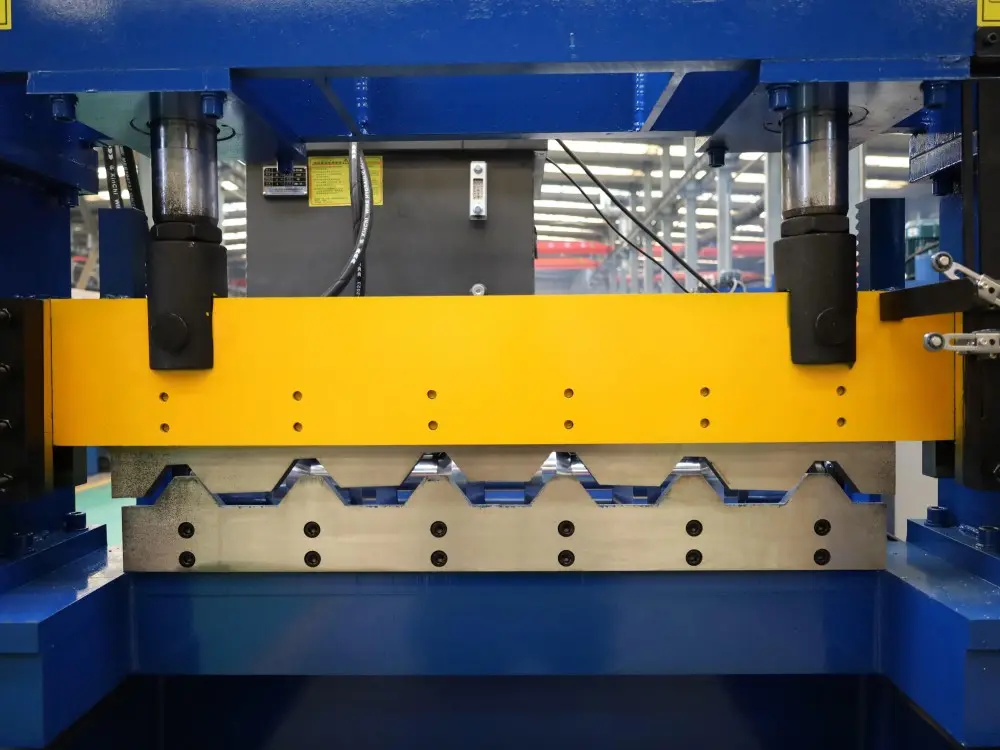
Our roll forming systems serve a diverse global clientele, from residential builders to large-scale industrial and infrastructure projects. Whether for standard applications or fully customized production lines, we equip manufacturers worldwide with the technology, support, and expertise to enhance their capabilities, improve output quality, and achieve long-term operational excellence.
How advanced sensor technology, IoT data collection, and eco-friendly manufacturing are shaping the future of metal forming.
The roll forming sector is undergoing a digital transformation. Modern standing seam metal panel systems are transitioning from passive mechanical assemblies to smart, adaptive manufacturing centers. Innovations in machine design focus on reducing material waste, streamlining tooling changes, and improving the precision of formed panels.
Integrating IoT connectivity allows monitoring of roll speeds, hydraulic pressures, and material thickness in real time, enabling predictive maintenance and remote troubleshooting.
Optimized roll design allows processing of high-strength, thin-gauge recycled alloys, helping structural builders achieve LEED certifications without compromising load capacity.
Advanced sensor systems monitor material springback and adjust forming force on the fly, reducing scrap rates and ensuring dimensional accuracy in changing climates.
Get professional answers about technical specifications, machine selection, and custom profile capabilities.
Snap-lock profiles feature a male and female leg that click together during installation without the need for manual seaming tools, making them faster to install. They are ideal for residential and commercial roofs with slopes of 3:12 or greater. Mechanical lock profiles must be closed manually or with an electric seamer (usually 90° or 180° folds). These systems are highly watertight and recommended for low-slope commercial roofs and high-wind zones where maximum structural integrity is required.
Yes. Modern custom standing seam machines feature adjustable roll forming stations. Width adjustment is typically managed via manual handwheels with mechanical counters or through a PLC control panel. This allows operators to change the panel width (e.g., from 12 inches to 18 inches) in minutes to match different architectural specifications without needing a second set of tooling.
Our custom standing seam roll formers process prepainted steel (0.4mm to 0.8mm, up to Grade 50 or 80), zinc-aluminum alloys (G90, Galvalume), architectural copper, and aluminum (typically 0.032" to 0.040"). For heavier materials or structural decking, we offer reinforced configurations capable of processing materials up to 1.2mm thick.
Steel, aluminum, and copper exhibit different springback rates. Our machine design includes adjustable profiling rollers and correction stations at the exit end. These allow operators to calibrate the forming pressure to achieve tight interlocks regardless of the metal coil's yield strength.
Yes. We offer compact roll formers mounted on structural steel skids with lifting eyes. These can be integrated into containers or trailers for on-site production. Roll forming directly on the job site eliminates shipping limitations, allowing you to produce continuous, single-span panels with no overlapping joints.
We configure our systems to meet regional power standards (e.g., 380V/50Hz/3P or 480V/60Hz/3P). The control cabinets are built to IP54 standards and utilize PLCs from major brands like Siemens or Mitsubishi. Touchscreen displays support multiple languages for ease of operation.
Regular maintenance involves keeping the forming rollers free of debris, checking chain and gearbox lubrication weekly, and verifying roller alignment using slide-gauges. The rollers are manufactured from hardened D2/Cr12 tool steel to resist wear, ensuring consistent profiles over millions of linear meters when properly maintained.
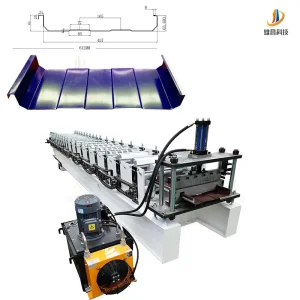
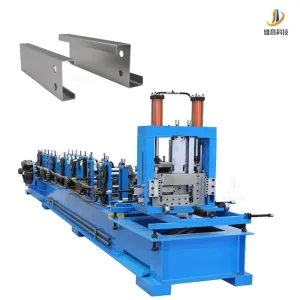
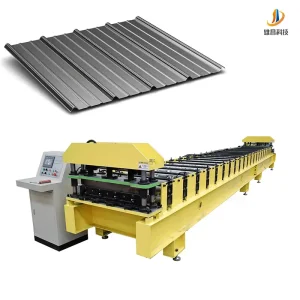
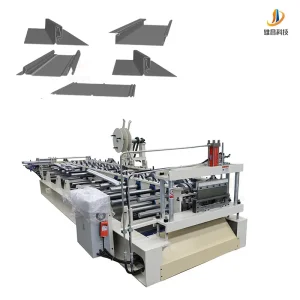
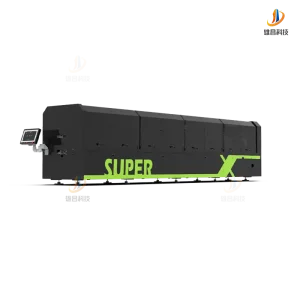
Discover our full catalog of cold roll forming machines, engineered to meet precise commercial and residential project requirements.
 Xiongchang