Explore our core engineering catalog featuring advanced roll forming machinery tailored for high yield, strict tolerances, and lasting operational lifetimes.
Examining structural transformations, regulatory requirements, and high-efficiency material utilization in today's sheet metal processing landscape.
In modern industrial fabrication, the global custom sheet roll forming market is moving rapidly from standalone, manual profiling units toward fully integrated, sensor-driven automation lines. According to recent industrial market analyses, structural sheet roll forming has become central to pre-engineered metal buildings (PEMB), modular housing architectures, new energy installations, and the automotive sector. This growth is driven by the metallurgical properties of modern high-strength steels, which demand precise temperature and stress controls during deformation to maintain structural integrity.
By using cold roll forming rather than hot stamping or extrusion, manufacturers can increase yield strength through strain hardening while maintaining strict control over cross-sectional dimensions. These processes are vital for producing components like floor decks, purlins, structural framing tracks, and standing seam roofs. In response to global trends highlighting environmental, social, and governance (ESG) compliance, today's roll forming machinery must minimize raw material scrap, reduce power consumption, and maintain high performance during continuous operational shifts.
As a leading cold roll forming specialist, XC (Xiongchang) delivers high-performance custom steel profiling solutions designed for modern industrial manufacturing. Our production lines cover structural building envelopes, load-bearing flooring, architectural roofing, wall paneling, and heavy industrial framing systems.
We combine deep metallurgical expertise with modern mechanical design. By using Finite Element Analysis (FEA) and specialized roller design software (such as COPRA), we ensure that every rolling station distributes stress evenly, preventing common defects like twist, bow, oil canning, and edge wave. We support our customers from initial design and simulation to installation and lifetime technical support.
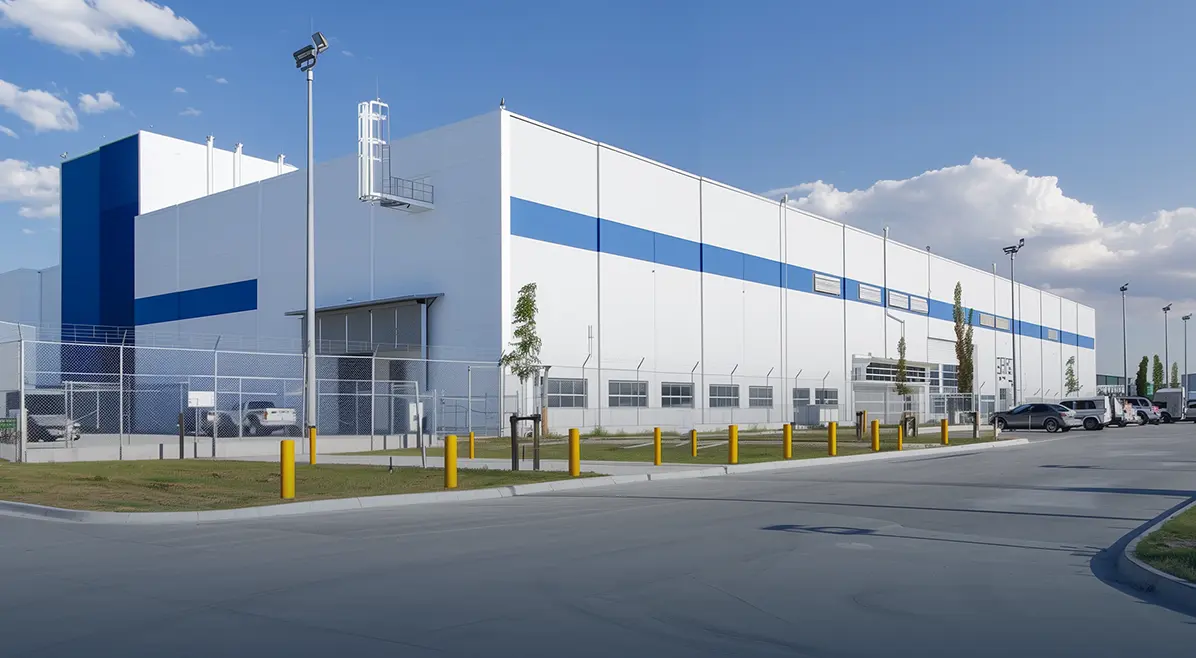
An overview of our precision manufacturing technologies, tooling designs, and quality assurance processes.
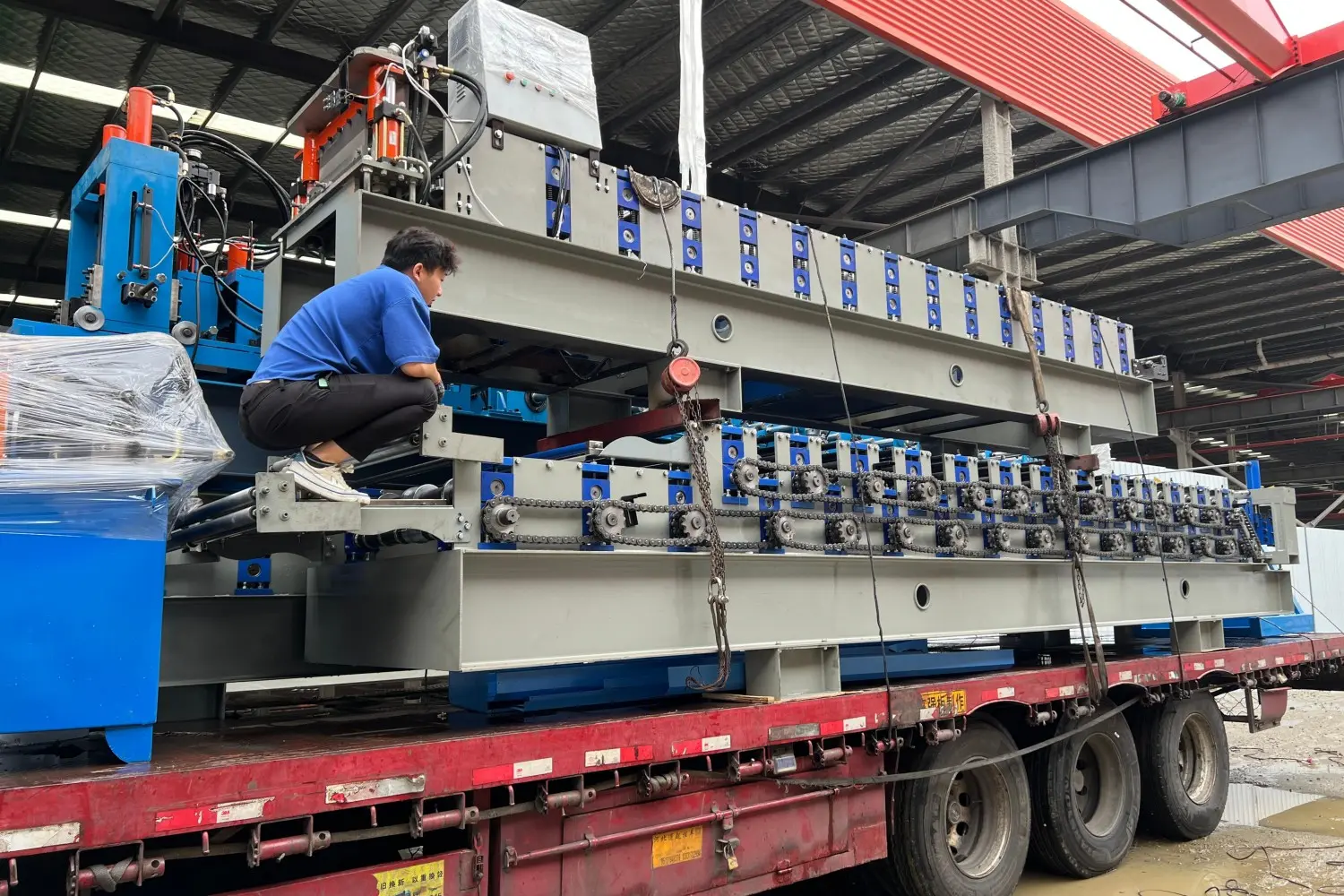
XC uses a dedicated engineering team, automated CNC machining centers, and strict quality control processes. Our capabilities include:
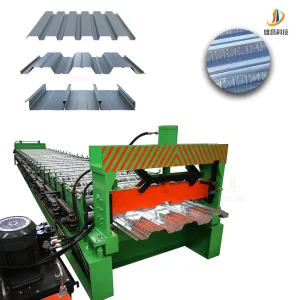
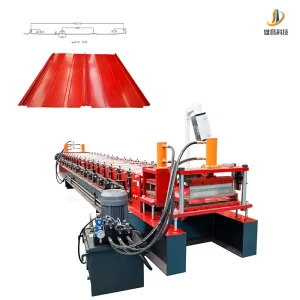
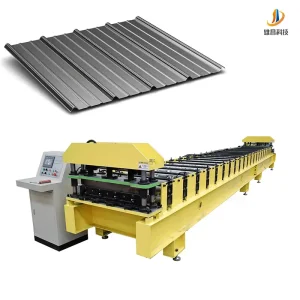
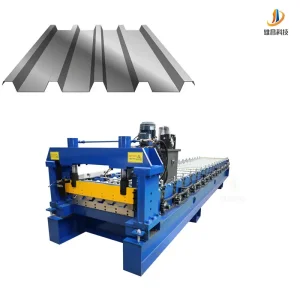
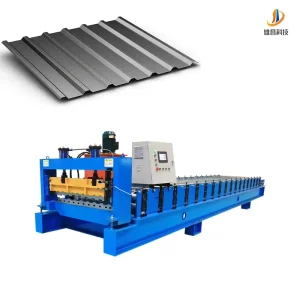
High-speed roof panel, wall panel, and floor deck forming machines that produce precise interlocking geometries for fast, watertight assembly.
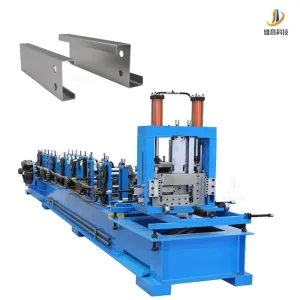
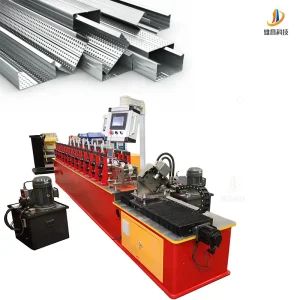
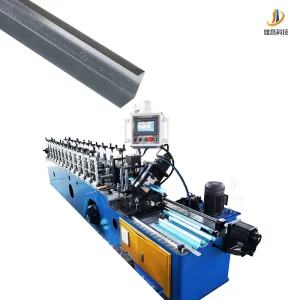
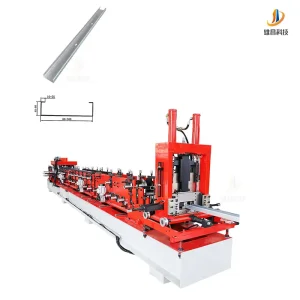
Our rapid-change C/Z purlin machines and Light Gauge Steel (LGS) stud/track roll formers allow flexible width adjustments with minimal downtime.
Custom-engineered solutions for specific applications, including high-capacity gutter formers, automated door frame lines, and storage racking systems.
We use rigorous testing standards to ensure the longevity and reliability of our systems, including:
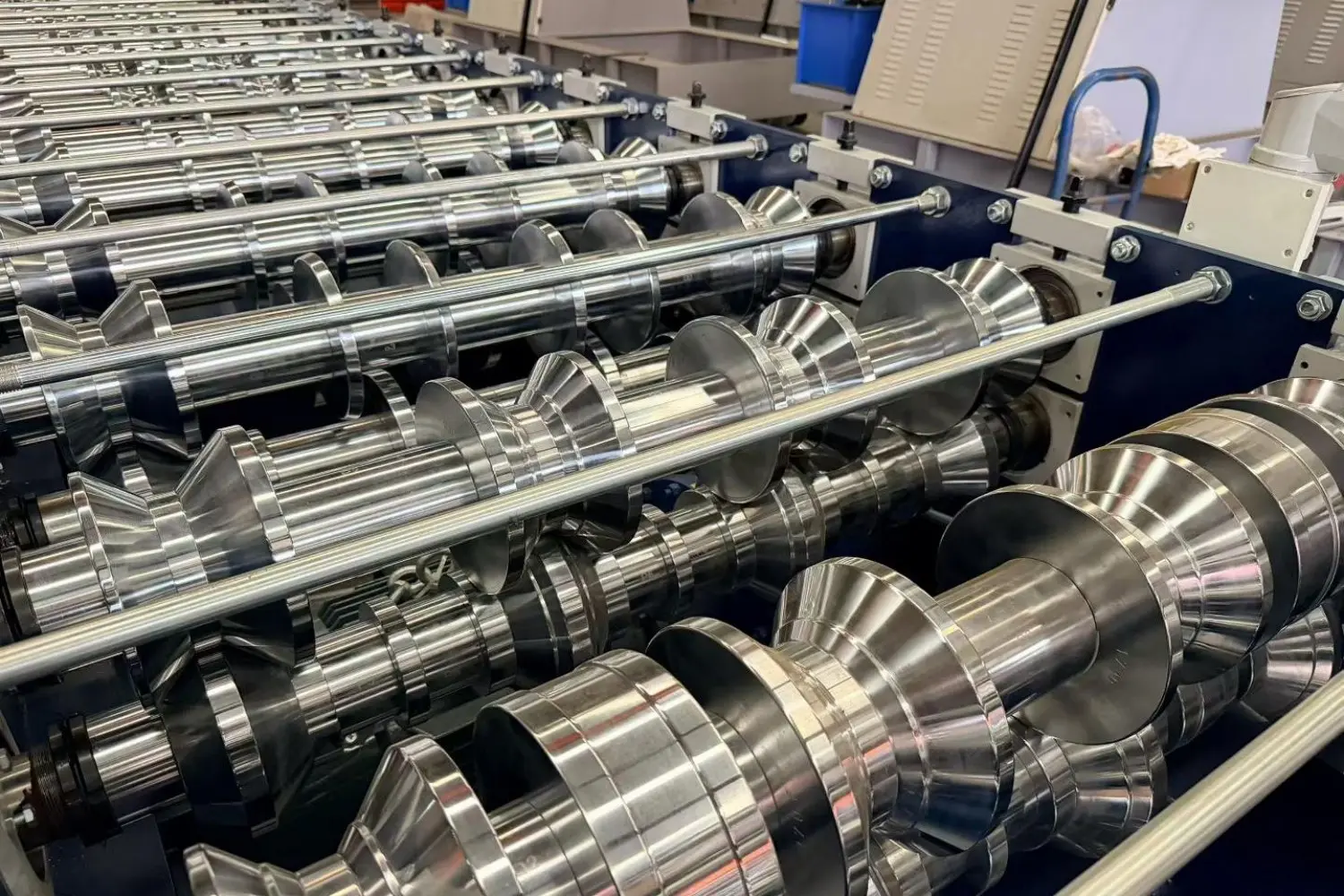
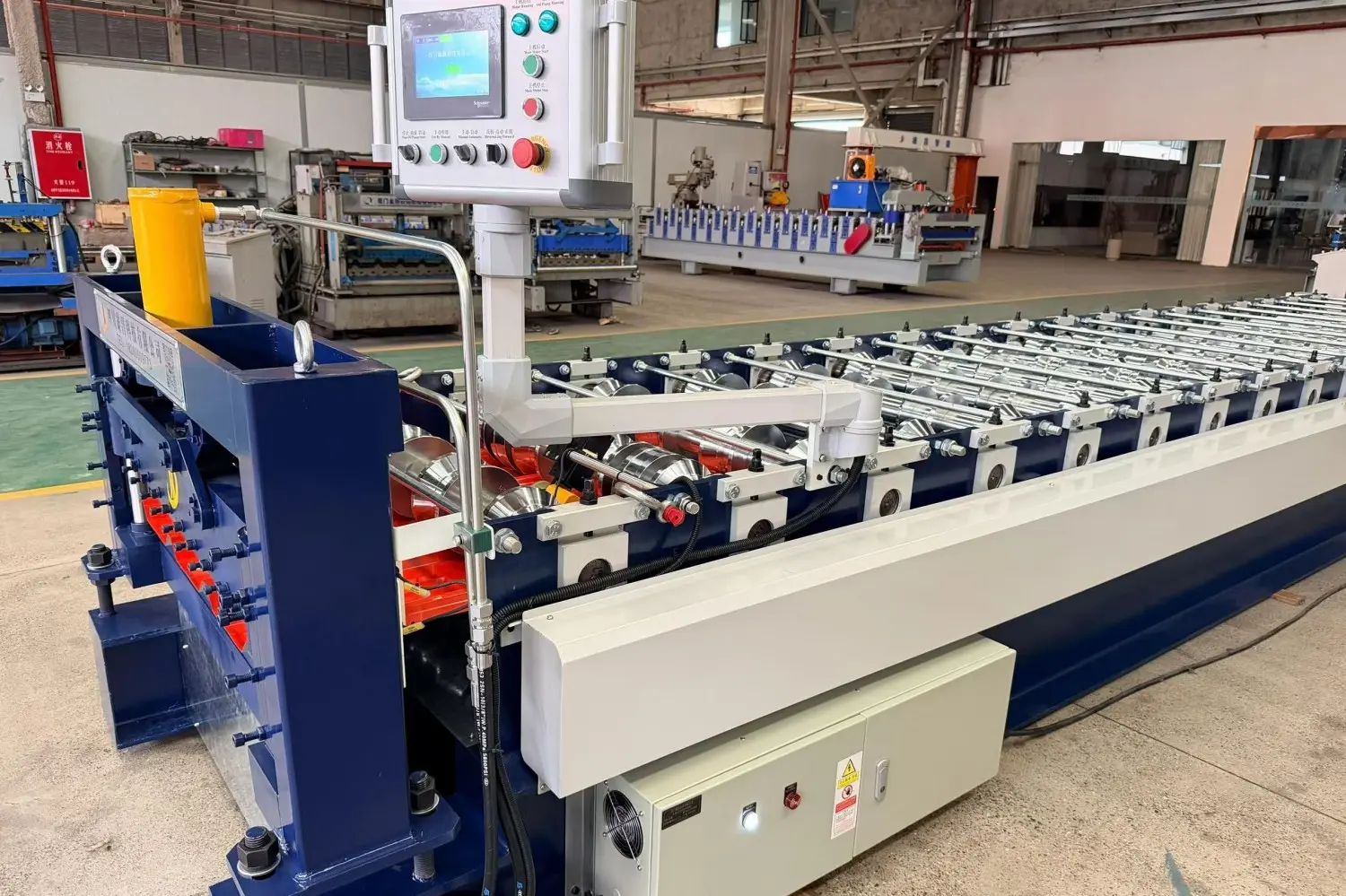
Our engineering services help clients optimize profile designs and maximize productivity:
For custom sheet metal profiles, our designers evaluate drawing tolerances and draft the rolling process step-by-step. By analyzing the bend angles, sheet stretch, and pressure distribution at each station, we reduce raw material stress and extend roller life. This planning minimizes common startup issues and ensures consistent output over long production cycles.
Providing high-precision roll forming solutions for architecture, automotive, transportation, and new energy sectors globally.
XC systems are utilized across several sectors:
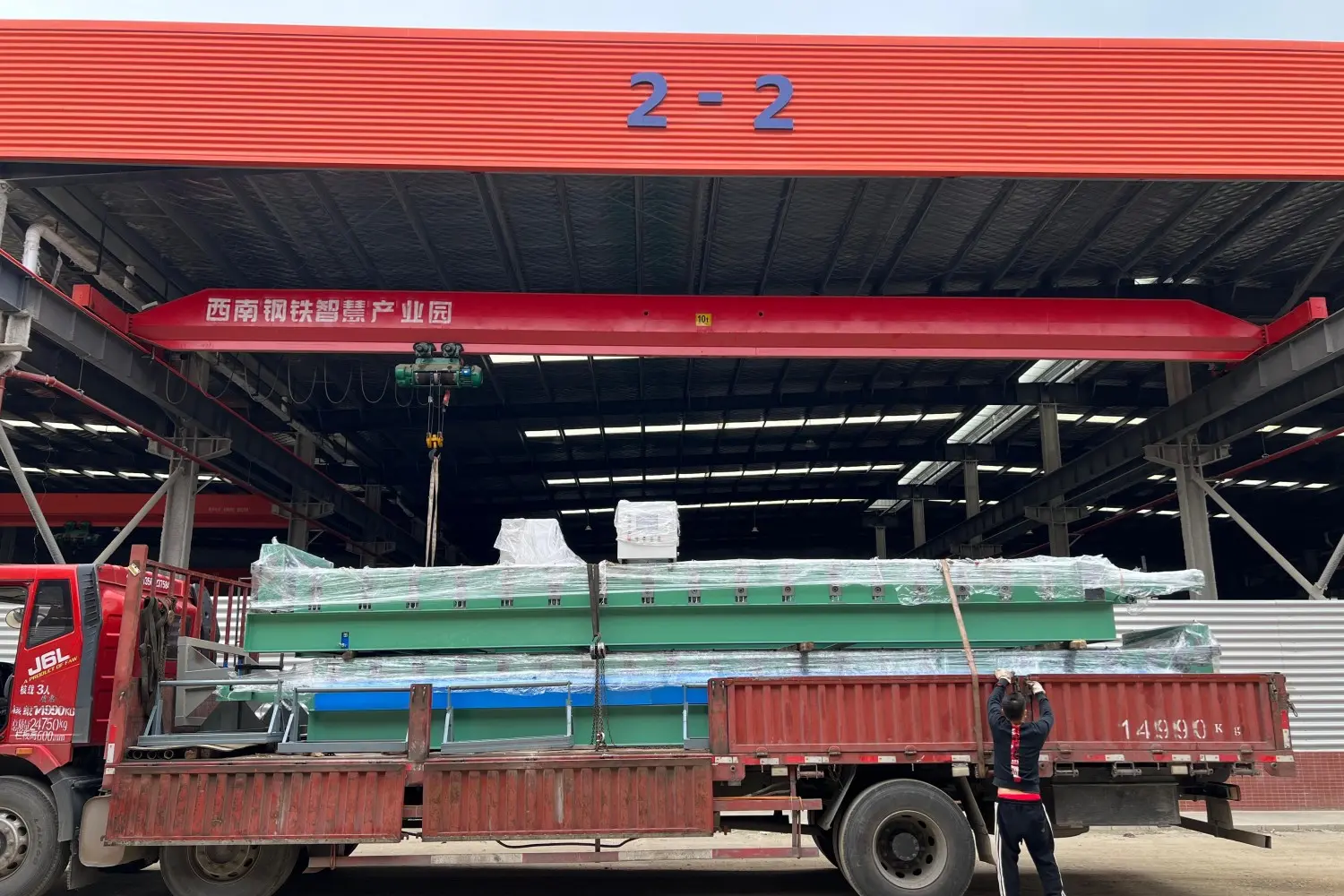
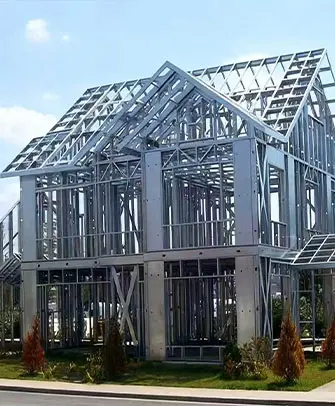
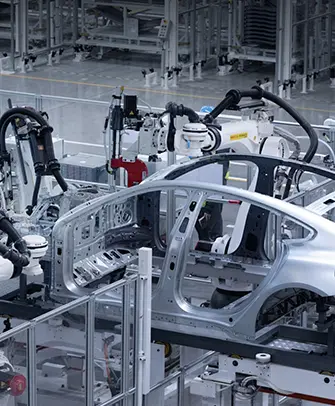
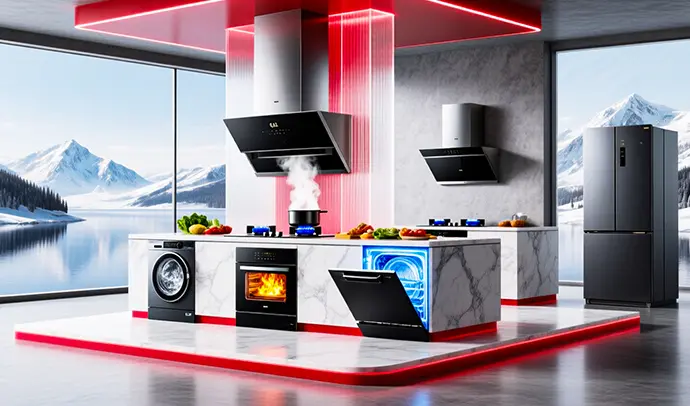


A look at the automation, materials, and predictive maintenance technologies driving the next generation of cold roll forming.
The roll forming industry is transitioning toward fully connected production systems. Traditional, mechanical systems are giving way to digital ecosystems that integrate with broader enterprise resource planning (ERP) software. This technology roadmap focuses on three main developments:
Coil thickness variations can sometimes lead to profile distortions or dimensional inaccuracies. Next-generation roll forming lines feature sensor-driven, automated adjustments. These systems measure input coil thickness in real time and automatically adjust roller gaps via high-precision servo actuators. This feature ensures consistent cross-sectional geometries, even when working with varying metal coil supplies.
To reduce handling and speed up production, modern roll forming lines increasingly incorporate secondary operations directly into the workflow. Advanced lines integrate processes like inline punching, notch cutting, laser marking, and automated packaging. This integration reduces transfer times and minimizes material handling, helping factories improve overall equipment effectiveness (OEE).
Modern roll forming machines use vibration sensors, current monitoring, and thermal cameras to monitor the health of motors, bearings, and cutting units. By analyzing this data, maintenance software can identify wear patterns early, allowing technicians to plan maintenance before breakdowns occur. This predictive approach helps prevent unscheduled downtime during high-volume production runs.
Expert answers to common technical queries about custom sheet roll forming machinery configuration and operation.
Depending on configuration complexity, standard custom lines require 75 to 90 working days. Heavy-duty structural systems, quick-change C/Z purlin mills, or complex multi-profile lines requiring extensive COPRA tooling simulations can take up to 120 days.
We use finite element analysis (FEA) to determine the exact number of forming stations needed for specific material grades. By distributing the forming load across additional passes, we prevent material stress overload, edge stretch, and twisting, maintaining cross-sectional dimensional stability.
We typically use high-chromium, high-carbon tool steels (like Cr12MoV or D2). The rollers undergo vacuum heat treatment (HRC 58-62) and are coated with hard chrome. For forming pre-painted sheets without surface scratching, we can also integrate specialized nylon or high-density polymer tooling inserts.
Yes, all electrical cabinets, motors, and cabling are configured to match local factory specifications (e.g., 220V/380V/415V/440V, at 50Hz or 60Hz). Electrical layouts and safety features can be designed to meet CE, UL, or CSA standards as required by the installation site.
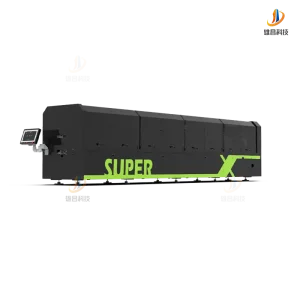
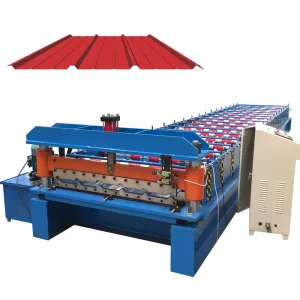
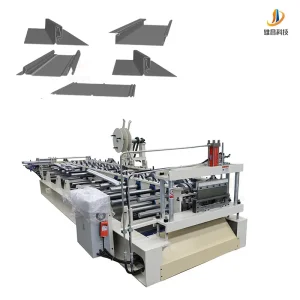
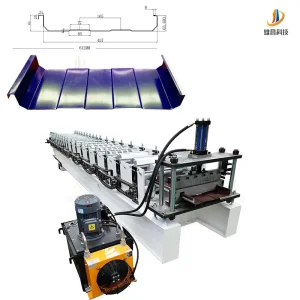
Explore our architectural roofing and heavy structural wall siding machinery systems.
 Xiongchang