Explore our core engineering catalog designed for the highest precision in commercial metal forming.
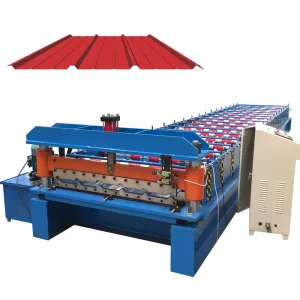
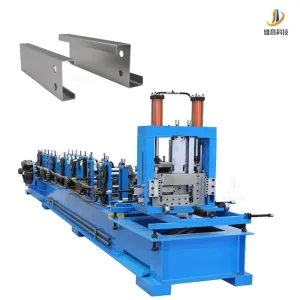
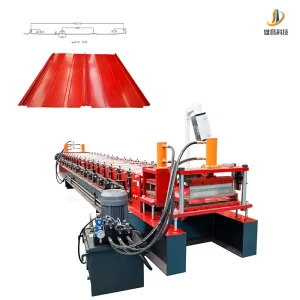
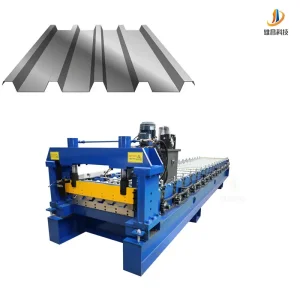
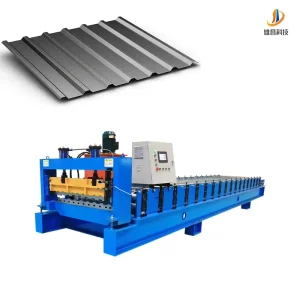
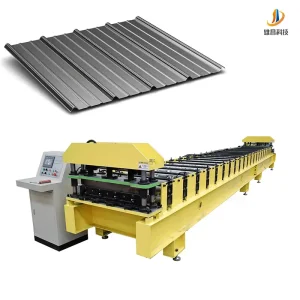
In modern industrial and commercial architecture, the structural integrity of a building's envelope is paramount. The seven rib roofing sheet, characterized by its seven repeating crests and deep valleys, is a globally recognized profile. Known for its remarkable strength-to-weight ratio, rapid water run-off, and resistance to high wind load uplift forces, it has become the standard for large-span warehouses, manufacturing facilities, and heavy-duty commercial complexes. Producing these profiles at scale requires highly advanced, customizable seven rib roofing sheet machines engineered by top-tier factories.
Unlike standard corrugated sheets, a seven rib configuration involves complex cold metal manipulation. The profile typically consists of:
Industrial seven rib forming systems are engineered to handle high-tensile materials. Typical feedstocks include pre-painted galvanized iron (PPGI), Galvalume (GL), and high-yield structural steel (up to G550). Managing material thickness variations—typically ranging from 0.3mm to 0.8mm—requires dual-side entry guides and leveling rolls. The leveling section must eliminate coil set and cross bow before the metal enters the first forming station. Without this critical step, the finished seven rib profile will exhibit camber, twist, or wave defects.
As an established expert in the cold metal forming sector, XC (Xiongchang) provides fully integrated roll forming solutions worldwide. Our extensive portfolio encompasses core production machines for roofing, flooring, door frames, and structural components, as well as the complete auxiliary line equipment essential for efficient, high-yield operation.
For over two decades, XC (XiongChang) has been a trusted leader in the design and manufacture of cold roll forming equipment. We combine deep industry expertise with a steadfast commitment to our clients, ensuring every machine delivers exceptional value and performance.
Explore Company Portfolio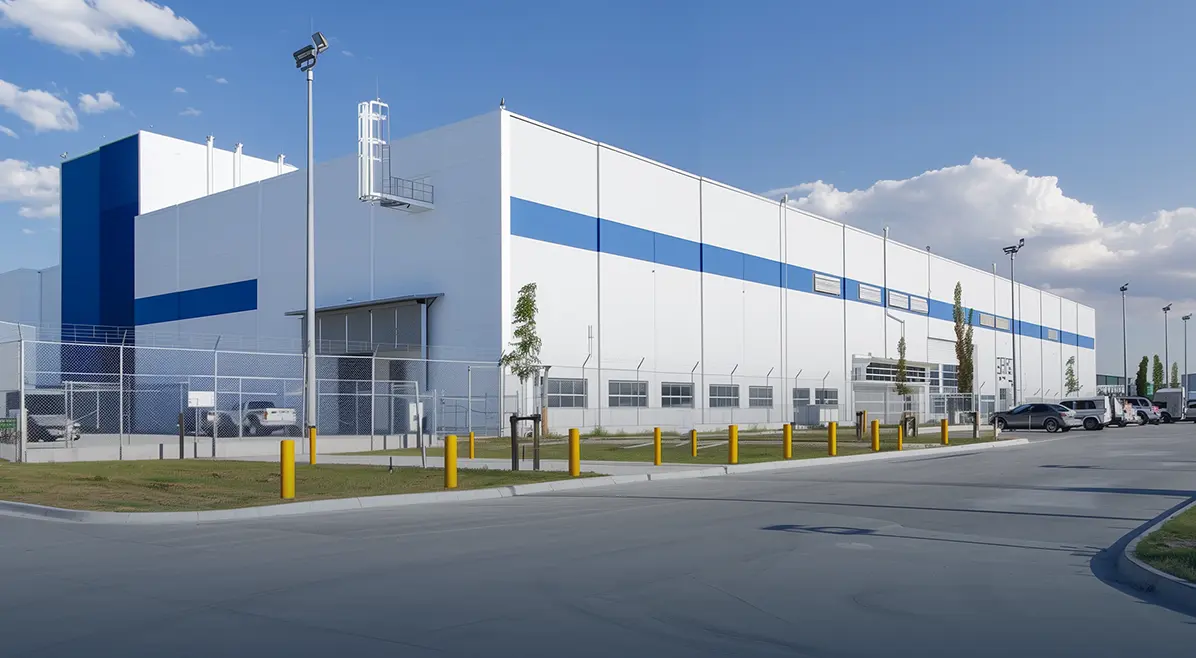
Global procurement directors increasingly prioritize Chinese factories like XC (Xiongchang) when ordering custom seven rib roofing sheet roll formers. This pattern is not merely driven by competitive pricing, but by the robust structural advantages of China's industrial manufacturing ecosystem. These advantages include localized raw material processing, integrated engineering clusters, and rapid technological iteration cycles.
The manufacturing cluster surrounding major Chinese machinery hubs ensures instant access to high-grade alloy steels, specialized heat-treatment services, and precision CNC machining components. The roller shafts of a premium seven rib machine require meticulous turning, heat treatment (quenching and tempering), and chrome plating to prevent premature wear. Access to local high-precision steel supplies ensures that companies can maintain strict manufacturing tolerances—often down to +/- 0.05mm on shaft runout—without inflating lead times or overhead costs.
A significant advantage of partnering with established Chinese factories is the depth of localized CAD/CAM engineering expertise. Companies seeking custom profiles, multi-profile cassettes, or integrated inline punching can leverage advanced tooling simulations (such as COPRA software) developed by specialized local engineers. This reduces design validation times, ensuring the machine’s roll pass design is mathematically optimized to eliminate edge waves and surface scratches before physical manufacturing begins.
Delivering state-of-the-art cold roll forming equipment engineered for precision, consistency, and long-term durability.
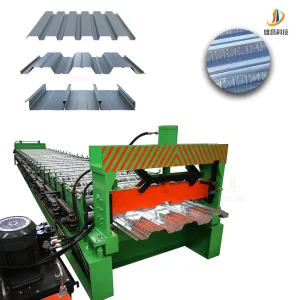
Comprehensive solutions including Roof Panel, Wall Panel, and Floor Deck Roll Forming Machines, optimized for structural integrity and high yield output.
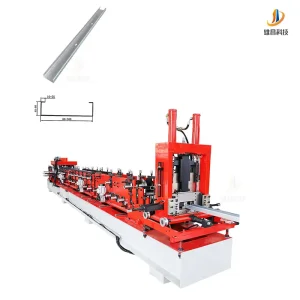
Heavy-duty C/Z Purlin Roll Forming Machines alongside high-performance Stud & Track Systems engineered to meet diverse framing specifications.
Precision-focused Gutter Roll Formers and customized Door Frame systems designed to integrate seamlessly into modern architectural supply chains.
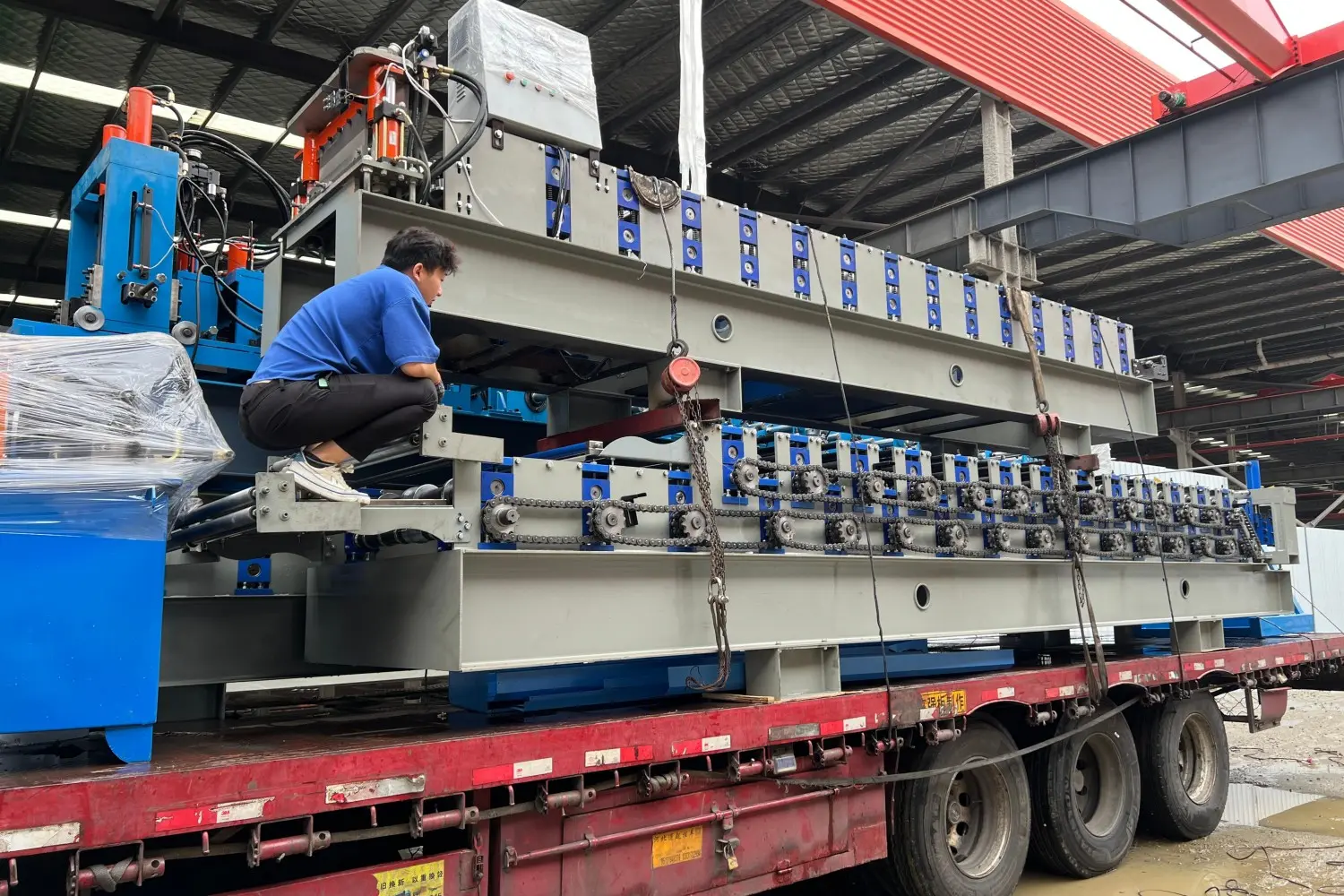
With our dedication to maintaining a robust technical force and advanced industrial equipment, XC is committed to delivering fully integrated, automated systems across our manufacturing plants. This focus allows us to fulfill diverse industrial requirements while guaranteeing the highest standards of structural performance and longevity in every machine we build.
Our engineering division leverages state-of-the-art tooling machinery, automated machining centers, and comprehensive quality validation systems. This ensures that every line component—from the decoiler to the run-out table—operates in perfect synchronization to achieve continuous, high-efficiency output.
Procuring industrial roll forming machinery across international borders requires a clear alignment between buyer specifications and manufacturing compliance. Industrial enterprises ordering a custom seven rib roofing machine prioritize three core criteria: regional electrical certifications, mechanical fail-safe standards, and long-term components supply chain stability.
A major point of failure during installation is electrical incompatibility. High-quality factories must customize control panels to match the buyer's regional requirements. This includes:
Modern industrial operations require rigorous adherence to safety standards. Machine factories must integrate structural safety enclosures, emergency-stop buttons at critical stations (decoiler, forming section, hydraulic shear), and optoelectronic safety light curtains surrounding the high-speed shearing zone. Furthermore, raw materials like guide rails, drive chains, and gear boxes must feature protective steel covers to protect operators while maintaining accessible maintenance check points.
XC has a complete suite of detection and testing instruments, allowing our engineers to rigorously verify product strength, dimensional accuracy, and lifetime mechanical durability.
We adhere to strict, standardized quality control protocols throughout the manufacturing process, ensuring all output consistently meets specified customer specifications and profile tolerances.
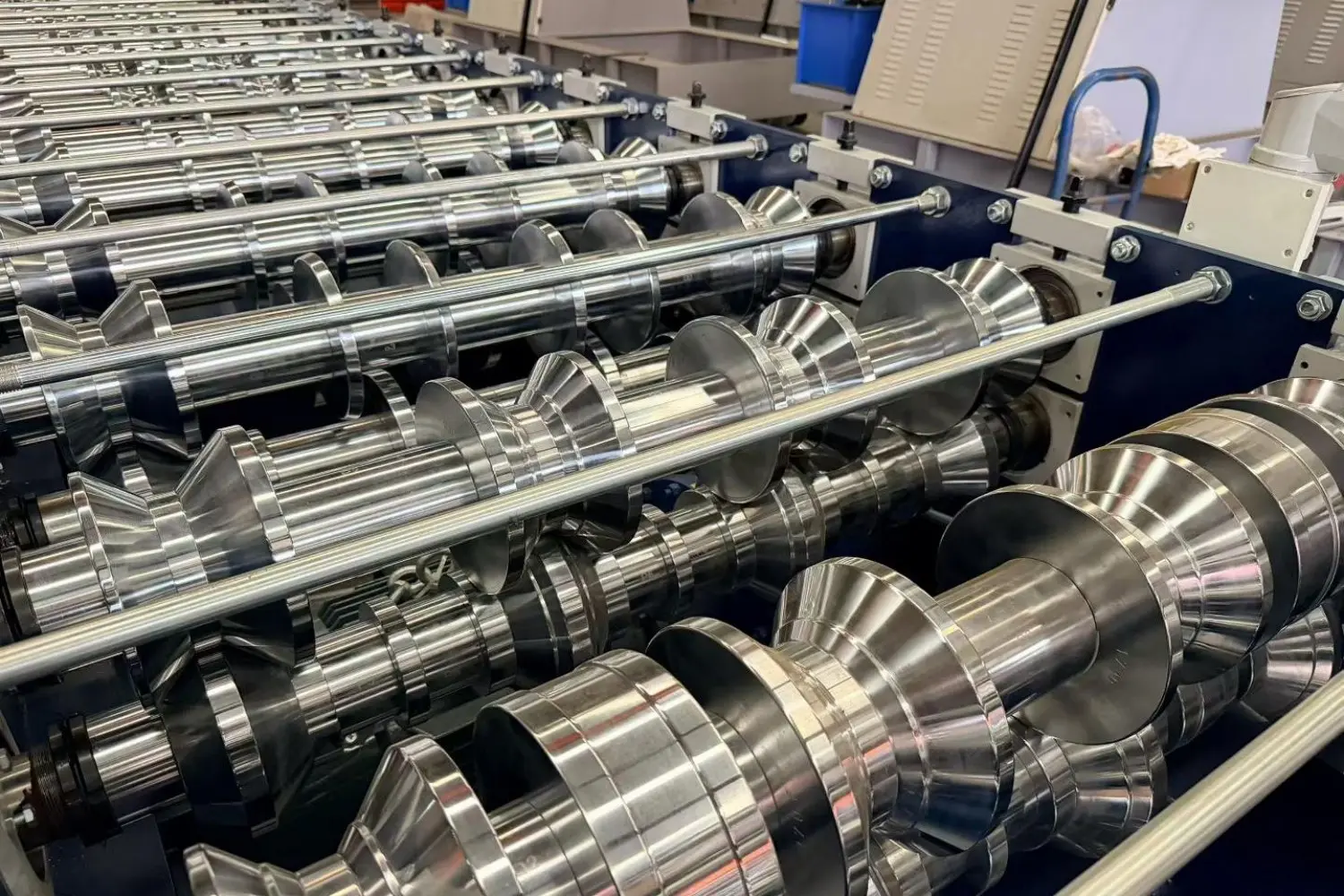
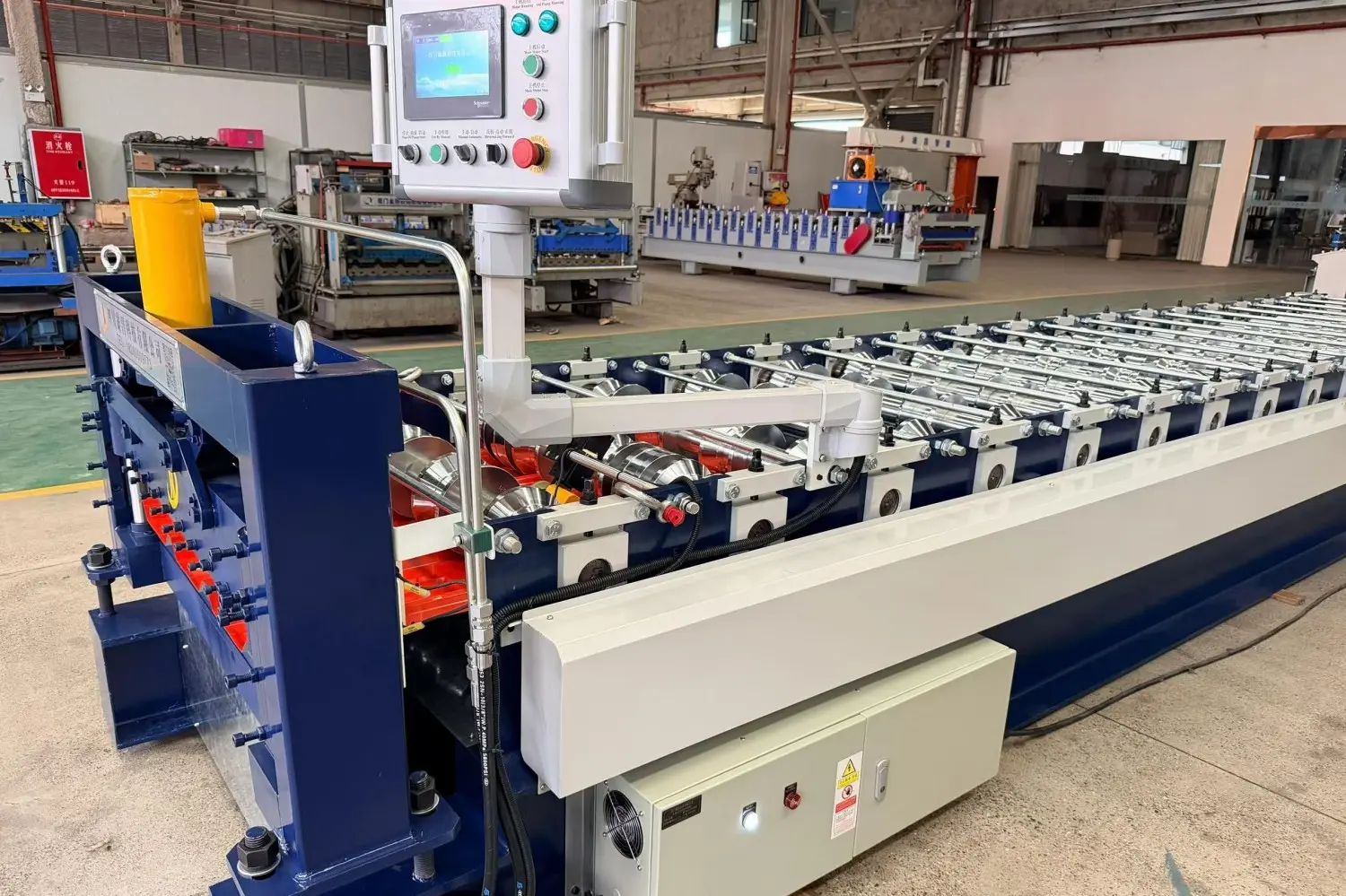
From custom CAD design to global installation and commissioning, XC provides comprehensive lifecycle support for your production lines. We offer professional onsite installation, electrical commissioning, and operator training to ensure rapid setup and maximum immediate productivity.
Our dedicated after-sales support team delivers ongoing technical assistance, troubleshooting, and wear-parts replacement services, helping customers achieve sustained, peak operational performance year after year.
Seven rib roofing sheets are utilized in diverse climates, each imposing unique challenges on physical material properties. A high-performing machine factory must design systems that allow manufacturers to customize structural details to match localized architectural demands.
For coastal applications, roofing sheets must withstand high salt spray. Production lines must form thick-coated PVDF or high-build polyester pre-painted steel sheets without scratching the protective layer. The machine's roller profiles must be polished to a mirror finish and hard-chrome coated. Additionally, inline application systems can apply protective plastic film to the steel coil surface during forming, which is peeled off after installation.
In regions prone to typhoons, hurricanes, or seismic activity, the design of the seven rib profile plays a vital role. The height of the rib (typically 25mm to 38mm) must provide maximum resistance to wind uplift. Factories optimize the forming stations to produce strict profile clearances, allowing snug overlapping joints that reduce wind penetration and prevent structural detachment during extreme weather events.
Our roll forming systems serve a diverse global clientele, equipping manufacturers worldwide with the technology to enhance production capabilities and achieve operational excellence.
High-yield roofing, wall cladding, and floor decks for structural warehouses, commercial centers, and residential developments.
Precision channels and structured frame profiles designed to meet the strict safety and dimensional tolerances of automotive assembly.
Optimized solar panel mounting structures and utility-scale framing profiles designed to withstand long-term outdoor exposure.
The roll forming industry is transitioning from manual, single-speed setups to intelligent, high-efficiency manufacturing systems. Modern factories must adopt new paradigms to satisfy modern demands for efficiency and flexibility.
Modern seven rib forming machinery is increasingly equipped with IoT-enabled controllers. These systems transmit real-time data regarding coil consumption, line speeds, and hydraulic oil temperatures to factory ERP networks. Predictive maintenance programs monitor current draws on major drive motors, detecting potential bearing wear or gear misalignment before catastrophic mechanical failures occur.
To reduce downtime, custom roll forming lines are shifting toward modular cassette configurations. Instead of manually swapping dozens of rollers to switch profiles, operators can slide out an entire cassette frame using overhead cranes or hydraulic rails. This shortens profile transition times from a full day to under 45 minutes, allowing manufacturers to accept small-batch custom orders profitably.
Get professional answers to common questions about seven rib metal forming lines and global procurement logistics.
The system accommodates PPGI, PPGL, Aluzinc, and high-tensile galvanized steel (G300 to G550). Typical material thickness ranges from 0.3mm to 0.8mm.
By utilizing high-grade Gr15 steel (or Cr12) treated with vacuum quenching and hard chrome plating, our rollers typically offer a service life exceeding 10 years with standard maintenance.
Yes. Our engineering department uses CAD/CAM design software to optimize roll pass structures based on your specific drawing, ensuring precise rib formation without oil canning.
We use PLC systems from brands like Mitsubishi or Siemens, paired with user-friendly touchscreen interfaces, offering variable speed controls and high-precision cutting tolerances.
A standard custom line requires approximately 60 to 90 days from technical drawing confirmation to final factory assembly and testing.
Every machine undergoes a continuous trail run with raw steel coils at our factory. We measure the finished sheet profile tolerances and inspect all hydraulic and electrical components before approving dispatch.
Complete your production line with high-quality framing, decking, and secondary structure forming systems.
 Xiongchang