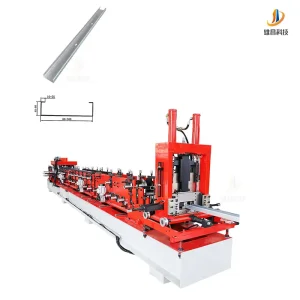
Explore our foundational lines engineered to generate dimensionally stable building envelope profiles, standing seam components, and high-strength metal roofs.
Modern commercial and industrial architecture demands structural materials that deliver high strength-to-weight ratios, accurate dimensional tolerances, and outstanding durability. Cold roll forming stands as the premier fabrication method to achieve these parameters efficiently. By gradually bending flat sheet metal through sequential pairs of contoured rollers, the structural integrity of the steel is optimized, providing structural envelopes and framing panels that meet building code regulations worldwide.
As a leading supplier of roll forming technology, XC (Xiongchang) specializes in custom systems that automate operations, reduce scrap, and optimize productivity. From standard corrugated steel roofing profiles to complex, variable-width C/Z structural purlins, our systems are built to withstand continuous, high-volume production cycles under demanding manufacturing conditions.
As an established expert in the field, XC (Xiongchang) provides integrated roll forming solutions. Our portfolio encompasses core production machines for roofing, flooring, doors, and structural components, as well as the complete auxiliary line equipment essential for efficient operation.
We boast a specialized team of technical personnel and engineers committed to delivering superior products and solutions for our valued customers. For over two decades, XC (XiongChang) has been a trusted leader in the design and manufacture of cold roll forming equipment. We combine deep industry expertise with a steadfast commitment to our clients, ensuring every machine delivers exceptional value and performance.
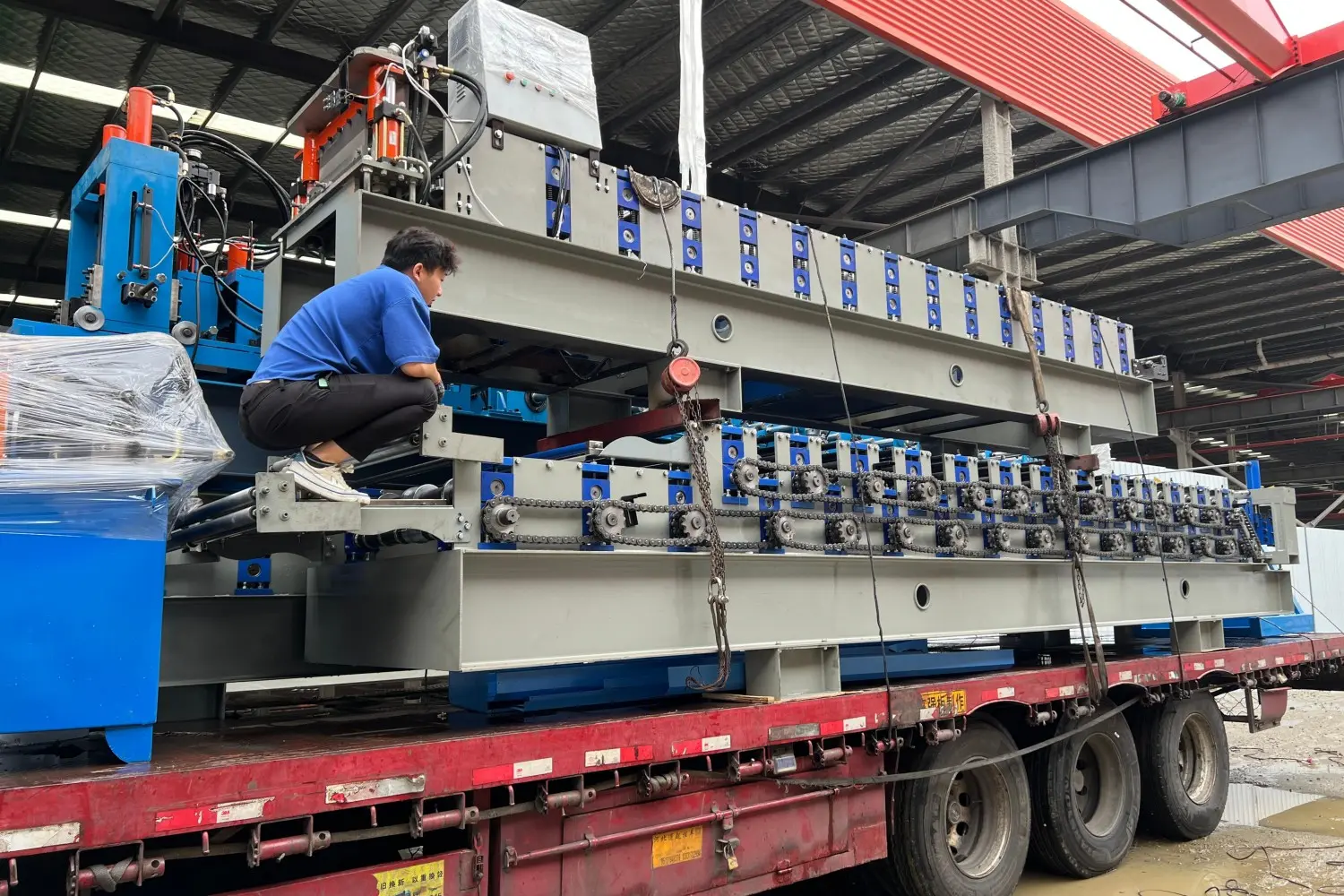
With our dedication to a robust technical force and advanced industrial equipment, XC provides integrated and automated systems across our production lines. This allows us to fulfill diverse industrial requirements while guaranteeing high standards of quality and performance in every machine we build.
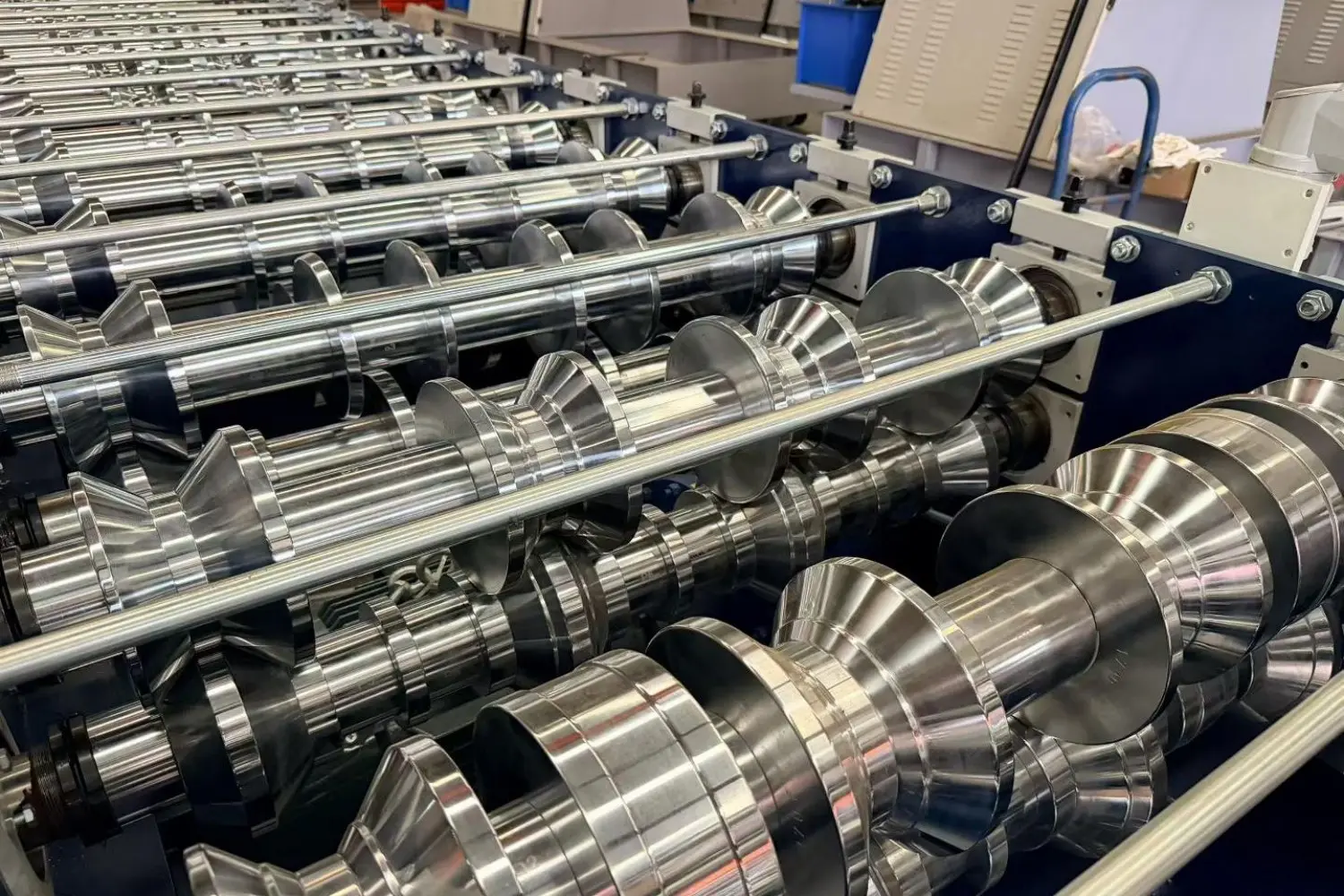
Our substantial investment in state-of-the-art, automated production lines ensures manufacturing precision and consistency. By utilizing multi-axis CNC machining centers, high-tolerance roller grinders, and advanced heat treatment facilities, we secure the dimensional tolerance of our forming rollers to within ±0.02mm, effectively eliminating common profile issues such as twist, flare, and oil canning.
Sourcing roll forming machinery from established Chinese manufacturers like XC offers global procurement managers distinct competitive advantages, bridging the gap between cost efficiency and technical quality:
Our strategic facility locations allow direct access to high-grade alloy steel, world-class electrical component hubs, and specialized heat-treatment industries. This clustering reduces logistics bottlenecks and assembly lead times.
Unlike rigid western machinery manufacturers, Chinese engineering centers specialize in flexible design customizations. We adapt profile geometries to match local wind-load metrics, climate realities, and structural guidelines.
By streamlining our internal manufacturing workflows and utilizing efficient process designs, we offer industrial-grade production machinery at an accessible cost-to-performance ratio, allowing you to maximize ROI.
We offer a comprehensive range of precision cold roll forming systems to meet varied customer applications, ensuring all equipment produces durable, reliable, and high-performance end-products:
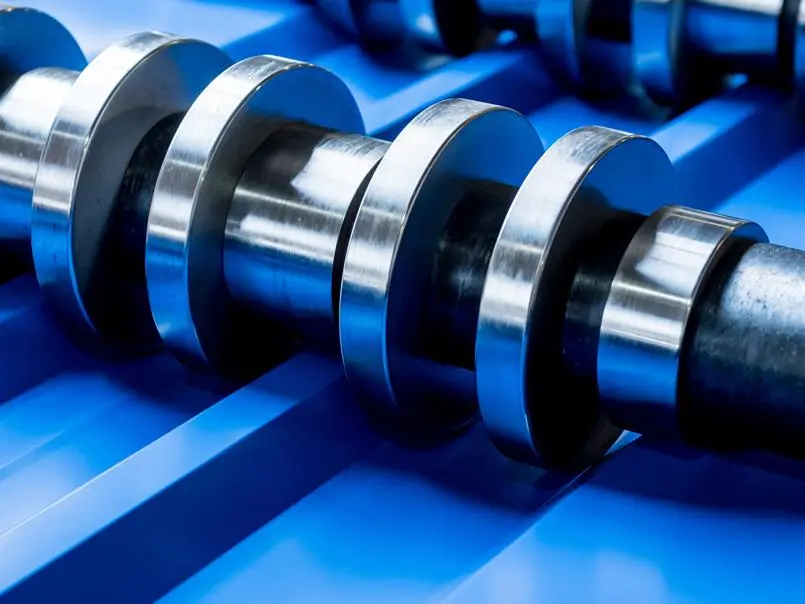
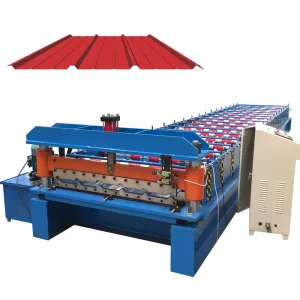
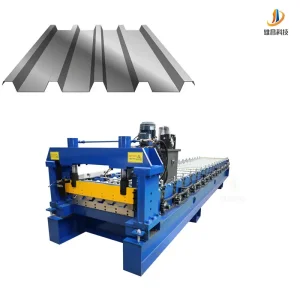
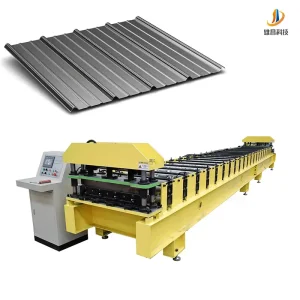
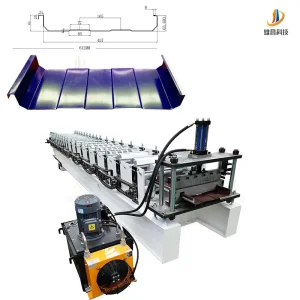
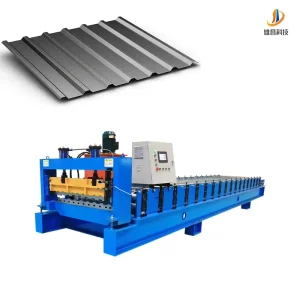
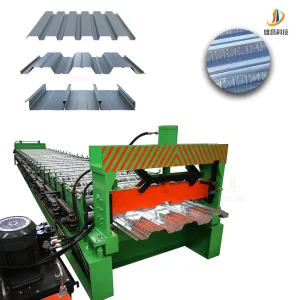
Engineered for high-volume fabrication of roof panels, wall panels, and structural floor decking. These lines handle pre-painted, galvanized, and galvalume steel coils with high surface protection.
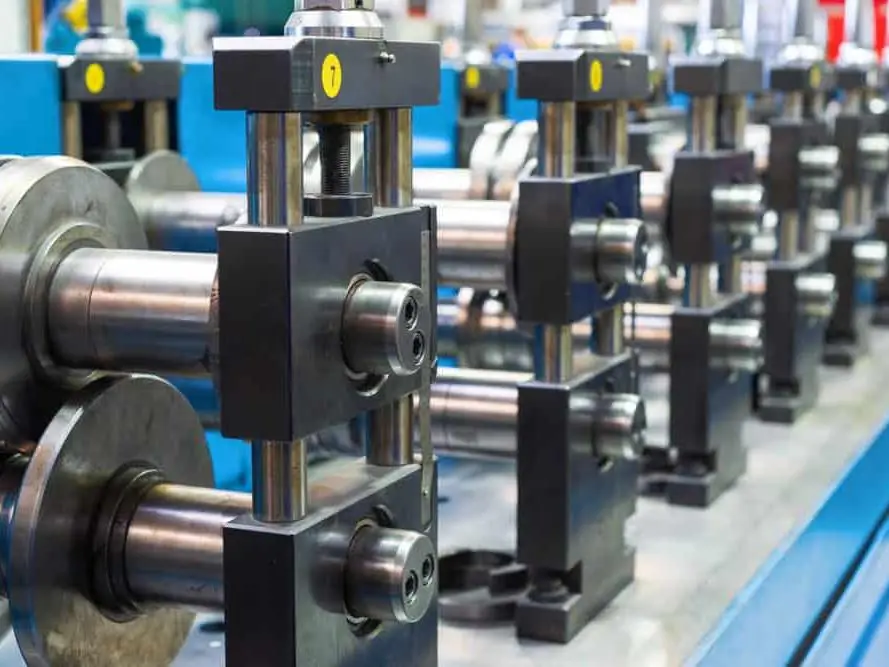
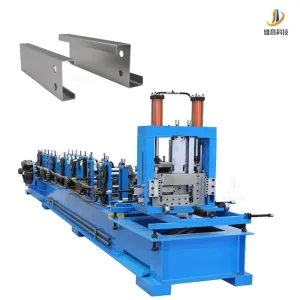
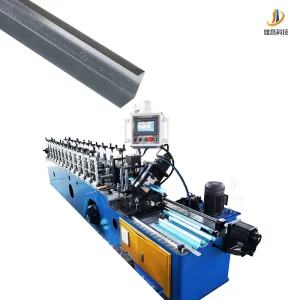
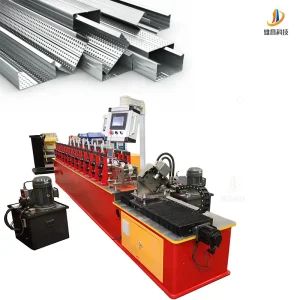
Featuring automated, quick-change C/Z purlin roll forming machines and light gauge steel (LGS) framing systems, capable of forming high-tensile structural steel up to 3.0mm thickness.
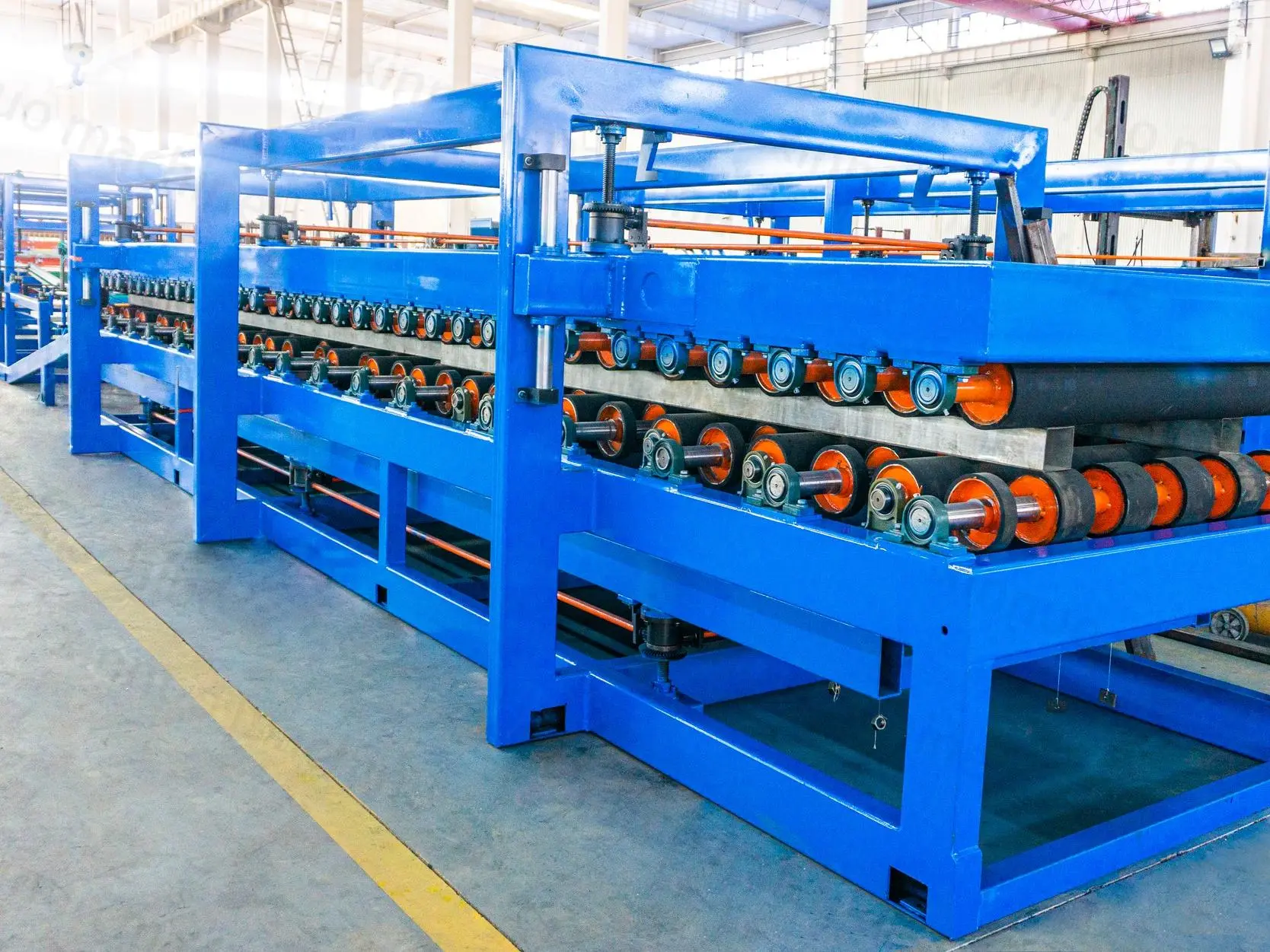
Custom-built solutions for gutter roll forming, shutter door profiles, and high-precision steel door frames, integrating punching, notches, and cut-off functions.
XC has a complete suite of detection and testing instruments to rigorously verify product strength, durability, and reliability. We adhere to strict, standardized quality control protocols throughout the manufacturing process, ensuring all output consistently meets specified customer specifications.
Our quality management framework includes material mill certificate verification, non-destructive ultrasonic testing of shafts and rollers, and exhaustive pre-shipment trial runs. We run custom profiles under load settings to confirm that dimensional tolerances, profile geometry, and paint surface integrity align with international quality standards.
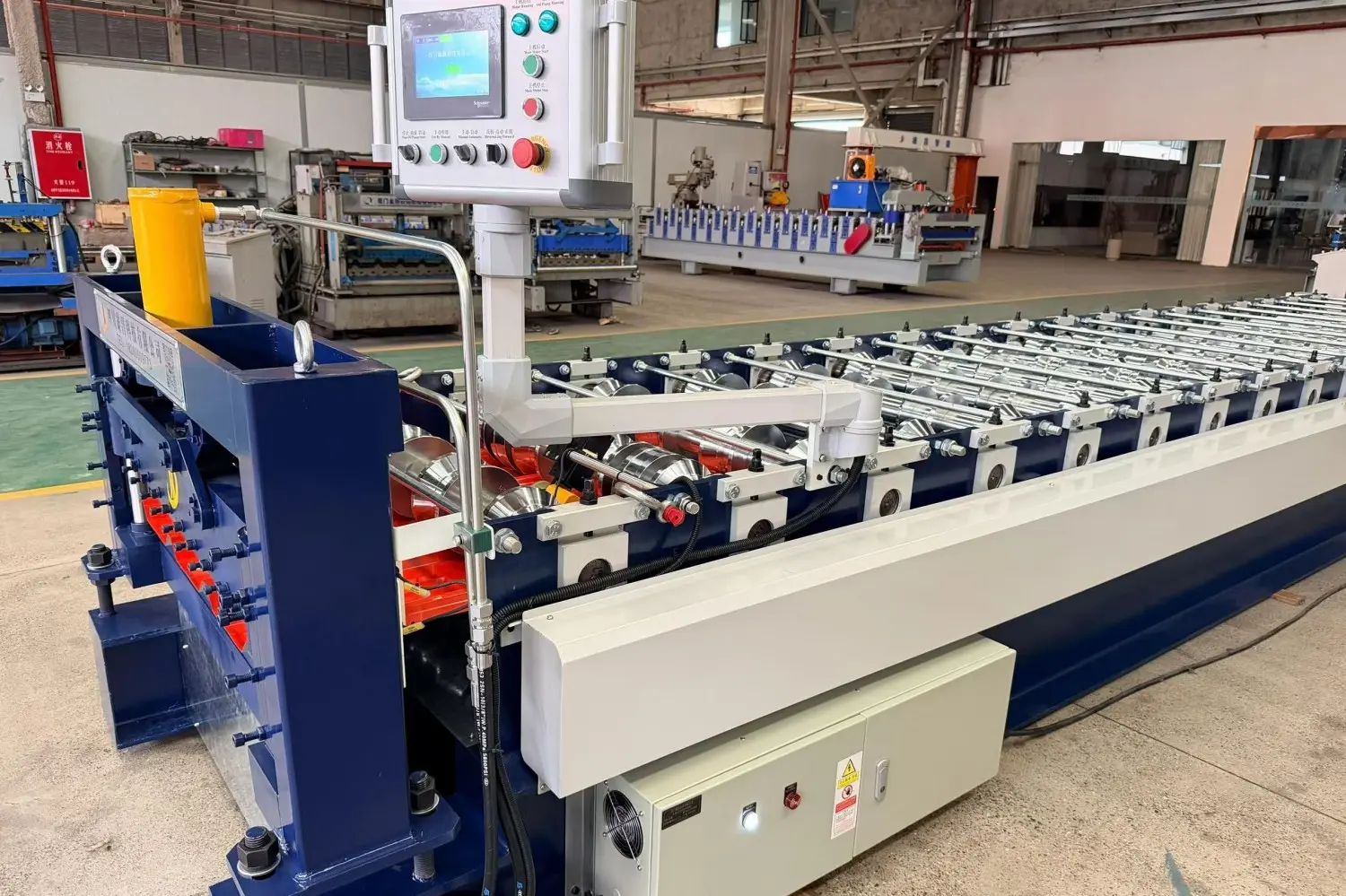
From design to installation, XC provides comprehensive lifecycle support. We offer professional installation, commissioning, and operational training to ensure optimal setup and productivity.
Our dedicated after-sales support team delivers ongoing technical assistance and maintenance services, helping customers achieve sustained, peak operational performance. Whether you require remote PLC troubleshooting, spare parts replenishment, or onsite machine upgrades, our engineers are prepared to support your manufacturing goals.
Our roll forming systems serve a diverse global client base, extending from residential developers to major infrastructure operations. We assist plants in designing workflow-optimized lines that integrate decoiling, leveling, punching, forming, and stack collection.
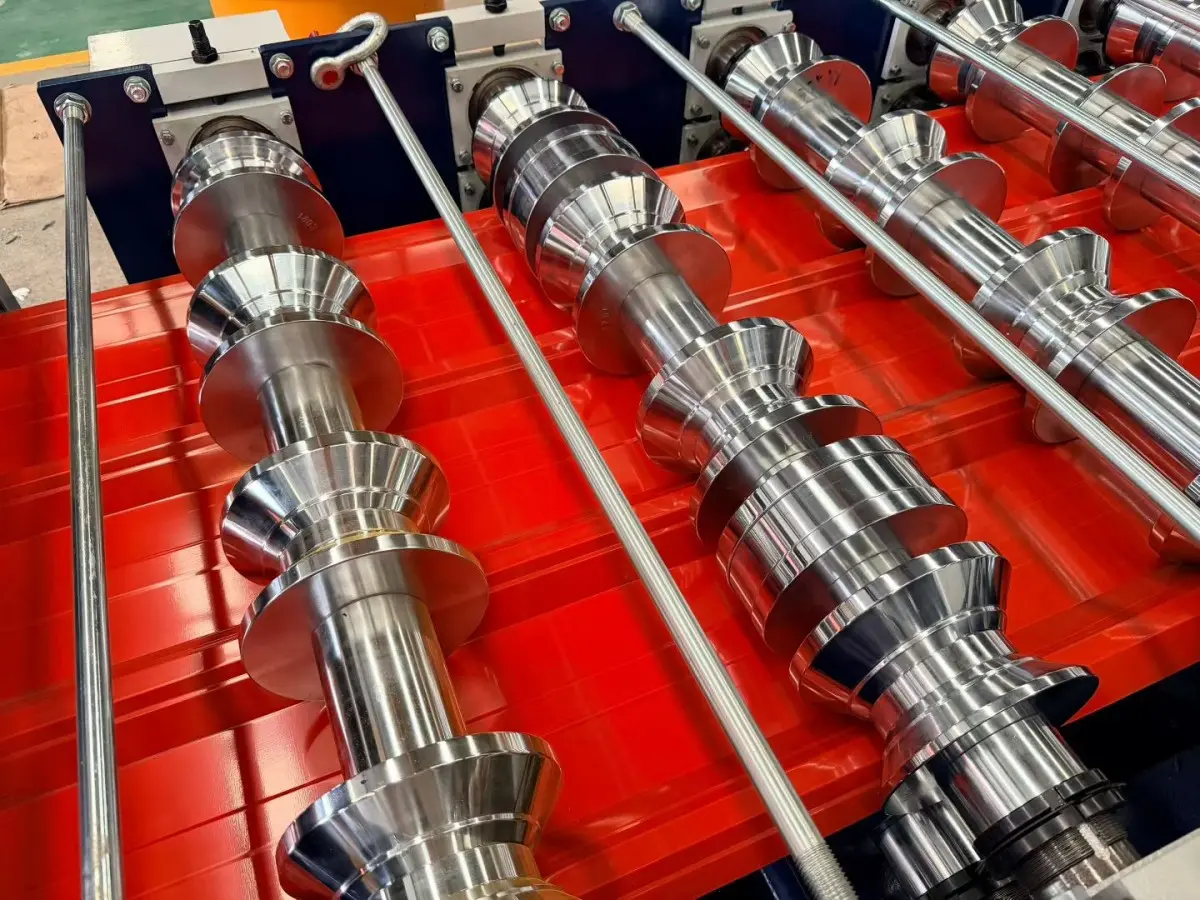
Automated high-speed lines designed to maximize daily throughput. Our solutions incorporate flying shears and dual-mandrel decoilers to minimize roll-change downtime.
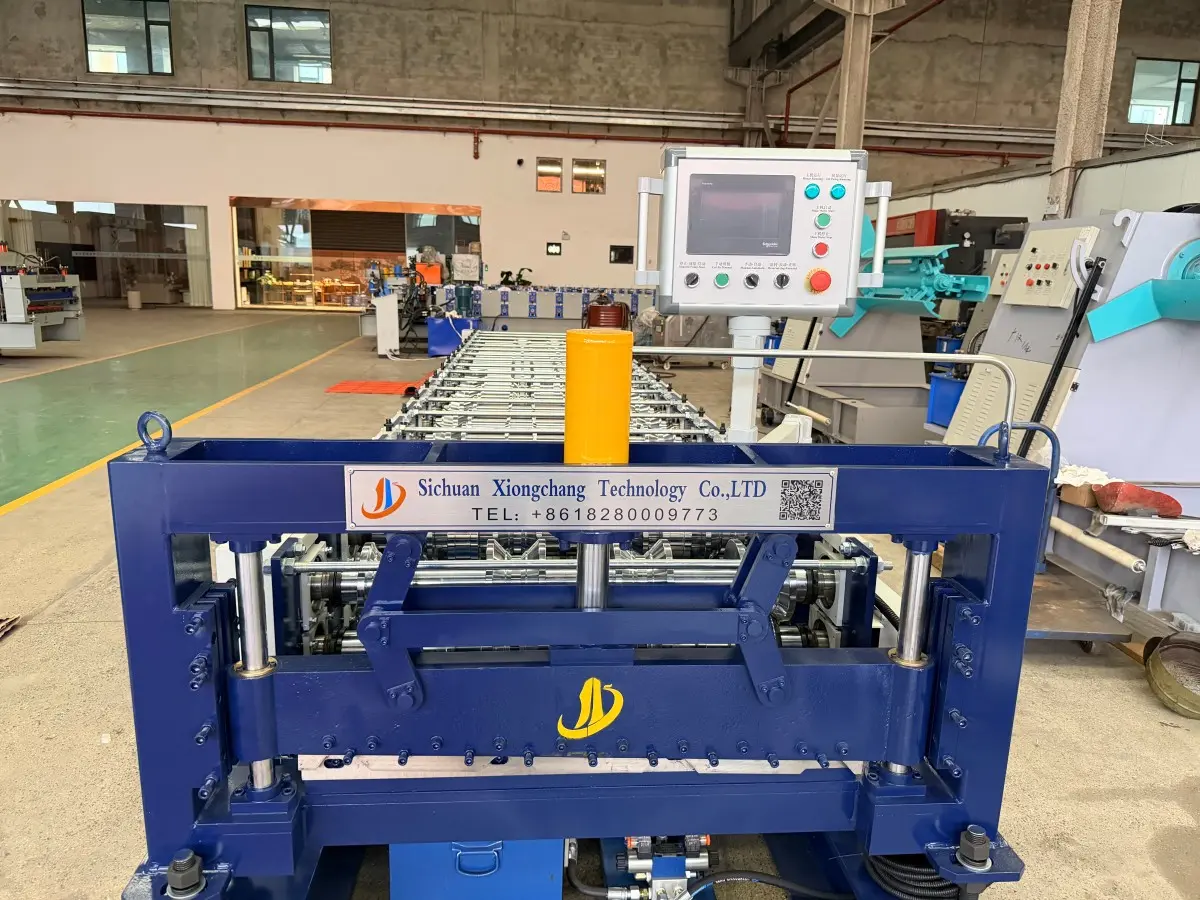
Expertly engineered rollers utilizing premium tooling steel. We develop tailored configurations for challenging materials, protecting prepainted coatings from scratching.
The roll forming industry is transitioning toward digital automation and environmental sustainability. XC is leading this development by implementing key innovations within our custom machinery lines:
Our custom roll formers feature intelligent cloud-linked HMI interfaces. Factory managers can monitor production statistics, linear meter counts, and diagnostic telemetry from off-site locations.
Through high-precision servo feeders and scrap-reduction programming, we optimize profile shearing. This minimizes edge trimming and saves raw coil materials.
Our rapid-change cassette systems allow operators to switch profiles in under 30 minutes, converting one machine for multiple architectural configurations without dedicated floor space.
With years of industry expertise, we have established a reputation for quality and customer-centric service. Our professional team provides tailored support for both standard and customized technical needs. This commitment has fostered a loyal client base across the construction, manufacturing, and engineering sectors, with our machines contributing to projects ranging from residential complexes to commercial and infrastructure developments.
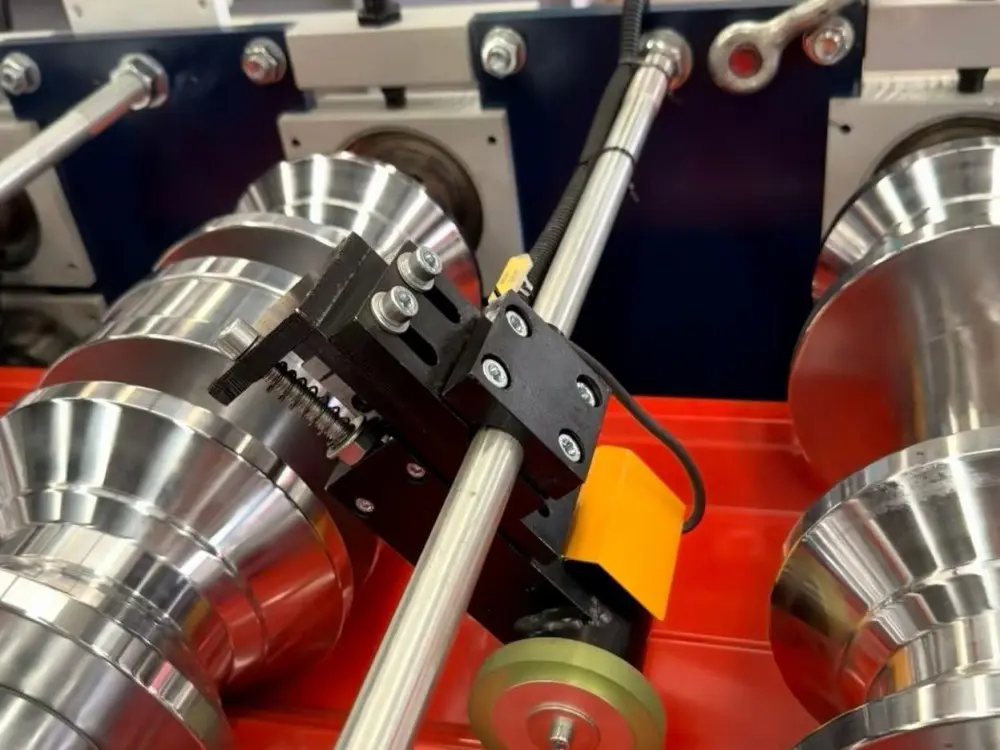
Continual refinement of forming calculations to ensure structural integrity.
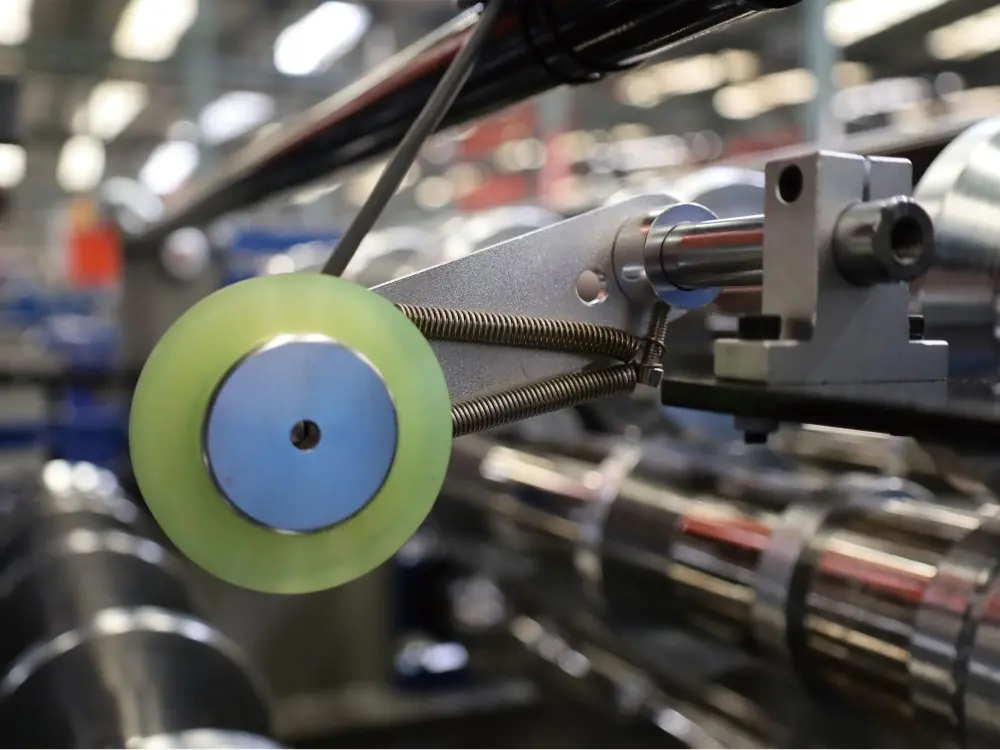
Heavy-duty welded steel base frames and solid chrome plating for wear protection.
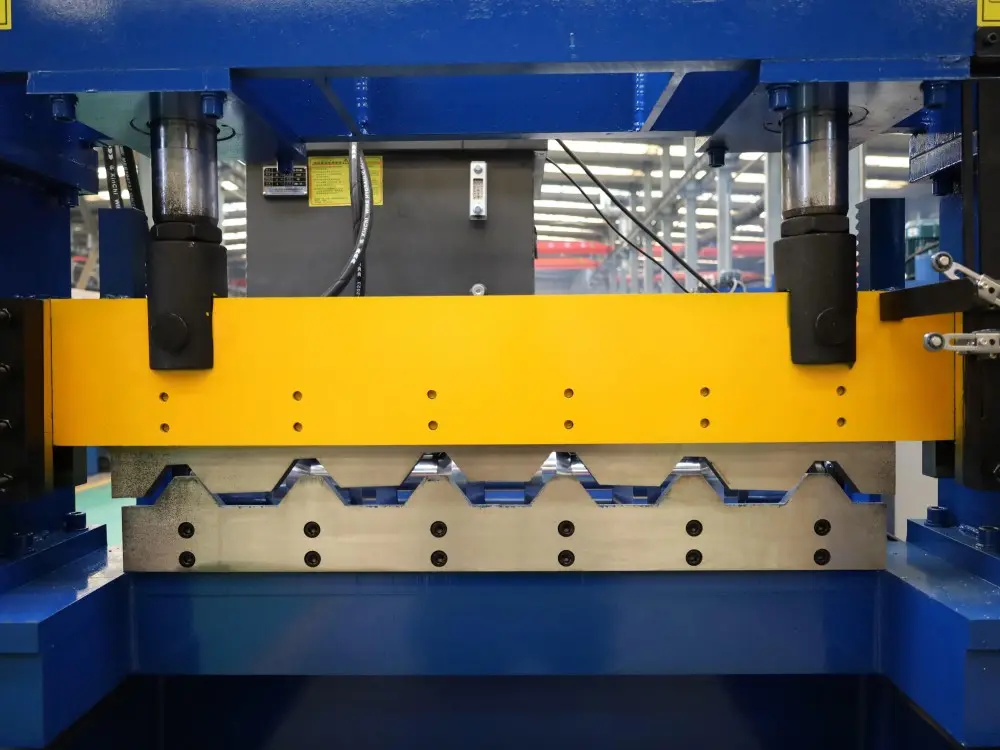
Our roll forming systems serve a diverse global clientele, from residential builders to large-scale industrial and infrastructure projects. Whether for standard applications or fully customized production lines, we equip manufacturers worldwide with the technology, support, and expertise to enhance their capabilities, improve output quality, and achieve long-term operational excellence.
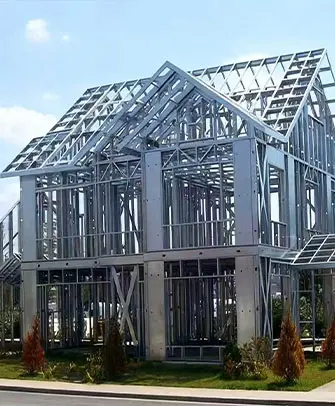
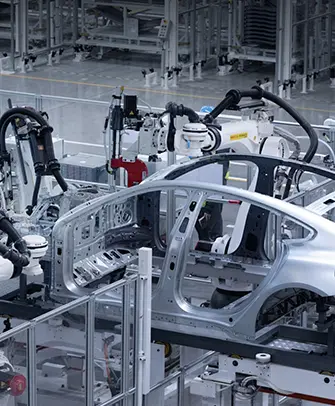


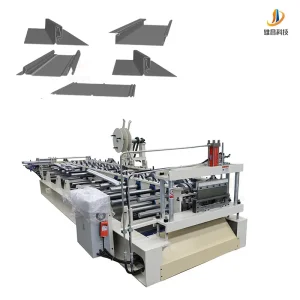
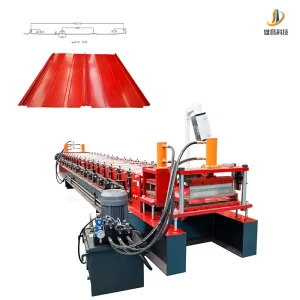
Review our specialized machinery catalog covering standing seam nail-strip profiles, heavy floor decks, structural studs, and interchangeable purlin lines.
Procuring a roll forming machine represents a significant capital investment. To ensure long-term operational success, sourcing teams should evaluate potential partners across key technical criteria:
Ask for the specific steel grade used for the forming rollers. High-grade tools like GCr15 or Cr12MoV (D2) steel, hardened to HRC 58-62 and chrome plated, offer resistance to abrasive wear when forming galvanized coils.
High-tensile steel profiles require a rigid, heavy structural frame base to absorb bending forces. Verify that the frame is fabricated from heavy-section welded steel plates and has undergone stress-relieving thermal treatments.
Determine whether a gear-drive, chain-drive, or cardan-joint drive system is suited for your gauge requirements. Cardan-joint configurations provide superior torque distribution for heavy-duty profiles and thicker gauges.
Get answers to key technical questions concerning the engineering, customization, and operation of cold roll forming machines.
Oil canning is an inherent physical phenomenon in thin metal coils. We mitigate this through advanced roller design, utilizing progressive ribbing rollers that introduce stress-relieving tension lines. Our machines also incorporate integrated flattening systems prior to feeding, and adjustable entry guides to ensure uniform material tension.
We standardize our automation control networks with premium global PLC components, primarily Siemens or Mitsubishi. These systems support variable length programming, batch processing, and integrated diagnostics via an HMI touchscreen interface, with support for remote diagnostic modules.
Yes. Our automated C/Z interchangeable purlin machines use a motorized rotation system. With PLC input, the machine adjusts the roller spacing, flange height, and web width dynamically in minutes, without requiring manual roller replacements.
Standard profile lines typically require 60 to 75 days, while complex, fully automated, multi-profile lines with integrated inline punching and packaging can take 90 to 120 days. These timelines include design engineering, roller calculation, fabrication, assembly, and testing.
XC provides complete installation services. We can dispatch technicians to assist with onsite positioning, hydraulic calibration, PLC integration, and team training. Alternatively, we offer comprehensive online commissioning assistance with virtual testing protocols.
To provide a proposal, we require the targeted profile dimensional drawings, the steel thickness range, the material yield strength (e.g., G550 MPa, 235 MPa), and details on any integrated punching or cut-off preferences.
 Xiongchang