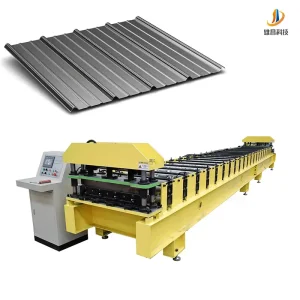
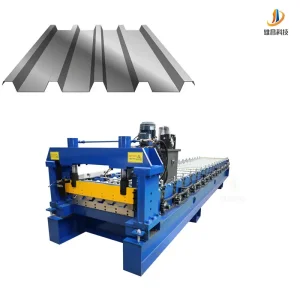
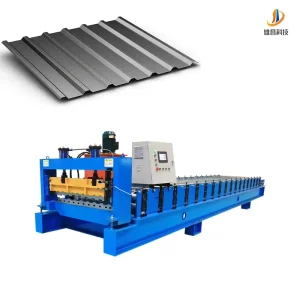
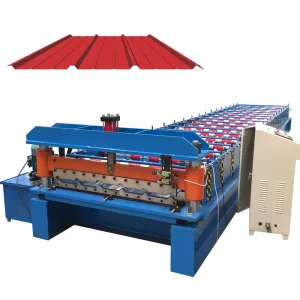
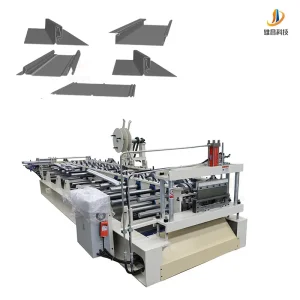
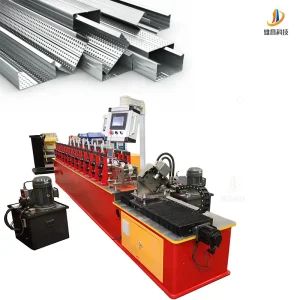
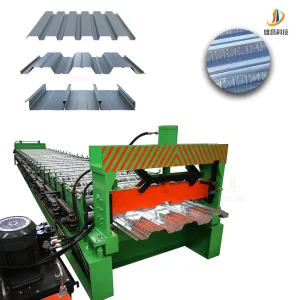
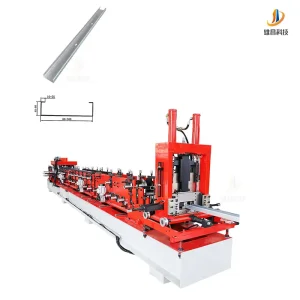
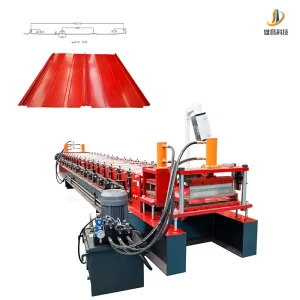
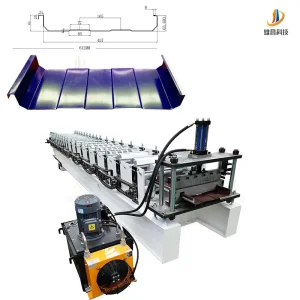
Browse our top industrial roll formers engineered to fabricate premium profiles including heavy-duty structural decks, structural framing, wall panels, and metal tile roofing.
The global building construction envelope sector is experiencing a paradigm shift towards highly durable, lightweight, energy-efficient, and recyclable structural components. Custom roof tile forming machines represent the apex of automated engineering designed to address this industrial change. By transitioning away from conventional, heavy clay or concrete tiles, modern architectural projects leverage roll-formed metallic step-tiles, glazed panels, and standing seams to achieve unprecedented structural integrity.
From residential structures to heavy industrial warehouses, high-tensile pre-painted galvanized steel (PPGI), Aluzinc, and aluminum are fed into specialized precision-milled roller stations to generate seamless profiles. Global urbanization, severe weather phenomena, and environmental regulations (ESG mandates) have driven companies to seek out manufacturers who design custom roll formers that eliminate material stress cracks, optimize thickness limits, and ensure millimeter-level dimensional accuracy across long manufacturing cycles.
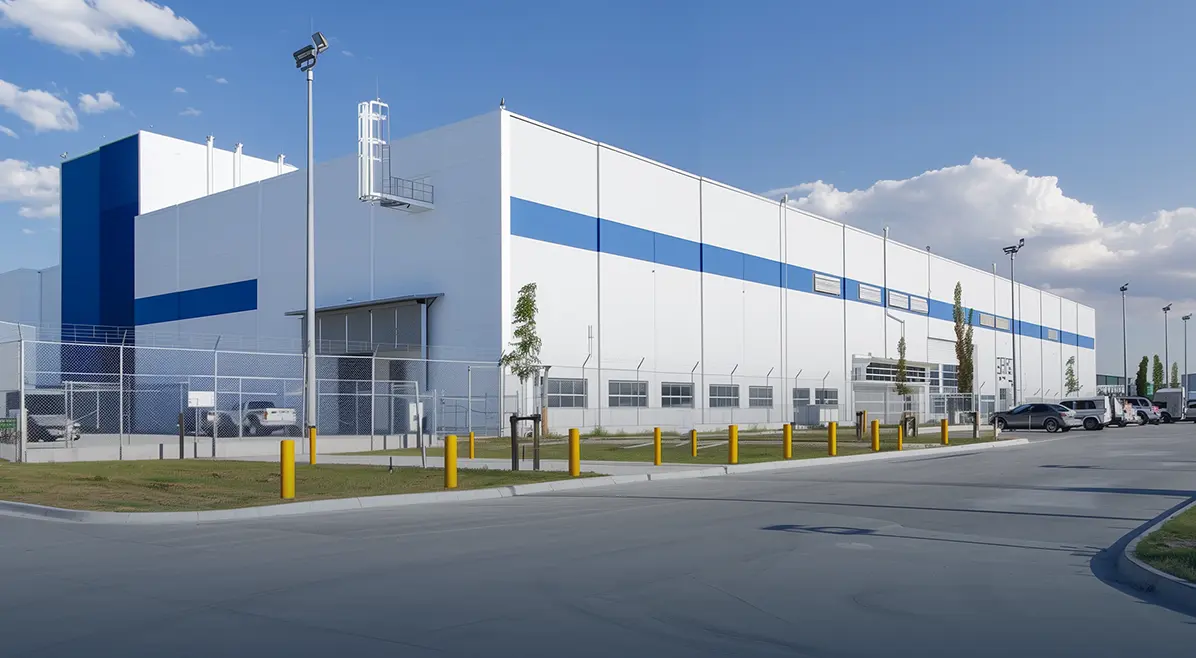
As an established expert in the field, XC (Xiongchang) provides integrated roll forming solutions. Our portfolio encompasses core production machines for roofing, flooring, doors, and structural components, as well as the complete auxiliary line equipment essential for efficient operation.
We hold a specialized team of technical personnel and engineers who are committed to delivering superior products and solutions for our valued customers. Our substantial investment in state-of-the-art, automated production lines ensures manufacturing precision and consistency, forming the foundation of our product excellence.
For over two decades, XC (XiongChang) has been a trusted leader in the design and manufacture of cold roll forming equipment. We combine deep industry expertise with a steadfast commitment to our clients, ensuring every machine delivers exceptional value and performance.
With our dedication to maintaining a robust technical force and advanced industrial equipment, XC aims to provide integrated and automated systems across our production lines. We fulfill diverse industrial requirements while guaranteeing the highest standards of quality and performance in every machine we build.
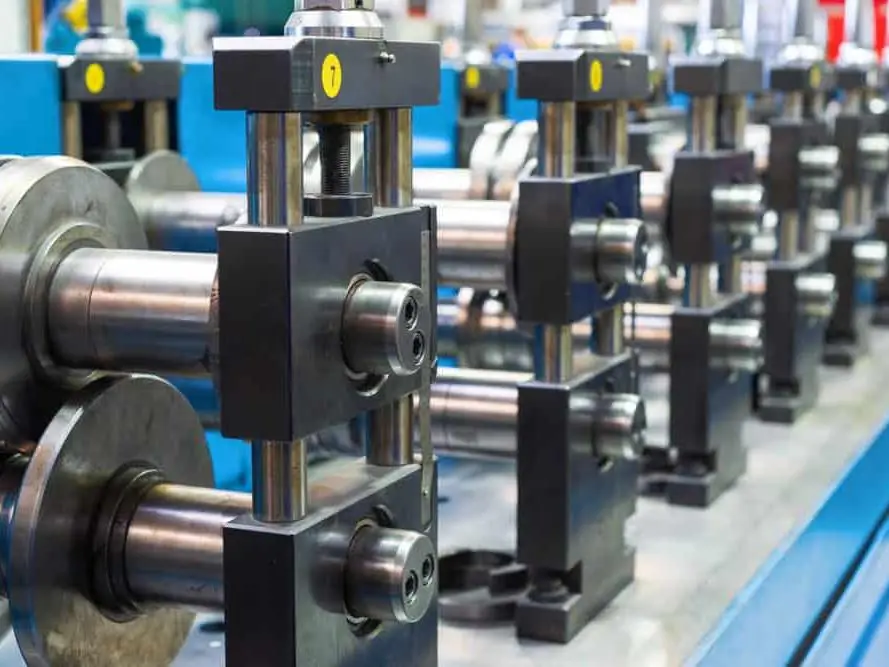
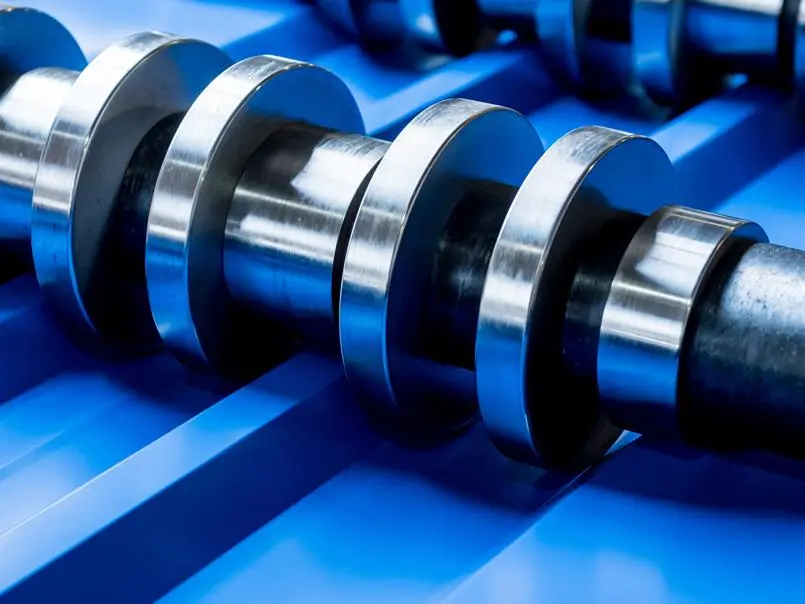
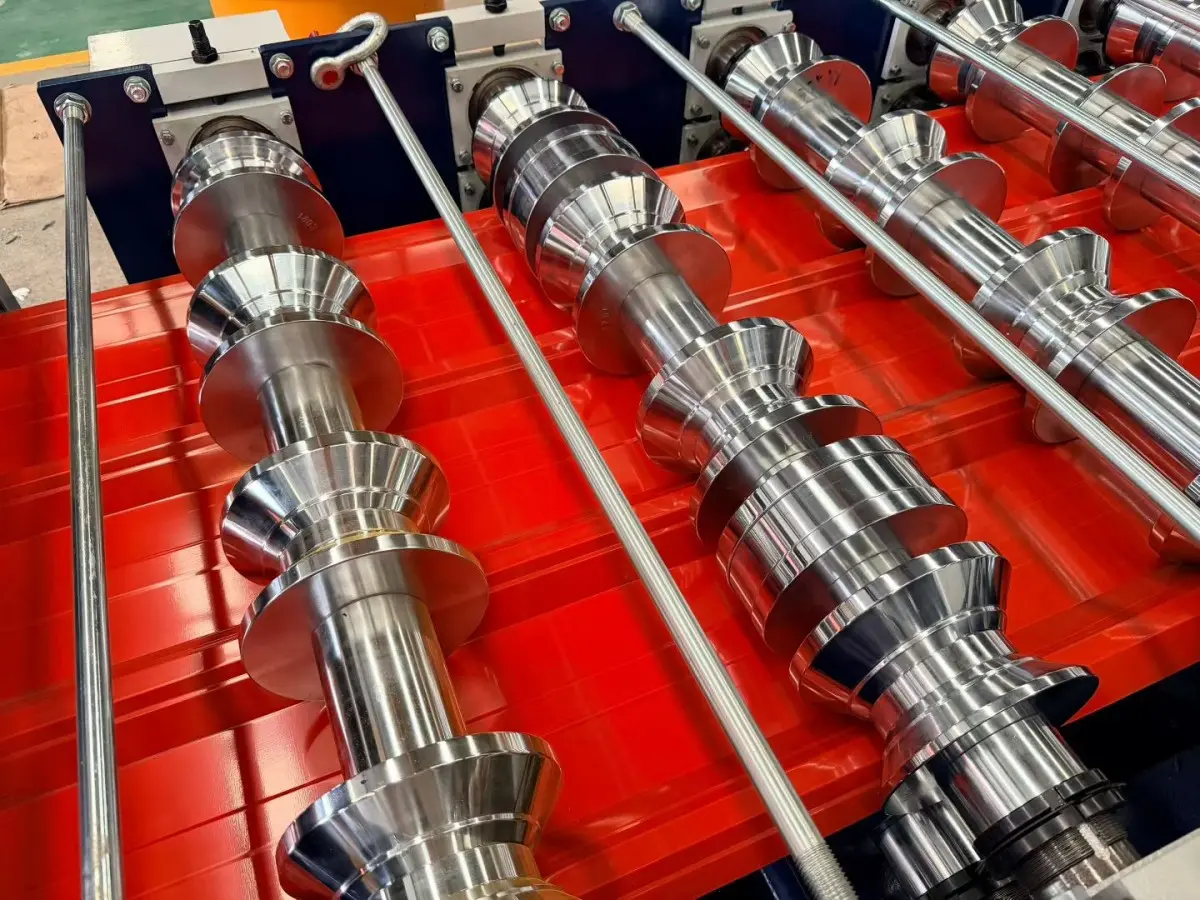
Our cold roll forming machinery leverages solid steel shafts, hard chrome-plated rollers, and automated PLC control systems (such as Siemens or Mitsubishi) to yield high-speed manufacturing with minimal maintenance. We offer an extensive range of precision cold roll forming systems to meet varied customer applications, engineering every machine to yield durable, reliable, and high-performance end-products.
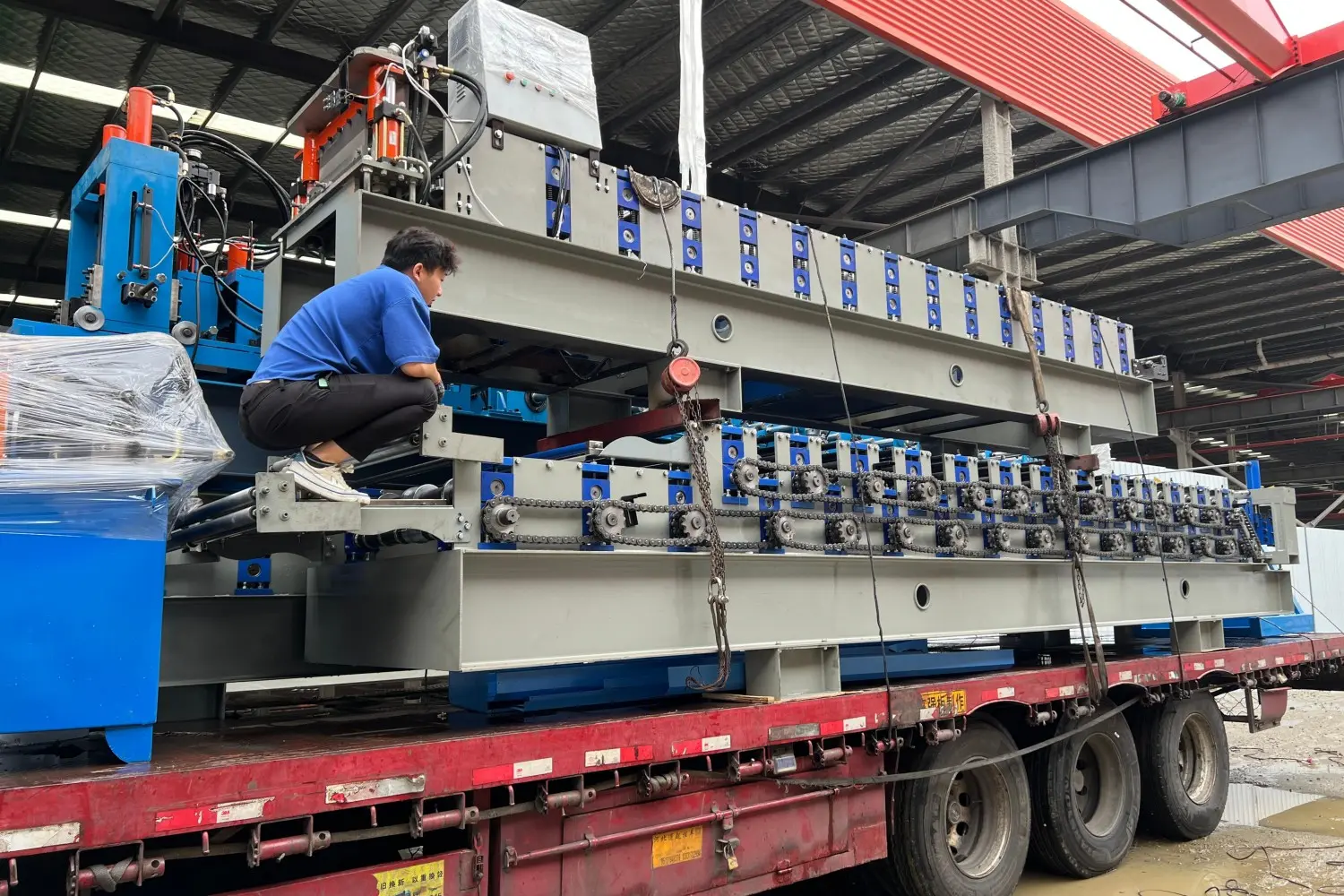
We deliver customized cold roll forming configurations built to withstand intense production shifts while retaining micro-millimeter profile accuracy.
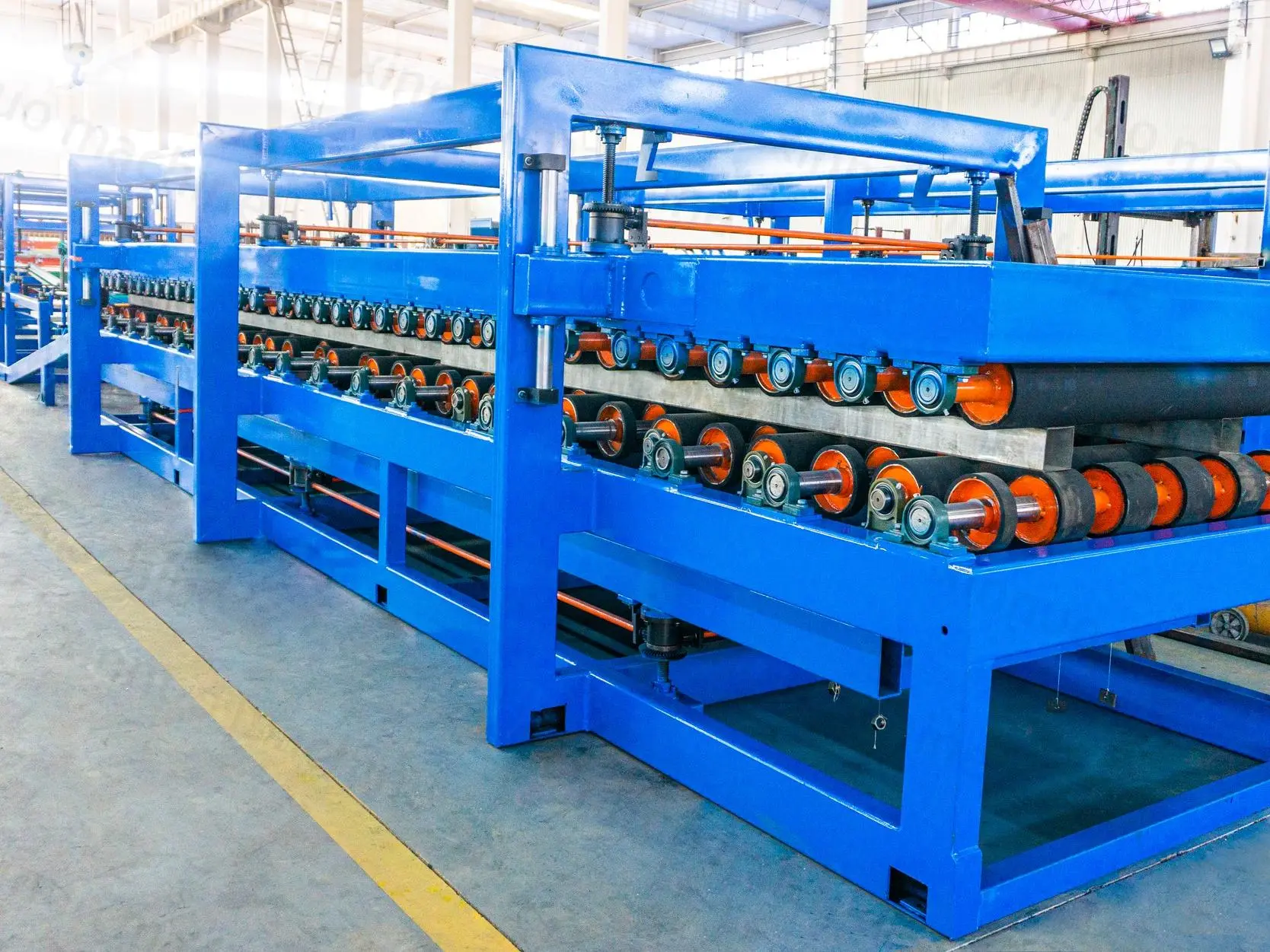
High-performance machines designed for manufacturing corrugated metal roof panels, architectural wall panels, and high-durability floor decks.
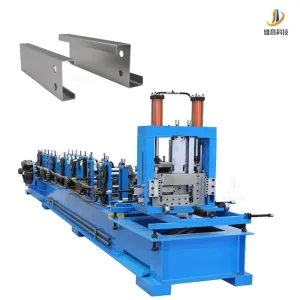
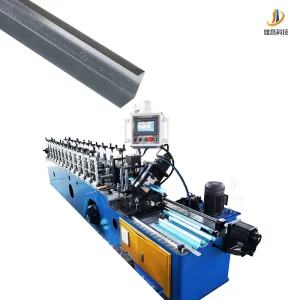
Quick-change and fully automatic C/Z Purlin roll forming units alongside high-cadence Stud & Track framing machines.
Integrated helper equipment including heavy-duty industrial rainwater gutter formers and high-precision steel door frame profile machines.
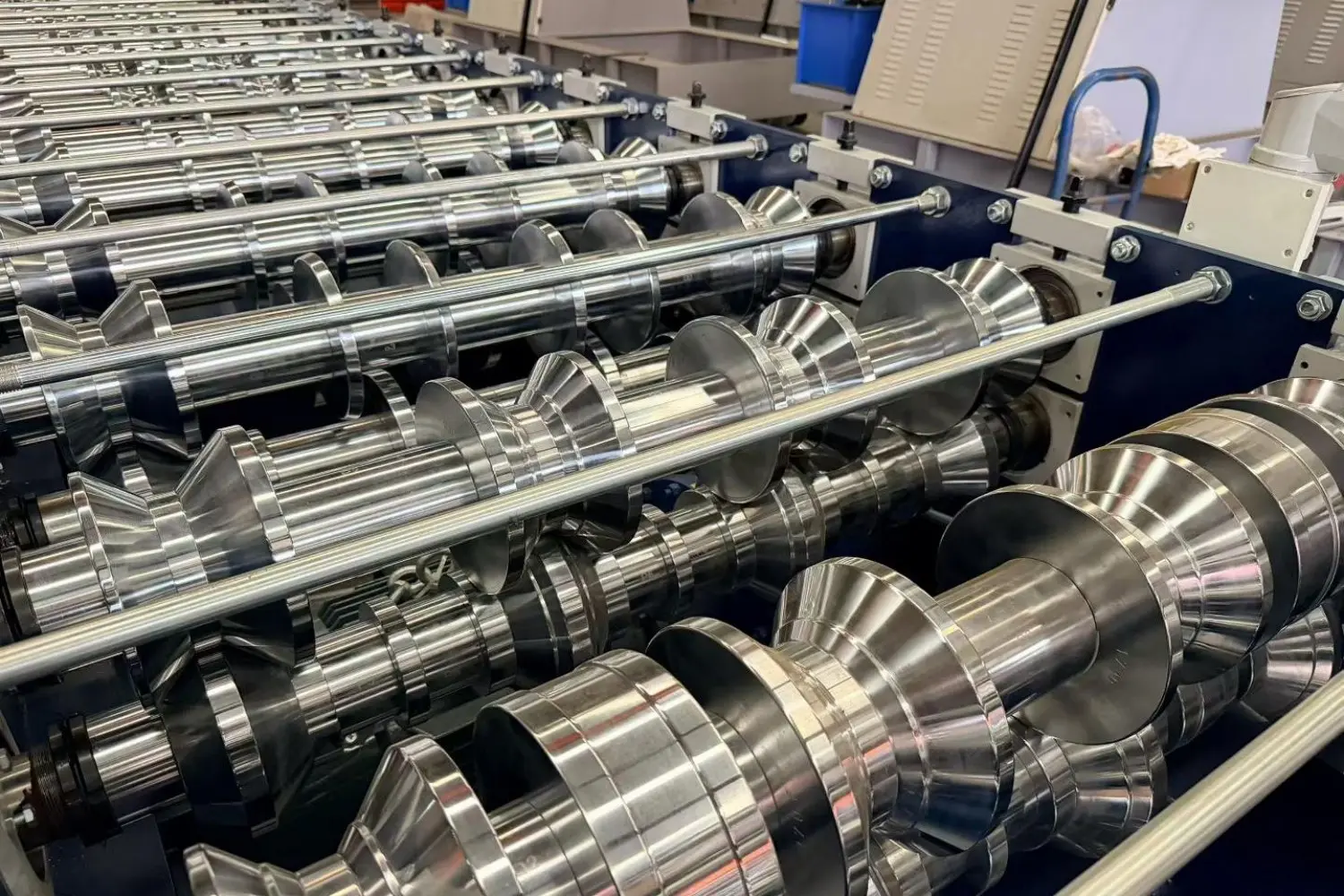
XC maintains a comprehensive suite of detection and testing instruments to rigorously verify product strength, durability, and reliability. We adhere to strict, standardized quality control protocols throughout the manufacturing process, ensuring all outputs consistently meet specified customer configurations.
Every roller profile is processed through precision CNC grinding machines and polished before hard-chroming. This prevents any surface micro-abrasions, scuffing, or fracturing on the paint finish of raw PPGI coils. Hardness testing, ultrasonic steel flaws checking, and physical load simulation are standard protocols before dispatch.
From deep profile simulation to installation, XC provides comprehensive lifecycle support. We offer professional site preparation guidance, machinery installation, mechanical commissioning, and intensive training for your staff to ensure optimal line productivity.
Our dedicated after-sales support team delivers ongoing technical assistance, spare parts support, and remote troubleshooting. This helps factories maintain consistent output speeds and run structural metals without interruption, safeguarding your return on investment.
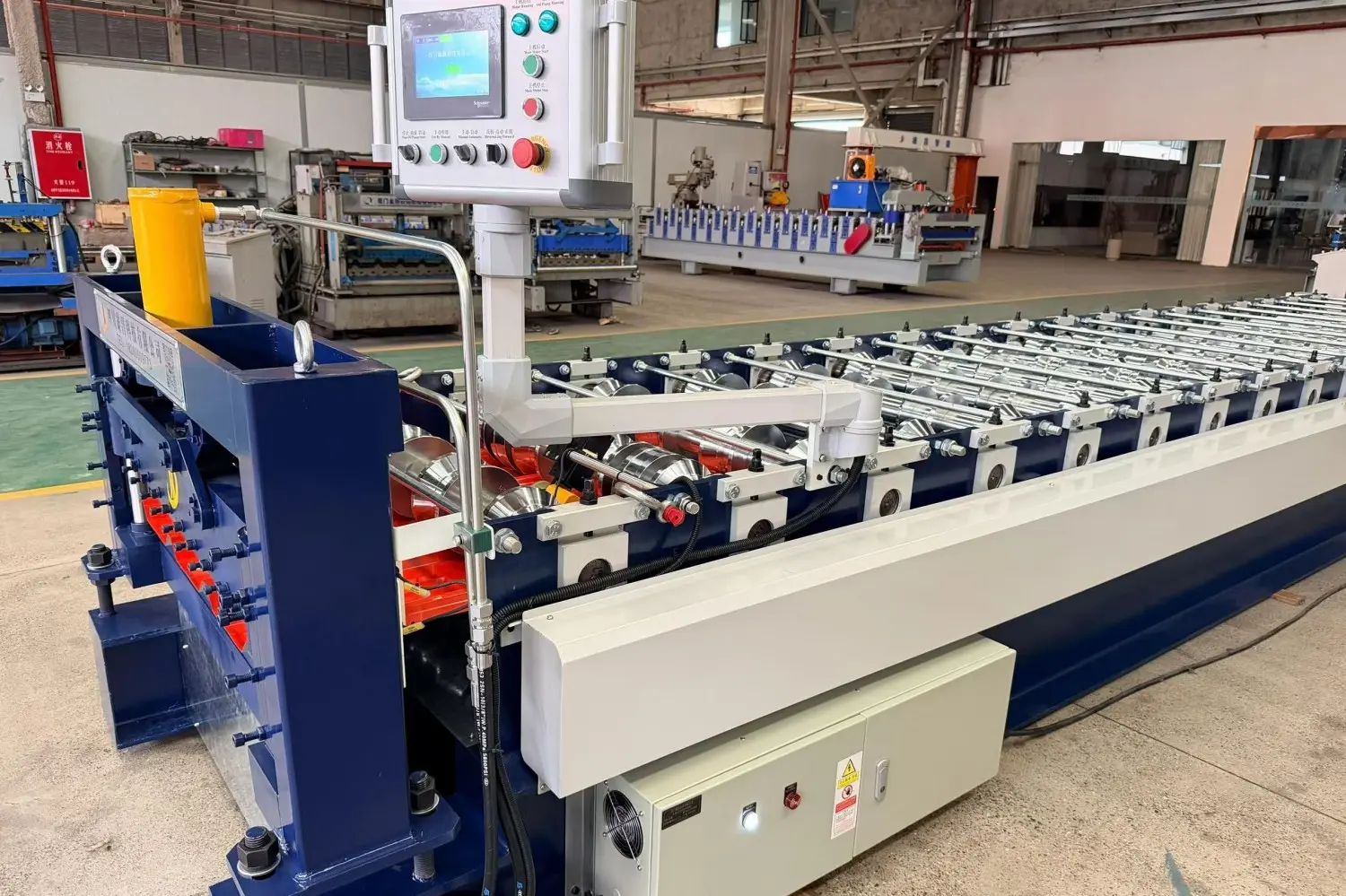
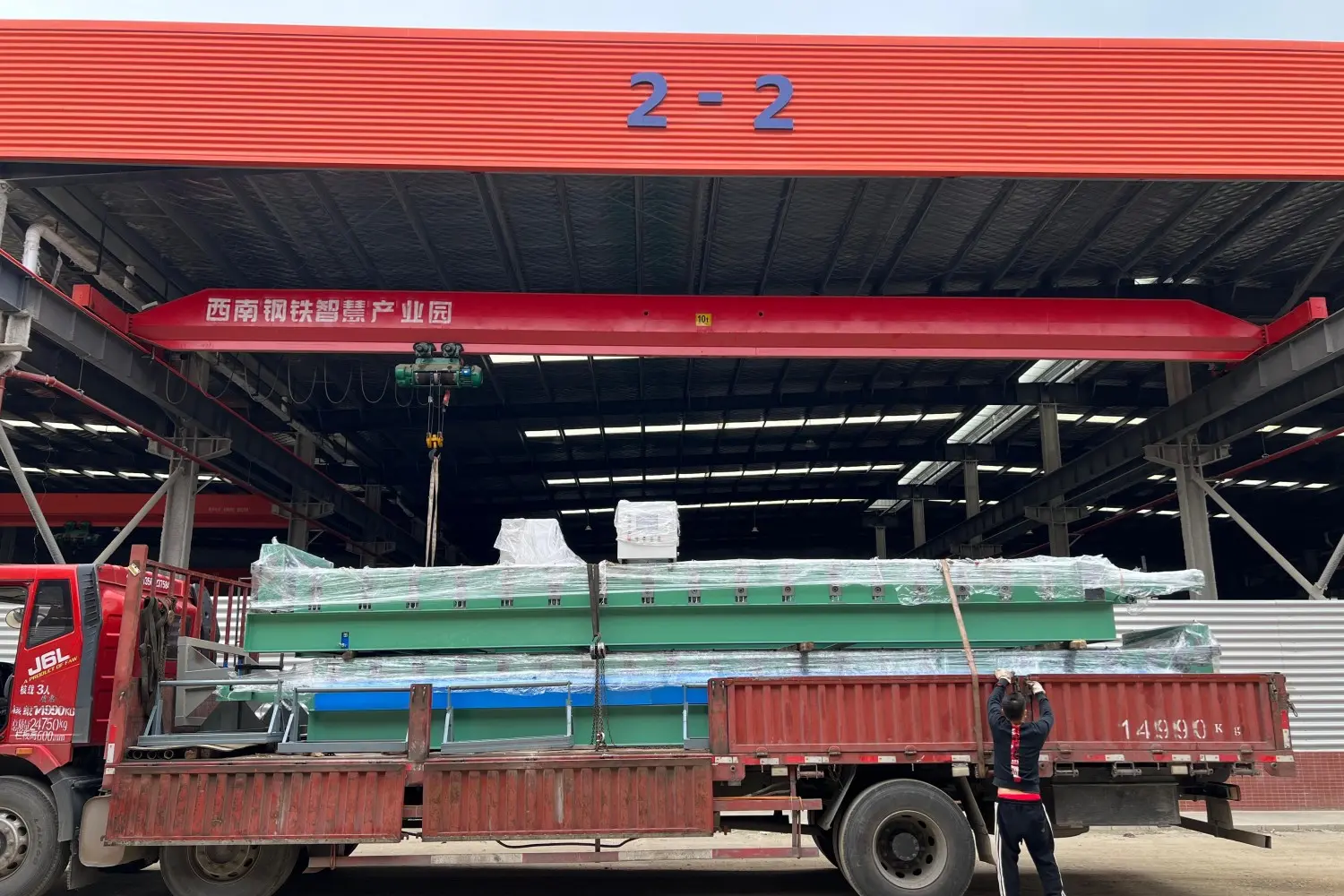
With years of industry expertise, we have established a strong reputation for high quality and customer-centric service. Our professional team provides tailored, personalized support for both standard and customized technical requirements.
This commitment has fostered a loyal client base across construction, manufacturing, and engineering sectors. Our machines contribute to global projects ranging from simple residential complexes to massive structural commercial developments, power grids, and modern manufacturing complexes.
Every roofing panel system requires unique adjustments. Our specialized machinery adapts to regional environmental challenges, wind loads, and national regulatory profiles.
Optimized for wide-coverage, high-volume production. Engineered to form deep drainage troughs in high-tensile 0.3mm–0.6mm galvanized iron, providing resistance to tropical rains and cost-efficient installation for industrial warehouses.
Ideal for high-wind coastal regions. Standing seam snap-lock and mechanical lock machines produce continuous panels that bypass structural screw punctures, ensuring 100% leakproof finishes and resilience to strong storms.
Fulfilling the aesthetic demands of residential projects. Integrates precise hydraulic pressing molds that simulate classic European clay structures while providing the weatherproofing and lightweight properties of steel.
One of the primary strategic advantages of collaborating with XC (Xiongchang) is the strength and efficiency of the Chinese metal processing ecosystem. Strategically situated within a major industrial manufacturing cluster, XC manages a highly integrated supply chain. We control everything from steel material sourcing and structural castings to advanced CNC tooling and heat treatment.
This deep integration allows us to significantly reduce lead times for custom tooling design. While European or American factories may take up to 24 weeks to customize a multi-profile double-layer roll forming line, our factory optimizes the production cycle down to 8 to 12 weeks. Furthermore, this localized ecosystem helps lower raw material and assembly costs without compromising component durability or precision engineering standards.
Through direct manufacturing, we source top-grade industrial components (such as Siemens PLC systems, SKF bearings, and Yuken hydraulics) at scale. This allows us to supply international companies with premium-grade machinery at highly competitive factory-direct prices.
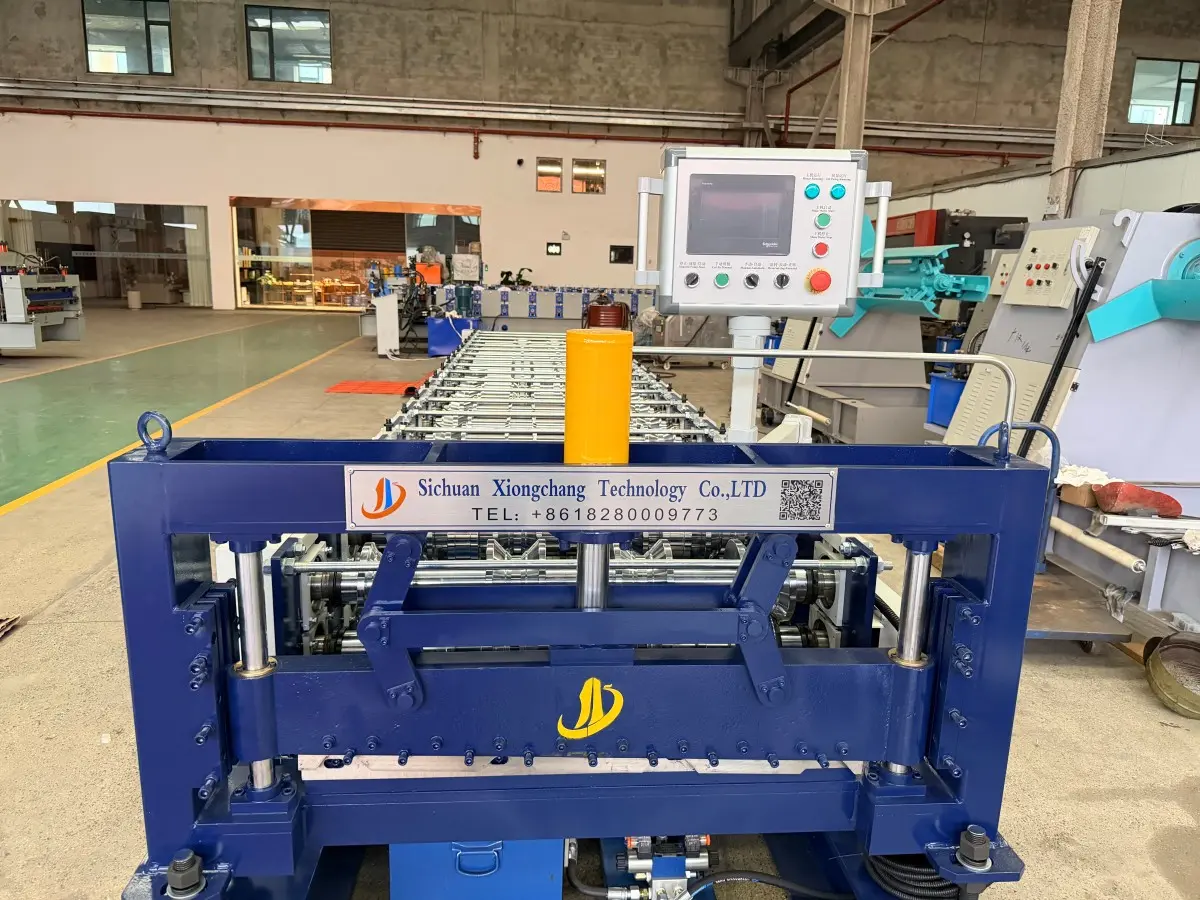
Discover how XC integrates intelligent systems and high-precision engineering to shape the future of metal forming.
Developing integrated laser scanner attachments that check the dimensions of output profiles in real time. The system communicates directly with the PLC to adjust roller clearances automatically, compensating for coil thickness variances.
Installing IoT modules to monitor hydraulic pressure fluctuations, motor temperature loads, and roll-forming vibrations. Real-time diagnostic data is shared with cloud servers, enabling predictive maintenance that helps prevent unexpected line downtime.
Engineering advanced servo-driven flying shear mechanisms that cut panels during continuous operation. This design reduces start-stop wear and minimizes metal waste on both ends of the profile during line startup and shutdown.
Our roll forming systems serve a diverse global clientele, from residential builders to large-scale industrial and infrastructure projects. Whether for standard applications or fully customized production lines, we equip manufacturers worldwide with the technology, support, and expertise to enhance their capabilities, improve output quality, and achieve long-term operational excellence.
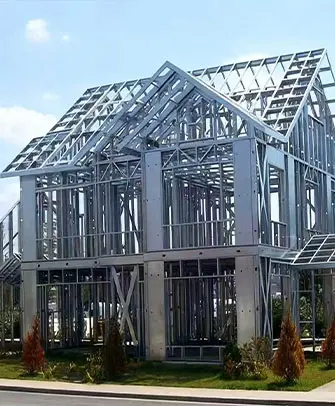
Enabling the mass production of high-durability roofing, wall cladding, structural decking, and purlins for infrastructure developments.
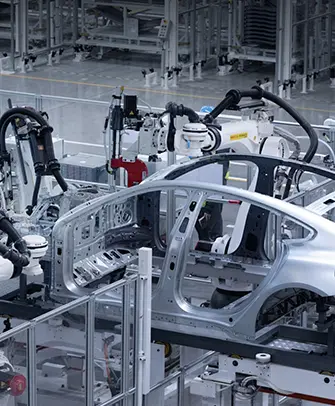
Supplying specialized structural roll formers to produce automotive chassis components, collision beams, and cabin sub-frames.
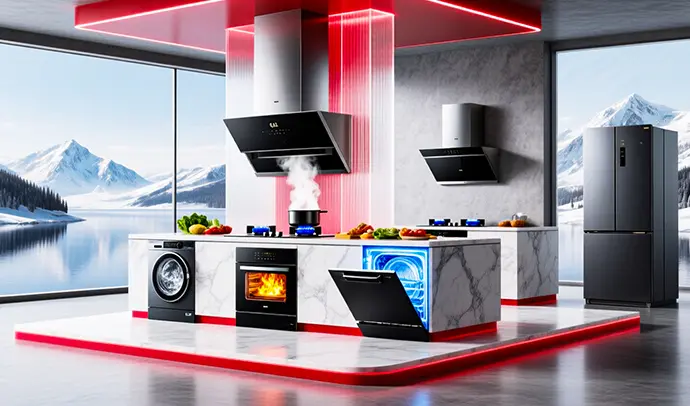
Delivering premium aesthetics and precision forming for appliance outer panels, refrigerator frames, and modular kitchen supports.

Producing highway guardrails, structural railway components, and cargo container frame profiles at high volume.
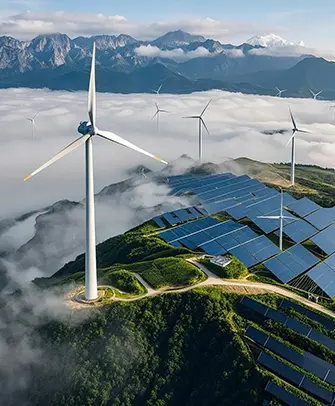
Forming specialized mounting brackets, solar tracker profiles, and structural steel bases for photovoltaic arrays.
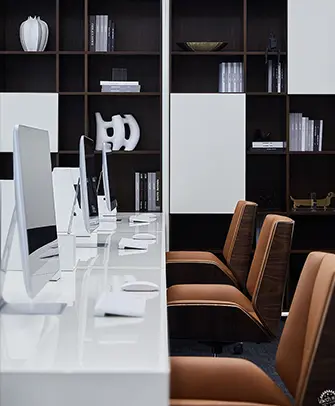
Developing bespoke cold roll-formed geometries to meet unique heavy engineering, storage racking, and customized framing demands.
Operating machines in regions like the European Union or North America requires strict adherence to international safety standards. XC guarantees that all custom equipment models can be configured to comply with CE marking requirements, UL electrical standards, and OSHA safety guidelines.
Our machines feature secure physical enclosures, light curtains, emergency stops, and dual-safety hydraulic interlocks to safeguard your line operators. Furthermore, we support localized installation by deploying experienced service engineers to manage startup, verify system calibrations, and train your local team on proper safety protocols.
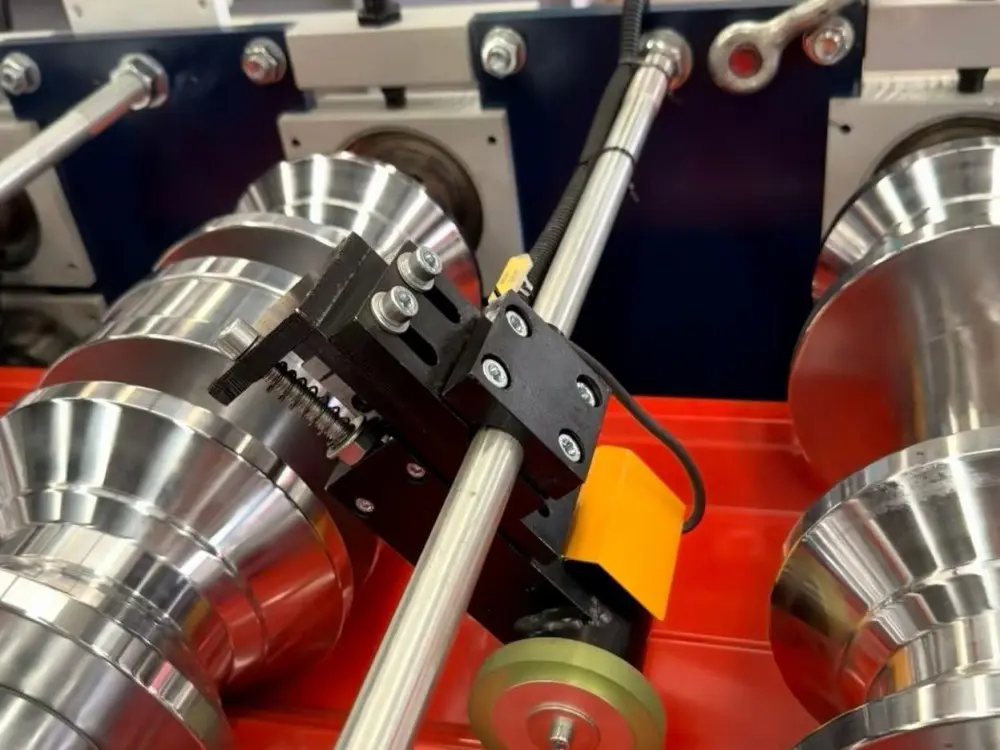
Find expert answers to common technical, design, and structural queries regarding industrial-grade cold roll forming systems.
Examine our complete selection of structural forming lines, purlin tools, standing seam systems, and custom construction envelope machines.
 Xiongchang