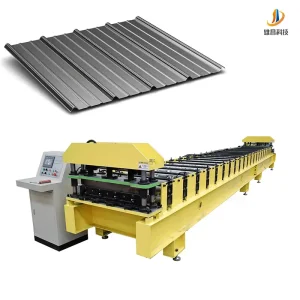
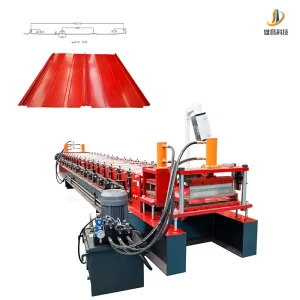
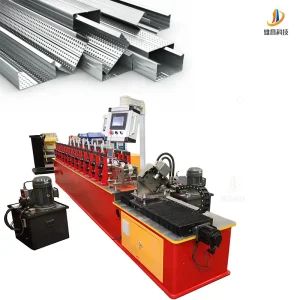
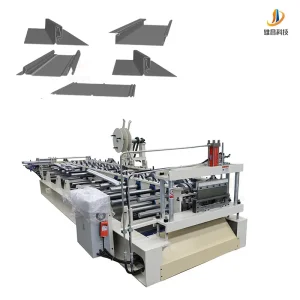
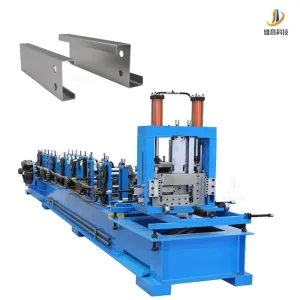
Explore our high-speed, precision-engineered roll forming configurations. These systems produce accurate architectural rib profiles, structural decking, and framings with exceptional dimensional consistency.
INTEGRATED ROLL FORMING SPECIALIST
As an established expert in the cold metal forming industry, XC (Xiongchang) designs and manufactures integrated roll forming systems. Our solutions cover structural framing, building envelope profiles, high-strength industrial flooring, and heavy-duty steel purlins, along with matching decoilers, pre-shearing units, and stacking systems.
We deploy specialized engineers to configure roll tooling arrays, ensuring precision profiles. Our continuous investment in automated processing centers enables the production of rigid, vibration-resistant machine basements and hardened roller components. Xiongchang equipment provides consistent tolerances and long-term durability across high-volume production operations.
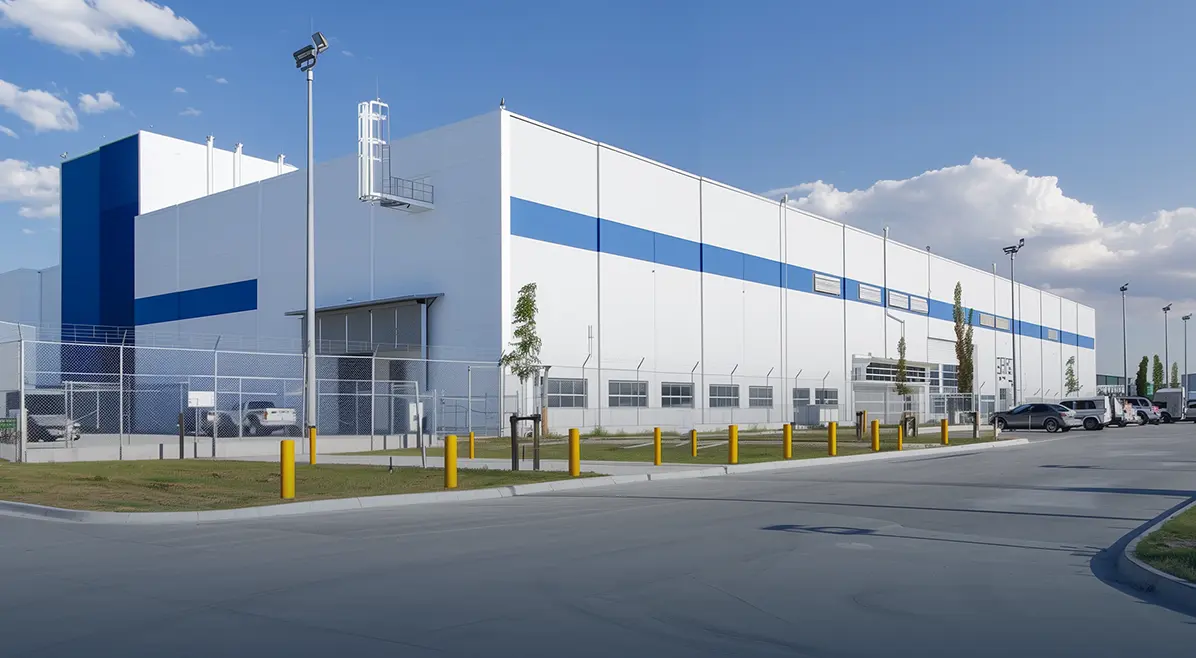
Modern industrial and residential buildings require panels with tighter tolerances and higher structural load capacities. The design of cold roll forming machinery is moving toward automation, digital integration, and material versatility.
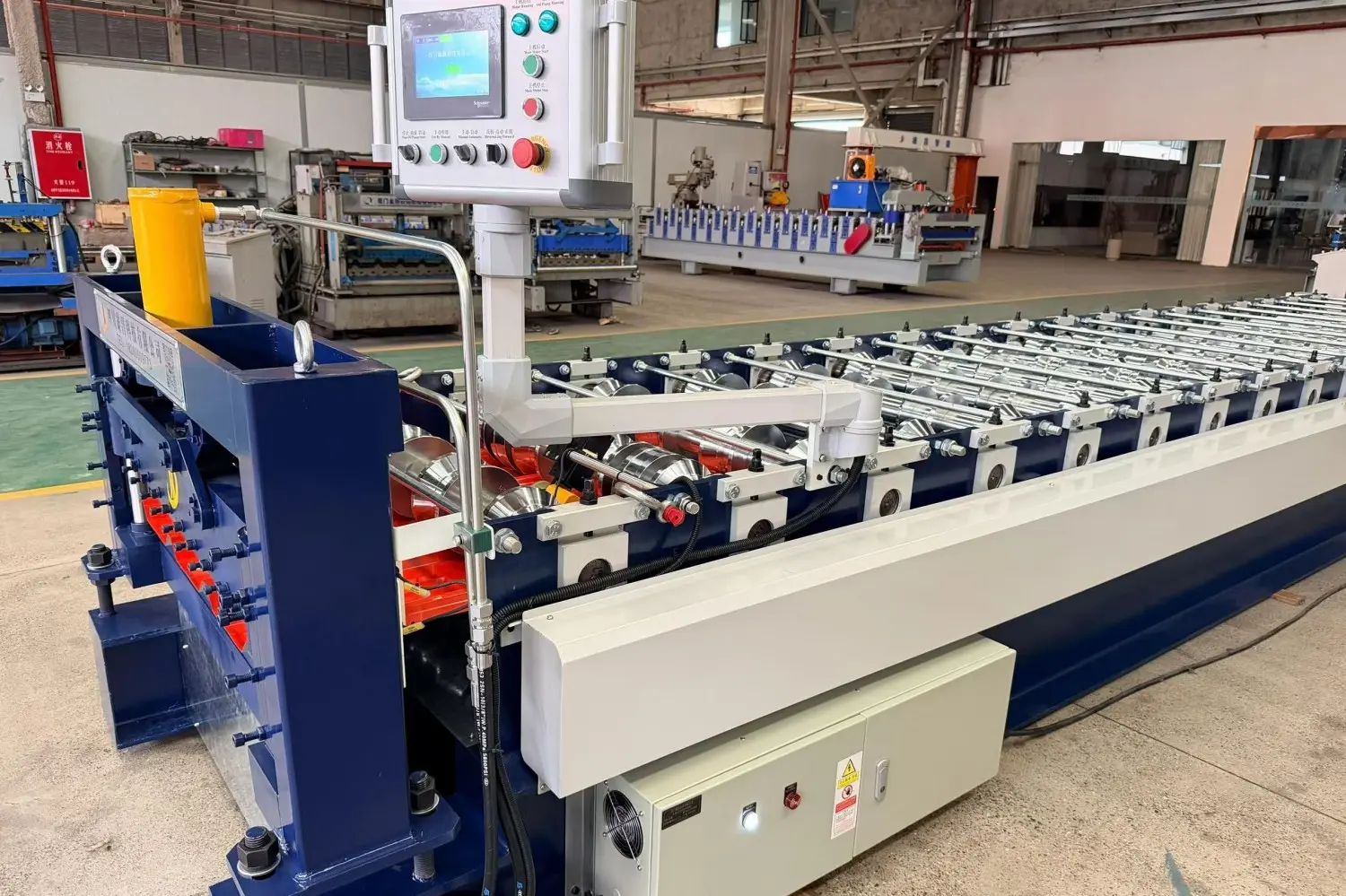
Next-generation designs feature cassette systems and motor-driven roll adjustments. These systems allow operators to switch between different ribbed profiles or wall thicknesses through the HMI screen, reducing tooling changeover times.
Sensors monitor motor current, shaft temperature, and vibration. The control software monitors raw material feeding resistance to detect variations in coil yield strength, alerting operators to potential thickness changes.
Modern forming lines feature energy-recovery variable frequency drives (VFDs) and start-stop hydraulic systems. These components reduce power consumption during line pauses and coil changeovers.
Focused on roll forming speed stability, manual adjustment mechanisms, and basic oil-hydraulics for post-shearing. This design is suitable for standard structural configurations.
Implementation of closed-loop PLC systems, high-resolution encoders, and variable frequency drives. This system yields cut-to-length tolerances of ±1.0mm at high speeds.
Interchangeable cassette toolings designed to produce multiple profiles on a single machine base, complemented by servo-motor profiling adjustments and automated hydraulic stacking systems.
Xiongchang develops custom manufacturing platforms. These solutions are built to process high-tensile steel, pre-painted galvanized iron (PPGI), aluminum, and galvalume coils.
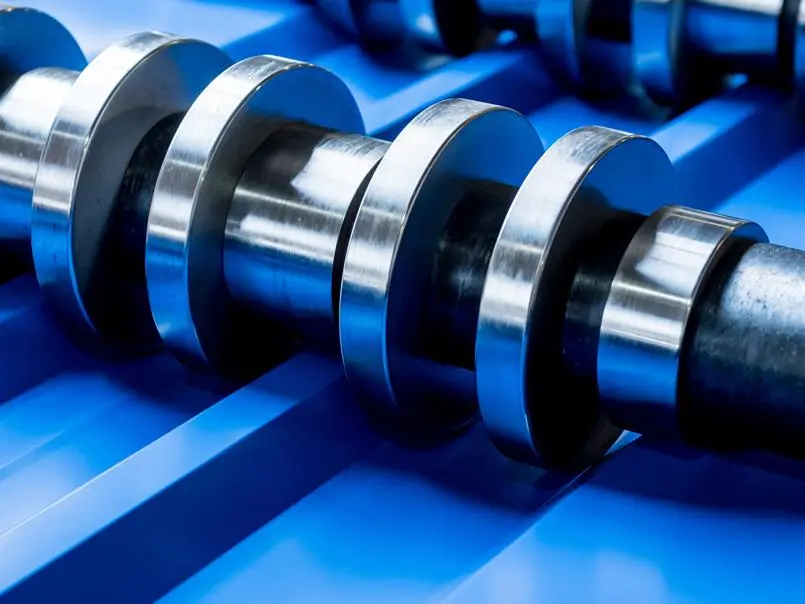
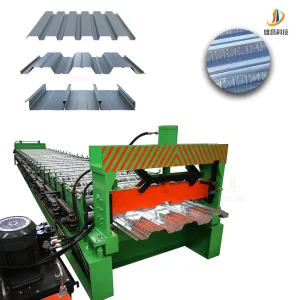
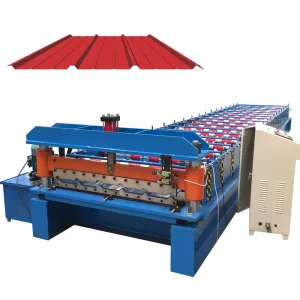
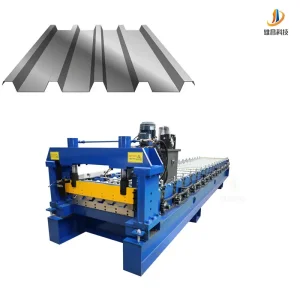
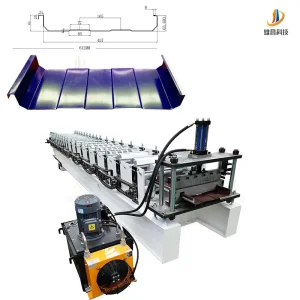
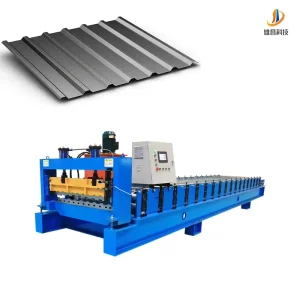
Specialized systems for architectural roof panels, heavy wall cladding, and high-load metal floor decks. Suitable for residential, commercial, and industrial facilities.
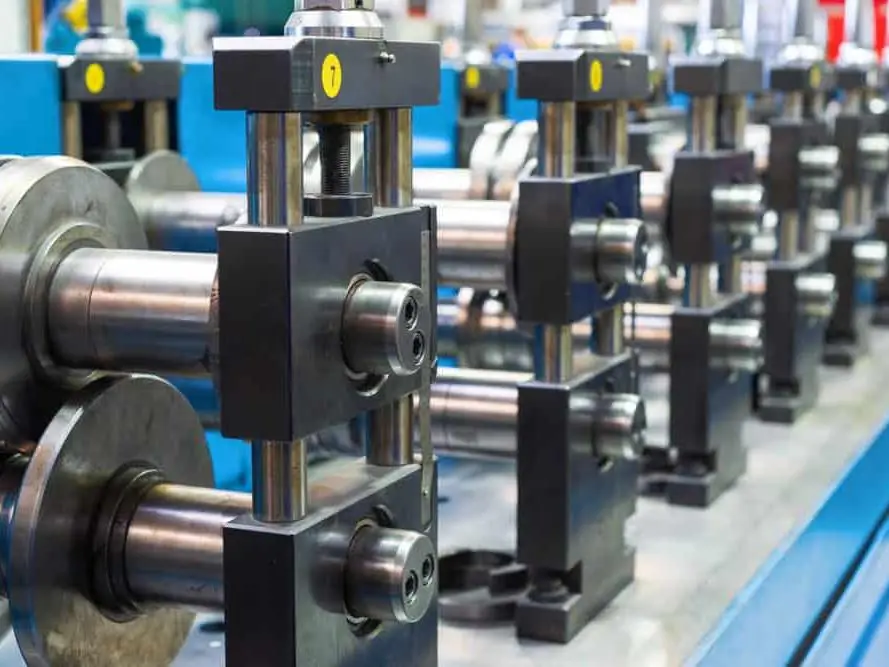
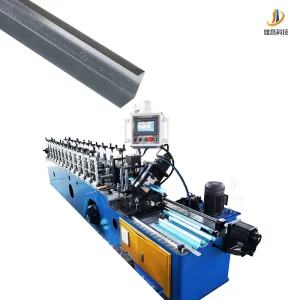
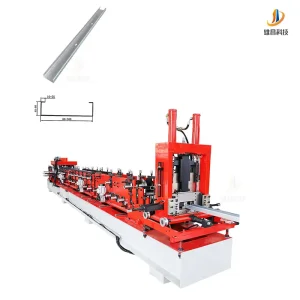
Heavy-duty C and Z purlin roll formers, together with light-gauge steel (LGS) stud and track machines. These systems feature automated punch and notch spacing adjustments.
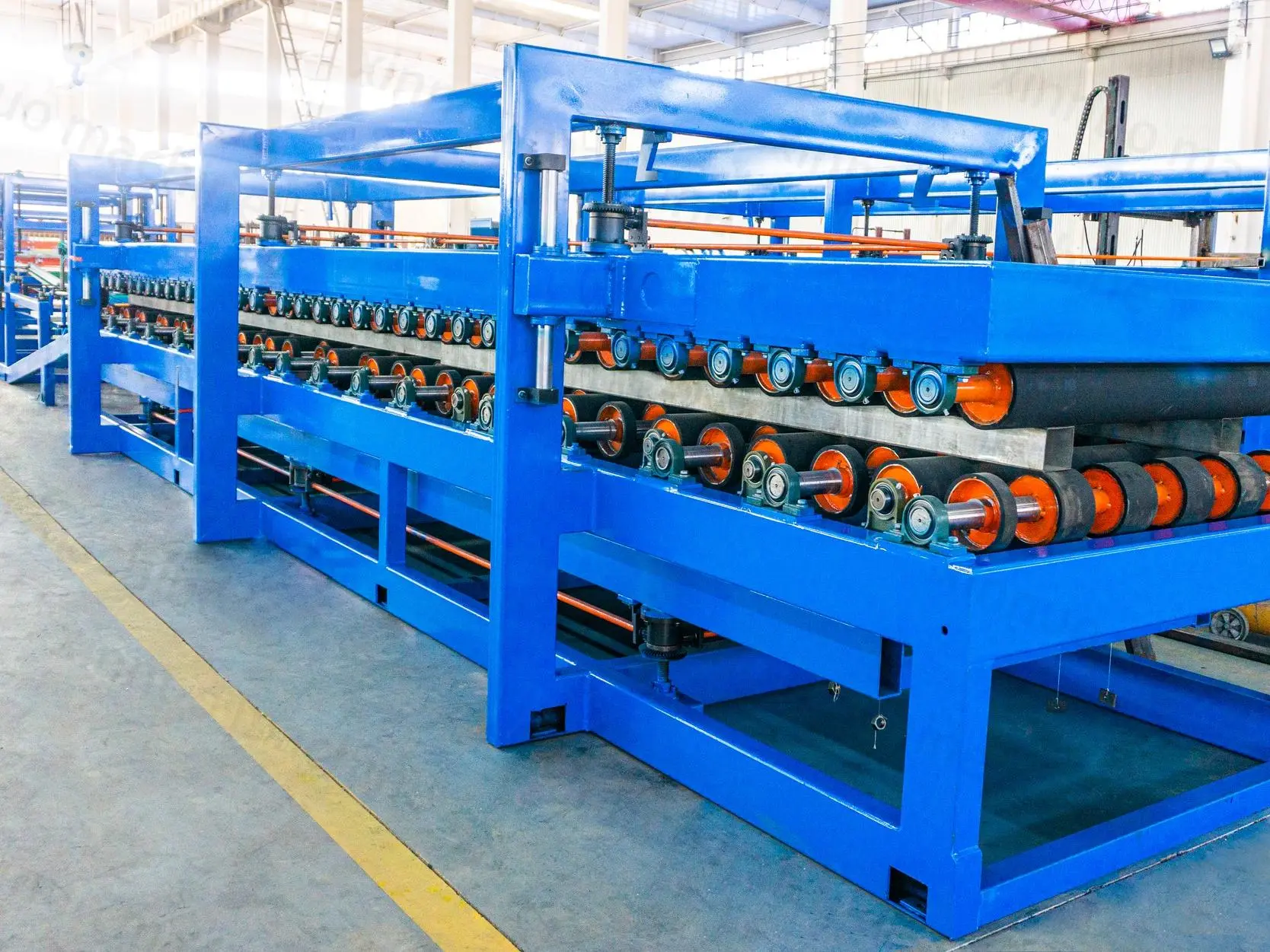
Includes high-speed gutter profiling lines, roller shutter door machines, and specialized steel frame profiles. Engineered to integrate with existing automated down-stream logistics.
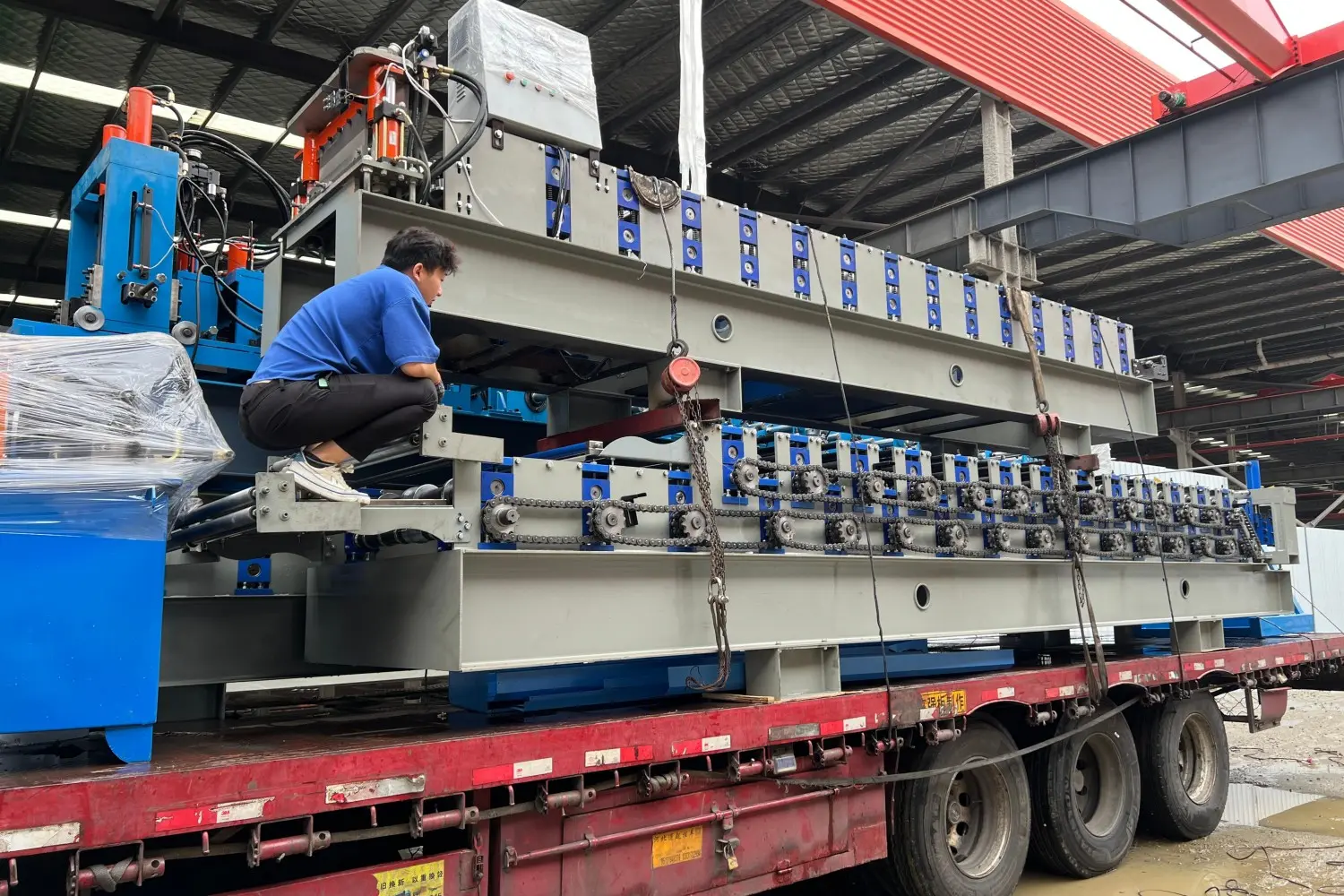
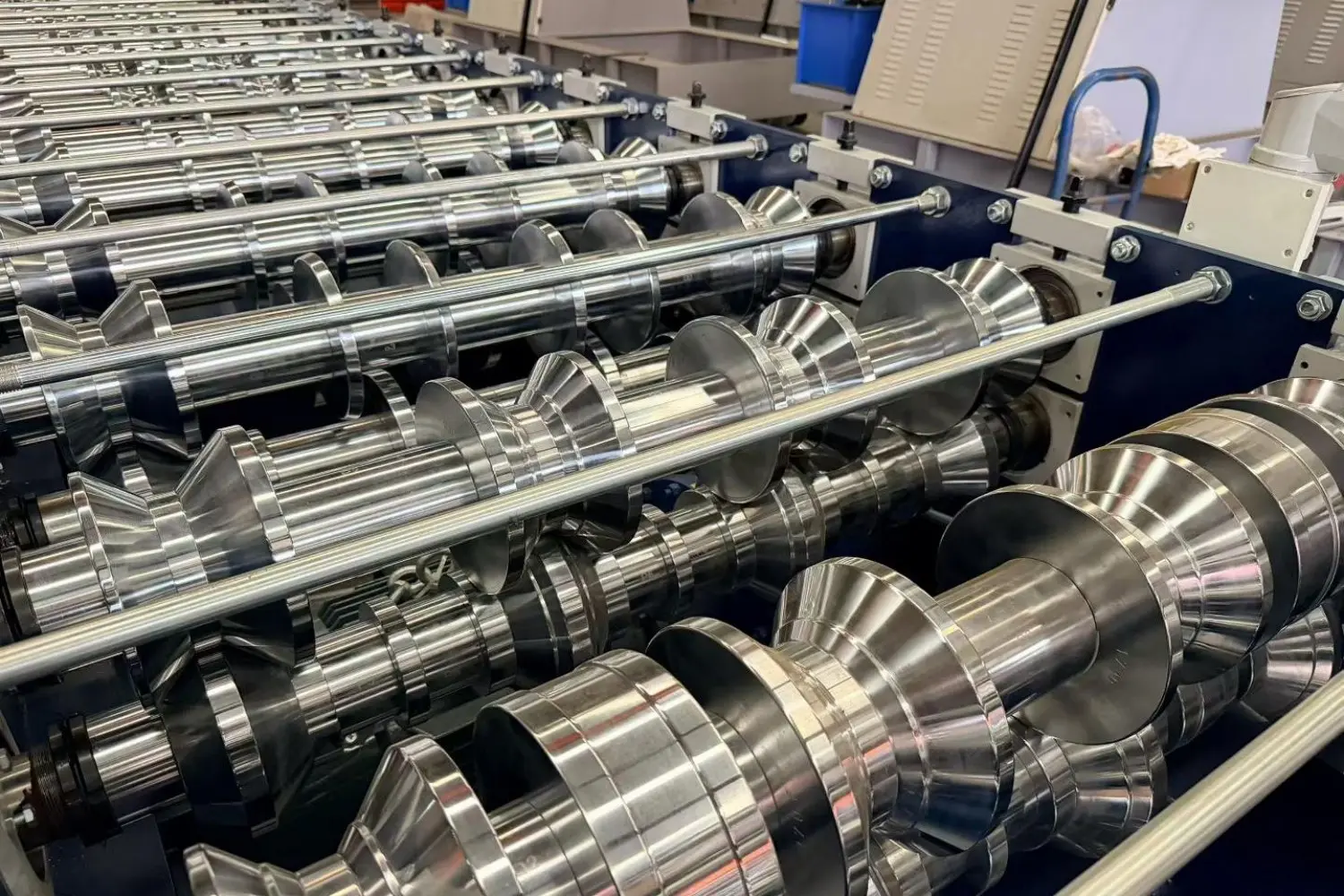
Our production facilities utilize precision tooling machining, heat treatment, and surface grinding processes. We manufacture rollers using CNC machining centers and coat them with hard chrome to prevent surface scratching on prepainted metal coils.
The machine structures are fabricated using structural steel plates, stress-relieved via heat treatment, and surface-ground to preserve alignment. This structure maintains axial alignment even when forming materials up to 2.0mm in thickness.
XC utilizes quality inspection practices throughout the manufacturing workflow. From raw material inspection to final profile testing, each machine undergoes operation testing before shipping.
Inspection Protocols: All shaft components undergo ultrasonic flaw detection to identify internal micro-cracks. Hardened rollers are tested for Rockwell hardness (HRC) to verify they meet structural specifications. The completed roll forming systems are run continuously for several hours using client-specified test coils to verify dimensional tolerances, shear quality, and control system stability.
Lifecycle Services: XC provides site evaluation, machine installation, system commissioning, and operator training. Our technical support team assists in troubleshooting operations via remote diagnostics and ships replacement parts to minimize unscheduled downtime.
We work with international structural engineering standards to adapt machinery profiles to specific regional wind and snow load criteria. Our design engineers use FEA software to model the stress patterns of metal sheets during the roll forming process. This design phase helps reduce oil-canning and edge-wave defects, which is important when processing high-strength structural profiles.
We offer customized tooling designs that allow for the processing of multiple gauges on a single line, reducing the footprint in your factory. Our control desks feature remote access modems, enabling our technical support team to assist with PLC modifications and troubleshooting.
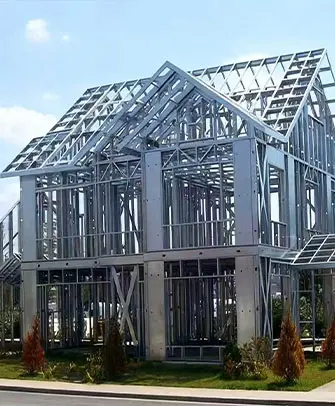
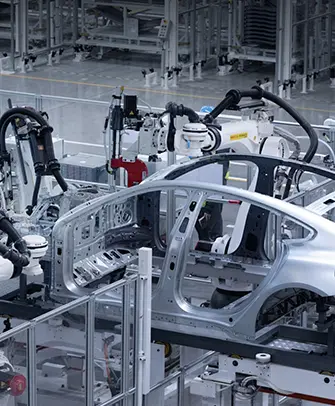
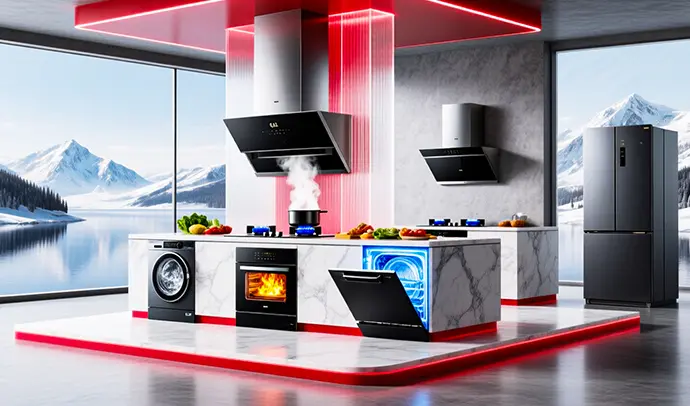
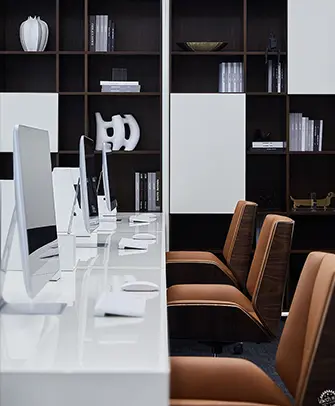
Xiongchang equipment serves global sectors including infrastructure development, automotive assembly, home appliance manufacturing, and clean energy storage.


Operating out of our 50,000 square meter facility, XC combines digital supply chain systems with heavy manufacturing capacity to optimize delivery schedules and structural quality.
Our long-term relations with regional steel mills provide us with direct access to high-grade structural plates and forged roller shafts. Our logistics system monitors delivery status, allowing us to manage lead times even during global supply chain interruptions.
We utilize multi-axis CNC machining, specialized cylindrical grinding, and surface-hardening induction ovens. This equipment allows us to maintain roller tolerances within ±0.02mm, which is important for preventing material thinning during high-speed profiling.
All structural parts, shafts, and gear transmissions are machined, surface-ground, and assembled within our facility. This structural control reduces assembly tolerance stack-up, resulting in quiet operation and structural reliability under load.
International construction and engineering firms require machinery built to specific regional industrial standards and safety regulations.
Our electrical designs are adapted to match target country power grids (e.g., 380V/50Hz/3Ph, 460V/60Hz/3Ph, or 220V/60Hz/3Ph). We utilize global brands like Siemens, Schneider, and Omron to ensure parts availability in local markets.
Our machinery configurations conform to CE directives, UL standards, and ISO 9001 regulations. Integrated light curtains, safety interlocks, and emergency stop circuits are standard across all export models.
Heavy machinery frames are treated with anti-rust primers, wrapped in waterproof vacuum films, and secured using heavy-duty steel wire anchoring within containers to prevent movement during sea transit.
 Xiongchang