Engineered for high-performance fabrication, structural integrity, and custom profile requirements.
INTEGRATED ROLL FORMING SPECIALIST
As an established expert in the cold metal forming industry, XC (Xiongchang) provides fully integrated roll forming lines. Our engineering portfolio encompasses core production machines for architectural envelope systems (roofing and wall cladding), floor decking, doors, and precision structural framing components, alongside complete automated auxiliary lines designed to optimize production efficiency and maximize ROI.
For more than twenty years, XC has consistently delivered world-class engineering solutions. We bridge technical research and manufacturing capabilities to deliver high-quality, high-speed roll forming lines tailored to the complex needs of international industrial manufacturers and infrastructure projects.
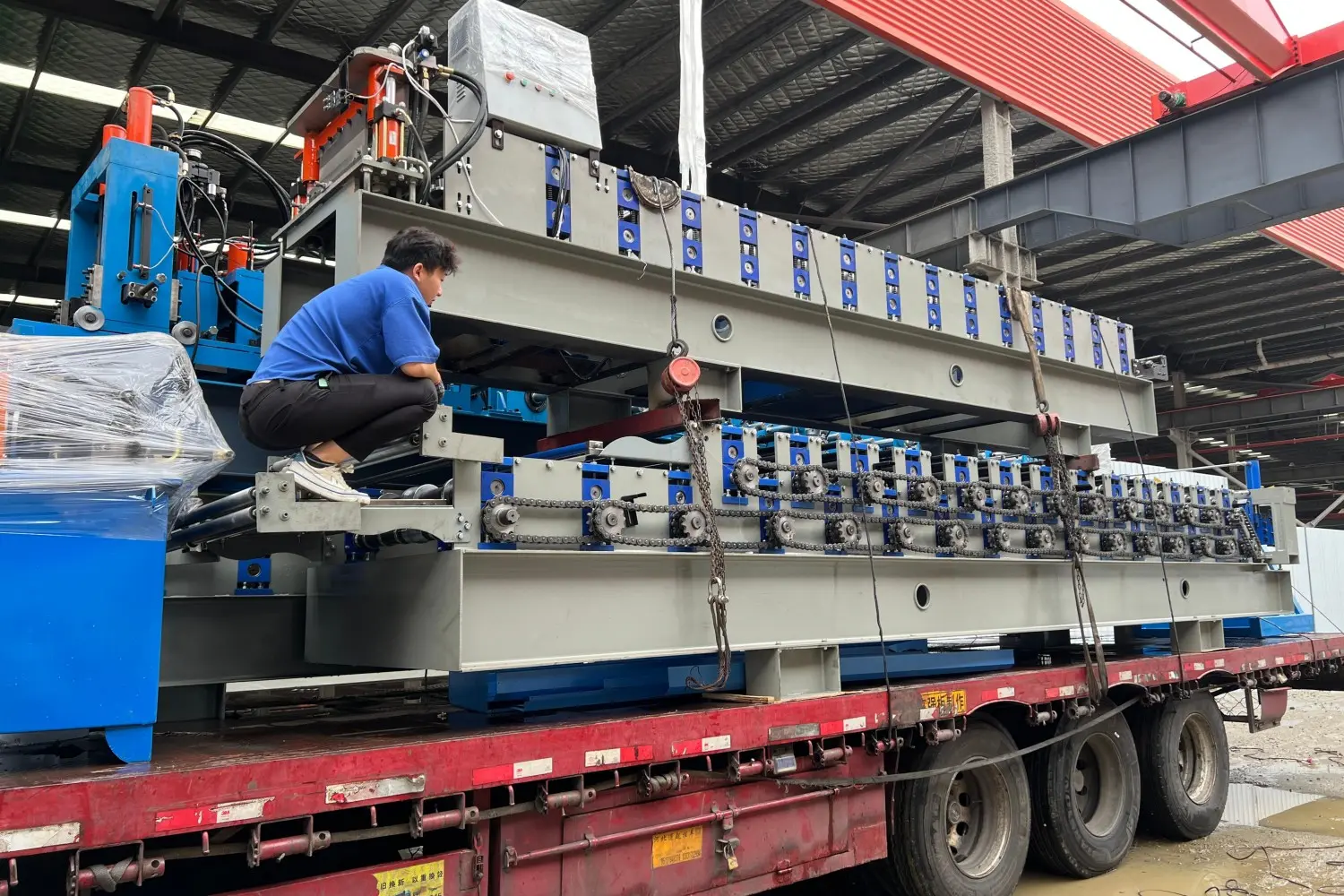
Historically, traditional metal roll forming systems relied on "start-stop" cycle operations. The rolling process halted momentarily during cutting execution, creating mechanical fatigue on clutches, limit switches, and hydraulic components. This delay limited maximum throughput velocity to 15–20 meters per minute.
Modern industrial demand necessitates continuous, uninterrupted operation. Non-stop flying shear technology synchronizes the cutting blade carriage with the exact speed of the moving metal profile. By leveraging high-speed servo motors and closed-loop electronic feedback systems, the cutting carriage accelerates, tracks, shears, and retracts at speed limits exceeding 60 meters per minute without interrupting the roll forming speed.
This technical evolution eliminates physical coil deformation, improves shear edge quality, and prevents pressure buildup in the roll forming stages, significantly increasing daily output and protecting profile geometric tolerances.
Comprehensive engineering divisions for building envelope systems, structural framing, and custom cold-formed profiles.
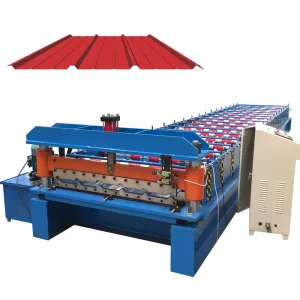
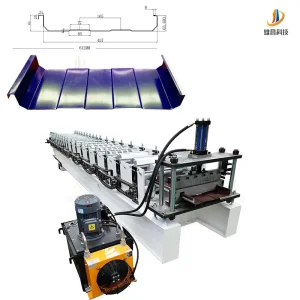
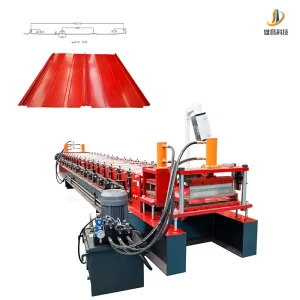
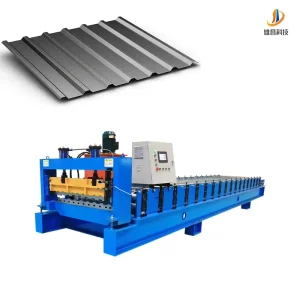
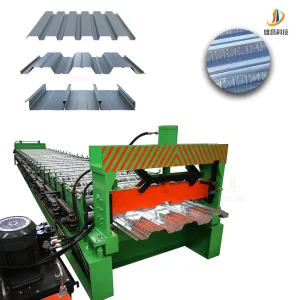
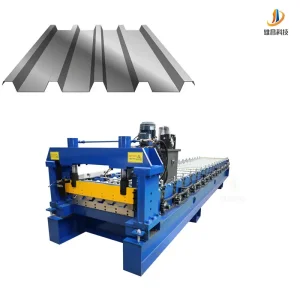
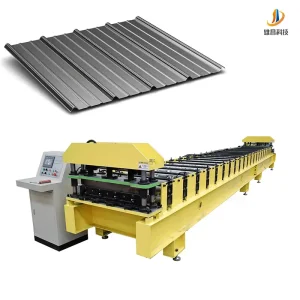
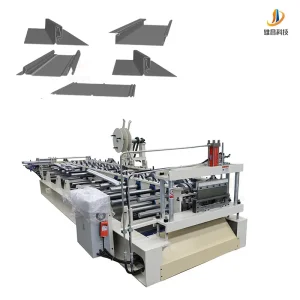
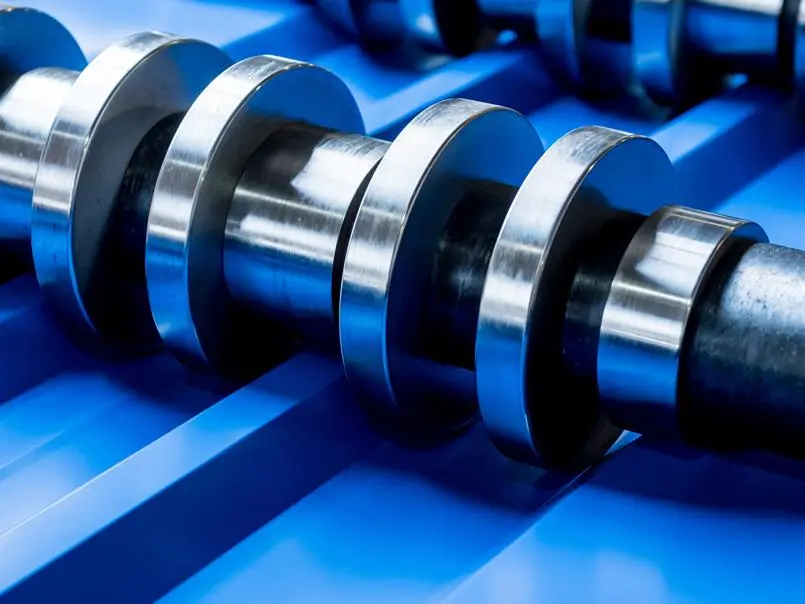
Advanced high-speed systems for structural roof panels, insulated wall claddings, and composite floor decks. Optimized profile rollers handle prepainted steel, galvanized sheets, and aluminum alloys without scuffing protective layers.
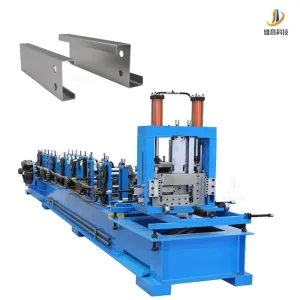
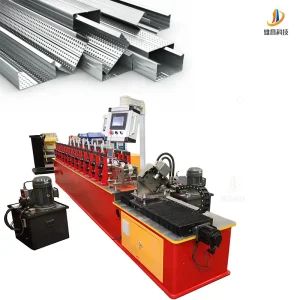
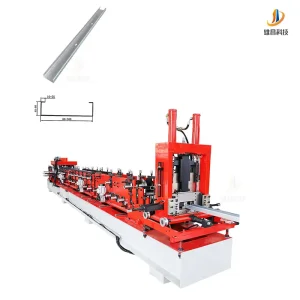
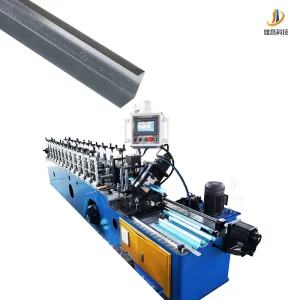
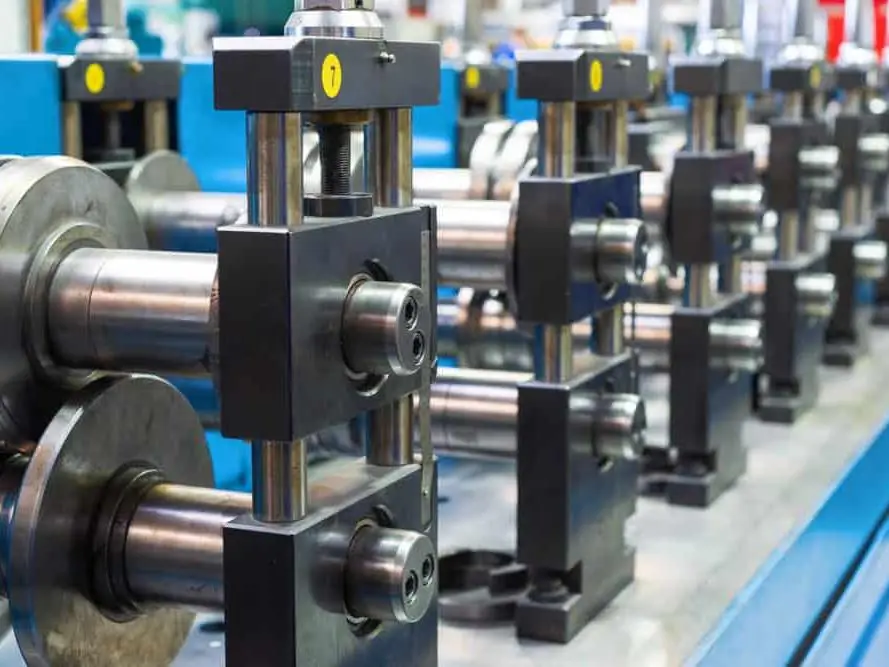
Fully automated C and Z interchangeable purlin lines, structural track-and-stud framing machines, and heavy-gauge truss formers. Incorporates post-punching, custom hole slots, and rapid size adjustment within 3 minutes via computer control.
Custom-engineered profile solutions including automated rain gutters, metal downspouts, architectural door frames, security shutters, and custom industrial drawer slides featuring non-stop inline piercing and punching systems.
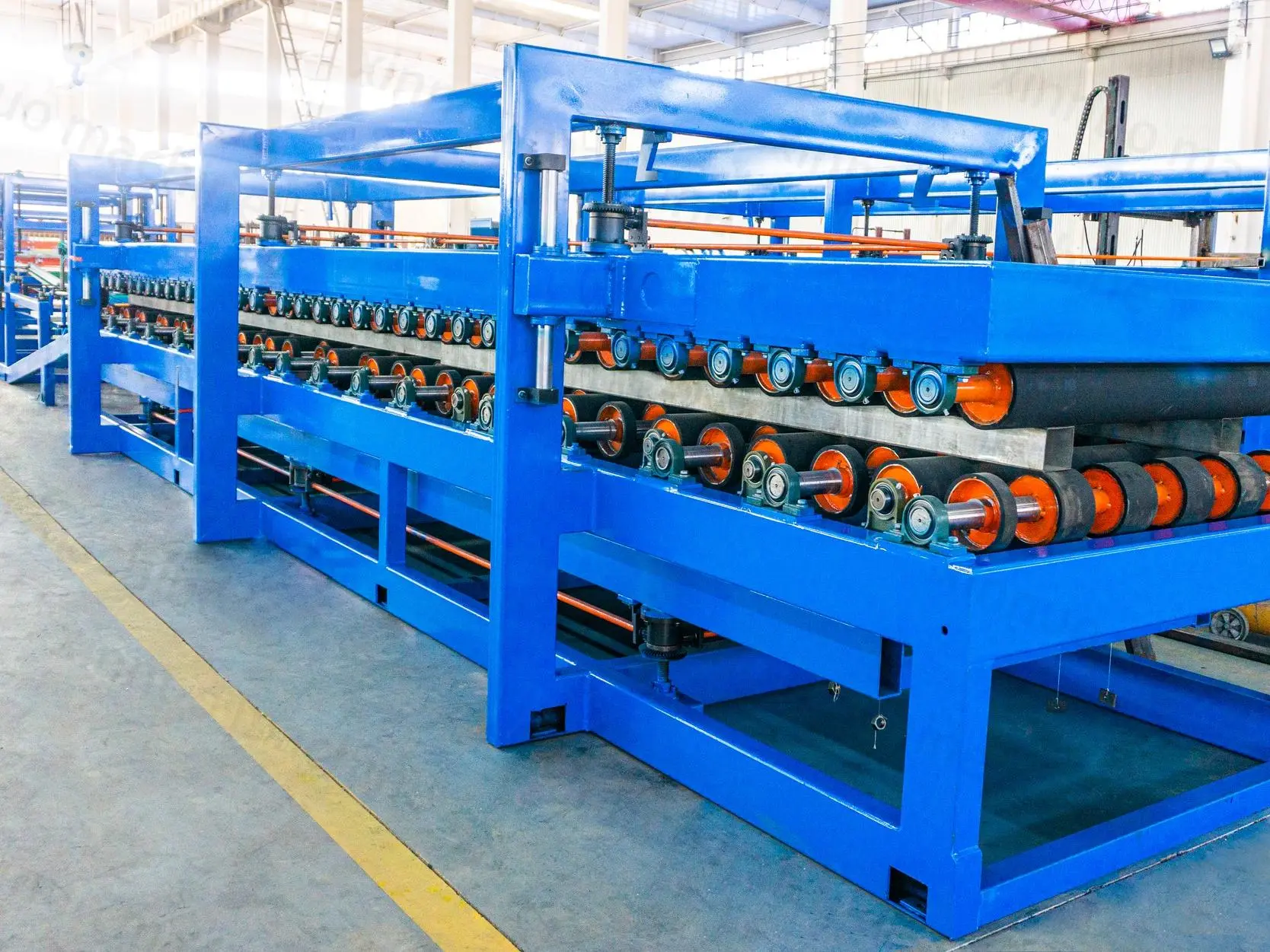
The manufacturing sector for roll forming equipment is currently experiencing significant changes driven by automation, material constraints, and the need for higher production speeds.
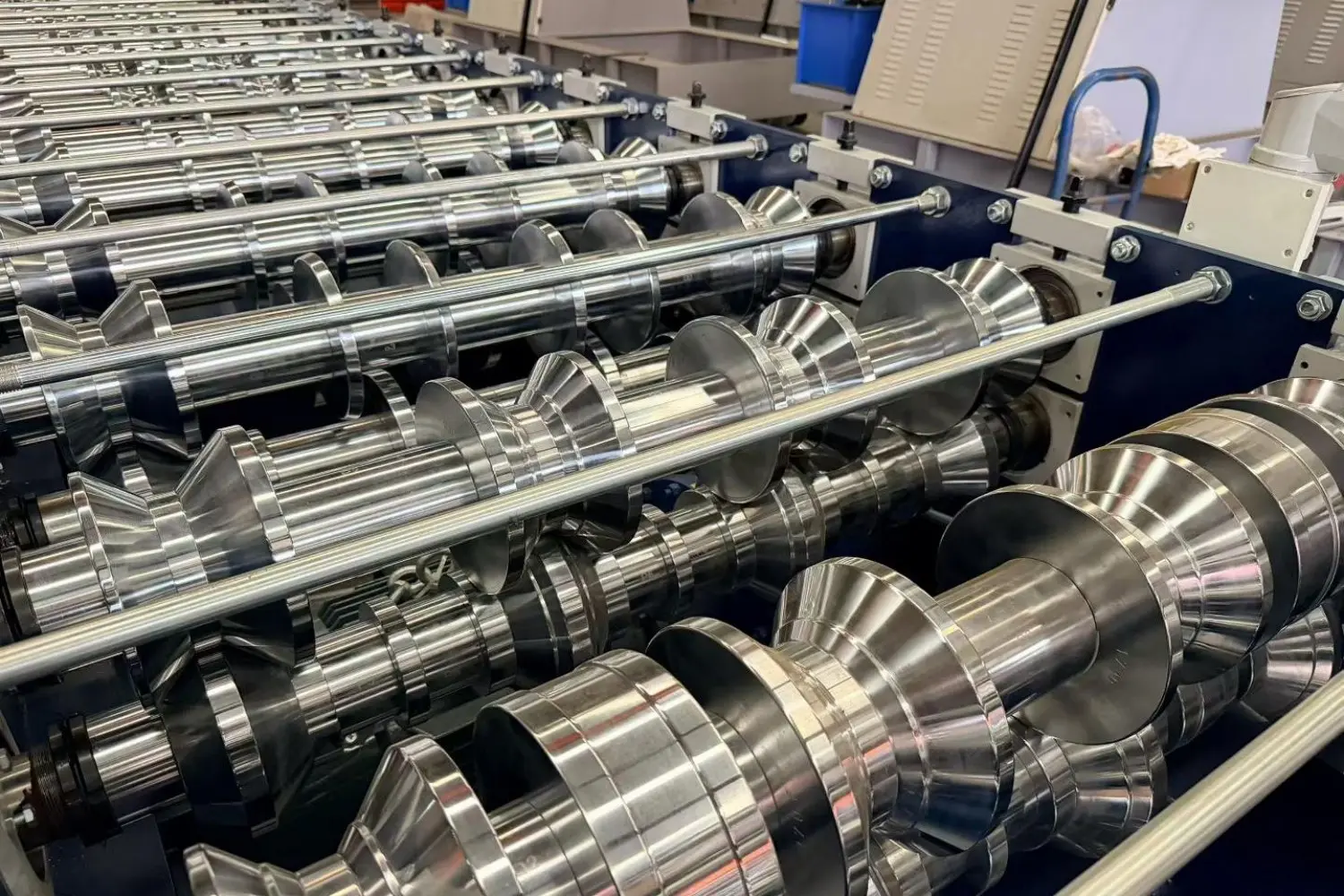
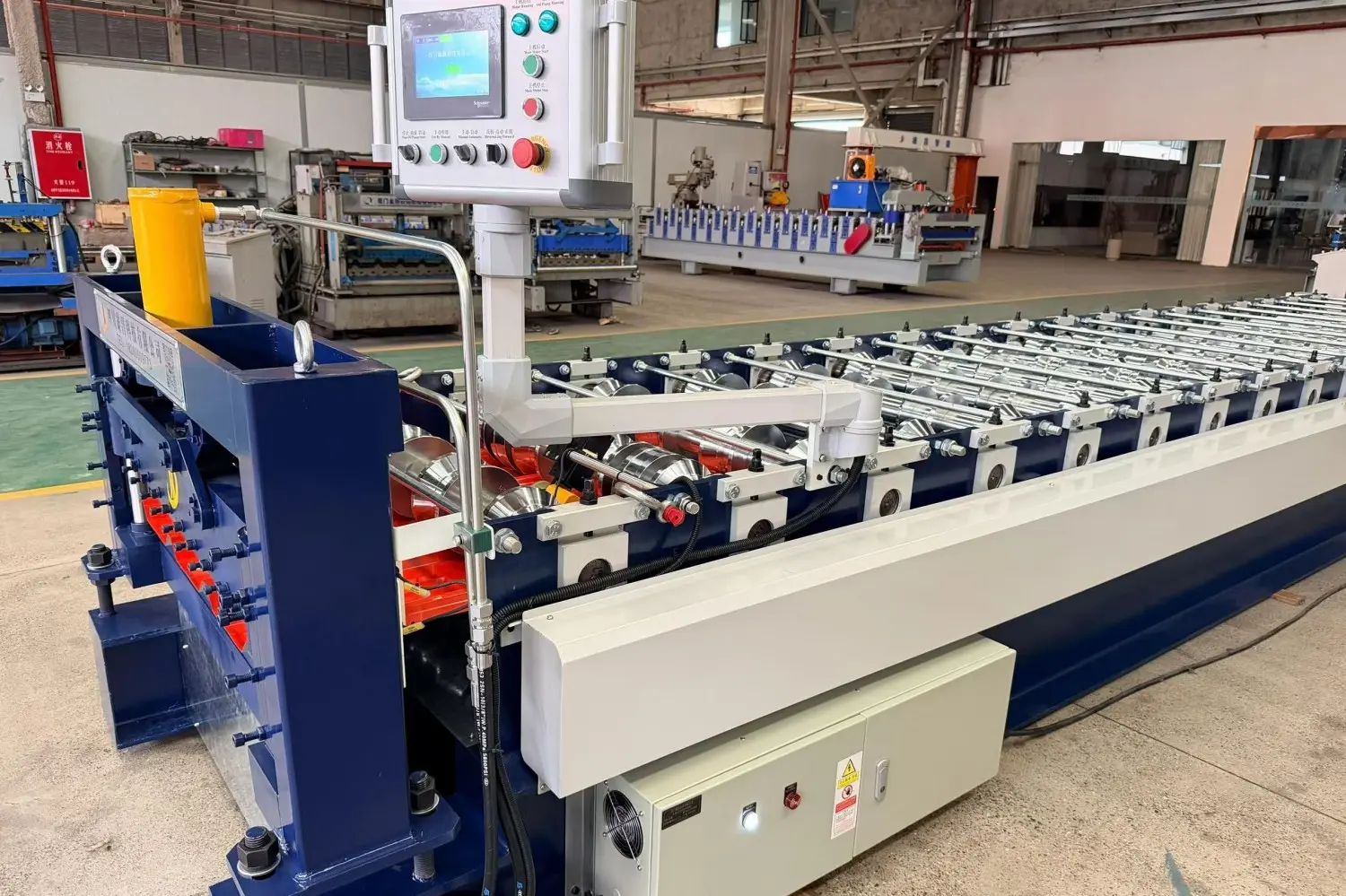
To support high-volume manufacturing environments, XC offers comprehensive engineering services from initial profile analysis through layout design, factory commissioning, and ongoing maintenance support.
Detailed Design Verification: Our design process utilizes COPRA® roll design software to analyze profile progression and material stress limits, preventing profile twists, edge waves, and dimensional deviations before machining begins.
Field Commissioning & Factory Integration: Our field engineers assist with structural mounting, electrical connections, sensor integration, and operator training to ensure the line integrates smoothly into local MES or ERP software systems.
Rapid Spare Parts Support: Wear-intensive components, including shear blades, punching dies, and forming rollers, are cataloged with unique tracking numbers to streamline replacement orders and minimize production downtime.
Why international procurement managers trust XC for custom non-stop forming systems.
We incorporate high-frequency PLC controls (Siemens/Mitsubishi) and closed-loop feedback systems to maintain high dimensional accuracy and reliable operation.
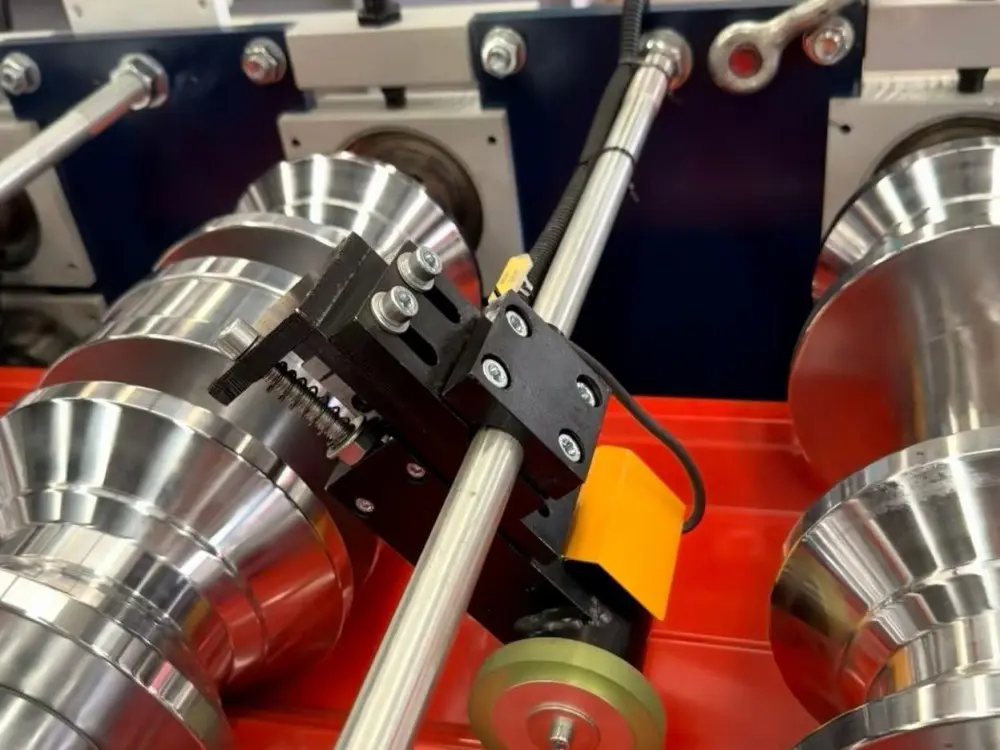
Our heavy-duty steel plate frames undergo thermal stress-relieving heat treatment to prevent structural deformation over decades of continuous operation.
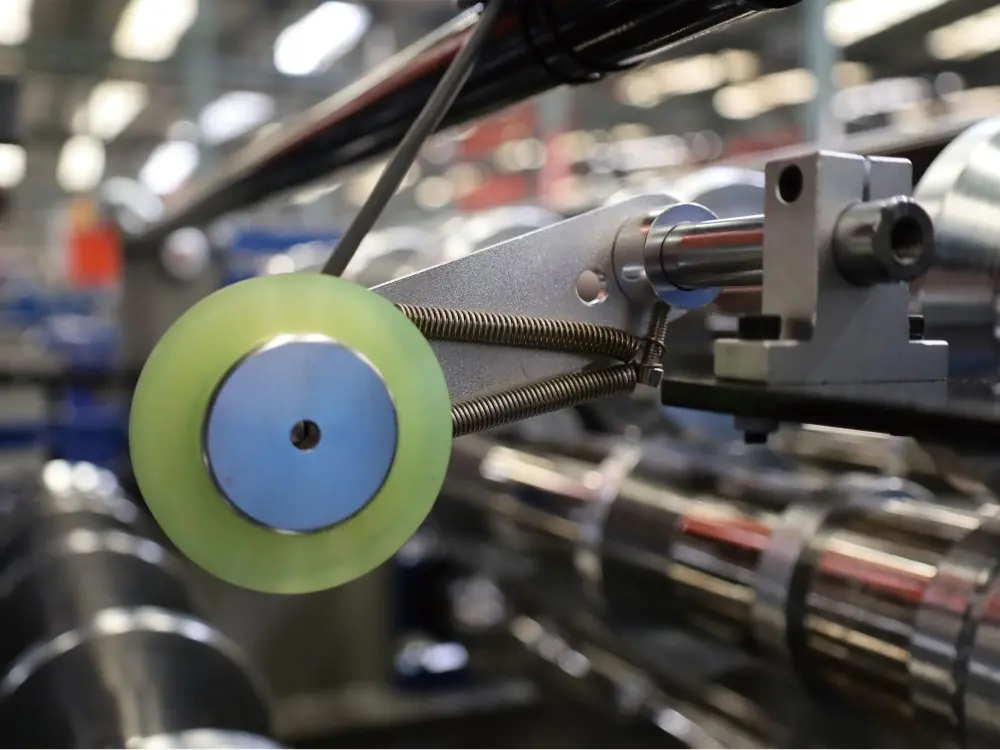
We provide localized technical assistance, operational training, and virtual troubleshooting services to ensure high availability of your production line.
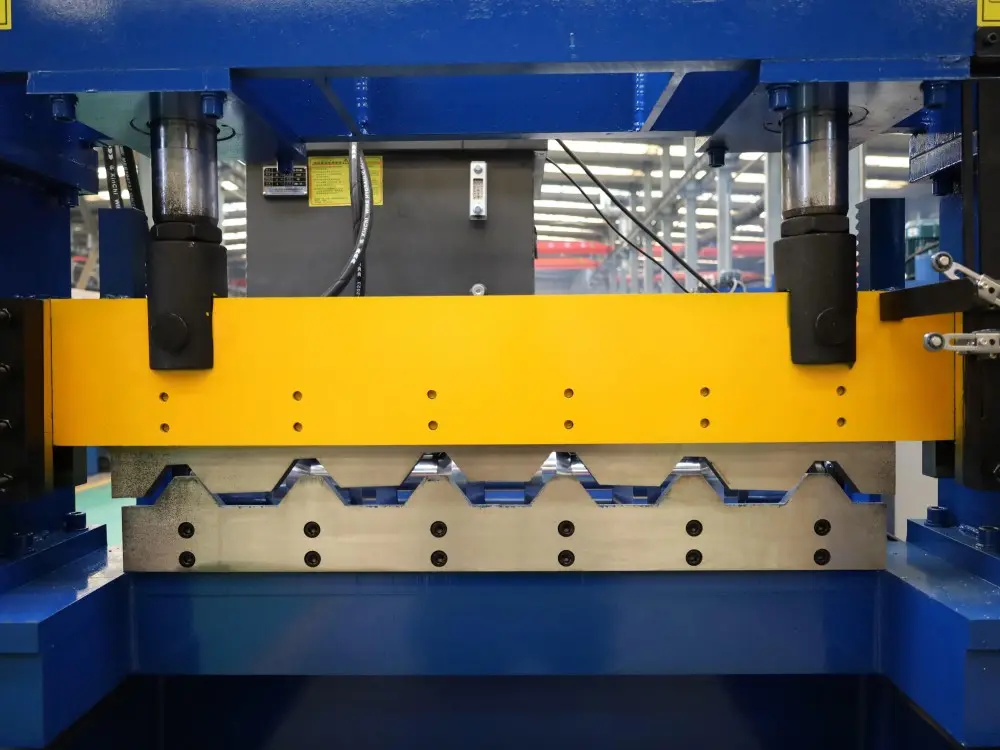
Providing custom, high-precision roll forming lines designed to meet the requirements of diverse industry sectors.
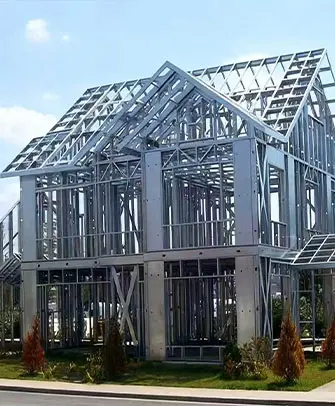
Structural components, cladding panels, partition studs, ceiling systems, and metal deckings.
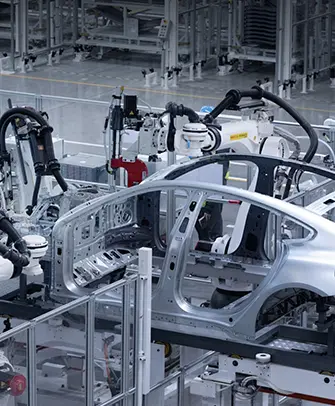
High-strength door beams, chassis runners, seat tracks, structural reinforcements, and custom trim elements.

Refrigerator panels, washer outer shells, structural brackets, cabinet rails, and custom metal trim profiles.

Highway guardrails, railway carriages, container framing, and truck bed structural beams.
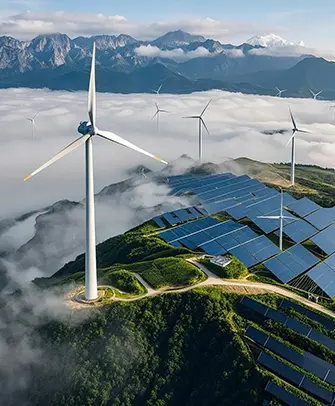
Photovoltaic mounting profiles, solar tracking torque tubes, and structural support frames.
Heavy-duty racking uprights, cable trays, scaffolding planks, and bridge deck structures.
Real-world applications of automated forming systems in high-output industrial environments.
Our automated forming lines integrate processes from decoiling, leveling, and prepunching through to roll forming, non-stop cutting, and final stacking. By optimizing material flow and using servo feed systems, we help manufacturers reduce mechanical lag times and improve productivity.
In logistics warehousing, for example, our systems produce racking uprights from 3.0mm structural steel at speeds of up to 25 meters per minute, including complex inline hole pattern punching.
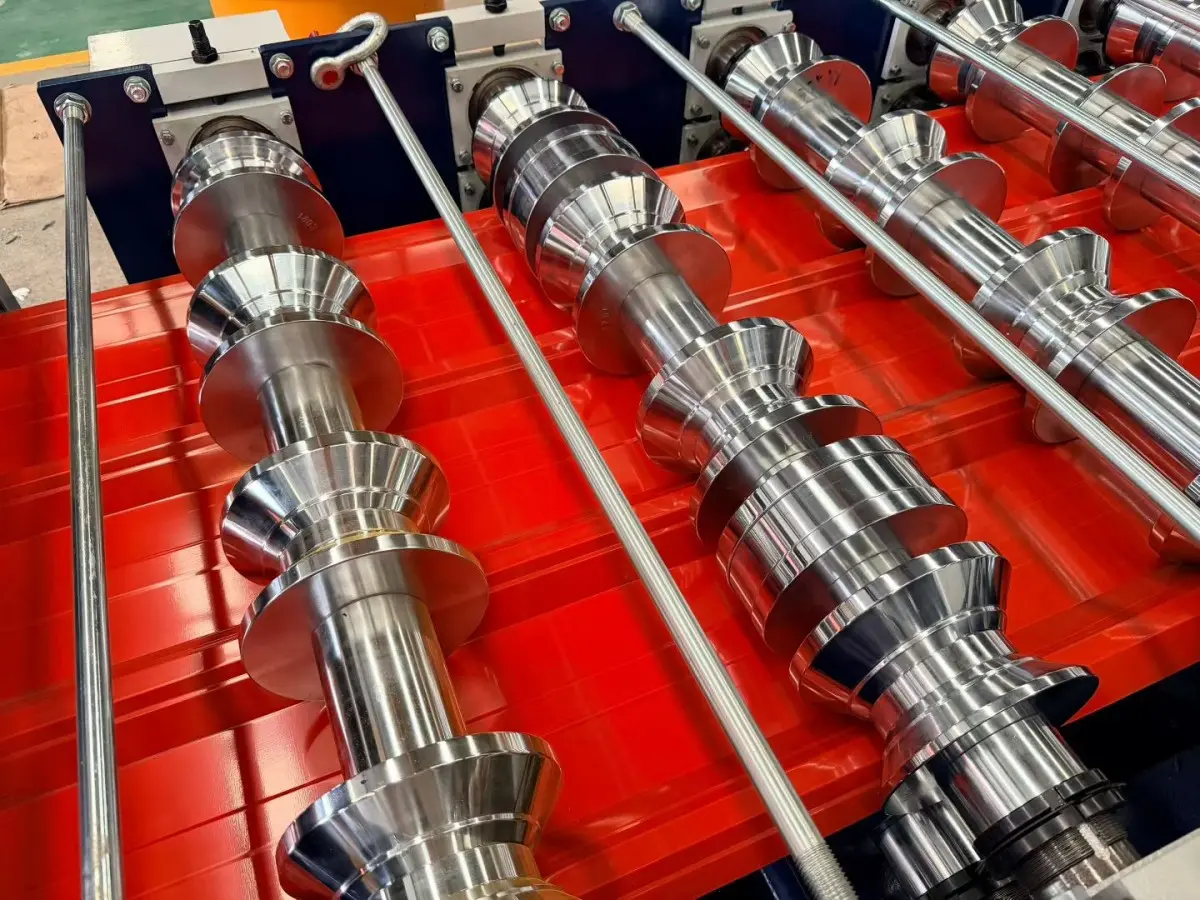
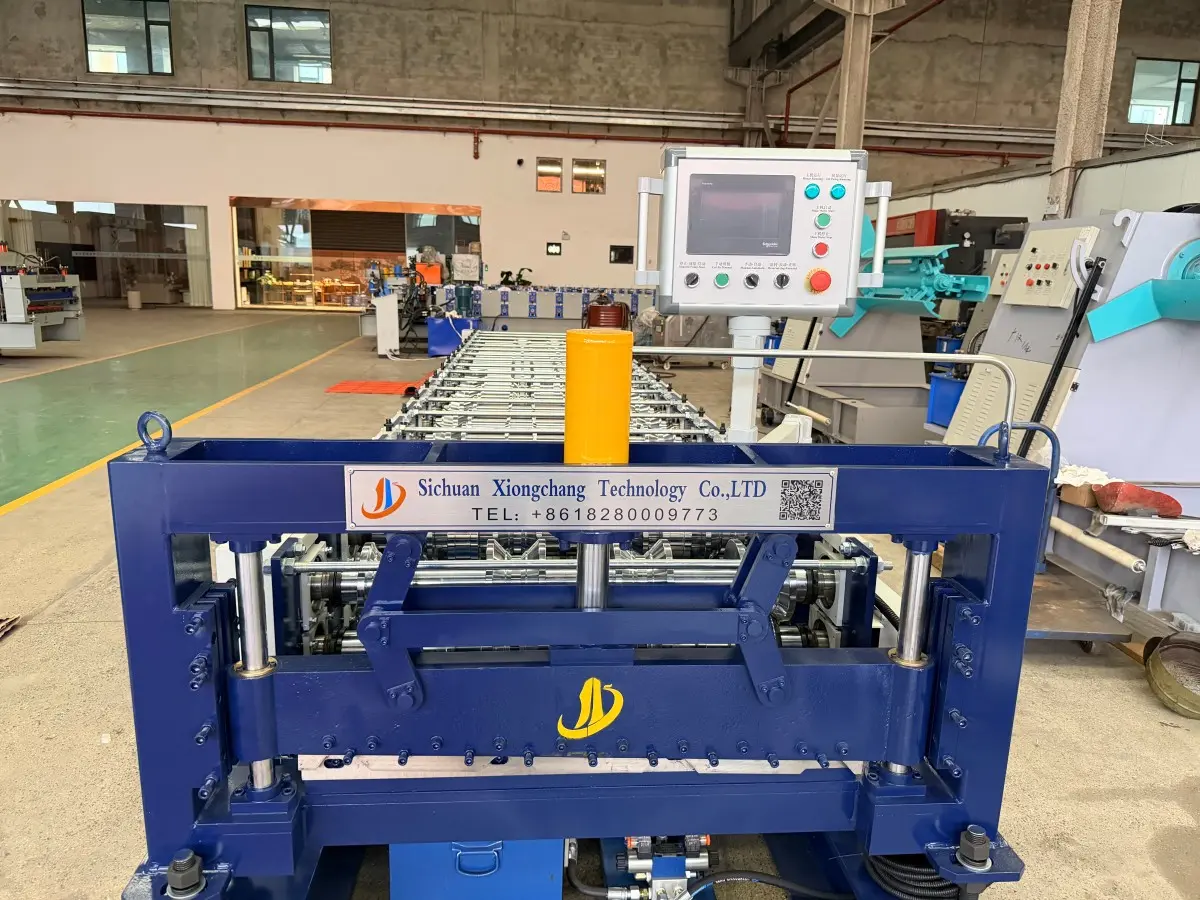
Every roll forming line is set up and pre-commissioned at our facility to verify performance parameters before shipping. We run trial coils to confirm mechanical tolerances, section geometries, and non-stop cutting accuracy under continuous running conditions.
Our standard commissioning sequence includes mechanical stress analysis and calibration of PLC software parameters. We provide full technical documentation and training for operating personnel to support long-term production stability.
A step-by-step engineering roadmap for planning, installing, and optimizing cold roll forming lines.
Initial profile evaluation and Finite Element Analysis (FEA) using COPRA software to simulate forming stages, verify material yield characteristics, and design roller flower patterns.
Rollers are CNC turned, heat treated to HRC 58-62, ground, and hard-chrome plated to resist wear and prevent surface marking on the processed strip.
Programming PLC architectures, integrating high-resolution rotary encoders, and setting up flying shear servo loops to coordinate cutting operations with profile movement.
Continuous test runs with the customer’s specified coils to verify profile tolerances, line speed stability, and cutting accuracy before packing and dispatch.
Technical reference parameters for engineering and procurement planning.
| Parameter / Feature | Standard Configuration Range | Advanced Custom Configuration |
|---|---|---|
| Processable Material Thickness | 0.3 mm to 3.0 mm | Up to 6.0 mm (Structural / Heavy Purlin) |
| Yield Strength Handling | 235 MPa to 345 MPa | Up to 550 MPa (HSLA Grade Steels) |
| Maximum Line Velocity | 15 to 30 m/min (Stop-Start System) | 40 to 80 m/min (Continuous Servo Flying Shear) |
| Cutting Length Tolerance | ± 1.0 mm (Hydraulic Shear) | ± 0.5 mm or better (Servo Closed-Loop Tracking) |
| Drive Train Design | Chain or Gearbox Drive system | Individual Cardan Shaft drive per station |
| Roller Materials | GCr15 (52100 Steel) / Cr12 / D2 | Vacuum Heat-Treated D2 with PVD Coating |
| Electrical / Safety Standards | CE Compliance Certification | UL, CSA, OSHA, AS/NZS Compliant Panels |
Common technical questions answered by our engineering and design team.
For standard systems, non-stop flying shears operate efficiently up to 3.0mm thickness. For heavy-gauge applications, such as structural highway guardrails or thick purlins, we design heavy-duty shear carriages driven by dual servo motors and high-capacity hydraulic cylinders to process materials up to 6.0mm at high speeds.
The control system uses a high-resolution rotary encoder on the incoming material strip to measure speed, while a second encoder tracks the cutting carriage. The PLC’s motion control module uses synchronizing algorithms to match the speed of the carriage with the strip before firing the shear blade. Matching these speeds avoids structural deformation and buckling.
XC roll forming lines are built to international standards. Depending on the installation site, electrical cabinets can be built to CE (Europe), UL/CSA (North America), or AS/NZS (Australia) standards, using components from international suppliers like Schneider, Eaton, and Omron.
Typical lead times range from 75 to 110 days, depending on profile complexity and automation requirements. We design our lines with modular quick-connect wiring, pneumatic manifolds, and mechanical sub-frames to simplify field installation and reduce commissioning time.
We use high-grade tool steels (D2/SKD11/DC53) for shear blades and punch dies, combined with vacuum heat treatment to maintain a hardness of HRC 60-62. Our machines also feature automatic lubrication mist systems that apply oil to the cutting edges during each cycle, extending blade life.
Yes. Our C/Z interchangeable roll forming machines feature automatic rotation mechanisms controlled by the PLC. To switch profiles, the operator selects the target profile on the HMI screen, and the machine automatically rotates the designated forming rollers into position in under 3 minutes.
Providing precision engineered roll forming lines and components for global industrial applications.
 Xiongchang