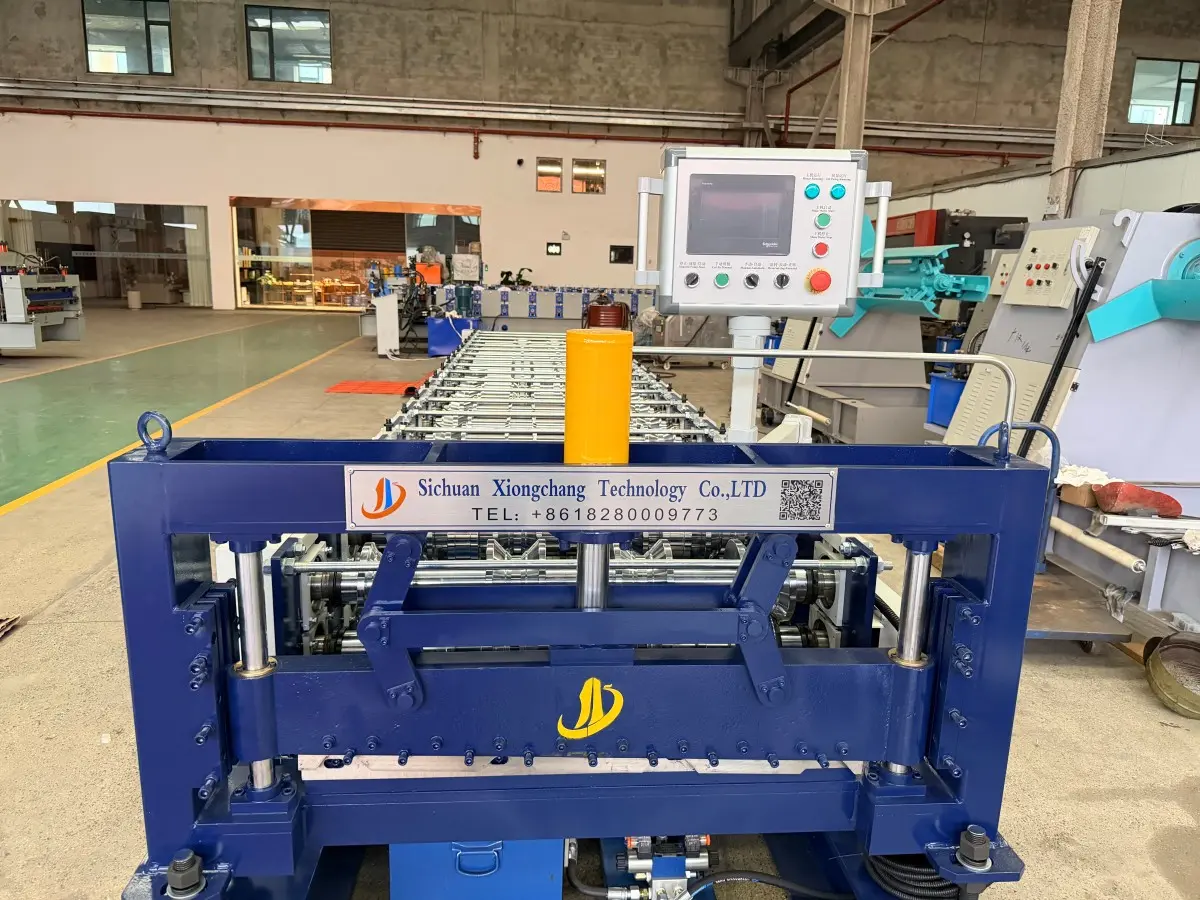
Explore our core engineering catalog, designed to meet high-precision demands for residential, commercial, and structural metal applications globally.
In the modern structural engineering and building materials landscape, the role of cold roll forming technology is pivotal. The evolution of steel roofing systems—ranging from classic corrugated designs to advanced standing seam platforms—demands machinery that can handle precise tolerances while maintaining high yield strengths. XC (XiongChang) stands at the forefront of this manufacturing transition, offering systems engineered to work with G550 tensile strength steel, pre-painted galvanized steel (PPGI), Galvalume (GL), and structural aluminum alloys.
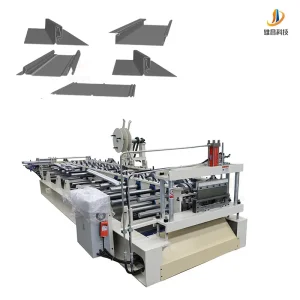
Our technology eliminates oil canning, reduces material stress during the forming process, and maintains coating integrity. Whether configuration involves specialized mechanical lock standing seam panels or automated C/Z purlin adjustment systems, XC provides custom-engineered machinery lines configured to lower scrap rates, accelerate cycle times, and ensure strict alignment tolerances.
Through the integration of state-of-the-art PLC systems (such as Siemens or Mitsubishi), closed-loop rotary encoders, and servo-hydraulic shearing, our factories build roll formers that ensure consistent output over millions of linear meters. Operating globally, our engineering team designs systems tailored to distinct regional building codes, localized energy grids, and material characteristics.
As an established leader in cold metal forming technology, XC (Xiongchang) designs and builds integrated machinery solutions. Our capability extends beyond individual profile formers to encompass complete automated systems for building envelope manufacturing, floor decking, structural components, and auxiliary automation machinery.
For over two decades, our factory has delivered custom-engineered configurations to construction material manufacturers, OEM suppliers, and global engineering contractors. Combining specialized design software with precision tooling production, we ensure our clients achieve production speed, geometric stability, and minimal downtime.
Explore Factory Capabilities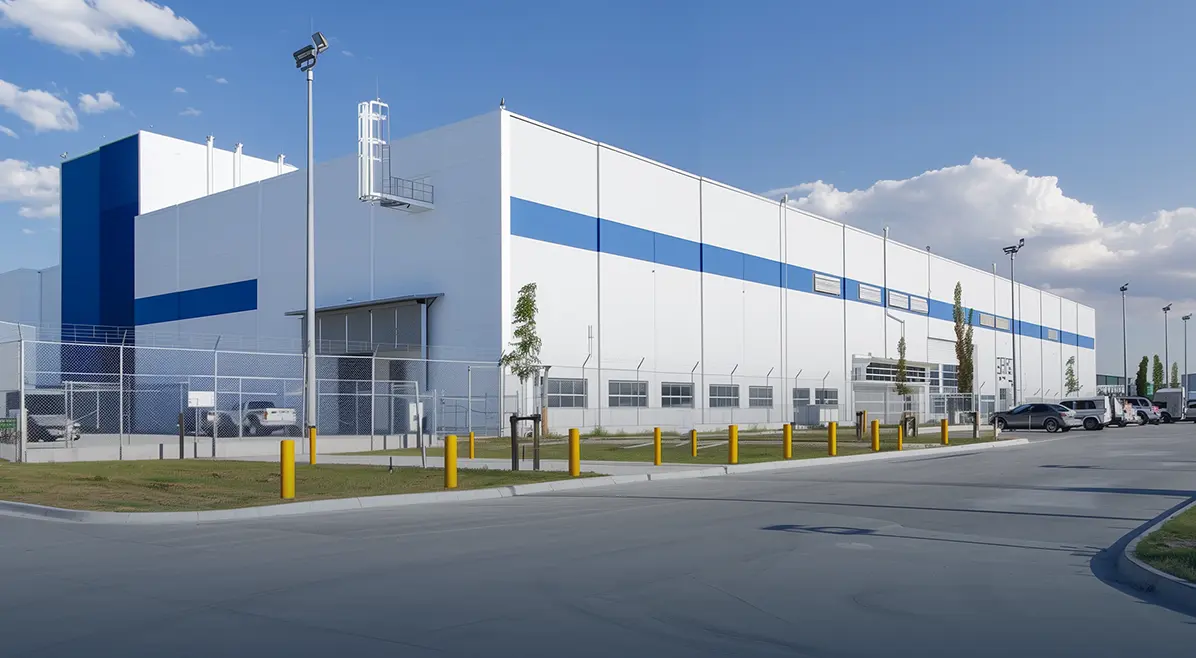
A dedicated team of technical personnel designs profiles using professional design software. Dynamic simulation of forming stages minimizes material springback and oil canning.
Our investment in automated production centers and assembly bays ensures high tool finish quality, reliable frame alignment, and long-term mechanical reliability under continuous loading.
Over twenty years of manufacturing stability makes XC a preferred choice for customers requiring industrial-grade machinery that maintains high performance standards.
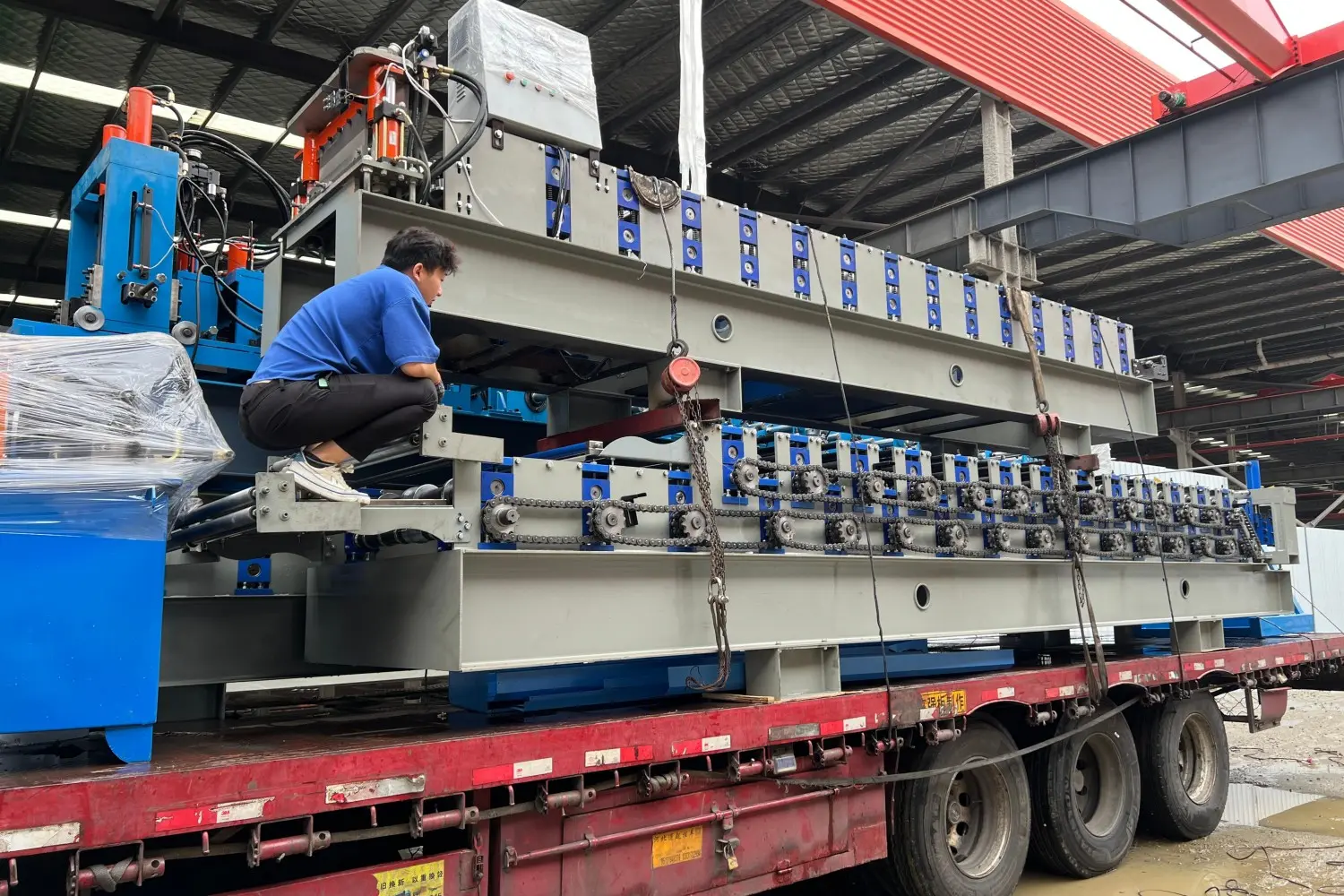
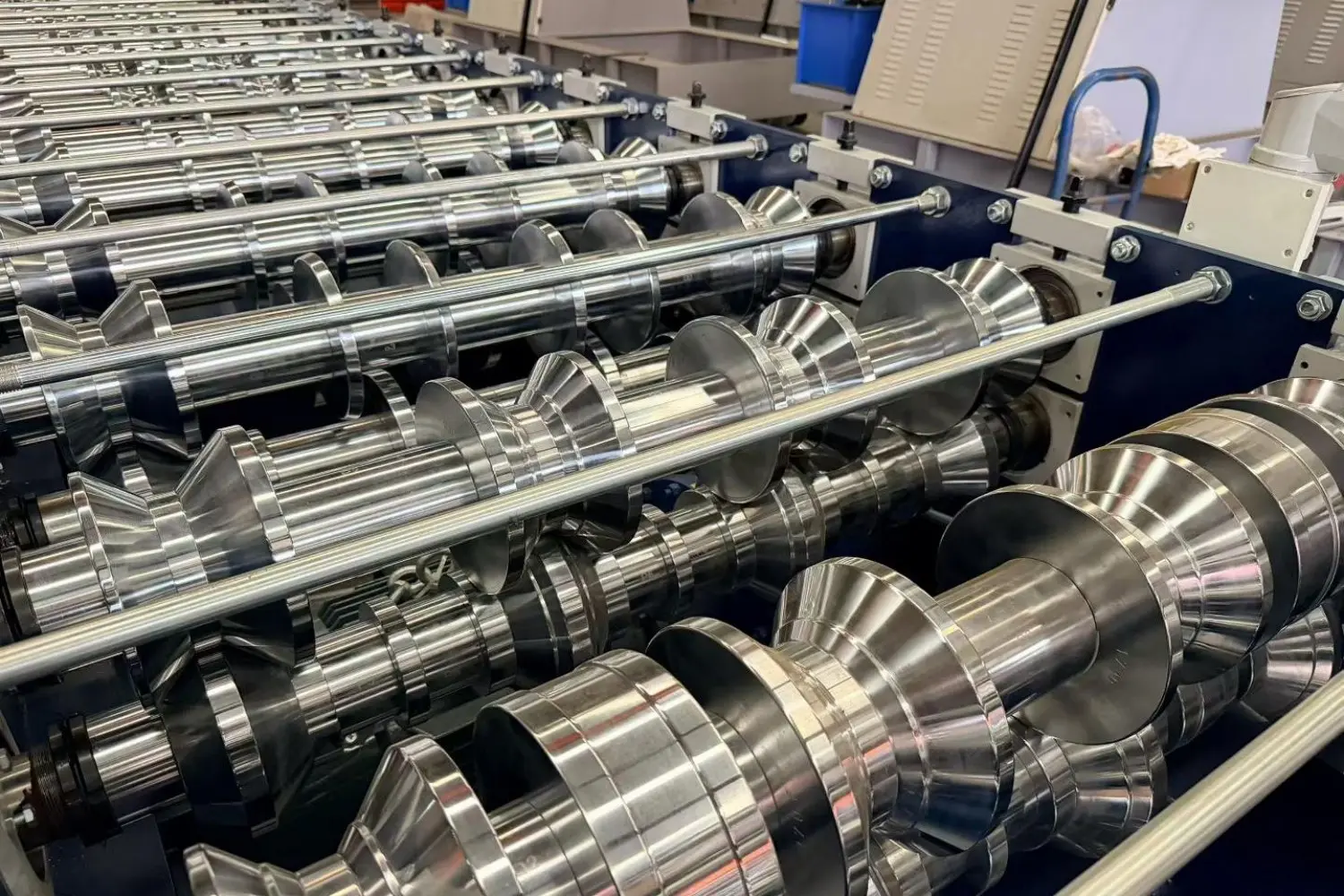
At XC, we deploy robust engineering techniques and automated control systems to ensure manufacturing accuracy across all machine components. Each tooling station is CNC processed, heat-treated, and precision ground. We use solid shaft constructions and heavy-duty cast-iron stands or structural steel plate structures to support continuous operating pressures.
By standardizing electrical integration with premium components—including PLC controls, graphic HMI interfaces, and dynamic encoder feedback—our machines achieve line cutting tolerances within ±1mm at operating speeds up to 40 meters per minute.
Our capabilities are designed to meet diverse industrial expectations for profile consistency, surface finish protection, and automated line operation.
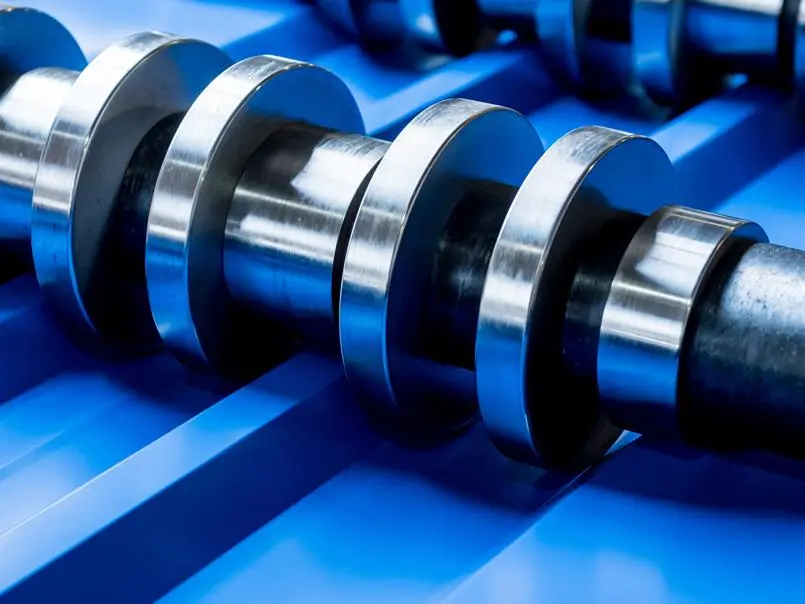
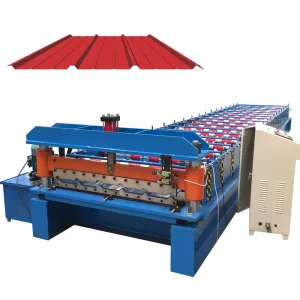
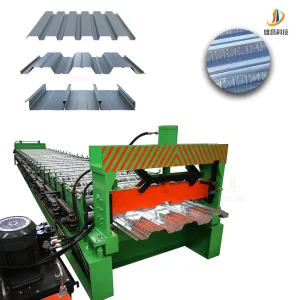
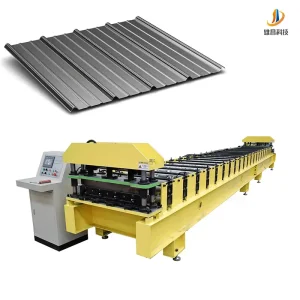
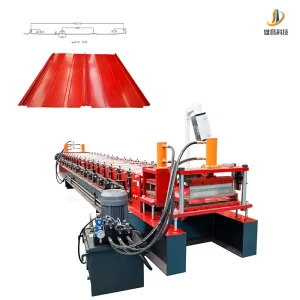
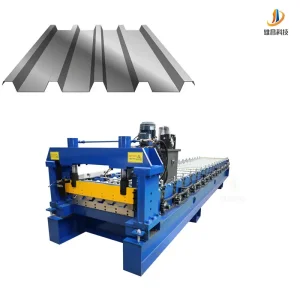
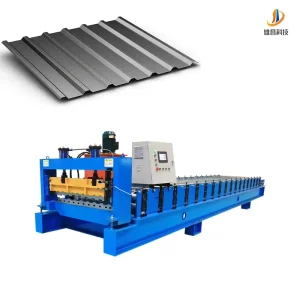
Comprehensive forming solutions for roof panels, wall panels, and high-load structural floor deck profile machinery.
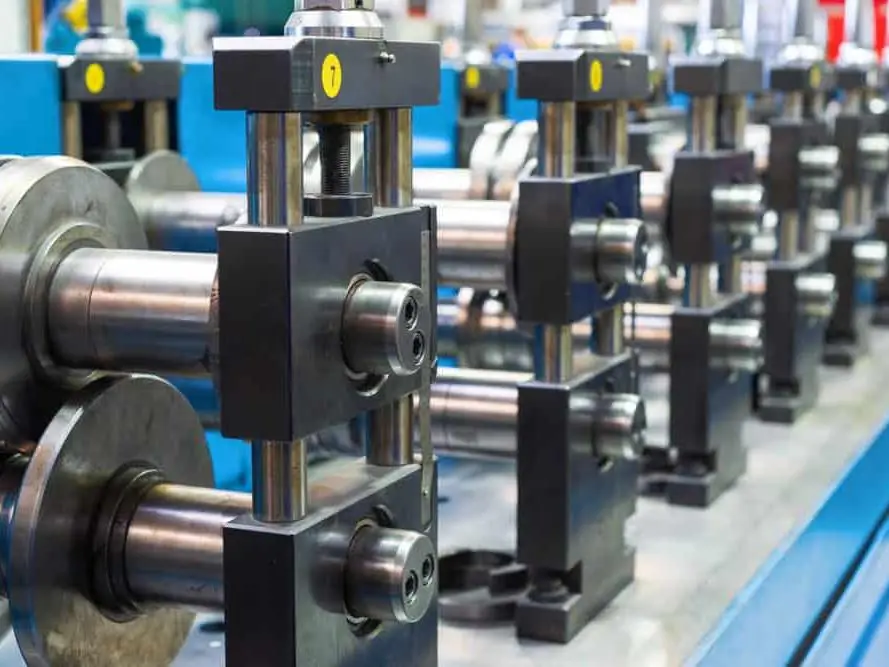
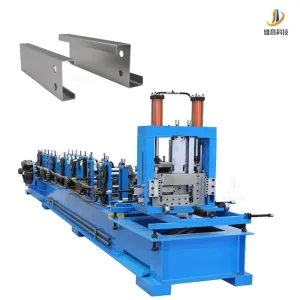
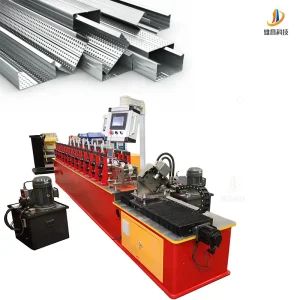
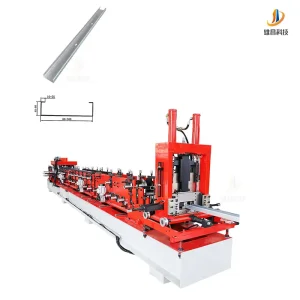
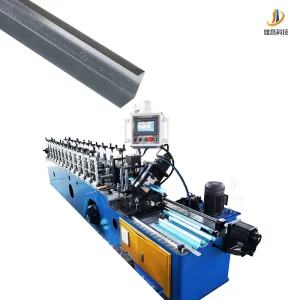
Flexible purlin machines (C/Z configurations) and light gauge steel frame (stud & track) systems for load-bearing applications.
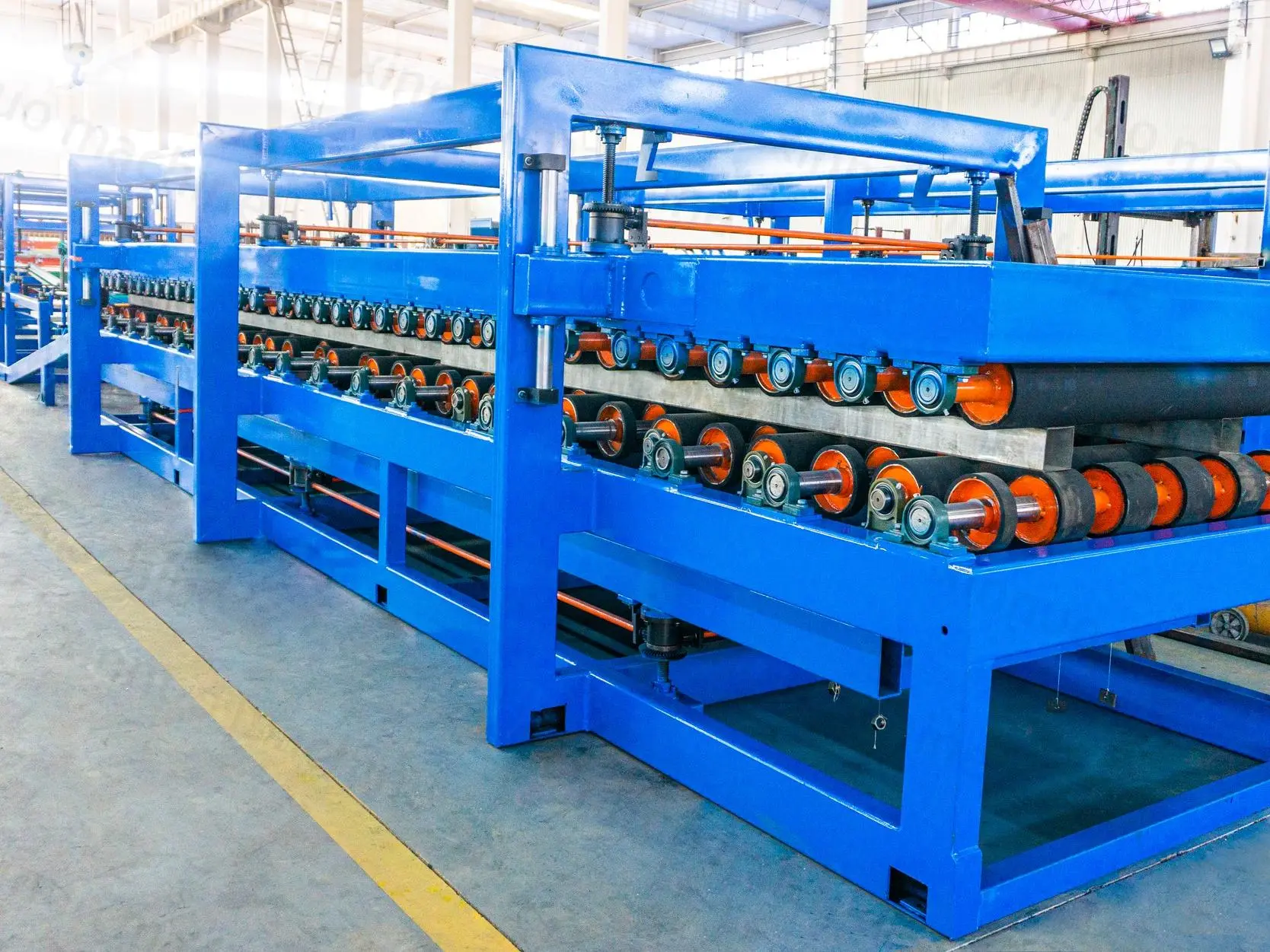
Integrated auxiliary solutions, custom gutter profiles, downspout systems, and robust structural door frame forming lines.
Procuring industrial roll forming machinery involves varying requirements across international markets. Our engineering projects match these localized specifications to ensure smooth operation on site.
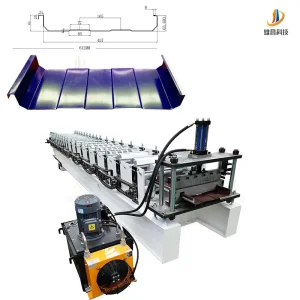
Demands focus heavily on standing seam profiles (Snap-lock and Mechanical lock) with UL-90 wind uplift certifications. Supply lines require UL/CSA electrical certifications for PLC integration, safety light guards (OSHA compliance), and inch-standard configurations. Standard operational voltage is typically 480V, 3-phase, 60Hz.
High focus on CE safety directives and sound levels. Equipment designs require integrated safety enclosures, dual-channel emergency stop circuits, and high-efficiency Siemens/SEW drive systems. Profiles focus on high-precision insulated roof panels, tile profile machines, and multi-thickness purlins.
Industrial settings prefer high-speed production capability (up to 50 m/min) combined with dual-profile cassettes to handle varying structural shapes quickly. In Middle Eastern environments, heavy dust filters and high-temperature hydraulic heat exchangers are standard additions to PLC electrical enclosures.
Procurement centers around robust, heavy-duty trapezoidal roof panel formers (such as IBR and U-panels) that handle varied tensile coils. Heavy-duty decoilers (up to 10 tons capacity) and simple manual-override controls alongside automated programming are standard features for regional operators.
Modern metal-forming factories require solutions that integrate into broader warehouse management systems. Our engineering options focus on bridging the gap between raw coils and finished structural products:
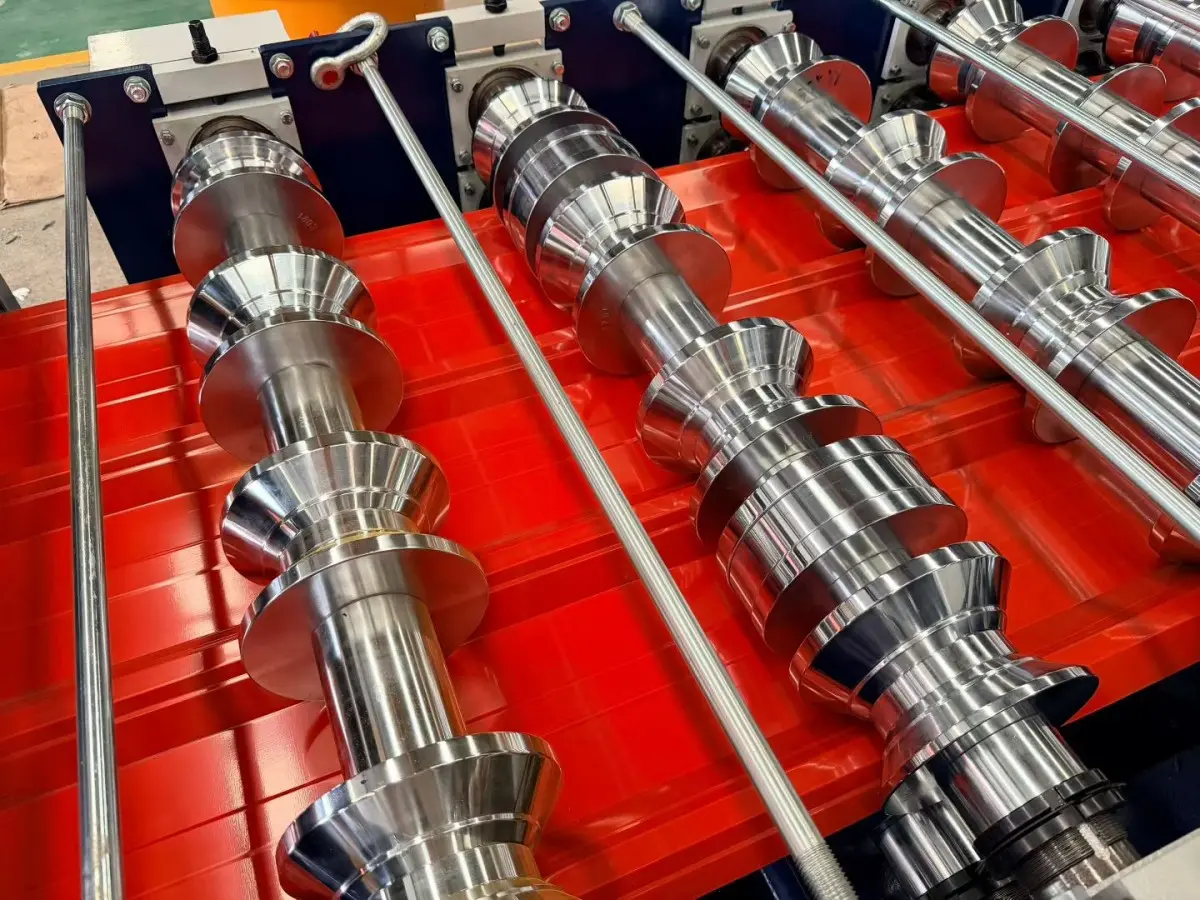
The quality of any roll former depends on the design of its forming stations. XC engineers utilize progressive tooling arrangements to maintain uniform stress distribution. Each roller undergoes dynamic testing to confirm geometric stability, assuring that finished metal panels click or seam together accurately.
Profile Accuracy
Roller Material
Integration of variable servo-driven adjusting structures allows width changes in less than a minute. Operators select profiles directly via the HMI console, reducing mechanical setup time.
IoT capabilities allow remote analysis and software updates. Machine performance, cycle monitoring, and encoder settings can be tuned by our engineering team directly from the factory.
Optimized scrap-less cut-off structures minimize material waste. Advanced hydraulic setups lower power consumption, aligning with energy-efficient industrial practices.
Our QA program monitors the manufacturing process from raw steel plates to final testing. Shaft run-out, roller profile accuracy, and frame alignments are confirmed before factory testing.
During factory testing, customer-supplied raw materials are processed through the line at target operating speeds. This verification step confirms panel flatness, check tolerances, interlocking clearances, and surface coating protection.
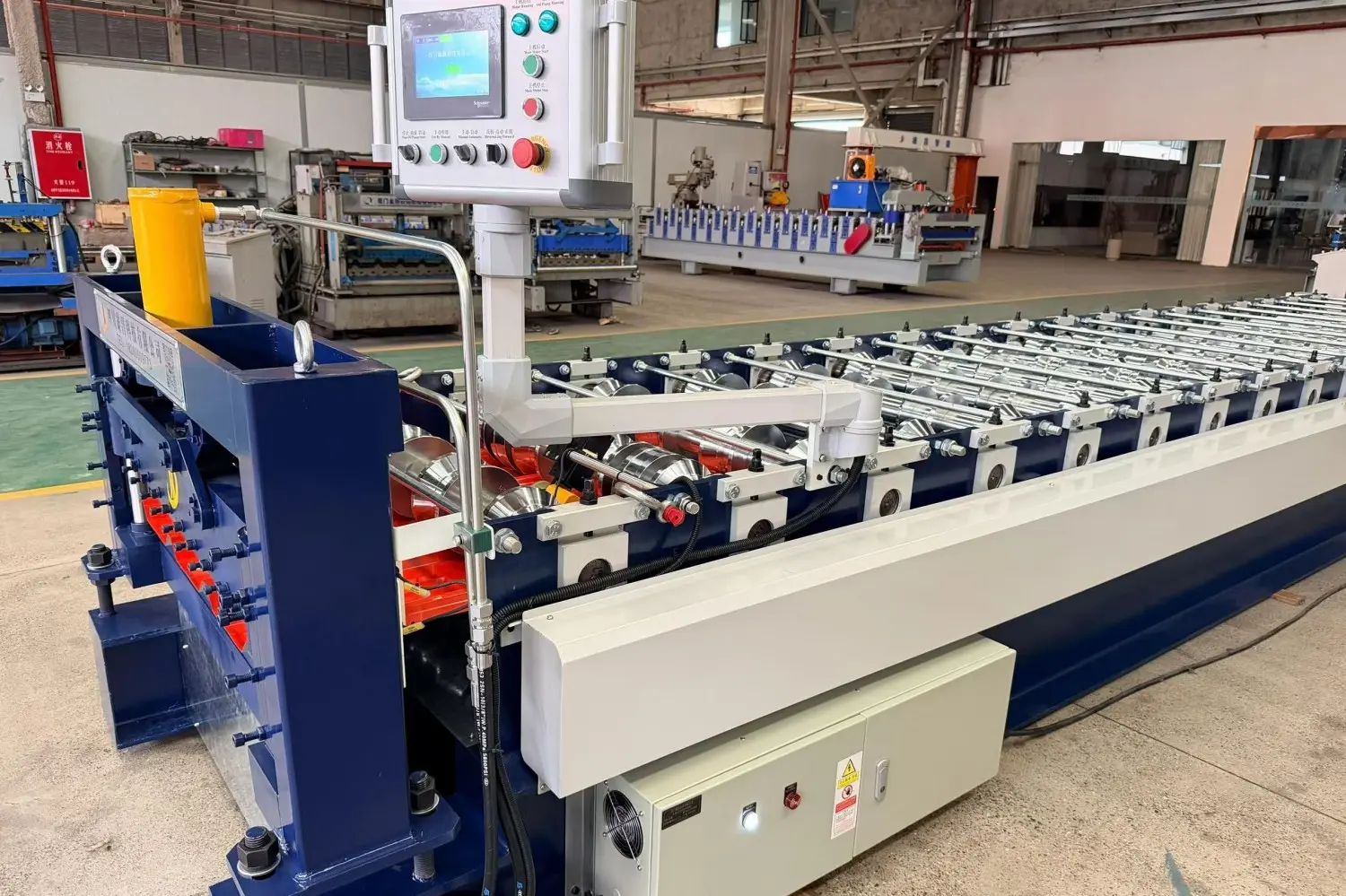
To support production efficiency, XC provides lifecycle assistance from initial layout design to operational training.
Our engineering team offers setup assistance, electrical commissioning, and training on PLC software configurations. By providing quick-wear replacement parts, tool optimization assistance, and remote software diagnostics, we support machinery reliability for our operators.
Request Technical ConsultationXC's design approach has built partnerships across commercial construction, steel fabrication, and industrial engineering fields.
Our machinery solutions support infrastructure projects, industrial warehouses, cold storage facilities, and residential steel developments worldwide. From simple profile lines to advanced manufacturing setups, our machines support project schedules and output quality requirements.
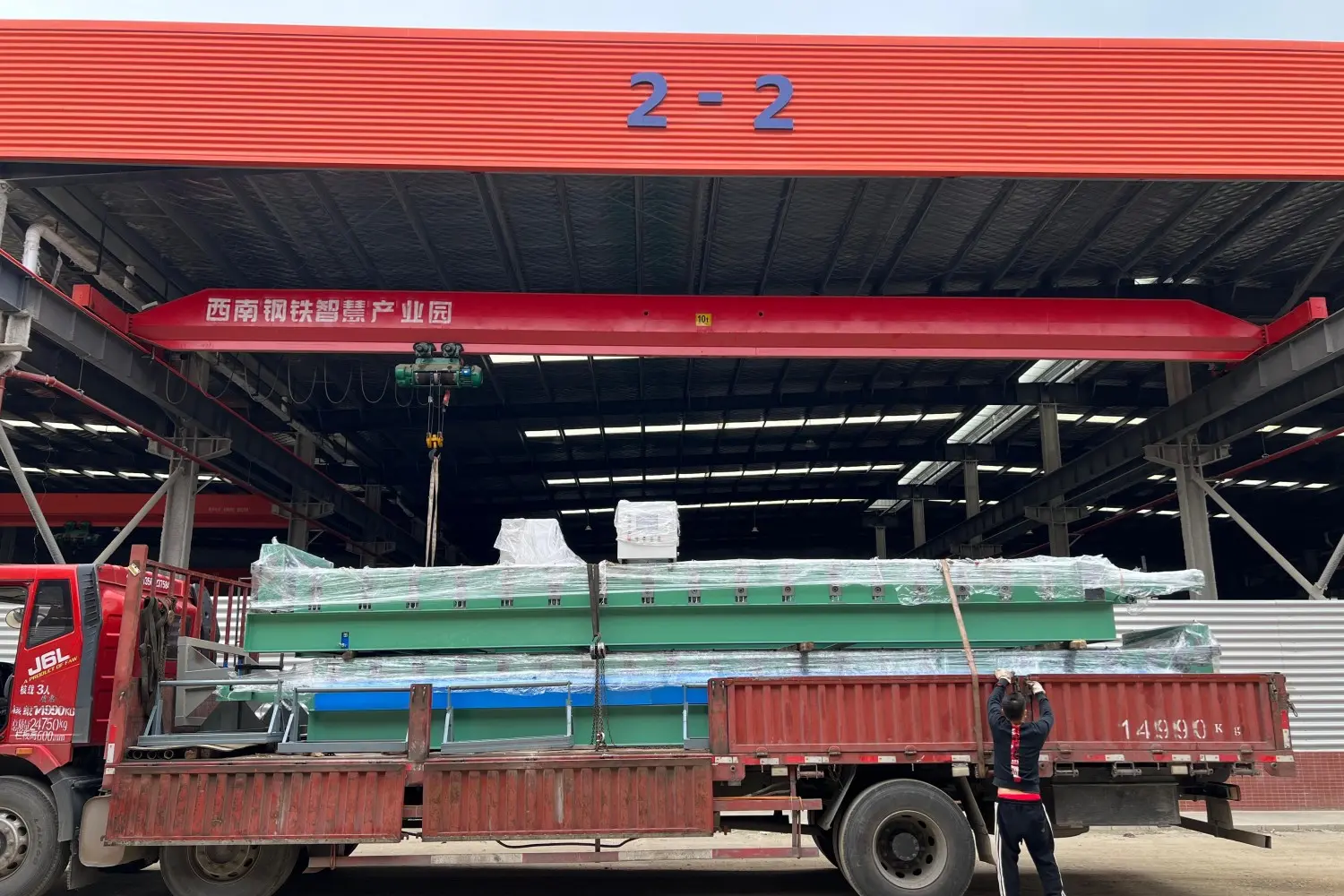
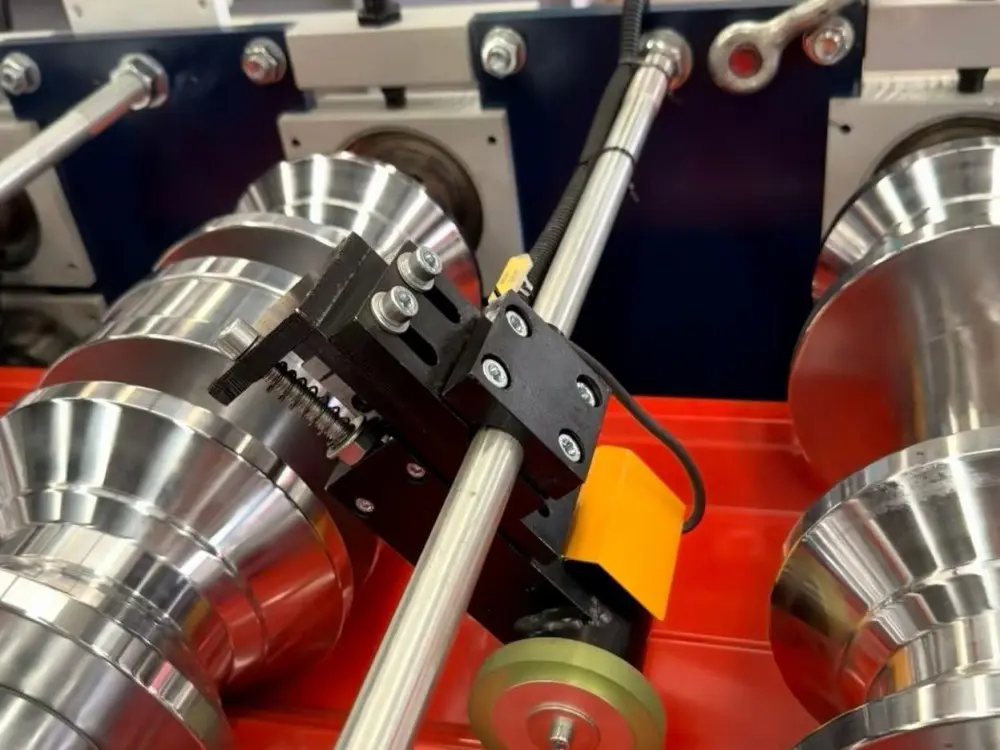
Dynamic tooling simulations and structural designs minimize springback risk across variable metal grades.
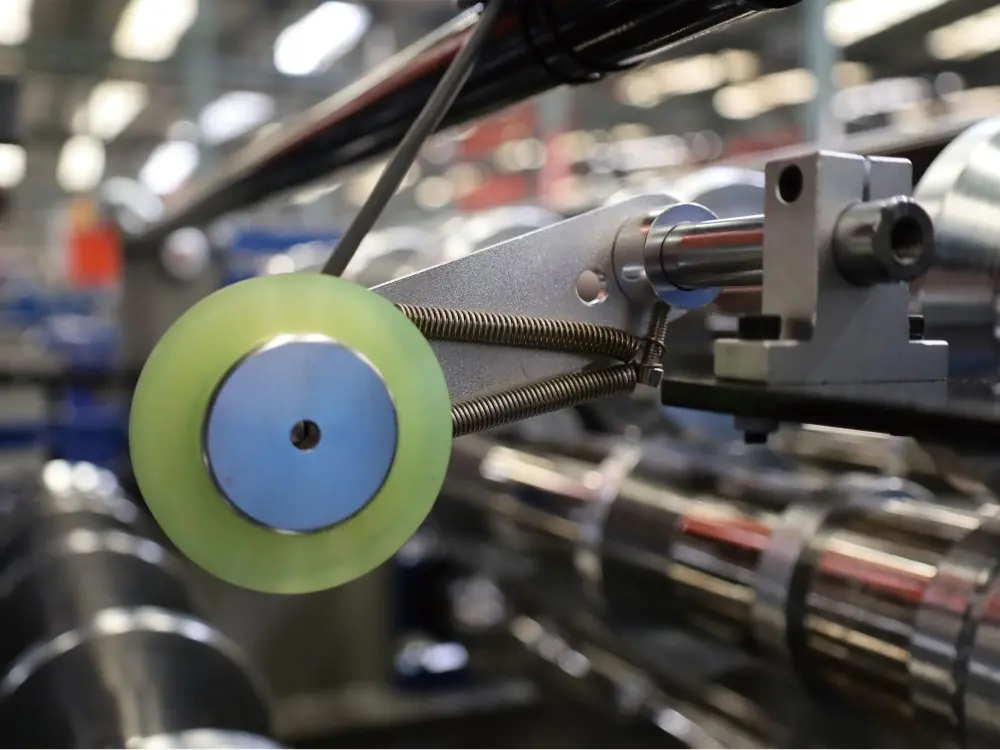
Heavy-duty framing constructions, chromed tooling shafts, and hydraulic setups support long-term production needs.
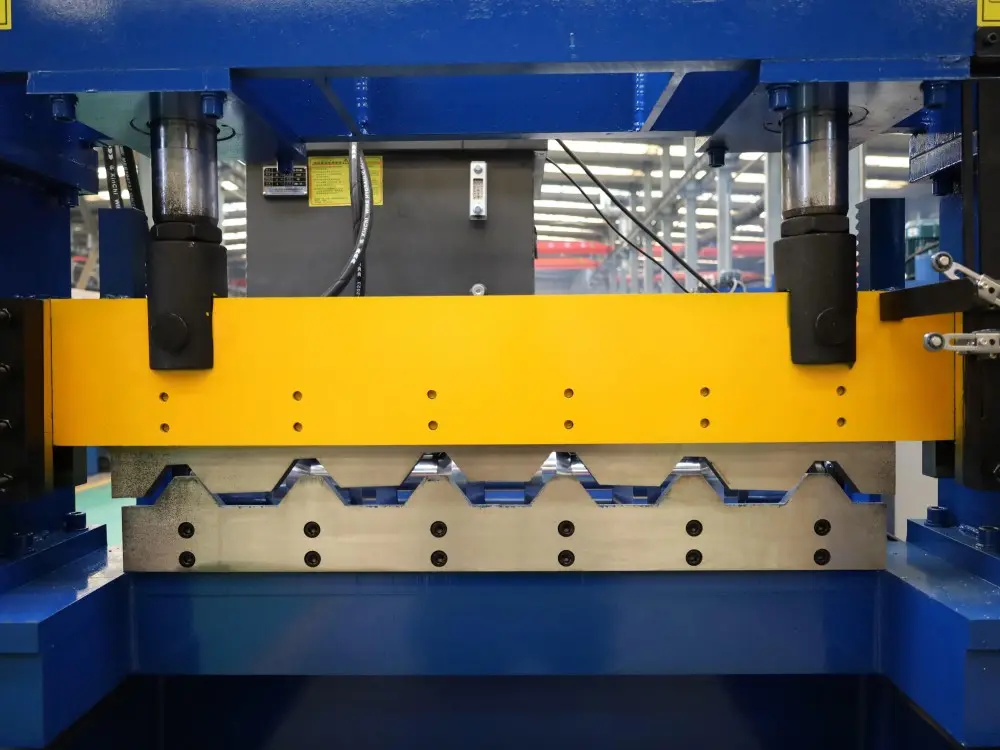
Support services cover profile setup, system updates, and wear-parts availability to keep operations running.
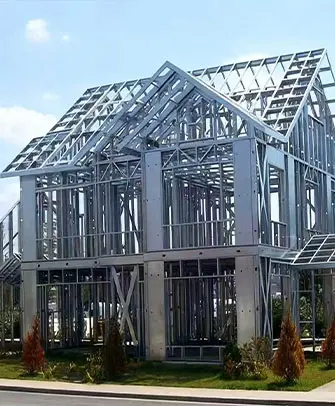
Panels and framing profiles designed for industrial, commercial, and residential projects.
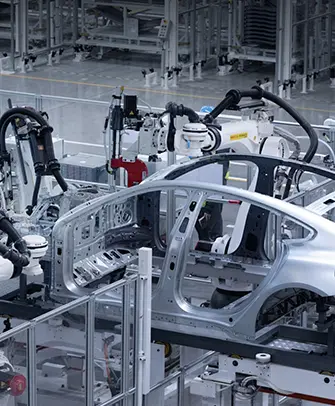
Specialized rolling profiles built to meet automotive sector size specifications and quality tolerances.
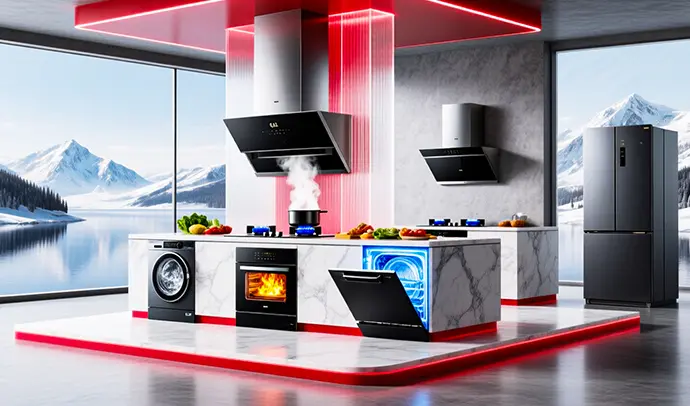
Fine-finish profile formers configured for kitchen cabinet frames and outer casings.

Heavy-gauge profiles optimized for crash barriers, shipping containers, and train framing designs.
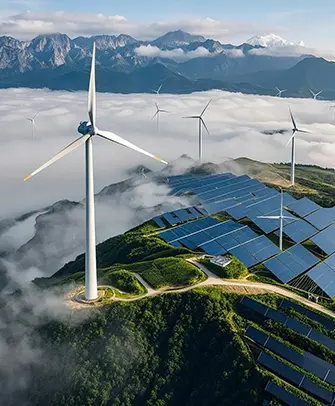
Support rails and bracket structures built for solar panel racking arrays and wind components.
Contact us for a detailed assessment and pricing quote for customized machinery lines.
Contact EngineersReview answers to technical questions covering mechanical configuration, profile accuracy, and setup parameters.
Oil canning represents a common aesthetic issue with light-gauge metal sheets. XC addresses this by using gradual forming curves across our roller setups to prevent uneven tension. Our roll formers can be configured with tension levelling stations, rib-profiling tools, and adjustable entry guides to support flatness across varying coil conditions.
We primarily use Cr12MoV, D2, or high-carbon alloy steel for roller production. These components undergo vacuum heat treatment to achieve hardness levels of HRC 58-62, followed by precision grinding and hard chrome plating. This process protects the roller surfaces and reduces the risk of marking pre-painted coils (PPGI).
Yes. Our automatic interchangeable purlin systems allow step-less dimension adjustments via HMI controls. The PLC commands internal motor assemblies to change web and flange sizes, typically completing modifications within one to three minutes without requiring manual spacers.
Every roll former undergoes testing under load prior to dispatch. We request coil samples from our clients to test profiles at standard operating speeds. This step verifies dimensional accuracy, interlocking alignments, and cut-off precision, confirming the system meets target quality standards before packaging.
We adapt our control systems and motors to match localized industrial electrical grids. Supported configurations include 480V 60Hz (USA), 400V 50Hz (Europe), 380V 50Hz (Asia), and other regional voltage specifications. Standard electrical setups feature PLC integrations from international manufacturers to simplify local parts sourcing.
We provide remote setup support through online assistance, detailed drawings, and digital twin models. For complex installations, XC can arrange for technicians to assist with site commissioning, assembly alignment, and training, helping operators establish stable production conditions.
Browse our additional specialized roll forming machines engineered to support high-precision structural fabrication demands.
 Xiongchang