 Xiongchang
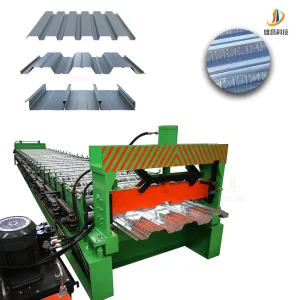
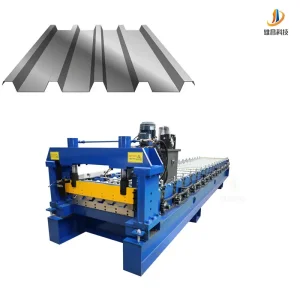
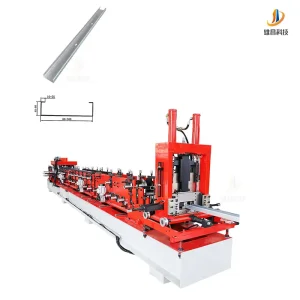
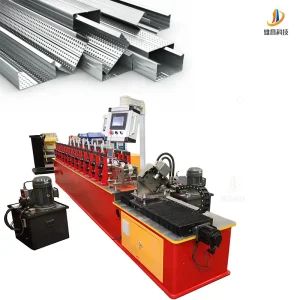
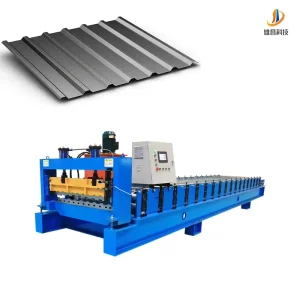
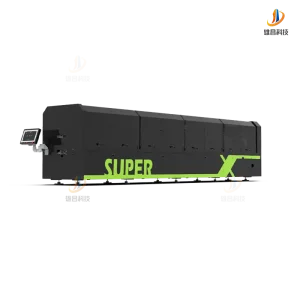
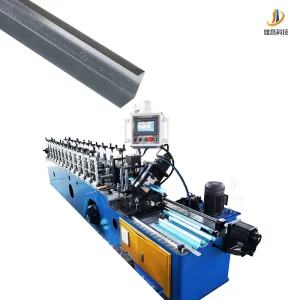
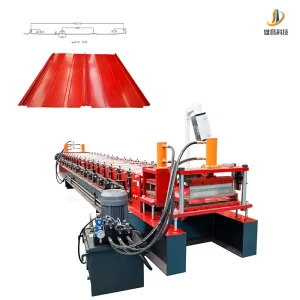
1. Engineering Precision in Metal Roofing Panel Cutting
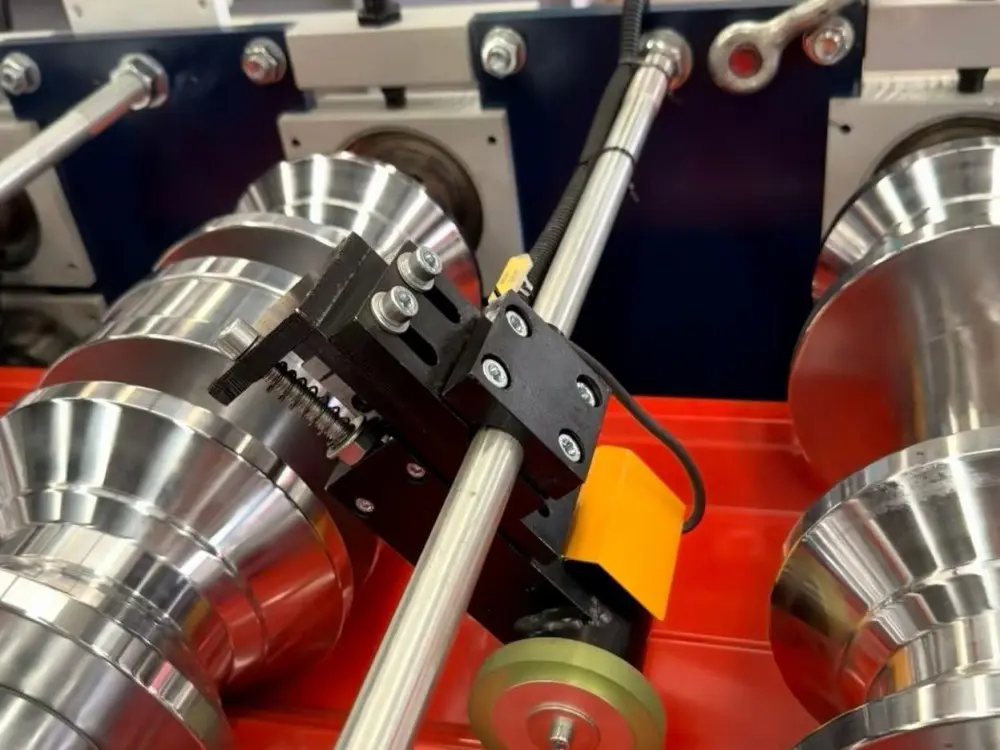
In modern industrial sheet metal fabrication, accuracy in profiling and shearing determines the overall structural integrity of the roof installation. The metal roofing panel cutter is not merely an auxiliary component at the end of a roll forming line; it is a highly integrated mechanical unit responsible for profile conformance, tolerance stabilization, and edge quality. Without high-tolerance cutting systems, panels suffer from profile distortion (flare), edge burrs, and coating delamination—leading to rust formation and structural compromises in building envelopes.
Industrial panel cutters must process varied metal substrates, including pre-painted galvanized steel (PPGI), pre-painted galvalume (PPGL), aluminum, and copper. Operating speeds often exceed 20 to 30 meters per minute in commercial production facilities, requiring cutting mechanisms to operate at speed without interrupting continuous line workflows. In response, modern factories leverage advanced cutting options configured to minimize scrap material and preserve the geometry of the profile.
Pre-cutting: Sheet metal is sheared prior to entering the forming rollers. This simplifies blade geometry but introduces panel end-flare issues on complex profiles.
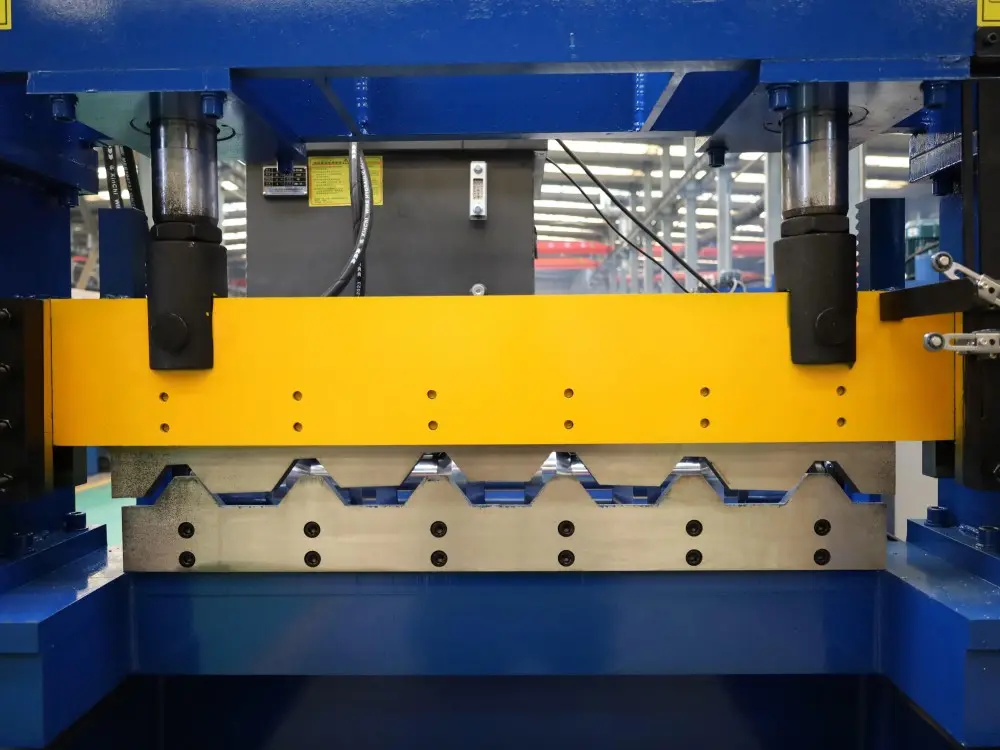
Post-cutting: Profile is sheared after forming. The blade is CNC-machined to match the exact profile cross-section, ensuring zero deformation and perfect panel alignment, although requiring dedicated die profiles.
2. Metallurgy & Blade Design: Maximizing Tooling Lifespan
To reduce downtime and tooling replacement costs, high-caliber custom factories rely on heavy-duty tool steel alloys for cutting dies. Blades manufactured from inferior carbon steel degrade quickly under high yield-strength coils (e.g., G550 high-tensile steel, which is increasingly prevalent in metal roofing). XC designs and manufactures cutters using structural grades of heat-treated steel to prolong component lifetimes:
- Cr12MoV / D2 Steel: Known for extreme wear resistance and shape preservation under pressure. Recommended for high-volume factories processing structural and standing seam profiles.
- H13 Tool Steel: Applied in conditions with thermal variance or when processing thicker hot-rolled or structural gauge framing sheets.
- HRC 60-62 Hardness: The industry benchmark achieved by vacuum heat treatment and precision grinding of the cutting edge to reduce burrs and prevent edge warping.
| Substrate Type | Yield Strength (MPa) | Standard Thickness (mm) | Recommended Cutting Die Material | Expected Blade Life (Cycles) |
|---|---|---|---|---|
| PPGI / PPGL | 240 - 350 | 0.3 - 0.8 | Cr12 / D2 | 2,000,000+ |
| High-Tensile Steel (G550) | 550 | 0.42 - 0.55 | Cr12MoV (Vacuum Heat Treated) | 1,500,000+ |
| Aluminum Alloy (3000/5000 Series) | 120 - 280 | 0.5 - 1.2 | D2 (Special Polish Coating) | 3,000,000+ |
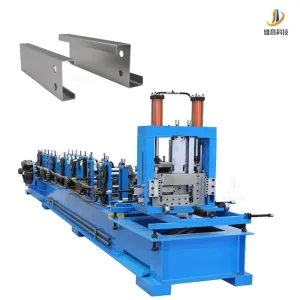
| Structural Steel (C/Z Purlins) | 350 - 450 | 1.5 - 3.0 | H13 or D2 (Heavy-Duty Die) | 1,000,000+ |
3. Global Commercial & Industrial Status
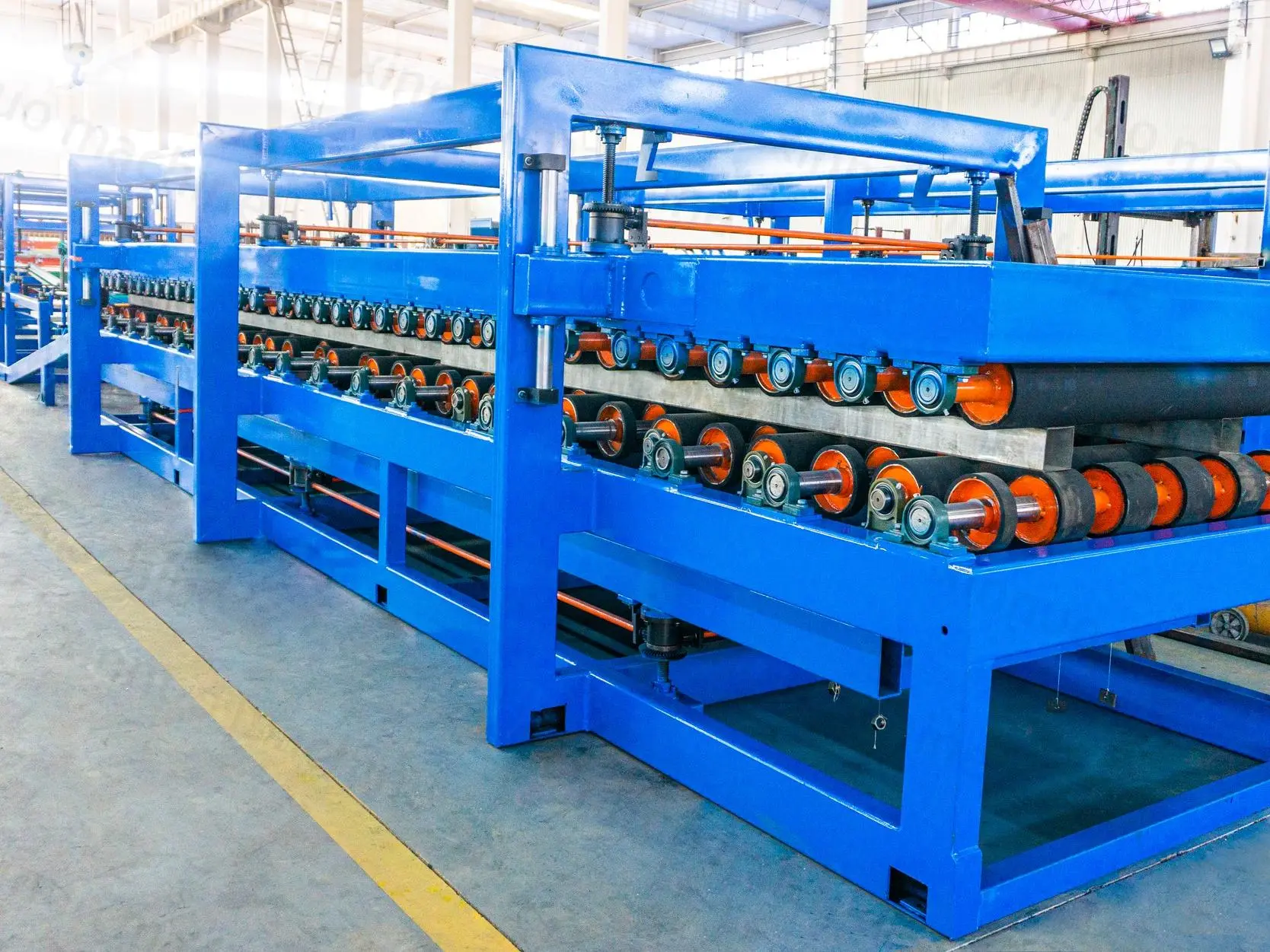
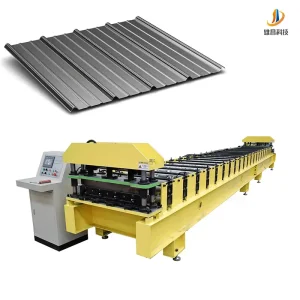
The demand for custom metal roofing panel cutters is directly tied to the growth of global infrastructure, large-scale commercial warehousing, cold chain storage facilities, and agricultural projects. High-efficiency building panel manufacturing setups are migrating toward complete automation, integrating decoilers, high-precision leveling systems, multi-station roll formers, and high-speed flying shear cutters.
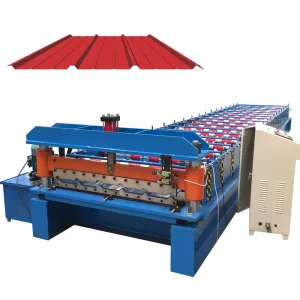
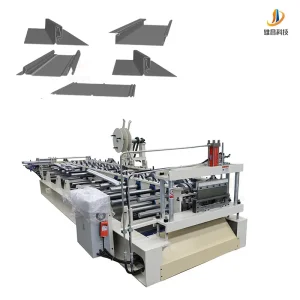
In developed markets like North America and Europe, standing seam profiles (both snap-lock and mechanical lock) are preferred due to strict wind-uplift regulations and aesthetic requirements. This necessitates cutter configurations that cleanly shear dynamic locking profiles without flattening the seam. Conversely, in developing regions such as Southeast Asia, Africa, and Latin America, high-capacity IBR and corrugated panel profiles dominate commercial construction, calling for robust, high-volume hydraulic post-cutters that offer continuous uptime with minimal technical overhead.