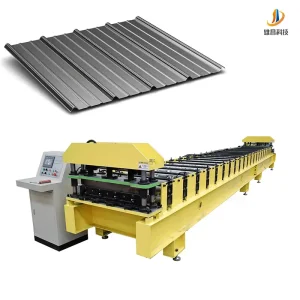
Explore our premium machinery solutions for structural envelopes, light-gauge framing, and specialized roll forming profiles.
An Industry Whitepaper on Market Drivers, Architectural Requirements, and Material Specifications
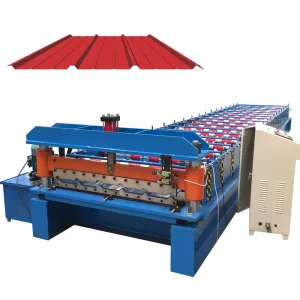
The global construction sector is undergoing a structural transition toward sustainable, highly durable, and rapid-assembly envelopes. Among the metal panel profiles dominating this transition, the Max Rib profile (commonly categorized alongside AG panels and Tuff Rib configurations) stands as the gold standard for agricultural, light commercial, and residential roofing and siding applications.
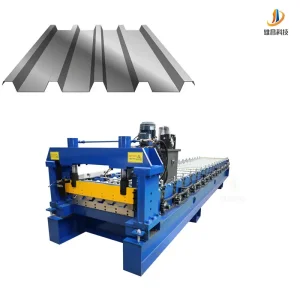
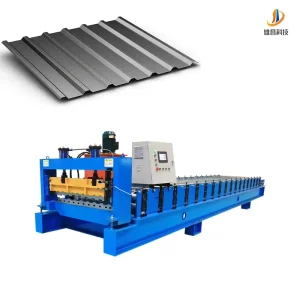
Equipped with a primary rib height of 3/4 inches and a standard 9-inch center-to-center spacing, the Max Rib panel provides an exceptional strength-to-weight ratio. As a leading manufacturer of cold roll forming equipment, XC (Xiongchang) custom-builds high-speed, automated lines that convert light-gauge steel substrates (ranging from 26 to 29 gauge) into consistent, high-tolerance cladding profiles designed to withstand extreme wind-load ratings and structural stress.
Explore Technical Specs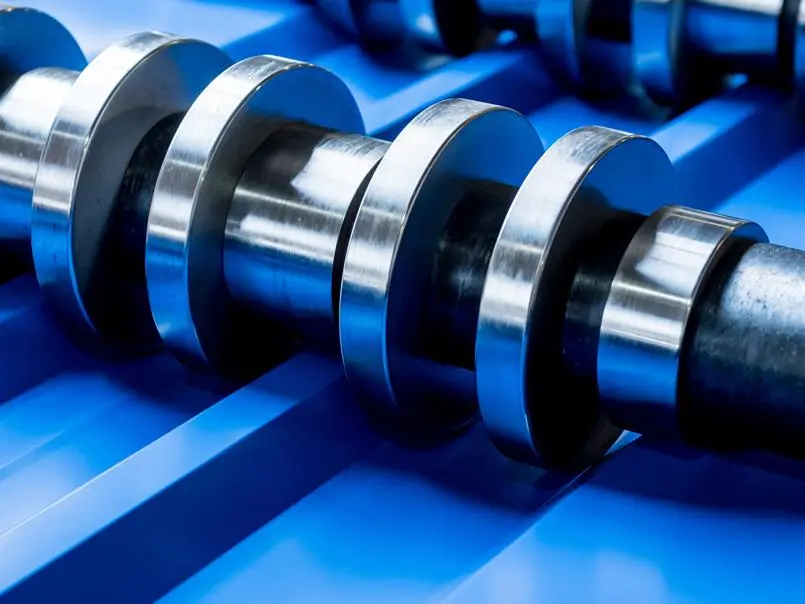
Processing complex pre-painted Galvalume (AZ50/AZ55) and high-tensile G90 galvanized substrates without micro-cracking the structural coating layer.
Integrated anti-capillary groove tooling configured dynamically to prevent moisture backup in overlapping laps under extreme dynamic storm loads.
High-stroke hydraulic post-cut shear operations with minimal profile deformation, controlled through specialized micro-adjusting PLC algorithms.
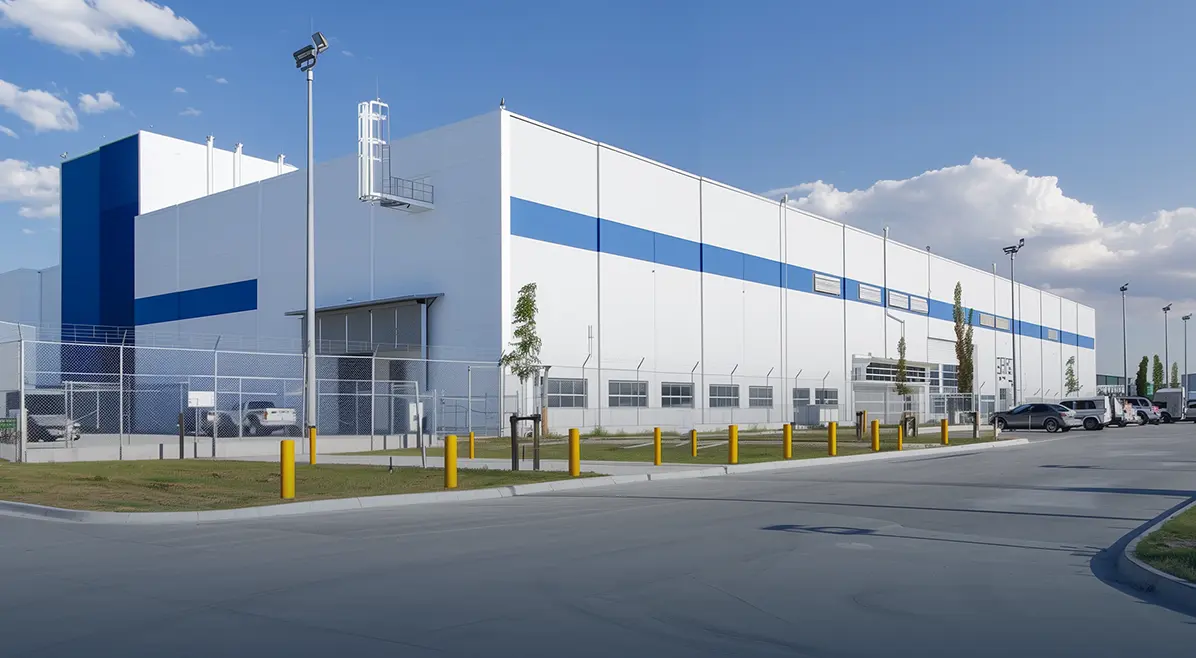
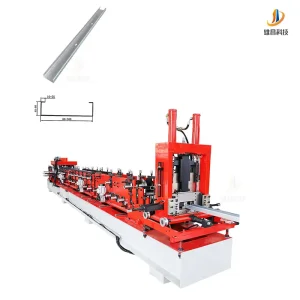
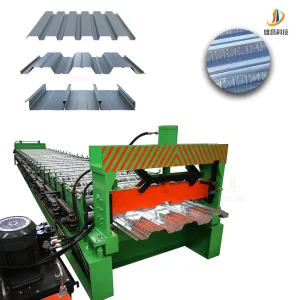
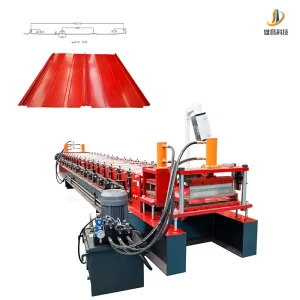
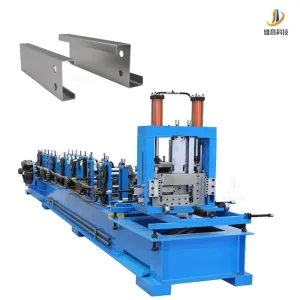
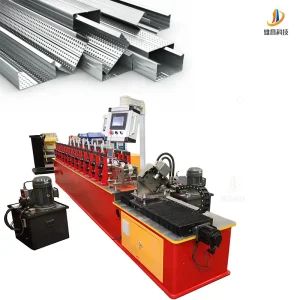
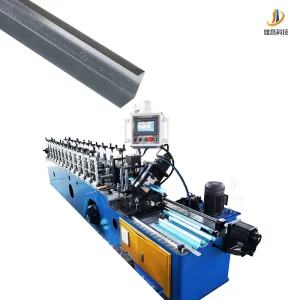
As an established expert in the cold metal forming industry, XC (Xiongchang) delivers high-efficiency, end-to-end industrial solutions. Our comprehensive design portfolio encompasses heavy-duty production machinery for modern metal roofing systems, structural decking elements, door framing components, and primary cold-rolled C/Z structural members.
From the initial mechanical analysis of target profiles to final operational commissioning, XC provides specialized auxiliary systems, advanced decoders, levelers, and exit stackers. Our engineering process guarantees consistency in structural geometry, eliminating critical quality anomalies such as oil canning, camber, and surface marring.
View Comprehensive ProfileHow XC Xiongchang configures next-generation automated production systems for precision roll forming
Proprietary engineering team optimizing mechanical interfaces from automated high-weight decoilers (up to 10 tons) to electronic loop-control feedback units.
Our engineers perform finite element modeling (FEM) to analyze stress distribution across metal profiles, maintaining dimensional consistency during continuous runs.
Tooling fabricated using hard-chrome plated Cr12MoV vacuum heat-treated tool steel. This guarantees long lifespan under high-yield dynamic pressure.
Forming Grade 80 steel requires strategic calculation of spring-back angles. A generic roll former setup can lead to structural defects like twist, flare, and out-of-square profiles. XC's custom Max Rib panel machine accounts for these variances with micro-adjustable over-forming stations, ensuring proper rib geometry across different steel coil batches.
XC designs and manufactures high-performance production lines that cover structural envelopes, framing, and architectural elements:
Our machines are built to withstand high demands, utilizing rigid cast iron stands, heavy-duty gearboxes, and heat-treated alloy steel shafts to ensure low maintenance requirements.
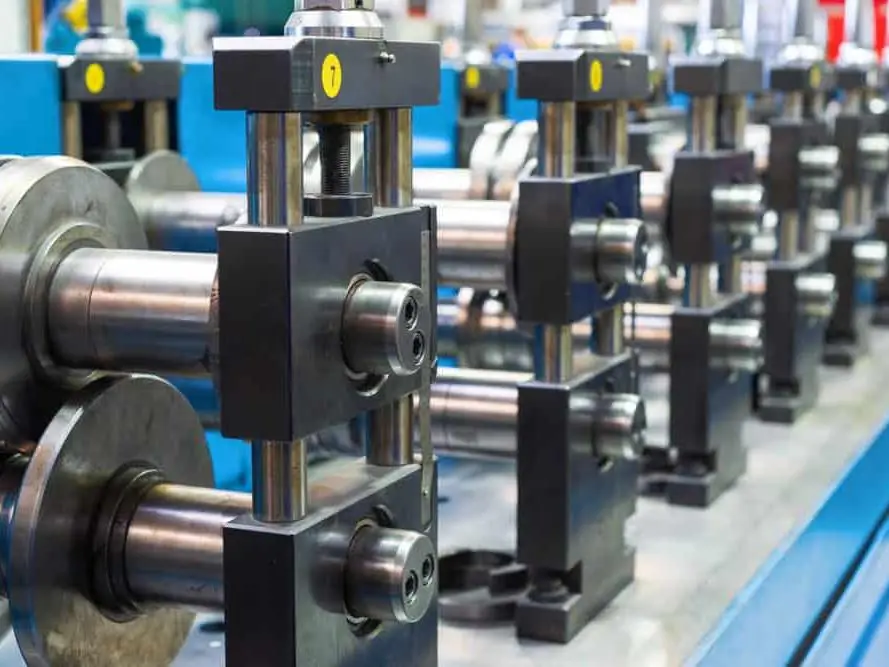
Quality at XC goes beyond standard visual inspection. We run a comprehensive testing protocol to ensure that every machine leaving our facility meets strict manufacturing tolerances:
Our quality assurance workflow incorporates high-precision micrometers, non-destructive hardness testing, and laser alignment tools. We verify shaft concentricity, roll stand alignment, and electronic tracking speed under simulated heavy loads. This ensures our machines run reliably upon installation, reducing setup times at the customer's site.
Request QA Protocols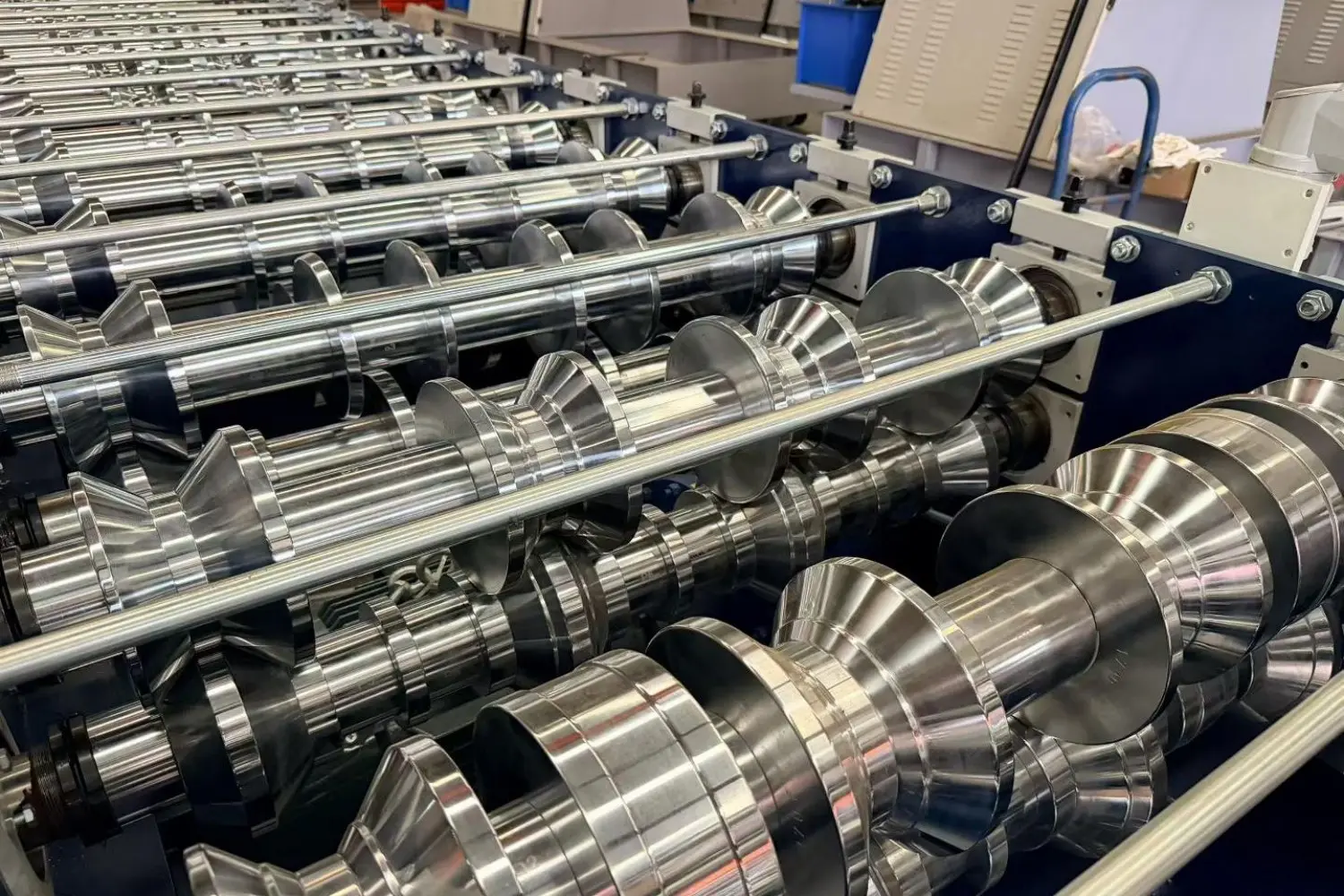
Adapting Max Rib and structural steel profiles to meet regional standards and architectural requirements
Customized 29-gauge panels designed for post-frame agricultural structures and suburban outbuildings, meeting strict ASTM structural ratings.
High-tensile, corrosion-resistant configurations optimized for seaside warehouses and tropical storage structures with demanding wind ratings.
Optimized solar bracket-compatible profiles tailored for commercial roof layouts in urban areas, supporting industrial solar installations.
Developing next-generation smart control systems and sustainable metal forming technology
Integrating cloud-linked PLC diagnostics to monitor motor temperatures, shaft vibration, and hydraulic system health, enabling predictive maintenance schedules.
Developing modular cassette-type tooling systems that reduce profile changeover times from hours to minutes, maximizing machine utilization.
Optimizing automated sorting and nesting algorithms to reduce scrap rate in post-cut systems, improving overall raw material yield.
Utilizing high-efficiency servo-hydraulic systems to reduce power consumption by up to 35% compared to traditional constant-speed pump systems.
Answers to common structural engineering, machine maintenance, and roll forming questions
We prevent oil canning by using precise roll pass flower designs that gradually shape the metal profile, minimizing internal stress. We also integrate specialized rib rollers in the flat sections to increase stiffness and keep the panel flat.
Our rollers are fabricated from premium Cr12MoV tool steel, vacuum heat-treated to HRC58-62, and finished with a hard chrome plating. Under standard operating conditions with clean, lubricated coils, the tooling typically forms over 1.5 million linear meters before requiring maintenance.
Yes, our Max Rib machines are configured with adjustable forming gaps. Operators can easily modify the clearance between the upper and lower shafts using manual micrometers or an automated PLC adjustment system to handle different material thicknesses.
A post-cut shear system cuts the metal profile after it has been fully formed. This prevents distortion at the ends of the panel, especially on complex profile shapes like the Max Rib, ensuring clean, straight cuts for easy installation.
Explore our range of industrial systems designed for high-precision manufacturing, metal framing, and roof panels.
 Xiongchang