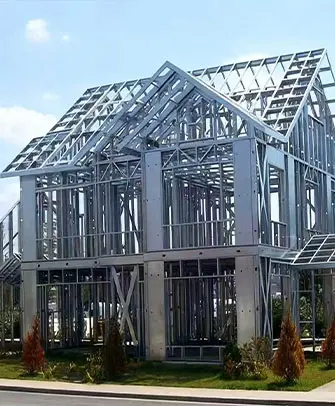
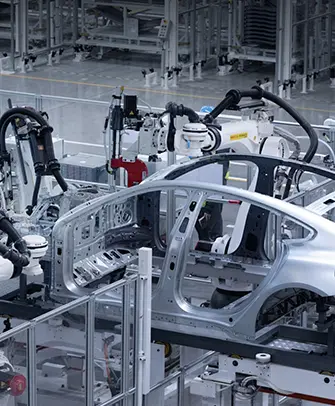
Precision-engineered machinery designed for rapid light gauge steel framing, structural deck profiling, and high-performance architectural panel production.
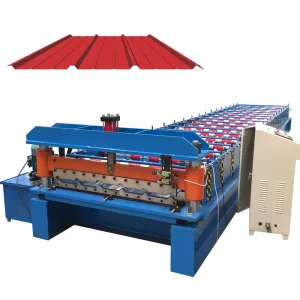
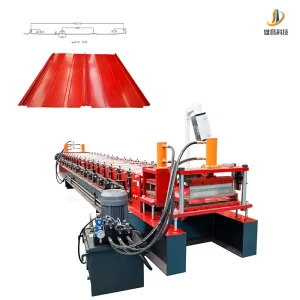
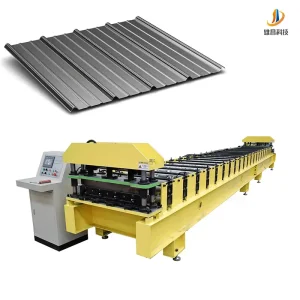
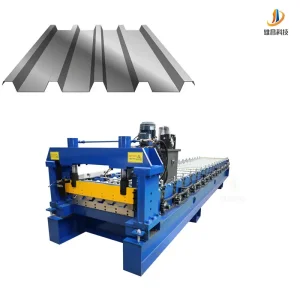
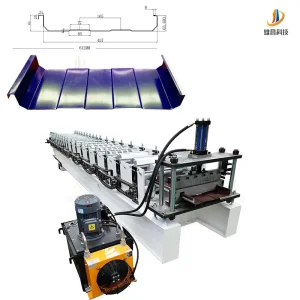
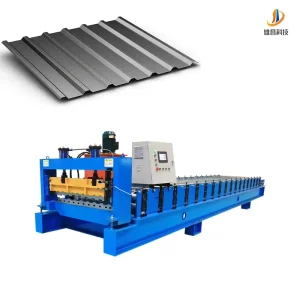
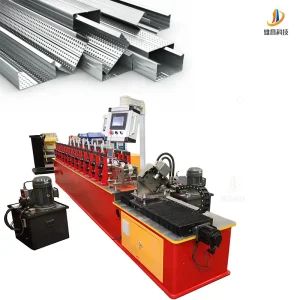
XC (Xiongchang) delivers high-end, customized engineering solutions to structural fabricators, steel contractors, and OEMs worldwide.
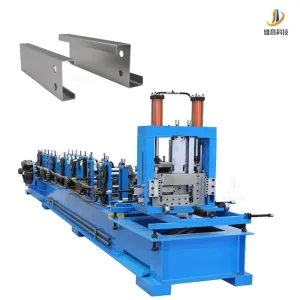
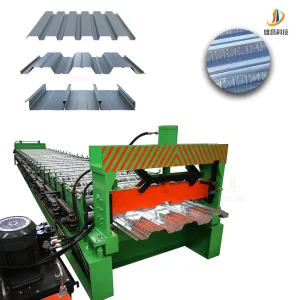
As an established expert in the cold roll forming field, XC (Xiongchang) provides fully integrated engineering systems. Our comprehensive portfolio encompasses core production machines for roofing profiles, composite floor decking, industrial door frames, and heavy-duty structural components, alongside advanced auxiliary line machinery essential for highly automated and productive operations.
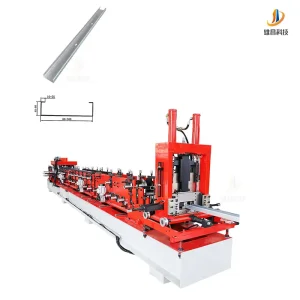
Over the last 20 years, our team has pioneered the modernization of Light Gauge Steel (LGS) systems, delivering custom CNC stud & track roll formers that enable seamless integration with top framing design software platforms. Our systems are engineered to handle high tensile strength material (such as G550 galvanised coil) to close tolerances, ensuring perfect alignment on the building site.
Why leading EPC contractors and steel framing manufacturers choose XC for custom manufacturing deployments.
Our engineering team leverages COPRA roll form software and advanced stress FEA to model cold forming stages, ensuring absolute roll pass perfection and zero raw material wrinkling or cracking.
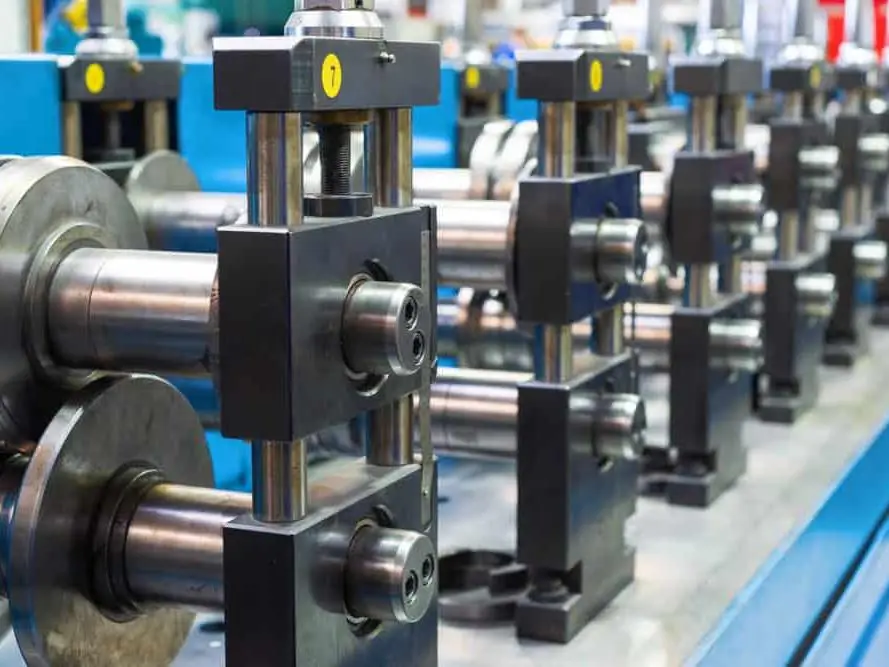
Equipped with heavy-duty gantry CNC milling, boring machines, and wire cutting equipment to control the dimensional tolerance of every roll station within ±0.02mm.
From raw material ultrasonic testing to multi-hour product test runs under full speed, we guarantee structural stability, system durability, and zero-defect framing outputs.
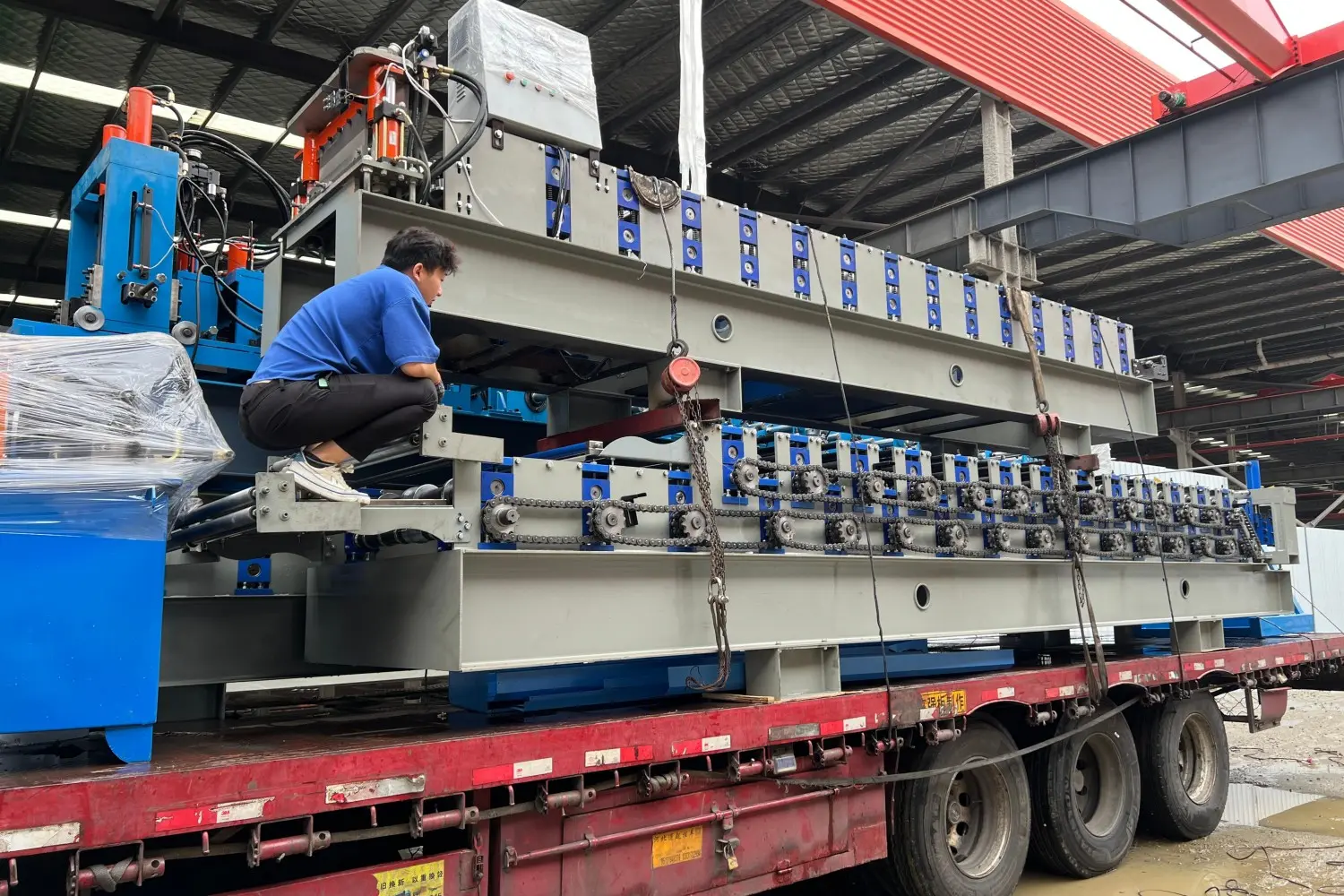
XC is dedicated to providing integrated, automated systems across our manufacturing lines, ensuring standard compliance, maximum output efficiency, and system longevity.
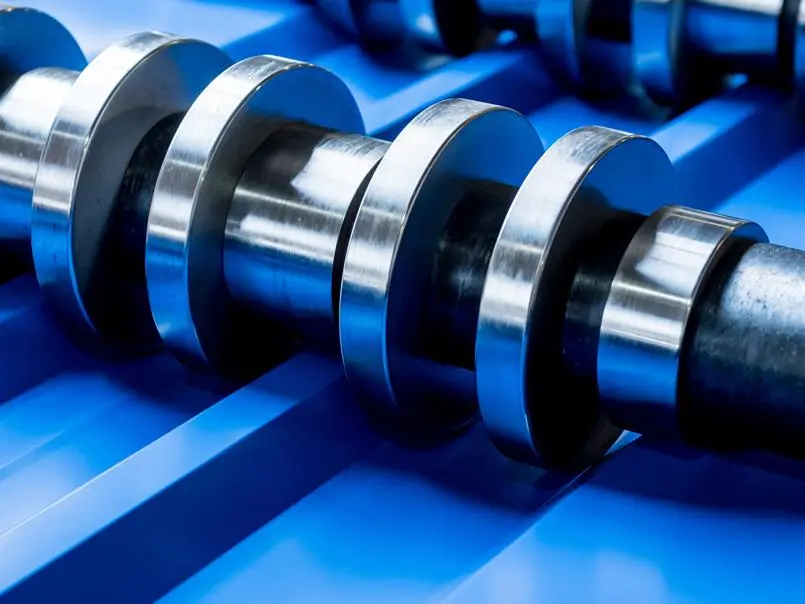
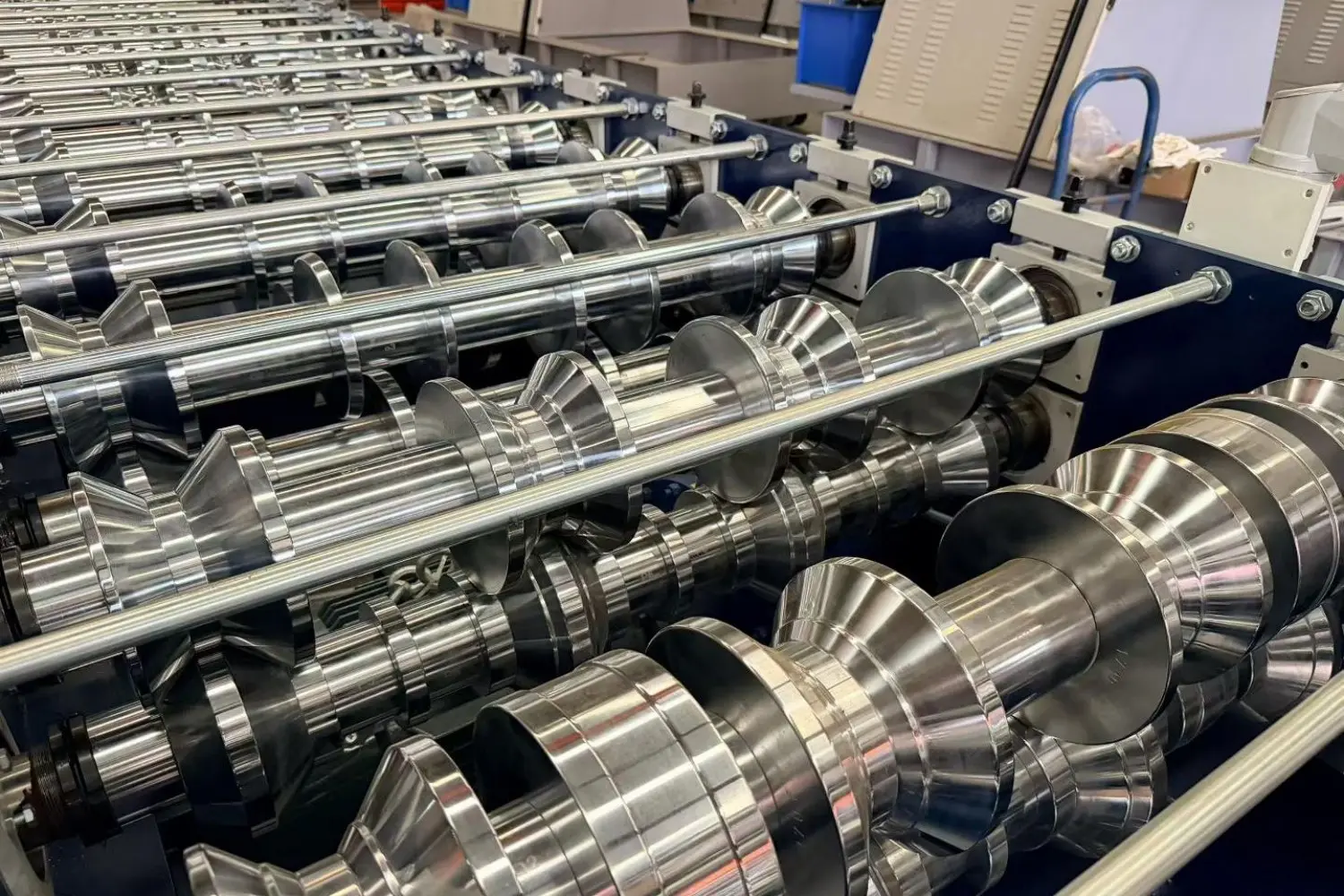
Our heavy manufacturing floor features precise turning, grinding, and heat treatment facilities. Specifically, rollers are manufactured from premium Cr12MoV tool steel, undergoing vacuum heat treatment to achieve HRC 58-62 hardness levels. The hard chrome finish applied post-grinding prevents marking on painted and galvanized steels, maintaining product aesthetics and coating integrity.
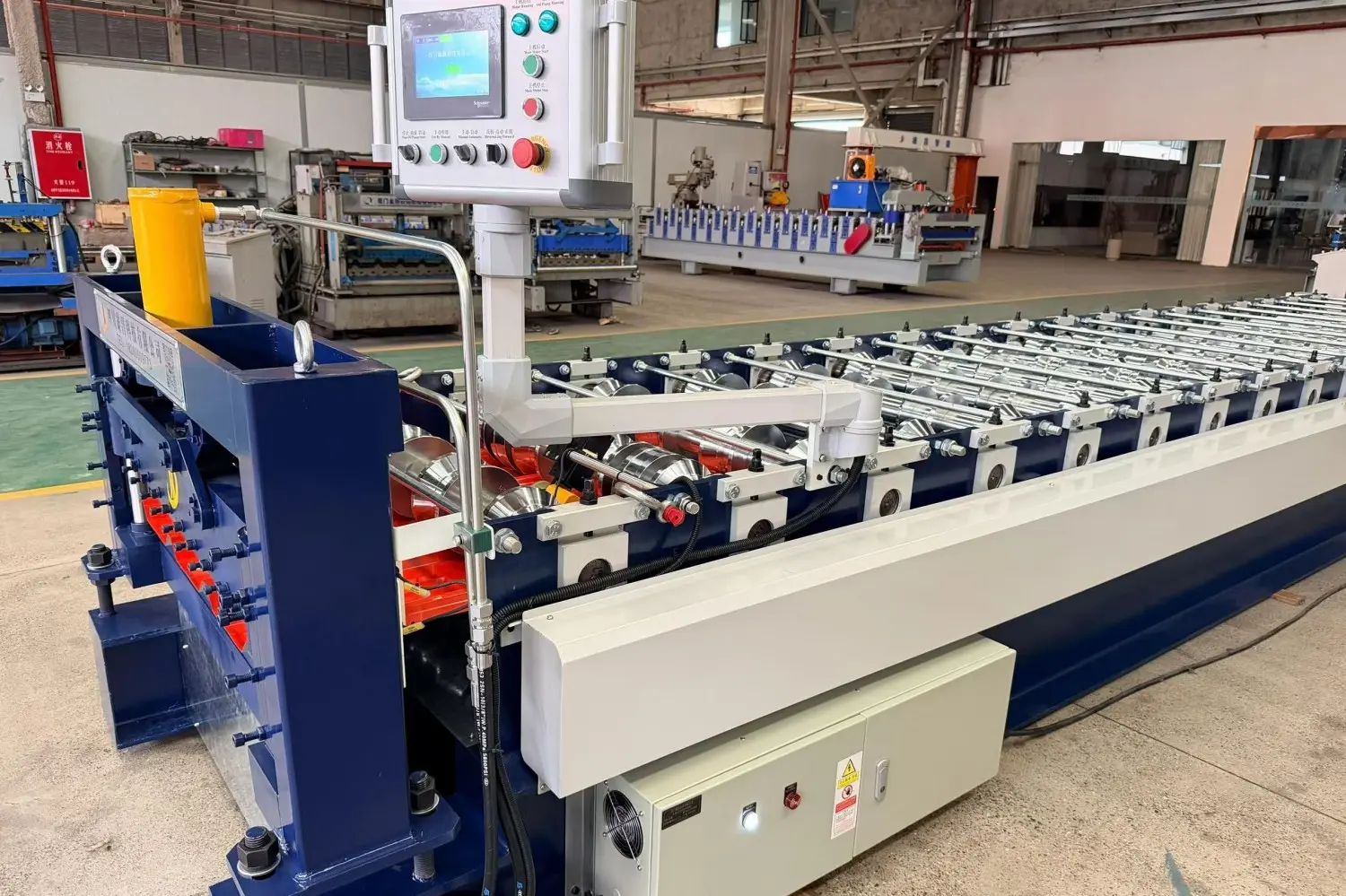
The integrated PLC and electrical systems utilize premium components (such as Siemens, Schneider, and Mitsubishi) to handle complicated punch-and-cut sequences, enabling real-time speed adjustments, length calculations, and diagnostic outputs.
An extensive range of high-performance cold roll forming systems configured for global infrastructure and building demands.
Understanding the technological leap, sourcing advantages, and localized compliance strategies in contemporary steel forming.
In the global market, LGS (Light Gauge Steel) machinery from China has evolved from budget options into highly complex, software-integrated forming centers. Sourcing from top-tier Chinese manufacturers like XC offers extensive cost-to-performance ratio advantages. By combining localized steel component supply chains, extensive metallurgical research, and massive engineering talent pools, XC manufactures machines that easily rival European and North American alternatives at a fraction of the cost.
Moreover, Chinese LGS machine builders integrate robust mechanical parts with modern control interfaces. These machines are built to endure intensive multi-shift production schedules, utilizing cast-iron stands, double-keyway shafts, and high-frequency induction hardened profiles to resist wear and tear over decades.
Modern steel construction relies heavily on Building Information Modeling (BIM). Modern LGS Stud and Track machines do not run in isolation; they are connected directly to structural design outputs. XC's custom light gauge steel roll forming machinery imports DSTV or CSV design data straight from architectural design software programs like Vertex BD or Framecad. This direct connection automates web-hole punching, dimpling, service-hole insertion, shear notches, and screw hole preparation. It reduces engineering prep time to zero, ensuring on-site components snap together without alignment issues.
Additionally, sustainability and green building initiatives are shifting developer demands toward prefabricated steel frames. Prefabrication guarantees zero waste, reduces construction timeframes by 50%, and provides seismically sound engineering characteristics for high-density metropolitan zones.
When deploying custom LGS roll forming machines, meeting regional structural rules is vital. Whether producing studs for the North American market (conforming to AISI S100/ASTM standards), structural C/Z purlins for European developments (conforming to Eurocode 3), or high-tensile framing profiles for the Australian market (conforming to AS/NZS 4600), XC tailors roll design configurations to match material behavior. We also customize punch toolings to support exact imperial or metric fastener patterns required by regional construction codes.
Industrial cold forming demands uniform metal grain structure deformation. Any variance in roll design will result in twist, camber, or bow along the extruded steel section. To prevent this, XC implements a multi-step quality validation protocol:
This rigorous engineering process guarantees that every machine exported meets global standards, running seamlessly from day one.
Buying cold roll forming lines is a long-term capital investment. At XC, we offer comprehensive lifecycle support services that go far beyond initial machinery delivery:
Our dedicated engineering support team stands ready to solve production challenges, supply rapid tooling components, and upgrade system controls to keep your facility productive.
With 20+ years of manufacturing experience, XC provides high performance cold forming systems built for long-term production reliability.
Two decades of specialization in structural and envelope roll forming ensures our designs solve metal springback and flow issues before the machine is manufactured.
We use heavy plate framing, solid steel rollers, hard chrome coatings, and high-frequency induction hardening to ensure our lines operate continuously under heavy shop environments.
From initial structural evaluation and profile optimization to direct installation, we support our clients at every step to optimize throughput and ROI.
Our cold roll forming lines serve a diverse global customer base across several manufacturing and construction sectors.
Frequently asked engineering questions, procurement considerations, and technical answers concerning industrial cold roll form systems.
Our Light Gauge Steel (LGS) framing systems are engineered to form galvanized structural coils with a yield strength ranging from G300 up to G550 (tensile strength up to 550 MPa). This makes them perfect for forming structural studs, tracks, and ceiling battens. When handling high-tensile G550 steel, the spacing and number of forming stations are adjusted to prevent edge waviness and structural micro-cracking during cold profiling.
XC roll formers incorporate a high-speed PLC control system (typically Siemens S7-1200 or Mitsubishi PLC) coupled with linear encoders and servo drives. For web width adjustments (for instance, changing from a 75mm stud to a 150mm stud), the system uses motorized linear actuators. The operator enters the desired dimension into the touch panel, and the machine automatically adjusts the roller positions in under one minute, ensuring rapid production transitions.
To offset metal springback, our engineering department performs thorough FEA (Finite Element Analysis) simulations during the design phase. Rollers are designed with compensation steps that over-bend profiles by calculated angles. The final calibration stations then compress the sections to achieve consistent shape and dimensions. The exact shape is verified using a physical dial gauge and custom trial templates.
We use Cr12 (equivalent to D2) or Cr12MoV tool steel for all structural rollers and critical punch dies. The rollers undergo CNC machining, vacuum quenching, tempering, precision grinding, and hard chrome plating. The resulting hardness is HRC 58-62, which provides high abrasion resistance, prevents scratches on galvanized layers, and extends roller lifespan.
Yes, our automated LGS lines can be equipped with control interfaces that read XML, CSV, or TXT file outputs generated by architectural structural design systems like Vertex BD, Scottsdale, or Framecad. This configuration automatically runs the tooling head to punch dimples, screw holes, notches, and cut lines at the exact positions specified by the structural CAD layout.
Our high-speed CZ interchangeable lines run at speeds of 25 to 30 meters per minute, including multi-hole punching and cutting operations. Without punching, the structural profiling line can reach speeds up to 45 meters per minute, utilizing flying-shear systems powered by servo hydraulics.
Every machine undergoes a strict validation protocol before packing. We run structural profiles using customer-supplied coils to check width tolerances, rib positioning, and cut accuracy. The trial runs are filmed, and product samples are measured using dial calipers. Customers can also choose to perform a pre-shipment inspection at our factory via live video stream or independent third-party inspectors.
We provide comprehensive installation manuals, electrical wiring diagrams, and high-definition video guides. For on-site commissioning, our engineering team can travel to your facility to assemble the lines, run calibration diagnostics, integrate de-coilers, and train your staff. We also offer 24/7 online technical support to assist with troubleshooting, PLC software updates, and profile change inquiries.
Explore our full line of industrial roll formers, including standing seam systems, interchangeable purlin formers, and high-performance metal decking lines.
 Xiongchang