A comprehensive lineup of precision roll formers engineered to fabricate structural cladding, framing, and roof panels for industrial, commercial, and residential operations.
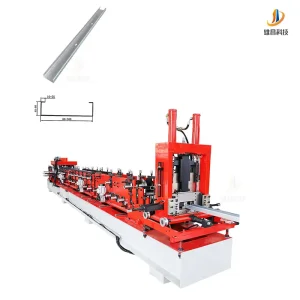
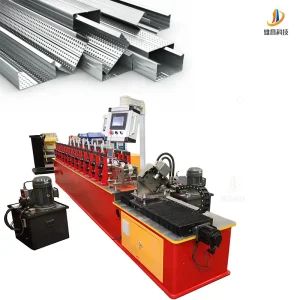
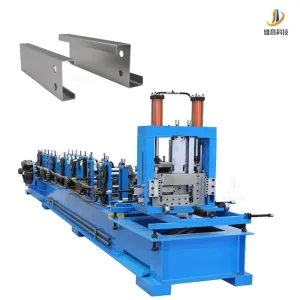
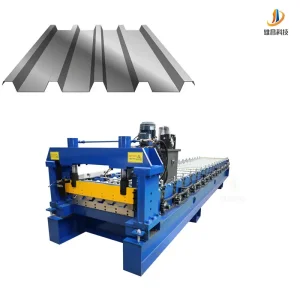
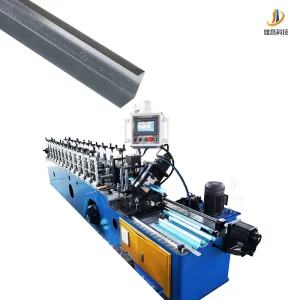
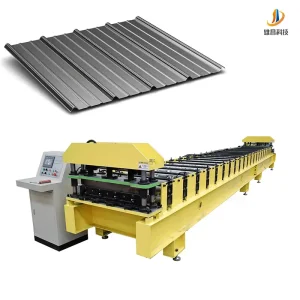
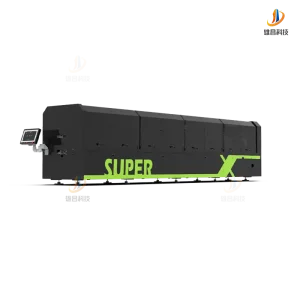
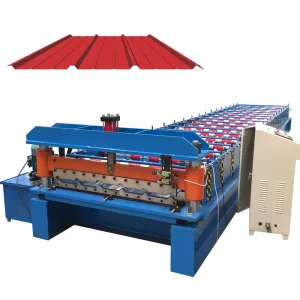
As an established expert in the field, XC (Xiongchang) provides integrated roll forming solutions. Our portfolio encompasses core production machines for roofing, flooring, doors, and structural components, as well as the complete auxiliary line equipment essential for efficient operation.
Over the span of two decades, our engineering team has integrated robust mechanical principles with micro-electronics, ensuring high-speed processing, absolute precision, and minimal material waste in cold rolling processes. We deliver complete automated solutions tailored to custom industrial drawing designs.
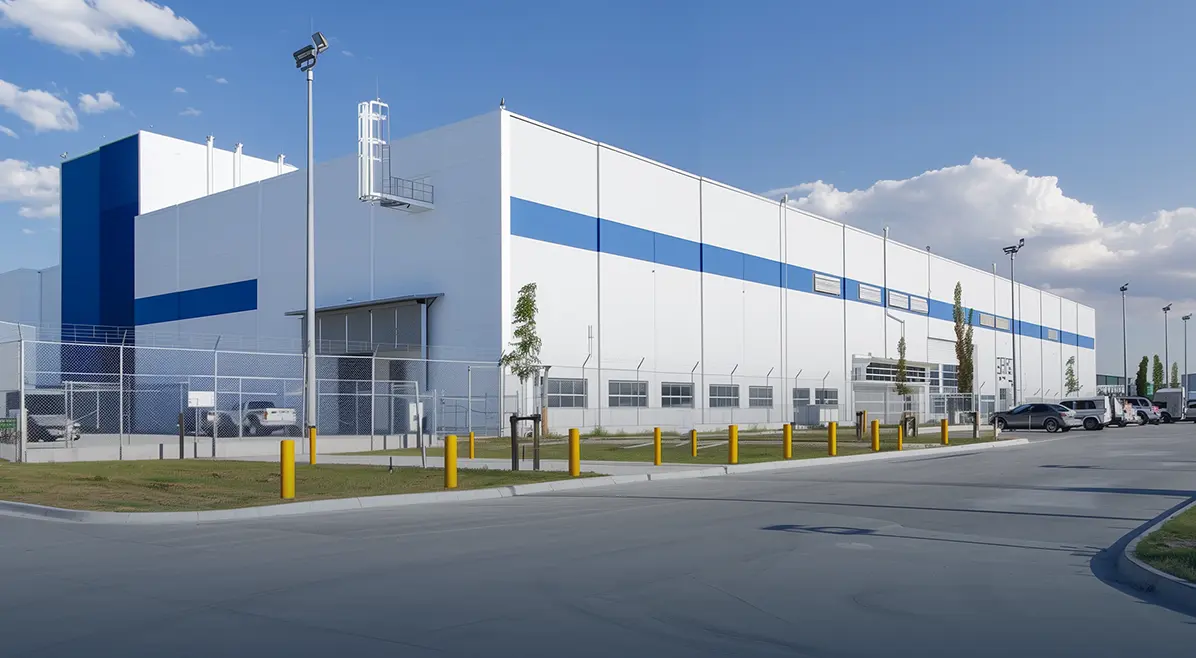
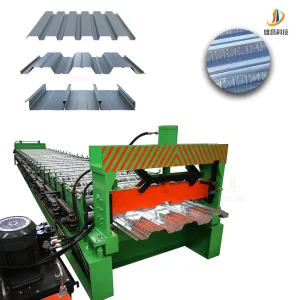
Inverted Box Rib (IBR) profiles represent a milestone in structural cladding design, offering excellent strength-to-weight ratios and enhanced water run-off metrics.
Standard IBR profiles locate the narrow ribs at the top (facing outward) and broad pans at the bottom. The Inverted Box Rib (IBR) shifts the wider pan elements outward and tucks the structural ribs underneath. This geometry drastically increases the structural load-bearing capacity when used as decking, as the wider compression zones resist bending moments under concrete and dead loads.
From a manufacturing standpoint, rolling an inverted profile requires specialized tooling sequences to ensure uniform tension across the sheet width. Conventional roll formers often introduce profile twist or edge wave because the flow of metal is uneven. XC Group resolves this through custom COPRA software profile simulations, configuring each forming stage to balance the drawing of material from the outer edges and the inner center simultaneously.
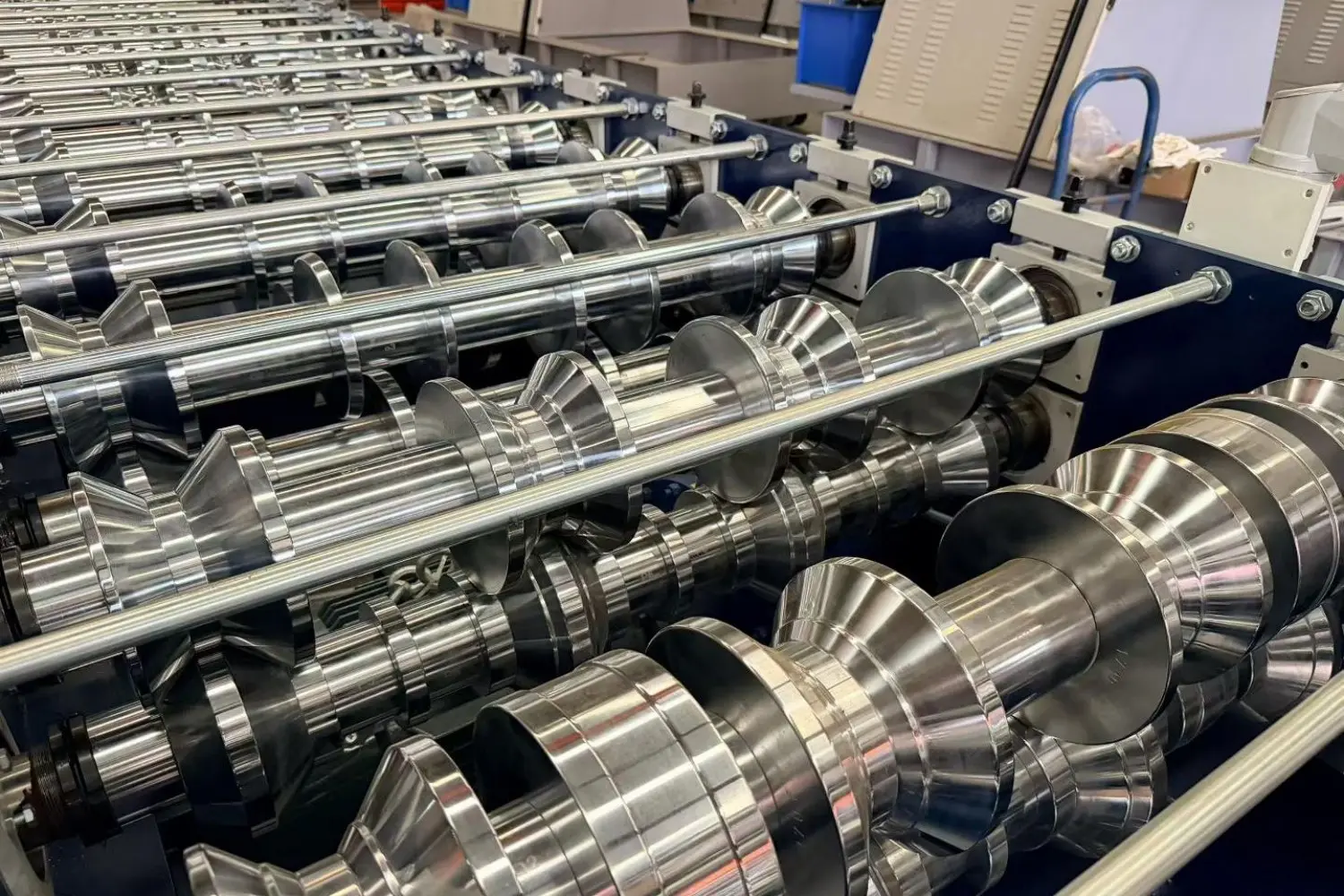
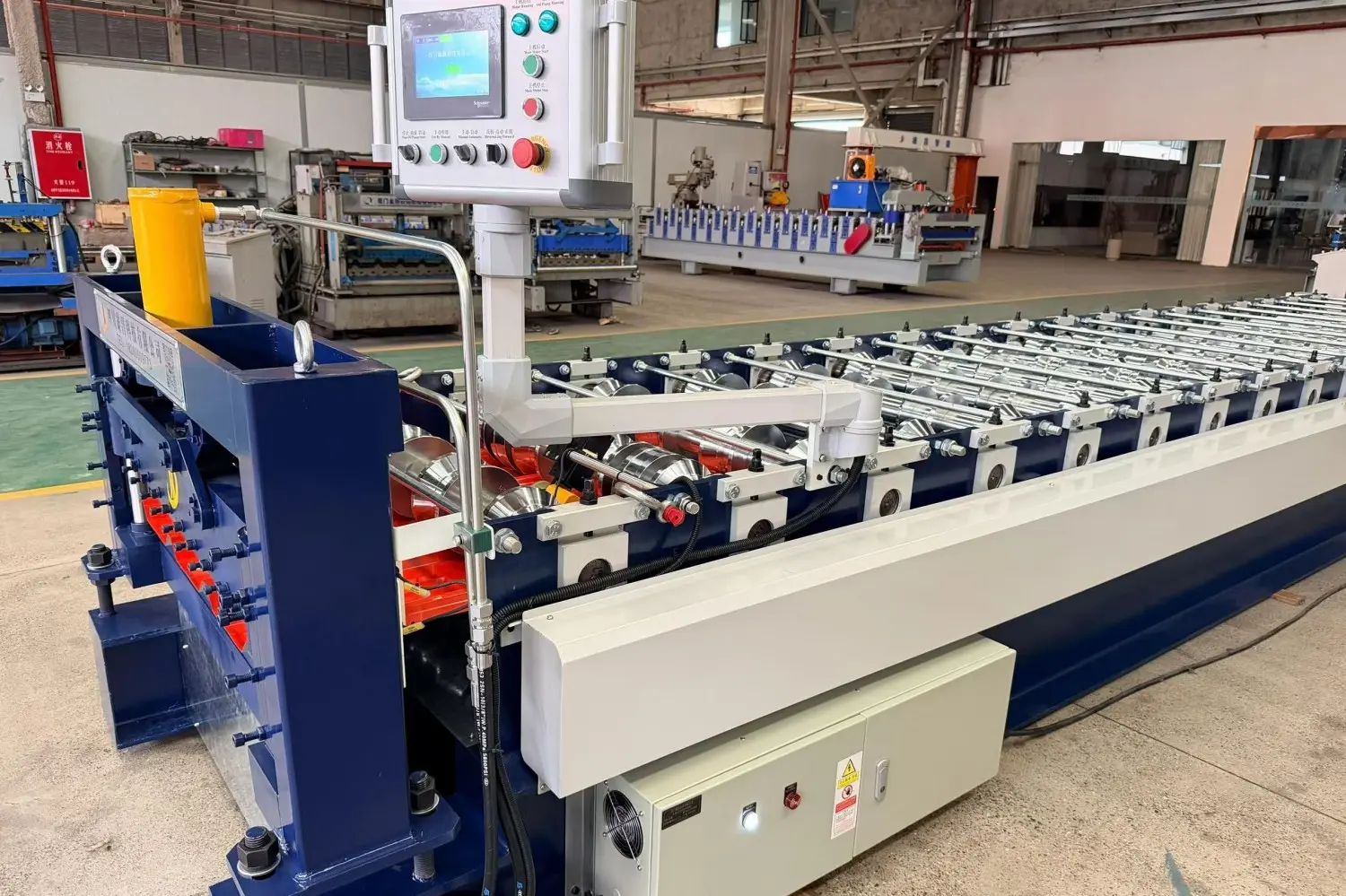
Our heavy-duty mill stands utilize precision solid steel shafts, hard-chromed rollers (hardness ratings above HRC 58-62), and cast-iron/steel plate portals to deliver zero-deflection forming even when handling high-strength G550 structural steels.
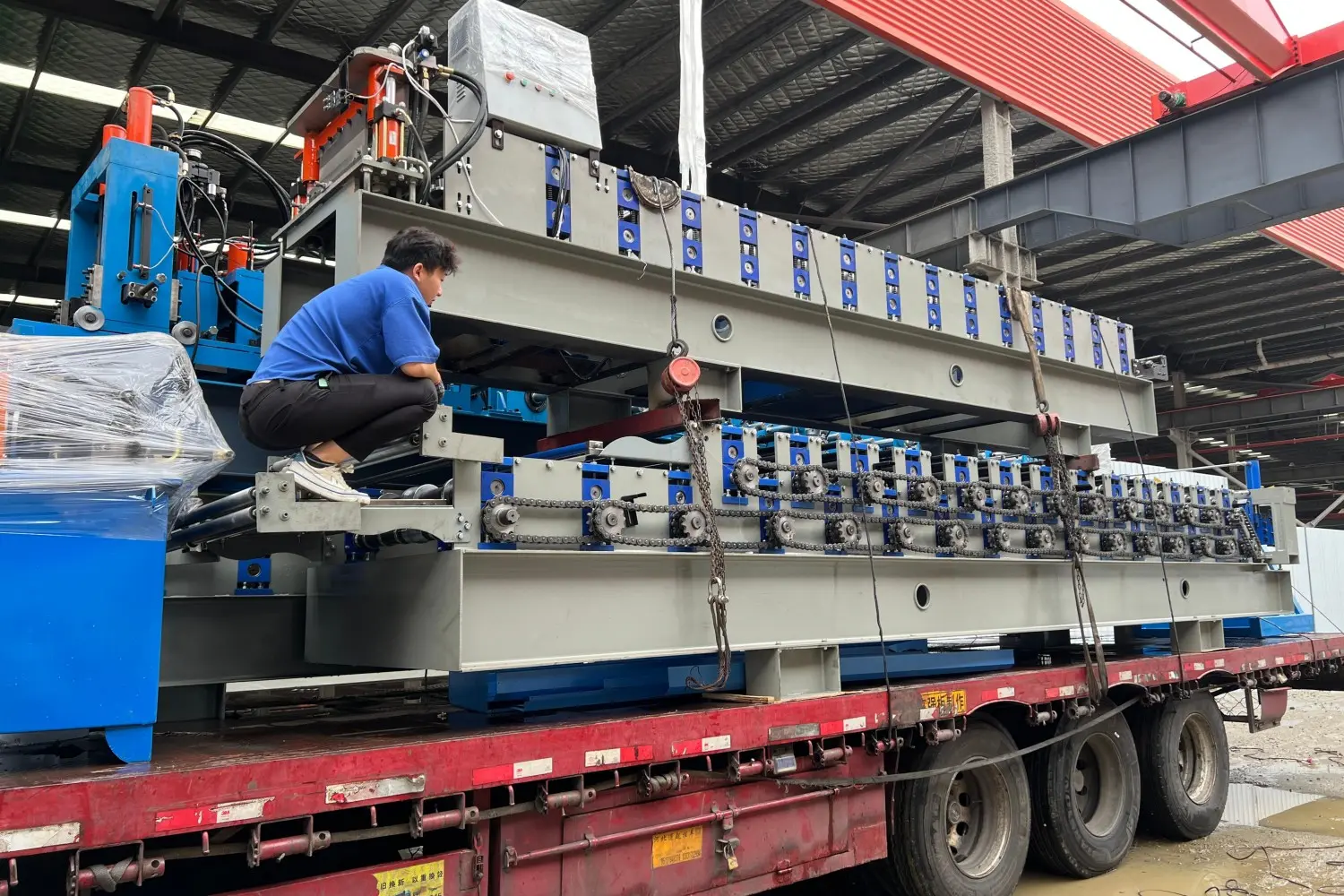
Engineered with 18 to 26 forming stations depending on raw thickness (0.3mm–0.8mm) and yield strengths (G250 to G550), achieving optimal metal flow without micro-cracking paint coatings.
Employs non-deforming profile shear blades driven by heavy-duty hydraulic power packs. Cutting occurs dynamically after final forming, maintaining ±1.0mm length tolerance across a 6m panel.
PLC Control Panel (Siemens/Mitsubishi) allows easy batch programming. Operates in manual, semi-auto, or fully-auto modes with remote telemetry link options.
XC Group designs roll forming machinery that operates within high industrial tolerance thresholds. Review the technical baseline configurations below.
| Parameter / Component | Standard Specification Range | Advanced / Custom Upgrade Option |
|---|---|---|
| Raw Material Types | Prepainted Steel (PPGI/PPGL), Galvanized Steel, Aluzinc Coils | Stainless Steel (SS304/430), High-Tensile Aluminium Coils |
| Material Thickness | 0.30 mm — 0.80 mm (standard building applications) | Heavy-duty structural configurations up to 1.2 mm |
| Yield Strength Limits | 235 MPa — 345 MPa | High-Tensile grades up to G550 (550 MPa) |
| Forming Speed | 12 — 15 meters per minute (stop-to-cut style) | High-speed flying shear lines up to 25 - 30 m/min |
| Roller Station Count | 16 — 22 Stations (based on specific profile drawing) | Up to 28 Stations with specialized calibration tooling |
| Roller Shaft Diameters | Ø 70 mm — Ø 80 mm (solid 45# steel) | Ø 90 mm — Ø 100 mm (cracked-tested, ground alloy steel) |
| Cutting Tolerance | ± 1.5 mm per 6-meter length run | High-precision servo-driven loops achieving ± 0.5 mm |
| Drive Control Interface | Delta / Mitsubishi PLC + Variable Frequency Drive | Siemens Simotion control system with remote diagnostic port |
Our engineering division specializes in designing tailored roll tooling geometry. Provide your CAD drawing, and we will formulate the staging sequence to eliminate twist, flare, and edge distortion.
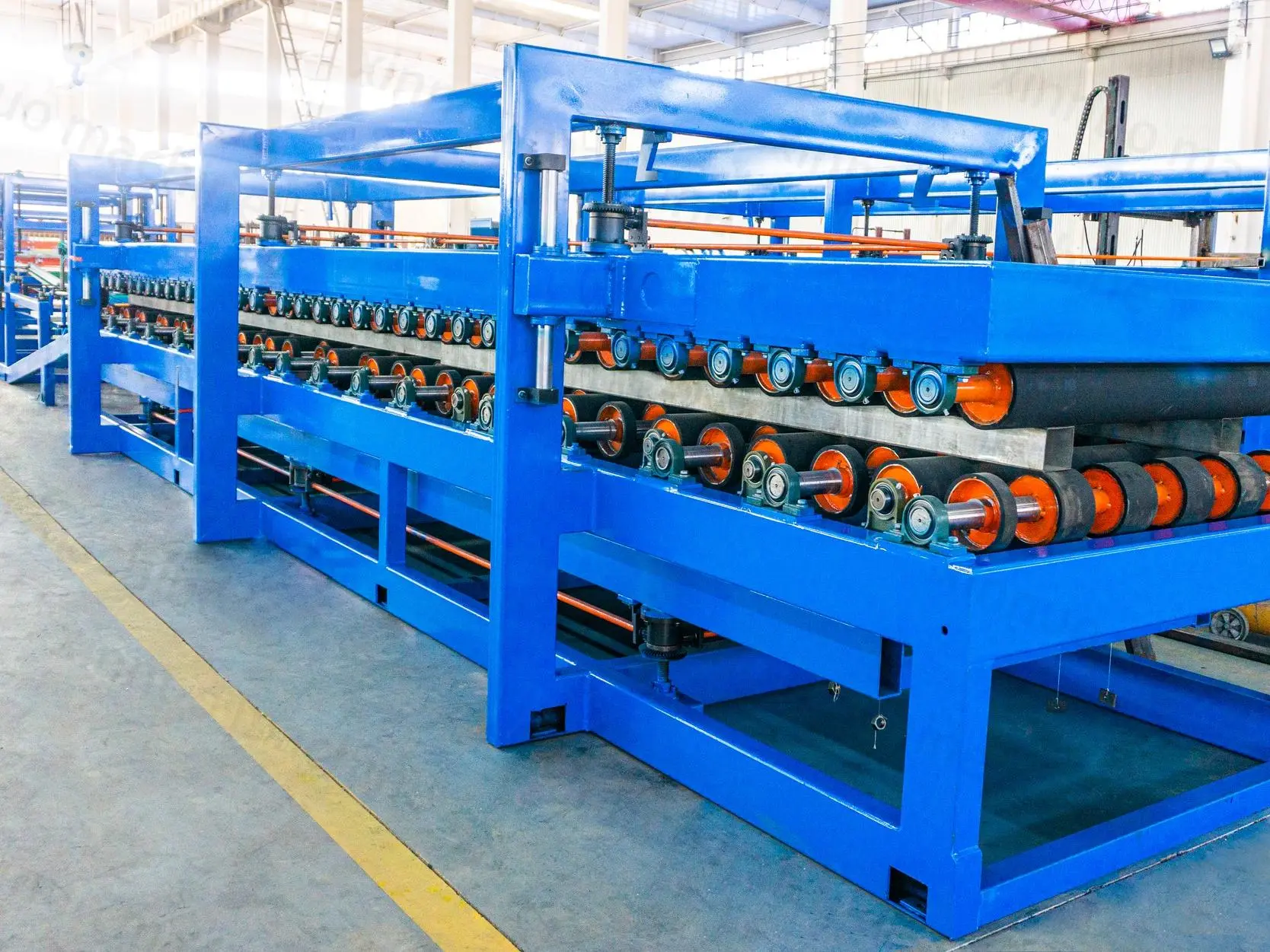
Modern commercial infrastructure demands high wind-load performance, thermal efficiency, and quick construction timelines. This transition directly impacts the requirements placed on cold roll forming manufacturers. Large-scale procurement teams look beyond basic machinery costs, evaluating factors such as steel springback compensation, tooling longevity, and scrap-rate minimization.
Global architectural standards require building panels to withstand category 4 hurricanes, leading to the use of higher yield strength steels. However, material yield variations from steel mills require advanced leveler units inside the roll forming lines to relieve internal residual stresses before the sheet enters the first roll stand. Without high-end coil leveling, the finished IBR panel will exhibit oil canning (undulations in the flat areas of the panel) and bow defects.
XC Group's design ethos integrates structural prep-leveling, automated lubrication, and high-wear-resistant D2 tool steel tooling. This allows multi-shift industrial plants to operate continuously with minimal tooling wear, achieving high reliability over years of production.
At XC, cold roll formers undergo strict testing before leaving our 50,000 m² factory. Quality control begins at the engineering workstation with finite element analysis (FEA) of the sheet metal deformation process. It continues through metallurgy tests of incoming roller steel stock, and finishes with long-run dry cycles and full-load profile stamping runs using the customer's specified steel coils.
Every profile is scanned using dynamic laser trackers to verify depth, pitch, rib width, and overlap consistency. We maintain full traceability of parts, providing test documentation and CE certification alignment for European and North American projects.
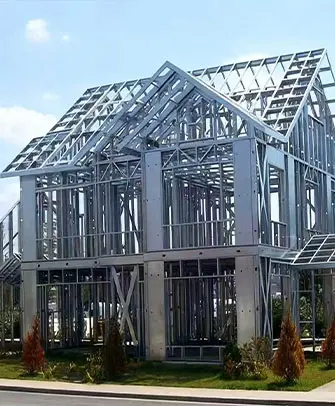
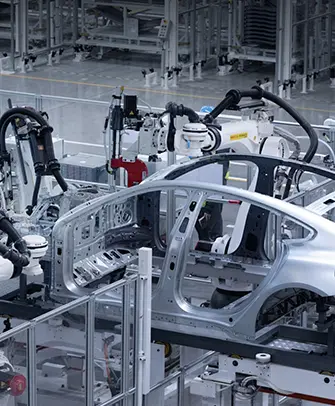
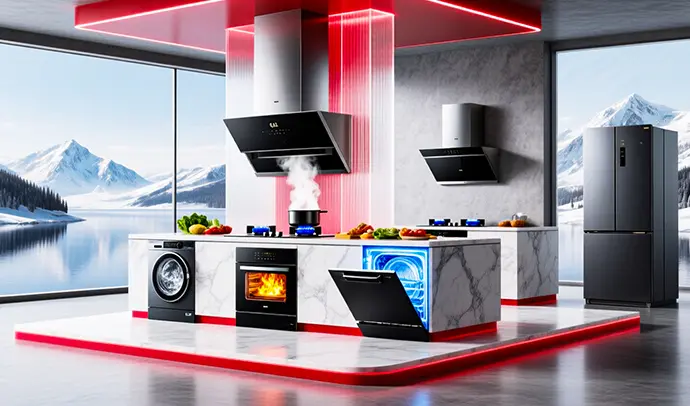
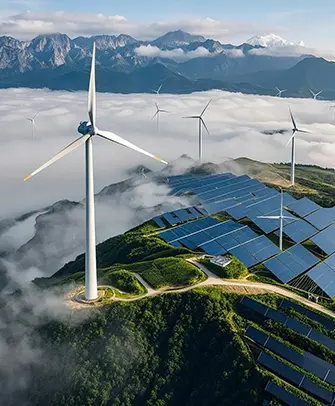
From modern industrial complexes to specialized logistical networks, our cold roll forming technology is deployed across multiple global sectors.

From initial profile design to installation, XC provides comprehensive lifecycle support. We offer professional installation, commissioning, and operational training to ensure optimal setup and productivity. Our dedicated after-sales support team delivers ongoing technical assistance and maintenance services, helping customers achieve sustained, peak operational performance.
Our global engineering network ensures that your team is trained to maintain the equipment. We stock critical mechanical components, PLC modules, and replacement shearing blades, reducing potential downtime for your manufacturing lines.
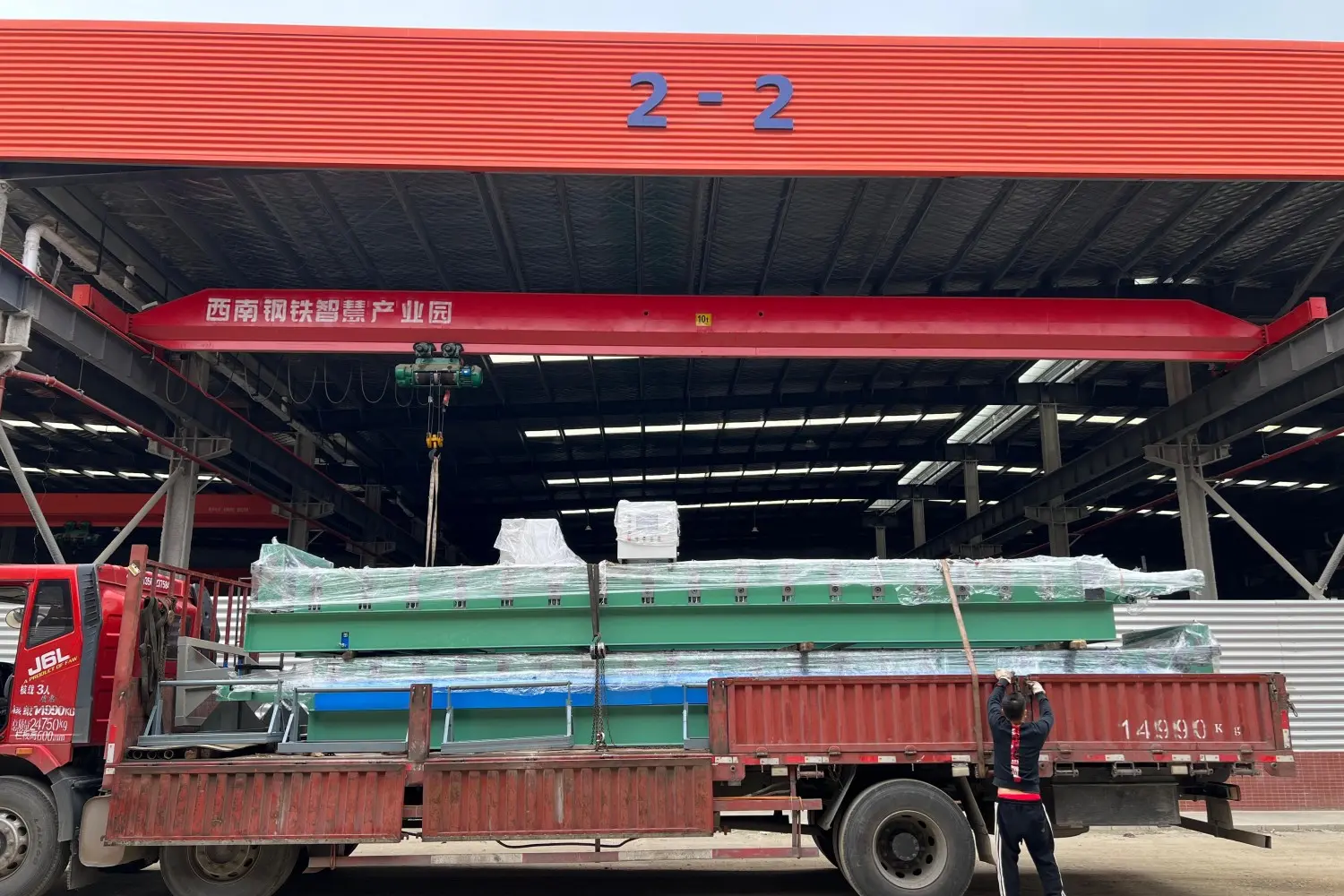
For custom export configurations, our machines are shipped inside heavy-duty, moisture-sealed containers. Key metal surfaces are coated with rust-inhibiting compounds, and PLC enclosures are secured against maritime environment corrosion.
The manufacturing sector is shifting toward smart, connected production lines. Our future technical roadmap integrates machine learning algorithms for real-time monitoring of roller wear and sheet metal deformation patterns. Real-time sensor feedback allows the PLC system to automatically adjust the gap of the finishing calibration passes, compensating for variations in incoming coil thickness.
Furthermore, energy consumption monitoring systems help operators optimize line speeds relative to thickness profiles, reducing energy footprints while maximizing overall equipment effectiveness (OEE).
Expert engineering answers to technical queries, assisting procurement directors and production managers in making informed decisions.
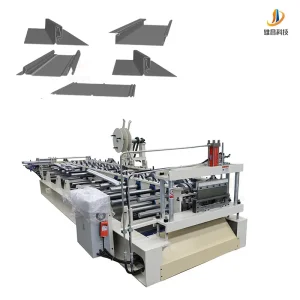
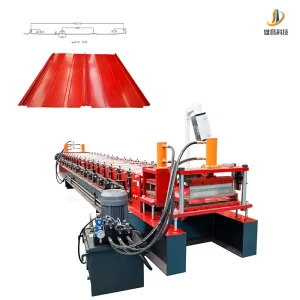
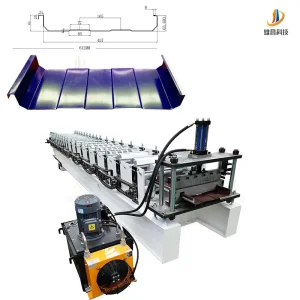
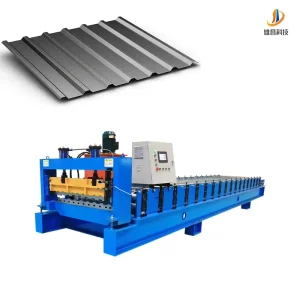
Explore our structural deck, standing seam, and architectural siding roll forming lines, engineered for continuous operation.
 Xiongchang