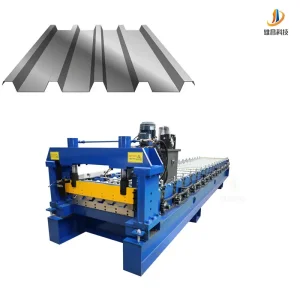
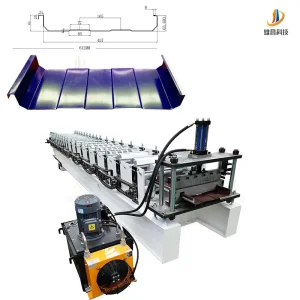
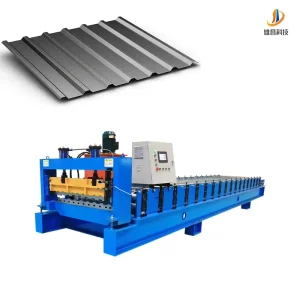
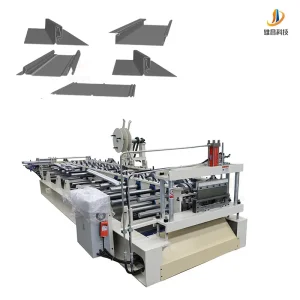
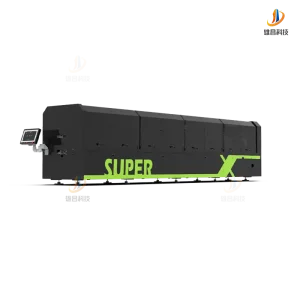
The global construction sector is undergoing a profound paradigm shift towards high-durability materials, cost efficiency, and fast-track installation systems. Among the various metal profiles used for structural cladding, the Inverted Box Rib (IBR) profile stands out as an industry-standard benchmark. Originally popular in Southern Africa, IBR has expanded its market dominance into regions such as South-East Asia, South America, and Eastern Europe due to its optimal strength-to-weight ratio and superb water-shedding capabilities.
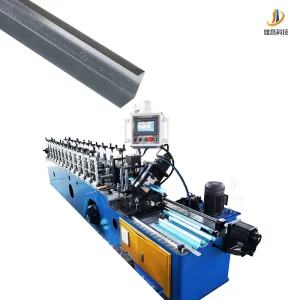
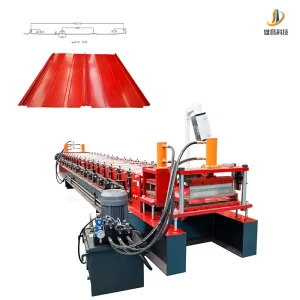
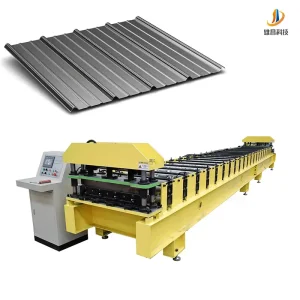
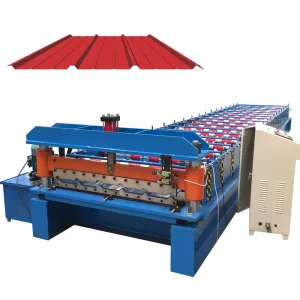
IBR roofing sheets feature a square-fluted profile designed for maximum drainage. Its unique geometry handles high precipitation levels, making it the preferred profile for heavy-duty industrial warehouses, commercial depots, agricultural complexes, and residential roofing systems. The manufacturing precision of these profiles relies on sophisticated roll forming technology. Purchasing from reliable Custom IBR Roof Panel Machine Manufacturers guarantees that structural engineering tolerances are met, avoiding site mismatch, thermal expansion failures, or water egress.
Off-the-shelf roll forming machinery often leads to structural deviations. Material tensile properties vary dramatically across geographic regions—from G300 soft steel to G550 high-tensile structural steel. Standard machines cannot adapt to these material springback levels without causing stress cracks or profile warping.
Customization allows for tailored design parameters, including profile pitch, rib height, material thickness capability (ranging from 0.3mm to 0.8mm), and custom power configurations. For major projects, integrating customized solutions guarantees that your final sheet profile meets ASTM, SABS, or EN standards, cementing your position as an approved project vendor.
As an established global expert, XC (Xiongchang) provides integrated roll forming solutions designed for modern industrial manufacturing. Our portfolio encompasses core production machines for roofing, flooring, doors, and structural components, as well as the complete auxiliary line equipment essential for efficient, continuous operation.
With a massive production infrastructure and deep engineering experience, we ensure that every customer receives customized, turnkey configurations. These roll forming setups can be quickly integrated into active factory settings, minimizing downtime and accelerating payback on capital investments.
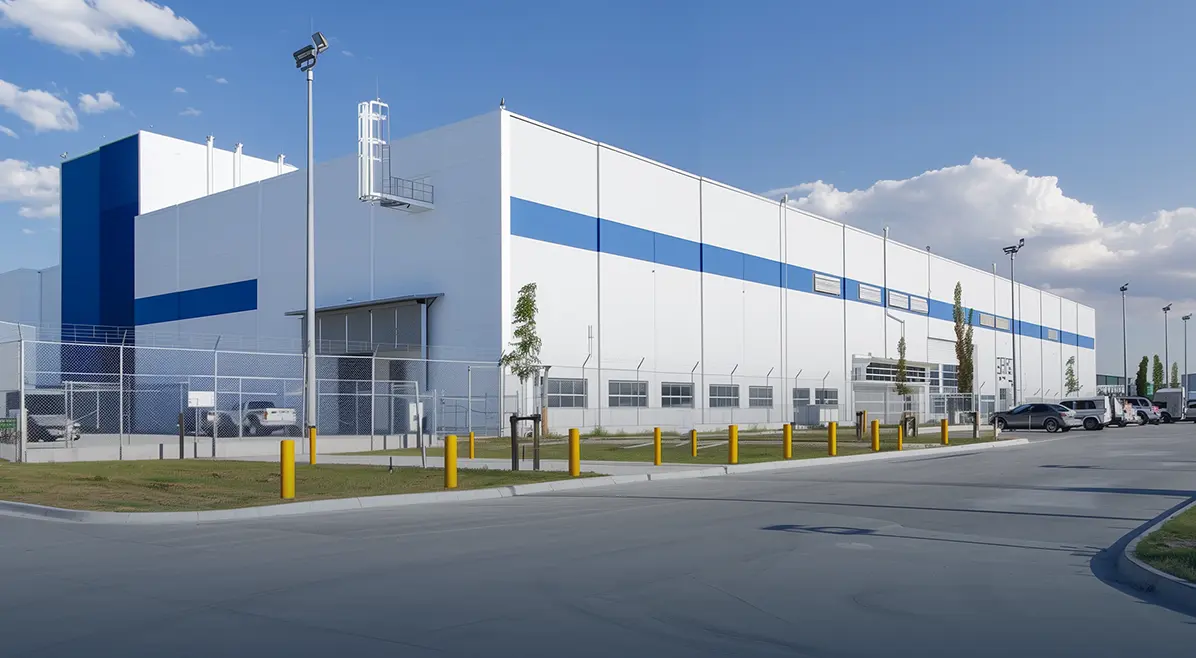
Our robust engineering architecture makes XC the partner of choice for leading industrial infrastructure projects.
Integrating PLC automation systems (Siemens/Mitsubishi) to control length coordinates and punching routines. Our systems achieve speeds up to 25m/min with cutting precision under ±1.0mm.
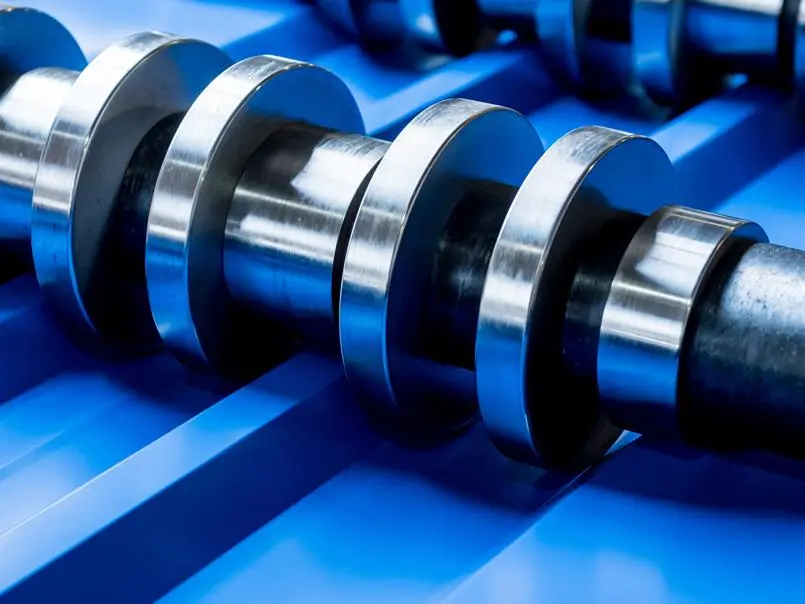
Rollers are CNC machined from high-grade Cr12 (D3) or GCr15 bearing steel, vacuum heat-treated, and hard-chrome plated. This ensures prolonged tool life and prevents surface scratching on pre-painted coils.
We use thick H-beam welded steel for our base structure, stress-relieved to prevent torsional deformation under continuous high-pressure forming environments.
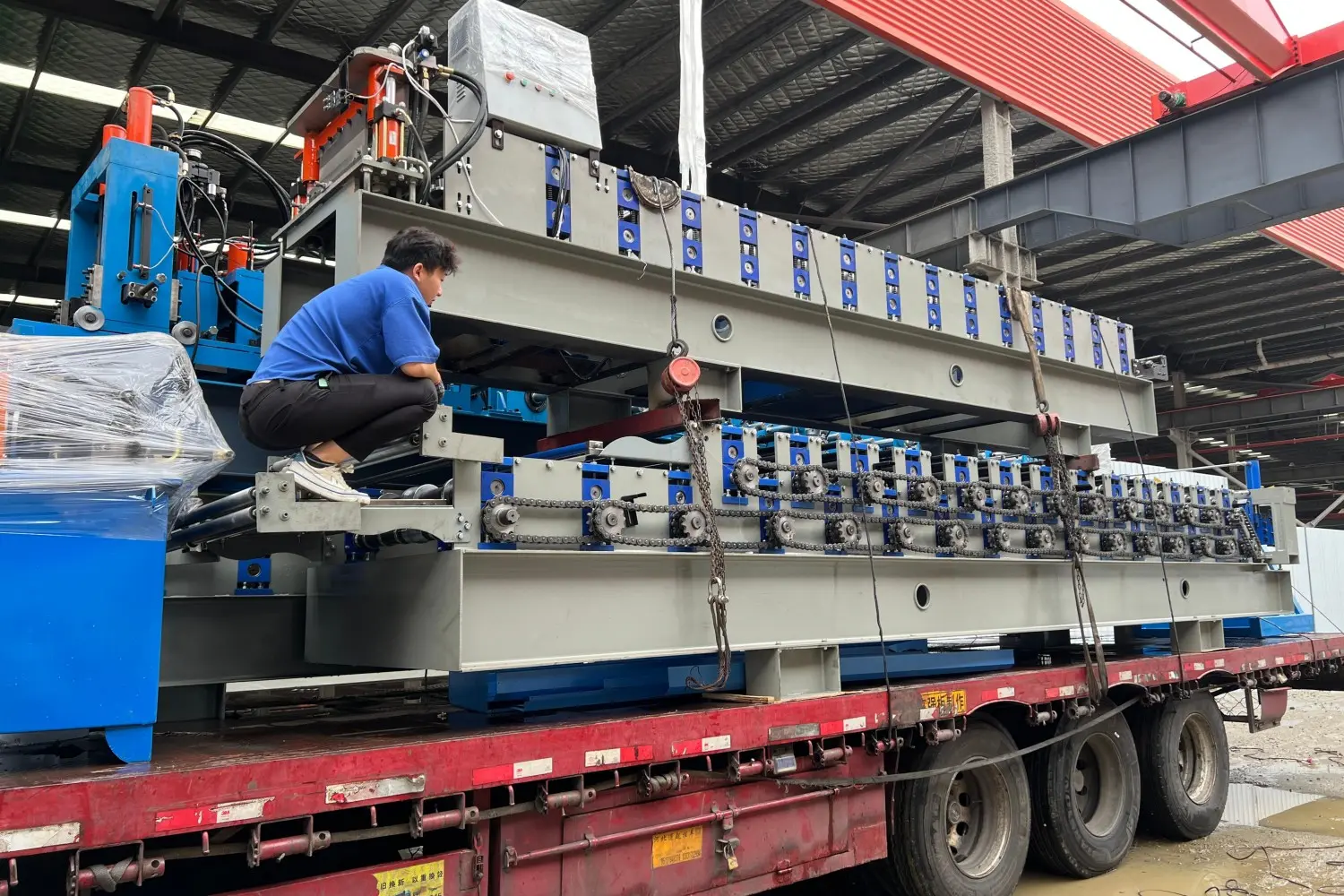
With a focus on a robust technical force and advanced industrial equipment, XC is dedicated to providing integrated, automated systems across our production lines. This allows us to fulfill diverse industrial requirements and guarantees the highest standards of quality and performance in every machine we build.
Our investment in precision horizontal milling stations, cylindrical grinders, and automated inspection instruments ensures components meet tight clearances. The resulting roll formers yield straight profiles without curvature twist, flare, or side curvature.
Understanding how specialized Chinese production clusters lower total cost of ownership (TCO).
China remains the global powerhouse for metal forming machinery due to its deep supply chain integration. In industrial manufacturing hubs, upstream raw material suppliers, casting foundries, thermal treatment plants, and electronic component distributors operate close to assembly hubs. This cluster effect drastically lowers logistics costs and speeds up design-to-delivery workflows.
At XC, we leverage this ecosystem to build complex, customized roll forming systems within 45 to 60 days. Standard European or North American lead times often exceed 180 days for similar machines. This production capacity enables our partners to win regional supply contracts by deploying active lines months ahead of their competitors.
Moreover, our components are sourced from globally recognized brands. Electronics are from Siemens, Schneider, or Omron, and hydraulic valves are from Yuken or Rexroth. This approach ensures that while you benefit from the efficiency of Chinese assembly and engineering, you retain the reliability of a global replacement part network.
Our close proximity to major shipping ports (such as Shanghai, Ningbo, and Shenzhen) simplifies export procedures, secure container packing, and global freight routing. This ensures shipping transitions smoothly from our factory floor directly to your facility.
We offer an extensive range of precision cold roll forming systems to meet varied customer applications. All our equipment is engineered to produce durable, reliable, and high-performance end-products.
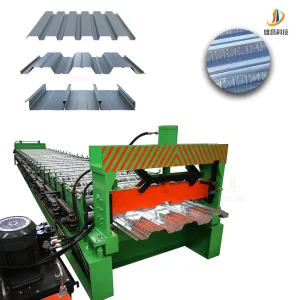
High-speed production systems including roof panel, wall panel, and floor deck roll forming machines designed to produce precise structural cladding.
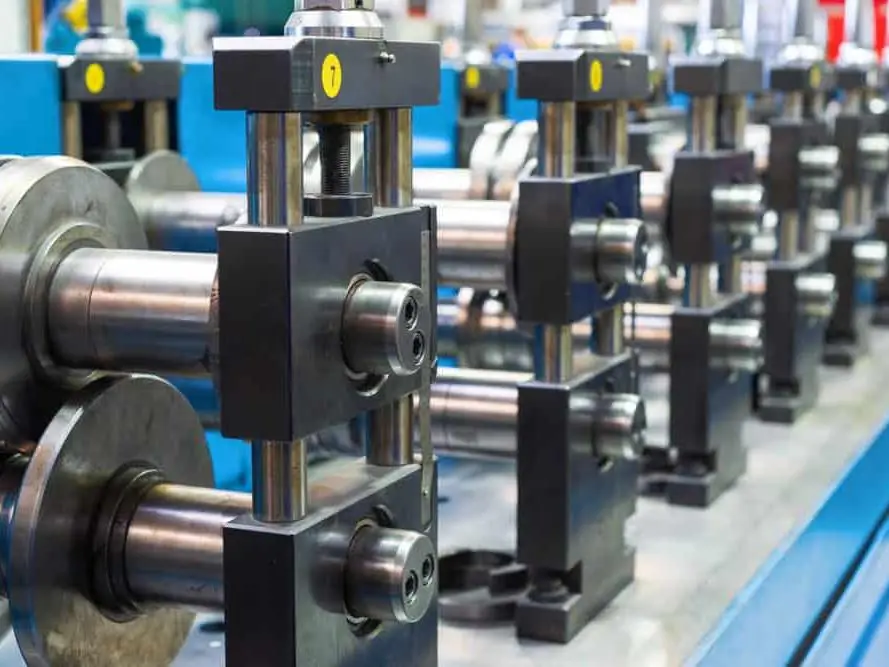
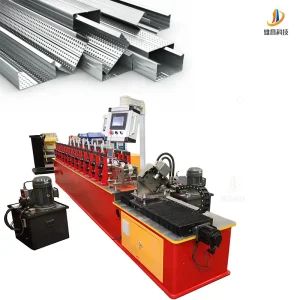
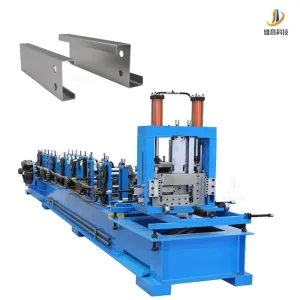
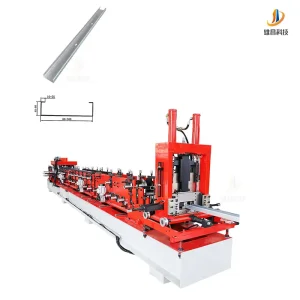
Heavy-gauge C/Z purlin and stud & track machines that support commercial framing, multi-story buildings, and light steel framing (LGS) initiatives.
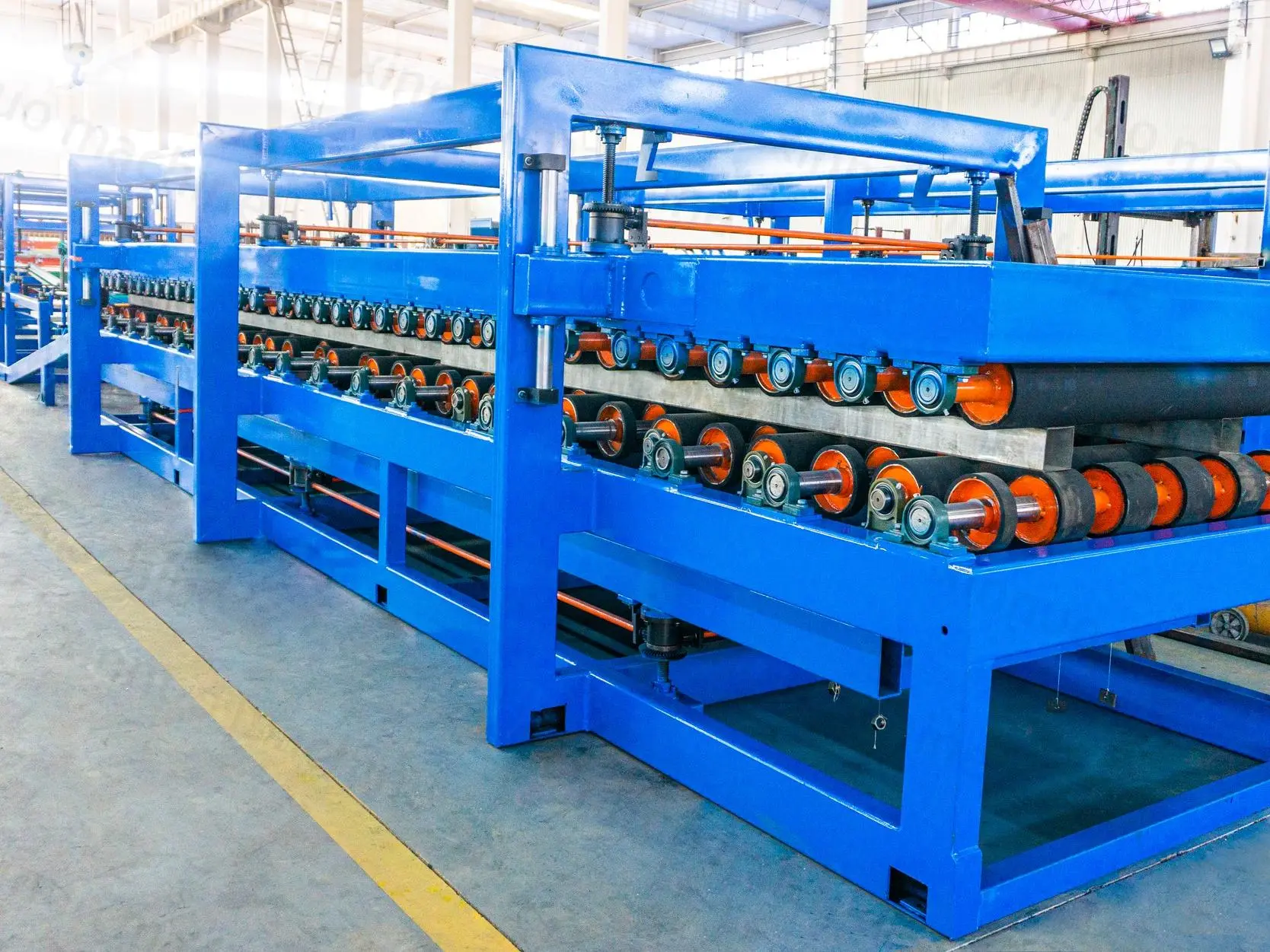
Secondary system lines including gutter roll forming machines, downspout systems, and custom door frame forming lines.
XC has a complete suite of detection and testing instruments to rigorously verify product strength, durability, and dimensional accuracy. We adhere to strict quality control protocols throughout the manufacturing process, ensuring all machinery outputs meet customer specifications.
Every IBR roof panel machine undergoes a full test run using customer-specified material coils before dispatch. We measure formed profiles using coordinate measuring machines to ensure tolerances for pitch, depth, and cover width are well within standard deviations.
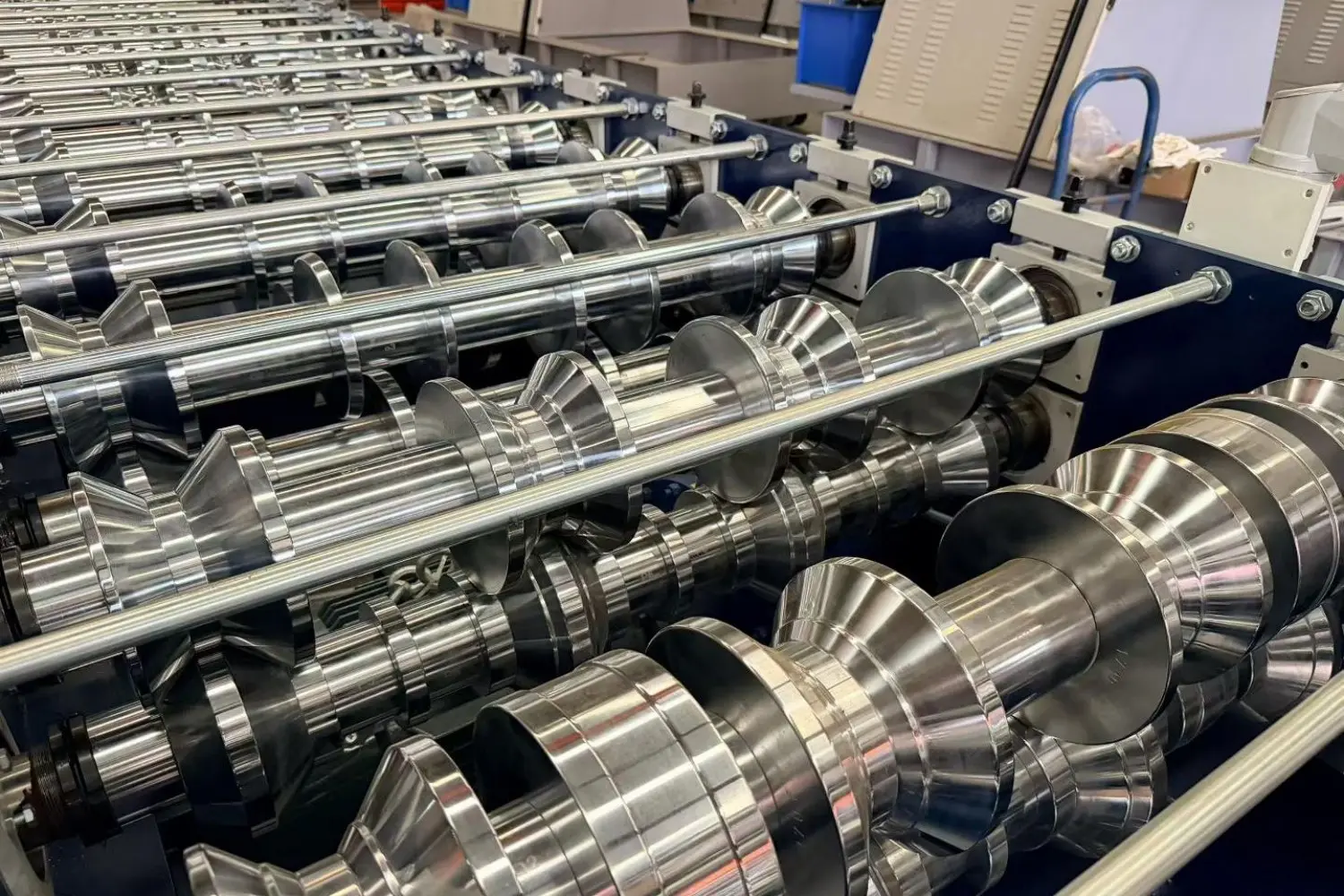
From initial custom engineering design to final installation, XC provides comprehensive lifecycle support. We offer professional setup, commissioning, and operator training to ensure safe operations and optimal productivity.
Our dedicated after-sales support team delivers ongoing technical assistance, spare parts, and remote diagnostic services. This helps customer facilities achieve sustained, peak production outputs.
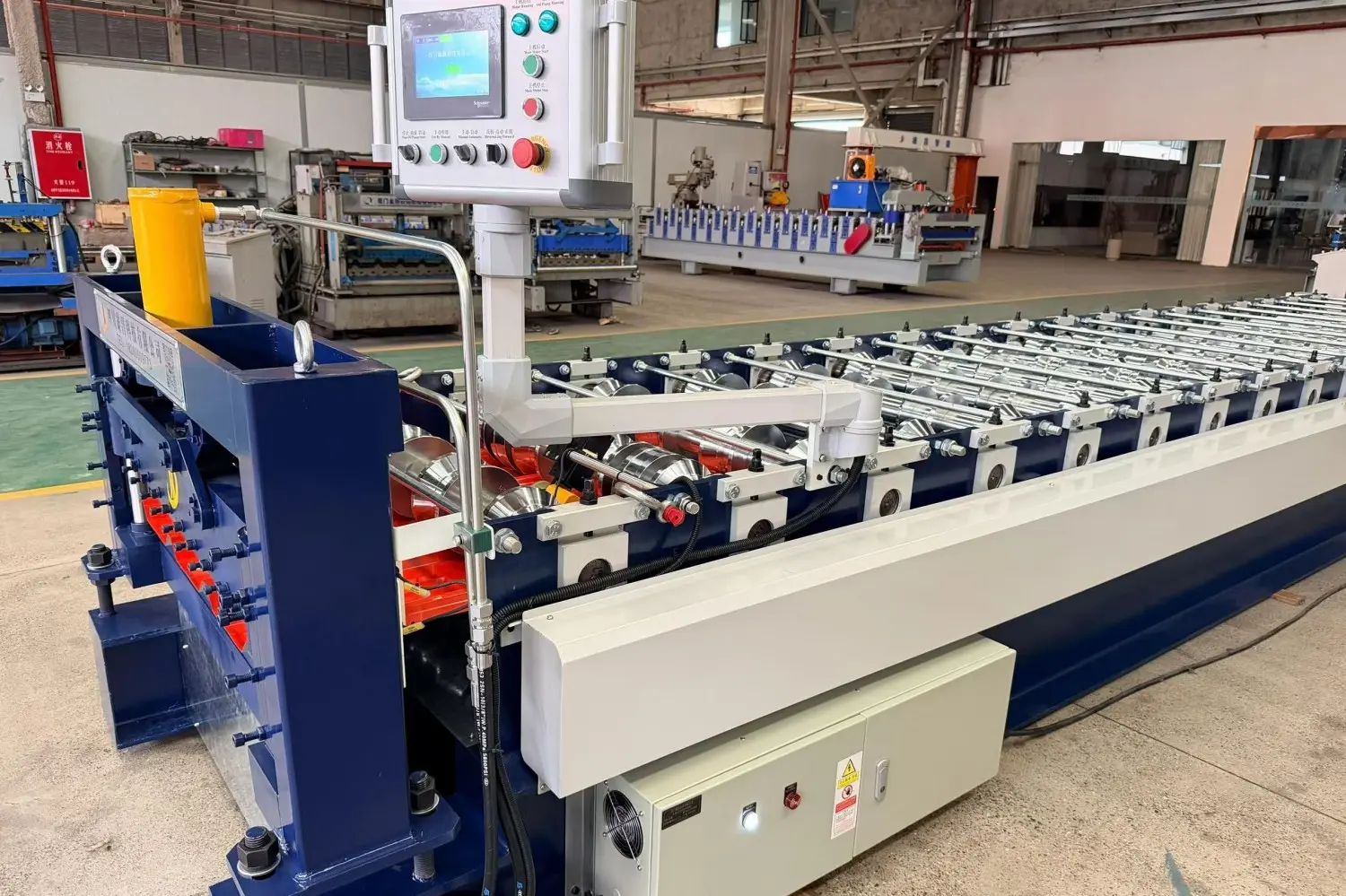
From coastal industrial estates to remote farming infrastructure, IBR profiles provide reliable weather protection.
In industrial zones, IBR panels are used to clad massive warehouses and factories. They provide the necessary strength to span wider purlin spacing, reducing structural steel costs.
Coastal environments demand aluminum-zinc coated or pre-painted steel sheets. Our custom IBR machines form coated coils without damaging the protective paint layers.
The deep square flutes of IBR sheets channel water away efficiently. The anti-capillary groove formed on each side overlap prevents water from rising under wind pressure.
With years of industry expertise, we have established a reputation for quality and customer-centric service. Our professional team provides tailored support for both standard and complex technical needs.
This commitment has fostered a loyal client base across construction, manufacturing, and engineering sectors, with our machines contributing to projects ranging from residential complexes to large-scale commercial and infrastructure developments.
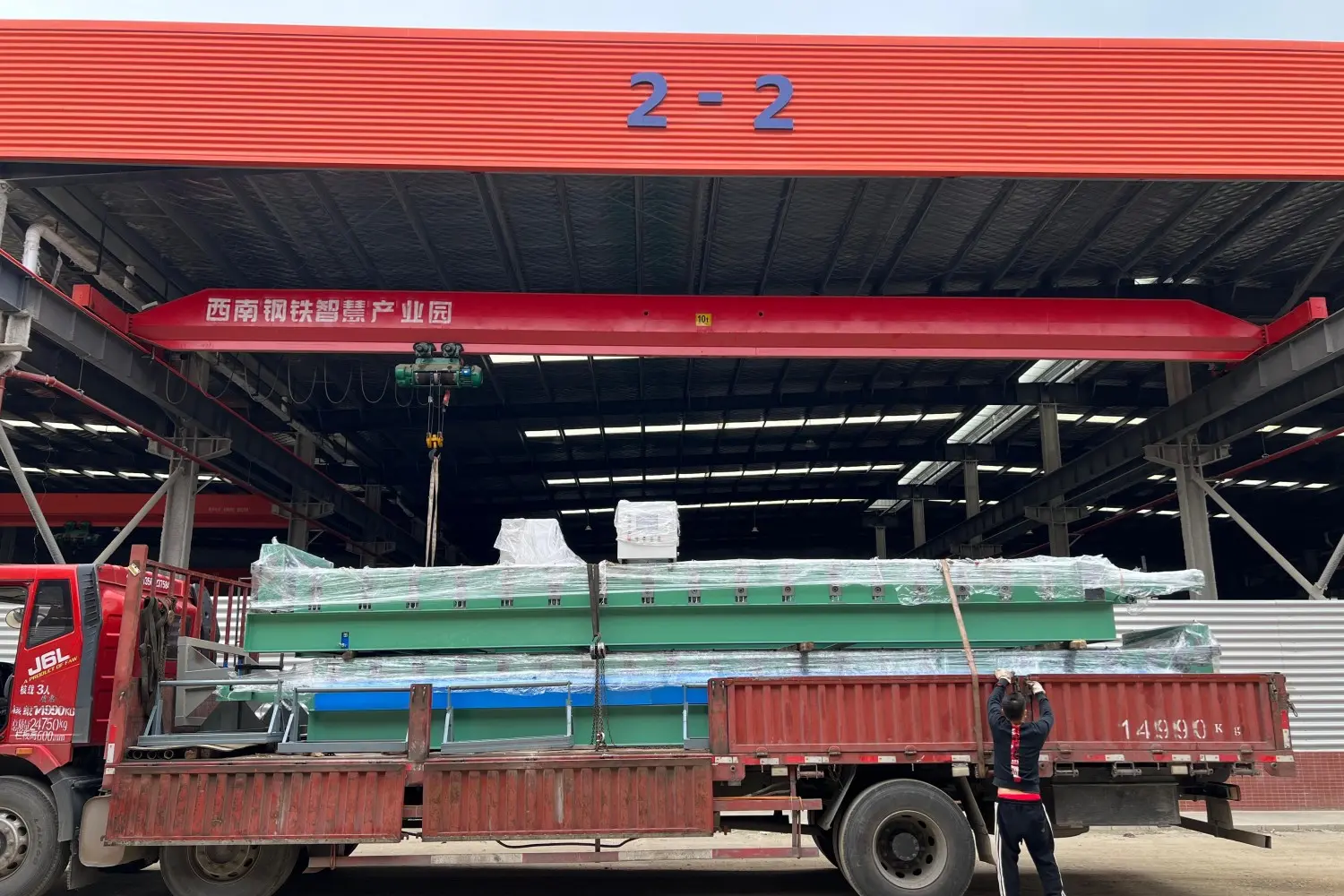
Providing heavy-duty, high-performance systems from design to commissioning.
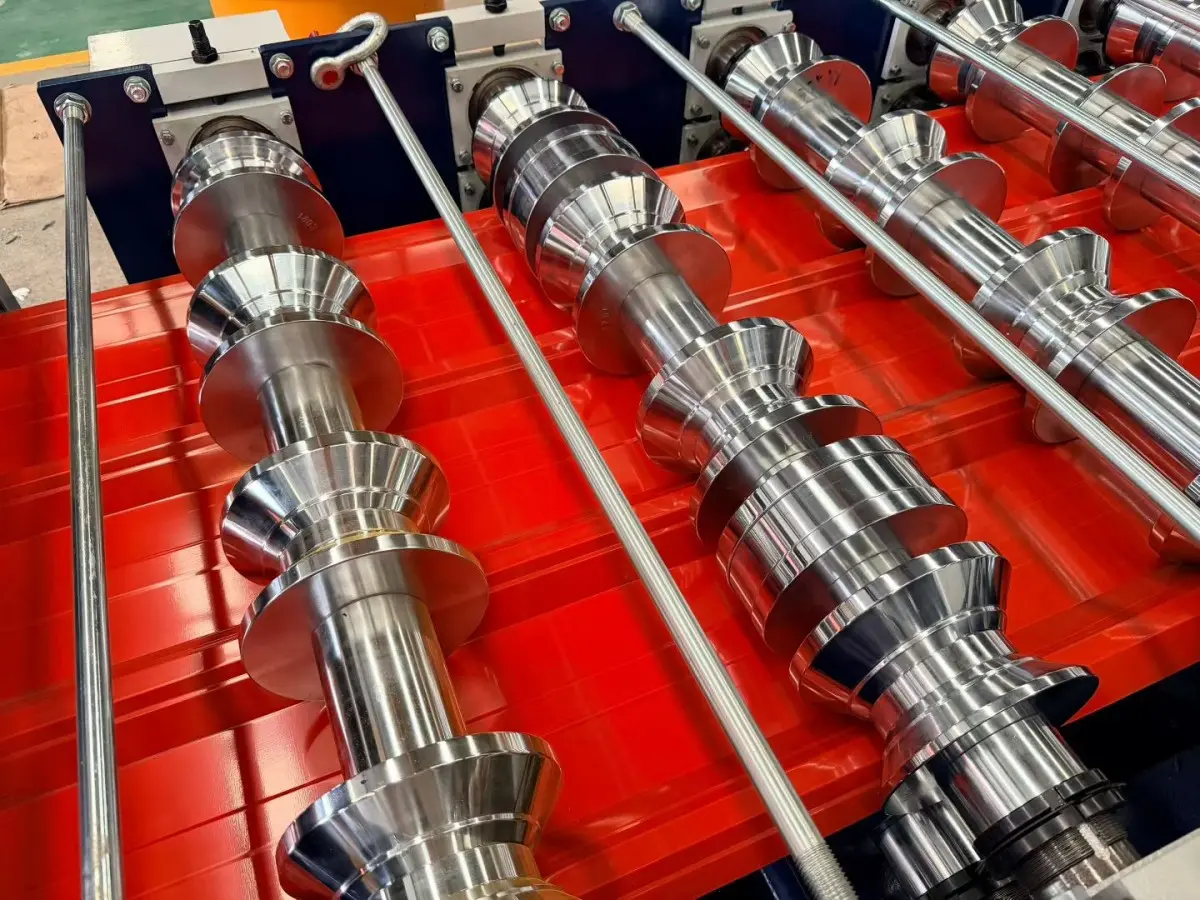
Turnkey manufacturing systems designed to process varying metal gauges, yielding dimensionally stable structural components.
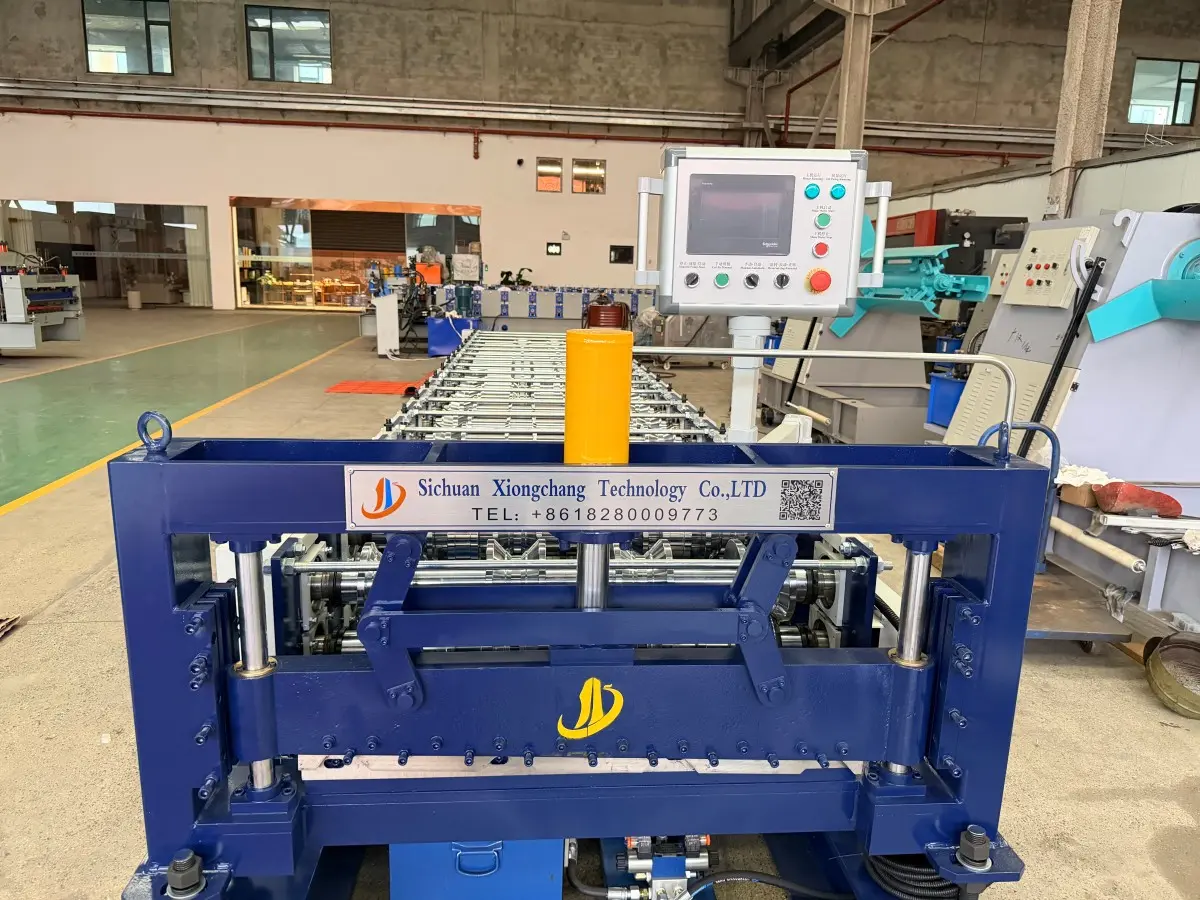
From delivery to engineering setup, our technicians help keep your factory floor running at peak capacity.
Over two decades of structural cold roll forming machinery innovation.
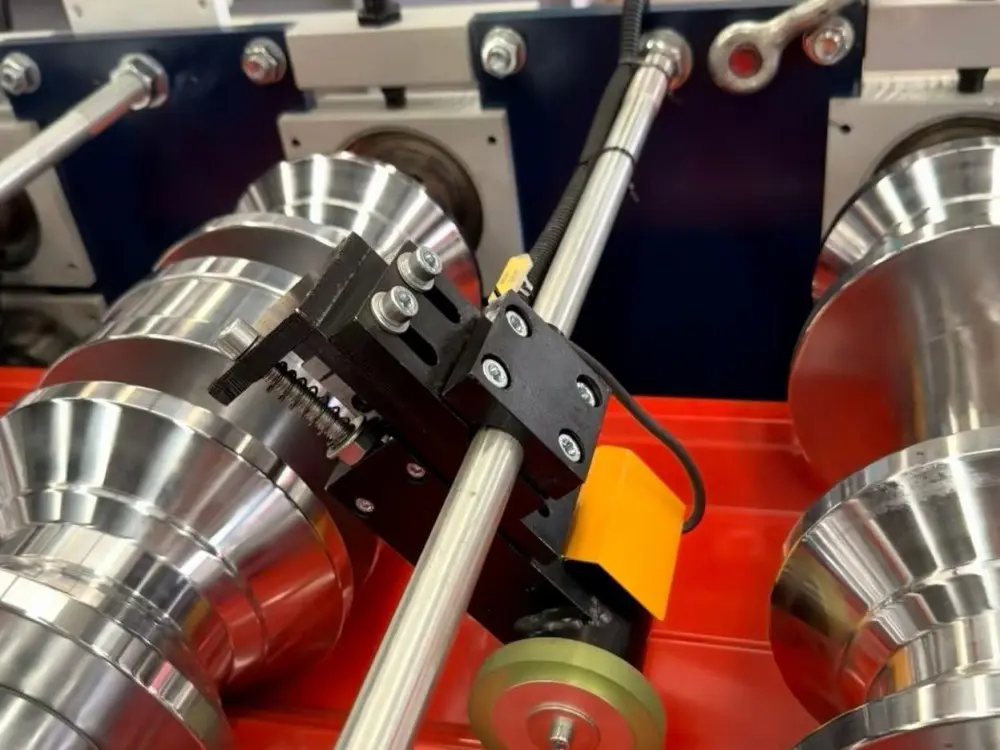
Our R&D division continuously refines roll forming configurations to reduce metal strain during production.
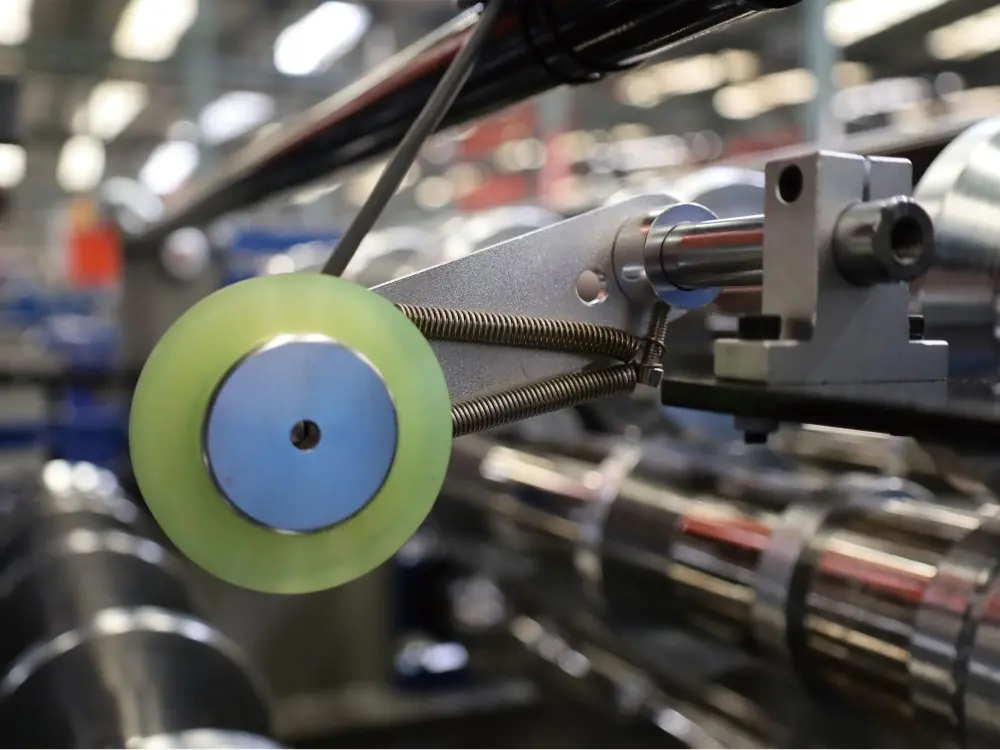
We build our machines with durable components to ensure reliable operation through multi-shift schedules.
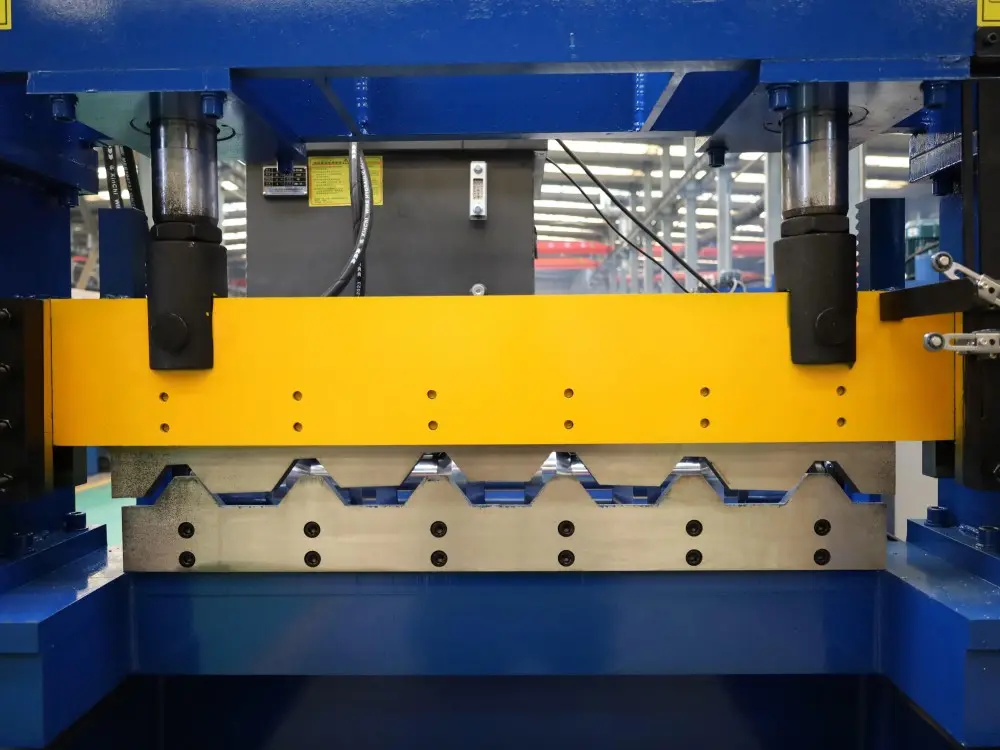
From initial design customization to lifelong technical support, we help optimize your manufacturing uptime.
Our roll forming systems serve a global clientele, equipping manufacturers with technology to achieve long-term operational excellence.
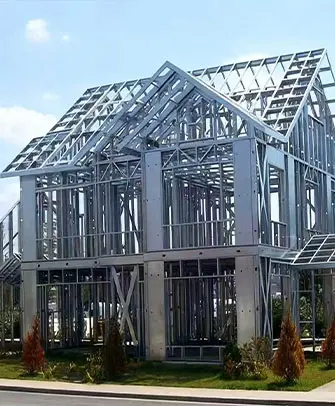
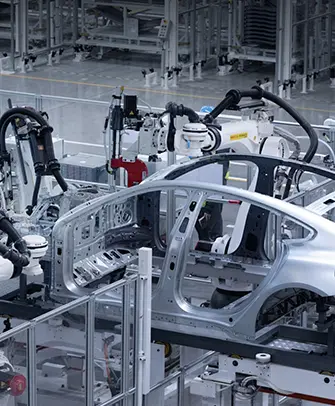


The convergence of automation, IoT, and high-efficiency tooling is transforming manufacturing systems.
Modern roll formers are evolving from simple mechanical lines to smart, connected production systems. By integrating thermal and vibration sensors into the primary drive shafts and hydraulic cutting assemblies, operators can monitor system health in real-time. Cloud-connected diagnostic systems can alert maintenance teams of bearing wear before it leads to profile deviations.
Traditional hydraulic shearing systems run pumps continuously, which wastes energy during loading cycles. Modern manufacturing facilities are shifting to servo-driven mechanical cutting systems and variable-frequency drives (VFDs) for the main motors. This configuration reduces electricity consumption by up to 35% and provides cleaner cuts at higher speeds.
For manufacturers processing multiple profile styles, manual changeover can halt production for a full shift. Rapid cassette systems allow operators to swap out the entire forming tool train in under 30 minutes. This versatility lets factories produce IBR, corrugated, and standing seam profiles on a single main drive platform, maximizing facility utilization.
Advanced CAD simulation models predict material deformation behavior across different zinc coating weights. This software design minimizes material shear strain and limits waste during start-of-run testing. In addition, post-cutting systems are designed to eliminate end-flare scrap, ensuring clean profiles from the very first sheet.
Before finalizing your purchase order, ensure the manufacturer meets these technical and engineering benchmarks.
Expert technical insights to help guide your purchasing decisions.
 Xiongchang