Custom Former Roller Factories & Company

Precision Cold Roll Forming Systems & Tooling Solutions for Heavy Construction, Structural Framing, and Clean Energy Architectures

Industrial Insight & Whitepaper

Theoretical Framework of Cold Roll Forming & Tooling Design

Cold roll forming is a highly efficient, continuous bending process that shapes sheet metal strips step-by-step through successive pairs of contoured rollers. Unlike stamping, stamping presses, or extrusion, roll forming introduces complex plastic deformation under ambient temperatures, ensuring that the crystalline structure of the metal is maintained without introducing localized stress fractures. The engineering of former rollers requires complex calculations of cross-sectional flower designs, wherein the profile is developed progressively from flat strip to finished structure.

State-of-the-art software systems such as COPRA and AutoCAD Roll Design are employed by leading engineers to conduct Finite Element Analysis (FEA). This process minimizes material stretching, springback, and pocket waves—problems that commonly affect complex profiles such as deep floor decks, structural C/Z purlins, and light gauge steel (LGS) profiles. The geometric accuracy of the final profile is determined by the precise calculation of the neutral axis, the material's yield strength, and the friction coefficient between the metallic sheet and the rollers.

Precision manufacturing of these rollers requires high-strength alloys. High-frequency vacuum heat treatments are applied to materials like Cr12MoV (D2 steel) or H13 steel, bringing roller surface hardness to HRC 58-62. This rigorous manufacturing process guarantees structural longevity, wear resistance under high-speed operations, and absolute dimensional consistency.

Why China Leads Global Roll Former Manufacturing

The supply chain ecosystem for cold roll forming machinery in China has evolved into a highly integrated industrial cluster. Top-tier manufacturers combine advanced engineering capabilities with cost-efficient raw material procurement.
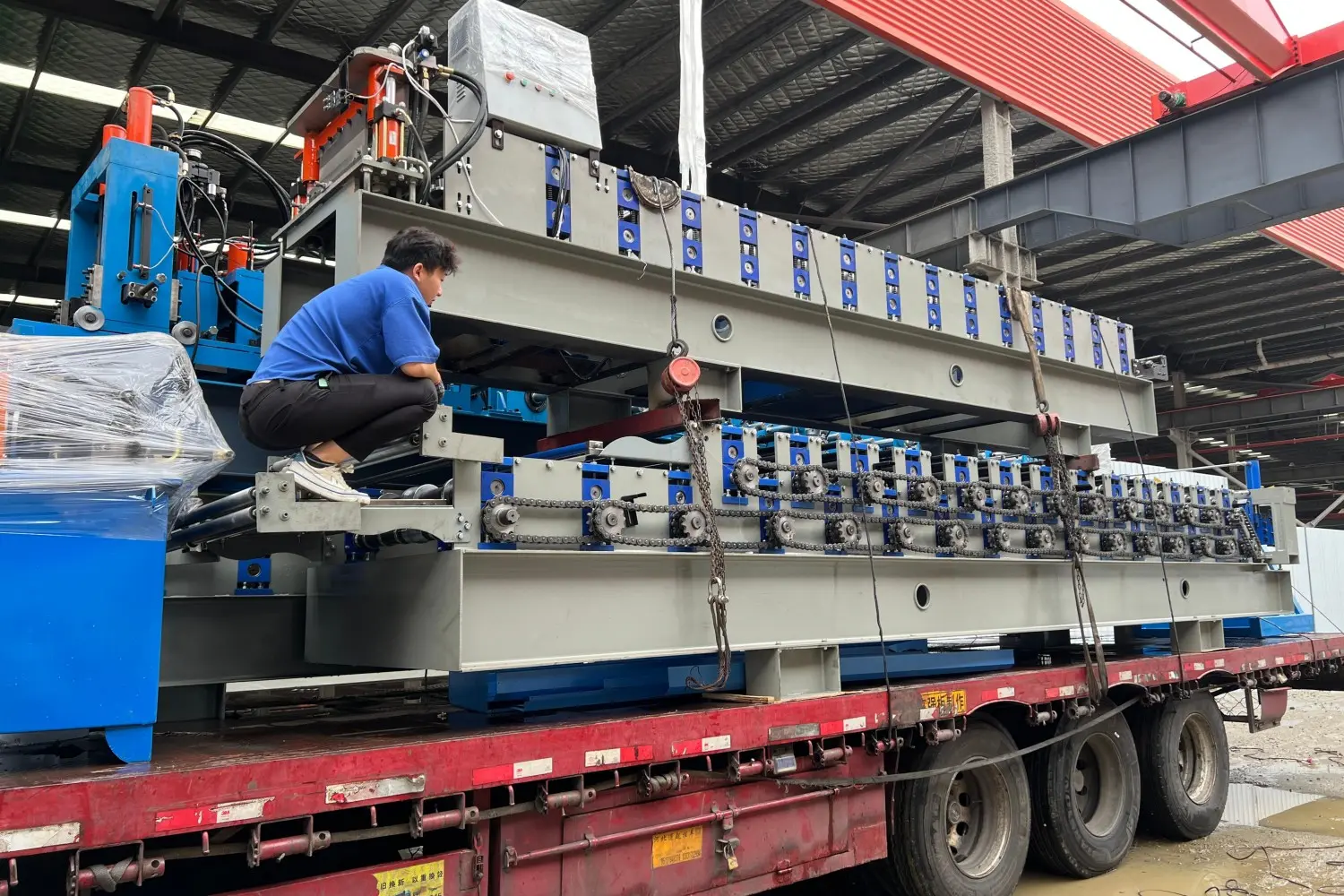
  • Complete Raw Material Access: Sourcing high-quality steel coils (such as galvanized steel, high-strength structural grade, and pre-painted steel) directly from China's primary mills at competitive pricing.
  • Sub-Millimeter CNC Processing: Modern factories leverage 5-axis CNC machining centers to ensure roller profile tolerances are kept within ±0.02mm.
  • Complete Heat Treatment Facilities: In-house vacuum hardening, nitriding, and hard-chrome plating processes ensure optimal wear resistance.
  • Advanced System Integration: Integration of top-tier electronic components (Siemens, Mitsubishi, Yaskawa PLC and servo drives) at highly competitive costs.
XC Xiongchang Factory Roller Manufacturing
INTEGRATED ROLL FORMING SPECIALIST

About XC (Xiongchang)

As an established expert in the field, XC (Xiongchang) provides integrated roll forming solutions. Our portfolio encompasses core production machines for roofing, flooring, doors, and structural components, as well as the complete auxiliary line equipment essential for efficient operation.

For over two decades, XC (XiongChang) has been a trusted leader in the design and manufacture of cold roll forming equipment. We combine deep industry expertise with a steadfast commitment to our clients, ensuring every machine delivers exceptional value and performance.
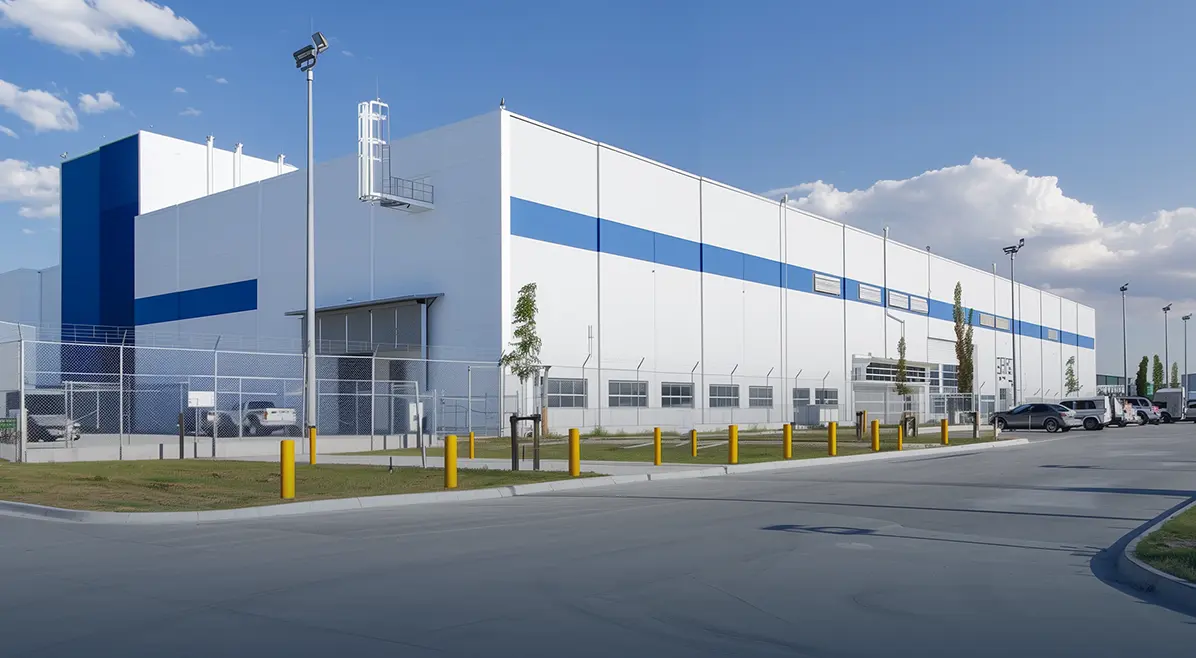
XC Xiongchang Brand Logo and Global Footprint
20+
Years Industry Experience
50,000
Factory Area
1,000+
Cooperative Customers
2,000+
Team Members

Core Competence & Production Capabilities

Delivering precision-engineered roll forming lines built to industrial specifications and operating standards.

Advanced Technical Personnel

Our team of technical specialists and engineers is committed to delivering custom configurations and structural solutions optimized for complex profiles.

Precision Automated Systems

Substantial investment in CNC machining centers and automated production lines ensures high precision and consistency across every roller and shaft assembly.

Quality Control Testing

A complete suite of testing instruments, including hardness testers, coordinate measuring machines (CMM), and dynamic trial-run systems, ensures reliable output.

Comprehensive Roll Forming Portfolios

Engineered to produce durable, reliable, and high-performance structural profiles.
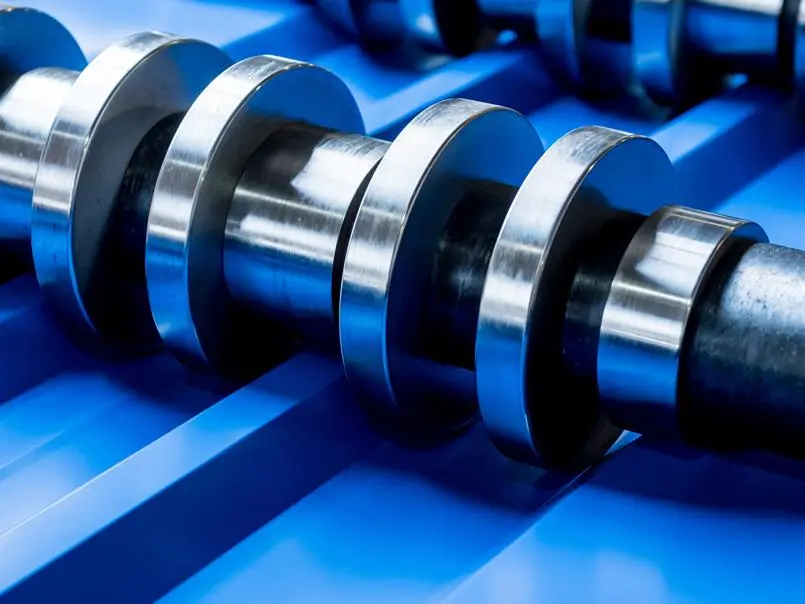
Building Envelope Systems

Building Envelope Systems

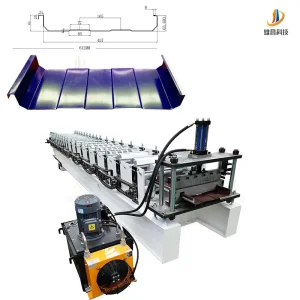
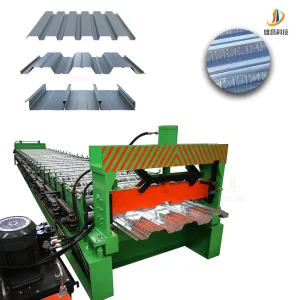
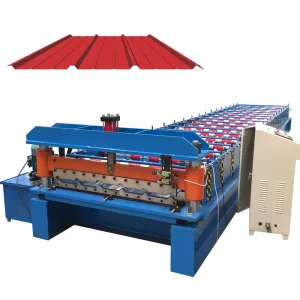
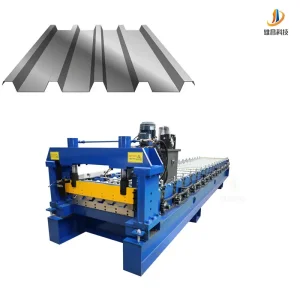
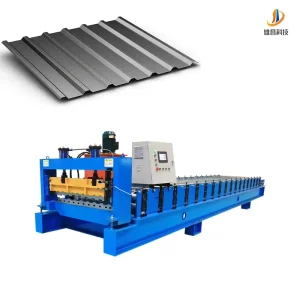
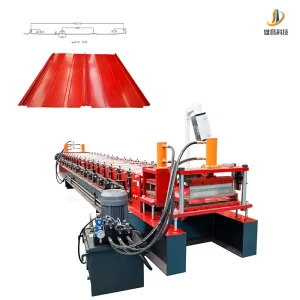
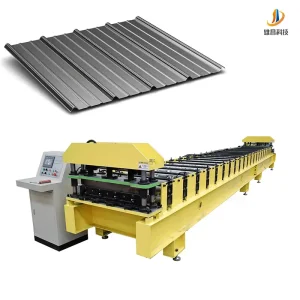
High-speed roll forming lines for Roof Panels, Wall Panels, and deep Floor Decks designed to minimize scrap and maintain high geometric accuracy.
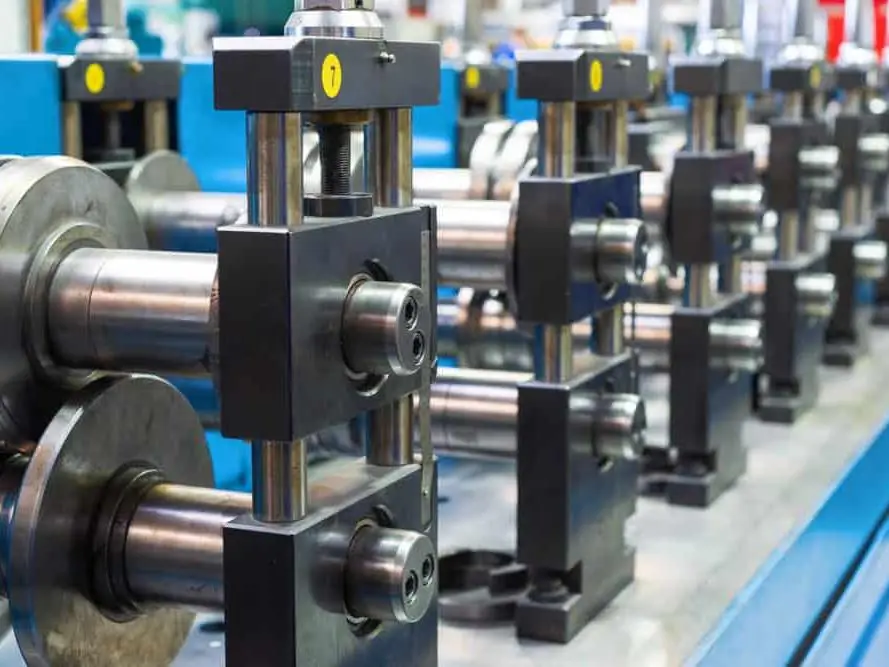
Structural Framing Systems

Structural Framing Systems

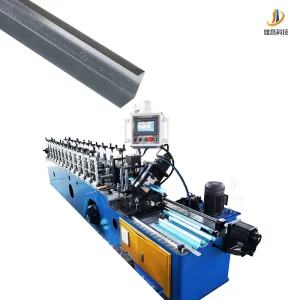
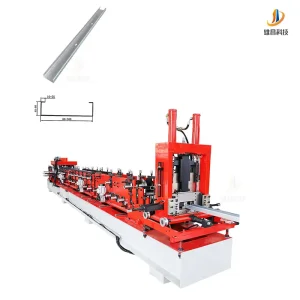
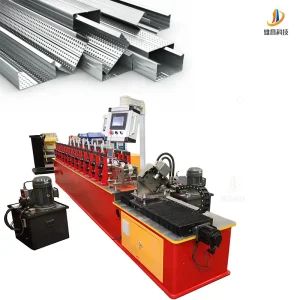
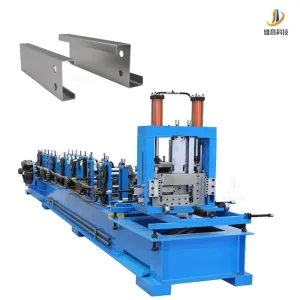
Heavy-duty C/Z Purlin Roll Forming Machines, and quick-change Light Gauge Steel Stud & Track roll formers equipped with automated width adjustments.
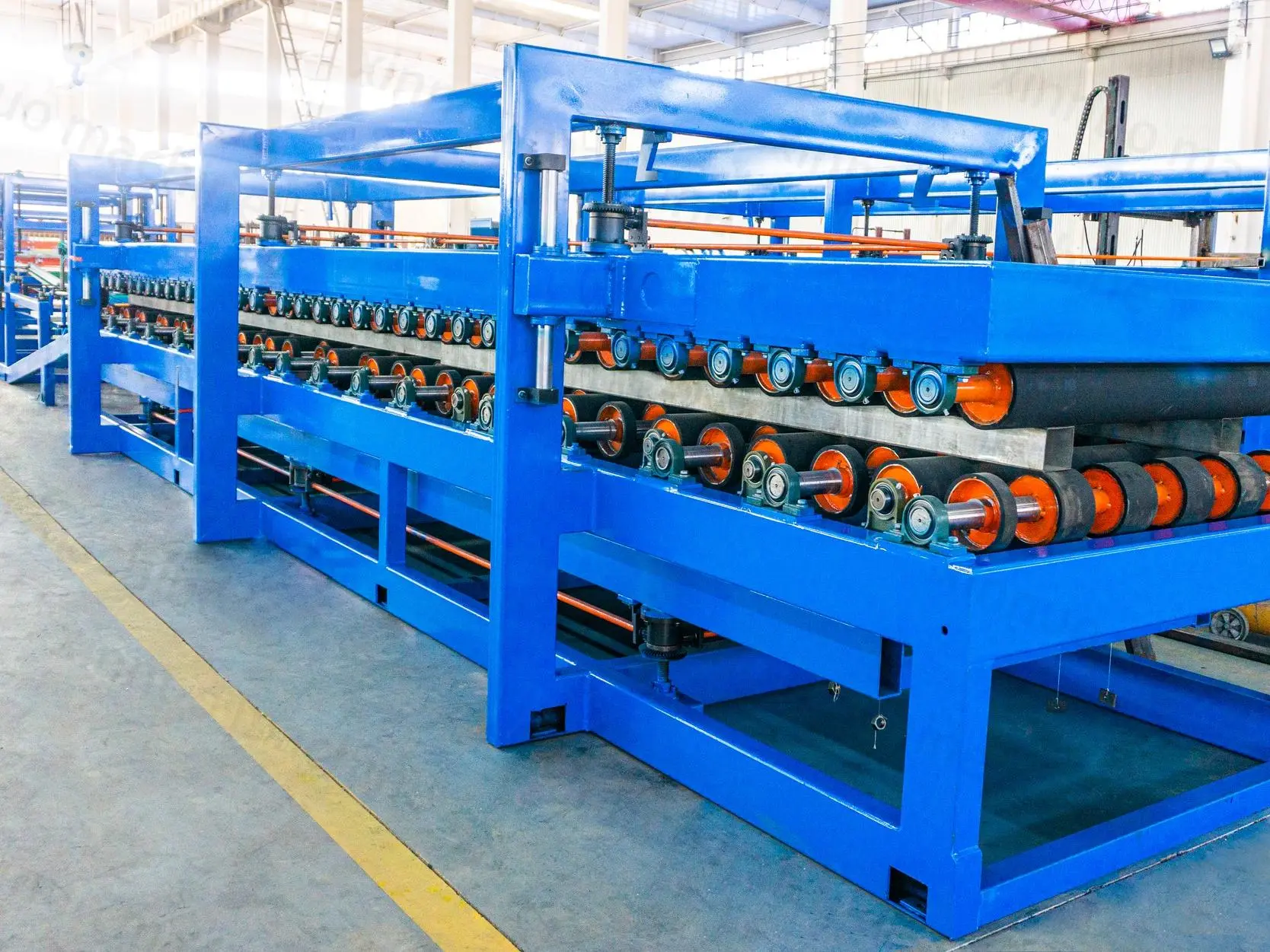
Specialized Fabrication Systems

Specialized Fabrication

Custom-configured tooling setups for Gutters, Downspouts, Roller Shutter Doors, and high-security heavy-duty Steel Door Frame systems.
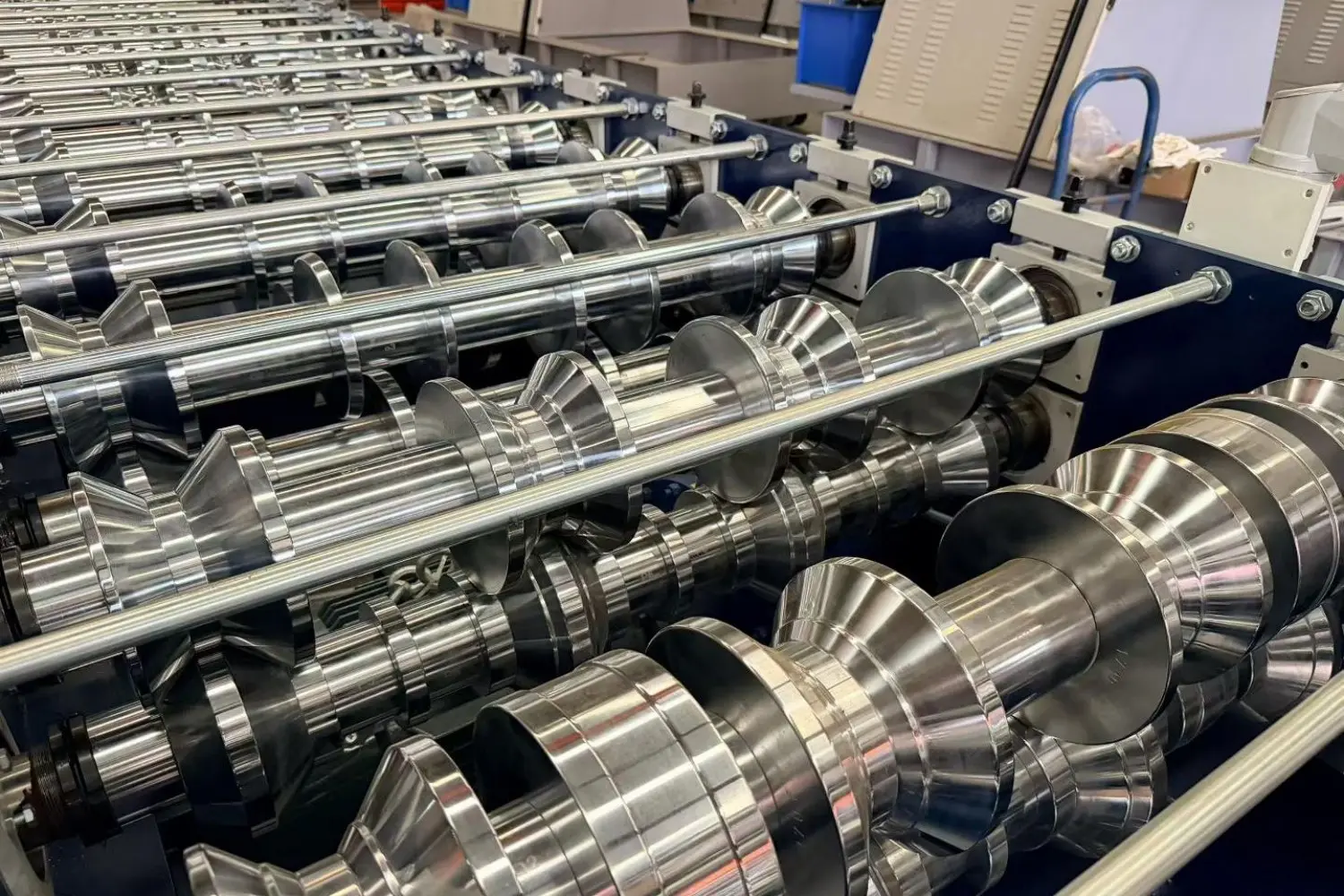
Quality Assurance Inspection
0.02mm Dimensional Accuracy

Quality Control & Metrology

At XC, quality control is integrated into every phase of manufacturing. From testing raw materials (verifying chemistry, yield, and tensile strength) to dynamic factory run-offs of fully assembled production lines, our quality standards remain rigorous.

Our inspection laboratory is equipped with precision testing tools, ensuring that shaft concentricity, roll alignment, and surface hardness meet designated project specifications. Every forming line undergoes continuous testing before dispatch to ensure immediate startup readiness.

Industrial Integration & After-Sales Support

From initial CAD drawings to on-site commissioning, we provide comprehensive technical services.

Custom Engineering Design

We work directly with your engineering teams to translate architectural profiles into durable tool geometries. Custom simulations verify performance before machining.

Automated Production Systems

Equipped with hydraulic decoilers, multi-stage straightening systems, high-speed shear units, and automated exit tables, our lines ensure high throughput.

Field Setup & Training

Global field services include installation support, machine commissioning, and operator training to help your plant achieve target productivity.

Comprehensive Operations & Support

Our support teams offer life-cycle maintenance assistance, troubleshooting, and tooling upgrades. Whether you need modifications to existing roller sets, spare parts, or control system diagnostics, our engineers are ready to assist.

Through our automated systems, our equipment can integrate with ERP software, enabling remote diagnostic monitoring and real-time output reporting for smart factory environments.
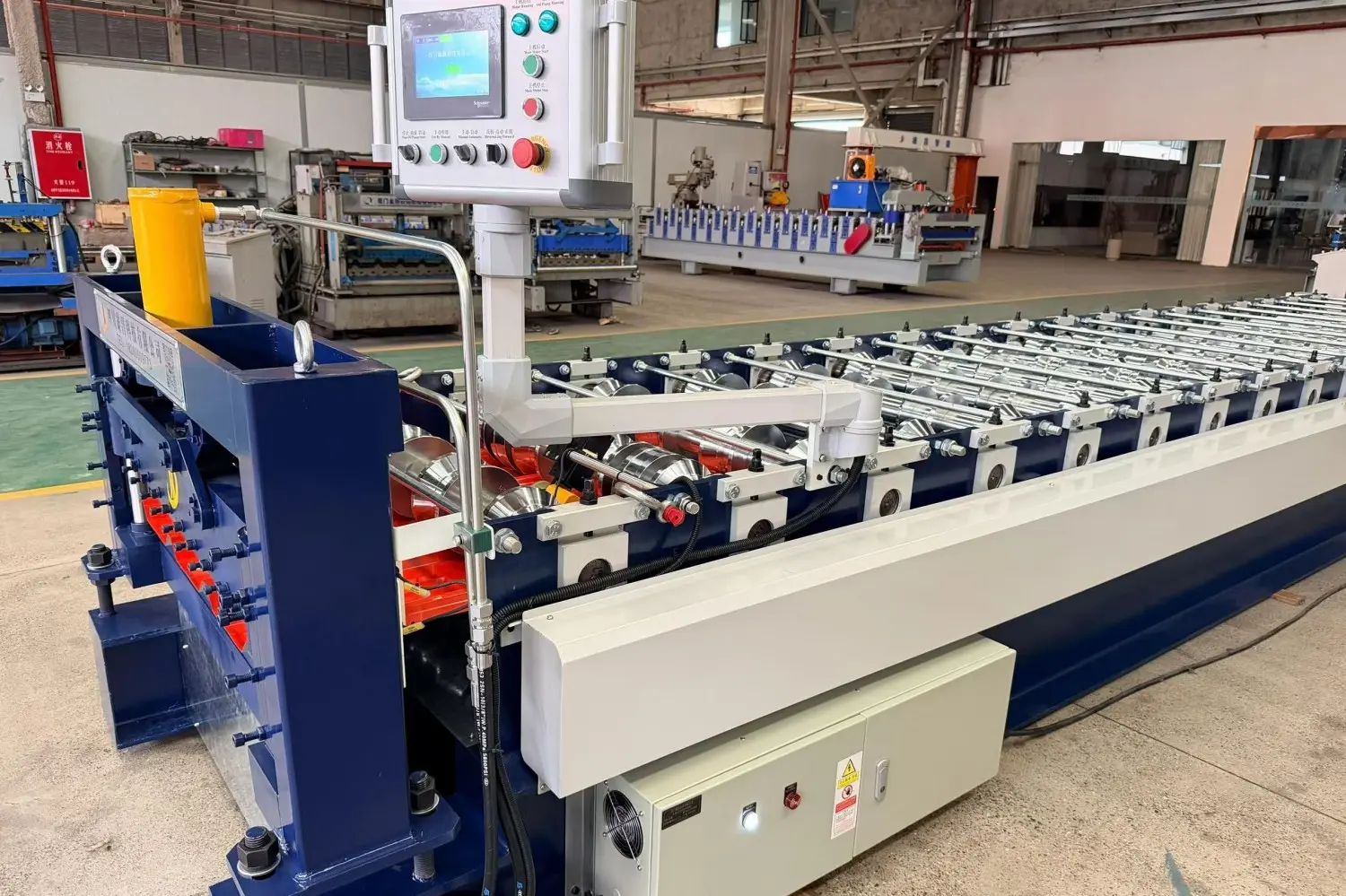
XC Xiongchang Support Team & Production Workshop

Industrial Application Profiles

We deliver specialized systems designed for demanding production environments.
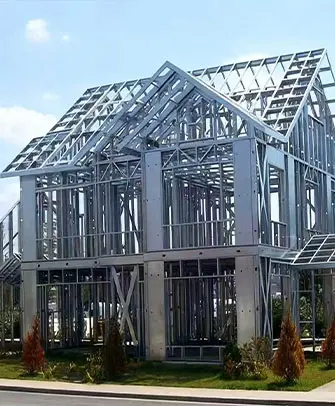
Architecture & Building Materials

Architecture & Building Materials

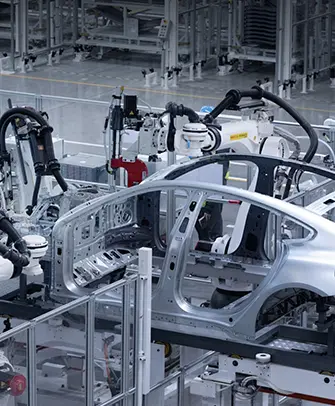
Automobile Manufacturing

Automobile Manufacturing

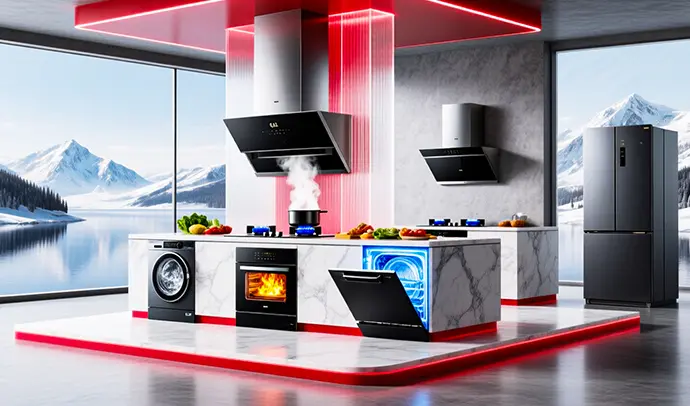
Home Appliances

Home Appliances & Kitchen

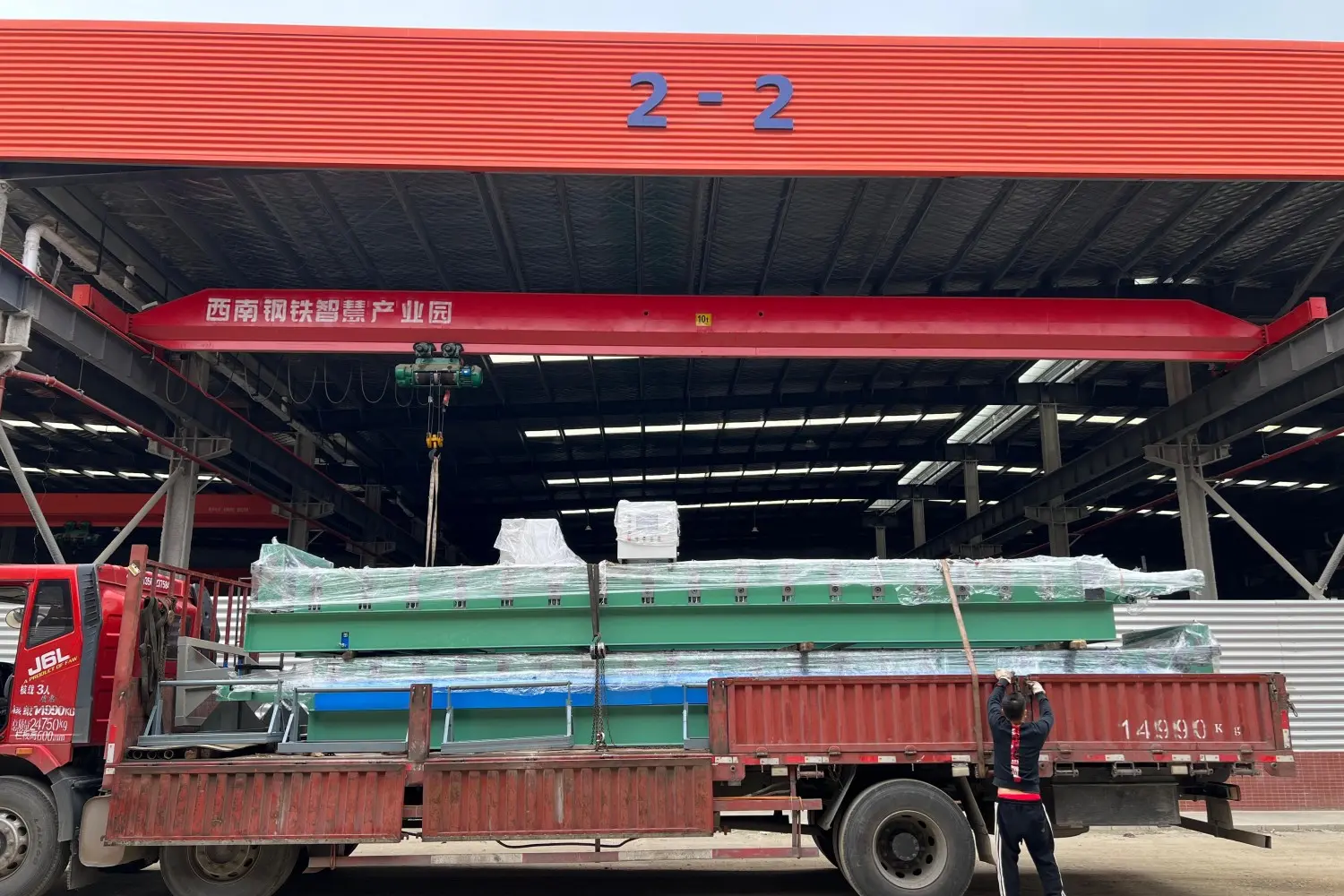
Transportation

Transportation & Logistics

Structural Purlin and Framing Production Line
Next-Gen Industry Development

Future Trends in Cold Roll Forming

Modern manufacturing sectors demand rapid changeover times and high-speed processing. The integration of servo-motorized auto-width adjustment systems enables structural Purling and framing equipment to transition between C, Z, and U profiles in minutes, eliminating manual configuration delays.

Additionally, IoT integration enables continuous monitoring of roller shaft temperatures, mechanical stress levels, and hydraulic pressures, helping to prevent unexpected downtime. These technologies enable operators to schedule predictive maintenance, protecting capital investments.

Why Global Enterprises Choose XC

Partnering with a dedicated manufacturer ensures engineering support and production reliability.
01

Proven Expertise & Innovation

XC Xiongchang R&D design

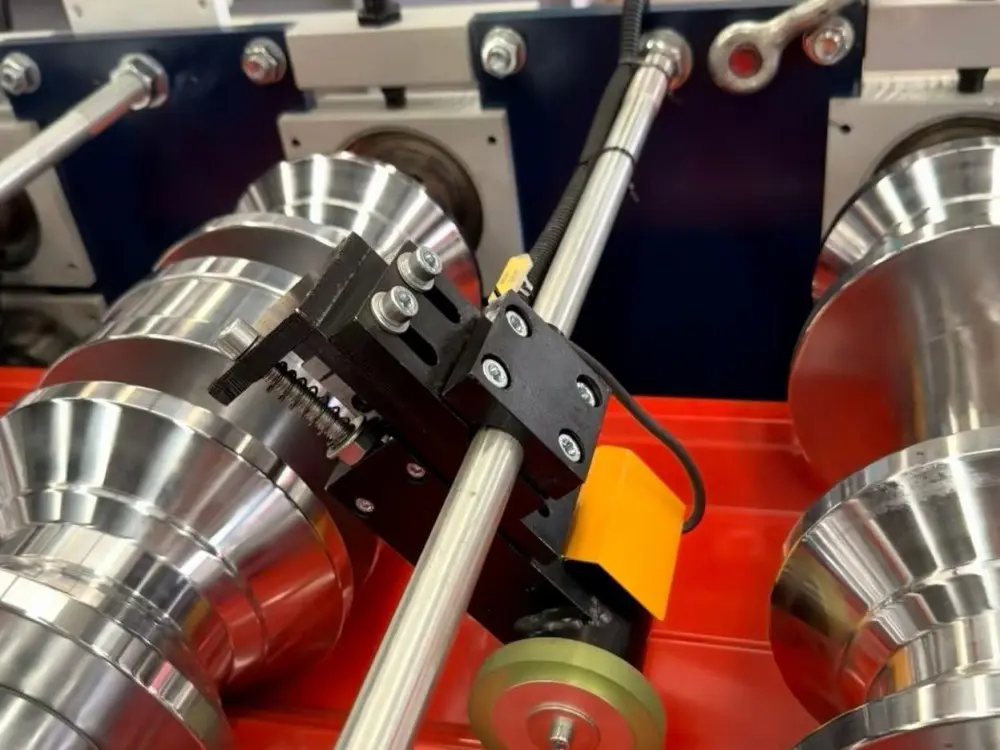
Over two decades of design and manufacturing experience, delivering customized cold roll forming equipment that handles complex geometric profiles.
02

Built for Performance & Longevity

XC Xiongchang Machine Durability

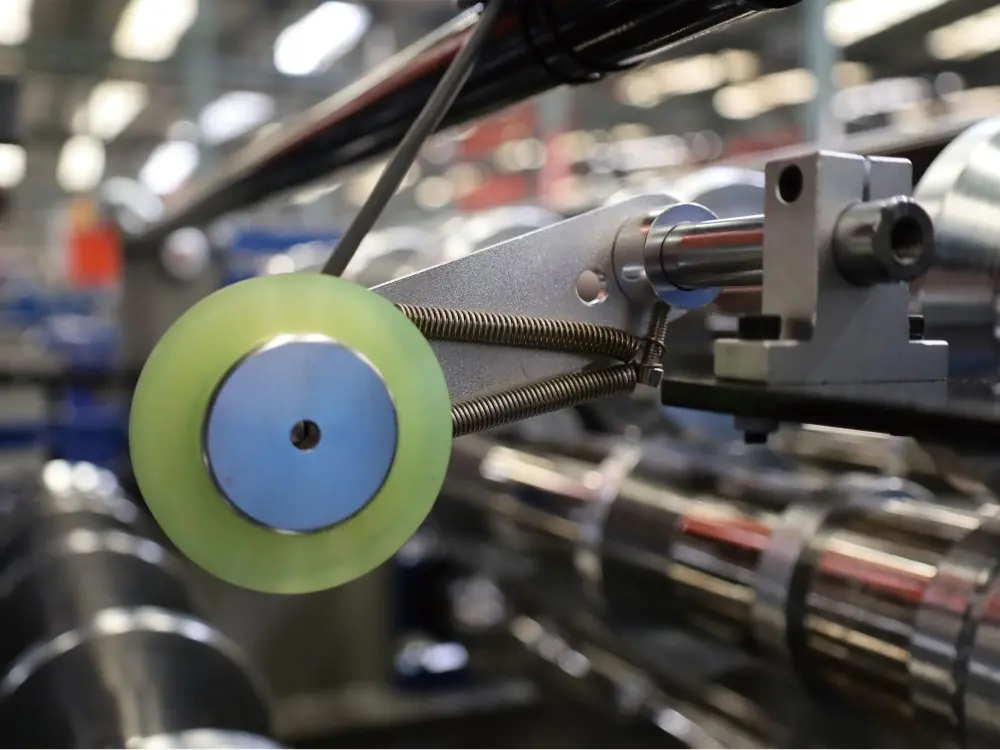
Using premium tool steels (D2/H13) and robust frame construction, our machines operate reliably in high-demand environments.
03

Commitment to Customer Success

XC Xiongchang Customer Support

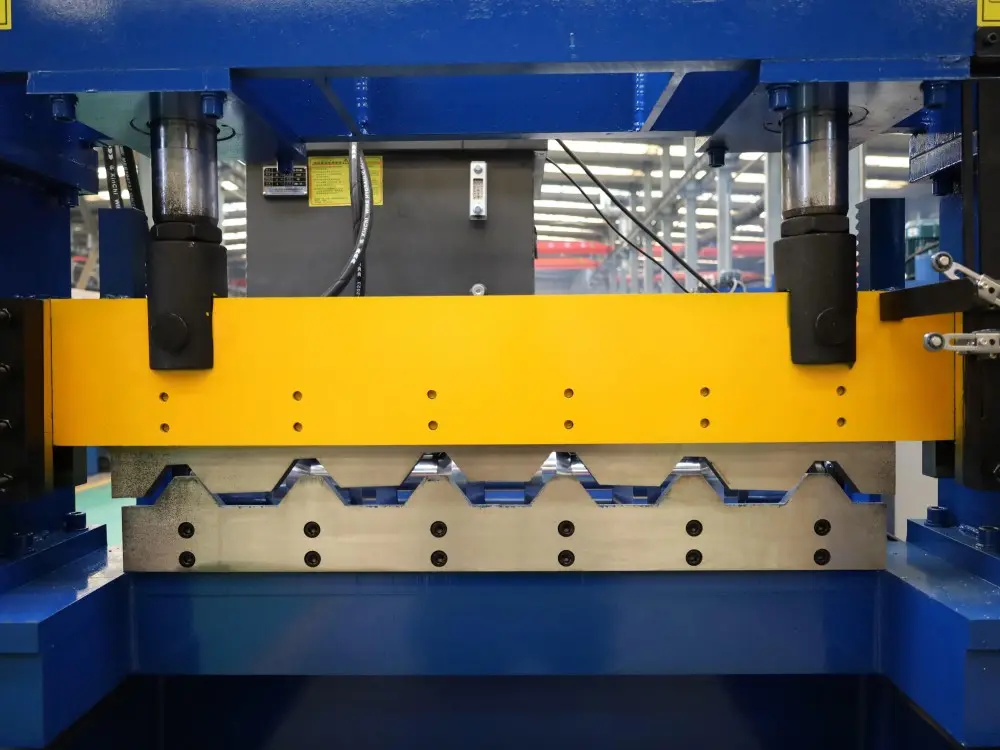
We provide full project coordination, including design approval, factory tests, commissioning, and global field support.

Industrial Procurement Guide

Procuring Custom Roll Formers: A Technical Checklist

Industrial buyers should evaluate several critical technical parameters when auditing roll forming machine suppliers:
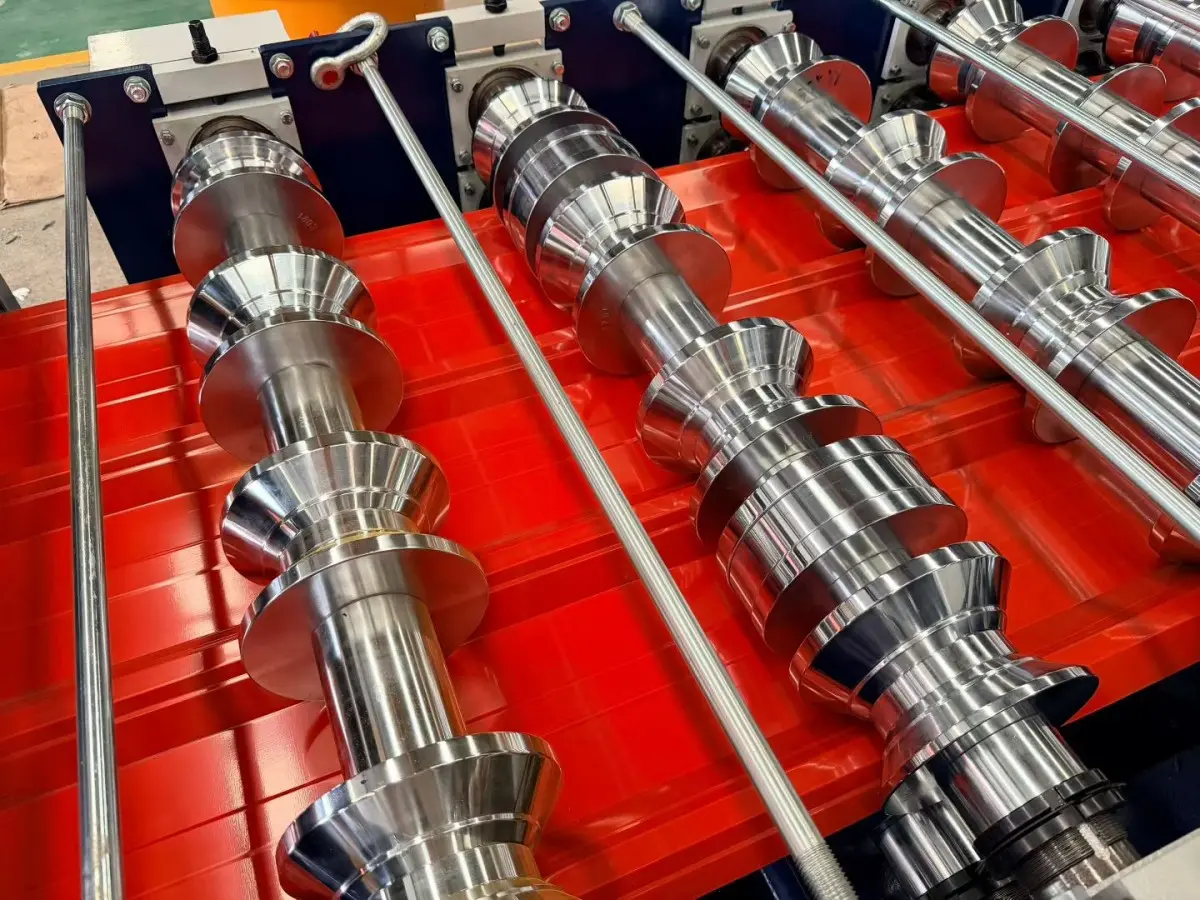
  • Roller Material & Treatment: Ensure tool steel grades are appropriate for the application (e.g., GCr15 or Cr12MoV/D2), and confirm that heat treatment processes achieve a surface hardness of HRC 58-62.
  • Line Drive Configurations: Verify shaft diameters match material thickness requirements, and check whether chain, gear, or cardan joint drive systems are utilized.
  • PLC Control Integration: Confirm compatibility with industrial standards, utilizing components like Siemens, Delta, or Mitsubishi PLCs with multi-language touch screens.
  • Accuracy of Cut-off Units: Check whether post-cutting hydraulic systems utilize D2 blades, and ensure tolerances for length are kept within ±0.5mm.
  • Power Consumption & Safety: Verify CE, UL, or CSA compliance, including safety enclosures, emergency stops, and energy-efficient motor configurations.
XC Xiongchang Factory Manufacturing Precision

Engineering Q&A: Cold Roll Forming Solutions

Technical responses to common engineering and procurement questions.

1. What roller materials are recommended for forming high-strength structural profiles? +
For high-strength materials (tensile strength > 550 MPa), we recommend Cr12MoV (equivalent to D2 tool steel) or GCr15 (bearing steel). These alloys undergo vacuum quenching and CNC precision grinding, achieving a surface hardness of HRC 58-62. This prevents surface wear, maintains dimensional tolerances, and extends the service life of the tooling.
2. How do you prevent springback and profile twisting in deep floor deck or purlin profiles? +
We address springback through design using COPRA software to simulate material stress distribution. We design progressive bending passes (up to 30-36 forming stages) to allow the metal to reform gradually. Overbending steps are also integrated into the final passes, and straightening devices (such as Turk's heads) are installed before the shear unit.
3. What is the difference between pre-cutting and post-cutting systems in roll forming? +
Pre-cutting involves cutting the flat sheet before it enters the forming stations, which works well for low-volume runs but may lead to end-flare. Post-cutting shears the completed profile after forming, preventing end deformation and ensuring clean, straight edges. Post-cutting is generally preferred for high-speed, continuous production.
4. Can a single purlin machine produce both C and Z profiles in varying dimensions? +
Yes. Our ODM C Z Interchangeable Purlin Machines feature automated width-changing designs controlled by PLC and servo motors. The operator enters the target dimensions via the HMI, and the machine automatically adjusts the roller spacing, allowing changeover between C and Z shapes in under 10 minutes.
5. How do you protect pre-painted steel coils from scratching during forming? +
For pre-painted or sensitive architectural metals, we plate the rollers with hard chrome (0.05-0.08mm thickness) and polish them to a mirror finish. In some cases, we install high-density polyurethane forming rollers in specific sections and use clean lubrication systems to prevent scratching.
6. What tolerances are typical for high-speed light gauge steel (LGS) framing systems? +
Our LGS framing systems maintain dimensional tolerances within ±0.5mm for length and ±0.25mm for profile flange height. Punching operations (for service holes and dimples) are synchronized with the drive motor, ensuring high precision.
7. How do you design and test new roller configurations? +
The process begins with CAD modeling of the target profile. We design the progressive pass geometry ("flower design") and test it using FEA stress analysis software. Once the tooling is machined, we run initial material trials at our factory to adjust for springback before shipping the equipment.
8. What electrical and safety standards do your machines support? +
We configure our control systems to match regional requirements. Standard systems use Siemens, Delta, or Mitsubishi PLCs with matching safety relays. All lines include safety guards, photoelectric sensors, and emergency stop circuits, meeting CE, UL, and CSA standards.
9. What is the typical lead time for a custom cold roll forming production line? +
A standard roll forming machine requires approximately 60 to 75 days, while complex, automated, or heavy-duty structural lines may take 90 to 120 days. This timeline includes engineering design, roller machining, assembly, and testing before delivery.
10. What after-sales and installation services do you offer internationally? +
We send engineers to customer sites to supervise installation, perform final tuning, and train local staff. Additionally, we provide online diagnostic support through remote control modules installed in the PLC panel, enabling real-time assistance.

Continuous Development & Custom Integration

XC continues to invest in research and development to improve manufacturing speed, accuracy, and profile consistency. Our facilities design and construct customized tooling sets that handle varied materials, including heavy gauge structural steels and pre-painted metals.

Through our automated systems, our equipment can integrate with ERP software, enabling remote diagnostic monitoring and real-time output reporting for smart factory environments.
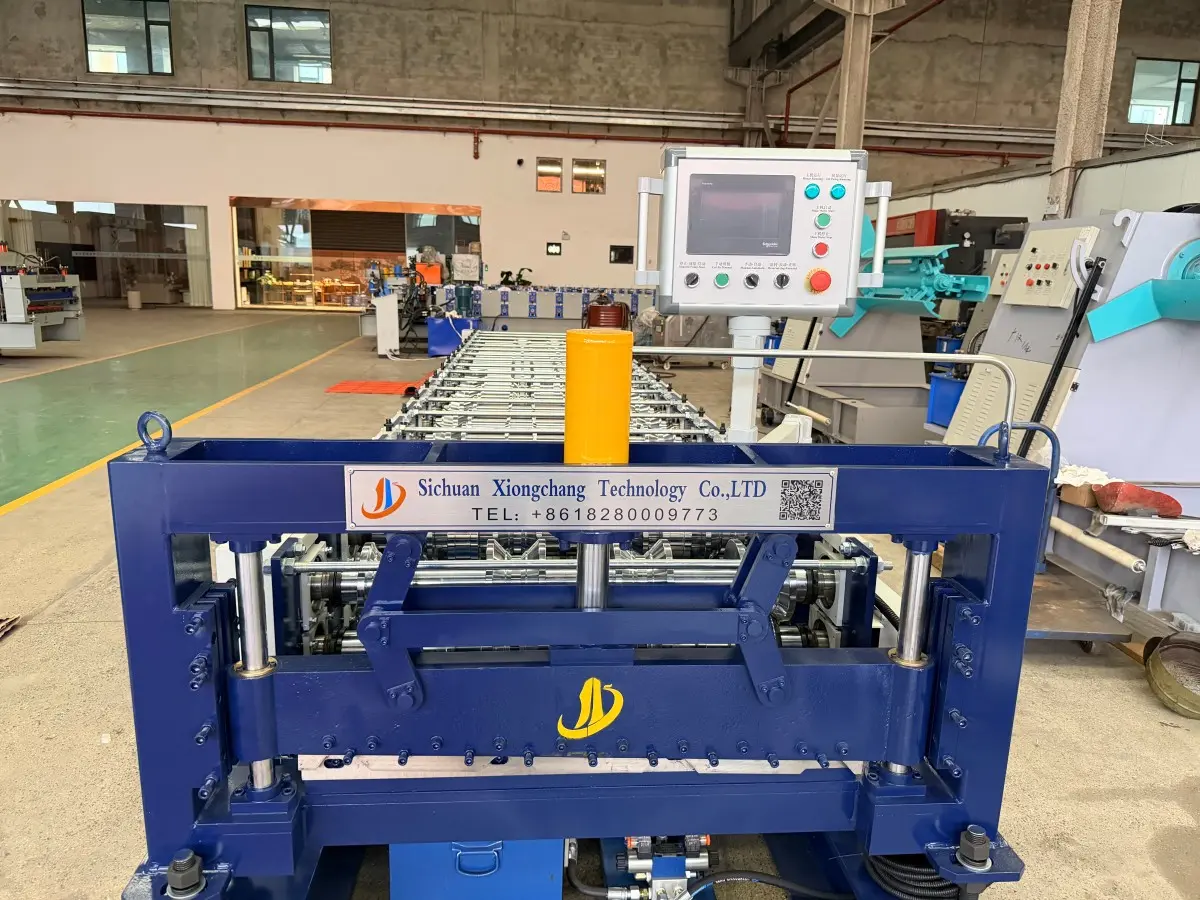
XC Xiongchang cold roll forming equipment assembly