Explore our premium machinery range designed for standard and fully customized industrial roofing and structural profiles.
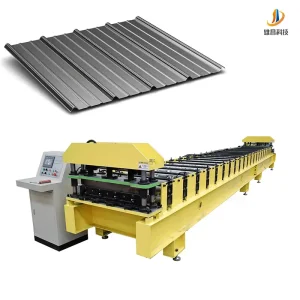
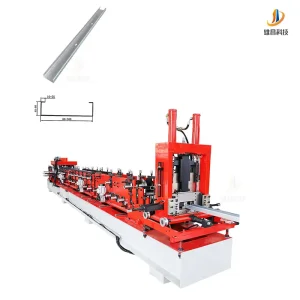
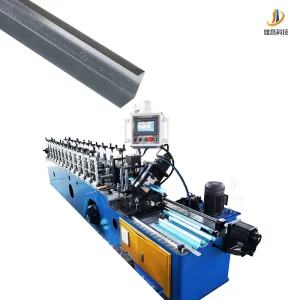
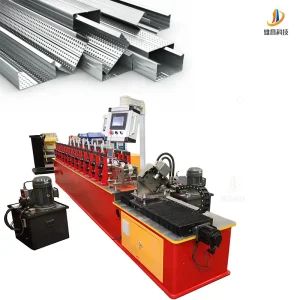
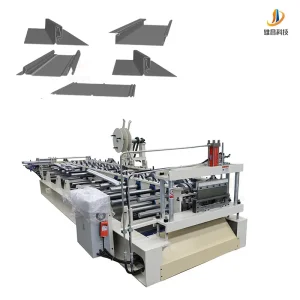
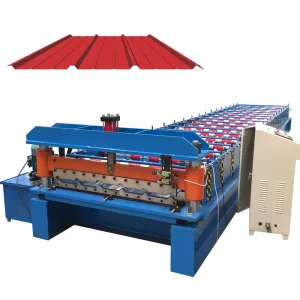
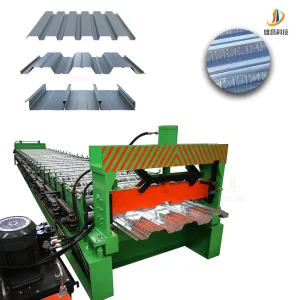
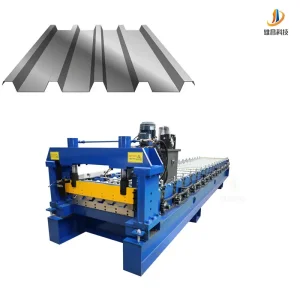
In modern industrial and commercial architecture, double lock standing seam profiles represent the pinnacle of structural performance, leak prevention, and durability.
The architectural paradigm shift toward low-slope metal roofs has placed unprecedented performance requirements on building envelopes. Traditionally, overlap panels and single-lock systems served residential and medium-wind commercial developments. However, as structures expand in footprint and face increasingly erratic global weather patterns, the limitations of standard fasteners and snap joints become glaring. This is where Double Lock Standing Seam (Mechanical Lock) technology asserts its engineering dominance.
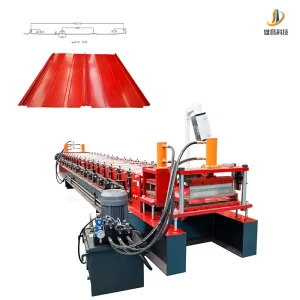
A double lock mechanical profile undergoes a two-stage folding process. Unlike a single lock seam (which folds the overlapping metal sheets 90 degrees), a double lock system seals the panels at a full 180-degree bend. This continuous, interlocked seam behaves structurally as a single, monolithic metal skin. Combined with pre-applied butyl sealants, it achieves absolute weather-tightness, resisting water penetration even under prolonged submersion or ponding conditions.
Crucially, the mechanical double lock seam accommodates high thermal expansion and contraction cycles. Metal buildings expand and contract significantly as ambient temperatures swing throughout the day. By using floating clips nested within the double lock fold, the panels glide smoothly along the length of the building without buckling, distorting the seam, or shearing the underlying fasteners.
Mechanical locks provide exceptional wind resistance. Under extreme pressure conditions, the 180° interlock prevents panels from peeling apart, making it the preferred standard for airports, logistics centers, and coastal infrastructure.
By eliminating exposed fasteners subject to gasket degradation and thermal shear, mechanical standing seam assemblies dramatically reduce maintenance costs and extend roof lifespans beyond 50 years.
While typical metal panels require minimum slopes of 3:12 or higher, double lock standing seam profiles function perfectly at extremely shallow pitches as low as 1/4:12, maximizing usable building volume.
As an established expert in the field, XC (Xiongchang) provides integrated roll forming solutions. Our portfolio encompasses core production machines for roofing, flooring, doors, and structural components, as well as the complete auxiliary line equipment essential for efficient operation.
VIEW MORE
A deep look into our technical force, advanced industrial machinery, and end-to-end quality assurance protocols.
We get a specialized team of technical personnel and engineers, they are committed to delivering superior products and solutions for our valued customers. Our substantial investment in state-of-the-art, automated production lines ensures manufacturing precision and consistency, forming the foundation of our product excellence.
For over two decades, XC (XiongChang) has been a trusted leader in the design and manufacture of cold roll forming equipment. We combine deep industry expertise with a steadfast commitment to our clients, ensuring every machine delivers exceptional value and performance. With our dedication on a robust technical force and advanced industrial equipment, We XC aimed to provide integrated and automated systems across our production, to fulfill diverse industrial requirements, trying our best to guarantee the highest standards of quality and performance in every machine we build.
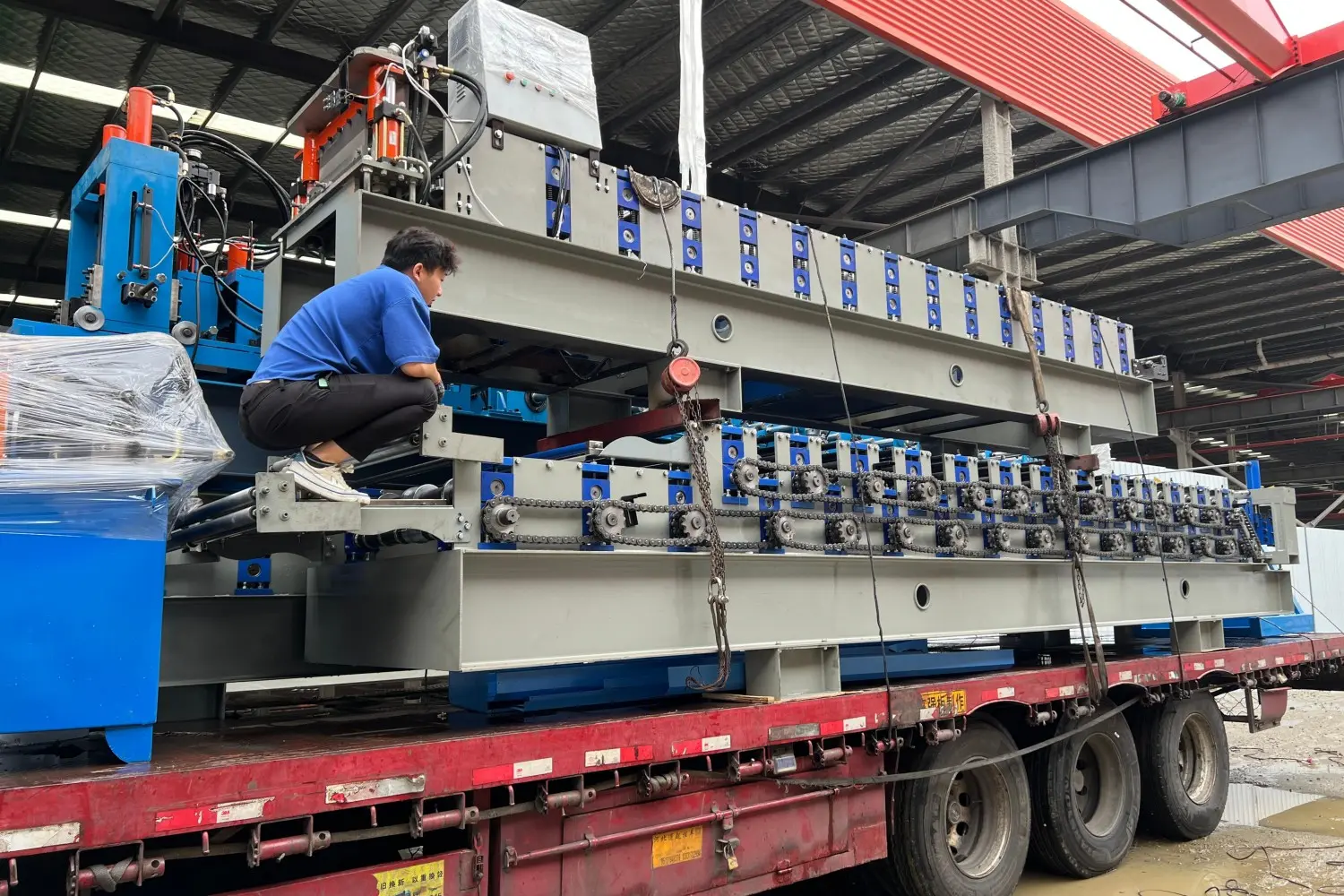
XC has a complete suite of detection and testing instruments, to rigorously verify product strength, durability, and reliability. We adhere to strict, standardized quality control protocols throughout the manufacturing process, ensuring all output consistently meets specified customer specifications.
From the raw steel feed to final assembly testing, every phase of production is monitored. Our QA testing includes ultrasonic testing of shafts, coordinate measuring machines (CMM) for checking tolerance profiles, and running test coils on all custom roll forming equipment before dispatch.
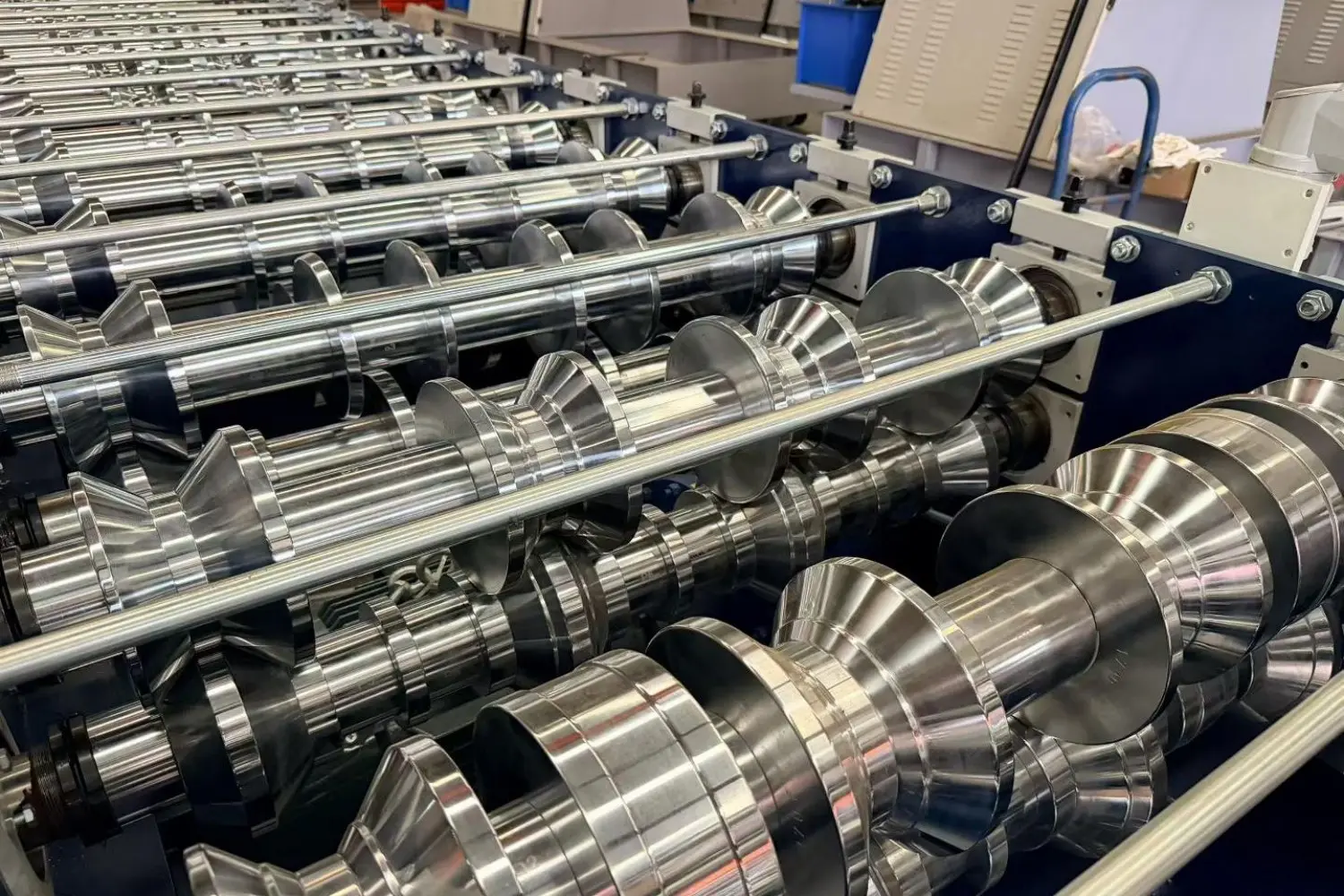
From design to installation, XC provides comprehensive lifecycle support. We offer professional installation, commissioning, and operational training to ensure optimal setup and productivity.
Our dedicated after-sales support team delivers ongoing technical assistance and maintenance services, helping customers achieve sustained, peak operational performance.
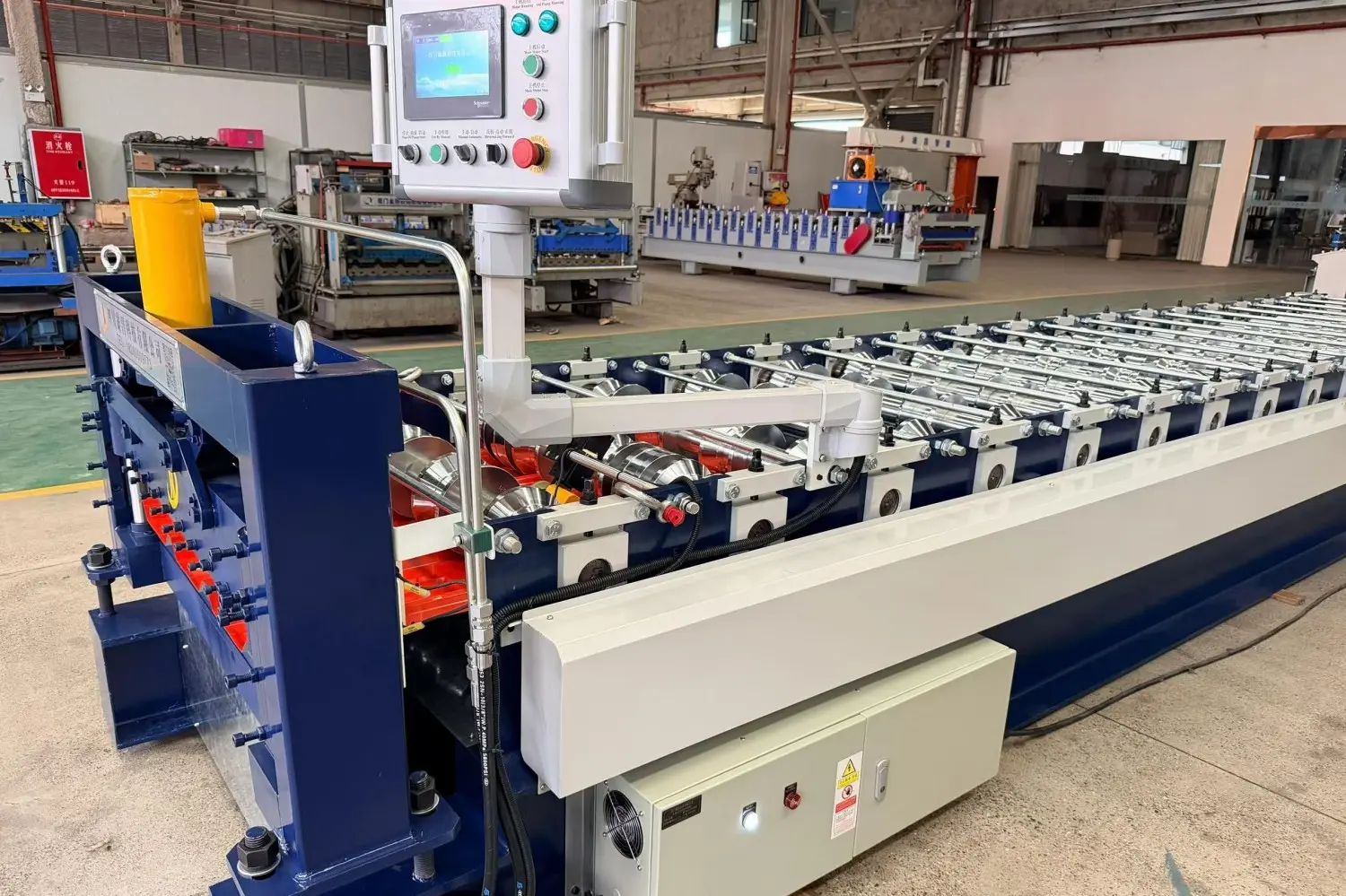
With years of industry expertise, we have established a strong reputation for quality and customer-centric service. Our professional team provides tailored, personalized support for both standard and customized technical needs.
This commitment has fostered a loyal client base across construction, manufacturing, and engineering sectors, with our machines contributing to projects ranging from residential complexes to large-scale commercial and infrastructure developments.
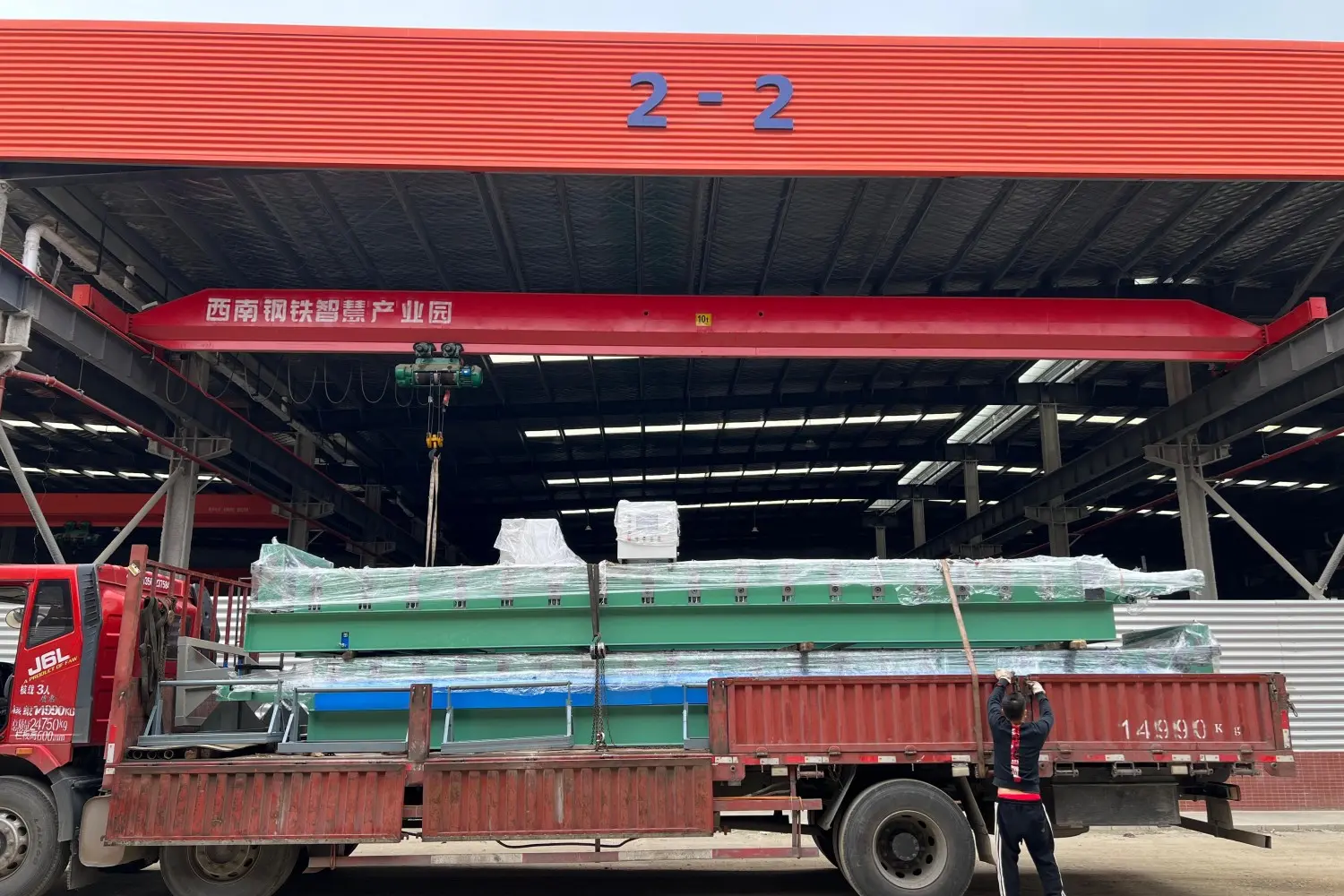
We offer an extensive range of precision cold roll forming systems to meet varied customer applications. All our equipment is engineered to produce durable, reliable, and high-performance end-products.
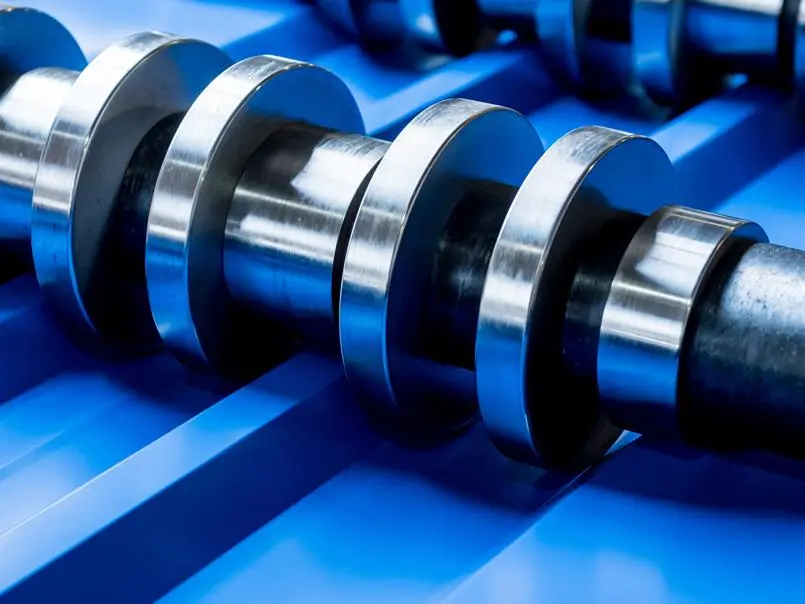
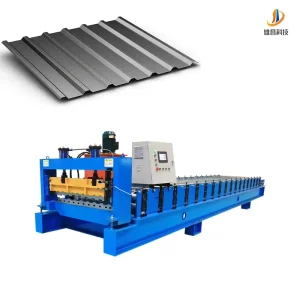
Roof Panel, Wall Panel, and Floor Deck Roll Forming Machines designed for optimal material yield.
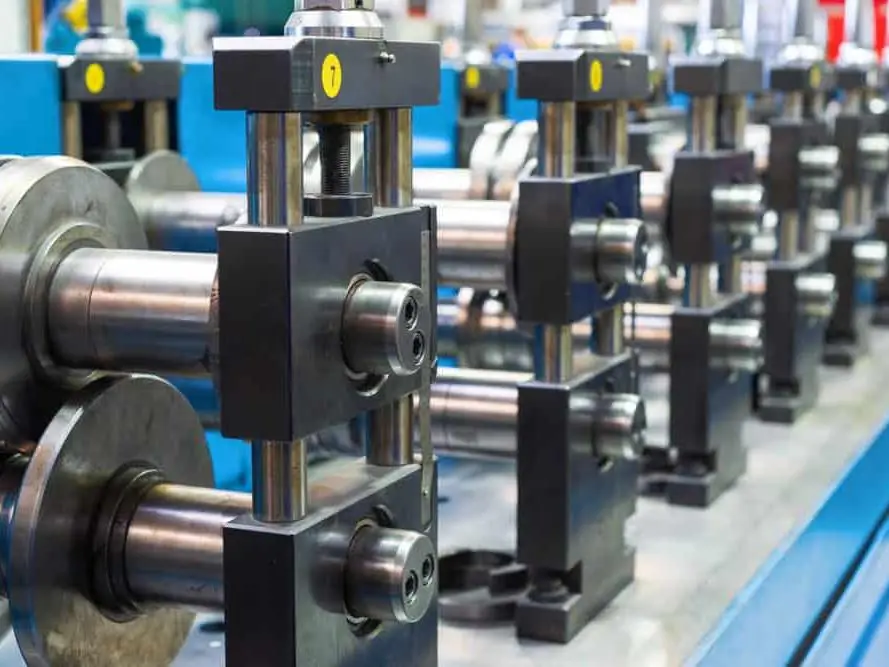
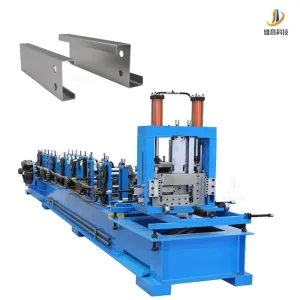
C/Z Purlin Roll Forming Machines, and Stud & Track Roll Forming Machines built with dynamic size adjustments.
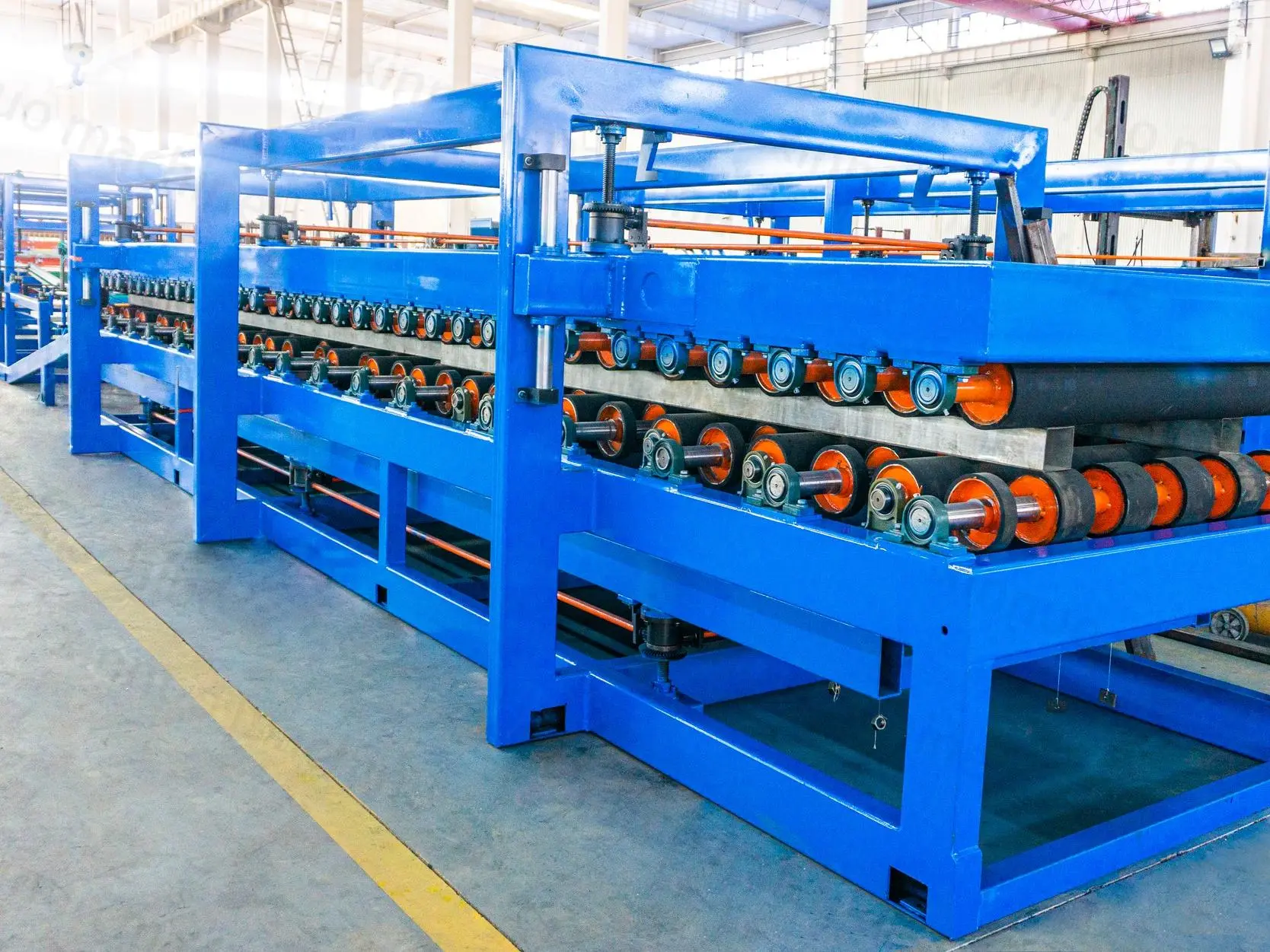
Gutter Roll Forming Machines and Door Frame Roll Forming Machines for highly customized architectural profiles.
How XC Xiongchang integrates smart industrial manufacturing ecosystems to deliver robust, high-performance machinery globally.
The global demand for reliable metal forming machinery has faced unprecedented supply chain challenges, fluctuating raw steel costs, and logistics disruptions. As a top-tier Chinese manufacturer, XC has systematically addressed these challenges by upgrading to a Factory 4.0 Model. This integrates automation, precision components, and full control over our domestic raw-material supply network.
In our 50,000 square meter facility, we control every manufacturing phase. Rather than outsourcing key processes, we utilize advanced CNC vertical machining centers to mill the forming rollers, and induction heat-treating systems to harden the tooling components. This prevents third-party delays and guarantees that rollers achieve the perfect HRC 58-62 hardness, critical for preventing profile wear when running hard-grade, high-tensile steel coils.
Furthermore, our strategic location in the industrial hub of China grants us immediate access to world-class electronics manufacturers (including premium brands like Siemens, Omron, and Schneider) and metallurgical giants. This ensures that every PLC-controlled system, hydraulic cylinder, and roll station component is sourced immediately and economically, passing the cost and lead-time advantages directly to our international clients.
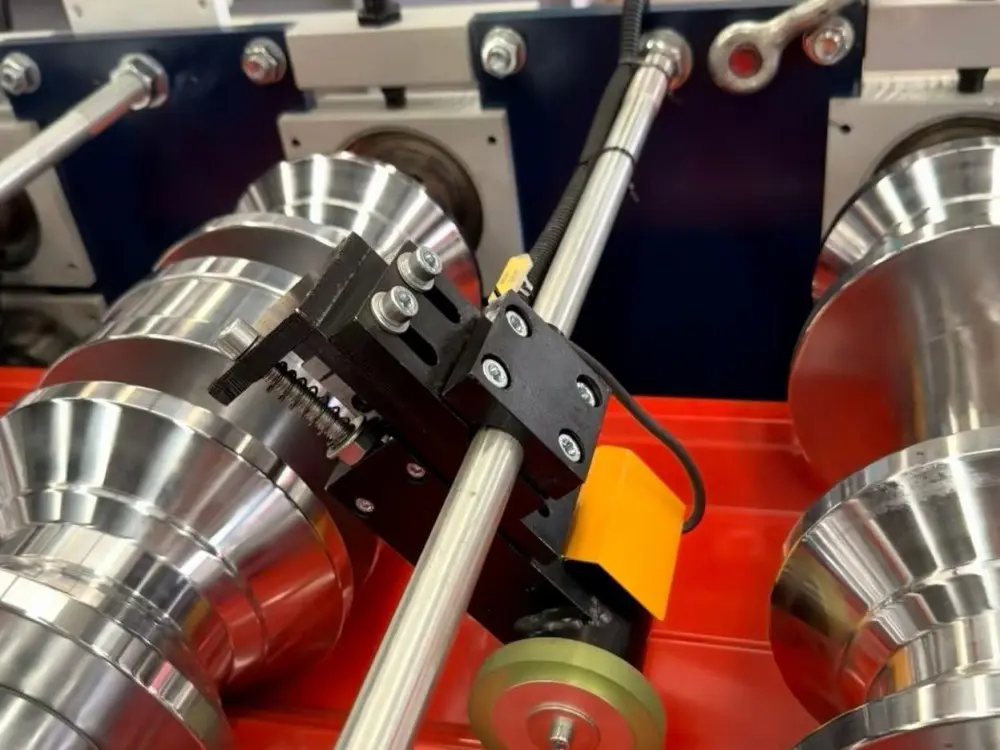
Every roller is precision-engineered to tolerances within ±0.02mm using state-of-the-art multi-axis CNC lathes. We apply a thick hard chrome coating (typically 0.05mm minimum) to prevent roll surfaces from scratching prepainted coils, extending tool life under heavy usage.
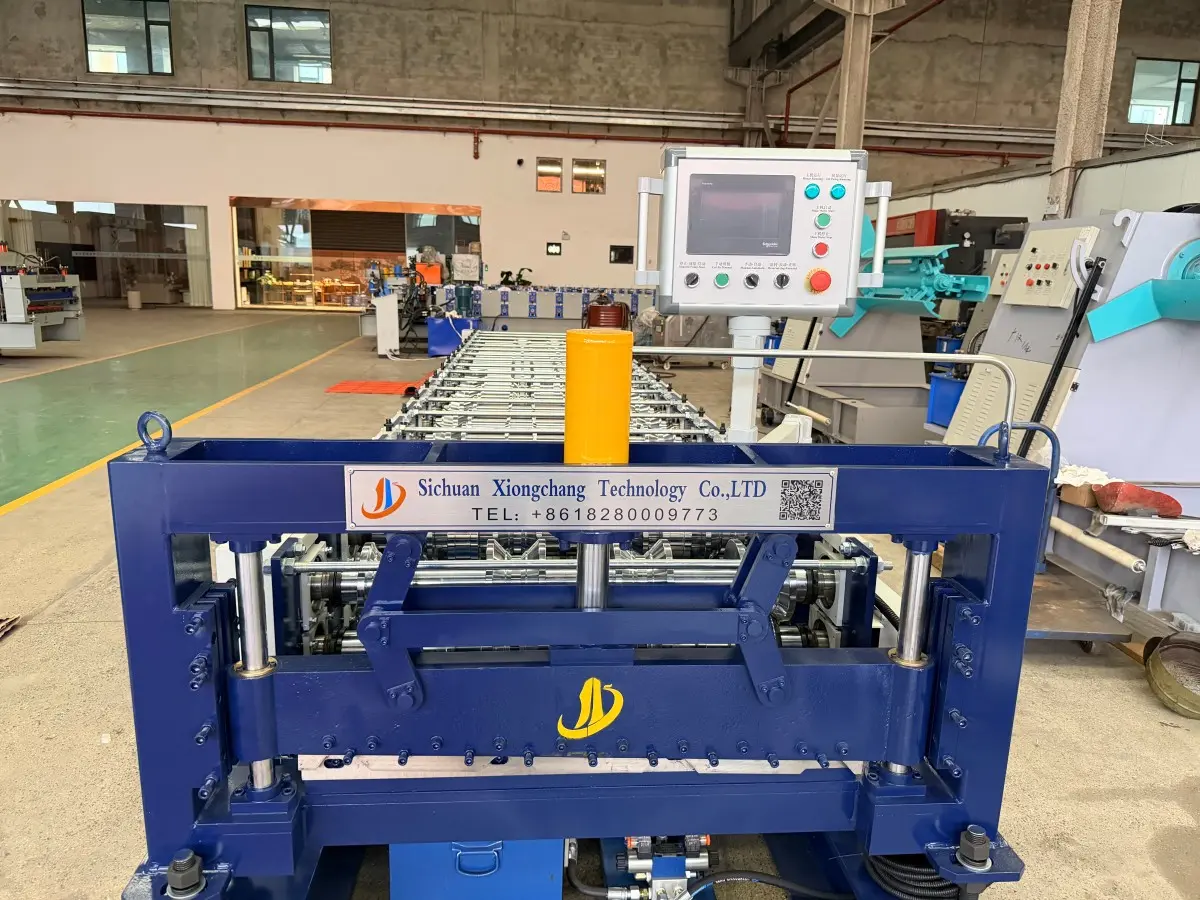
Equipped with Siemens or Mitsubishi PLC systems, our double lock standing seam machines sync panel cutting, feed rates, and length control dynamically. Operators manage profile speed, batch sizes, and diagnostic checks via an intuitive touchscreen HMI interface.
Our roll forming systems serve a diverse global clientele, from residential builders to large-scale industrial and infrastructure projects.
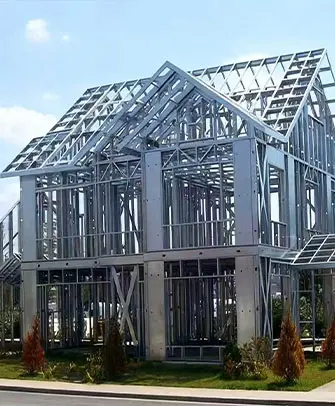
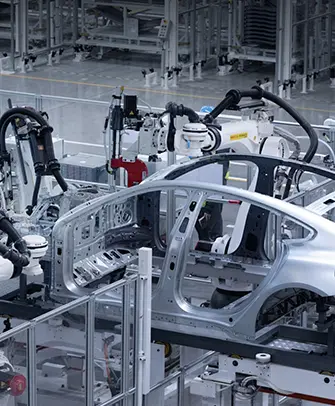


Tailor-made systems for continuous high-speed profile production across multiple metal sheet types.
Comprehensive on-site commissioning, operator training courses, and dynamic spare parts distribution.
For over two decades, XC (XiongChang) has been a trusted leader in the design and manufacture of cold roll forming equipment. We combine deep industry expertise with a steadfast commitment to our clients, ensuring every machine delivers exceptional value and performance.
Our engineers customize rolls, frames, and driving mechanisms to exactly match specific tensile strengths and regional structural profiles.
Constructed using solid steel wall plates, ground shaft systems, and premium electrical components to withstand continuous daily operations.
Providing reliable installation, long-term technical consultation, fast-response spare parts, and custom-designed system upgrades.
Comprehensive professional analysis for global buyers, structural engineers, and factory operators looking to optimize their metal-profile production lines.
Snap Lock profiles feature male and female seams that snap together manually without requiring a mechanical seaming machine tool. They are highly efficient for medium slopes (typically 3:12 and greater) where installation speed is critical.
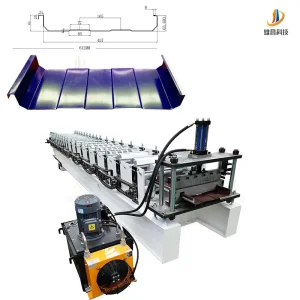
Double Lock profiles (also known as Mechanical Lock) must be folded together mechanically using an electric seamer. This bends the seams 180 degrees. Double Lock systems offer far superior wind uplift values (UL 90 rating) and can handle low-slope configurations down to 1/4:12 because the joint is virtually watertight and structurally continuous.
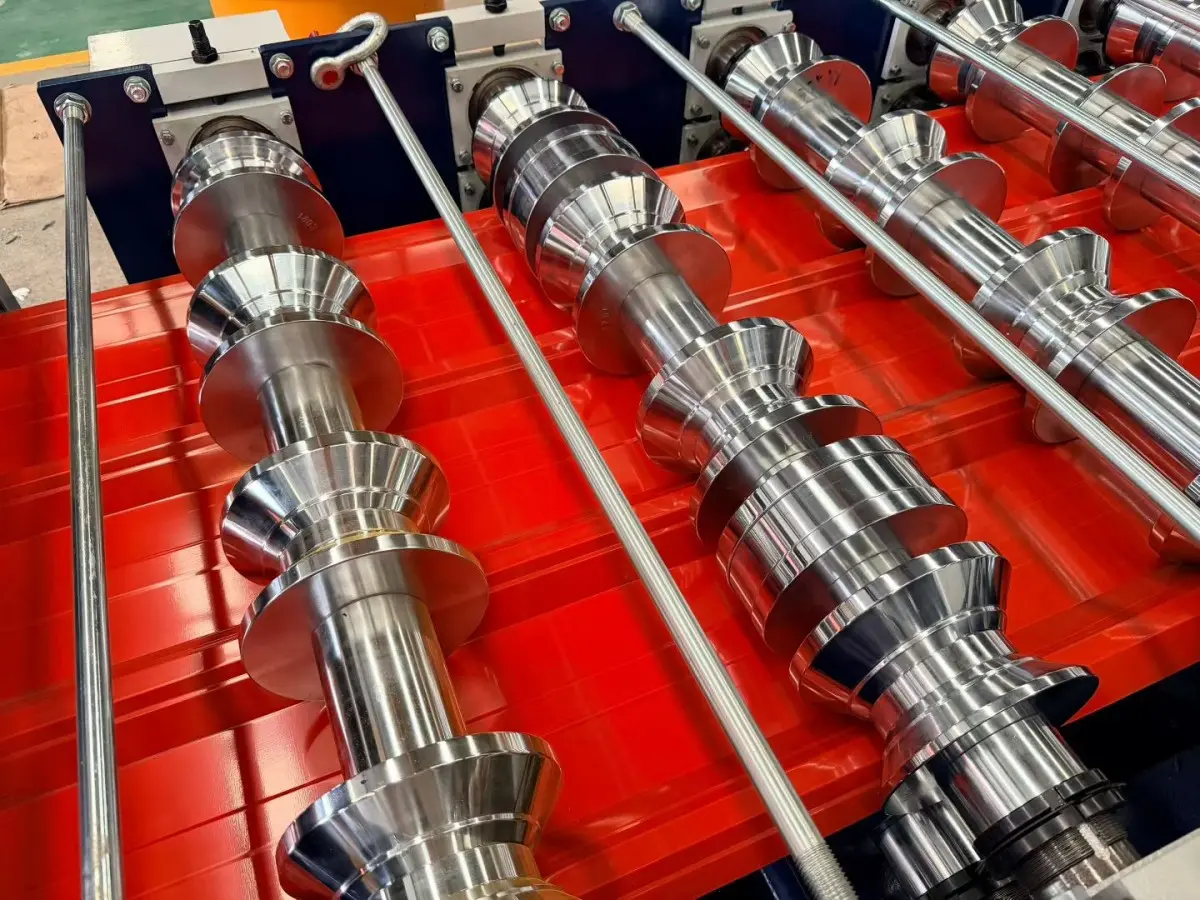
To ensure longevity, forming rollers must be made of high-grade alloy steel like GCr15 or Cr12MoV. At XC, we machine these rollers using high-precision CNC equipment to a tolerance of ±0.02mm, followed by vacuum heat treatment to achieve HRC 58-62 hardness. Finally, a hard chromium coating of at least 0.05mm is applied to prevent surface abrasion on painted steel sheets.
Standard standing seam machines run steel coil thicknesses ranging from 24 to 28 gauge (0.4mm to 0.8mm). To prevent material wrinkling, structural roll forming stations are mounted with side-handwheels or automatic PLC-driven thickness adjustment systems. These micro-adjust the gap between top and bottom rollers to prevent panel deformations or cracking.
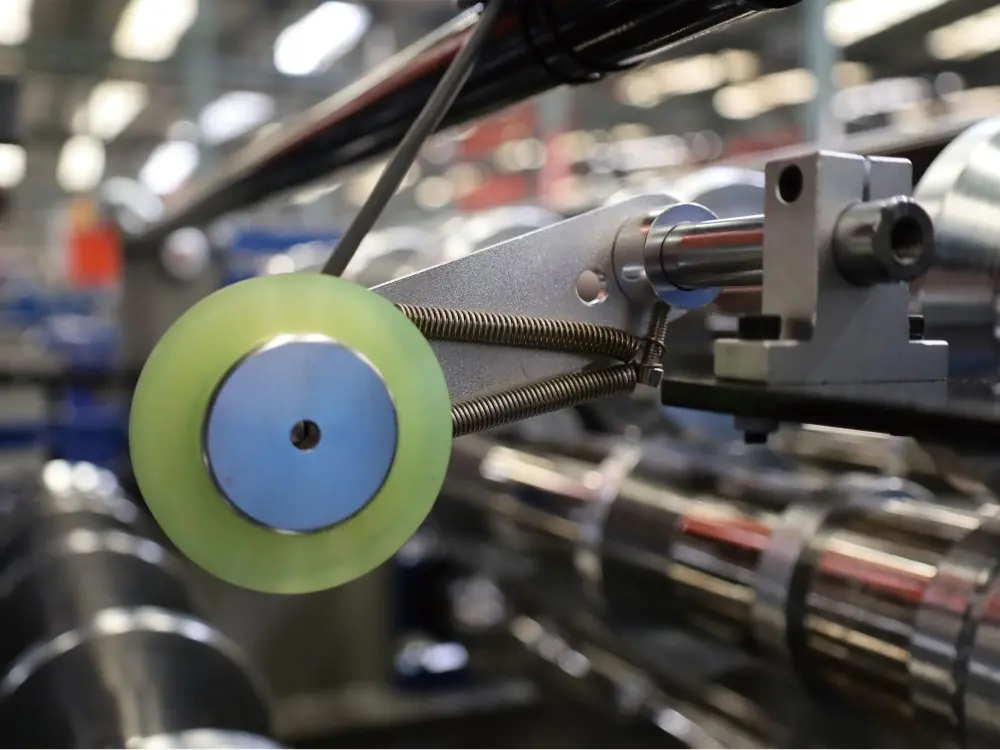
An integrated PLC system (such as Siemens or Mitsubishi) coordinates the steel decoiling, sheet feeding, shape roll-forming, and post-hydraulic cutting processes. It allows the operator to input multiple job profiles, cutting lengths, and production batches into a single HMI touchscreen. This reduces sheet waste and limits human measurement errors to under ±1mm per 10-meter panel.
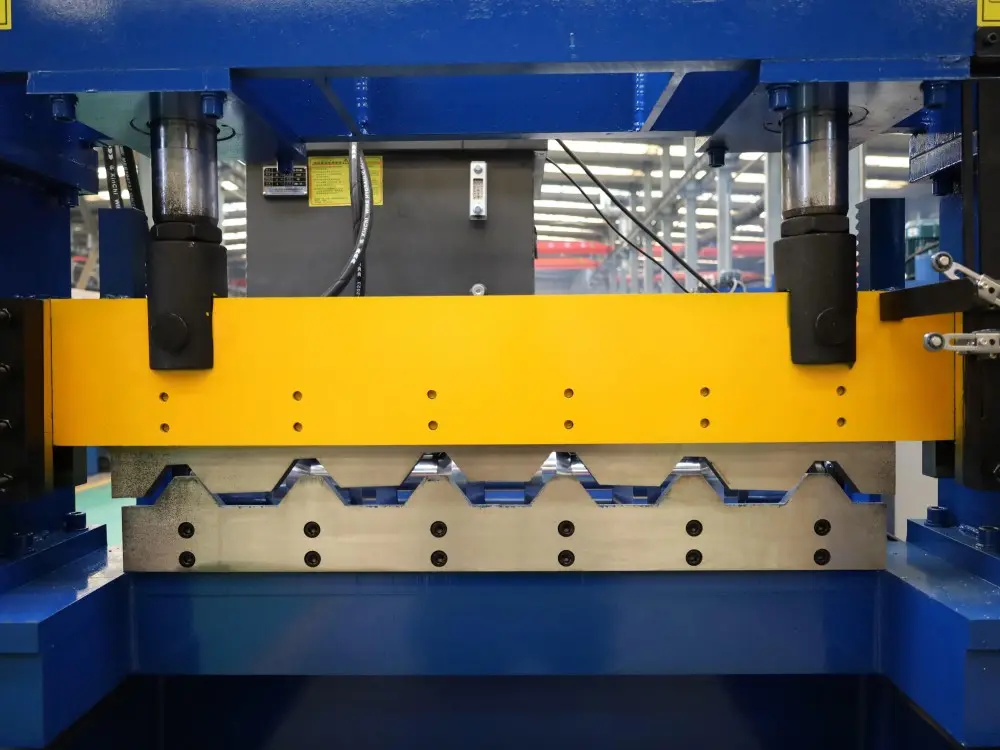
Post-cutting utilizes a hydraulic shear profile that matches the final shape of the formed panel, cutting the sheet cleanly after the roll forming process. This prevents panel end-flare (deformity at the front/rear edges of the metal panel) which typically occurs when pre-cut flat sheets enter forming rollers. Post-cutting yields perfect seam alignment, critical for smooth mechanical folding.
Our machine frames are fabricated using high-strength H-beam steel as the base plate, reinforced with solid steel vertical plate structures (typically 20mm to 30mm thick). The complete base is stress-relieved and surface-ground to guarantee that roll shafts remain aligned under high mechanical load, avoiding profile twist.
At XC, we coat all machined surfaces and rollers with specialized anti-rust oils, wrap the entire unit in waterproof plastic film, and secure it inside shipping containers using thick steel wires. The control cabinets and hydraulic pump stations are additionally packed with desiccant and protected within vacuum-sealed foil barriers.
Yes. Many of our modern mechanical lock machines feature width-adjustable roll forming stations. By turning a handwheel or adjusting the width automatically via PLC servo motors, operators can change the panel width from 300mm to 600mm. This versatility makes the equipment suitable for varying project requirements.
Complete your production setup with structural purlin machines, heavy-duty floor deck profiles, and LGS framing lines.
 Xiongchang