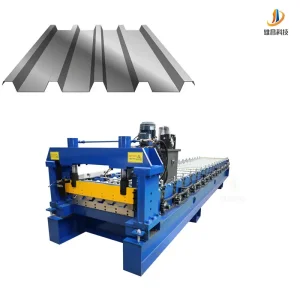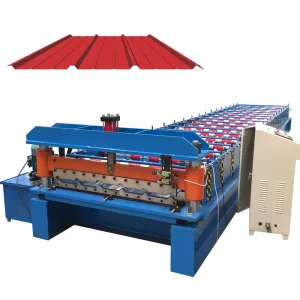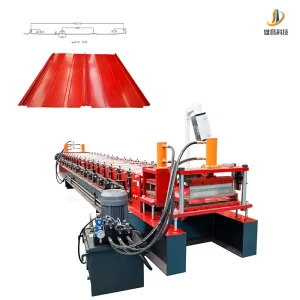
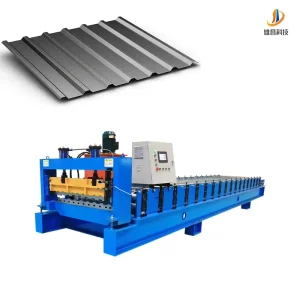
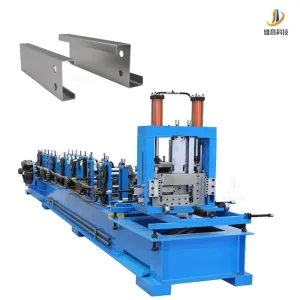
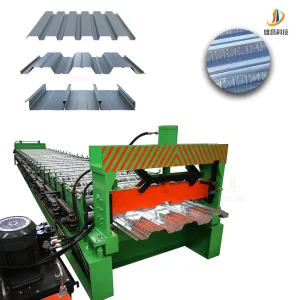
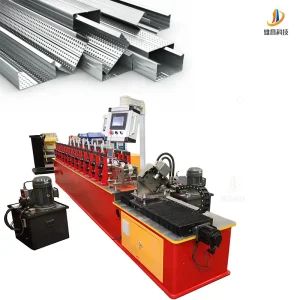
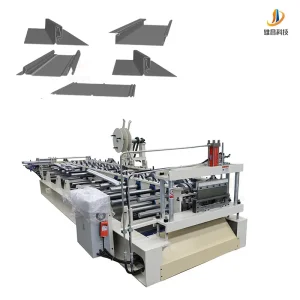
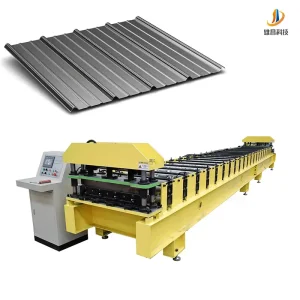
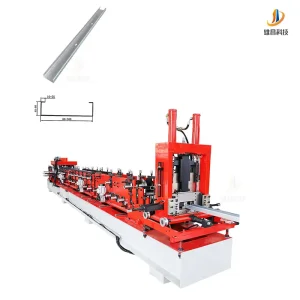
As an established expert in the field of metal fabrication and cold bending, XC (Xiongchang) provides integrated roll forming solutions. Our comprehensive portfolio encompasses core production machines for industrial roofing, structural flooring, precision doors, and structural framing, as well as the complete auxiliary line equipment essential for high-yield, safe, and highly efficient manufacturing operations.
For over two decades, XC (XiongChang) has been a trusted leader in the design and manufacture of cold roll forming equipment. We combine deep industry expertise with a steadfast commitment to our clients, ensuring every machine delivers exceptional value, long lifetime, and peak mechanical performance.
Leveraging high-end manufacturing machinery, integrated control systems, and precision tooling to design systems tailored for strict engineering requirements.
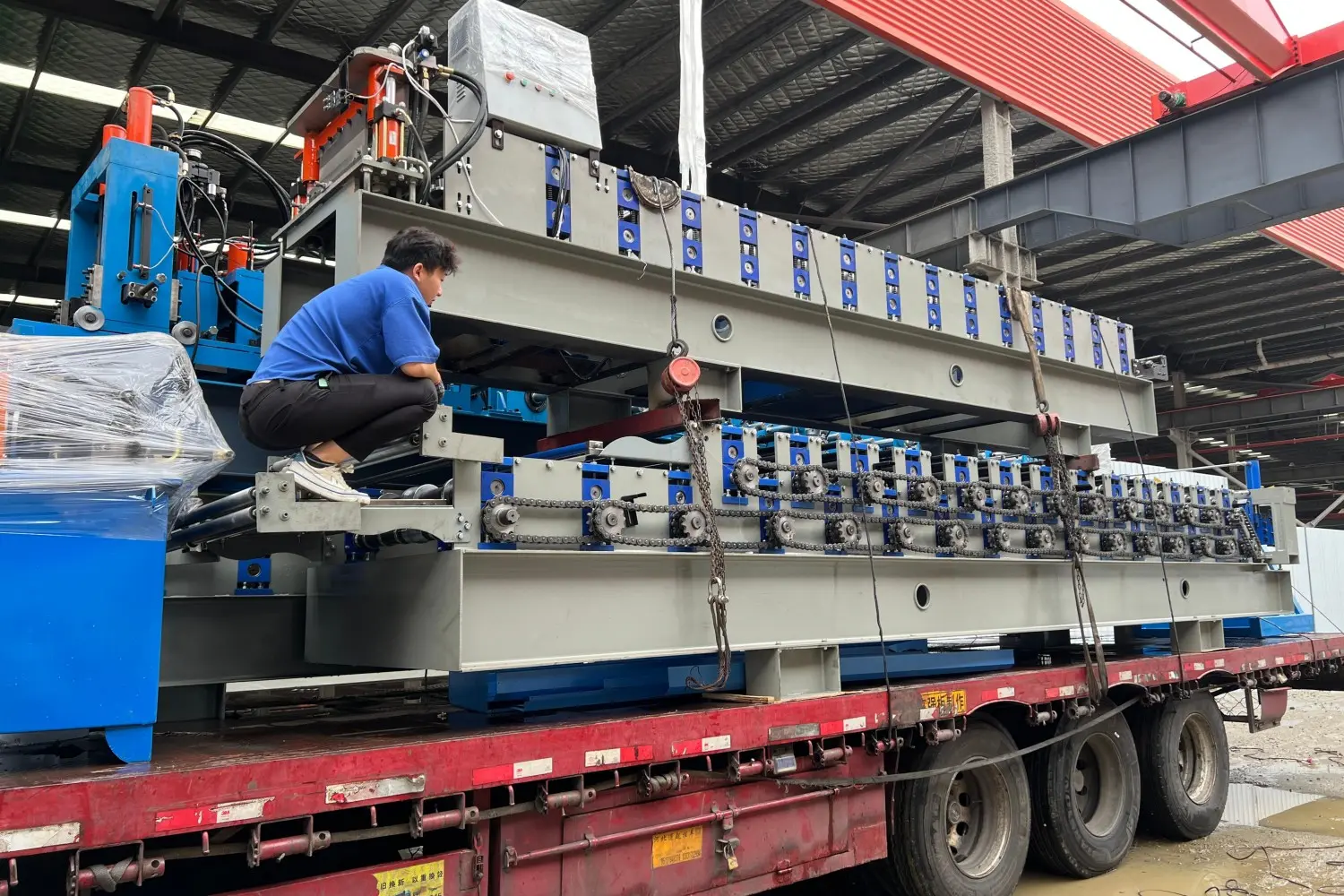
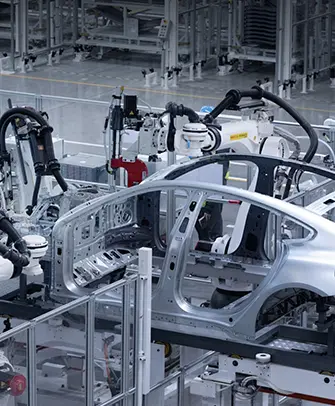
With our dedicated focus on a robust technical force and advanced industrial equipment, XC is committed to providing integrated and automated systems across our production lines. Our systems satisfy diverse industrial requirements and maintain the highest standards of quality and performance in every machine we build.
Our specialized team of technical personnel and engineers is committed to delivering superior products and custom-designed solutions. By employing state-of-the-art software such as Copra Roll Design, AutoCAD, and SolidWorks, we simulate the profile formation process step-by-step to prevent structural defects, strip edge stretching, or pocketing in the profile.
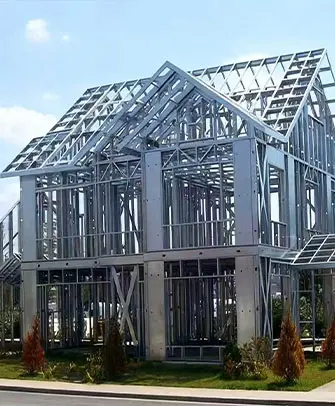
Our structural cold-formed profiles provide structural integrity, precise alignment, and long-term durability for modern architectural projects.
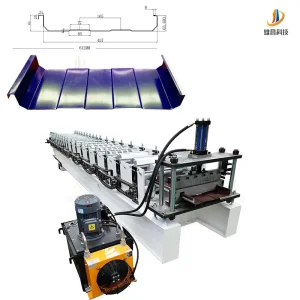
Highly automated Roof Panel, Wall Panel, and Floor Deck Roll Forming Machines optimized for architectural sheeting and high structural performance.
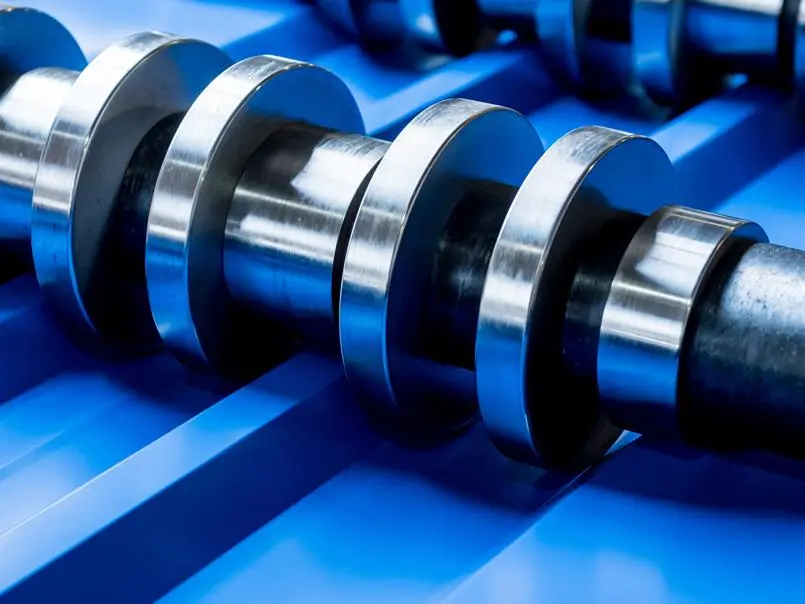
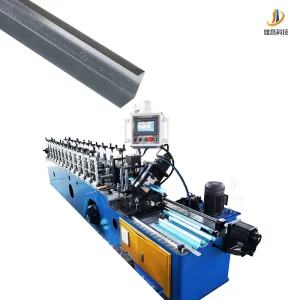
Includes flexible C/Z Purlin Roll Forming Machines (with fast manual or auto-interchange mechanisms) and Stud & Track Roll Forming lines.
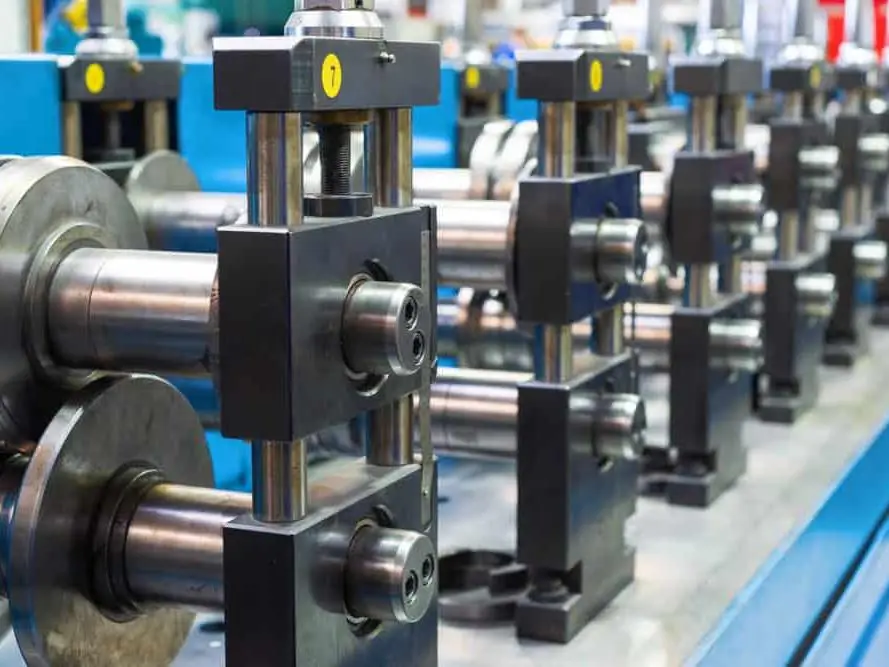
Custom lines engineered for downspout/gutter roll forming, metal tile profiles, step-tile roofing, and high-security rolling shutter door frames.
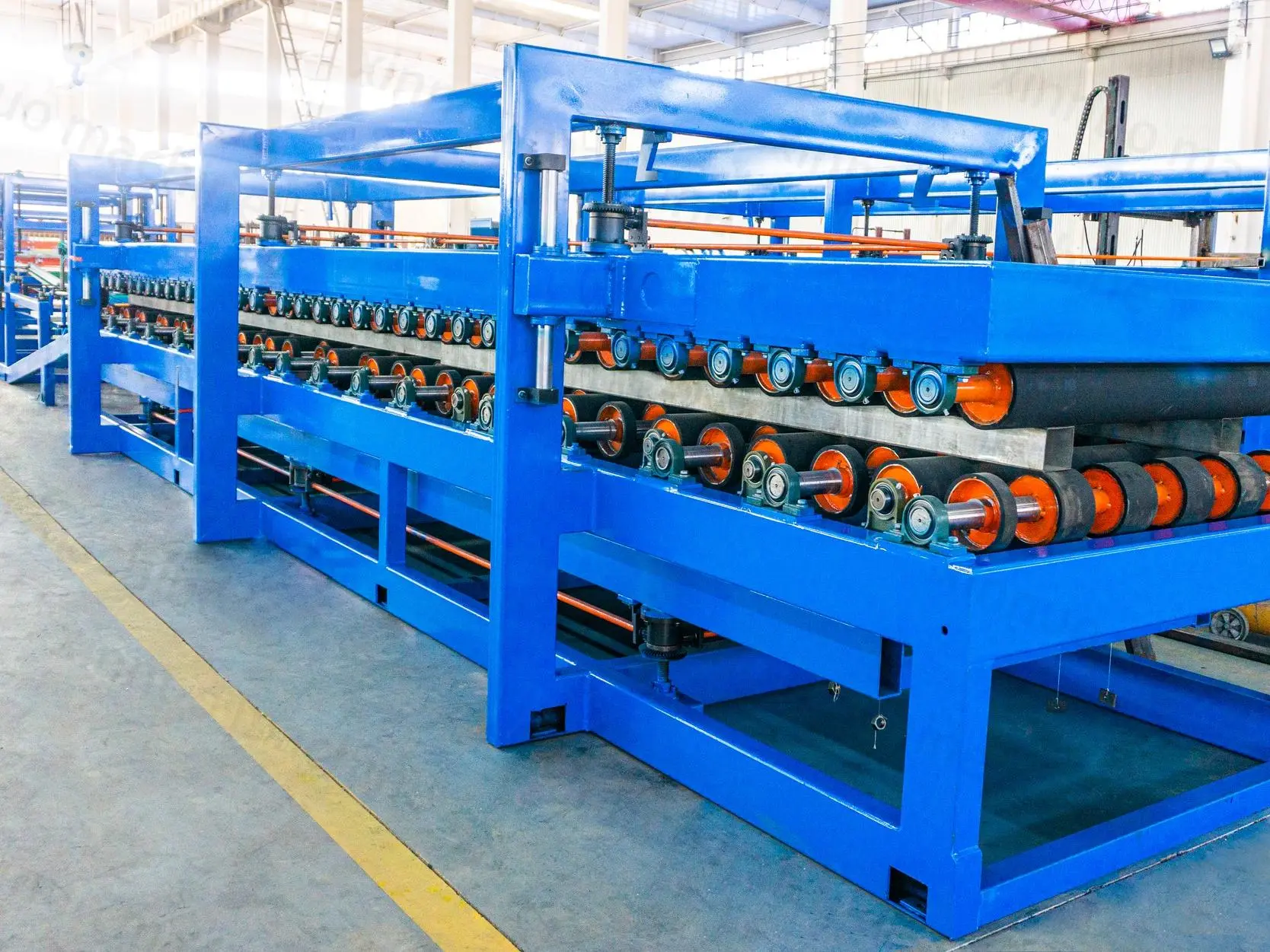
Cold-formed steel (CFS) sections represent the modern standard for lightweight, structurally efficient building frameworks and cladding. Among these, the corrugated sheet remains the most widely deployed shape globally due to its optimized structural characteristics. However, producing consistent, stress-relieved, and dimensionally accurate corrugated sheets requires roll forming machinery built with high mechanical precision and advanced control algorithms. Below, we examine the critical mechanical characteristics, localization considerations, and supply chain efficiencies that govern industrial success.
The roll forming process gradually shapes flat sheet metal coils into finished corrugated, trapezoidal, or standing seam panels by passing the sheet through a sequential series of forming rollers. Each station performs a pre-calculated amount of incremental deformation. If the step-deformation is too aggressive, the sheet metal experiences significant residual stress. This stress can manifest as oil-canning, end-flaring, edge waves, or longitudinal twisting.
To prevent these defects, XC engineers use progressive flower-pattern designs (incremental profiling cross-sections) to control the flow of material. High-tensile steel, such as ASTM A653 or Grade 80 (550 MPa yield strength) structural cladding, requires custom roll toolings. Due to the high springback rate of Grade 80 steel, the forming rollers must be designed with compensatory over-bending angles. The rollers are manufactured from premium tool steels (typically Cr12, Cr12MoV, or ASTM D2), through-hardened to HRC 58-62, and precision finished with hard-chrome plating. This ensures long tool life and prevents surface marking on prepainted galvanized steel (PPGI) or Aluzinc coils.
Modern roll forming machinery must be adapted to different regional standards and electrical environments. We provide customized configurations to meet localized codes:
When selecting a custom roll forming machine, understanding the technical limits is critical. The following matrix shows typical configurations for standard, heavy industrial, and light gauge high-speed lines:
| Performance Specification | Standard Cladding Line | Heavy-Duty Decking Line | High-Speed Light Gauge Line |
|---|---|---|---|
| Raw Material Thickness | 0.3 mm – 0.8 mm | 0.8 mm – 1.6 mm | 0.4 mm – 0.6 mm |
| Yield Strength Limits | G300 – G550 MPa | G250 – G350 MPa | G300 – G550 MPa |
| Forming Speed Range | 15 – 25 m/min | 10 – 18 m/min | 35 – 50 m/min |
| Shaft Diameter & Material | Φ 70-80mm (Solid #45 Steel) | Φ 90-110mm (Solid 40Cr) | Φ 75mm (Precision ground) |
| Drive Mechanism | Single-chain or Gear Box | Independent Cardan Shafts | Dual-contact Gear Train |
| Cutting & Punching | Hydraulic Post-Cut | Hydraulic Pre-punch & Cut | High-speed Flying Shear |
Our quality assurance protocol begins at the raw material stage and extends through to installation and commissioning. We verify the durability, precision, and reliable operation of every roll forming machine before it leaves our factory floor.
We conduct rigorous testing under loaded production speeds using the client's specification-grade coils. The profile geometry is laser-measured to ensure compliance with design specifications.
Using thermographic cameras, we inspect drive motors, gear reducers, and hydraulic stations under sustained loads. Variable Frequency Drives (VFDs) are tuned for smooth acceleration and deceleration ramp curves.
Our engineers provide worldwide installation support, operator training, and control optimization, helping your team run the production line safely and efficiently.
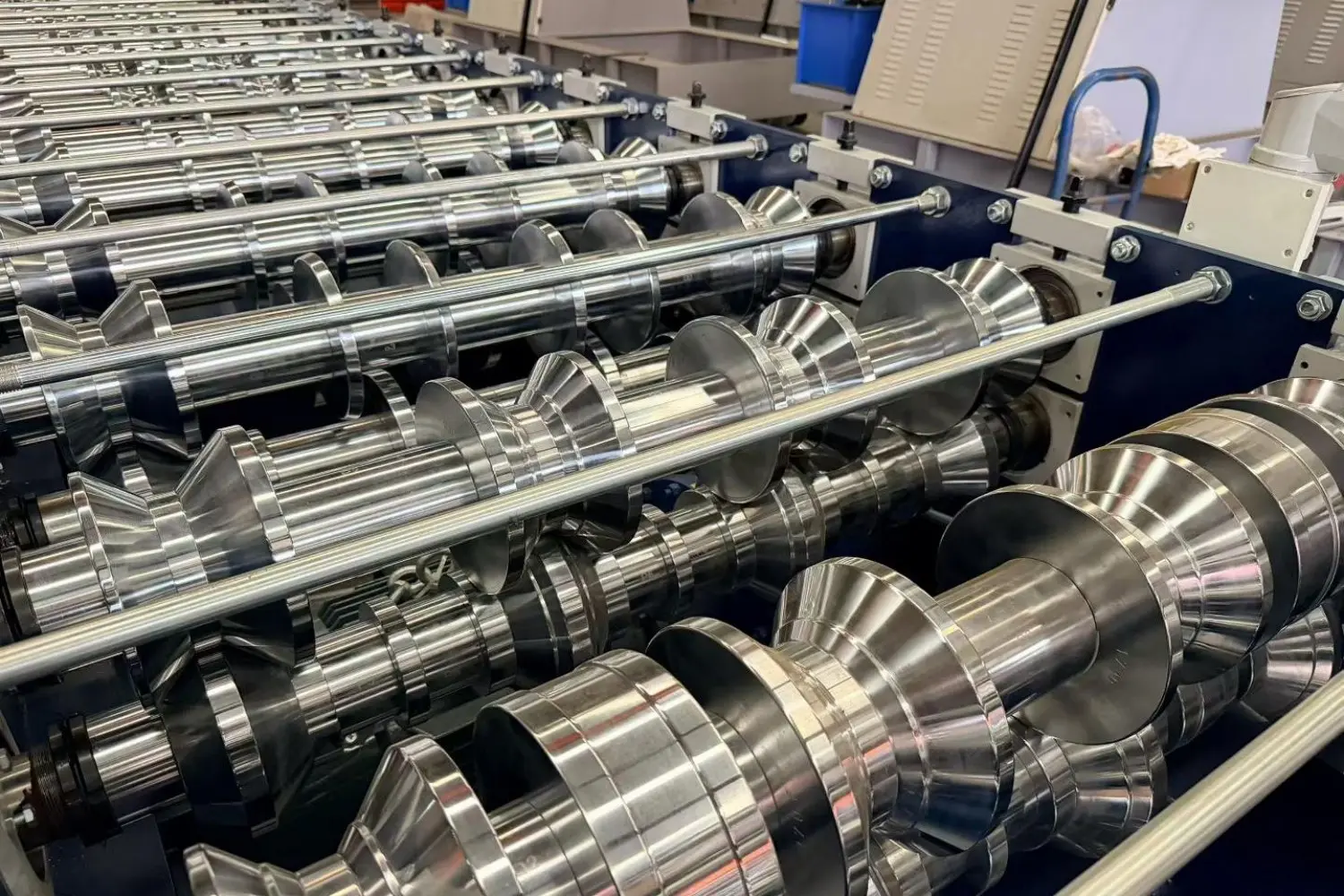
XC integrates regional raw material advantages and advanced manufacturing ecosystems to deliver robust, reliable machinery with short lead times.
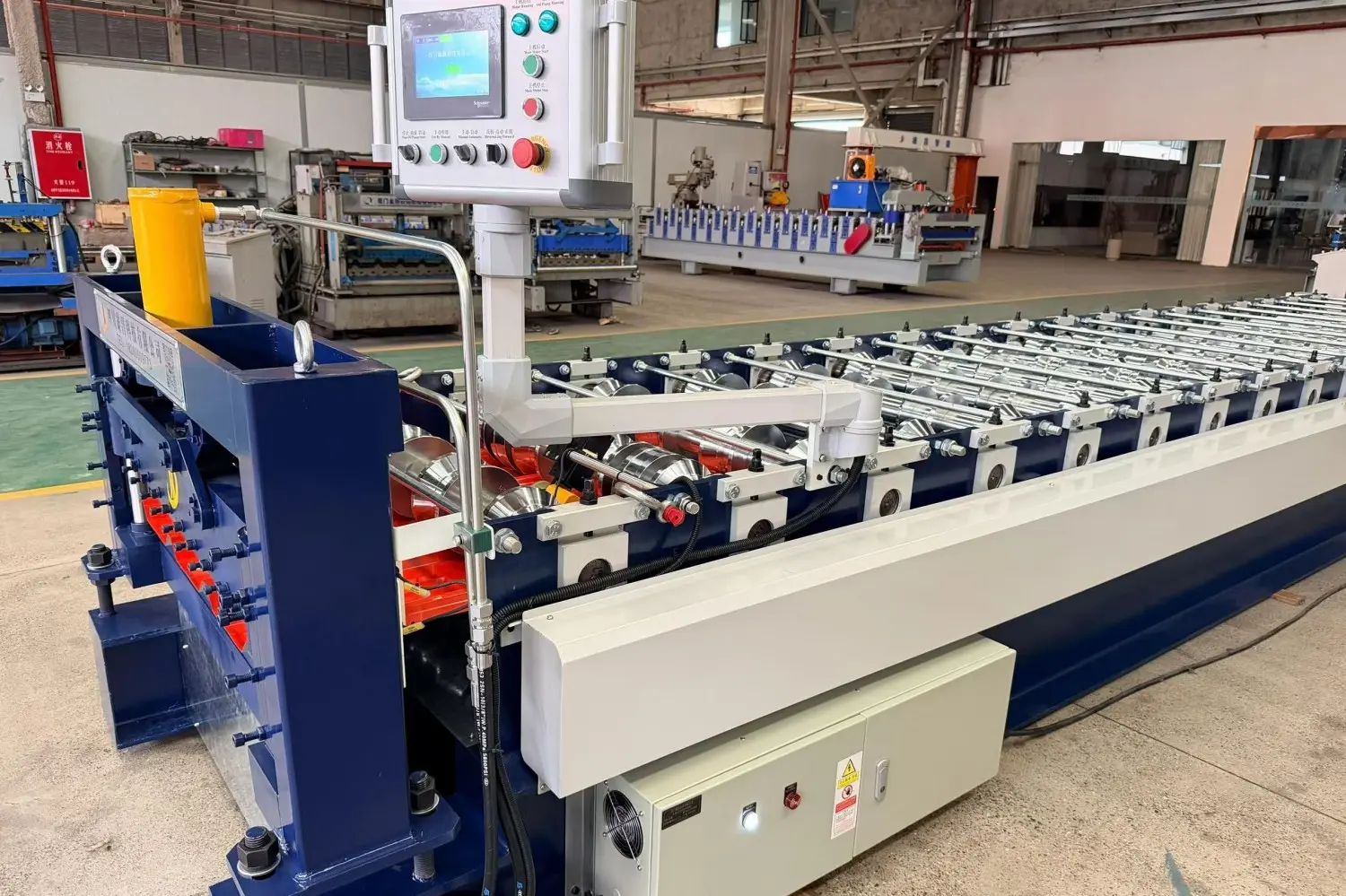
China's manufacturing ecosystem provides key advantages in sourcing, processing, and assembly. We pass these efficiencies on to our customers through lower capital costs, shorter lead times, and robust machine designs.
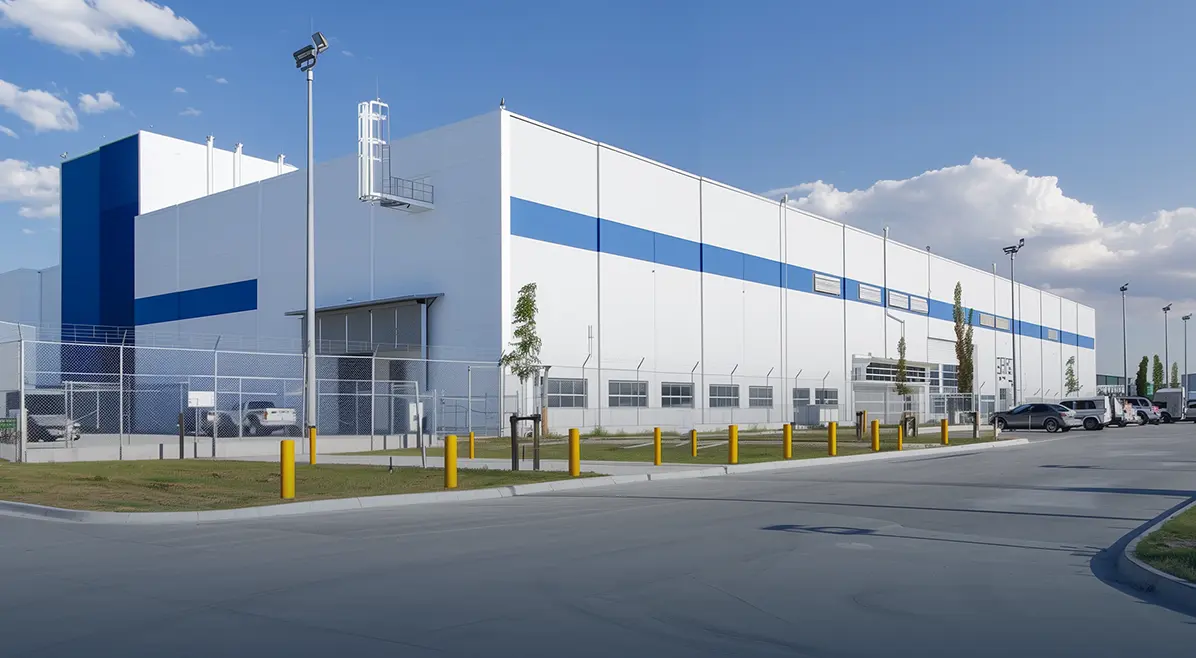
Our custom-built roll forming machines support projects ranging from residential housing to heavy infrastructure, warehouse facilities, and energy installations.
Expert answers to common engineering questions regarding corrugated sheet roll former operations, tool maintenance, and custom design options.
 Xiongchang