Explore our industrial-grade configurations deployed in commercial envelope manufacturing, light gauge framing, and structural infrastructure.
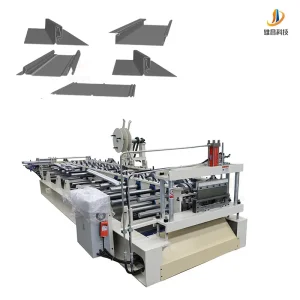
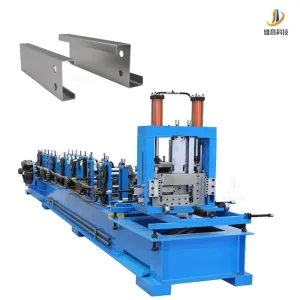
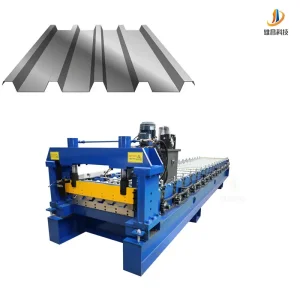
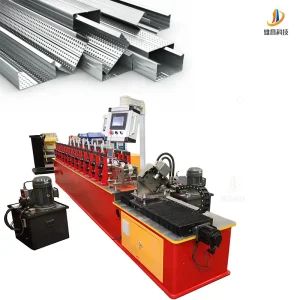
In the modern structural engineering and building envelope landscape, procurement officers and EPC (Engineering, Procurement, and Construction) contractors demand more than mere roll forming hardware. Sourcing a custom corrugated roof forming machine involves a profound assessment of high-volume throughput capacity, gauge flexibility, and continuous dimensional precision.
As international building codes become increasingly stringent regarding wind uplift rating, seismic stability, and thermal efficiency, the structural integrity of corrugated profiles represents a critical variable. Modern machinery must be capable of processing diverse material specifications, including cold-rolled steel, galvanized iron (GI), Galvalume (GL), pre-painted steel (PPGI/PPGL), and high-tensile structural grades up to 550 MPa.
A variation of even 0.5mm across a profile's pitch can compromise the overlapping seal, leading to moisture ingress and costly liability claims on high-span industrial warehouses.
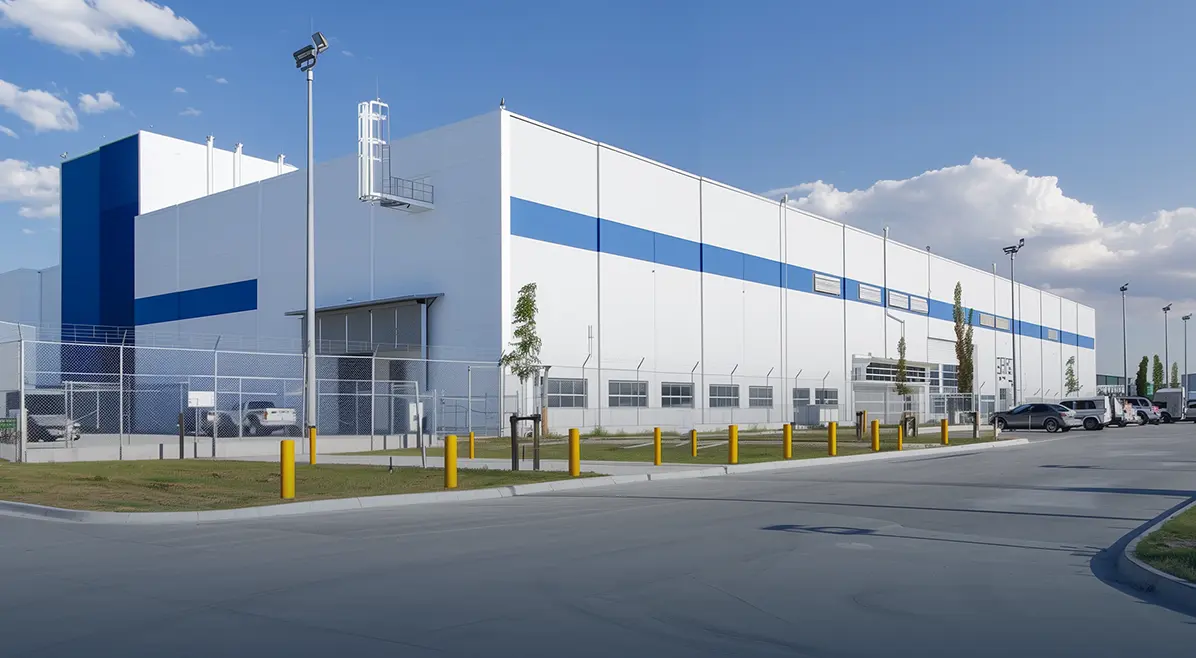
Deconstruct the technological architecture of heavy industrial roll formers engineered to guarantee zero-defect profiling over a multi-decade operational cycle.
At XC (Xiongchang), our technical group integrates advanced mechanical engineering with automated process controls to resolve complex metal forming challenges. Our design pipeline utilizes state-of-the-art simulation software to model stress distribution and metal flow during the forming stages. This predictive engineering guarantees that every roller station is calibrated to prevent micro-cracking of the steel substrate or degradation of delicate paint coats.
Our manufacturing infrastructure leverages automated, heavy-duty production machinery. Roller shafts undergo induction hardening and precision cylindrical grinding, and the forming stations themselves are mounted on monolithic, stress-relieved steel plates to eliminate micro-vibrations during high-speed runs.
For over two decades, XC (XiongChang) has been a trusted leader in the design and manufacture of cold roll forming equipment. We combine deep industry expertise with a steadfast commitment to our clients, ensuring every machine delivers exceptional value and performance.
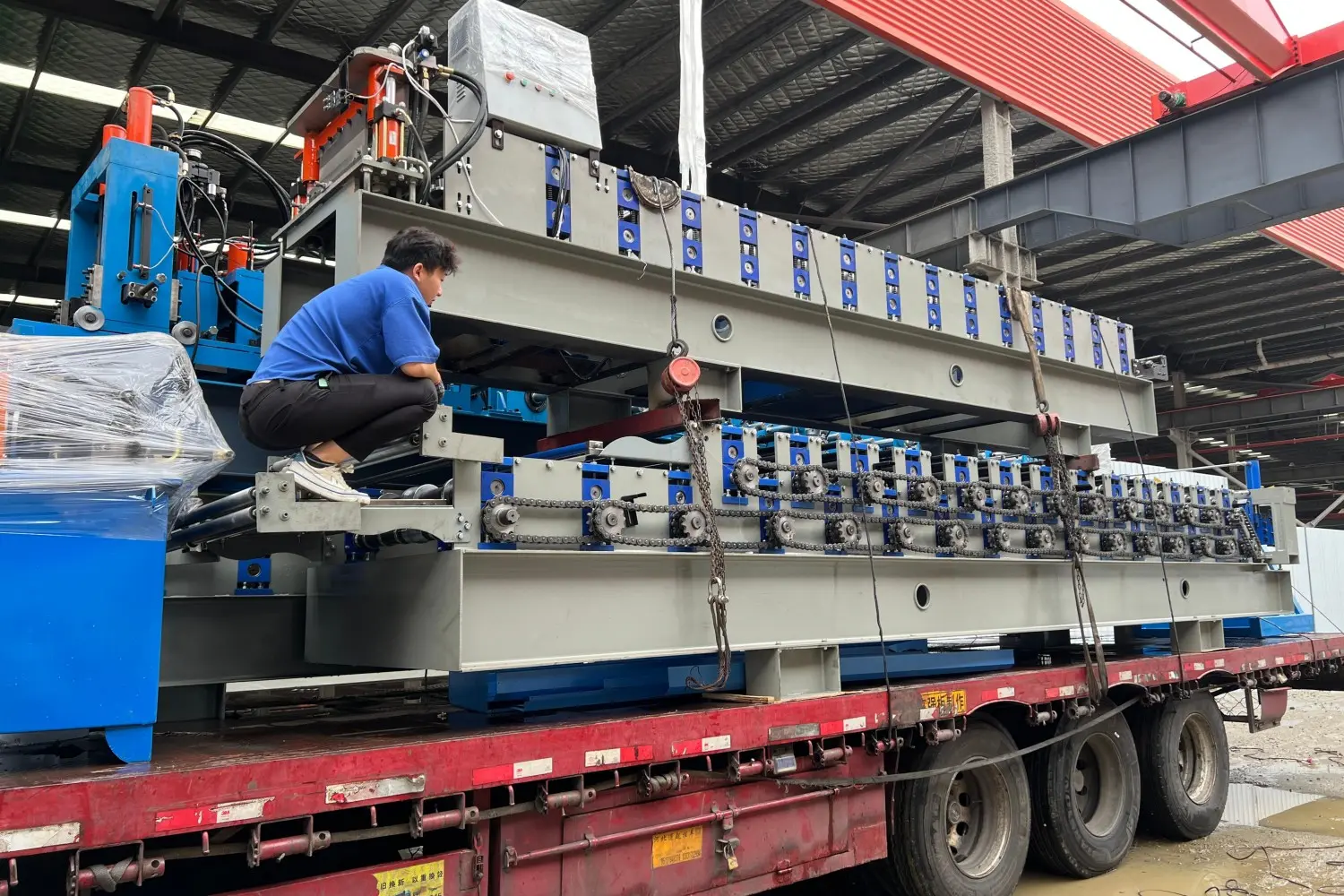
Utilizing high-chromium alloy steel (Cr12MoV) processed via vacuum heat-treatment to HRC 60-62, ensuring minimal wear over millions of linear meters.
Equipped with industry-leading PLCs (Siemens/Mitsubishi) and touch HMIs, ensuring high-speed synchronization, length accuracy tracking within ±1.0mm, and diagnostics.
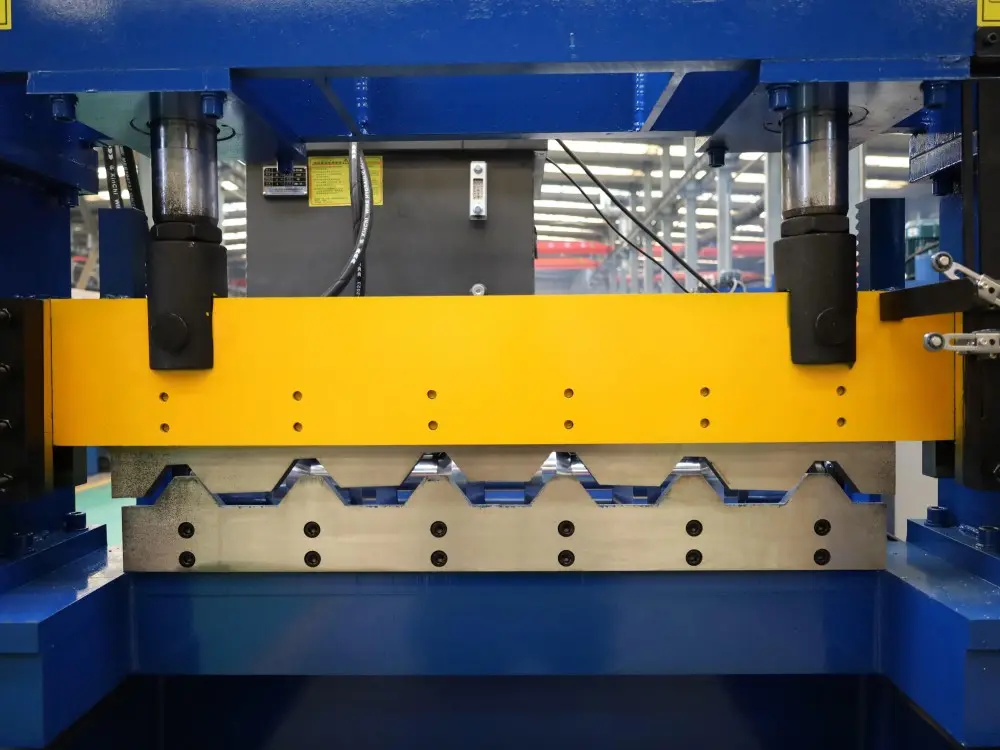
Post-cutting systems utilizing heavy-duty hydraulic frame structures with 3D guided shear blades, providing neat, burr-free cuts without profile deformation.
XC provides an extensive portfolio of precision cold roll forming systems, designed to manufacture durable, reliable, and high-performance structural profiles.
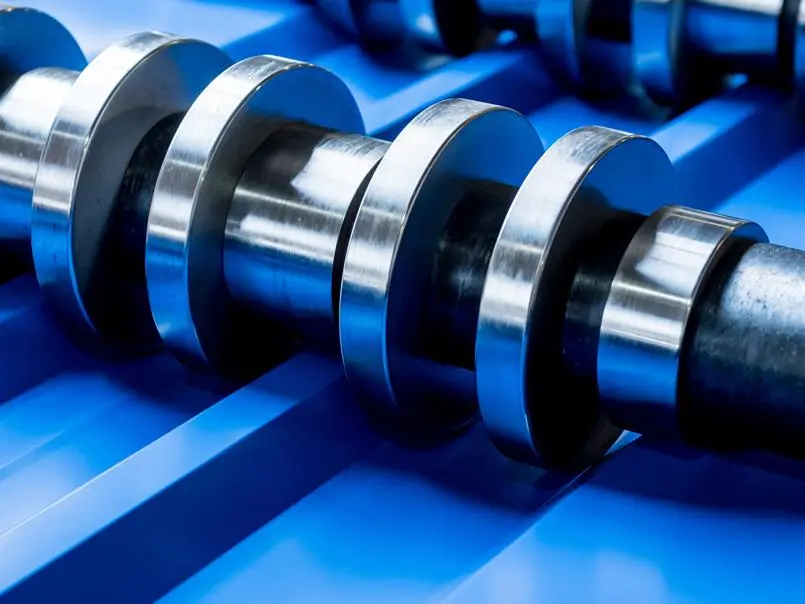
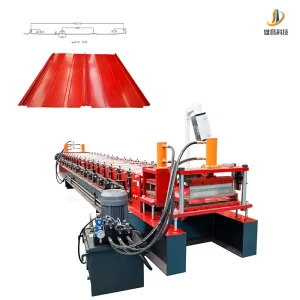
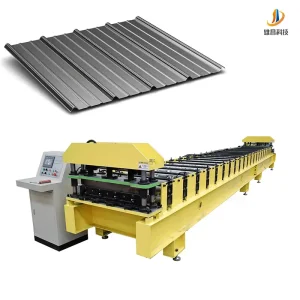
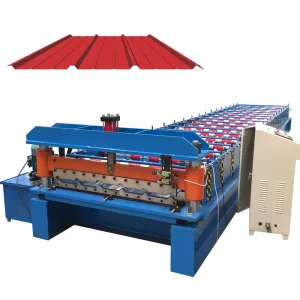
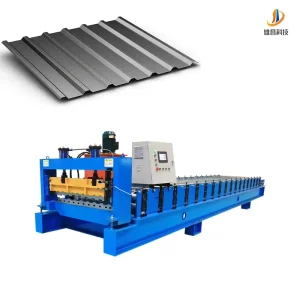
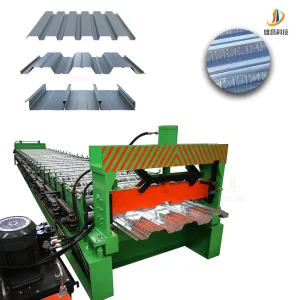
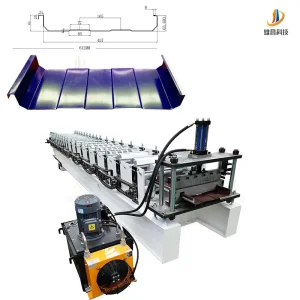
Our roof panel, wall panel, and floor deck roll forming machines manufacture weather-tight exterior profiles. Engineered for low-slope drainage, structural overlap integrity, and compatibility with standard insulation panels.
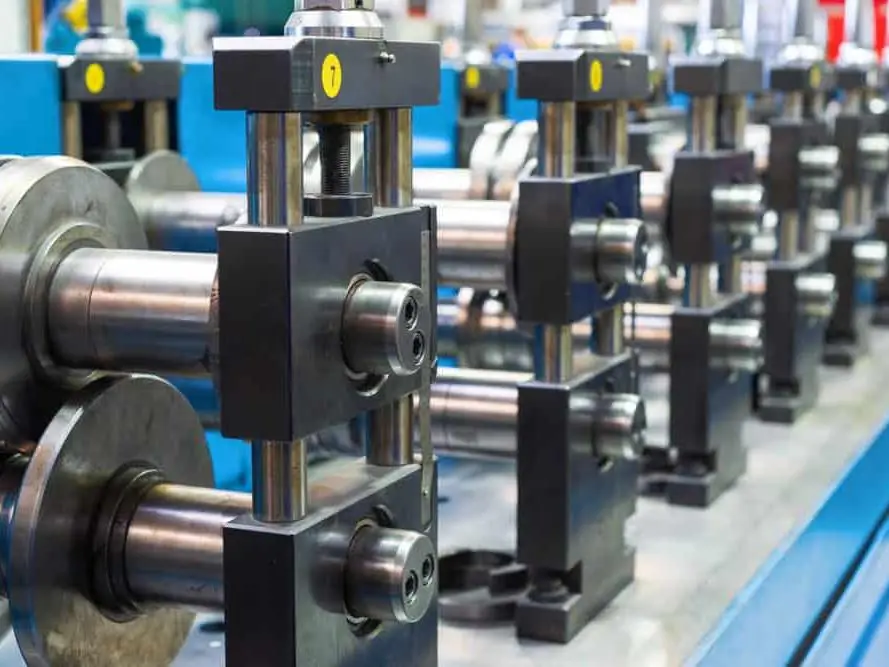
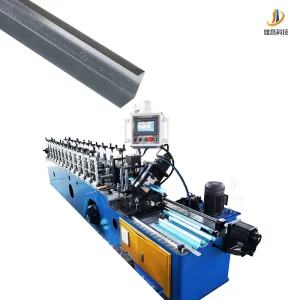
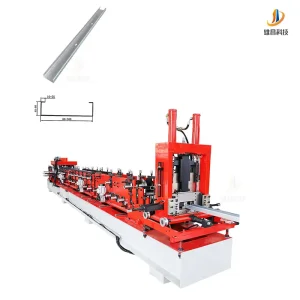
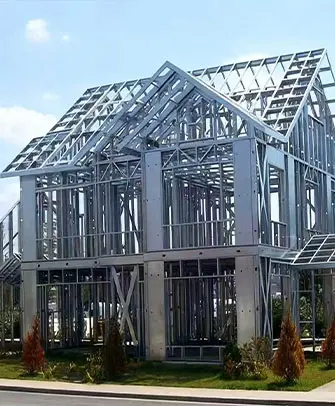
High-capacity C/Z purlin and LGS stud & track roll forming machines, featuring rapid gauge adjustments, automatic size-changing controls, and integrated pre-punching configurations for immediate job site assembly.
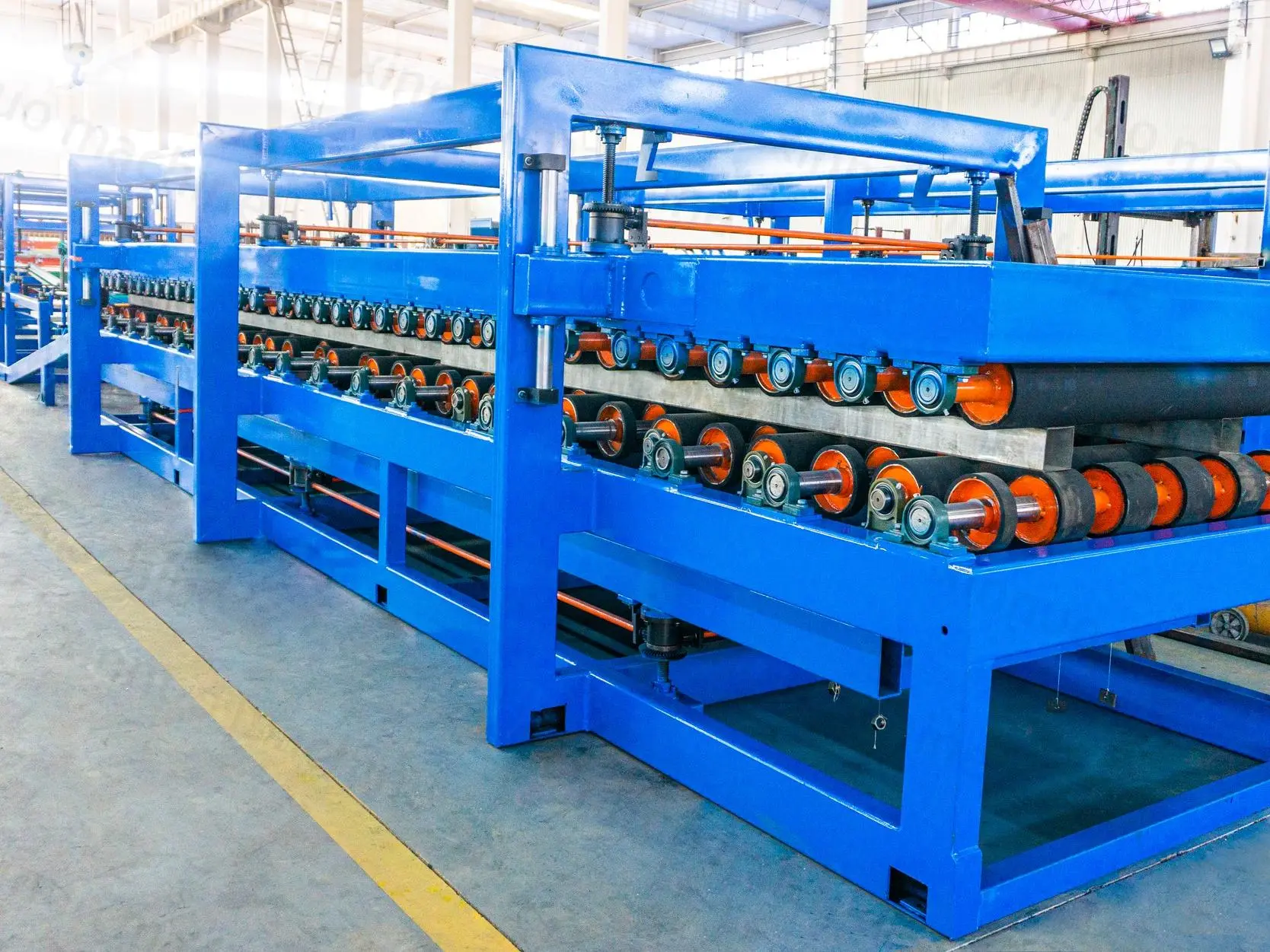
Robust configurations for architectural trim, precision rain-water gutters, downspouts, and heavy-duty steel door frames. Each line is designed for clean radius control and zero surface scuffing.
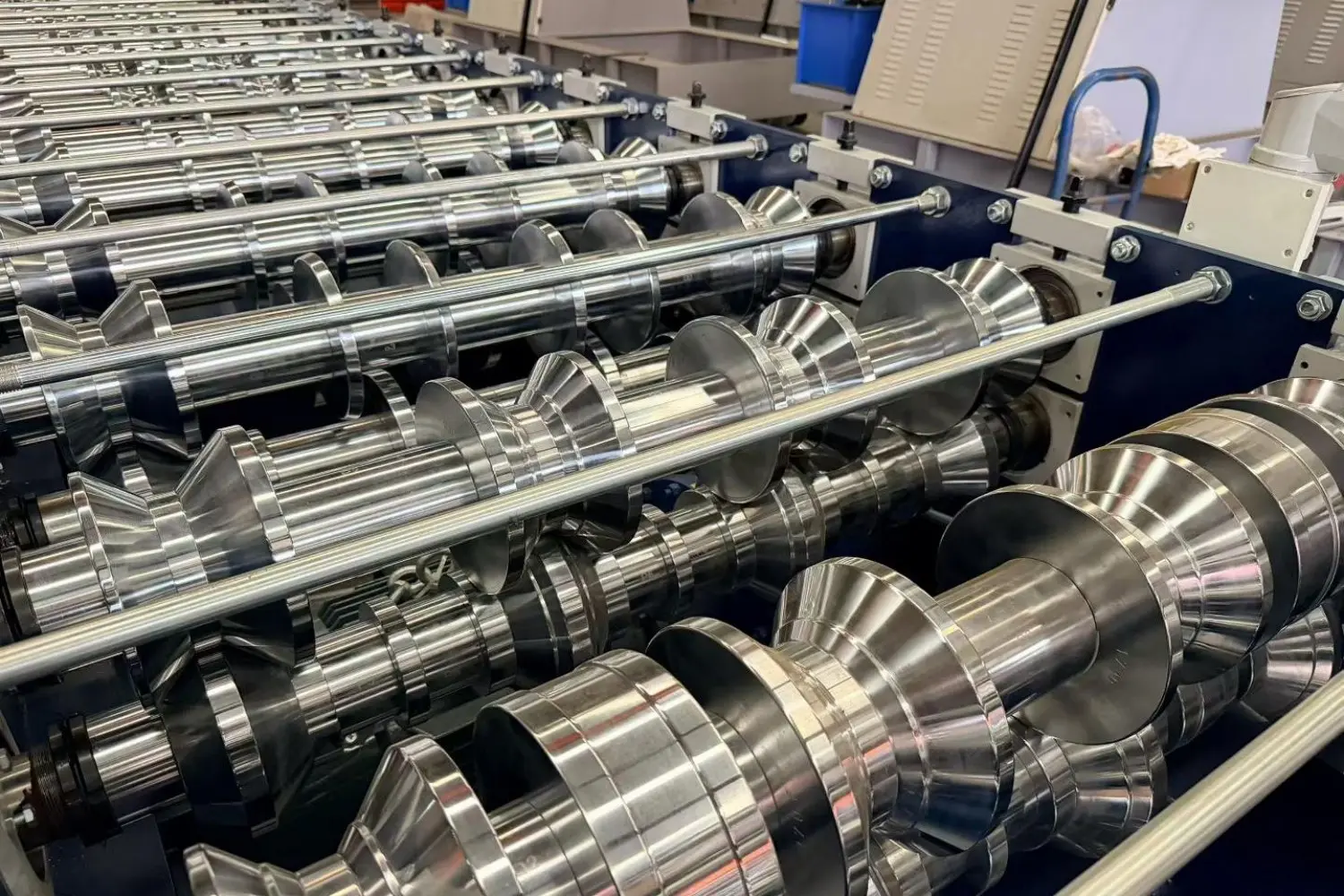
To achieve high operational reliability, XC employs a comprehensive suite of inspection, detection, and testing instruments. Every roll forming machine is subjected to loaded stress-testing to verify structural rigidity, axis alignment, and motor output stability under heavy loads.
We adhere to strict, standardized quality control protocols throughout the manufacturing process, ensuring all output consistently meets specified customer specifications. Raw materials, bearings, electronic circuits, and hydraulic manifolds are sourced exclusively from tier-1 global manufacturers, ensuring high uptime on site.
Furthermore, final assembly profiles are checked using high-precision optical measurement systems to confirm profile geometry, pitch spacing, overlap match, and length tolerances before leaving our factory floor.
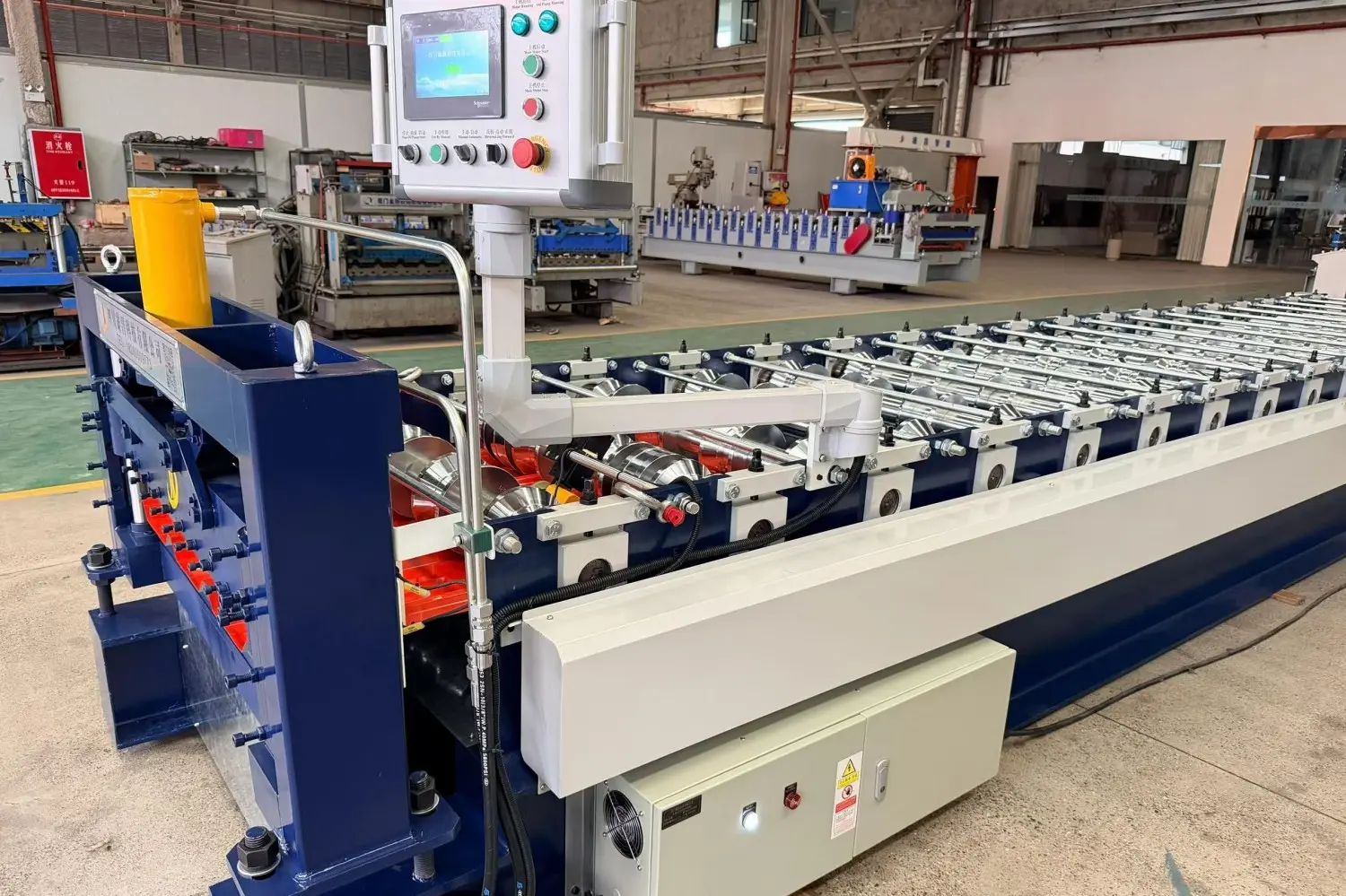
From initial structural design to final field commissioning, XC provides end-to-end support over your machine's entire operational lifecycle. Our technical services include:
Our dedicated after-sales support team delivers ongoing technical assistance and maintenance services, helping customers achieve sustained, peak operational performance.
With years of industry expertise, we have established a strong reputation for quality and customer-centric service. Our professional team provides tailored, personalized support for both standard and customized technical needs.
This commitment has fostered a loyal client base across construction, manufacturing, and engineering sectors, with our machines contributing to projects ranging from residential complexes to large-scale commercial and infrastructure developments.
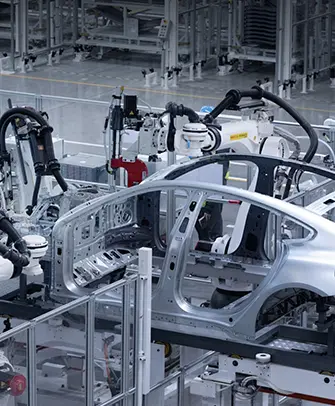
XC's high-precision roll formers operate in diverse environments globally, processing steel for high-rise buildings, solar panel support racks, automotive crash barriers, and structural building elements. Our equipment is built to operate under harsh, high-output production environments.
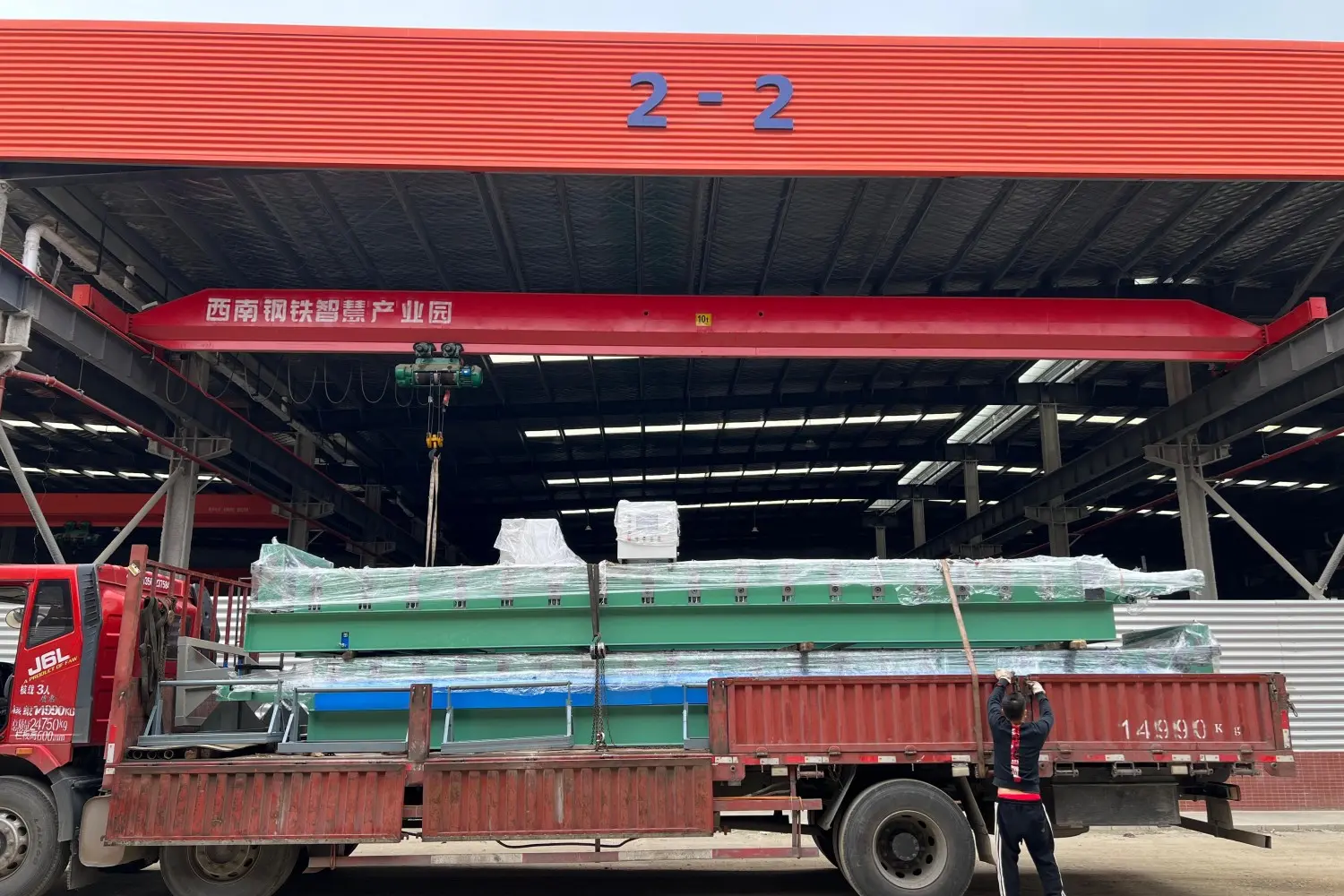
Providing turnkey tooling lines, raw material handling, and automated processing technologies.
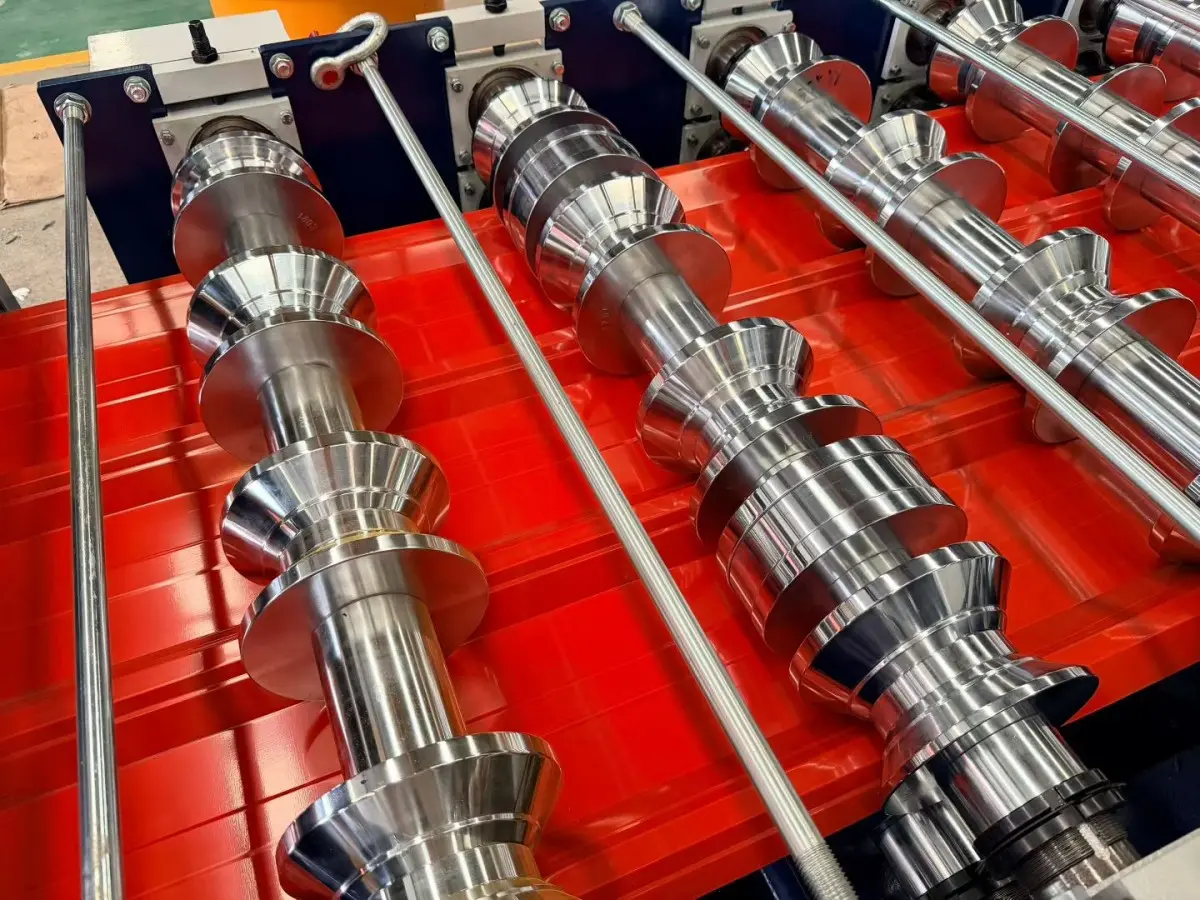
High-speed profiling lines designed for heavy-duty metal forming, structural stability, and continuous multi-shift production.
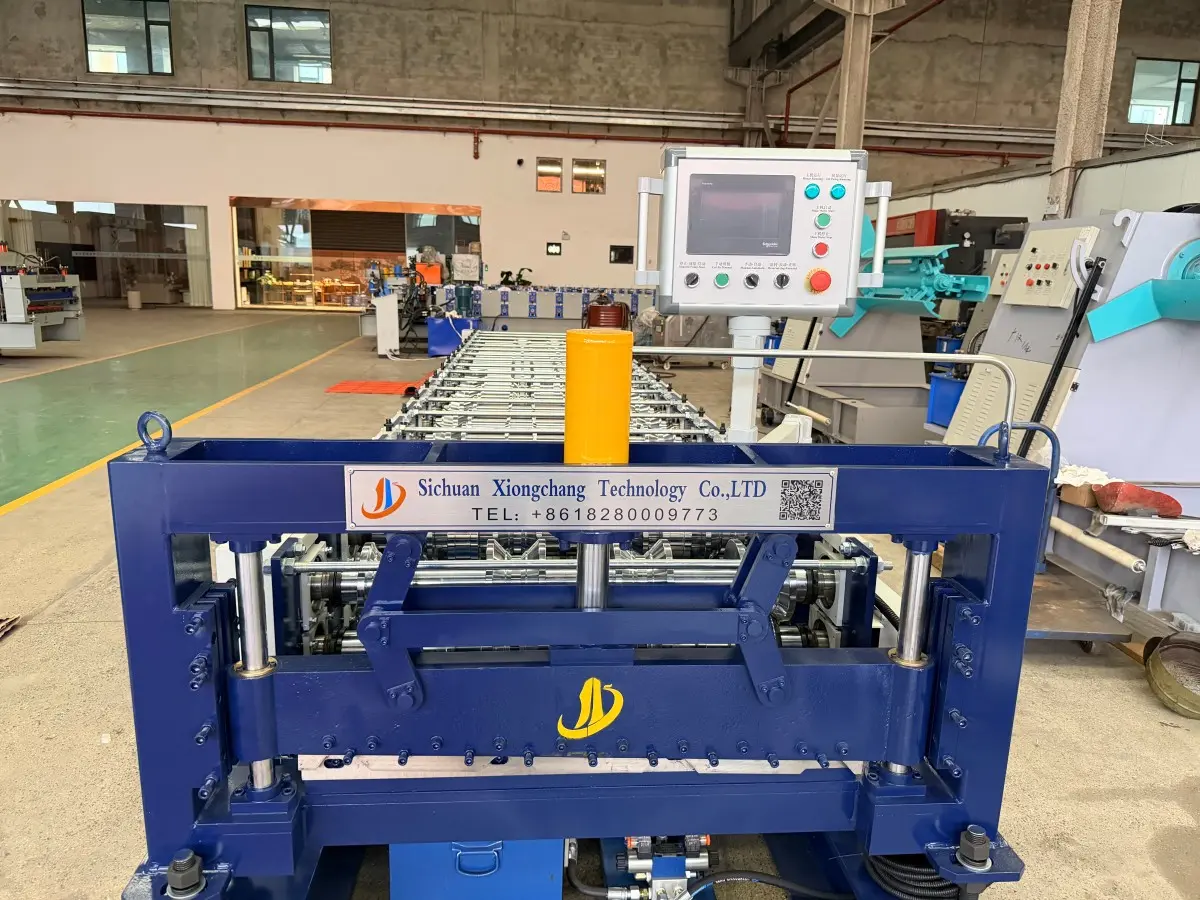
From initial design to post-purchase parts supply, our service team ensures minimal downtime and optimized machine performance.
XC focuses on longevity, precision engineering, and client success to deliver high-performance roll forming technology.
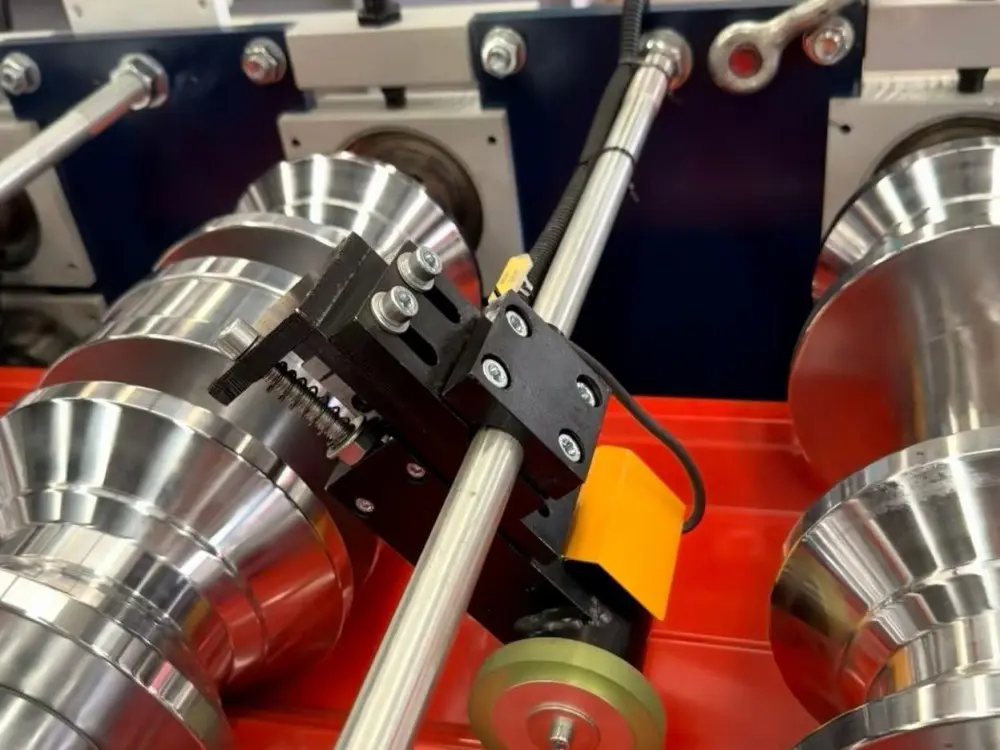
Our engineers continually integrate design innovations, optimizing roll forming configurations, automated controls, and structural profiling technology.
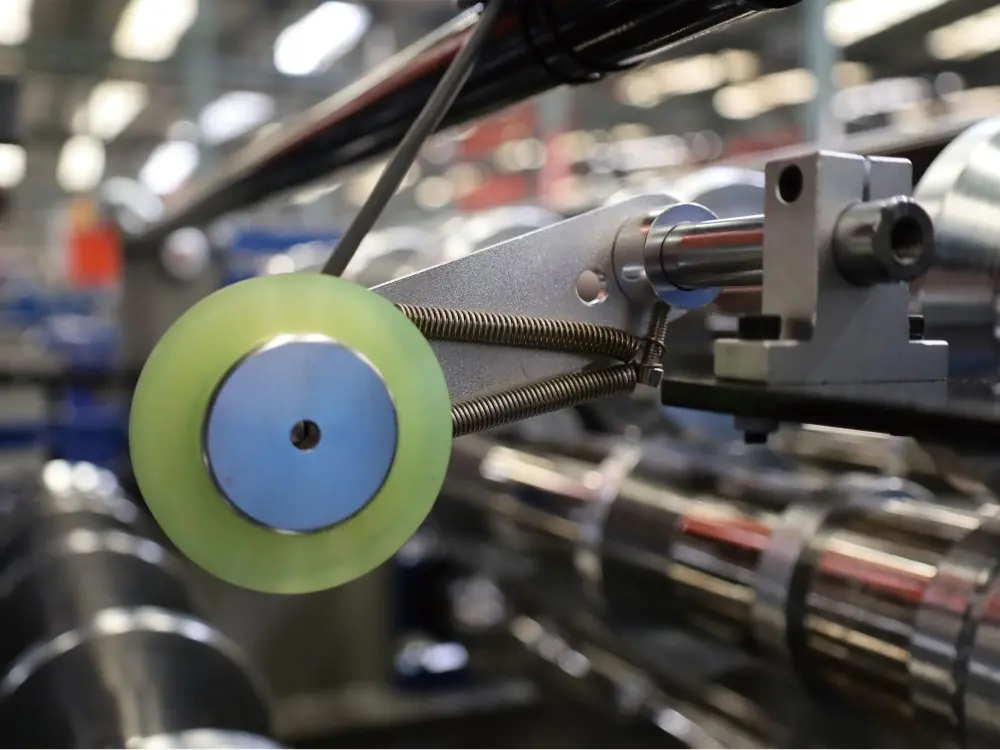
Using heavy-duty steel baseplates, hardened rollers, and premium components, our equipment is designed to operate reliably over long-term production cycles.
We work closely with clients from initial profile design to field installation, ensuring our lines deliver high-efficiency output and meet operational goals.
Our roll forming systems serve a diverse global client base, from residential builders to large-scale industrial and infrastructure projects. Whether for standard applications or fully customized production lines, we equip manufacturers worldwide with the technology, support, and expertise to enhance their capabilities, improve output quality, and achieve long-term operational excellence.

Direct answers from our engineering group addressing structural design, material limits, and machine calibration parameters.
Processing different yield strengths requires careful management of springback, which is the tendency of formed metal to return to its original shape. High-tensile steel (such as G550) exhibits significantly higher springback compared to standard G300 mild steel. Our roll formers handle this variation using over-bending profile designs, adjustable forming stations, and PLC-controlled variable pass calibrations. This system allows operators to fine-tune forming pressure and compensate for material variability without damaging the profile geometry.
A standard stop-and-cut system requires the profile line to decelerate and stop for each cutting cycle, which limits production throughput. In contrast, a servo-driven flying shear tracks the moving profile using high-resolution encoders and cuts it while maintaining line speed. This setup increases line speed to 30–45 meters per minute, reduces mechanical stress from frequent start-stop cycles, and maintains clean cuts within a ±1.0mm length tolerance.
We ensure consistency by using high-chromium alloy steel (Cr12MoV) rollers, which undergo vacuum heat-treatment to HRC 60-62 and precision grinding. Our roll former frames are constructed from thick, stress-relieved steel plates that resist deflection. Additionally, we use high-precision bearings and double-locknut shaft arrangements to maintain stable roller spacing, ensuring profile consistency over long-term production runs.
Key factors include: (1) Rigid forming frames designed to handle heavy-gauge structural steel (up to 1.5mm or 2.0mm thickness). (2) Embossing rollers engineered with matched male/female dies to press deep grip indentations into the steel, ensuring proper concrete bonding. (3) A robust post-cutting unit with shear blades shaped to match the deck's profile, preventing edge deformation. (4) An automated post-cut stacker system that handles heavy deck panels safely and efficiently.
Changing profiles on a standard machine requires manually removing and replacing individual rollers on each shaft, a process that can take hours or even days. A cassette-type system resolves this by mounting the forming rollers for a specific profile on a modular sub-frame (cassette). To switch profiles, the operator disconnects the drive coupling, lifts out the active cassette with an overhead crane, and drops in the new cassette. This system reduces changeover times to under 30 minutes, significantly improving overall equipment effectiveness (OEE).
A comprehensive range of specialized roll formers engineered for architectural envelope systems, floor decking, structural components, and high-efficiency framing.
 Xiongchang