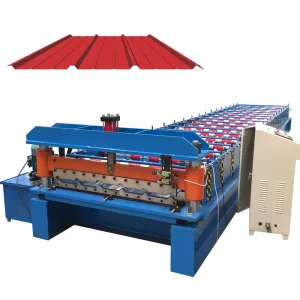
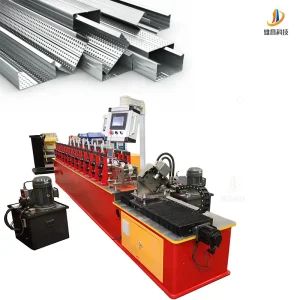
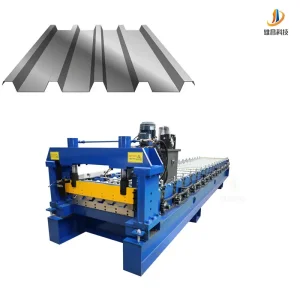
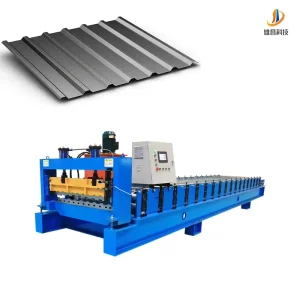
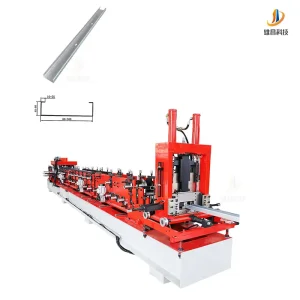
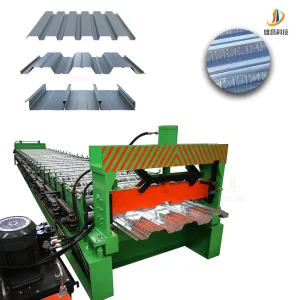
Precision-engineered machinery solutions for building envelope panels, structural framing, and custom profile curving.
Analyzing technological transitions, mechanical precision, and architectural shifts globally.
The international metal building and infrastructure sector is undergoing a profound structural shift. Corrugated panels, traditionally limited to straight-line industrial roofing, are now extensively utilized in complex architectural geometries, vaulted structures, self-supporting curved roofs, and aesthetic building envelopes. This design transition has propelled the demand for highly precise, automated, and customizable corrugated curving machines.
Historically, panel curving was achieved using rudimentary mechanical crimping methods that often resulted in micro-fractures in the zinc or paint coating, compromising corrosion resistance. Modern engineering demands continuous roll bending and servo-driven horizontal/vertical crimp curving systems. These advanced technologies modulate the feed rate, roller pressure, and micro-indentation depths in real-time, matching the material's elastic limit without damaging its protective finishes.
Furthermore, sustainability mandates have forced factories to integrate smart sensors to monitor springback compensation. Different batches of steel coils possess varying yield strengths (ranging from 235 MPa to over 550 MPa). Modern curving machines utilize closed-loop feedback systems to measure the incoming coil thickness and stiffness, dynamically adjusting roller positions to ensure uniform bending tolerances within +/- 1mm, drastically reducing material waste and structural failures on-site.
What tier-1 EPC contractors, commercial roofers, and steel suppliers look for in OEM manufacturing equipment.
For industrial buyers, purchasing a corrugated curving machine or an integrated roll forming line is not merely a capital expenditure; it is a long-term operational efficiency decision. Procurement teams evaluate machinery based on complex Total Cost of Ownership (TCO) models. Sourcing departments focus heavily on three critical facets:
Additionally, geopolitical tensions and supply-chain disruptions have driven a trend toward localized service and compliance. Enterprise buyers expect manufacturers to offer comprehensive conformity certifications (CE for European markets, UL/CSA for North America) alongside immediate spare parts availability and remote support packages.
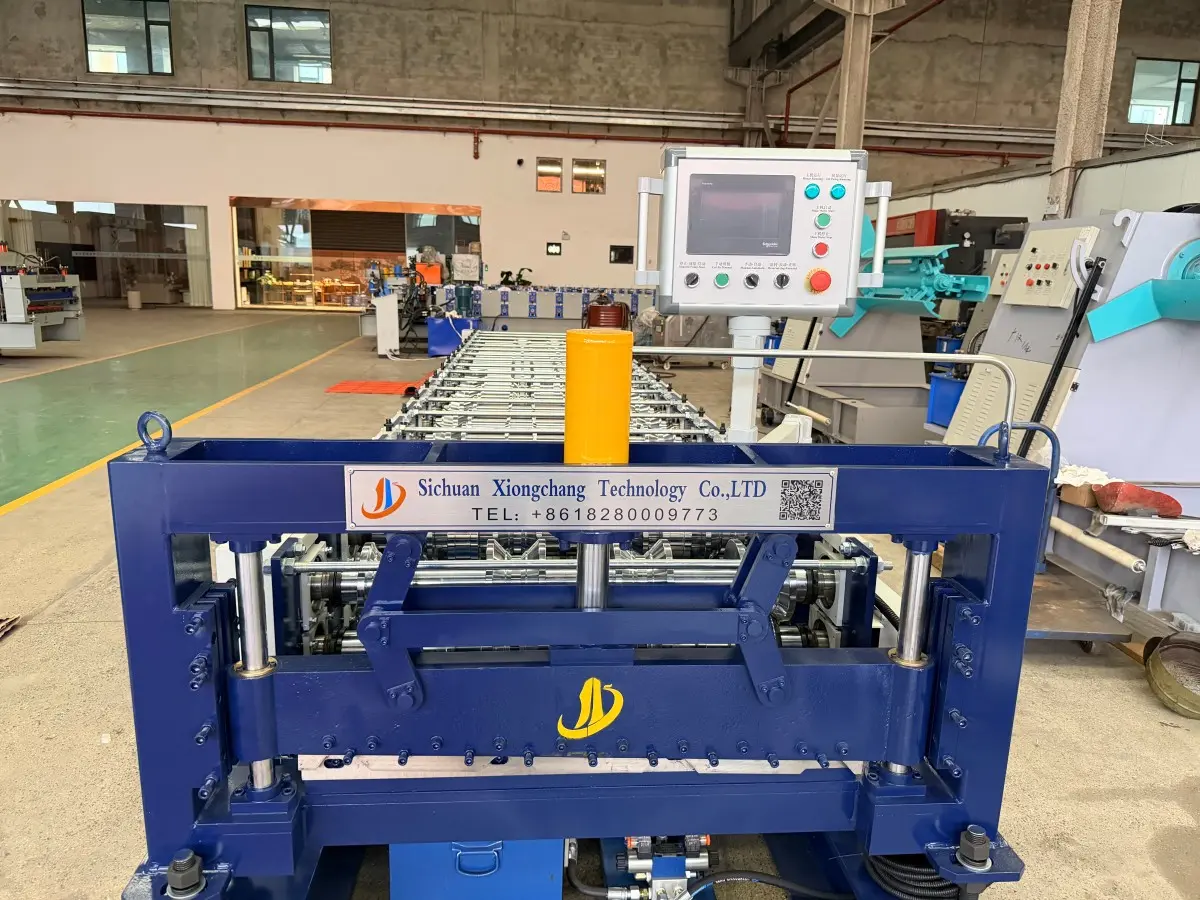
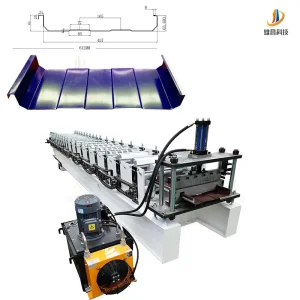
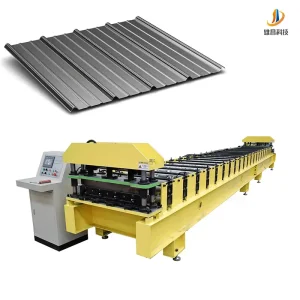
As an established expert in the field, XC (Xiongchang) provides integrated roll forming solutions. Our portfolio encompasses core production machines for roofing, flooring, doors, and structural components, as well as the complete auxiliary line equipment essential for efficient operation.
VIEW MORE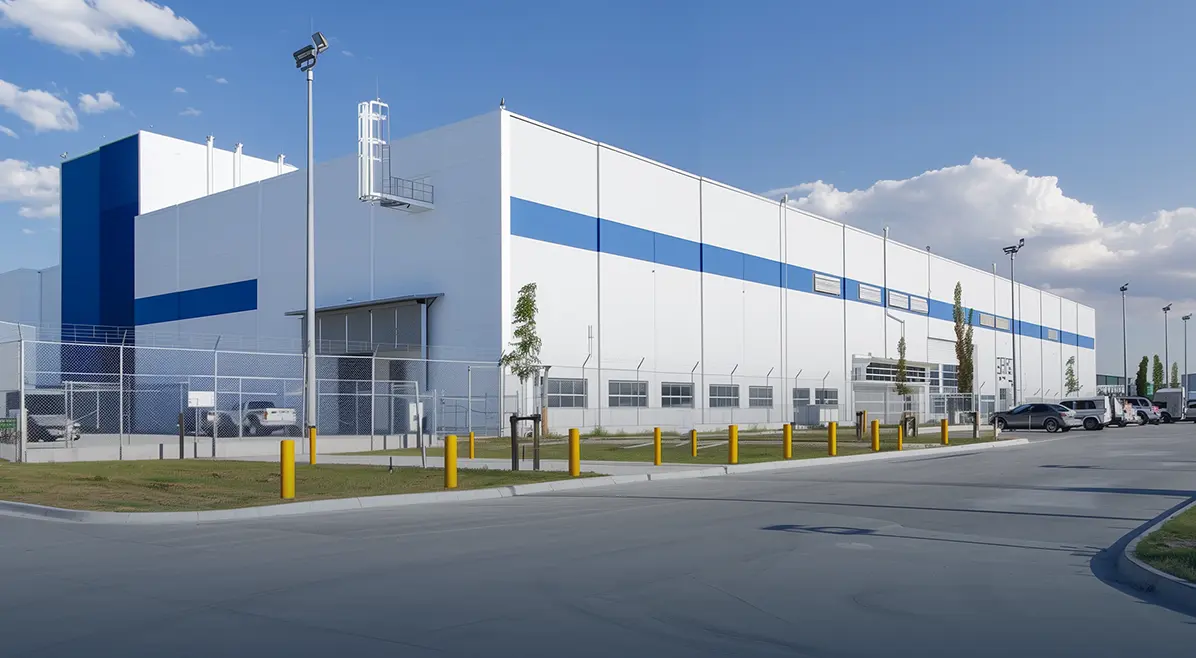
Integrated manufacturing methodologies that connect raw coil input directly with completed structural erection.
Modern commercial infrastructure demands unified production configurations rather than isolated stand-alone units. In large-scale developments, such as logistics warehouses, aircraft hangars, and sports stadiums, the metal roofing system must perform multiple functions. It serves as a structural diaphragm, a weather barrier, and a thermal enclosure. Building these massive spans requires seamless integration between the primary cold roll forming machine and the secondary curving unit.
By coordinating structural framing (C/Z purlins, LGS framing) with building envelopes (PBR panels, standing seam panels, and curved corrugated profiles), engineering firms can achieve zero-tolerance construction. This requires specialized design, where the forming speed, cutting length, and curving radius are dynamically synced via a master control console. XC (XiongChang) addresses these challenges through comprehensive, modular production cells. This setup ensures that curved components perfectly align with their supporting structural elements without requiring complex on-site adjustments.
Aligning structural wind loads with precise metal profile geometry to eliminate roof leaks and enhance structural longevity.
Optimized hydraulic cutting systems and dynamic forming speeds designed for massive output requirements.
Handling specialized aluminum alloys, pre-painted metals, and variable yield-strength coils on a single production line.
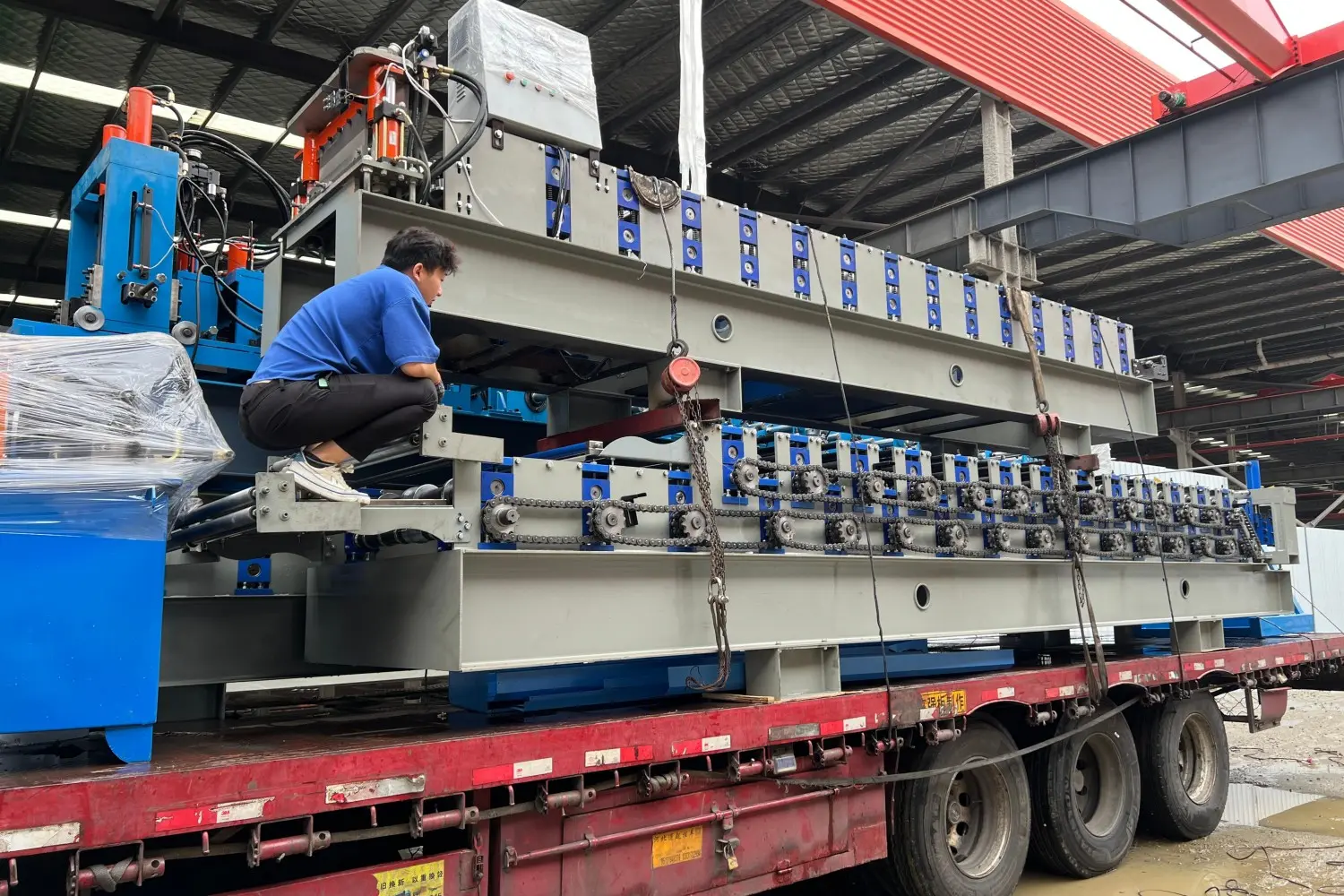
We get a specialized team of technical personnel and engineers, they are committed to delivering superior products and solutions for our valued customers.
Our substantial investment in state-of-the-art, automated production lines ensures manufacturing precision and consistency, forming the foundation of our product excellence.
For over two decades, XC (XiongChang) has been a trusted leader in the design and manufacture of cold roll forming equipment. We combine deep industry expertise with a steadfast commitment to our clients, ensuring every machine delivers exceptional value and performance.
XC delivers state-of-the-art automated systems engineered for the highest standards of durability and performance.
With our dedication on a robust technical force and advanced industrial equipment, We XC aimed to provide integrated and automated systems across our production, to fulfill diverse industrial requirements, try our best in guaranteeing the highest standards of quality and performance in every machine we build.
We offer an extensive range of precision cold roll forming systems to meet varied customer applications, including: All our equipment is engineered to produce durable, reliable, and high-performance end-products.
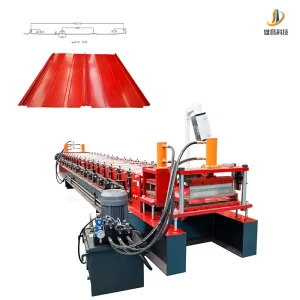
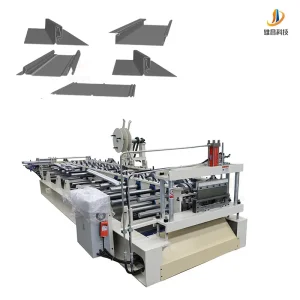
Roof Panel, Wall Panel, and Floor Deck Roll Forming Machines.
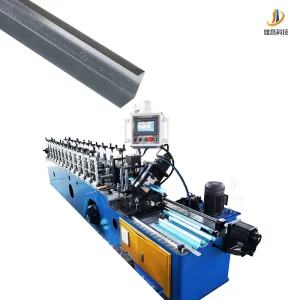
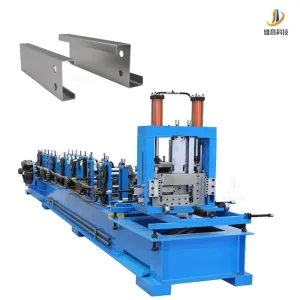
C/Z Purlin Roll Forming Machines, and Stud & Track Roll Forming Machines.
Gutter Roll Forming Machines and Door Frame Roll Forming Machines.
Navigating global electrical, mechanical, and safety compliance across continents.
When operating high-capacity roll forming and curving machinery, maintaining local compliance is crucial. Different regions enforce distinct regulatory frameworks regarding occupational safety, grid integration, and mechanical control standards. For instance, exporting machinery to the European Union requires compliance with the Machinery Directive 2006/42/EC, low voltage directives, and electromagnetic compatibility standards, all verified by the CE mark.
In North America, electrical controls must conform to UL 508A and NFPA 79 standards, requiring certified control cabinets, specific wire tagging, and specialized overload relays. Our machinery lines are engineered to meet these strict specifications, featuring dual-channel safety relays, light curtains, emergency stop circuits, and heavy-duty protective housing.
Furthermore, technical support must be localized to minimize downtime. The modern standard for high-performance OEMs includes offering multi-tiered support models, including secure VPN remote diagnostics, and standardized mechanical assemblies. This allows local technicians to easily source and replace wear items, like bearings, hydraulic valves, and electrical breakers, directly in their region.
XC has a complete suite of detection and testing instruments, to rigorously verify product strength, durability, and reliability.
We adhere to strict, standardized quality control protocols throughout the manufacturing process, ensuring all output consistently meets specified customer specifications.
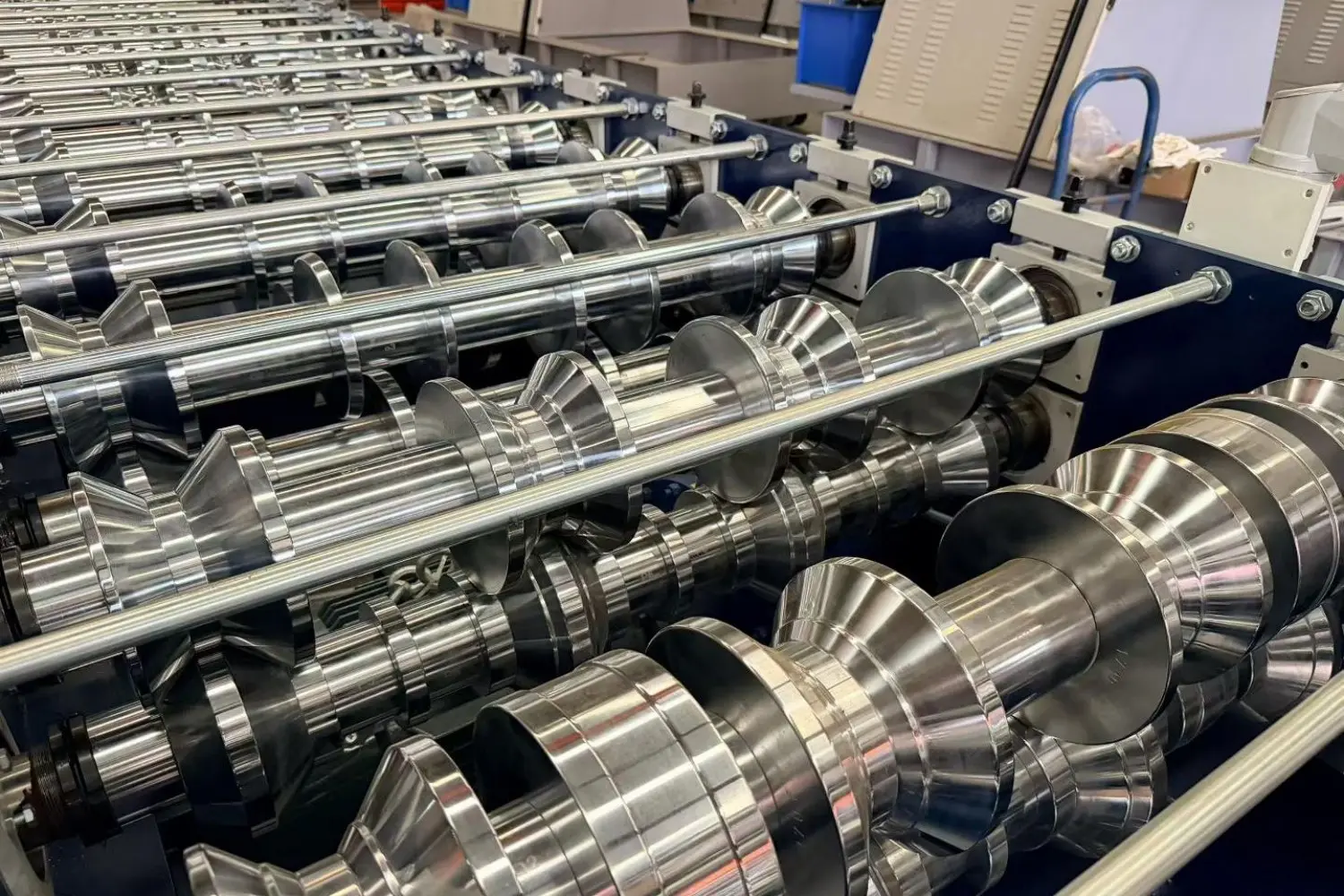
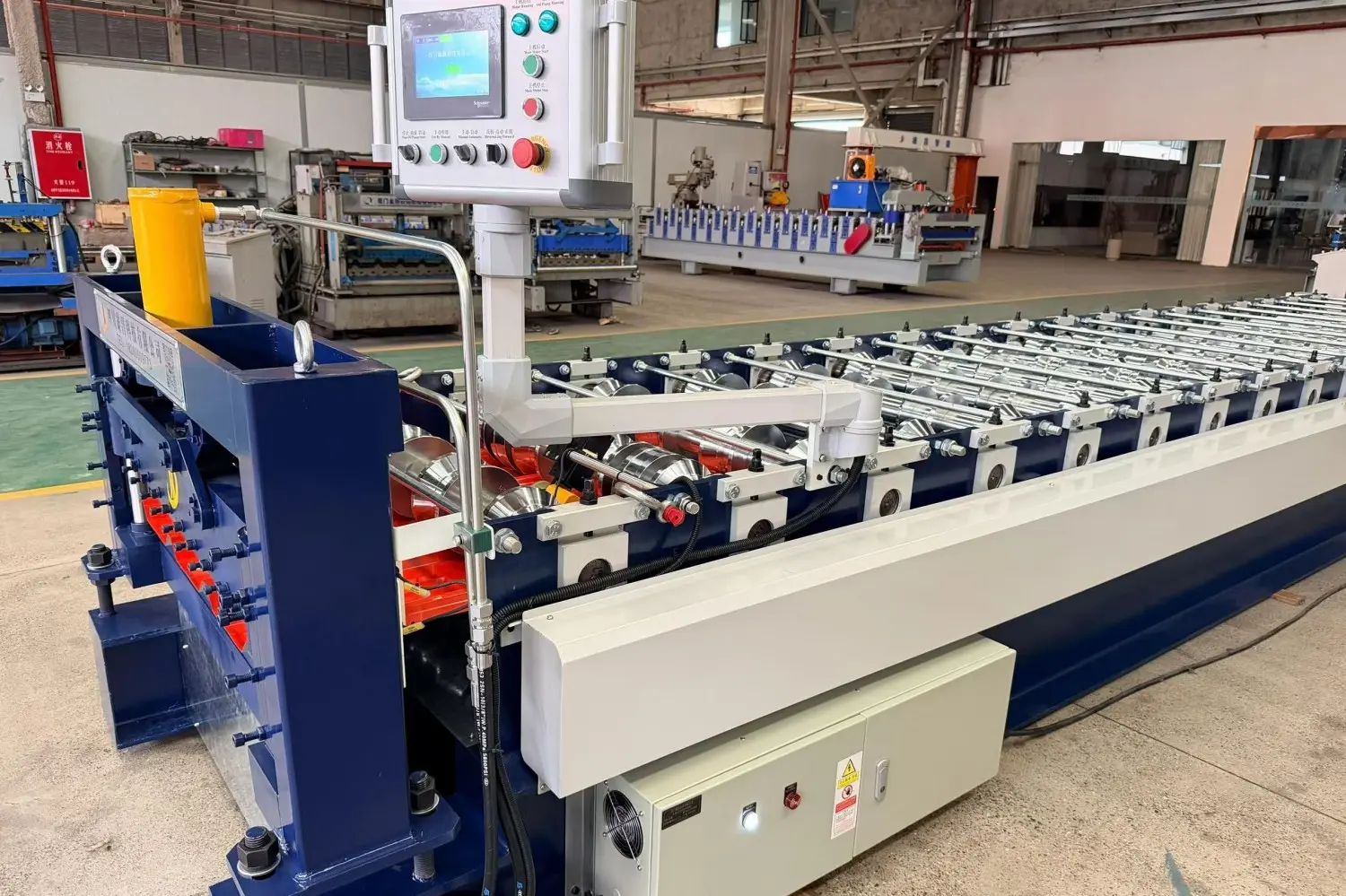
From design to installation, XC provides comprehensive lifecycle support.
We offer professional installation, commissioning, and operational training to ensure optimal setup and productivity.
Our dedicated after-sales support team delivers ongoing technical assistance and maintenance services, helping customers achieve sustained, peak operational performance.
With years of industry expertise, we have established a strong reputation for quality and customer-centric service.
Our professional team provides tailored, personalized support for both standard and customized technical needs. This commitment has fostered a loyal client base across construction, manufacturing, and engineering sectors, with our machines contributing to projects ranging from residential complexes to large-scale commercial and infrastructure developments.
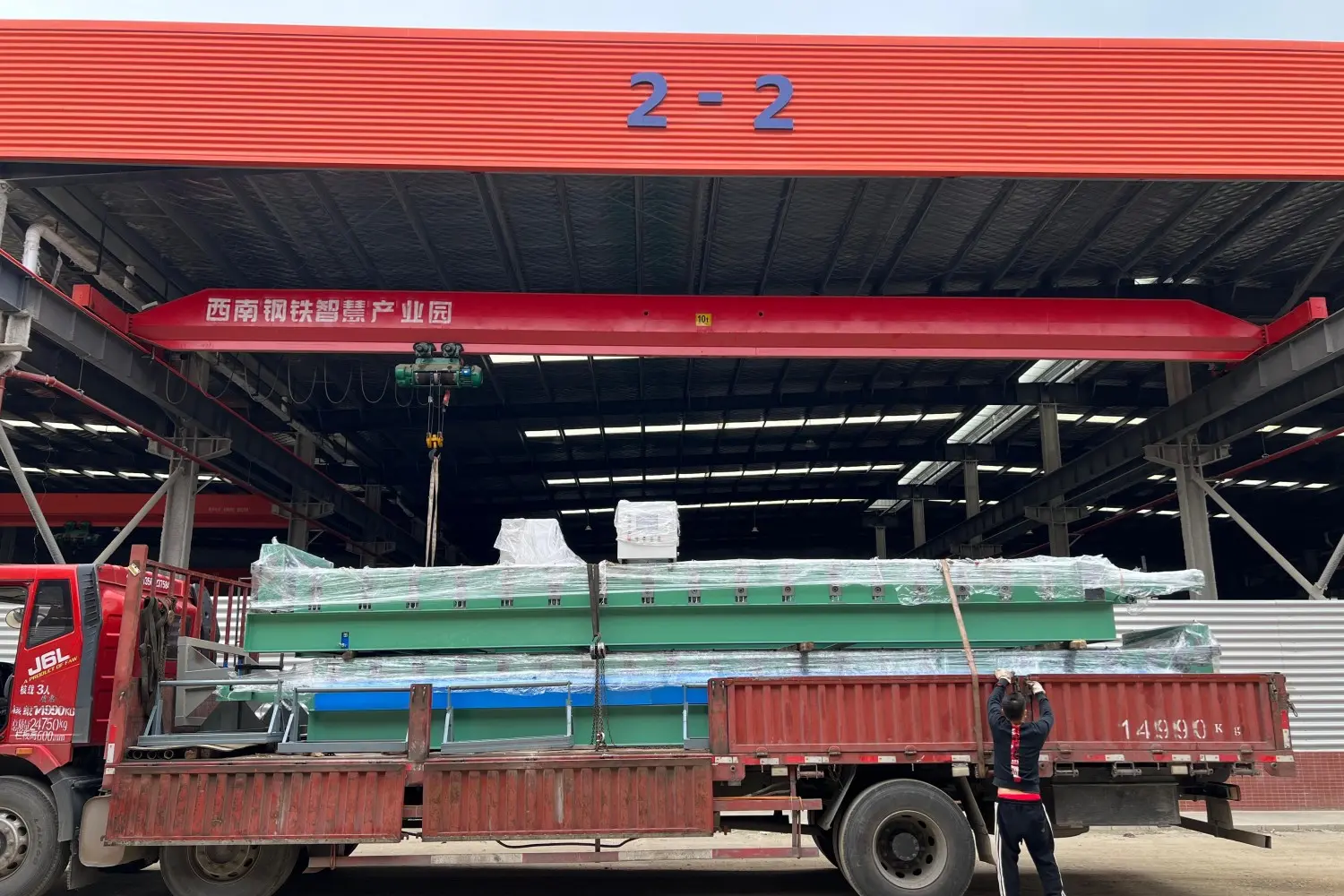
XC provides specialized roll forming and industrial curving solutions for global manufacturers.
Over 20 years of trusted industry leadership, combining deep expertise and innovative cold metal forming engineering.
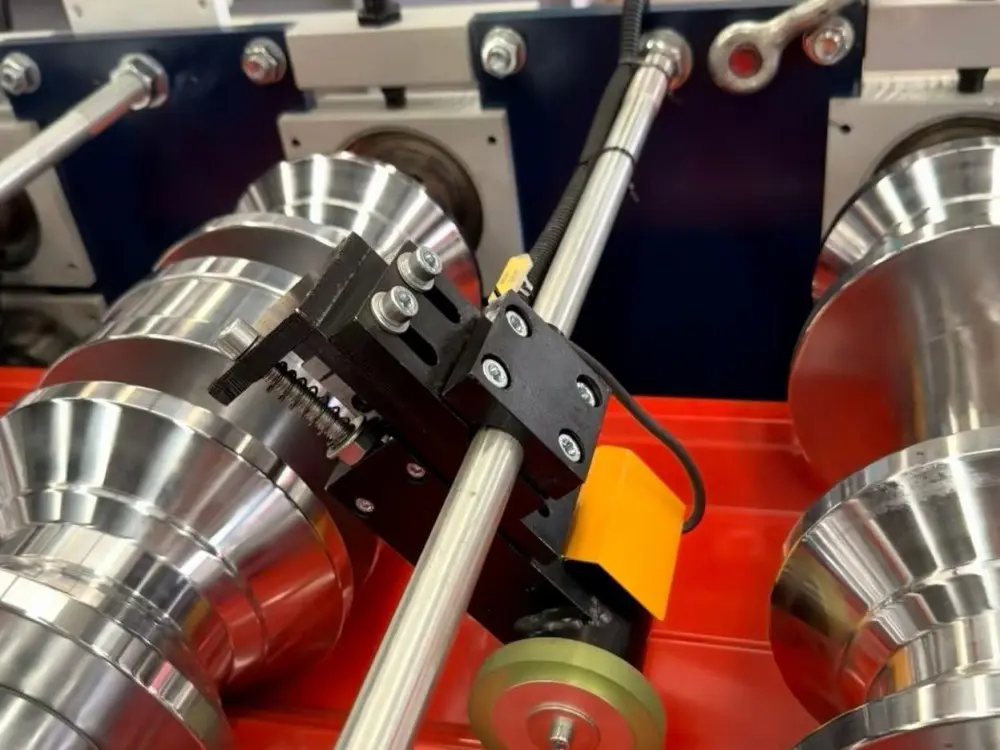
The technological future of the cold roll forming and metal forming industry.
As industry standards progress, the cold roll forming sector is transitioning from mechanical reliance toward complete AI-driven operation. By analyzing mechanical limits and design requirements, research teams are developing systems to address the remaining challenges in sheet metal processing. The technical roadmap for the coming decade highlights several key advancements:
By investing in these emerging technologies, manufacturing facilities can expect shorter changeover times, increased throughput, and lower maintenance costs, ensuring high efficiency for years to come.
Our roll forming systems serve a diverse global clientele, from residential builders to large-scale industrial and infrastructure projects.


Expert technical insights detailing mechanical performance, operation, and maintenance.
Explore our full line of industrial roofing, purlin, floor deck, and framing machinery solutions.
 Xiongchang