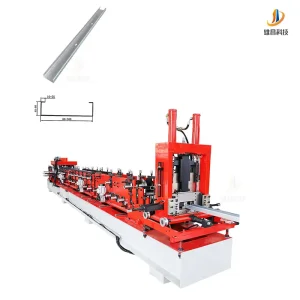
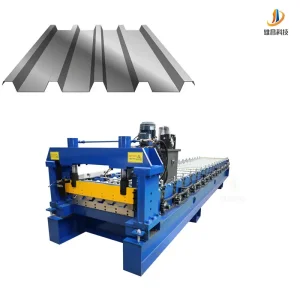
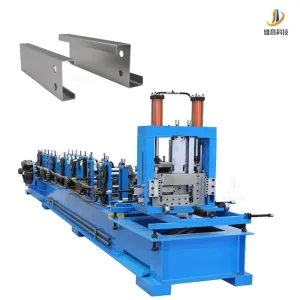
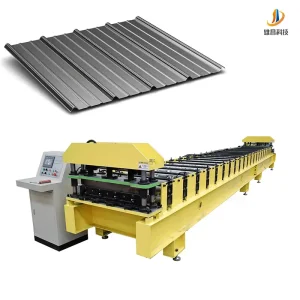
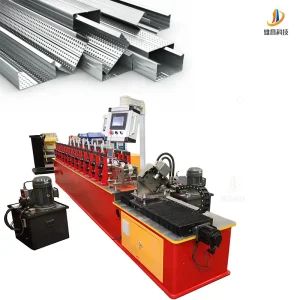
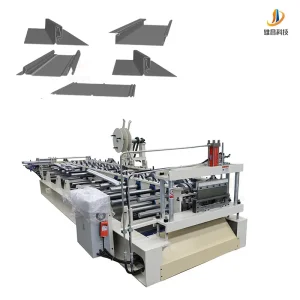
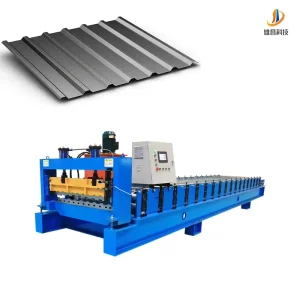
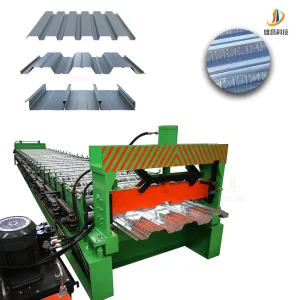
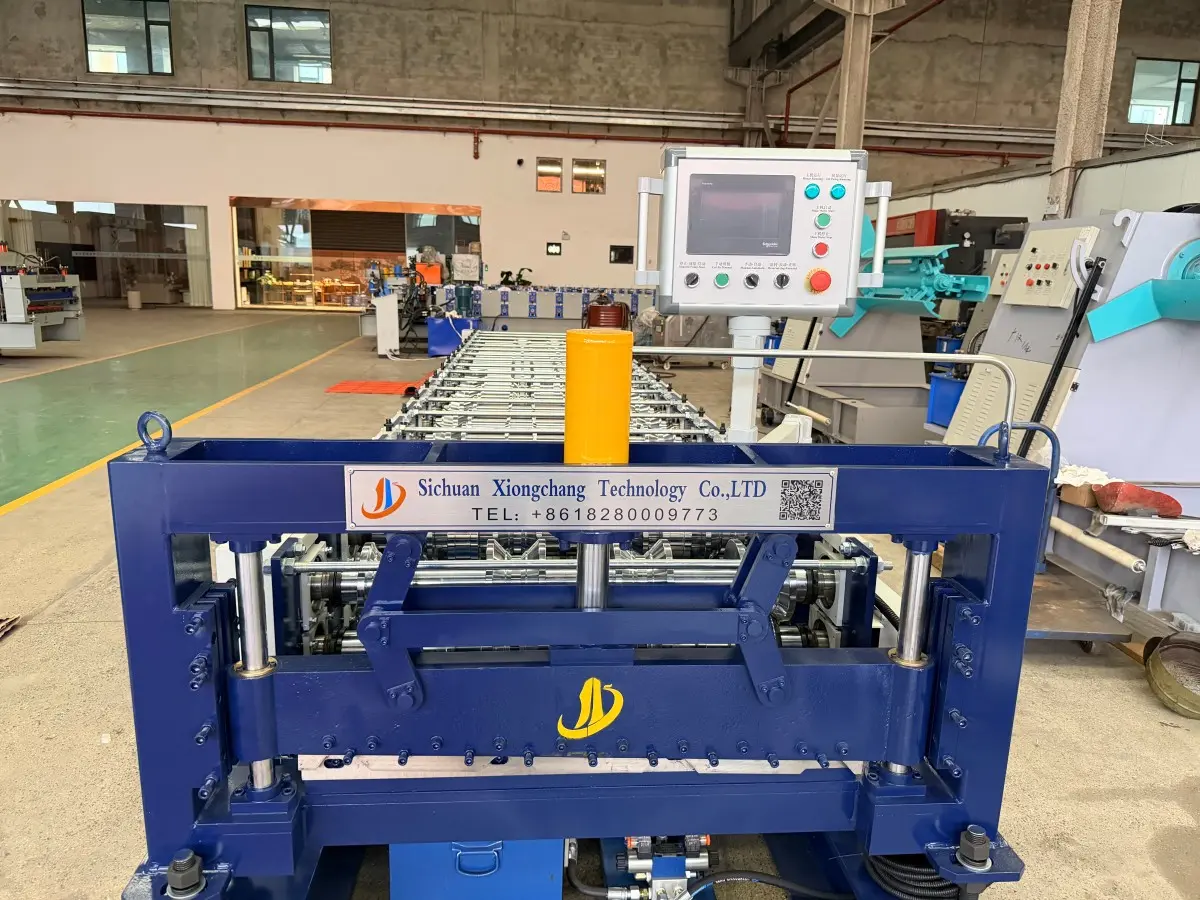
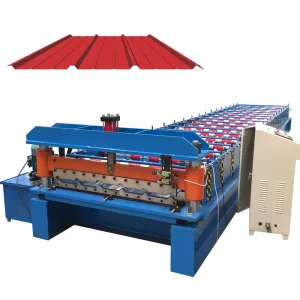
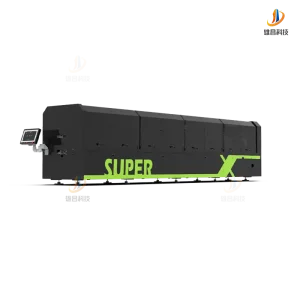
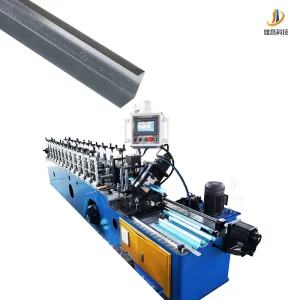
Explore our primary custom structural profile roll forming platforms designed for global architectural, logistics, and automotive framing requirements.
The global demand for high-strength steel framing profiles has witnessed an unprecedented surge, driven by the expansion of rapid-assembly logistics complexes, solar photovoltaic tracking architectures, and sustainable light gauge steel (LGS) residential framing. The C Channel Roll Forming Machine stands as the vital engine of this steel processing transition. Globally, industrial projects demand machinery that can accommodate varying sheet metal yields (ranging from mild carbon steels like Q235 to high-tensile structural alloys such as Q355 or Grade 50) while operating under strict geometrical tolerances.
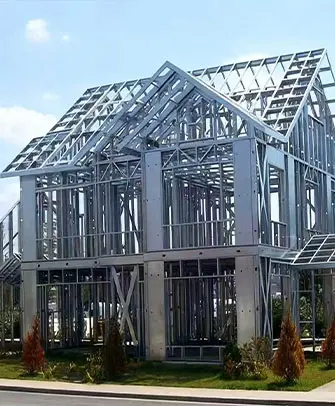
Traditional structural timber and heavy hot-rolled steel are increasingly replaced by cold-formed C and Z profiles due to their superior strength-to-weight ratio, structural predictability, and 100% recyclability in green building protocols.
Industrial logistics centers and automated warehouses require millions of linear meters of high-tolerance storage racking systems, where precision C-profile steel serves as structural columns, shelves, and braces.
Utility-scale solar farms across North America, Europe, and Asia utilize custom heavy-duty C-channels as ground mounts. These profiles must be rolled with exact punch patterns to ensure quick field assembly.
As a globally recognized leader in the engineering, design, and manufacturing of cold roll forming systems, XC (XiongChang) Metal Forming offers robust, fully automated production systems designed to meet complex industrial blueprints. Our catalog encompasses heavy-gauge structural components (C/Z Purlin formers), building envelopes, and precision automotive roll forming arrays.
We combine deep metallurgical expertise with state-of-the-art automation. By maintaining complete control over tooling design, heat treatment, and precision CNC fabrication, we ensure that every machine delivers maximum runtime, minimized profile deviation, and outstanding longevity.
Sourcing heavy machinery like cold roll forming equipment involves evaluating both upfront capital expense (CAPEX) and long-term operating costs. China's manufacturing ecosystem, represented by XC (XiongChang), delivers a distinct structural advantage that cannot be matched in regional Western markets.
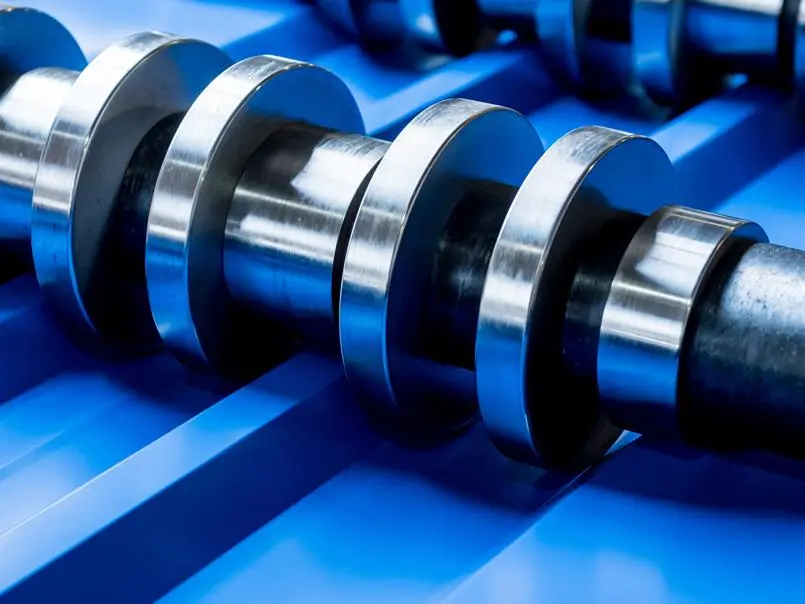
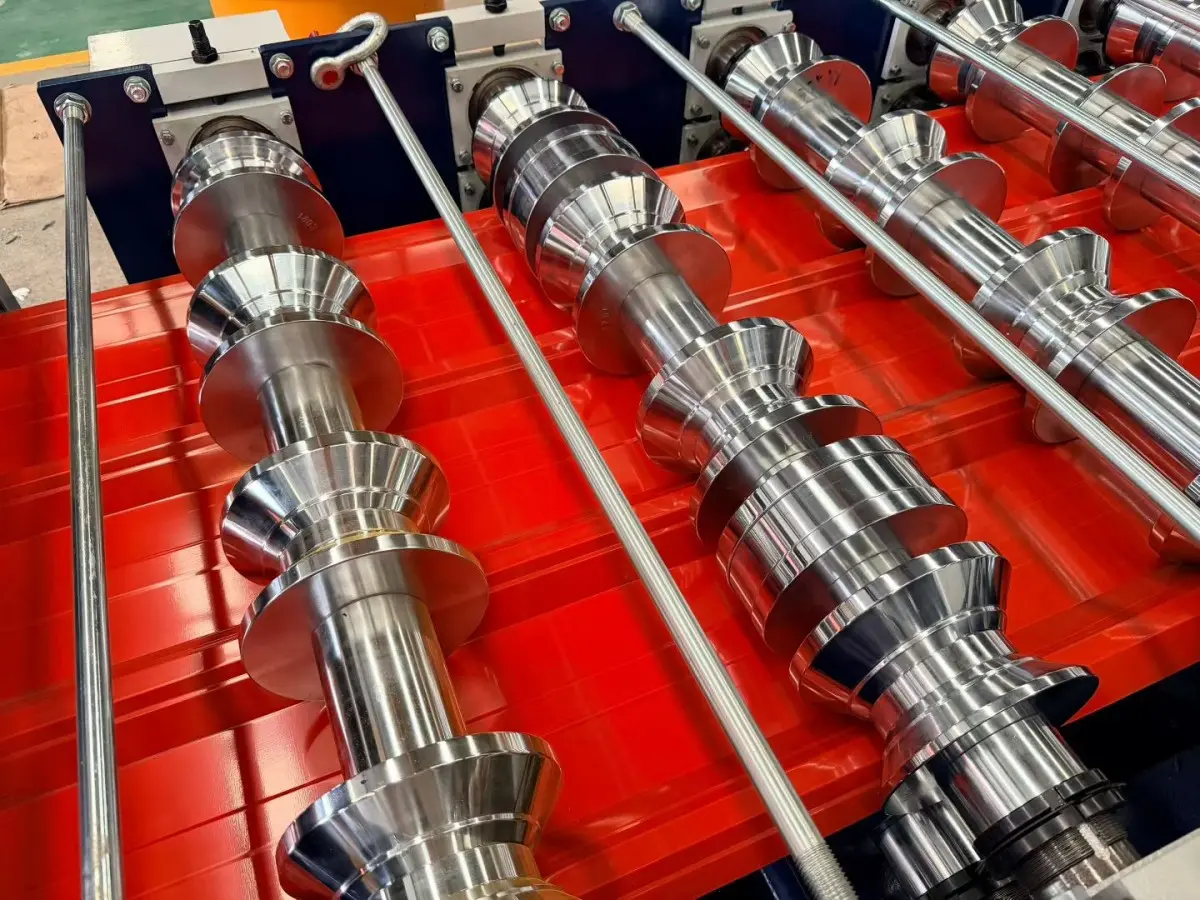
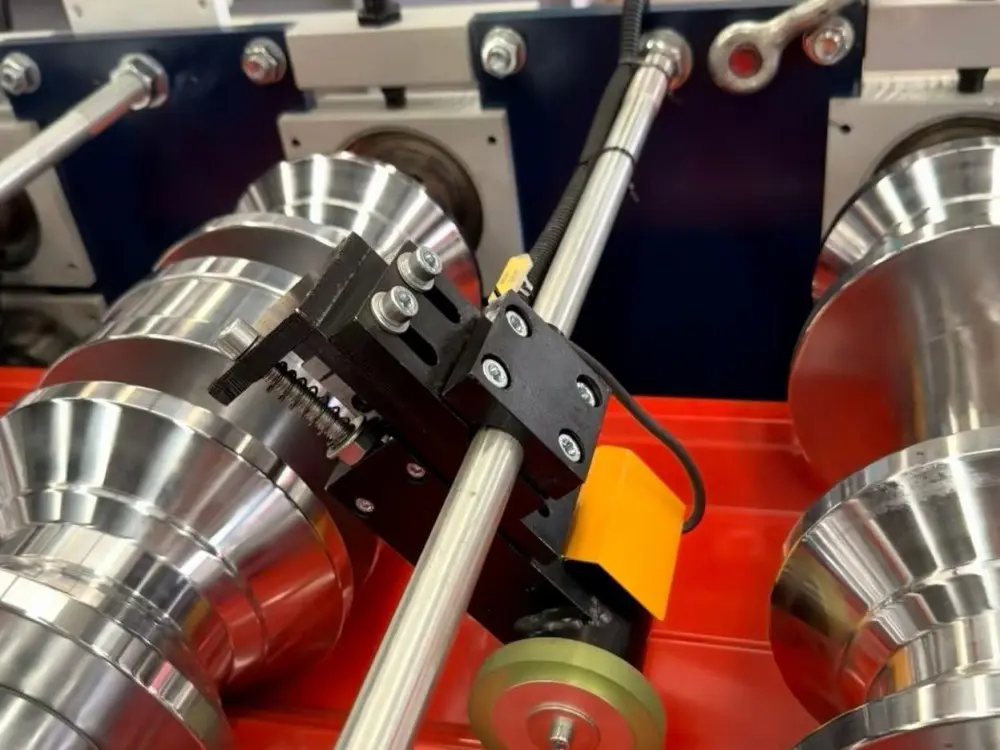
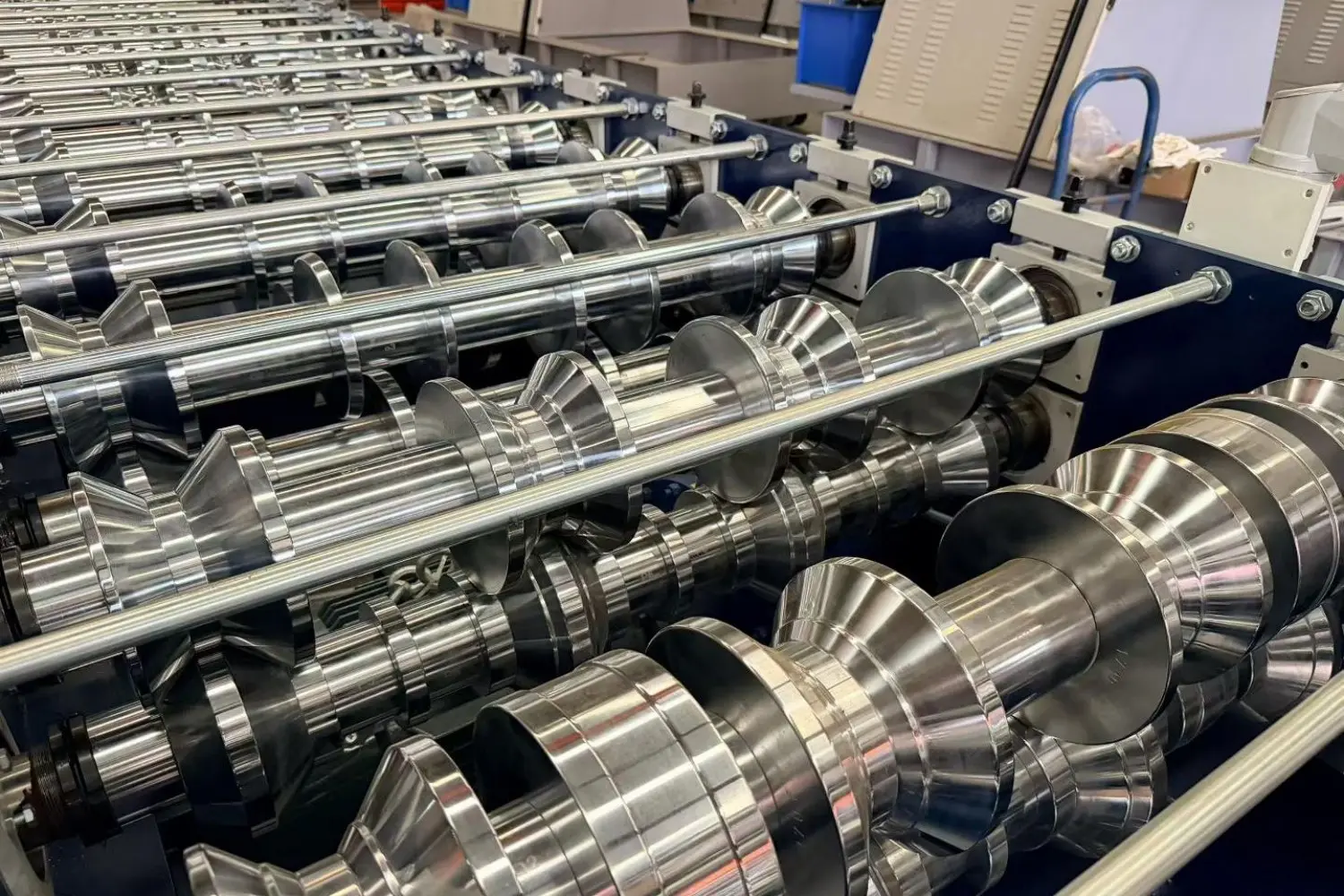
Our proximity to primary steel mills and specialized casting hubs ensures top-grade steel alloys at reduced costs. We utilize high-grade Cr12, Cr12MoV, or GCr15 steel for forming rollers, performing precision vacuum hardening (HRC 58-62) completely in-house.
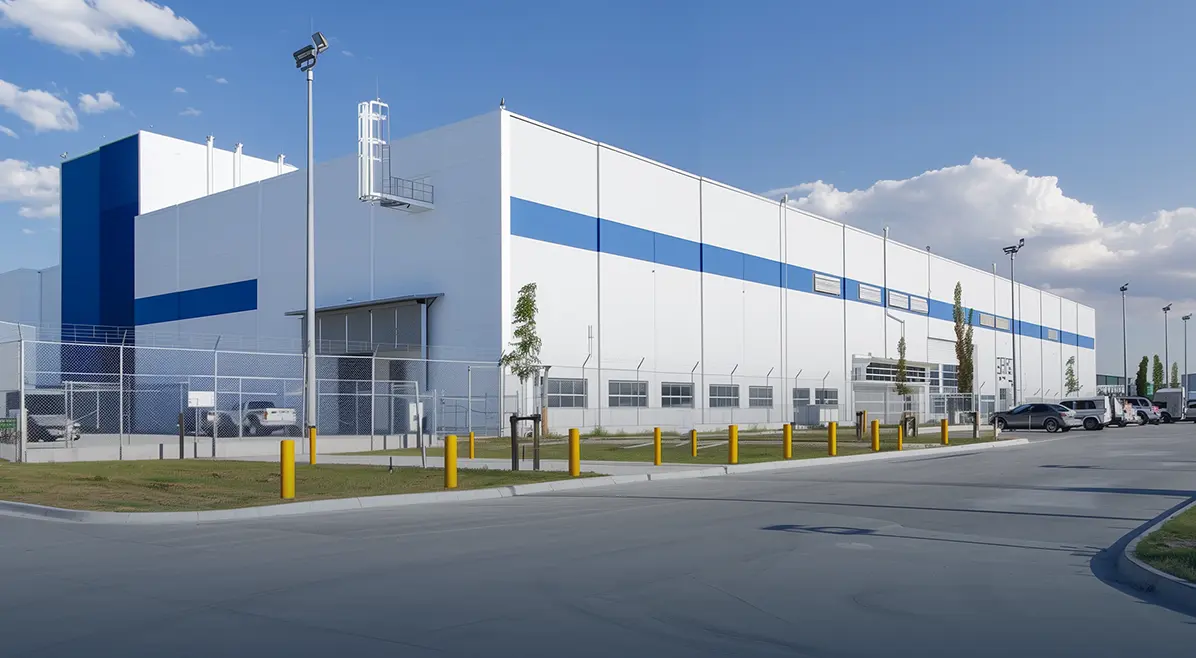
With a massive 50,000 square meter factory layout and over 2,000 team members, we operate multiple machining centers simultaneously. This reduces lead times for complex custom lines from the typical 6-9 months of Western builders to just 60-90 days.
We don't build generic configurations. Our specialized engineering unit designs bespoke cold forming solutions using COPRA roll design software, assuring perfect profiling stages that prevent metal twisting, bowing, or edge wave defects.
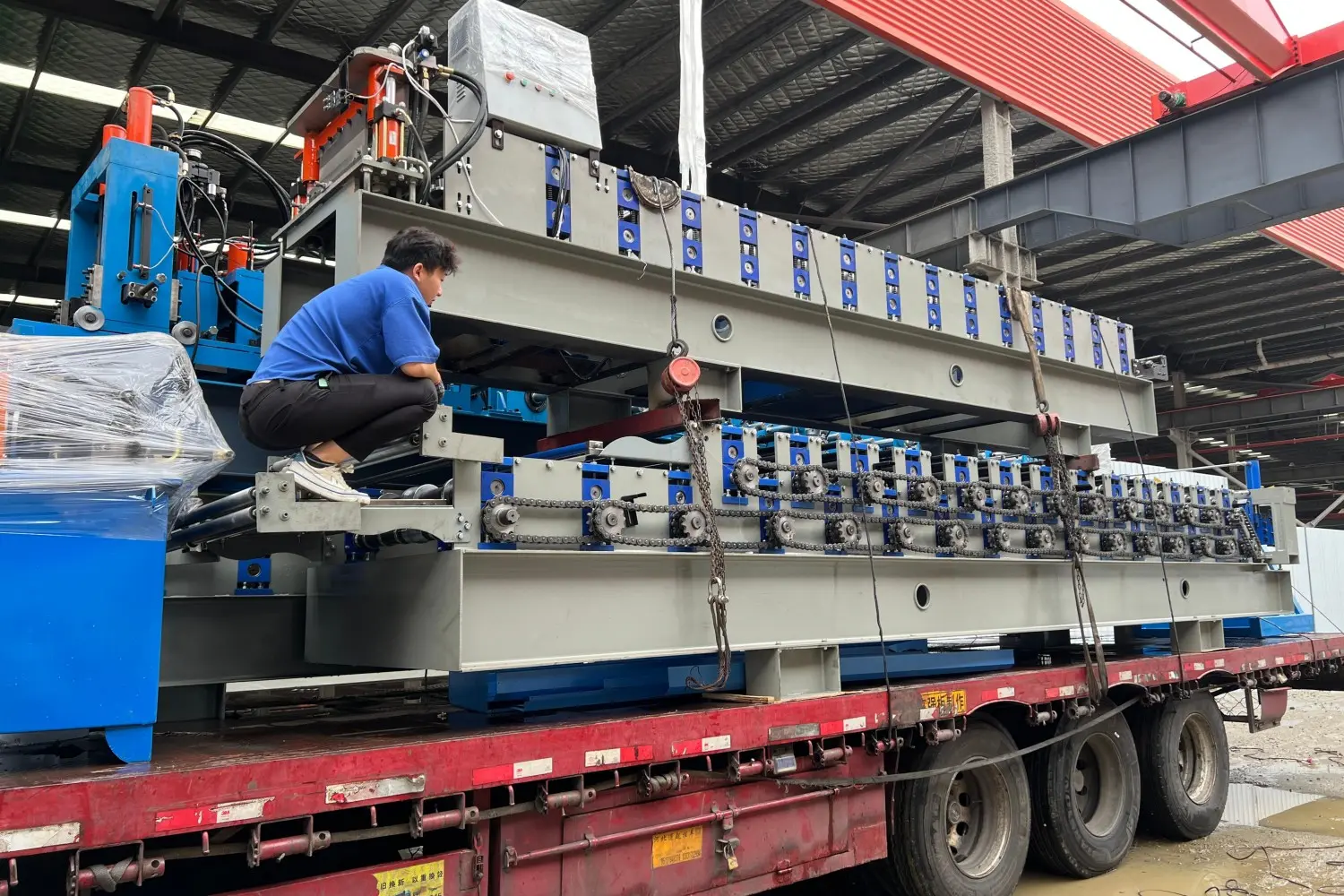
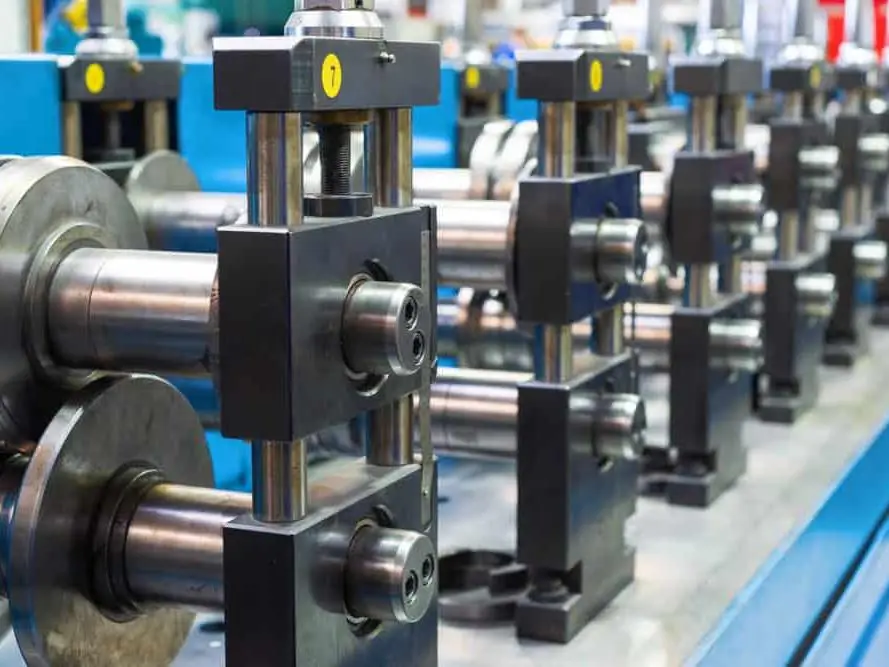
XC has built its reputation on engineering automated production systems that minimize human intervention while maintaining precision. Our C-channel roll formers incorporate multi-stage leveling rollers, hydraulic post-cutting assemblies with dual-cylinder performance, and CNC-controlled variable size modifications.
Equipped with Siemens PLC frameworks, Yaskawa variable frequency drives, and Omron encoders, our lines offer automated web and flange adjustment via touch-screen HMIs. This allows operators to change sizes from C80 to C300 in less than 3 minutes, maximizing plant versatility.
We configure high-durability cold roll forming machinery across three distinct system classifications, each tailored to specific engineering applications, tolerances, and yield requirements.
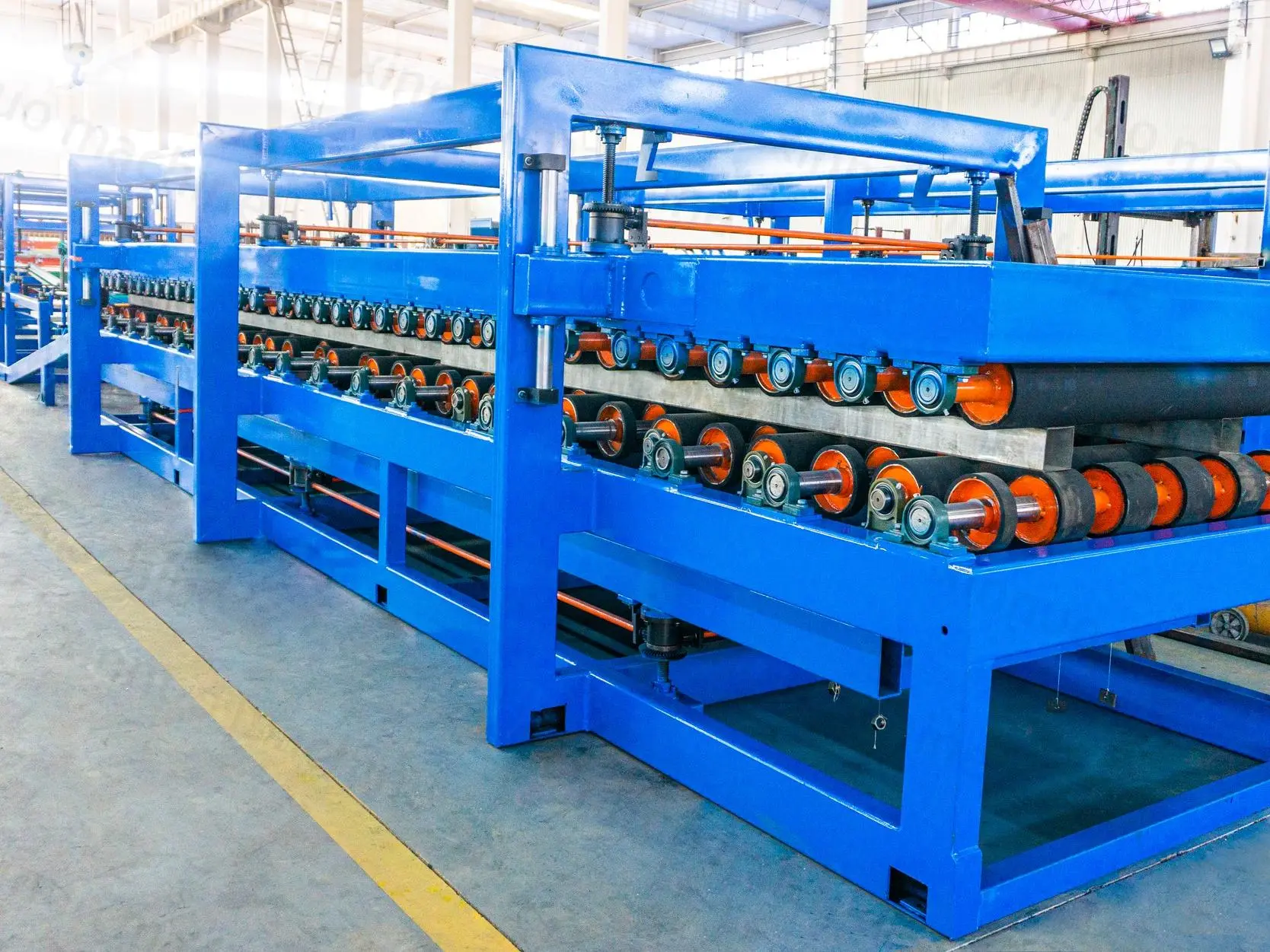
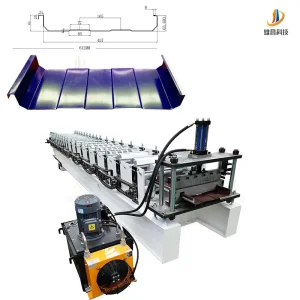
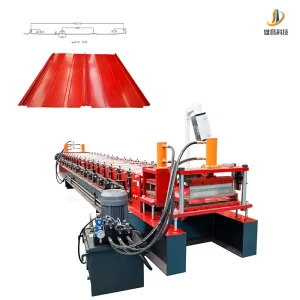
Dedicated to manufacturing precision architectural elements including Roof Panel, Wall Panel, and Heavy-Gauge Floor Deck Roll Forming Systems. Engineered to process prepainted galvanized steel (PPGI) and zinc-aluminum alloys without surface scratching.
High-yield capacity platforms including C/Z Purlin Roll Forming Machines, Stud & Track Roll Forming Lines, and Interchangeable Metal Framing configurations. Featuring automated width adjustments, variable punch patterns, and high-precision shearing.
Custom lines engineered for bespoke industrial sectors, including high-speed Gutter Roll Formers, Door Frame profile units, and automotive crash rail structural formers. Designed for complex geometric cross-sections and continuous punching operations.
XC has integrated a rigorous, multi-layered quality control framework. Utilizing high-resolution material analyzers, ultrasonic welding detectors, and digital 3D profile scanners, our QC inspectors check every mechanical element prior to factory sign-off.
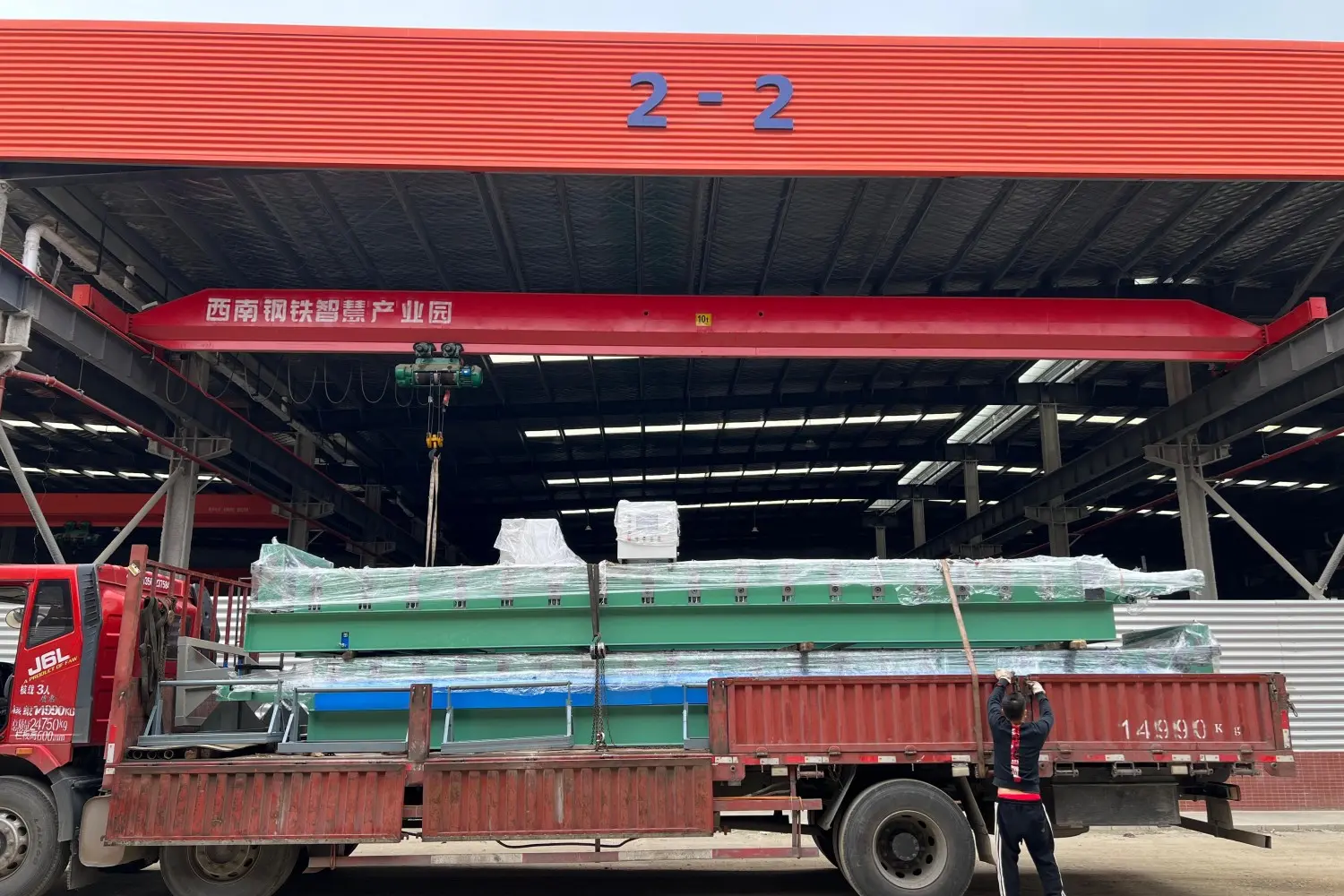
Every roll forming system undergoes a continuous test run of at least 24 hours under structural load at our facility. This ensures that the roller geometry, hydraulic shearing, punching units, and electronic synchronization perform without friction or deviation before disassembly and shipping.
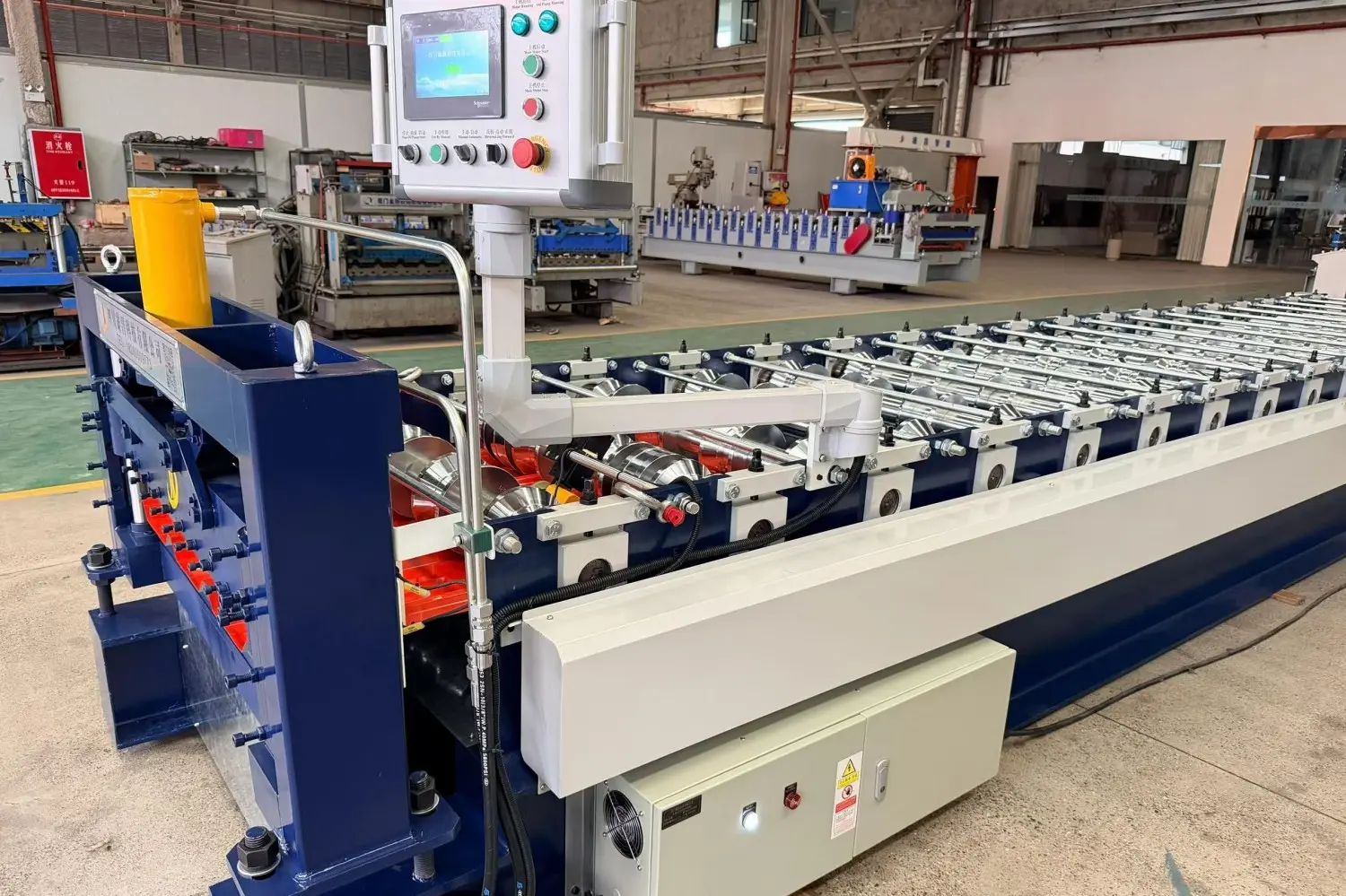
From initial profile layout and roll tooling design using advanced dynamic software to post-delivery field commissioning, XC supports your enterprise growth. We deploy dedicated engineers worldwide to assist with on-site installation, machine calibration, and worker safety training.
Furthermore, our team maintains an active spare parts catalog (shafts, rollers, cutting dies, hydraulic valves, and PLC boards) to guarantee zero downtime for our global clients. Remote online diagnostics allow us to troubleshoot electronic anomalies within hours.
Whether configuring heavy purlin configurations for wind-loaded structures in North America, corrosion-resistant structures for tracking solar panels in coastal Australia, or light-gauge framing systems for high-density housing projects in Europe, our machinery adapts to regional requirements.
By complying with international engineering and electrical certifications (including CE, UL, and CSA standards), we ensure that your manufacturing operation can achieve rapid regulatory compliance and immediate local utility activation.
Procuring agents must confirm roller metallurgy. Inferior grades wear quickly when processing galvanized coils. XC uses Cr12 or GCr15 vacuum heat-treated rollers, ensuring over 10 years of consistent cross-sectional geometry.
In modern industrial setups, downtime is costly. Look for C-channel lines with automatic motor-driven width adjustments. Eliminating manual spacers reduces size-change times from 3 hours to under 3 minutes.
High-speed structural fabrication demands pre- or post-punching arrays that align perfectly with downstream connections. Ensure the machine uses high-precision encoders to guarantee tolerance levels within ±0.5mm.
The metal forming sector is transiting rapidly towards smart manufacturing. Key advancements include:
Leveraging deep industrial experience to engineer customized, high-rigidity machine beds and precision components designed for high-stress manufacturing.
Integrated hydraulic protective shields, automatic overload cut-offs, and emergency stop systems designed to satisfy stringent factory safety standards.
Applying cutting-edge metallurgy and heat-treatment procedures to yield high-strength rollers that prevent profile scratching and structural wear.


Review core technical inquiries concerning structural profile machinery operation, tolerances, setup configurations, and custom tooling layouts.
Browse our complete product range, featuring specialized architectural roll forming platforms, floor deck profiles, and high-speed light gauge steel framing lines.
 Xiongchang