Discover our highly sought-after roll forming machine configurations. Engineered for resilience, precision output, and maximum operational lifecycle.
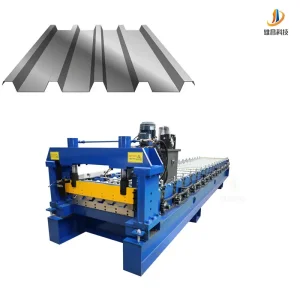
Engineered for structural roof sheeting with high load capacity. Perfect for industrial envelope applications.
View Specifications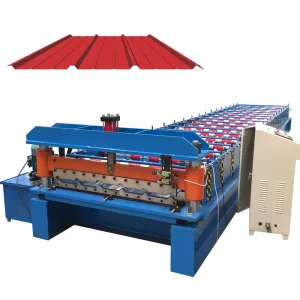
Industry standard profile machinery for commercial-grade metal siding, wall panels, and deep-rib roofs.
View Specifications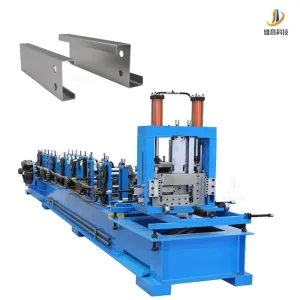
Fast PLC-driven profile adjustment. Minimizes downtime between C and Z purlin section conversions.
View Specifications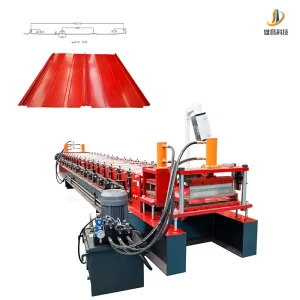
Advanced snap-lock styling requiring no external mechanical seamer. Ideal for modern architectural roofs.
View Specifications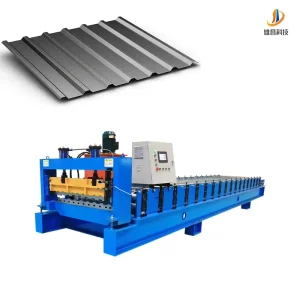
Reliable machinery producing clean U-groove profiles for architectural cladding and fencing elements.
View Specifications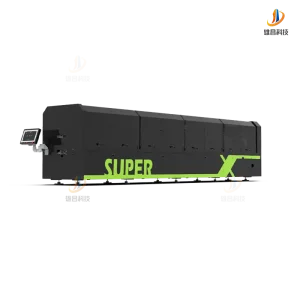
High-speed framing machinery with integrated punch-hole matrices for rapid structure assembly.
View Specifications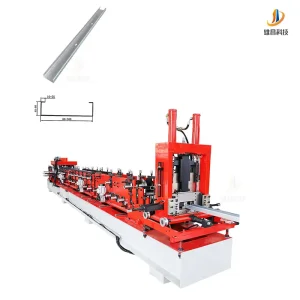
High-capacity forming rollers delivering precise flange dimensions for rigid industrial frames.
View Specifications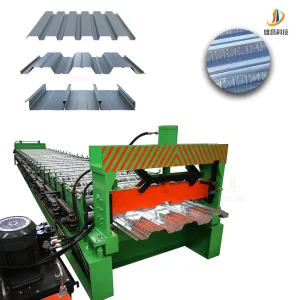
Deep-corrugated structural decking machinery for concrete composite floor structures.
View SpecificationsThe demand for metal roll forming solutions has witnessed exponential growth due to the global expansion of logistics hubs, industrial manufacturing plants, cold storage facilities, and residential prefabricated structures. At the core of this demand lies the need for highly durable, cost-effective machinery. While new, customized machines represent a significant long-term capital investment, the market for certified refurbished, pre-owned, and cost-optimized roll formers has become a crucial path for rapid scaling.
Enterprises in developing infrastructure sectors require reliable production capabilities without the standard lead times associated with high-end machinery. A "used" or "remanufactured" metal roofing machine from a reputable Chinese industrial factory provides an excellent balance: immediate deployment, substantial capital preservation (up to 40-60% savings compared to European equivalents), and reliable operational lifespans when properly calibrated. This market segment ensures that startup mills, local construction developers, and sheet metal service companies can enter high-output fabrication with minimal barrier to entry.
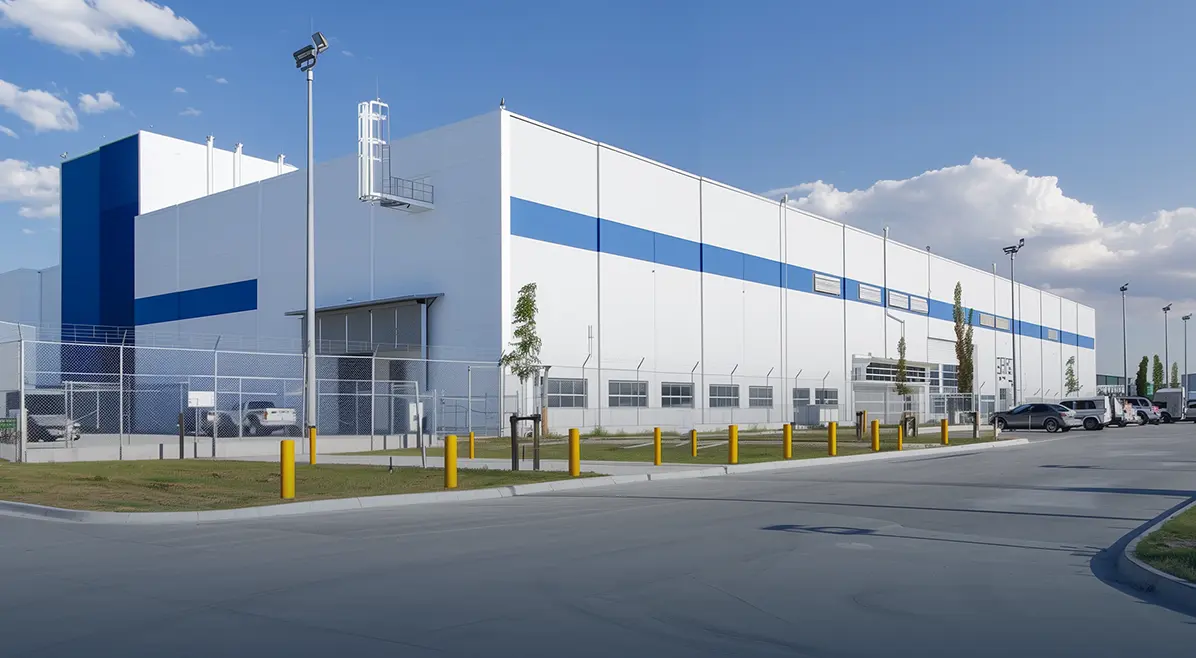
Our commitment to advanced manufacturing processes, precision material science, and comprehensive lifetime testing guarantees equipment performance.
Our structural design division relies on finite element analysis (FEA) to calculate stress limits of roll form shafts, ensuring absolute alignment accuracy of +/- 0.5mm across all stations.
Rollers are precision forged from Gr15 steel, heat-treated via vacuum quenching, and finished with deep hard chrome-plating (0.05mm minimum) to resist abrasive wear and corrosion.
Every machine undergoes a continuous run test under load conditions for at least 72 hours prior to dispatch, utilizing state-of-the-art diagnostic instruments to monitor tolerances.
XC (XiongChang) operates a modernized 50,000 m² heavy industrial production facility designed to execute high-volume sheet metal machinery manufacturing. From core raw steel processing and casting to state-of-the-art CNC grinding centers and automated electrical panel assembly line stations, we maintain absolute control over the production supply chain.
This integrated ecosystem allows us to achieve two things: create new machinery with unmatched structural integrity and systematically rebuild or refurbish used roll formers to meet or exceed their original performance specifications. No machine leaves our factory floor without dynamic alignment audits and hydraulic pressure safety certification.
Understanding the operational and cost advantages that position Chinese manufacturers as global supply chain hubs for roll forming equipment.
China’s industrial ecosystems possess structural efficiency advantages that directly translate to lower capital costs and rapid engineering turnarounds for global clients. By placing our production hub in proximity to raw steel mills and metallurgical component centers, XC is able to procure high-grade structural alloys, precision gearboxes, hydraulic systems, and PLC control kits with minimal local logistics delay.
For buyers targeting remanufactured, custom-built, or used roll formers, this integrated manufacturing cluster yields significant benefits:
Direct relationships with top-tier domestic brands (e.g., Baosteel for raw materials, Huade for hydraulics) ensure optimal component performance at minimized prices.
Over 2,000 highly trained technicians, operators, and electrical engineers specializing in industrial automation systems, sensor networks, and CAD tooling programs.
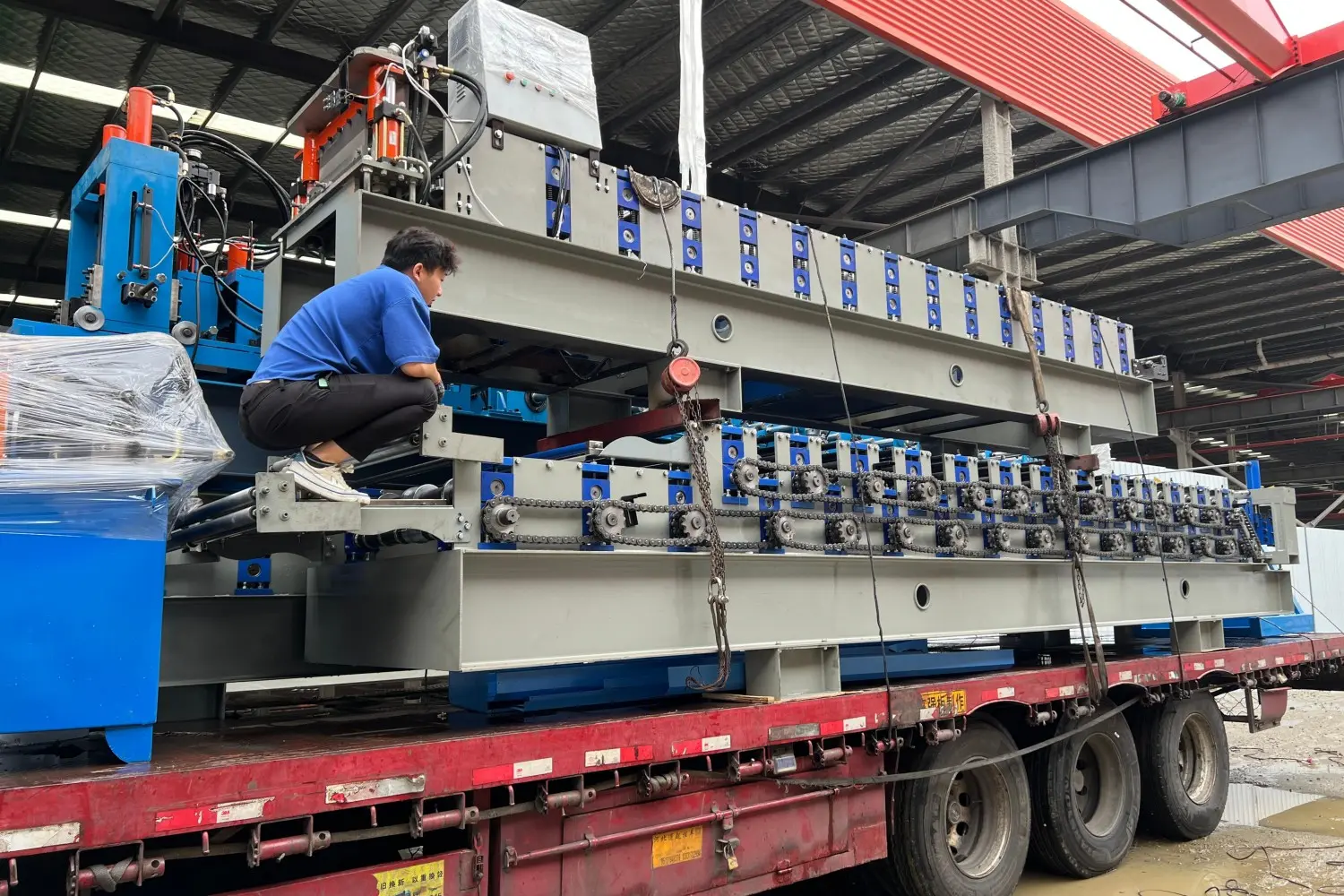
Streamlined container packing, seaworthy rust-inhibitor coatings, structural steel frame bracing inside containers, and direct customs processing routes.
We offer three distinct streams of machinery production to align with varying building, framing, and architectural requirements.
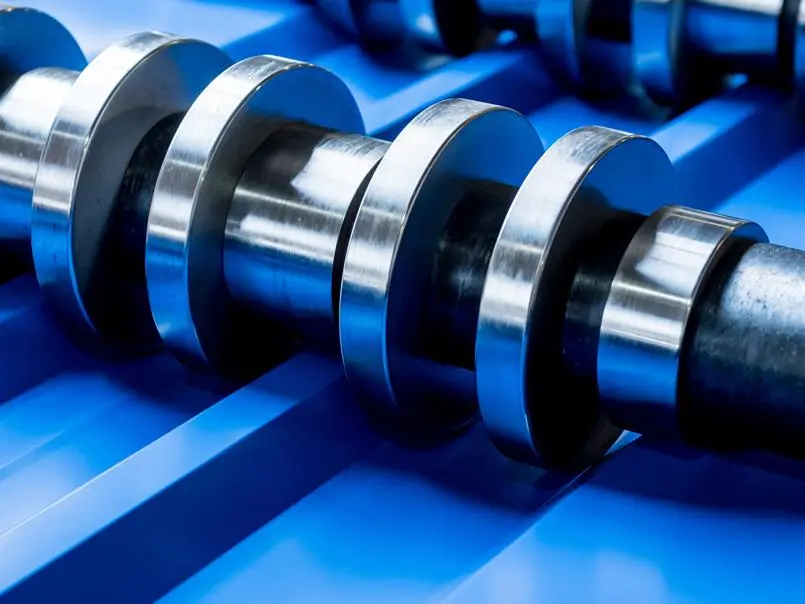
High-speed equipment specifically designed to output roof panels, insulated sandwich panels, external siding claddings, and robust structural floor deck systems.
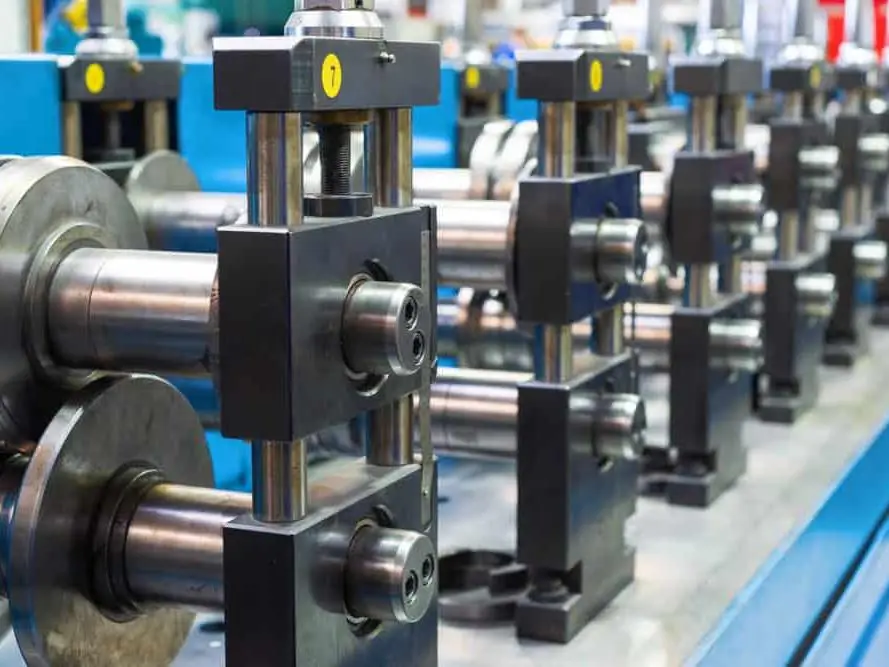
Automated profile lines capable of executing thickness adjustments for C/Z purlins, high-tolerance load-bearing studs, structural tracks, and customized framing trusses.
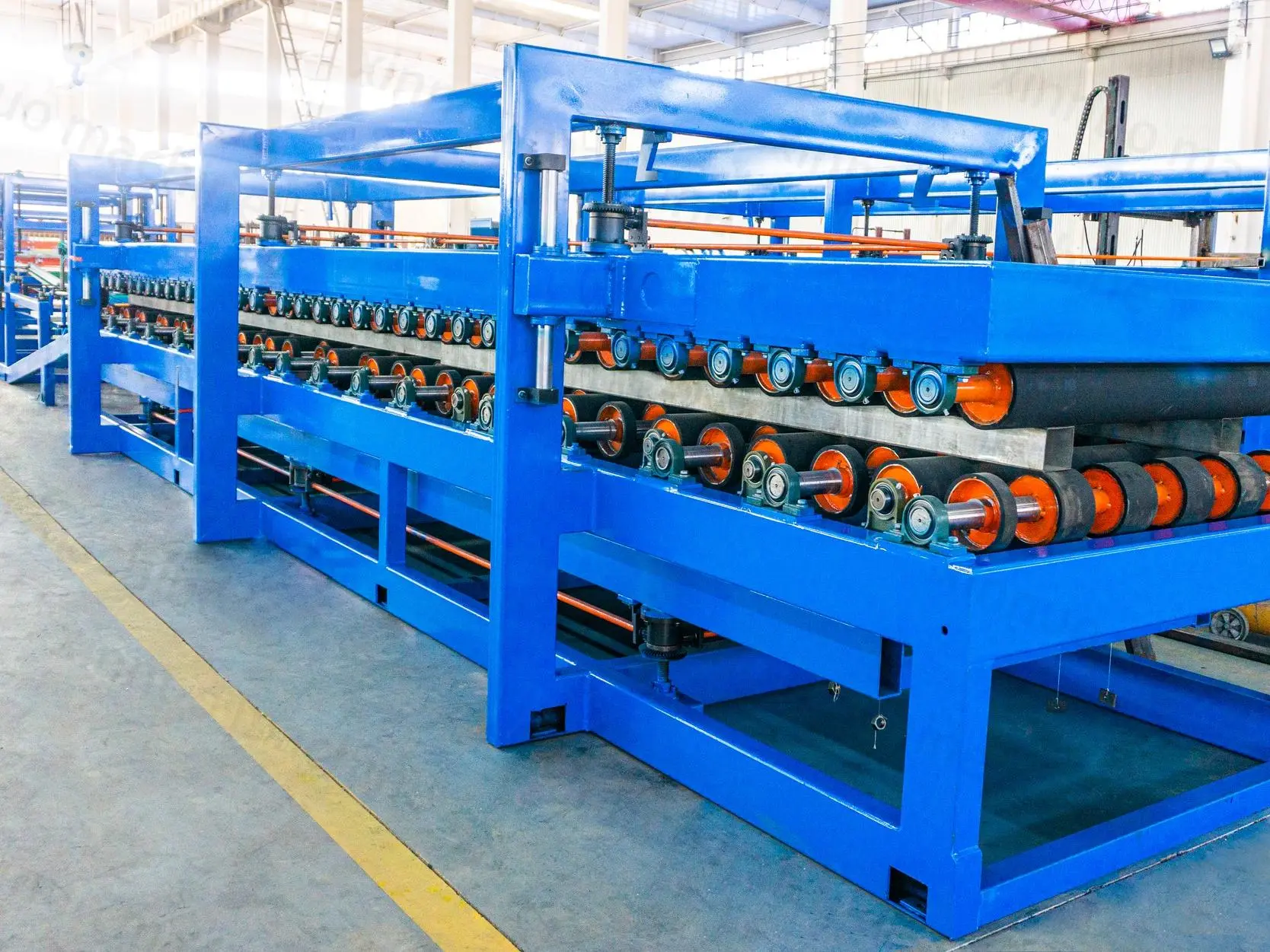
Ancillary systems designed to streamline the surrounding workflow, including gutter profiles, flashing machines, roller shutters, and door frame units.
We understand that a roll forming line is an investment expected to operate continuously for decades. That is why our Quality Assurance workflow is deeply integrated at every stage of the manufacturing timeline. For pre-owned or custom-engineered systems, this involves:
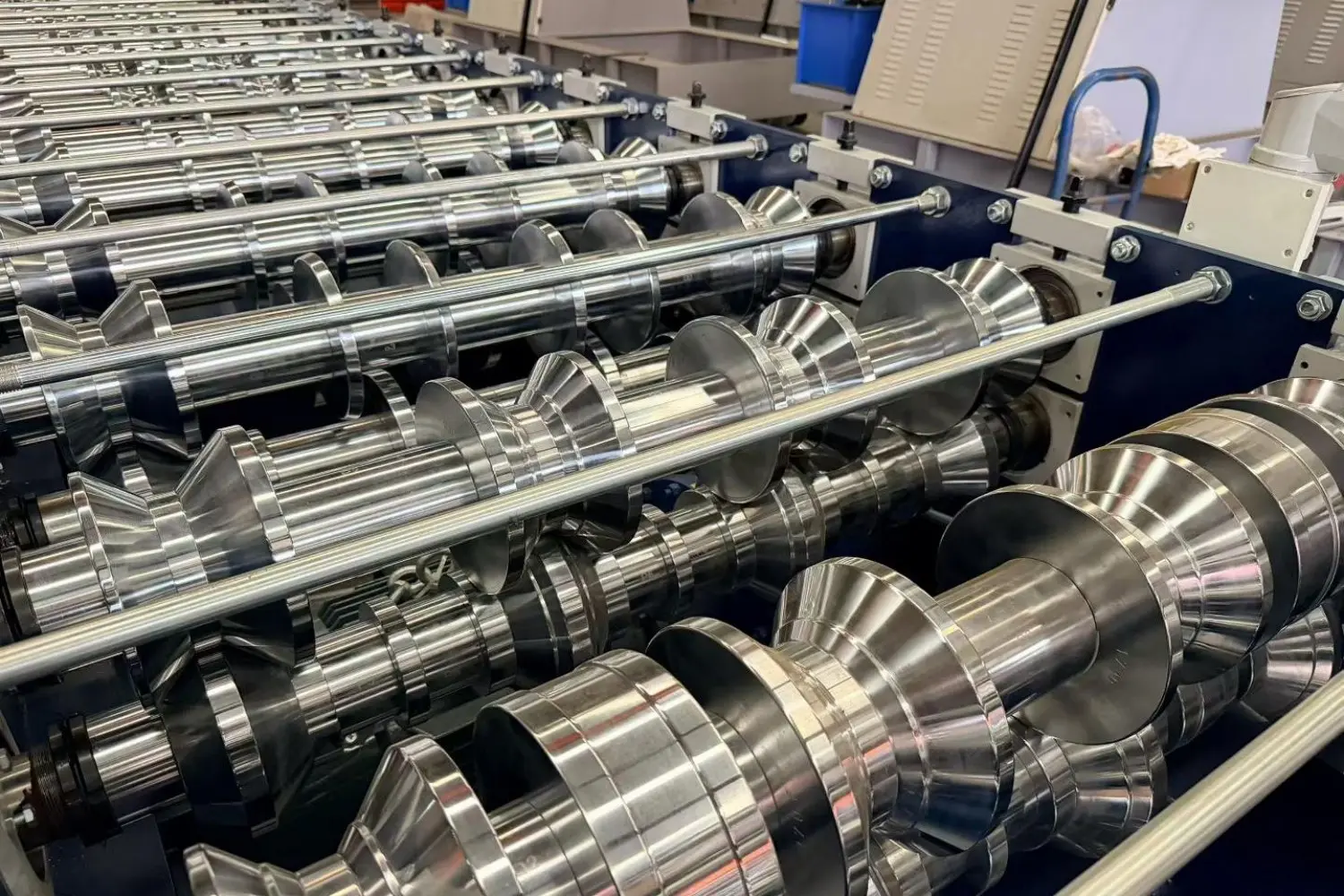
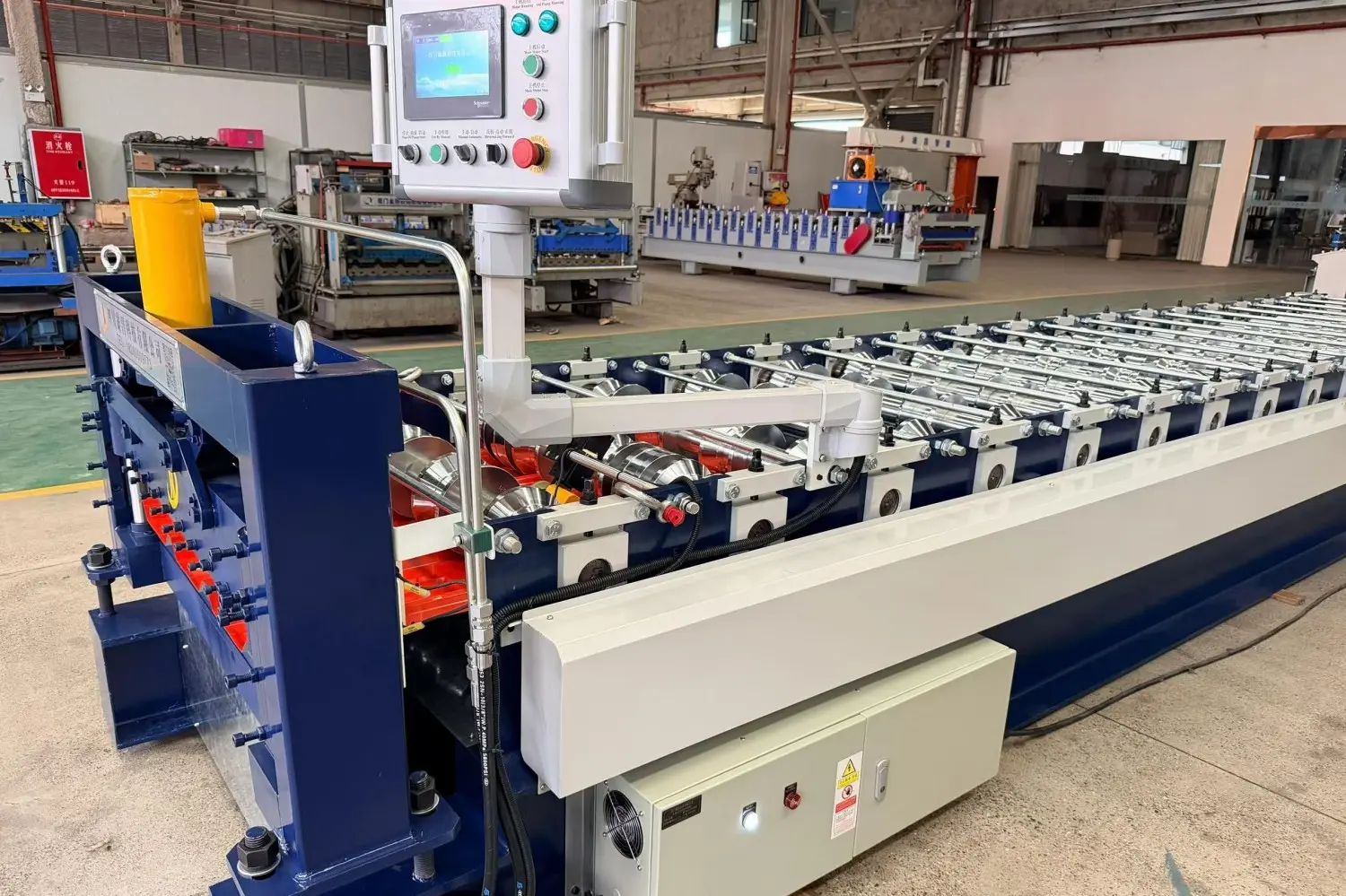
To support global operators who may not have dedicated mechanical teams, XC provides complete lifecycle engineering services. We handle the process from initial design to active maintenance.
Our engineering teams travel to site installations globally, executing machine assembly, anchoring, electrical integration, and profiling calibration. We also provide intensive operational training modules for localized factory staff, showing them how to troubleshoot hydraulic systems, modify PLC program formulas for new sheet batches, and maintain clean roll-pass lubricants. For used systems, this operational support ensures new owners avoid common layout and calibration errors.
Our cold roll forming machinery solutions are deployed across a broad array of industrial application zones. Every sector demands unique metallurgical outputs, which our machines consistently deliver:
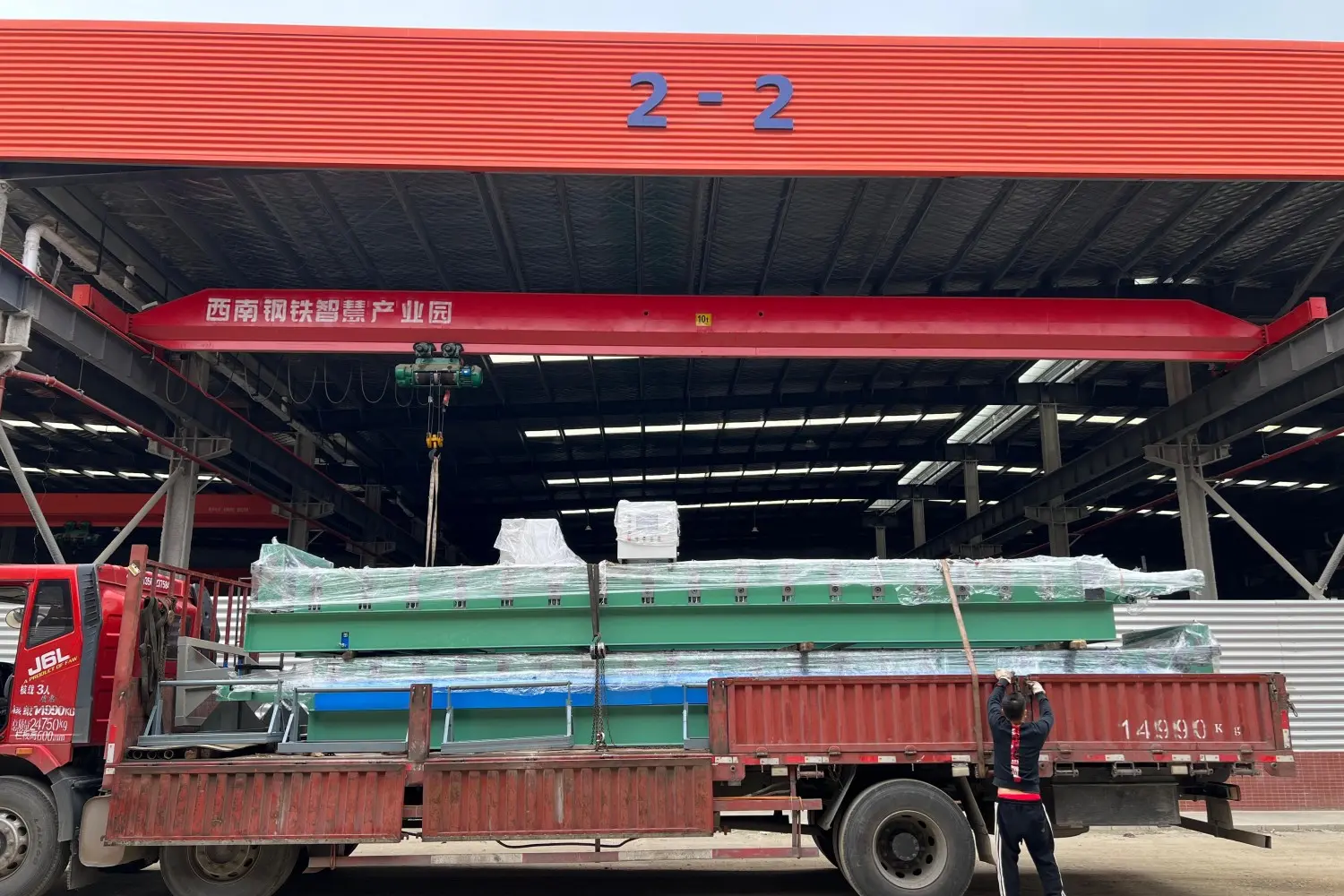
Understanding the engineering pipeline from draft conceptual designs to actual metal forming equipment shipment.
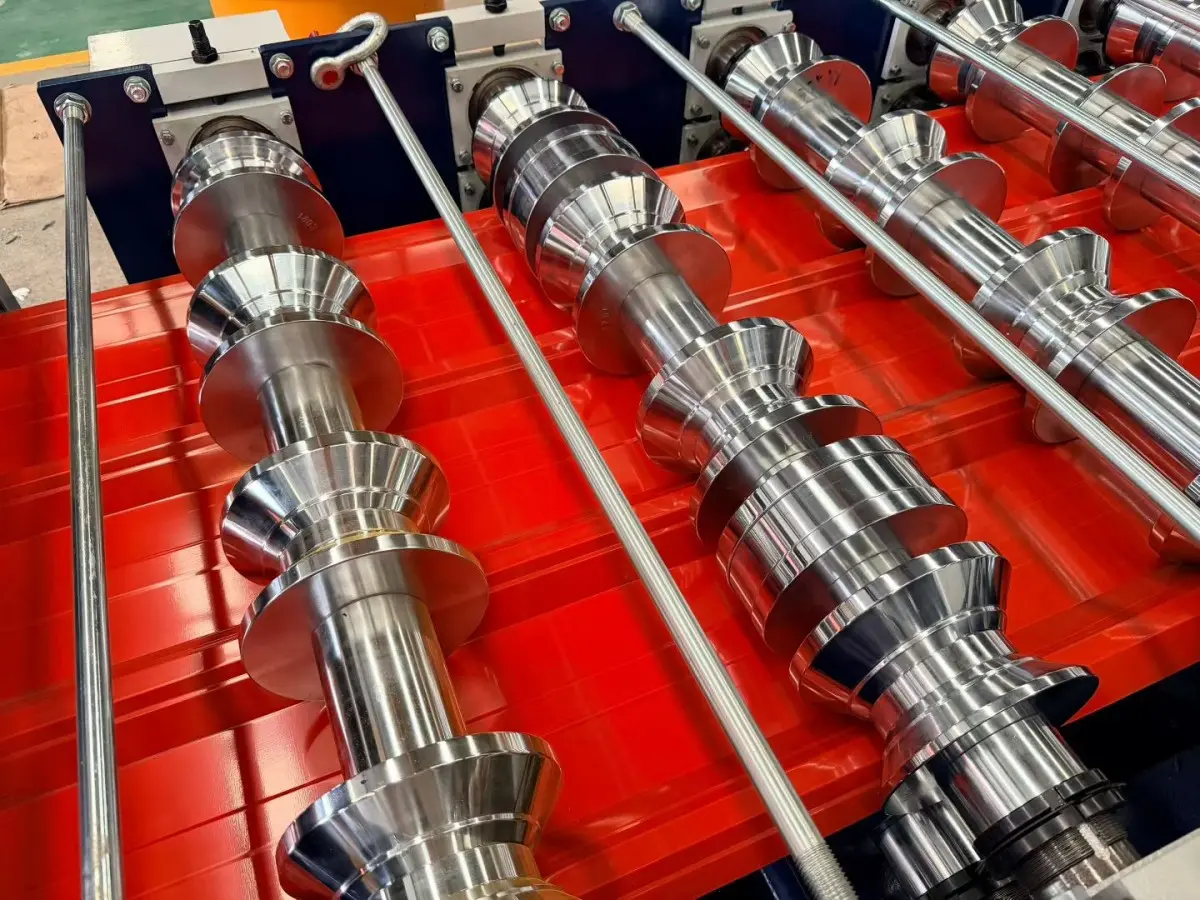
Detailed computer simulations map the metal strip path through each roll station, ensuring minimal material stress and preventing edge wave defects.
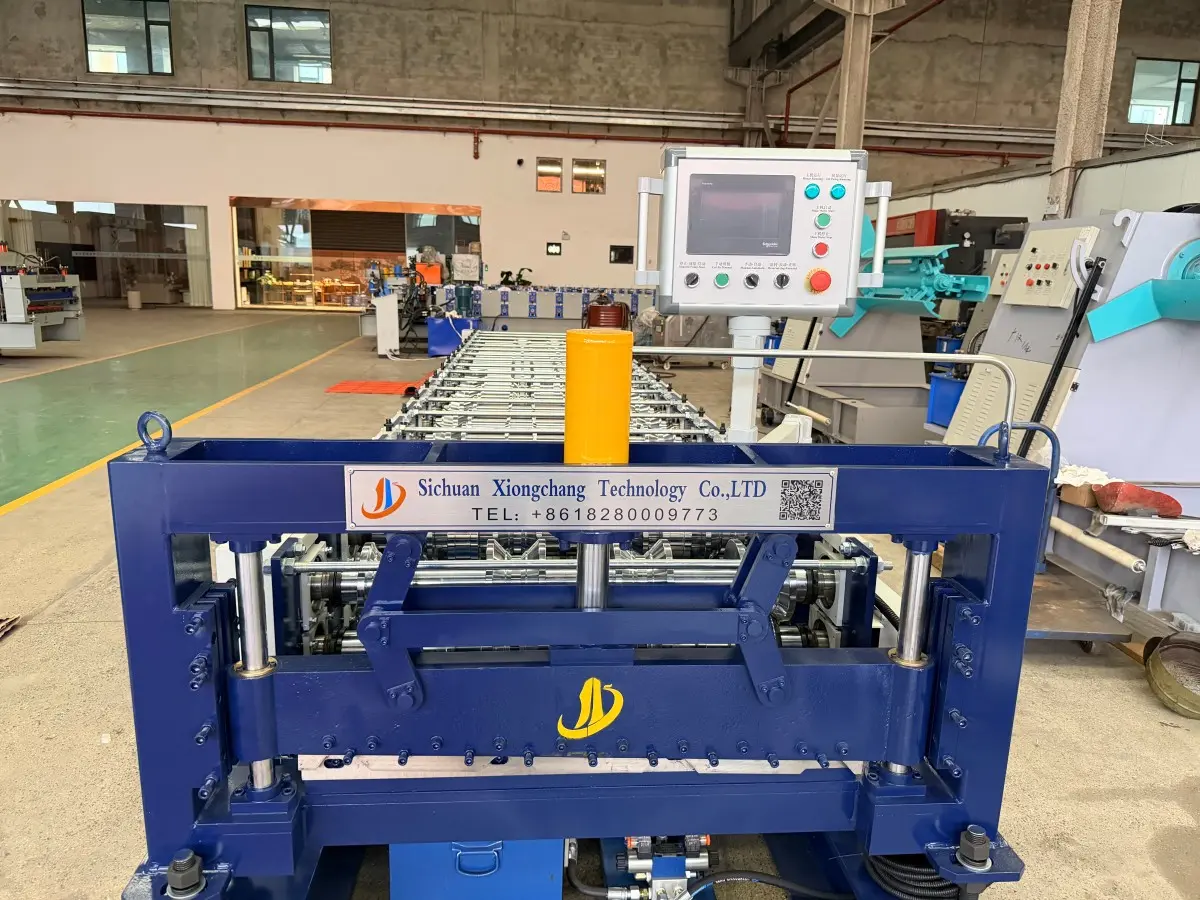
Technicians align the main drive shafts, position the chromium-plated forming rollers, configure hydraulic cutters, and calibrate the PLC system.
Key design considerations, procurement factors, and specifications to verify when importing roll forming equipment.
Navigating the import process for complex industrial machinery requires attention to specific engineering details. Selecting a manufacturer is not merely about finding the lowest price; it is about verifying the technology stack and metallurgical components of the line. Before finalizing any purchase agreement, engineers and procurement teams should audit the following specifications:
Our roll forming systems are deployed across diverse sectors, including building structures, transportation, and industrial fabrication.
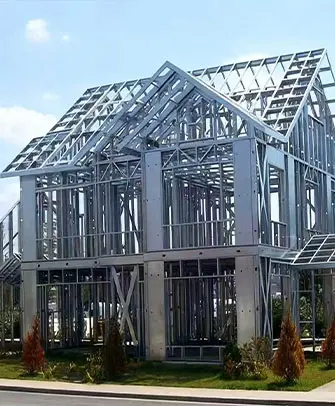
Soffit panels, standing seam roofs, insulated walling, purlins, and truss framing components.
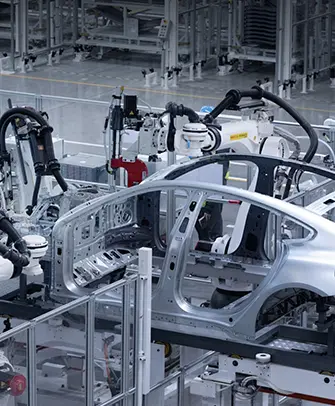
High-tensile bumper rails, frame brackets, impact absorption structures, and sub-frames.
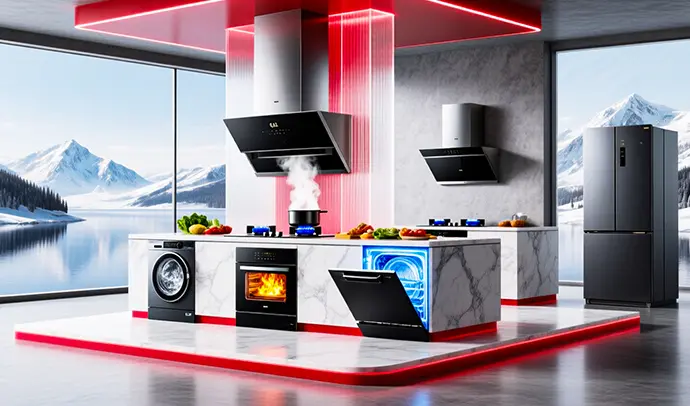
Precision steel cabinet panels, refrigerator outer skins, and mounting tracks.

Guard rails, acoustic panels, drainage channels, and railway carriage structures.
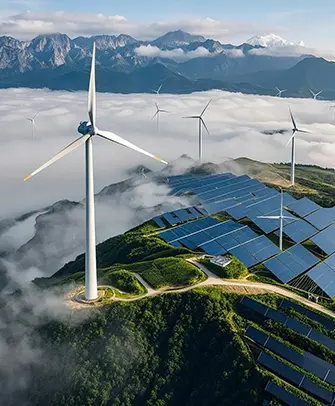
Photovoltaic racking rails, solar module supports, and tracker mounting structures.
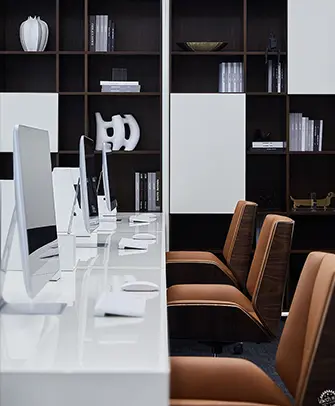
Custom tooling sets built for complex shapes and specialized profiles.
Direct engineering answers regarding structural customizations, refurbishment tolerances, and international import procedures.
When properly maintained and calibrated, a high-quality roll forming machine from XC can operate for 15 to 20 years. For our refurbished or used systems, we replace worn bearings, re-grind or replace key roller components, and update the hydraulic seals. This updates the machine's mechanical performance, offering a remaining operational lifespan comparable to new equipment.
It depends on the machine's configuration. Standard single-profile roll formers produce one profile. However, we engineer double-deck machines that combine two separate profiles on a single base frame, sharing the same motor and drive. Additionally, we construct quick-change cassette structures and automated adjustable purlin lines (such as our C/Z interchangeable systems) that allow for fast adjustments using the PLC controller.
Profile precision relies on the design of the roll stations and the strength of the side frames. Our machines feature manual adjustment handles with clear metric scales, allowing operators to adjust the roller gaps based on material thickness. Additionally, our high-precision PLC control panels can store multiple material profiles, adjusting shearing parameters and feeding speeds to maintain a tolerance of +/- 1.0mm on product length.
We require the exact profile dimension drawing (including ribbon heights and widths), the thickness range of the raw steel, the material yield strength (e.g., G300, G550), and your power supply specifications (e.g., 380V, 50Hz, 3-Phase). If you require custom punch holes or special branding, sharing those designs during the inquiry phase helps us provide an accurate configuration design.
Yes. XC provides global site installation, mechanical commissioning, and technical training. We dispatch experienced engineers directly to your facility. Our team anchors the machine, wires the electrical controls, fills the hydraulic systems, and guides your operators on proper daily operation and preventative maintenance.
Browse our complete lineup of roll forming machinery, engineered to deliver consistent profile dimensions and high manufacturing outputs.
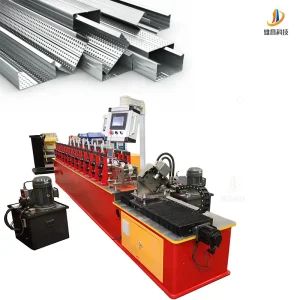
High-speed partitioning stud machine with automated punches for wiring paths.
View Specifications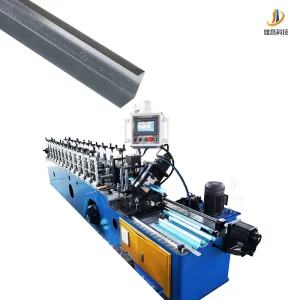
Light gauge framing track roll former, designed for tight tolerance fits.
View Specifications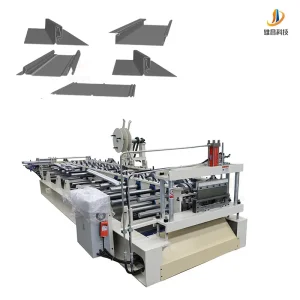
Architectural panel former producing concealed-fastener roofs with secure joint profiles.
View Specifications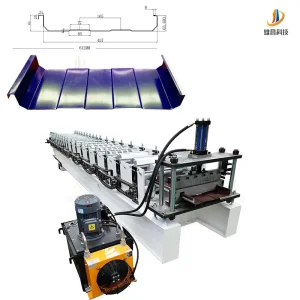
Engineered to form deep mechanical lock seam joints for low-slope commercial roofs.
View Specifications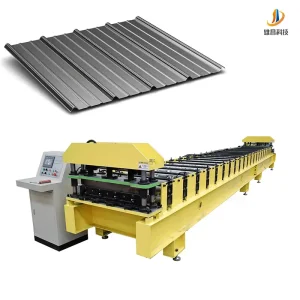
High-speed roll forming line producing robust, weather-resistant agricultural panel profiles.
View Specifications
Industrial-grade roll former featuring high-torque drives for thick steel panel profiles.
View Specifications
Reinforced structural rollers designed to shape high-tensile wall siding profiles.
View Specifications
Automated steel structural framing line with fast size conversion features.
View Specifications Xiongchang