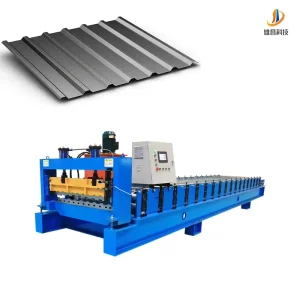
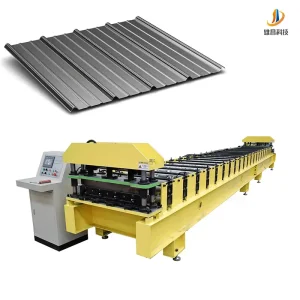
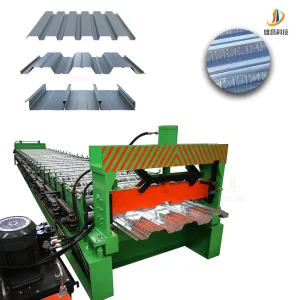
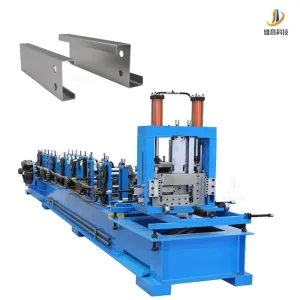
Explore our extensive catalog of cold roll forming machines, engineered for high reliability, tight dimensional tolerances, and optimal yield performance.
As an established expert in the field, XC (Xiongchang) provides integrated roll forming solutions. Our portfolio encompasses core production machines for roofing, flooring, doors, and structural components, as well as the complete auxiliary line equipment essential for efficient operation.
Over the course of two decades, our engineering division has focused on resolving structural roll forming challenges. We address common industry pain points such as material springback, micro-cracking of galvanised coatings, and production velocity degradation. By utilizing high-grade raw tool steels and adopting rigorous DIN tolerances, we deliver production configurations optimized for prolonged industrial life.
Consult Our Engineers
Our engineering standards ensure peak manufacturing precision and mechanical stability.
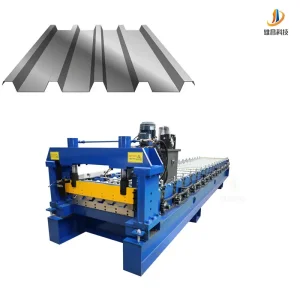
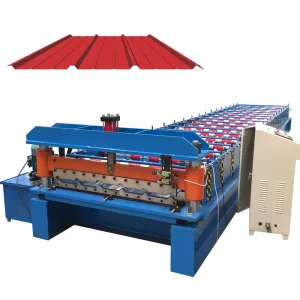
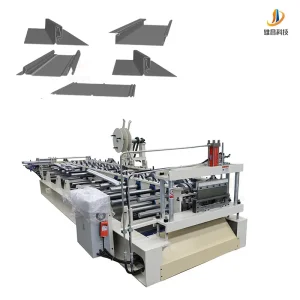
High-capacity roll formers optimized for structural roof panels, wall cladding, and deep-profile metal floor decks utilized in commercial steel frame infrastructure.
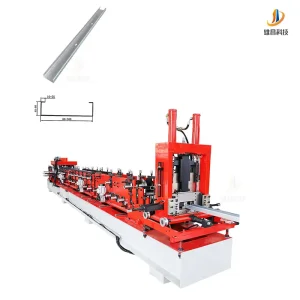
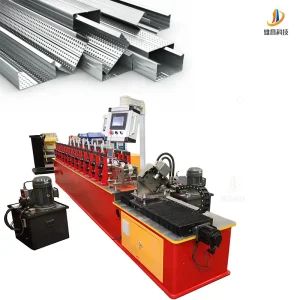
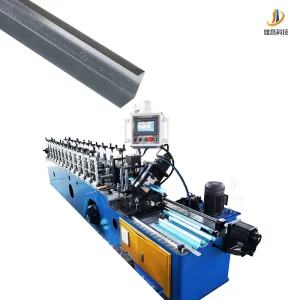
Advanced C and Z purlin roll forming lines with variable width controls, along with light-gauge steel stud and track systems designed for load-bearing applications.
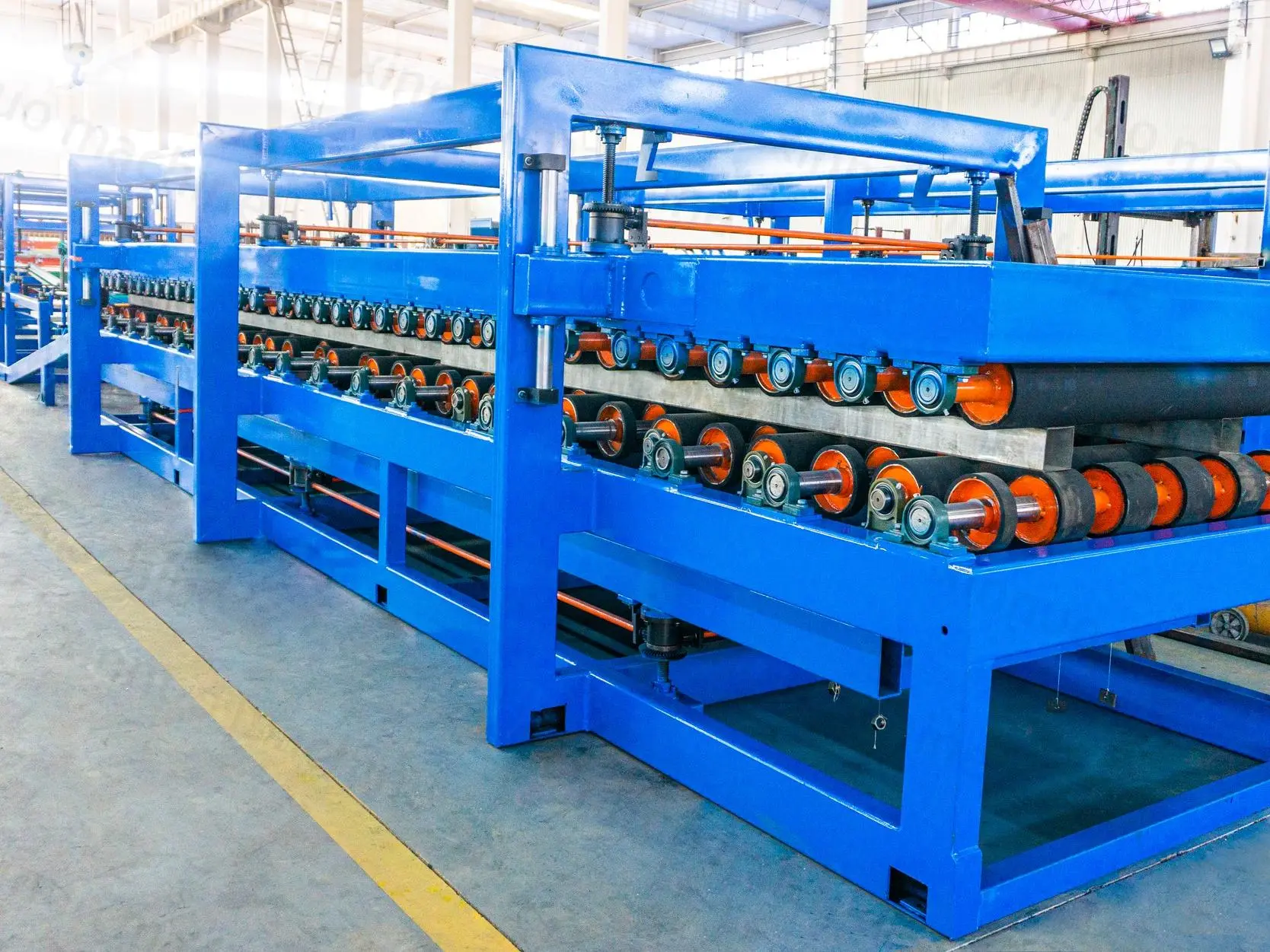
Automated metal gutter machines and precision-engineered residential door frame systems, supporting complex geometry configurations without visual defects.
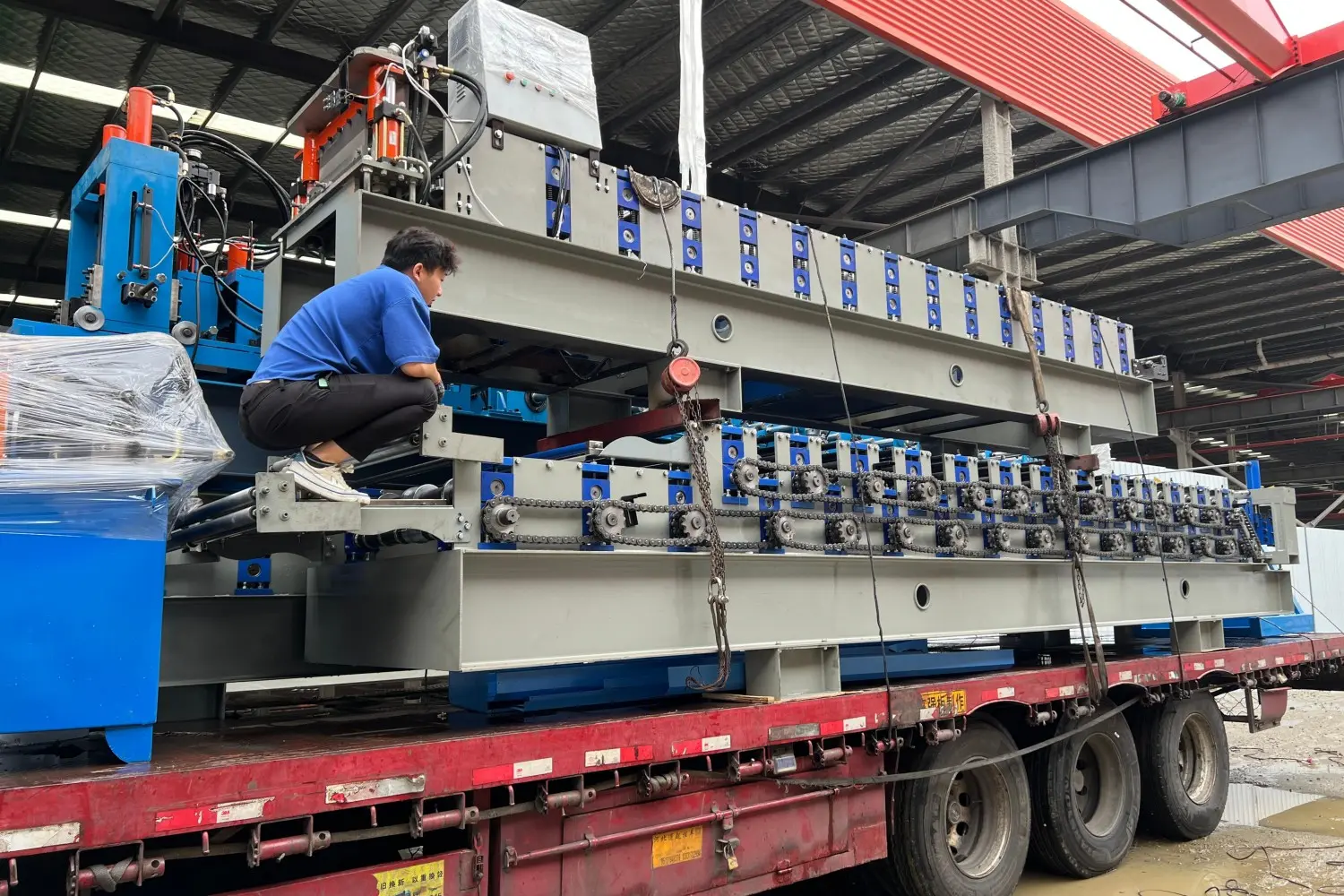
With our dedication to a robust technical force and advanced industrial equipment, XC provides integrated and automated systems across our production lines. This allows us to fulfill diverse industrial requirements while maintaining tight tolerances and mechanical durability in every machine we build.
Our facility houses advanced CNC machining centers, precision grinders, and vacuum heat-treatment equipment. By managing all manufacturing phases in-house—from roller profile design using specialized CAD software to assembly and testing—we ensure long-term performance and minimal post-installation deformation.
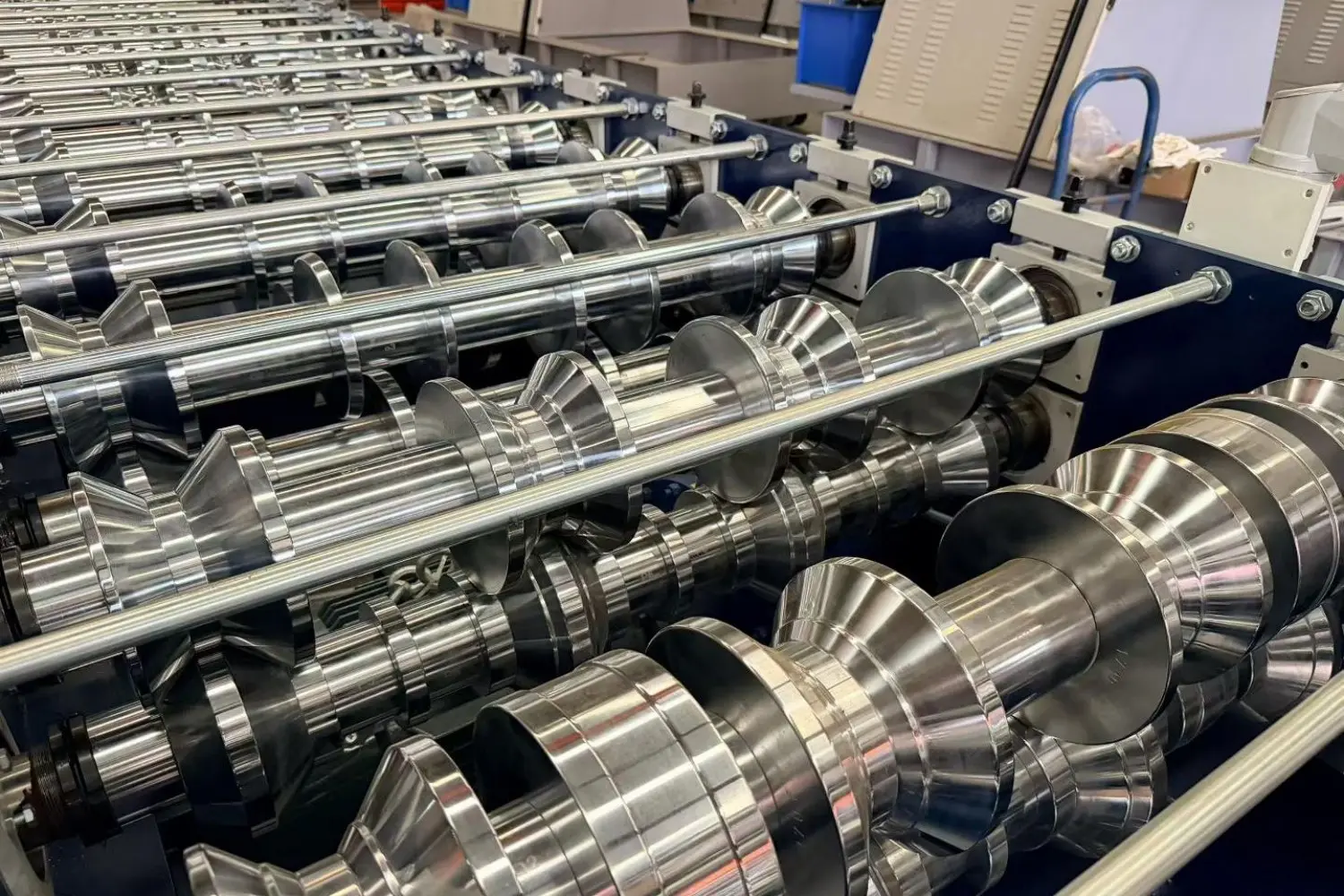
XC has a complete suite of detection and testing instruments to rigorously verify product strength, durability, and reliability.
We adhere to standardized quality control protocols throughout the manufacturing process, ensuring all outputs meet customer specifications. Every machine runs a 48-hour continuous test cycle under load using customer-specified steel coils before shipping. This process helps us verify mechanical alignment, hydraulic pressures, and PLC code reliability.
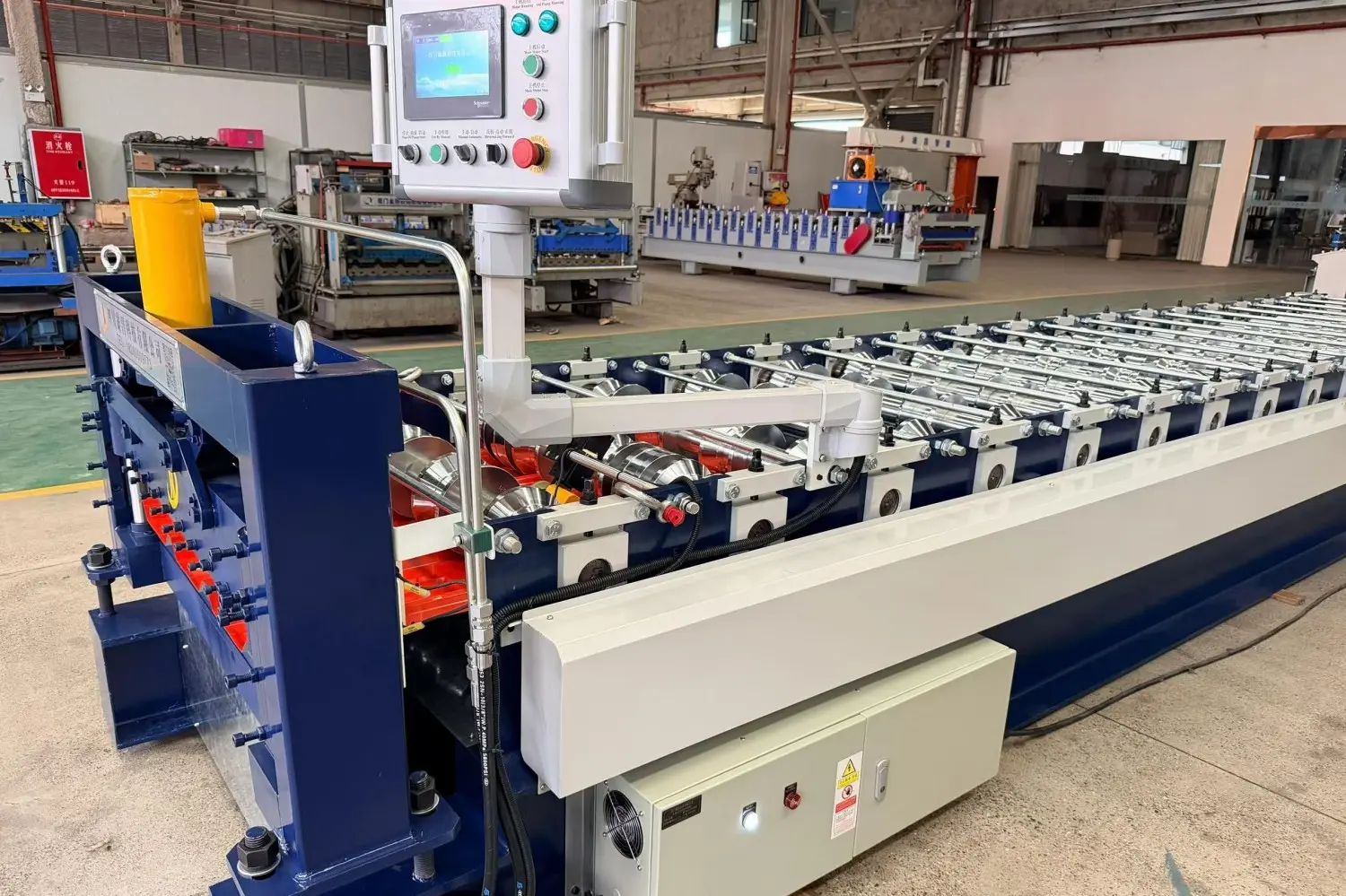
From initial design parameters to final on-site installation, XC provides comprehensive lifecycle support for your roll forming systems.
We provide professional installation, commissioning, and operational training to help your team achieve optimal setup and productivity. Additionally, our after-sales support team is available to assist with ongoing technical queries and maintenance scheduling, helping you minimize downtime.
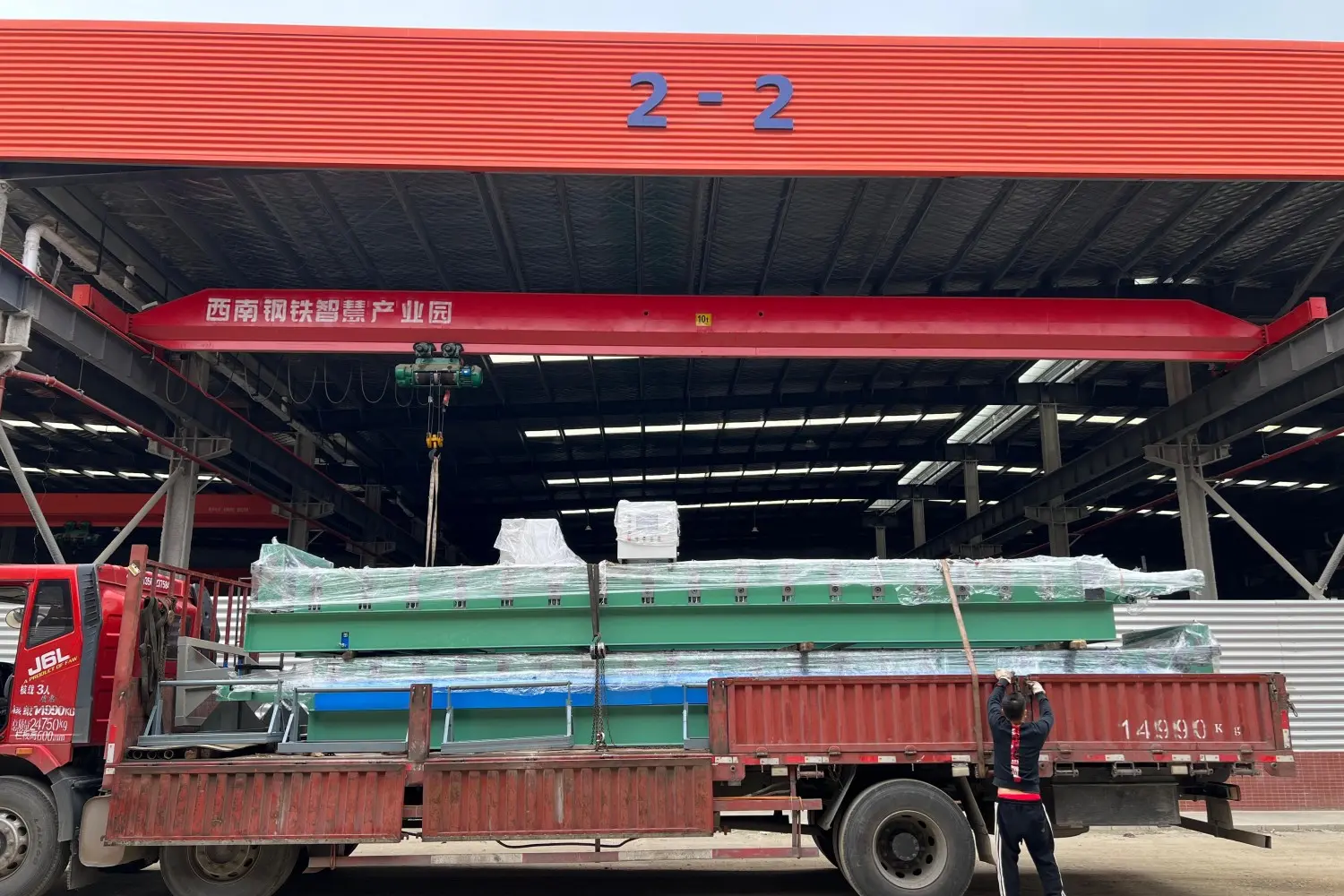
With years of industry experience, we have built our reputation on quality manufacturing and customer-focused engineering.
Our technical team provides tailored support for both standard designs and customized machinery requirements. This has helped us build relationships across the construction, manufacturing, and structural engineering sectors. Our equipment supports projects ranging from residential developments to large-scale commercial and transport infrastructure.
Analyzing the global transition toward high-performance building envelopes and localized infrastructural demands.
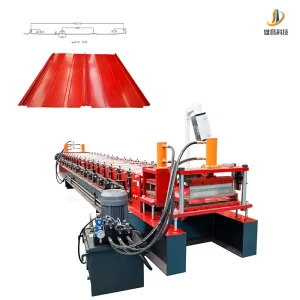
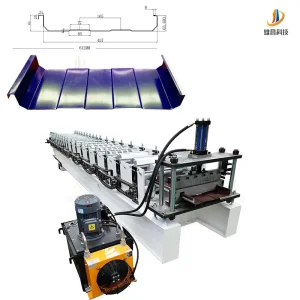
Modern civil construction projects increasingly require materials that minimize installation time while maintaining structural capacity. Traditional roofing profiles often struggle with water ponding and wind uplift in long-span buildings. U-shape metal roofing panels address these challenges. Designed with high ribs and secure interlocking joints, they provide reliable drainage and water resistance even at low slope angles (less than 3 degrees).
This profile design prevents capillary action and resists high wind pressures, making it suitable for logistics hubs, aviation hangars, and heavy industrial facilities globally.
As international supply chains shift toward localized processing, manufacturing firms are investing in on-site or regional roll forming setups. Relying on pre-formed profile shipments can increase freight costs and risk damage during transport.
By deploying our U-shape metal panel machines directly at local regional factories, contractors can process hot-dipped galvanized steel, galvalume, and prepainted coils in-situ. This strategy reduces logistical lead times and helps lower material waste.
A detailed breakdown of our machinery's engineering design, structural materials, and automation control systems.
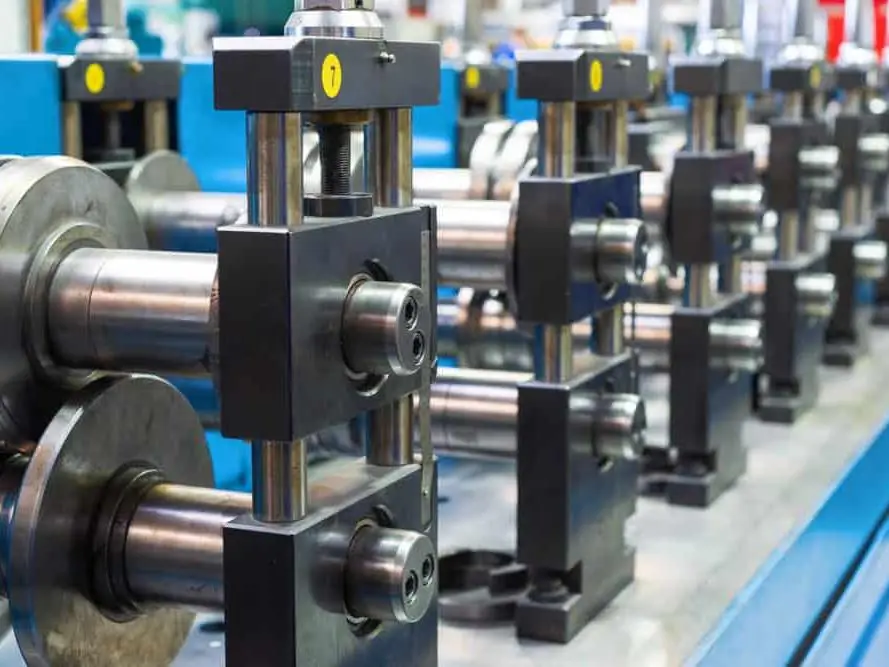
To maintain alignment under loads, our bases use 350mm to 400mm H-beam steel welded structures. High internal stress relief prevents frame deformation, helping to extend the operational life of the forming stations and maintain profile consistency over time.
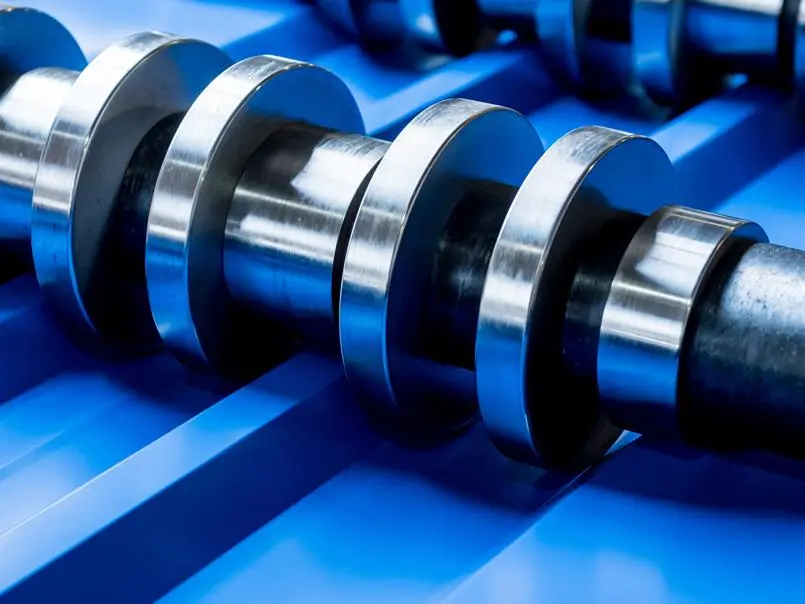
Rollers are machined from GCr15 bearing steel or Cr12 mould steel. They undergo CNC turning, vacuum heat-treatment to HRC 58-62, and precision grinding, followed by a hard chrome plating process (0.05mm minimum thickness). This helps protect them against wear when processing abrasive steel coatings.
Forming shafts are turned from 40Cr steel, quenched, tempered, and ground to target diameters (usually 75mm to 95mm). This design resists torsional stress when forming thick structural metals (0.3mm - 0.8mm tensile range).
The control logic uses a Siemens or Mitsubishi PLC panel. High-resolution encoder feedback tracks panel length measurements within a ±1.0mm tolerance limit. The post-cut hydraulic system uses Cr12MoV blades to provide clean cuts without material distortion.
How U-shape roofing panel machinery meets different environmental and regional challenges worldwide.
In tropical areas prone to heavy rain, standard roof profiles can struggle with overflow at the seams. A U-shape profile features a raised seam and a wider channel bottom, which increases water flow capacity.
Additionally, applying anti-corrosive prepainted PVDF or zinc-aluminum coatings helps protect the panels against salt spray damage in coastal settings.
For regions experiencing heavy snow or high wind forces (such as hurricane belts), U-shape roofing systems provide strong resistance to wind uplift.
The panels are installed using concealed clip systems that allow for natural thermal expansion and contraction. This helps prevent structural distortion and maintains roof integrity during high winds.
Ensuring compliance with international standards while supporting your operations through our service network.
Our ongoing development focus points toward increased automation, safety, and efficiency.
We are working to integrate servo-driven width and depth adjustment systems across our roll forming lines. This design aims to let operators switch profile settings via the HMI console, reducing setup times when transitioning between different panel dimensions.
By integrating sensors into hydraulic lines and drive assemblies, we can monitor operating conditions in real time. This data helps operators schedule maintenance proactively, helping to avoid unplanned production shutdowns.
Find answers to common technical, manufacturing, and purchasing queries regarding our machinery.
Explore our full range of structural roll forming solutions and related building material equipment.
 Xiongchang