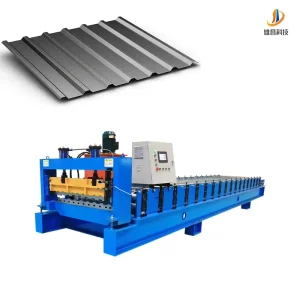
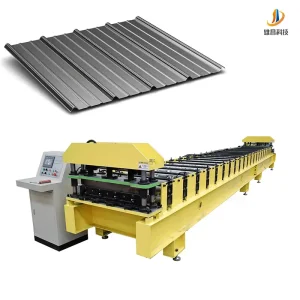
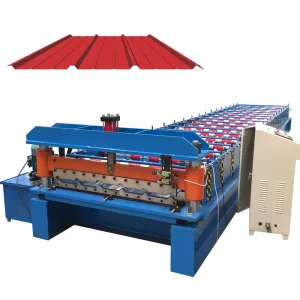
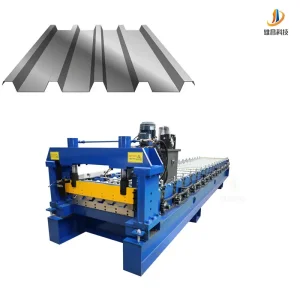
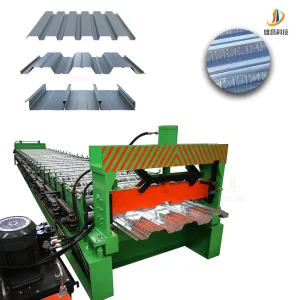
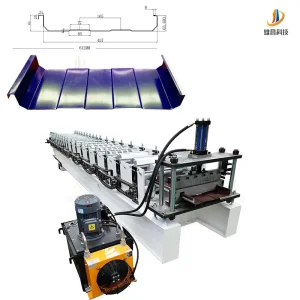
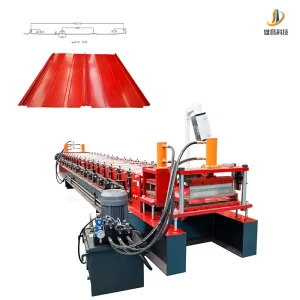
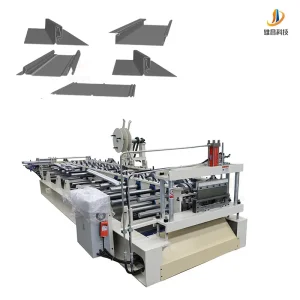
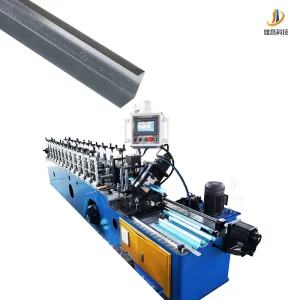
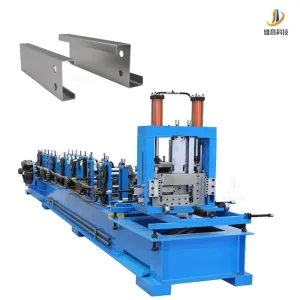
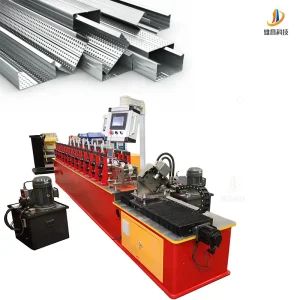
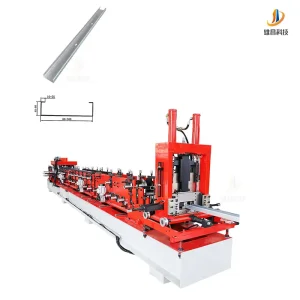
Trapezoidal profiles represent the backbone of contemporary industrial, commercial, and agricultural civil engineering. Characterized by their exceptional strength-to-weight ratio, optimized water discharge channels, and superior load-bearing characteristics, trapezoidal metal sheets are the preferred envelope solution for large-span structures. Selecting a premier China trapezoidal roll forming machine company is a strategic decision that directly influences the structural integrity, thermal efficiency, and lifecycle economics of modern infrastructure projects.
As global sustainability initiatives accelerate, engineering procurement teams require precise configurations that handle advanced high-strength steel grades and thin-gauge aluminum alloys. From the standard IBR (Inverted Box Rib) panel profiles dominant in Africa and South America, to PBR (Purline Bearing Rib) systems in North America, manufacturing flexibility, roll pass mechanical design, and high-tolerance profiling are critical to preventing material stretching, paint peeling, or profile deformation.
As an established leader and expert in cold roll forming machinery, XC (Xiongchang) delivers end-to-end, integrated structural solutions. Our expansive product portfolio covers core production units for roofing, walling, flooring decks, doors, and light gauge structural frames, alongside specialized auxiliary production machinery designed to optimize efficiency and minimize scrap ratios.
For over two decades, XC (XiongChang) has operated at the frontier of roll forming technology, building an international reputation centered on innovation, reliability, and precision manufacturing. By combining deep metallurgy expertise with advanced automation, we ensure every machinery unit meets rigorous operational limits.
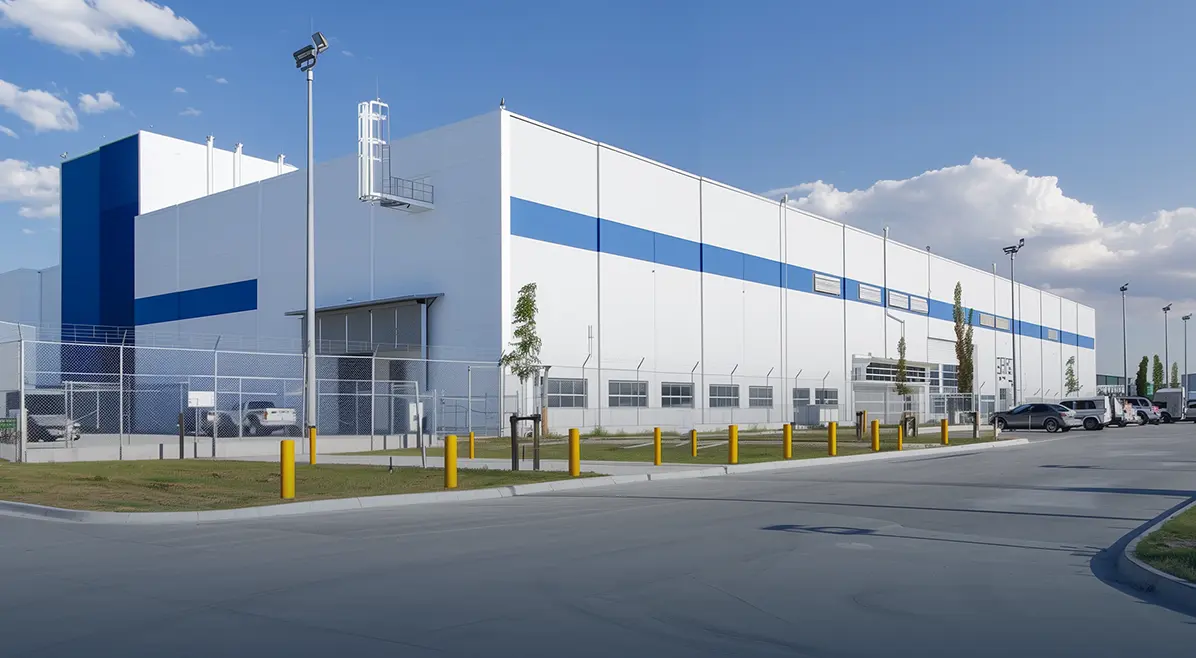
Our technical strength relies on high-grade manufacturing facilities and a dedicated mechanical design team. Our multi-stage engineering check ensures that stress limits, material thickness adjustments, and forming tolerances are modeled and optimized before fabrication.
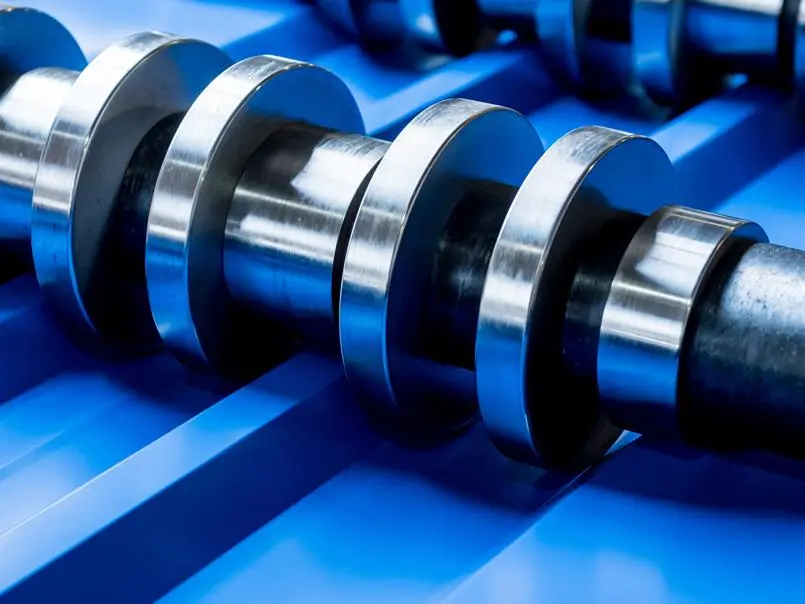
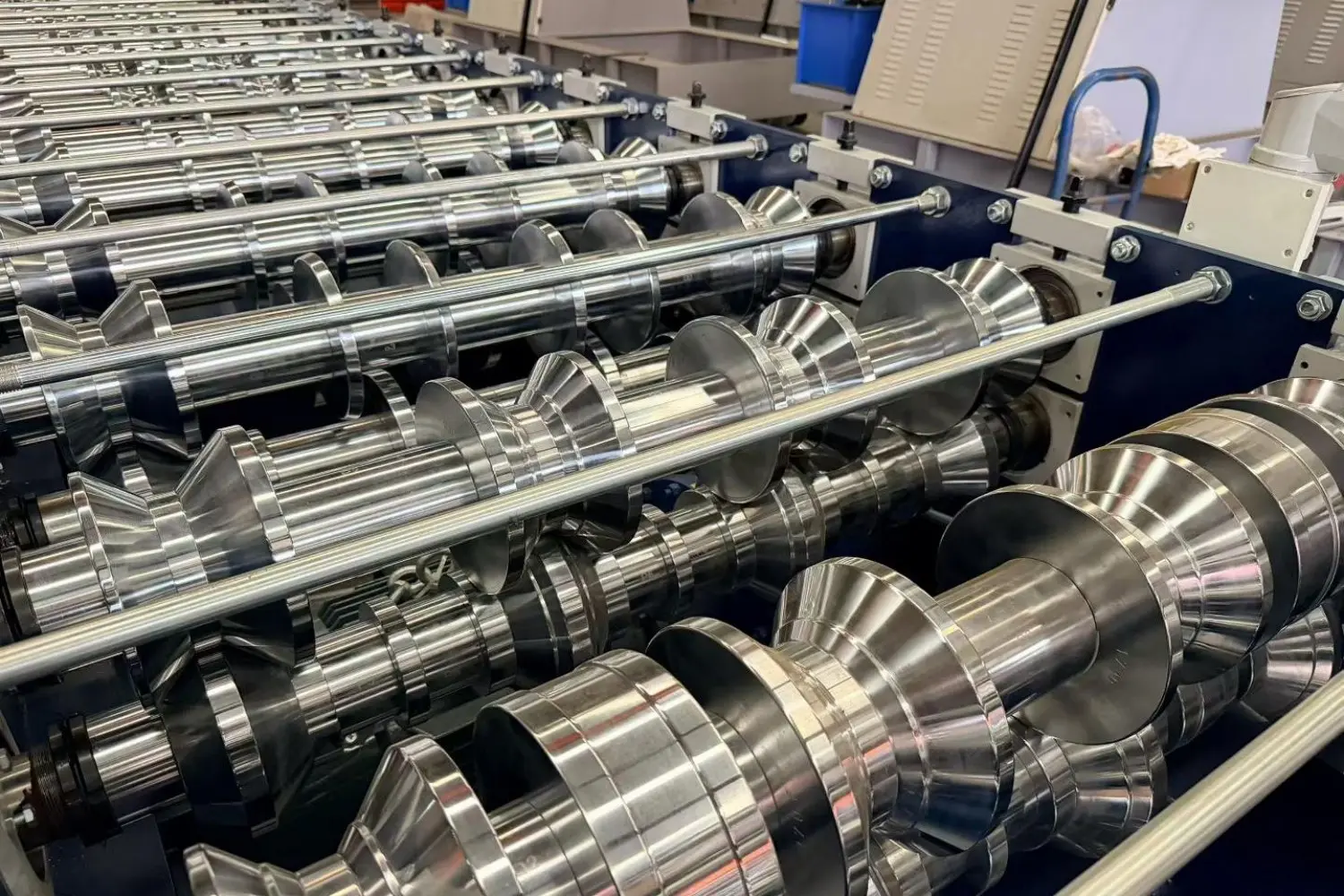
Our engineering center uses COPRA roll design software to plan the forming profile sequence. Rollers are machined on high-precision CNC units, heat-treated to HRC 58-62, and finished with hard chrome plating to maximize lifespan and prevent marking on coated coil stock.
We integrate high-speed digital processing controls, variable frequency drives, and hydraulic power packs to deliver line speeds up to 35-40 meters per minute without compromising structural accuracy.
Every machinery unit undergoes complete load testing under extreme structural pressure, verifying frame deflection, alignment integrity under high axial load, and shear speed responsiveness before shipment.
For decades, XC (XiongChang) has provided structural framing and building envelope lines for projects worldwide. Our technology range includes:
High-precision roll forming requires balancing dynamic metal forces, material springback, and localized deformation. When processing raw steel coils, variables like material thickness tolerance, yield strength variation, and coating composition can lead to profile twist, camber, or surface scratching.
"Precision in roll design is not simply about shaping metal; it is about managing stress redistribution. At XC, we calculate localized stress patterns across each pass, ensuring the metal stays within its plastic deformation zone without structural micro-cracking."
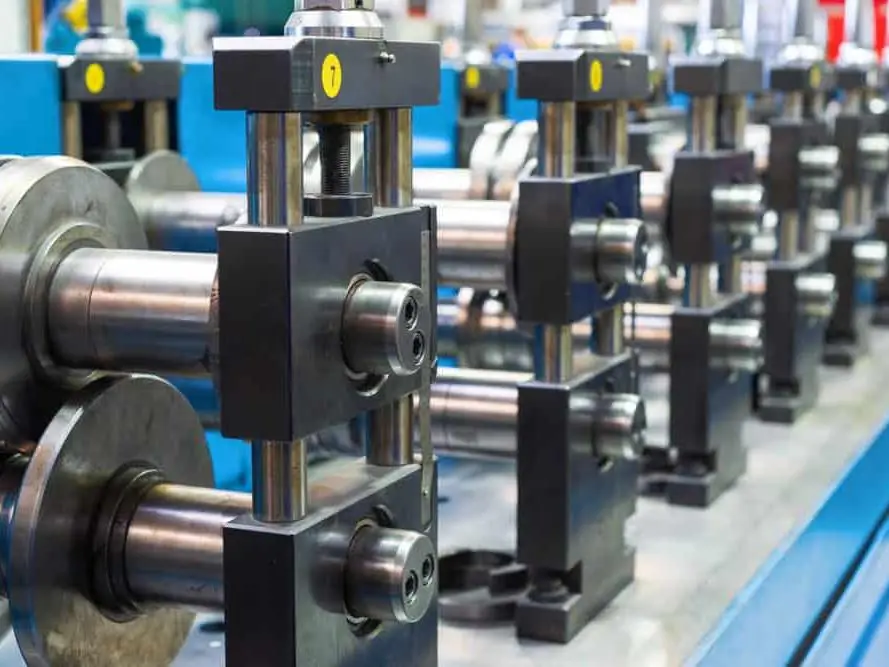
Modern high-strength structural steels (e.g., Grade 80 / G550) present processing challenges. Our machines utilize heavy-duty solid steel shafts, precision-ground and keyed to eliminate rotational slippage. Machine frames are fabricated from thick-plate structural steel, stress-relieved through thermal processes before precision milling, ensuring stability during long-term continuous runs.
Roll station distances are calculated to optimize the forming transition, preventing edge wave formation and pocketing. Side roll guides and pre-forming stages are integrated into our high-capacity trapezoidal profiling machines to ensure consistent feed alignment.
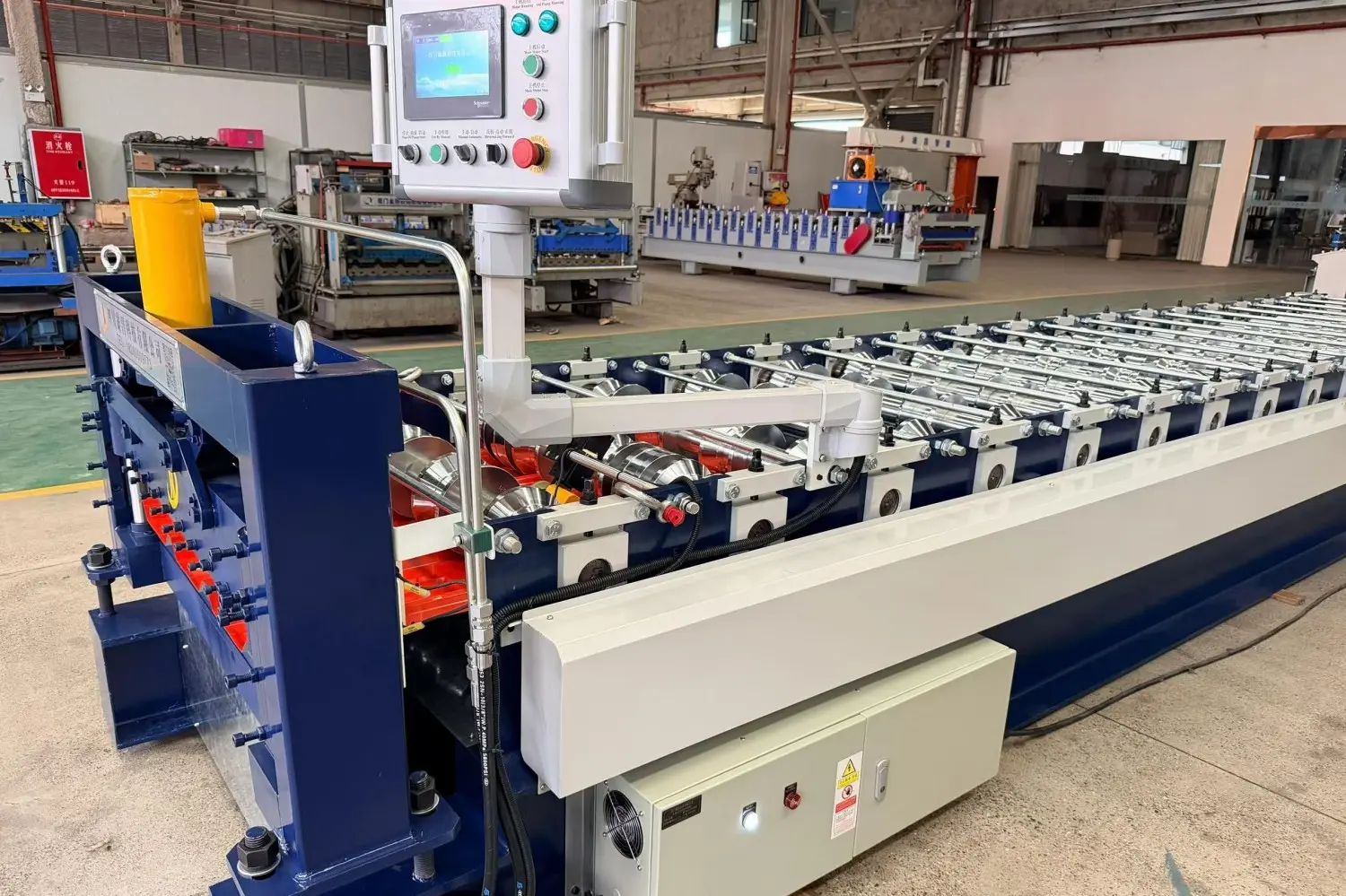
Each machine is controlled via a centralized Siemens or Delta PLC touch screen. The automation interface displays diagnostic metrics, line speeds, and target batch lengths.
Our post-cutting units use non-deforming hydraulic shears driven by optimized oil pumps. High-pressure hydraulic cylinders are paired with internal accumulators to reduce cycle times and provide clean, straight shear cuts without burring or edge distortion.
Quality control is critical across our production process. Our QA team tests incoming materials, inspects raw steel composition, and monitors machining tolerances at every stage of fabrication.
Once assembly is complete, we run tests using representative customer steel coils. We inspect critical variables, including profile height, pitch width, diagonal squareness of cut sheets, and surface coating integrity. We also offer factory acceptance testing (FAT) via remote video stream or onsite customer inspection.
We provide complete lifecycle support for our equipment. From layout design to final onsite setup, our engineering team helps integrate new machines into your production flow.
Our global after-sales team supports clients with onsite training, commissioning, and routine maintenance assistance. We also supply an extensive inventory of replacement components—such as shear blades, PLC modules, and forming rollers—to minimize downtime.
Our roll forming machinery is utilized across a wide variety of industrial sectors, ensuring reliable sheet metal production for:
High-volume production of building envelopes, insulated sandwich panels, wall cladding, and metal roof structures.
Forming specialized channel profiles, side panels, and structural chassis components for transport vehicles.
Solar mounting structures, tracking rails, and utility-scale framing configurations.
The cold roll forming sector is evolving with the rise of smart manufacturing. Industry 4.0 standards guide our technical development, helping us integrate real-time quality control, automated monitoring, and remote support features into our production lines.
Our next-generation systems integrate vibration sensors, oil temperature monitors, and motor load cells directly linked to the cloud. These systems track key parameters and alert maintenance staff to potential issues before they cause unplanned downtime.
Using secure VPN access, our engineering team can review control system logs remotely. This allows us to adjust configurations, resolve operational bugs, and optimize forming parameters without requiring an onsite visit.
As global industries adopt thinner, high-yield structural steels, our design processes are updating to match. We design roller configurations to manage the higher elastic recovery rates of these materials.
Additionally, we focus on energy-saving practices. Our machines utilize variable speed hydraulic pumps and efficient motors to lower power consumption during idling phases of the cycle.
 Xiongchang