High-performance mechanical profiles designed to deliver architectural versatility, durability, and seamless weather tightness across international structural standards.
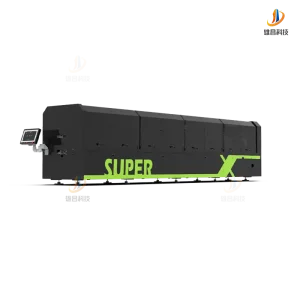
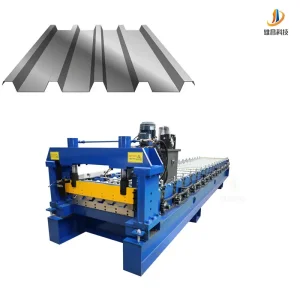
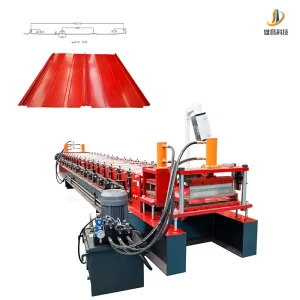
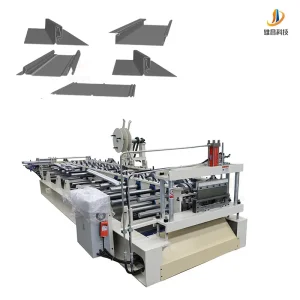
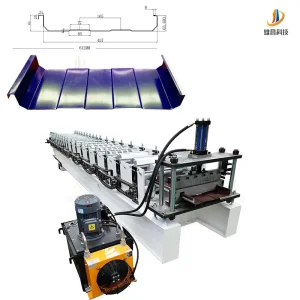
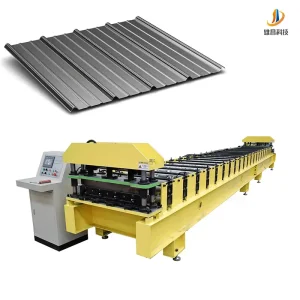
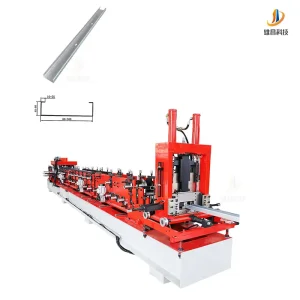
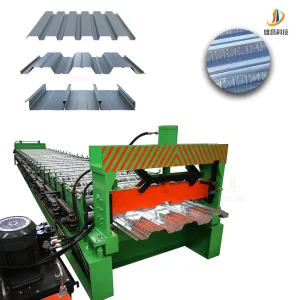
An in-depth structural analysis of modern standing seam envelope systems and their mechanical production pathways.
In modern industrial, commercial, and high-end residential architecture, the standing seam metal roof represents the pinnacle of weatherproofing, wind resistance, and architectural longevity. Unlike traditional screw-down corrugated sheets, standing seam panel connections utilize a concealed fastener clip system or integrated interlocking joints. This design completely eliminates exposed penetrations in the weathering surface, neutralizing the primary path for water ingress caused by thermal expansion, contraction, and fastener degradation over time.
At the center of this architectural methodology is the Standing Seam Panel Roll Forming Machine. This specialized configuration converts flat, metallic-coated steel coils (such as PPGI, Aluzinc, and high-tensile structural grades) or architectural aluminum into precise profiles with continuous vertical ribs. These profiles typically span configurations like Snap-Lock, Mechanical Lock (Single fold 90° or Double fold 180°), and Nail Strip / Fastener Flange. Standard roll forming machinery demands ultra-tight engineering tolerances to avoid oil-canning—a visual wave effect caused by localized stresses in the sheet during progressive bending.
Through finite element analysis of the roller sequence, Chinese manufacturing centers have designed multi-station rolling machines. These layouts distribute material deformation strain across dozens of progressive forming stages. This maintains structural flatness across the pan of the panel, control springback, and yields a flawless fit regardless of whether the profile is engineered for a heavy-duty industrial warehouse or a complex, curved airport terminal.
Unveiling the engineering clusters, supply chain vertical integration, and cost-efficiency matrices driving global infrastructure procurement.
Chinese manufacturers are strategically located near major metallurgical production centers. This proximity grants immediate access to premium steel alloys, including zinc-aluminum-magnesium (ZAM) coatings, structural G550 high-yield steel, and high-grade prepainted coil variants. This domestic supply chain minimizes material transport costs and enables rapid prototyping of customized rolling profiles.
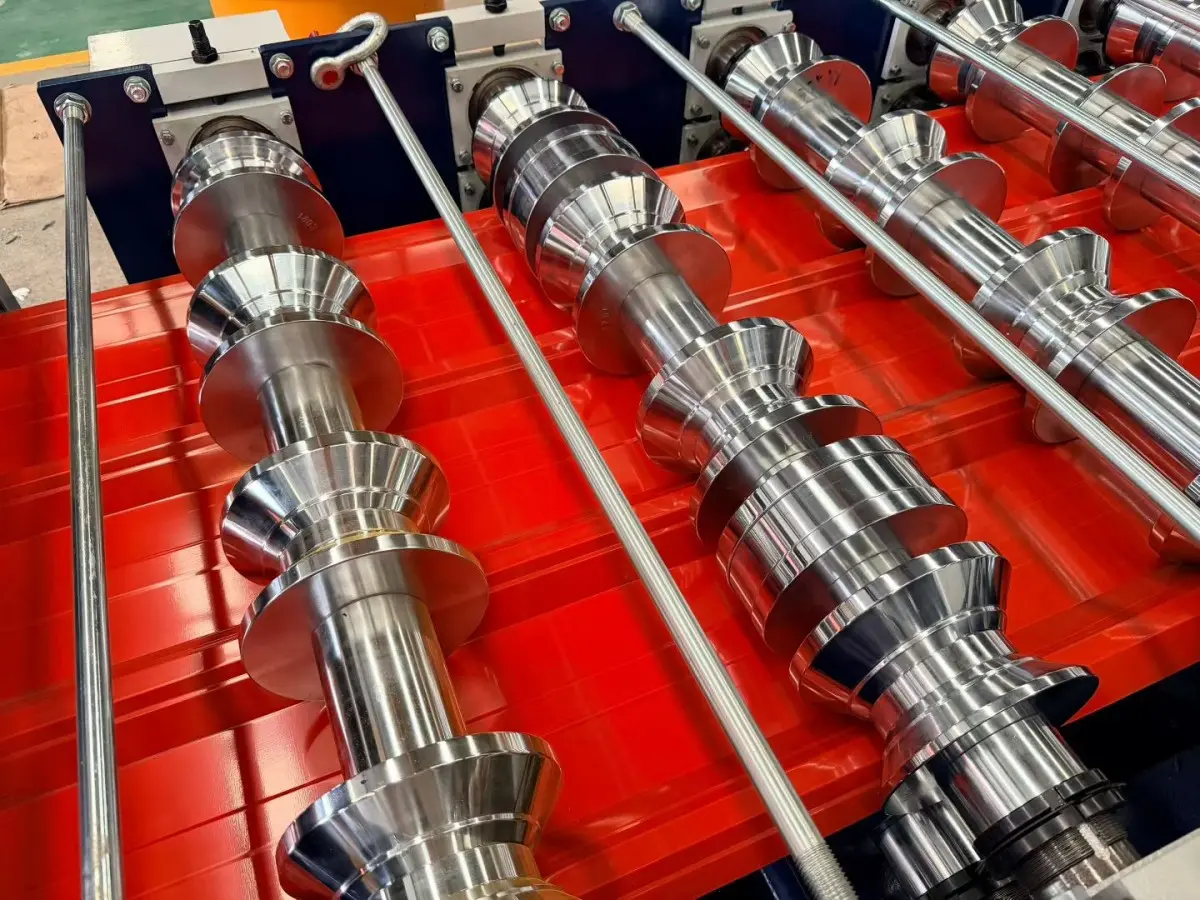
Our production utilizes CNC machining centers to fabricate rollers from Cr12Mov or D2 tool steel. Heat treatments (such as vacuum quenching) yield surface hardness values exceeding HRC 60-62. This prevents wear and preserves tolerances during long-term production. Components from top-tier brands (e.g., Siemens, Schneider, Yuken) are integrated to ensure global compatibility.
Whether you require mobile, trailer-mounted configurations for on-site roll forming, dual-level profile machines to save shop space, or specialized width-adjustable models, Chinese engineering handles complex requests. We offer tailored tooling sets that adapt dynamically to different architectural profiles.
As an established expert in the field, XC (Xiongchang) provides integrated roll forming solutions. Our portfolio encompasses core production machines for roofing, flooring, doors, and structural components, as well as the complete auxiliary line equipment essential for efficient operation.
For over two decades, XC (XiongChang) has been a trusted leader in the design and manufacture of cold roll forming equipment. We combine deep industry expertise with a steadfast commitment to our clients, ensuring every machine delivers exceptional value and performance.
Our substantial investment in state-of-the-art, automated production lines ensures manufacturing precision and consistency, forming the foundation of our product excellence. We get a specialized team of technical personnel and engineers, they are committed to delivering superior products and solutions for our valued customers.
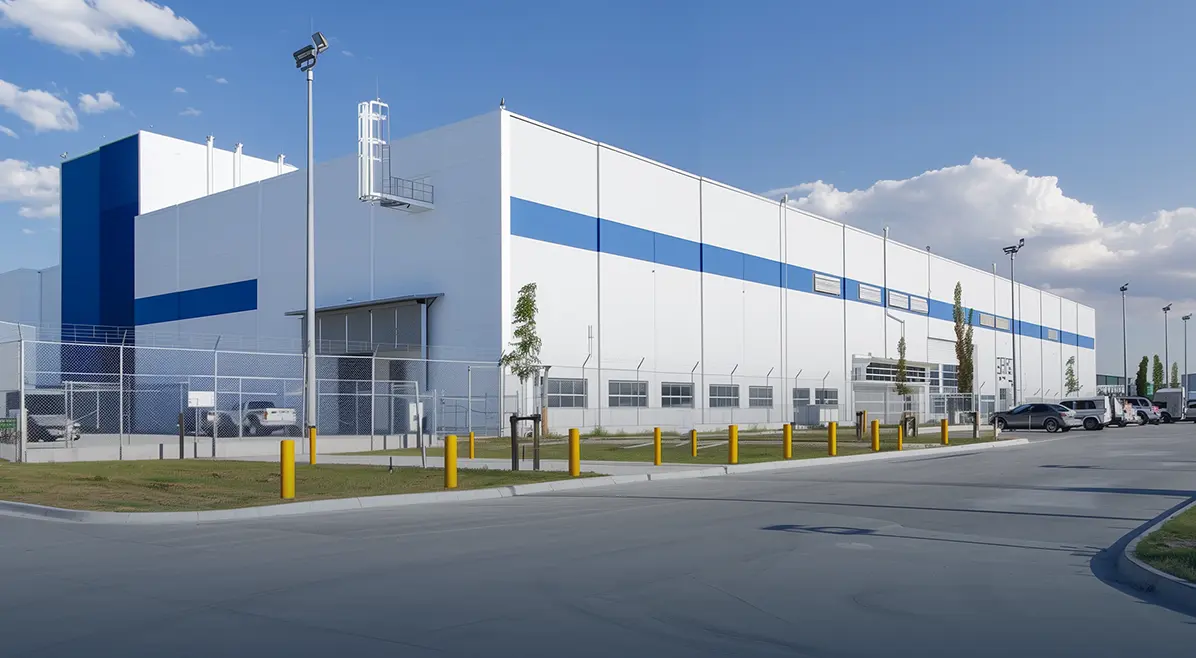
With our dedication on a robust technical force and advanced industrial equipment, We XC aimed to provide integrated and automated systems across our production, to fulfill diverse industrial requirements, try our best in guaranteeing the highest standards of quality and performance in every machine we build.
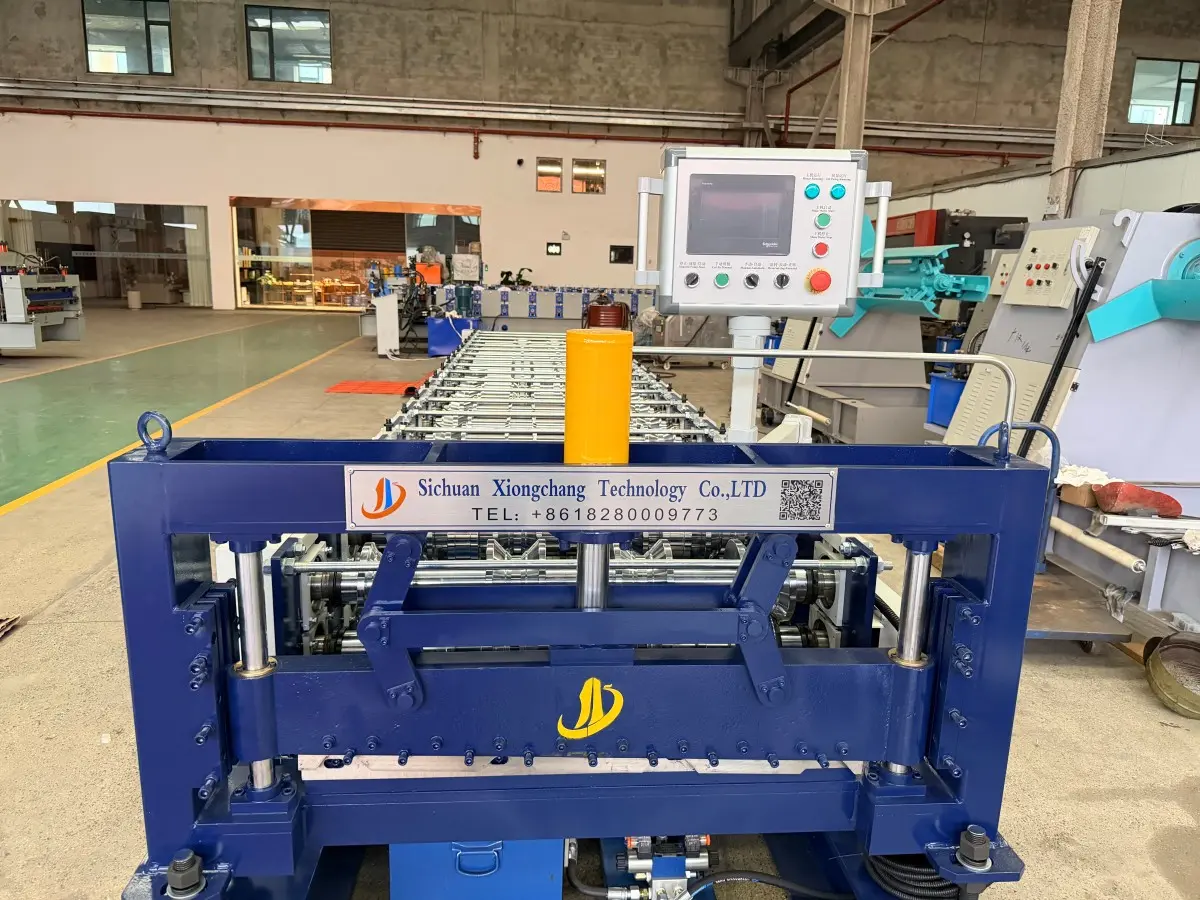
We offer an extensive range of precision cold roll forming systems to meet varied customer applications, engineered to produce durable, reliable, and high-performance end-products. Our technical deployment integrates heavy-duty structural steel plates welded frames, precision boring machine processing for structural alignment, and hard-chrome plated rollers to prevent scratching of prepainted surface coatings.
By leveraging hydraulic shear configurations (post-cutting or pre-cutting setups) controlled by smart PLC units with color touchscreens, operators can manage batch processing orders, sheet cut lengths, and production speeds down to the millimeter.
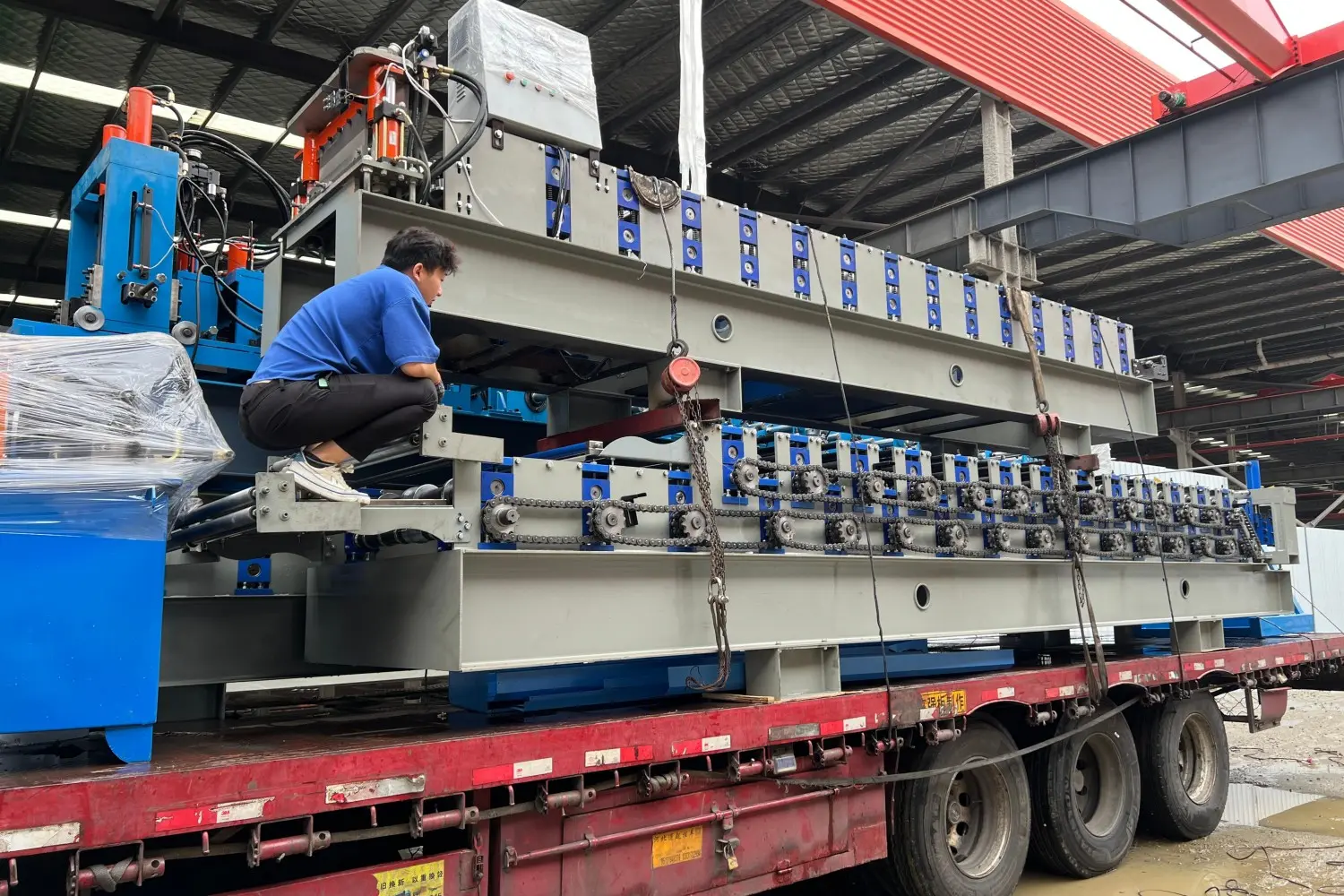
Engineered systems built to deliver high durability, precision profiles, and long operational life.
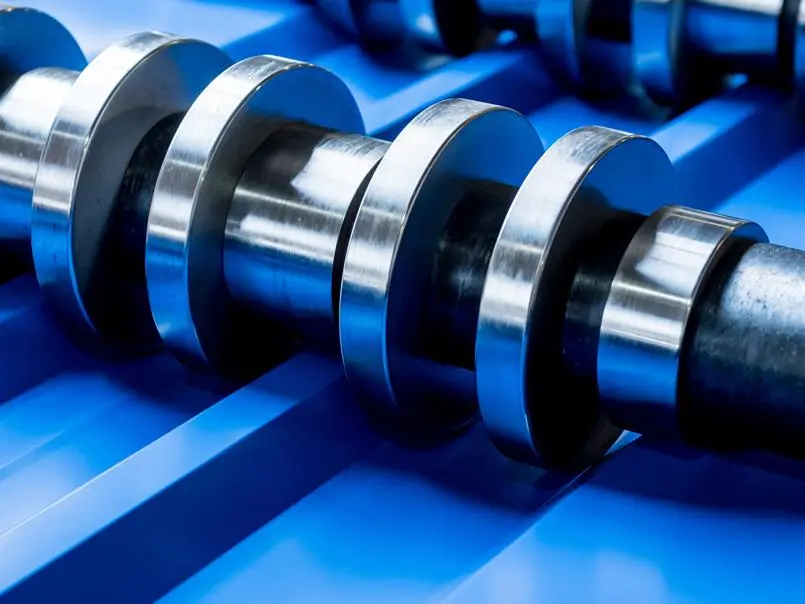
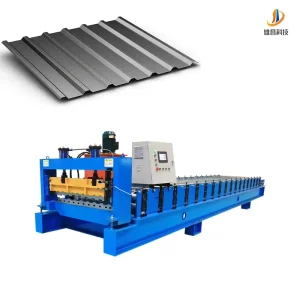
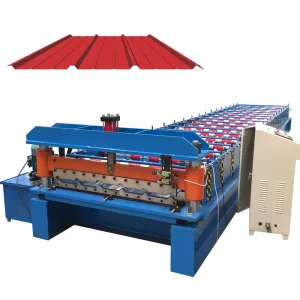
Advanced engineering for Roof Panels, Wall Panels, and Floor Deck Roll Forming Machines. These systems produce high-precision profile geometries that align exactly during installation, ensuring weather resistance and load-bearing performance.
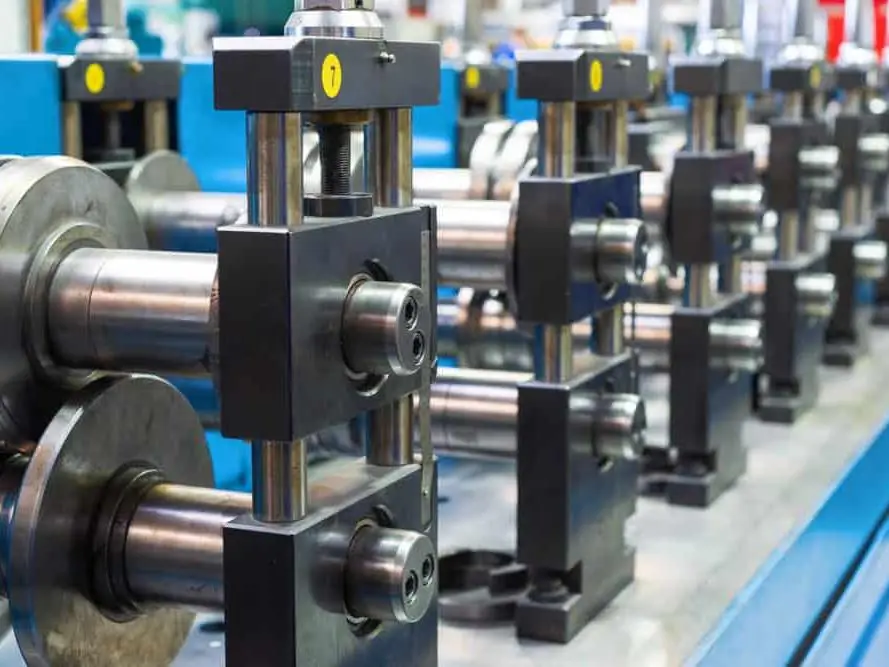
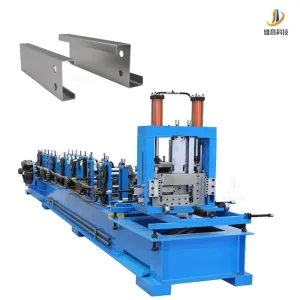
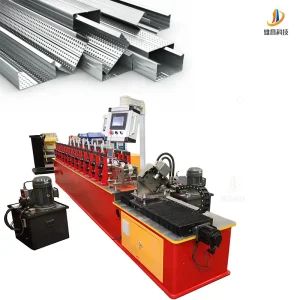
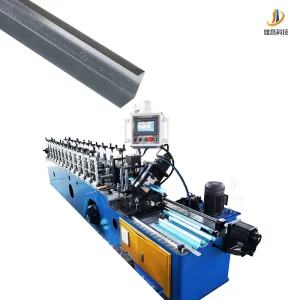
Engineered for C/Z Purlin Roll Forming Machines, and Stud & Track Roll Forming Machines. Features quick-change mechanisms for rapid adjustments between different profile sizes, maximizing uptime and production flexibility.
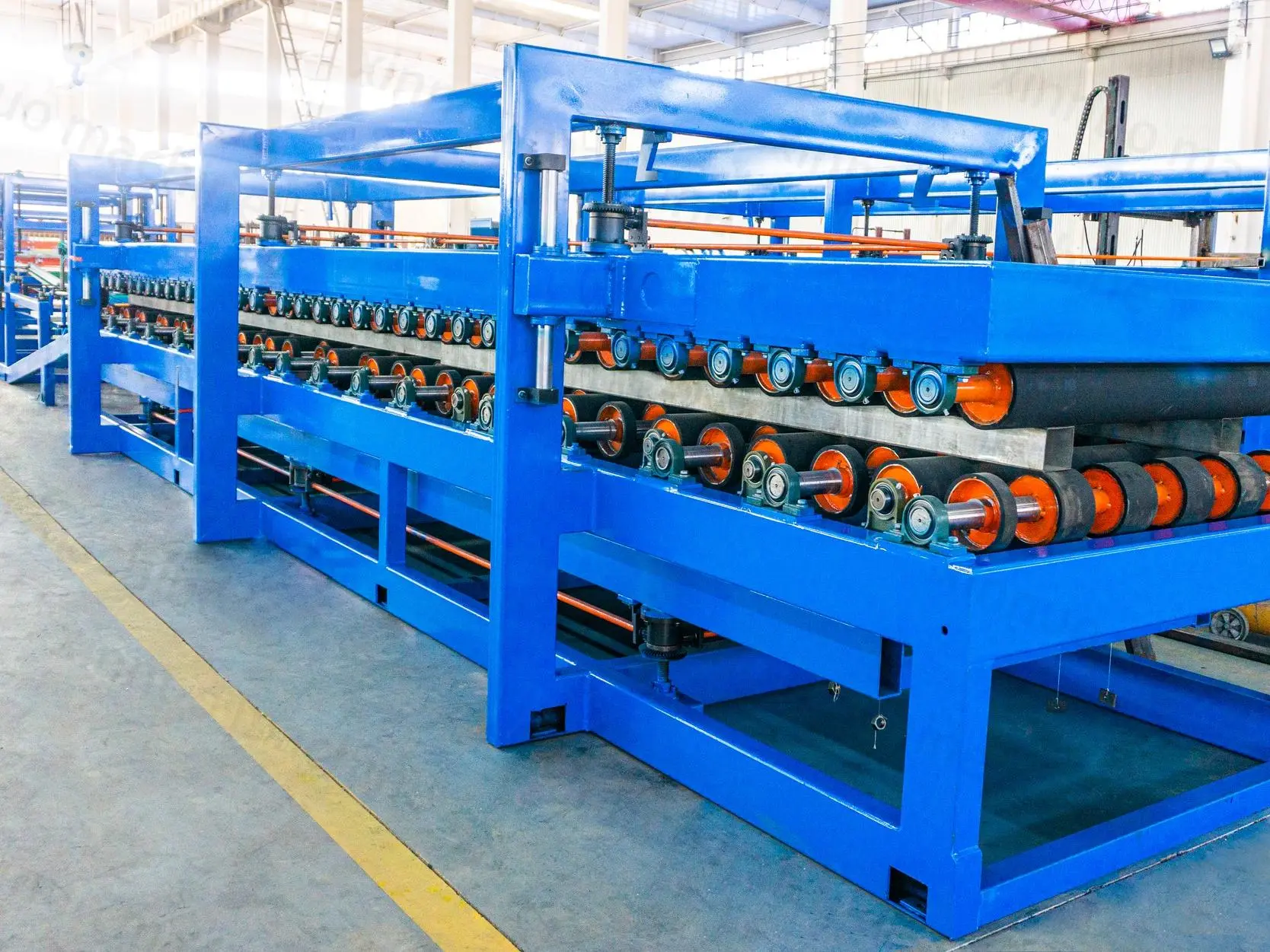
Highly customized roll forming lines, including Gutter Roll Forming Machines and Door Frame Roll Forming Machines, engineered to satisfy detailed custom architectural details and high tolerances.
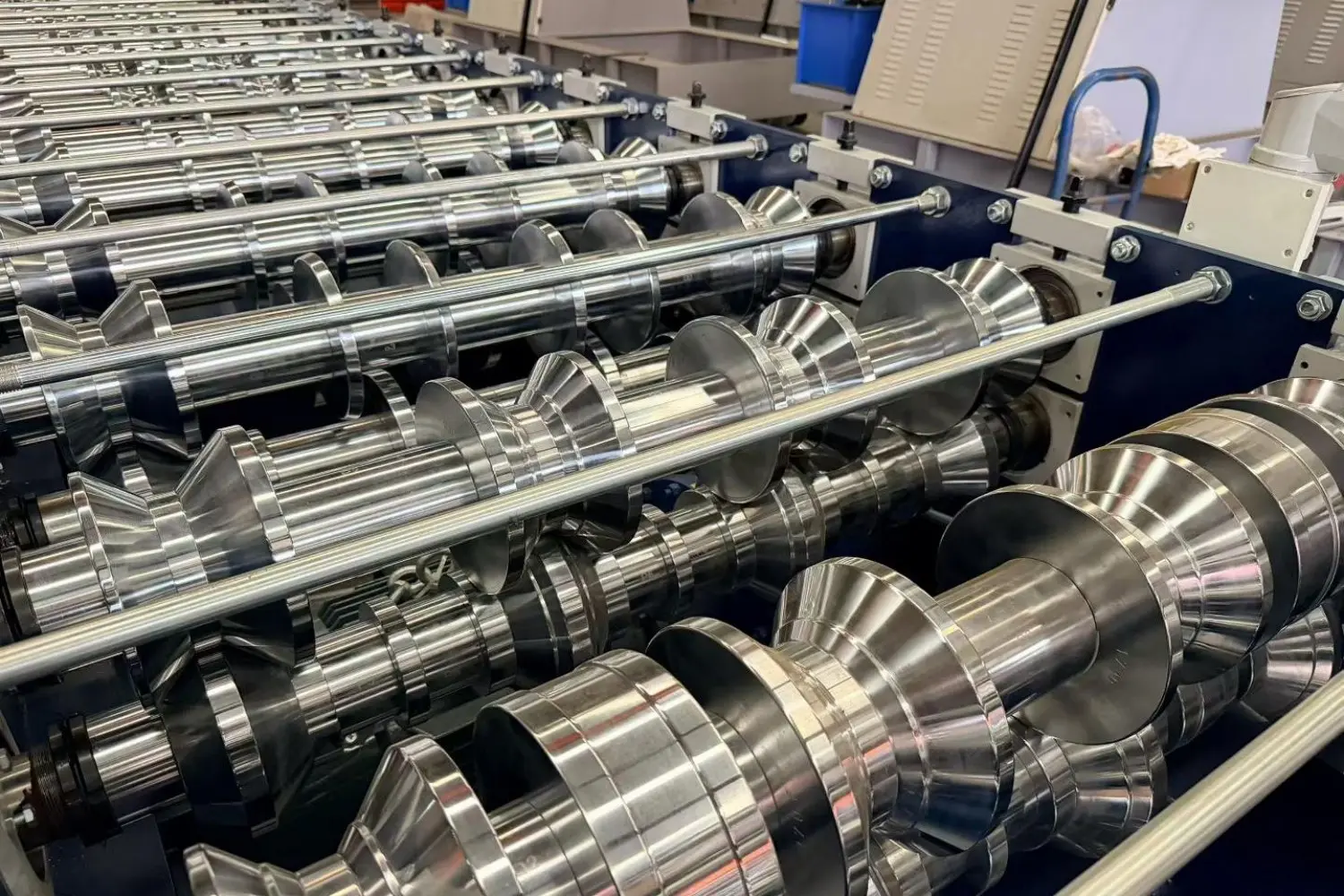
XC has a complete suite of detection and testing instruments to rigorously verify product strength, durability, and reliability. We adhere to strict, standardized quality control protocols throughout the manufacturing process, ensuring all output consistently meets specified customer specifications.
Our quality checks encompass raw material inspection (tensile strength and yield tests), roller shaft runout measurements, profile geometry inspection using optical comparators, and continuous test runs before shipping. Every line undergoes simulated production conditions to guarantee components operate smoothly at full capacity.
From design to installation, XC provides comprehensive lifecycle support. We offer professional installation, commissioning, and operational training to ensure optimal setup and productivity. Our dedicated after-sales support team delivers ongoing technical assistance and maintenance services, helping customers achieve sustained, peak operational performance.
Whether you require field assembly, control system upgrades, or additional profiling rollers, our service engineers provide technical support remotely or directly at your facility.
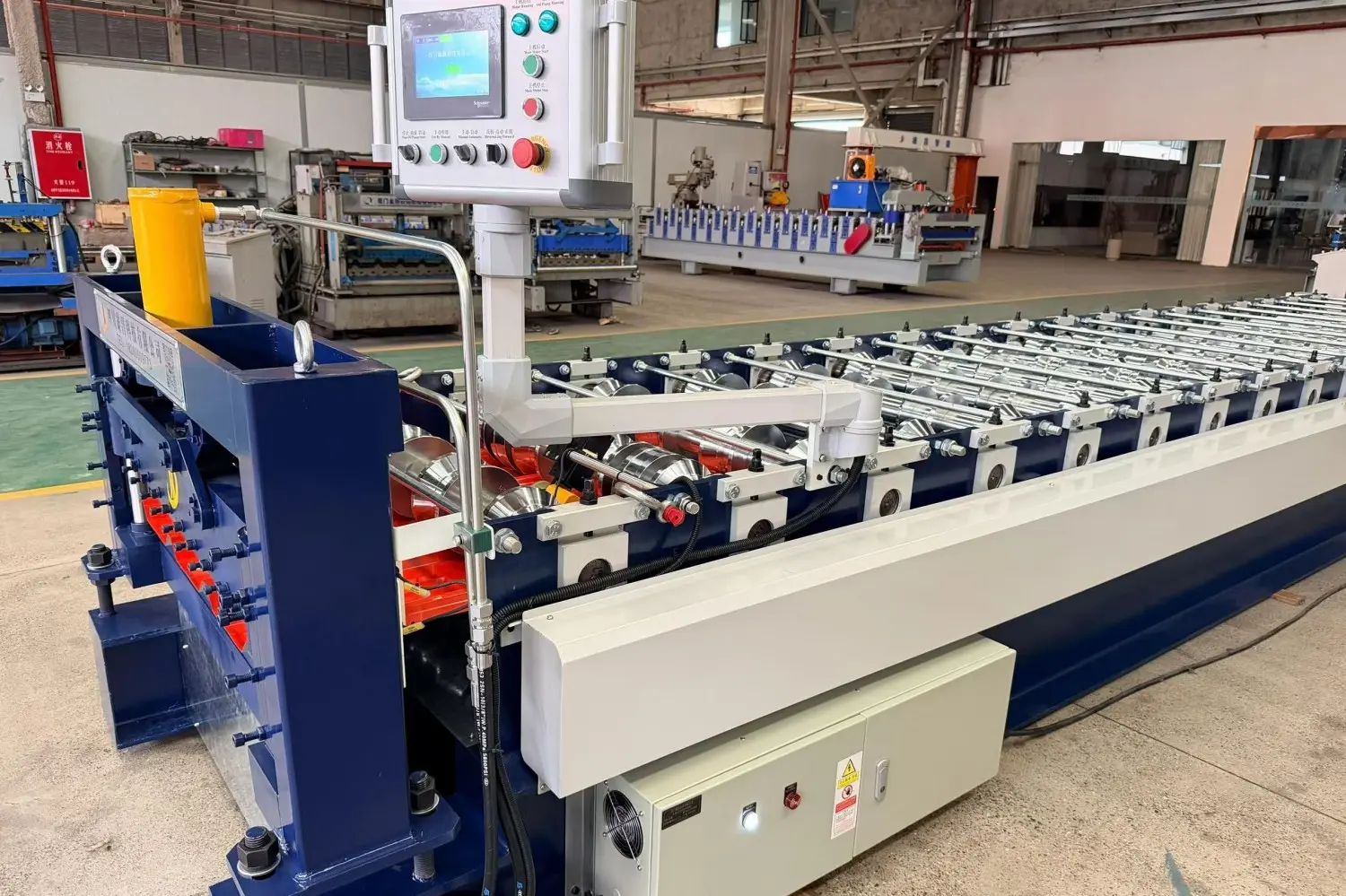
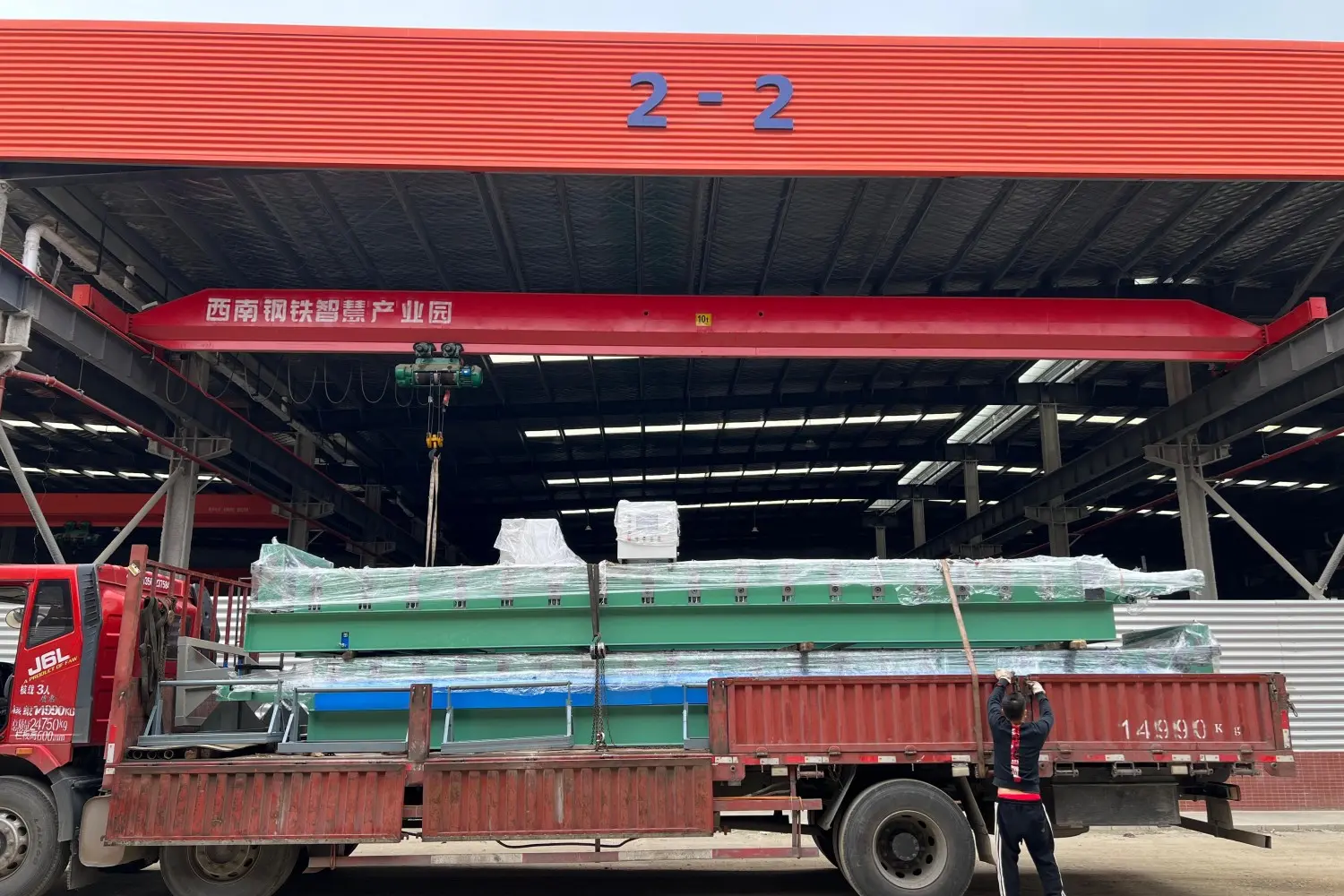
With years of industry expertise, we have established a strong reputation for quality and customer-centric service. Our professional team provides tailored, personalized support for both standard and customized technical needs. This commitment has fostered a loyal client base across construction, manufacturing, and engineering sectors, with our machines contributing to projects ranging from residential complexes to large-scale commercial and infrastructure developments.
Decades of cold roll forming experience applied to delivering long-term reliability and performance.
Our systems provide specialized former equipment and long-term after-sales support. We partner with building contractors, steel fabricators, and global suppliers to ensure their production lines run with high efficiency.
Over two decades of research and development in profile design, automation systems, and high-performance tooling.
Constructed with robust components, precision rollers, and hardened steel cutters to ensure reliability through high-volume production cycles.
We offer comprehensive engineering support, commissioning help, and readily available spare parts.
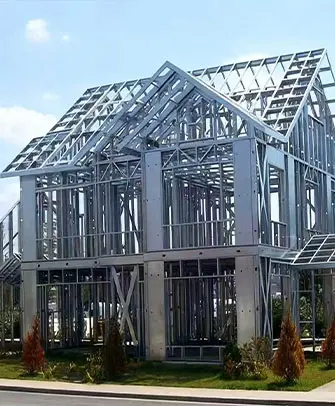
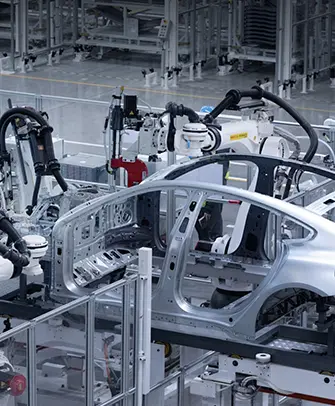
Deploying cold roll forming systems across diverse structural frameworks globally.


Essential technical points for commercial procurement managers, EPC contractors, and distributor purchasing groups.
Verify sheet thickness compatibility (typical range is 0.4 mm to 0.8 mm). Check that roller stations are configured to shape high-tensile material without fracturing the steel or cracking zinc coatings.
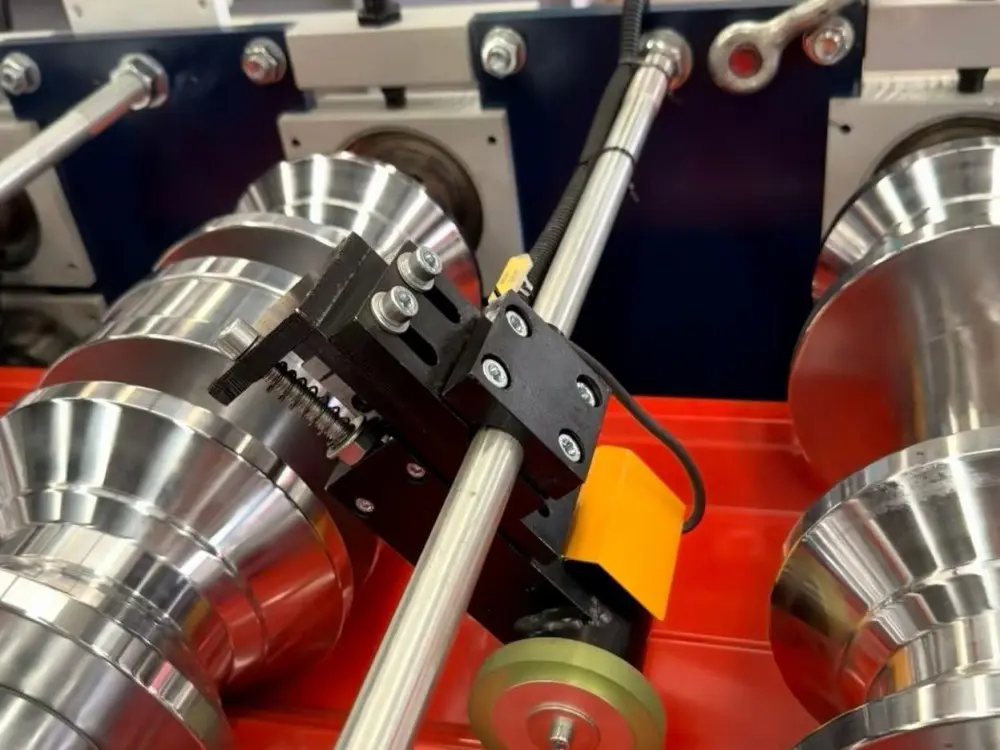
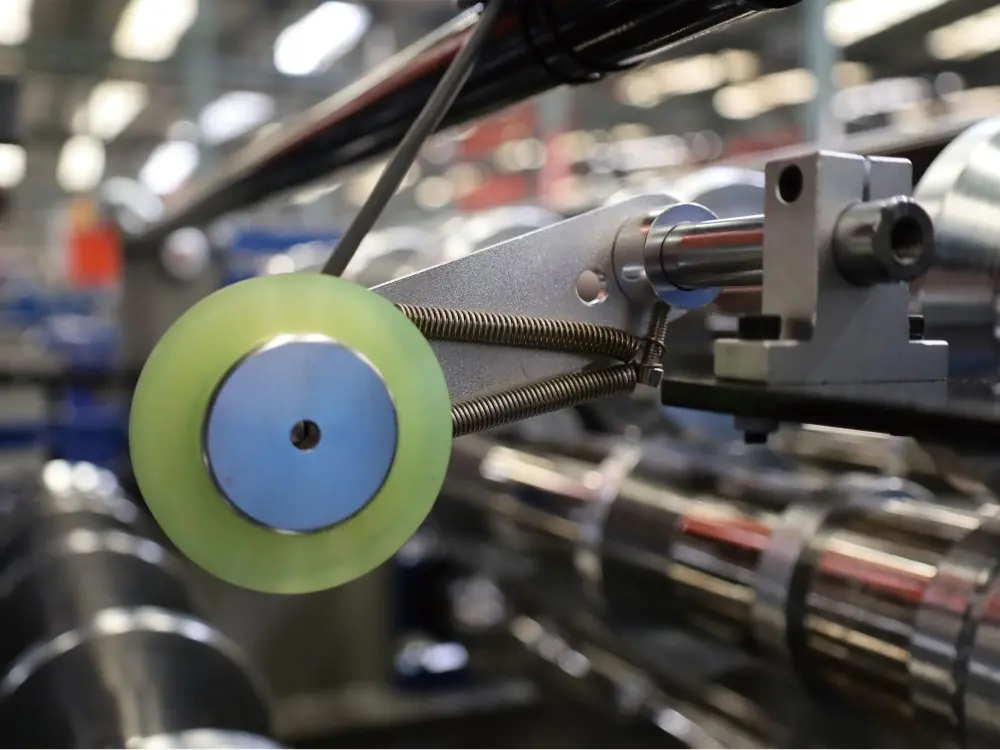
Prioritize PLC systems with multilingual interfaces and high-speed encoder components. This ensures clean, high-speed cutting without end-deformations.
Heavy-duty plate-welded structural frames resist vibration and thermal shifts better than channel steel assemblies. Ensure roller shafts are solid, precision-ground, and chrome-coated.
Addressing key technical questions regarding installation, operations, and roll forming machine engineering.
Complementary roll forming equipment designed to meet high efficiency and performance requirements.
 Xiongchang