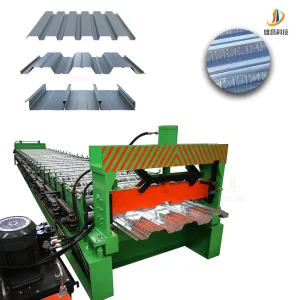
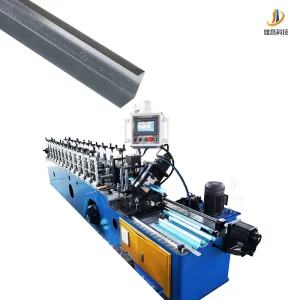
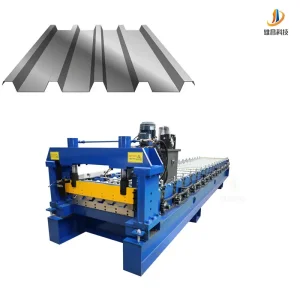
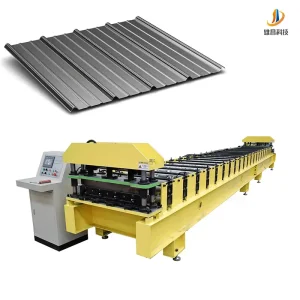
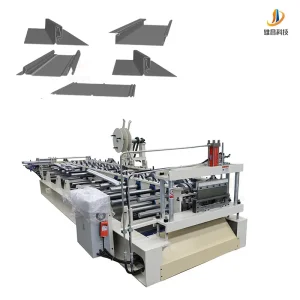
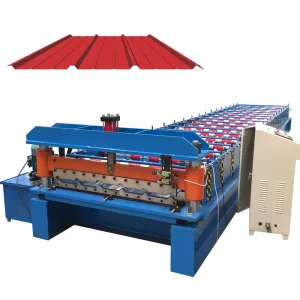
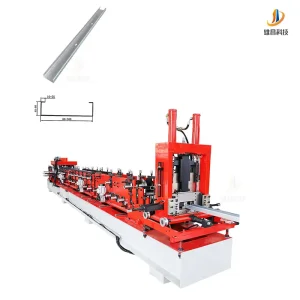
Explore our core engineering catalog of custom-designed, industrial-grade roll formers for structural framing, roofing, and flooring components.
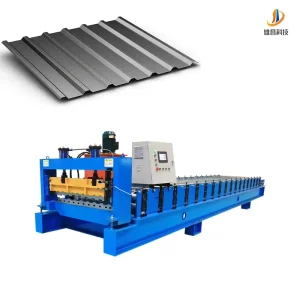
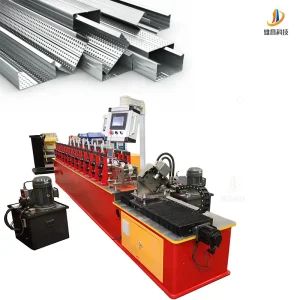
XC (XiongChang) is an integrated cold roll forming specialist offering reliable production lines that perform with speed, accuracy, and longevity.
For over two decades, XC has been a trusted leader in designing and manufacturing cold roll forming equipment. We design solutions tailored to complex architectural needs.
Equipped with detection and testing instruments, we rigorously verify product strength, durability, and tolerances to guarantee flawless output for every client.
From custom profile engineering to structural CAD simulation, global logistics, commissioning, and on-site testing, we secure your ongoing operations.
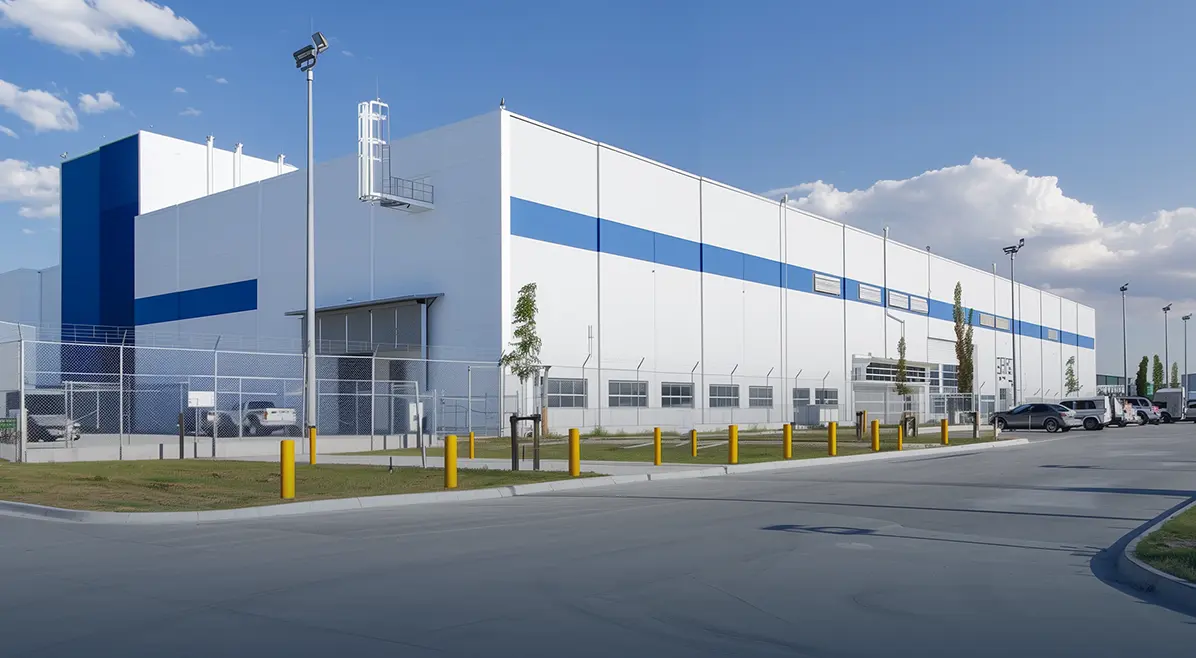
As a leading cold metal forming engineer, XC develops custom solutions covering building envelope materials, internal structural framing, and custom profile fabrications. Our 50,000㎡ plant handles precision machining, induction heat treatment of rollers, and automated control line wiring under one roof.
Our design approach uses state-of-the-art simulation software to analyze material flow, stress distribution, and springback characteristics. This technical depth prevents surface scratching, dimensional distortion, and structural fatigue, particularly when profiling high-strength steels or delicate pre-painted aluminum alloys.
Explore Technical SolutionsAn Industrial Guide on Engineering Specifications, Procurement Dynamics, and Structural Performance Standards for Modern Roofing Profiles.
In modern industrial and commercial architecture, roofing design has shifted away from traditional exposed-fastener profiles toward high-performance standing seam metal roofing. The core driver is the necessity for absolute water-tightness and accommodating structural thermal movement. Unlike standard corrugated panels secured by penetrative screws, standing seam panels utilize internal, concealed clips that clip onto the panel seams, which are then mechanically seamed or snapped together. This zero-penetration design prevents water ingress at fastener points and allows the roof to slide during thermal expansion and contraction cycles.
Globally, procurement departments prioritize standing seam panel machines based on project-specific requirements:
Standard roll formers struggle with the elastic recovery (springback) of high-yield materials (such as G550 steel vs. G300 soft steel). XC roll forming lines utilize progressive flower designs with calibrated over-bending steps to ensure sharp, dimensional profile geometry across variable tensile material runs.
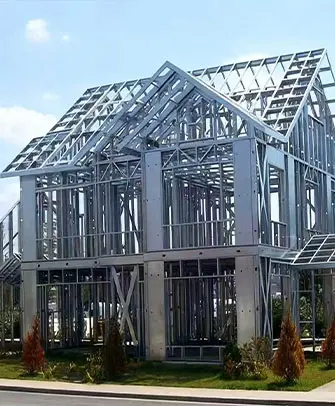
Metal framing systems form the backbone of modern commercial infrastructure. From large-scale industrial warehouses to transportation terminals, developers require high-speed manufacturing lines that can run continuous, high-volume production without downtime.
Large-scale distribution facilities require durable building envelopes. High-speed roll formers produce floor decks, thick structural purlins, and standing seam roofs on-site or in-factory to meet compressed construction schedules.
Airports, rail stations, and shopping complexes depend on custom metal panels for both architectural aesthetics and acoustic or insulation performance. These require machines capable of profiling complex materials, including copper, titanium-zinc, and pre-painted aluminum.
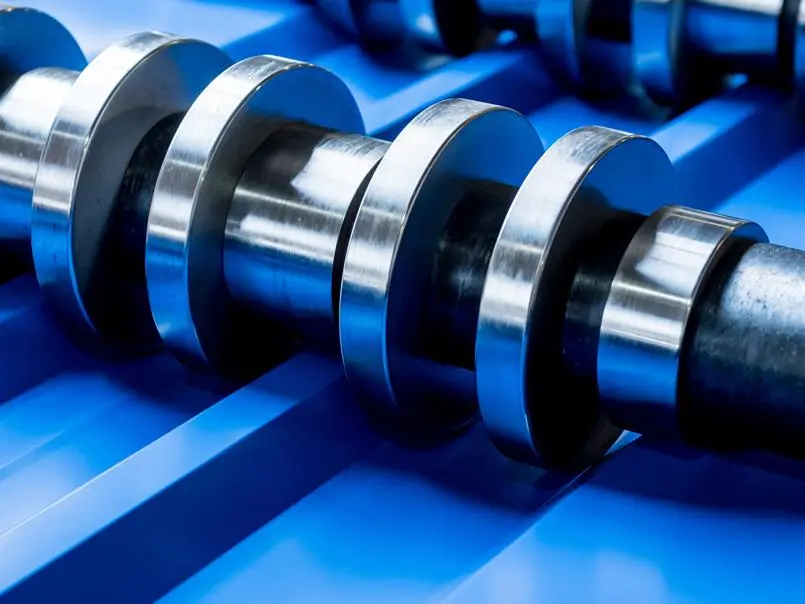
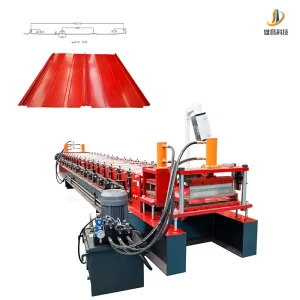
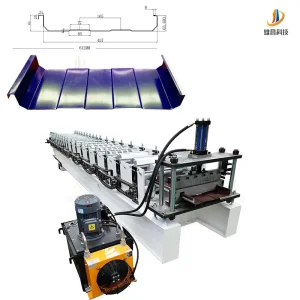
Achieving a high-performance standing seam panel relies on the mechanical accuracy of the roll forming machine. The process demands tight dimensional tolerances, smooth transitions, and precise edge forming. Below is an overview of the typical technical specifications for our standard standing seam panel production lines:
| Technical Parameter | Engineering Specification (Mechanical Lock / Snap Lock) |
|---|---|
| Compatible Material Thickness | 0.4 mm – 0.8 mm (Steel / Aluminum / Copper / Zinc) |
| Forming Speed | 12 – 15 meters per minute (Hydraulic post-cut) |
| Roll Forming Stations | 16 – 22 Stations (Dependent on profile complexity) |
| Shaft Diameter & Material | Ø 60mm / 75mm, 45# Steel High-Frequency Tempering |
| Roller Metallurgy | GCr15 (Chrome bearing steel), CNC-machined, hard chrome plated > 0.05mm |
| PLC Control System | Siemens / Mitsubishi / Delta PLC with touchscreen interface |
| Cutting Tolerance | ±1.0 mm (Longitudinal accuracy at maximum speed) |
Standing seam systems generally fall into two categories depending on the required structural load, roofing slope, and installation conditions:
The roll forming industry is transitioning toward digital integration and mobile on-site manufacturing. Shipping long-run roof panels from a centralized factory poses logistical challenges and risks transport damage. Mobile standing seam roll formers, mounted in containers or on flatbed trailers, resolve this by profiling coils directly at the job site.
Additionally, modern systems are adopting IoT-enabled PLC controls that monitor real-time coil thickness, line tension, and hydraulic oil temperatures. This data allows operators to make adjustments on the fly, reducing scrap rates and maintaining consistent quality throughout production runs.
Our engineering QA protocols cover raw material sourcing, heat-treatment verification, and final trial runs. XC utilizes CNC coordinate measuring machines to inspect every roller profile against CAD mockups, ensuring that the designed dimensional tolerances are met.
Before shipment, all roll forming systems undergo continuous testing with our customers' specified coil material. We measure profile dimensions, inspect coating integrity, and test the operation of automated PLC cut-off cycles. We ship only after the line is verified to meet operational specifications.
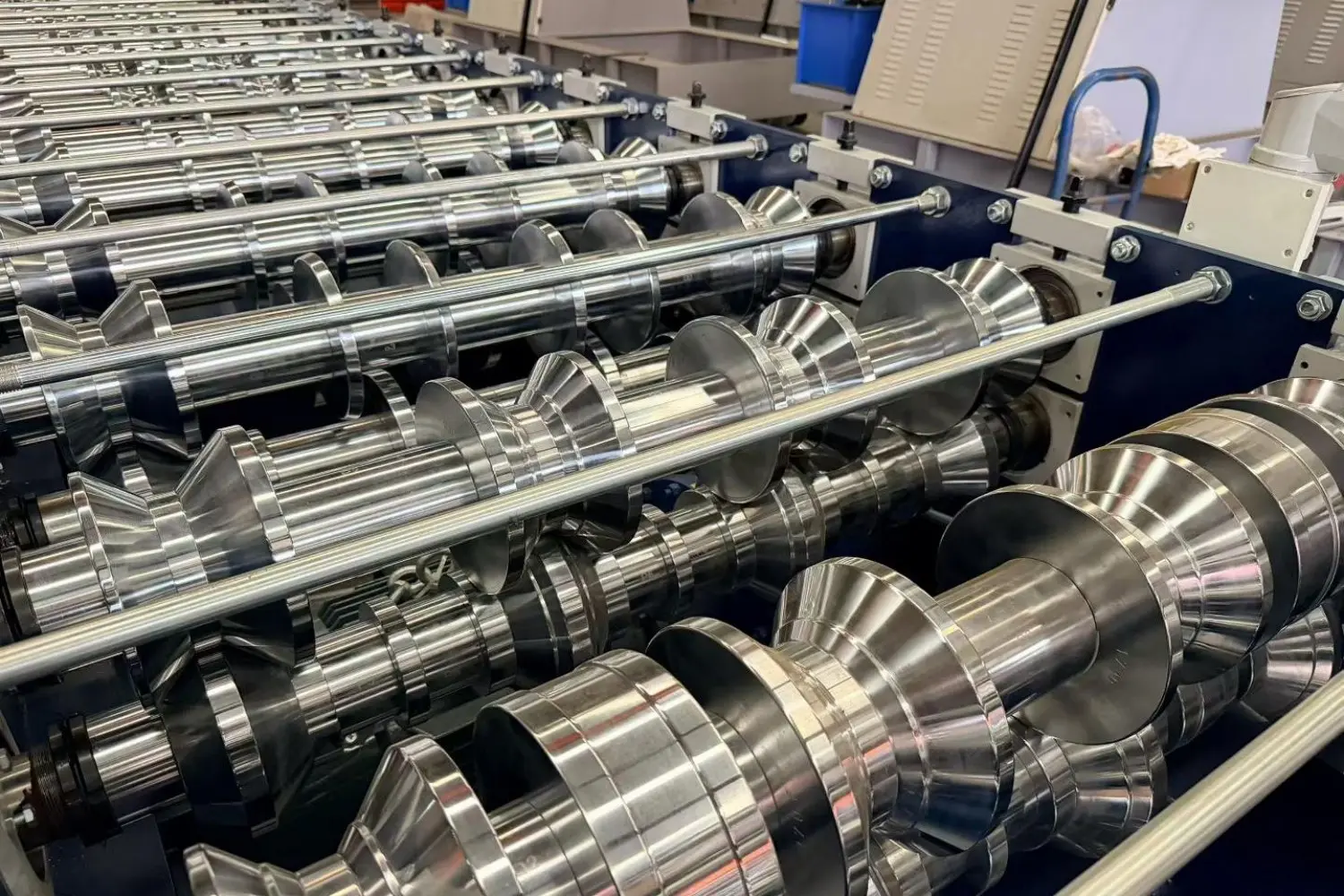
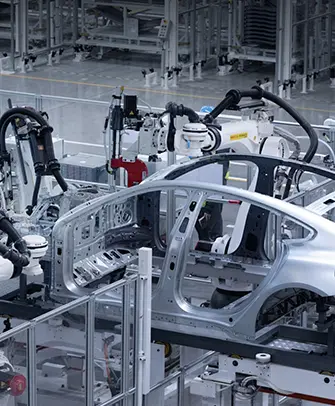
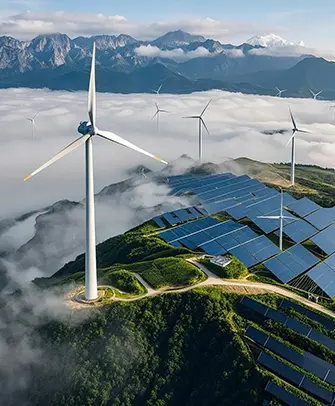
XC roll forming machinery supports diverse applications across key commercial and industrial sectors.

Expert answers to common engineering, procurement, and operation questions about cold roll forming machinery.
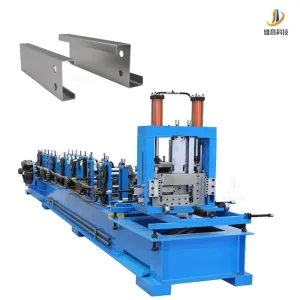
Explore our industrial purlin formers, framing machines, and heavy-gauge deck manufacturing systems.
Consult with our technical engineers to design your custom profile line, discuss materials, or schedule a virtual tour of our 50,000㎡ manufacturing facility.
Send Technical Specifications Xiongchang