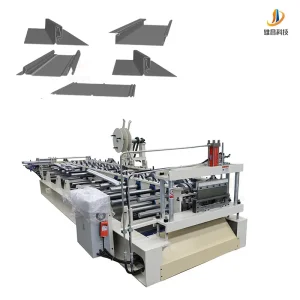
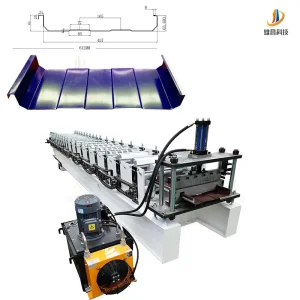
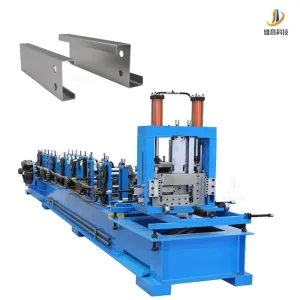
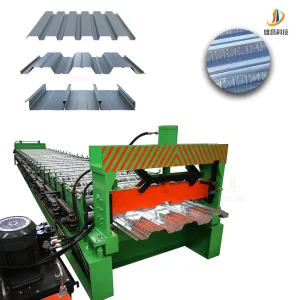
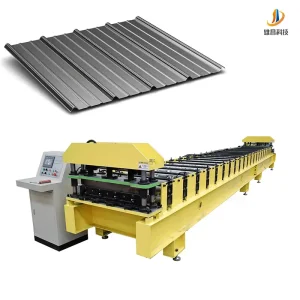
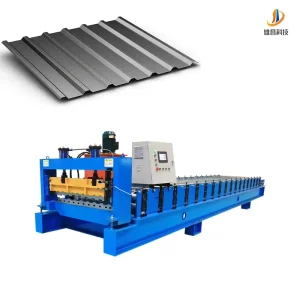
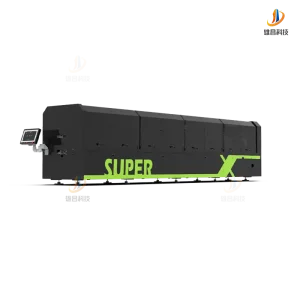
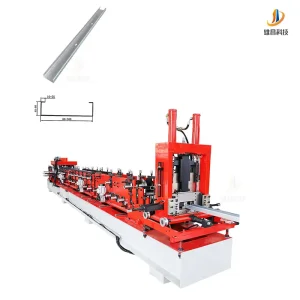
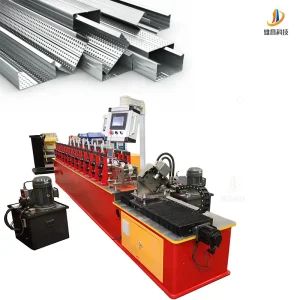
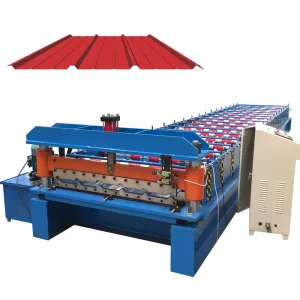
China Standing Seam Metal Machine Manufacturer & Factory

Precision Cold Roll Forming Systems & Structural Engineering Solutions for Modern Architectural Envelope Systems.

The Evolving Paradigm of Metal Cladding: Why standing seam is standard

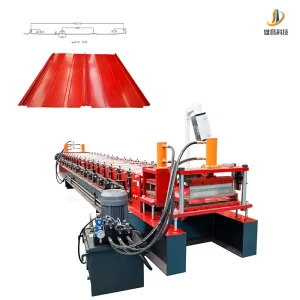
Standing seam metal roofing has transitioned from a high-end architectural option to the baseline standard for commercial, industrial, and high-performance residential structures. This growth is driven by the system's ability to accommodate thermal expansion, provide exceptional wind uplift resistance, and ensure a continuous water barrier without exposed fasteners.

As a leading Chinese manufacturer, XC (XiongChang) engineers machine frameworks that form profile geometries with precise dimensional consistency, ensuring panel integrity even with high-yield strength steels or temper-sensitive aluminum alloys.
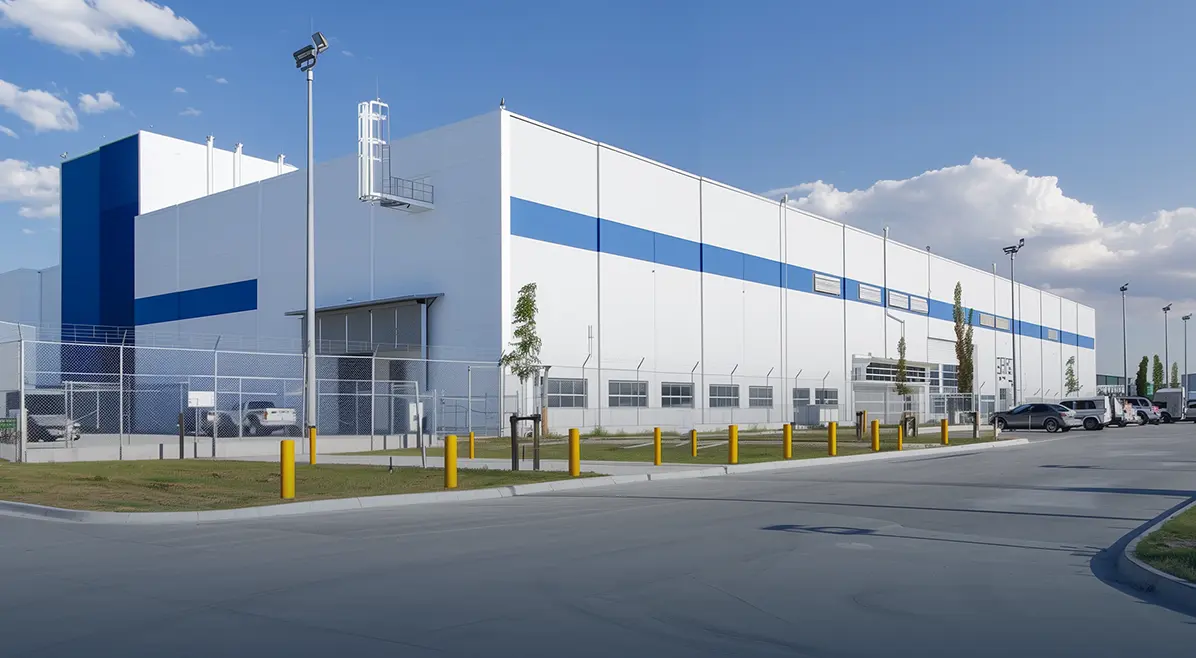
Standing Seam Machine Factory Operations
20+
Years Industry Experience
50,000 m²
Factory Footprint Area
1,000+
Cooperative Global Customers
2,000+
Global Team Members

Integrated Cold Roll Forming Specialist

XC provides integrated roll forming solutions. Our portfolio encompasses core production machines for roofing, flooring, doors, and structural components, as well as complete auxiliary line equipment.

Building Envelope Systems
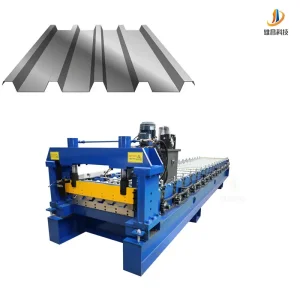
High-precision systems engineered for Roof Panels, Wall Panels, and Floor Deck Roll Forming applications. Designed for flawless profile consistency and structural load-bearing capacity.
Structural Framing Systems
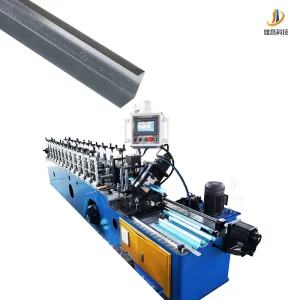
Highly automated C/Z Purlin Roll Forming Machines and Stud & Track Roll Former systems. Features fast-change sizing and automated punching operations.
Specialized Fabrication
Dedicated tooling lines including Gutter Roll Forming Machines and complex Door Frame profiling lines, customized to exact manufacturing requirements.

Anatomy of Chinese Factory Engineering Excellence

How XC (XiongChang) combines metallurgical precision, software automation, and cost efficiencies to deliver high-performance roll forming equipment.
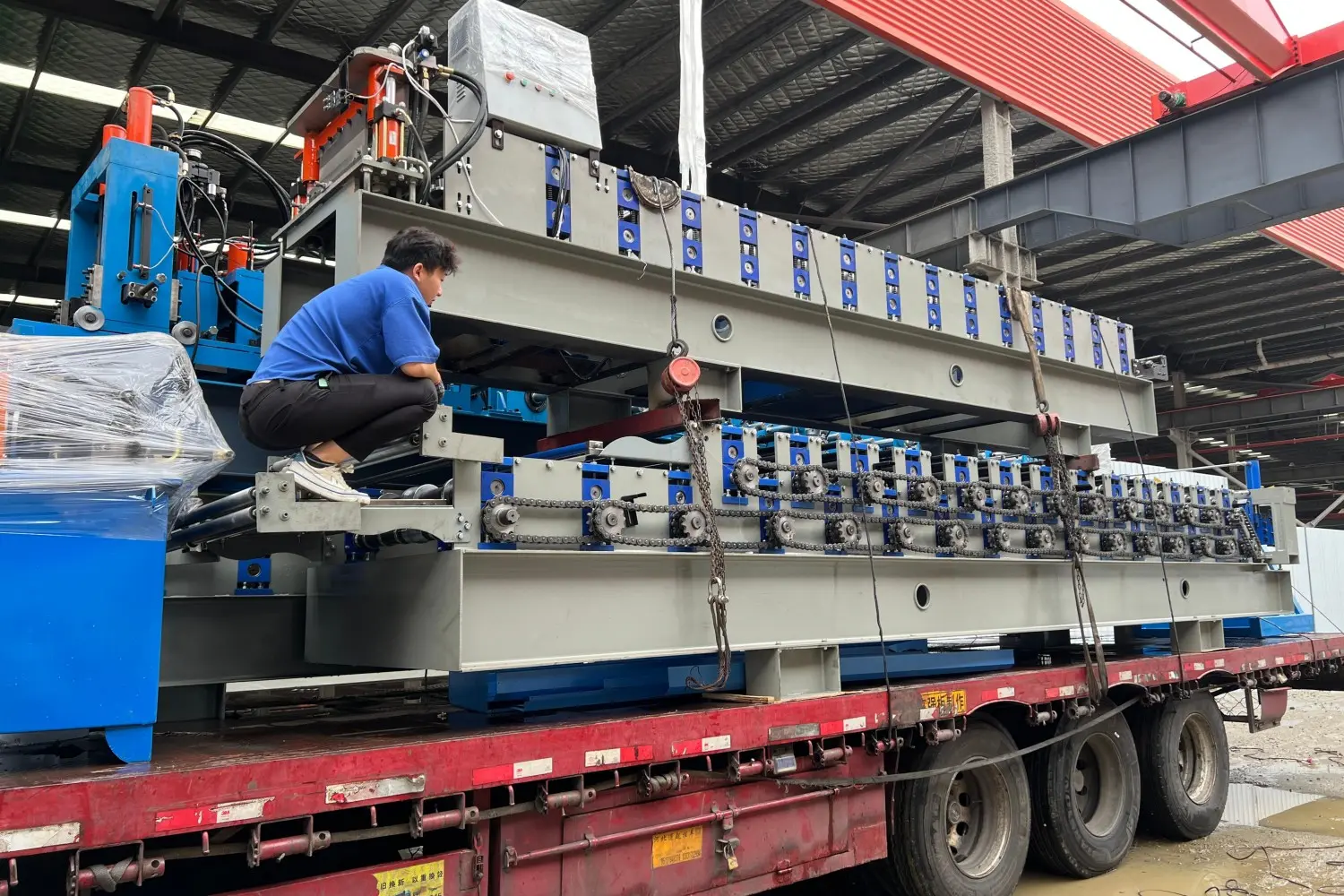
Technical & Production Capabilities at XC Factory

Technical & Production Capabilities

We leverage advanced finite element analysis (FEA) using specialized software (like COPRA) to map the bending stresses of the sheet metal across every forming pass. This scientific mapping ensures the strip is profiled progressively without exceeding the material's yield point, eliminating problems such as edge wave, twist, or oil canning.

Every roller is machined on high-precision CNC lathes, vacuum heat-treated, and hard chrome-plated (or chemically treated) to achieve surface hardness levels up to HRC 58-62. This process ensures the tooling remains durable through millions of linear meters without distorting the profile.
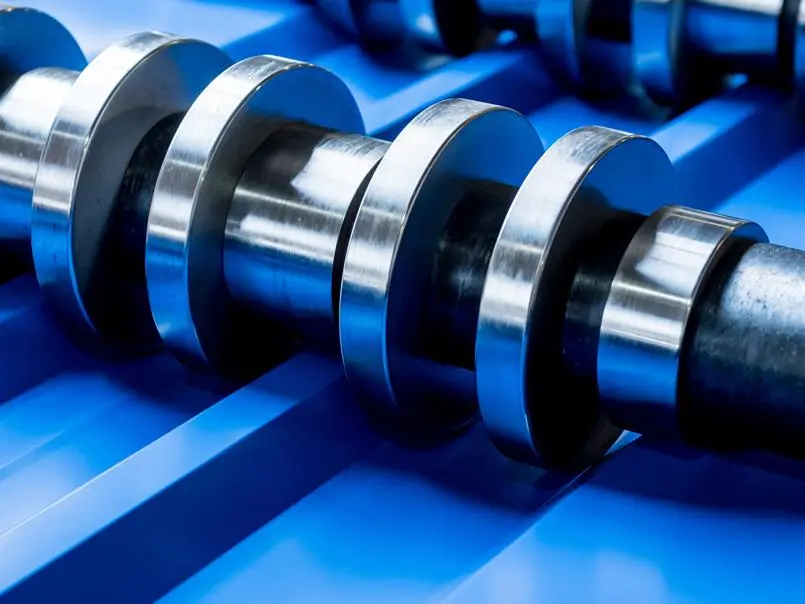
Advanced Building Envelope Systems Roll Former

Core Competence & Integrated Infrastructure

Our 50,000㎡ industrial complex contains heavy gantry machining centers, horizontal boring mills, and dynamic wire-cut electric discharge machines (EDM). This in-house manufacturing process gives us complete control over structural dimensional tolerances.

By controlling all manufacturing processes under one roof—from metallurgical casting of roller blanks to electrical cabinet wiring—we reduce system-level tolerance stack-up. This integrated approach ensures the finished machine operates reliably and efficiently.

Why Settle For Standard? The Engineering Behind XC

Investing in industrial machinery requires long-term reliability. Here is why global structural contractors and panel manufacturers standardise on XC systems.

1. Smart PLC Controls
We integrate Siemens, Mitsubishi, or Delta PLC control packages featuring multi-point profiling, automated length adjustment, and real-time diagnostic reporting. These panels allow operators to program batch specifications via touch HMI and support direct connection to ERP systems.
2. High-Yield Material Control
Whether processing G550 structural galvanized steel, painted aluminum alloys, or titanium-zinc, our entry systems adjust for springback variance to produce clean, crisp panel seams every run.
3. Modular Cassette Quick-Change
Minimise downtime with optional cassette layouts. Operators can swap out entire forming lines in under 45 minutes to run different profile geometry profiles, eliminating hours of individual roller adjustments.

Quality Assurance & Metrological Protocols

We believe a roll former is only as good as the dimensional accuracy of the panels it produces. Every machine undergoes rigorous testing prior to shipment. Our quality control team runs pre-delivery test materials to verify structural geometries under full load conditions.

We check for deviations in profile height, seam clearances, and linear straightness using digital laser measurement tools. Our test metrics confirm the machine performs reliably before it leaves the factory.
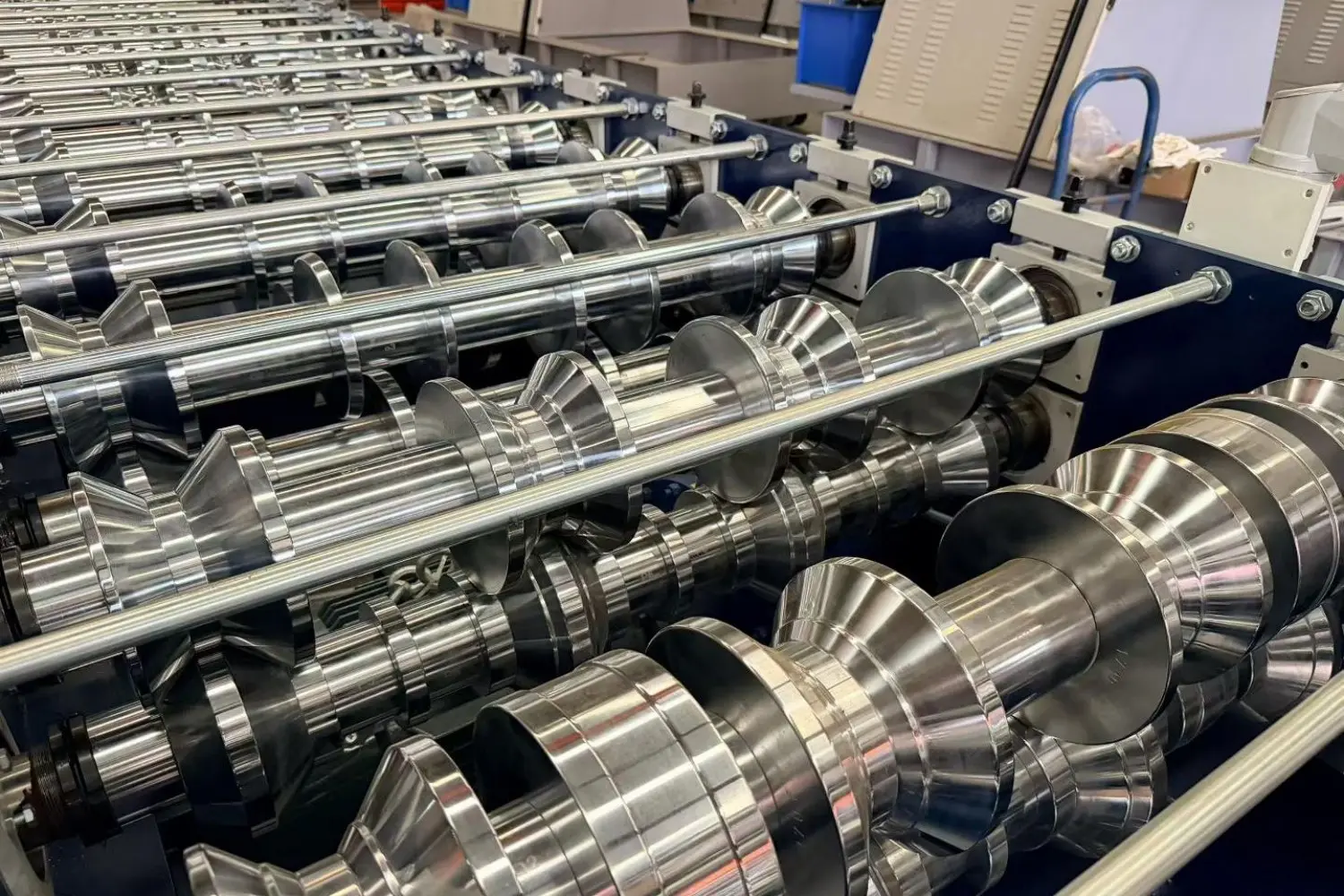
Quality Assurance Inspection at XC Factory

Value-Added Services & Global Life-cycle Support

Your investment is backed by our technical service network. We provide detailed installation assistance, electrical schema orientations, and commissioning support to ensure smooth integration on your production floor.

We also stock replacement parts, including PLC modules, hydraulic valves, and custom shear dies, to help you maintain maximum production uptime.
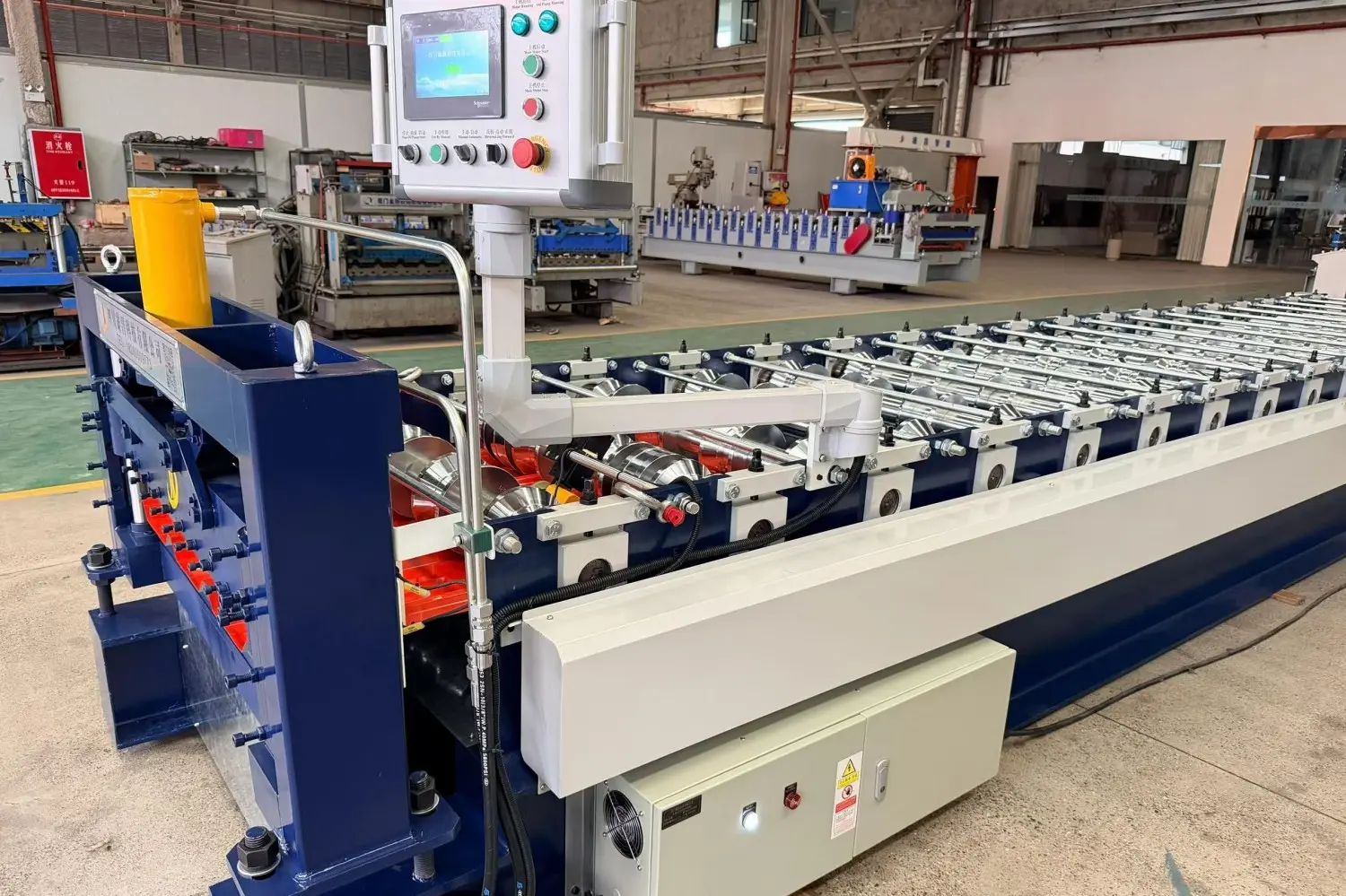
Operational Maintenance and Service Support

Macro Solutions for Diverse Industries

XC roll forming technology is used across many global industries to build strong, energy-efficient metal building envelopes.
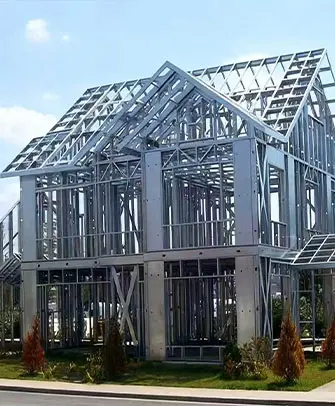
Industrial & Logistics Warehouses
Long-span standing seam and floor deck profiles optimized for high loading capacities and fast construction on modern distribution centers.
Airport Terminals & Rail Hubs
Complex, curved metal roofing lines requiring precise mechanical lock configurations to meet wind uplift ratings and handle thermal expansion.
Residential & Light Commercial
High-end residential projects utilizing nail-strip and snap-lock profiles for clean architectural lines with concealed fastner integrity.
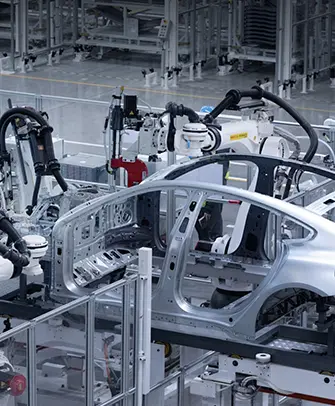
Architecture and Building Materials
Automobile Manufacturing
Home Appliances and Kitchen & Bath
Transportation Infrastructure
Transportation

Industry Trends & Procurement Considerations

Understanding the transition to smart, regional, and sustainable metal forming practices.
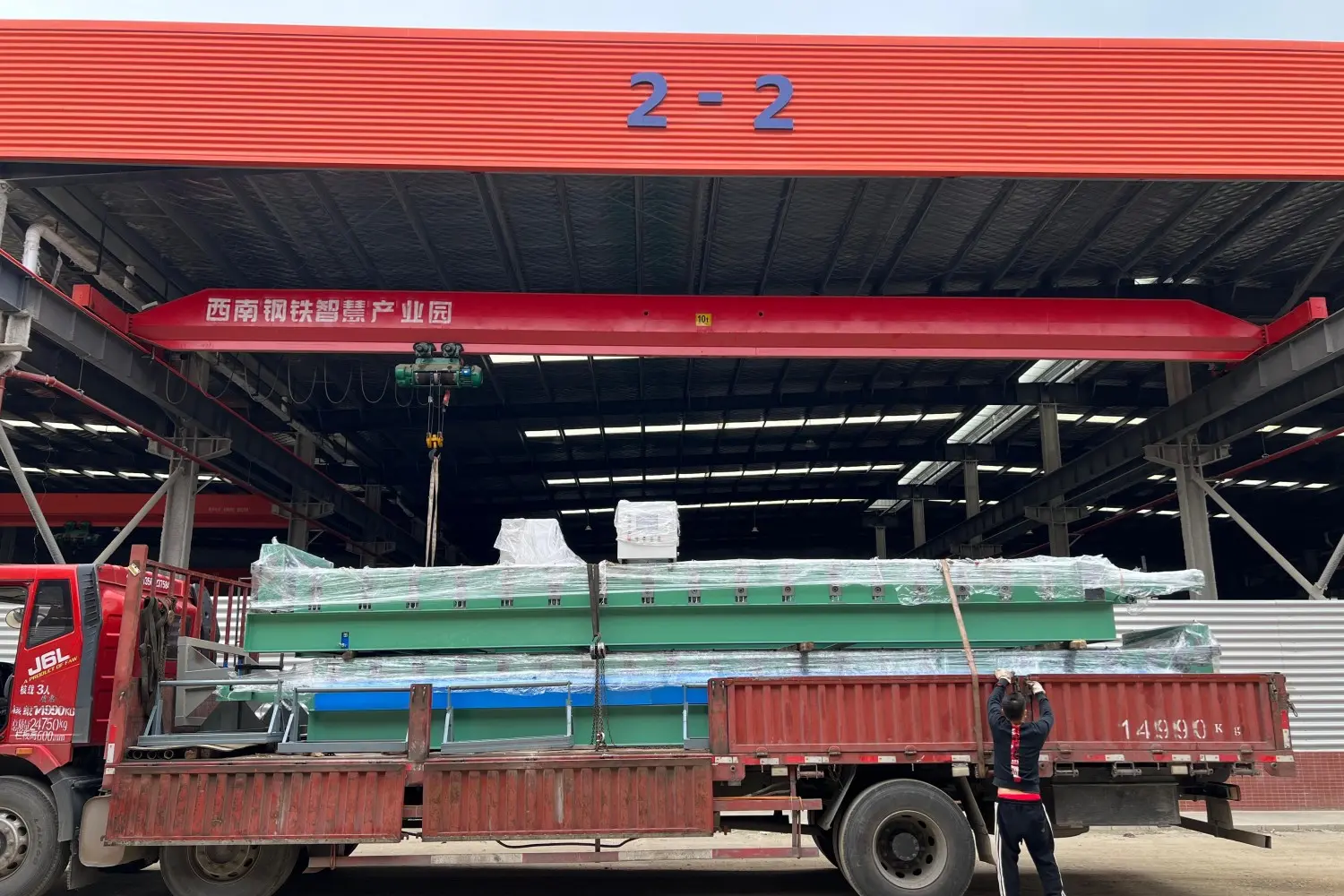
Industrial Roll Forming Infrastructure applications

Evolving Trends in Roll Forming

Current construction trends demand higher energy efficiency and integration with green energy systems. Modern standing seam panels are increasingly designed to support solar PV arrays without roof penetrations, using specialized mounting brackets.

Additionally, advanced systems now integrate insulation injection directly into the forming line. These structural sandwich panels provide both thermal insulation and weather protection in a single installation step.
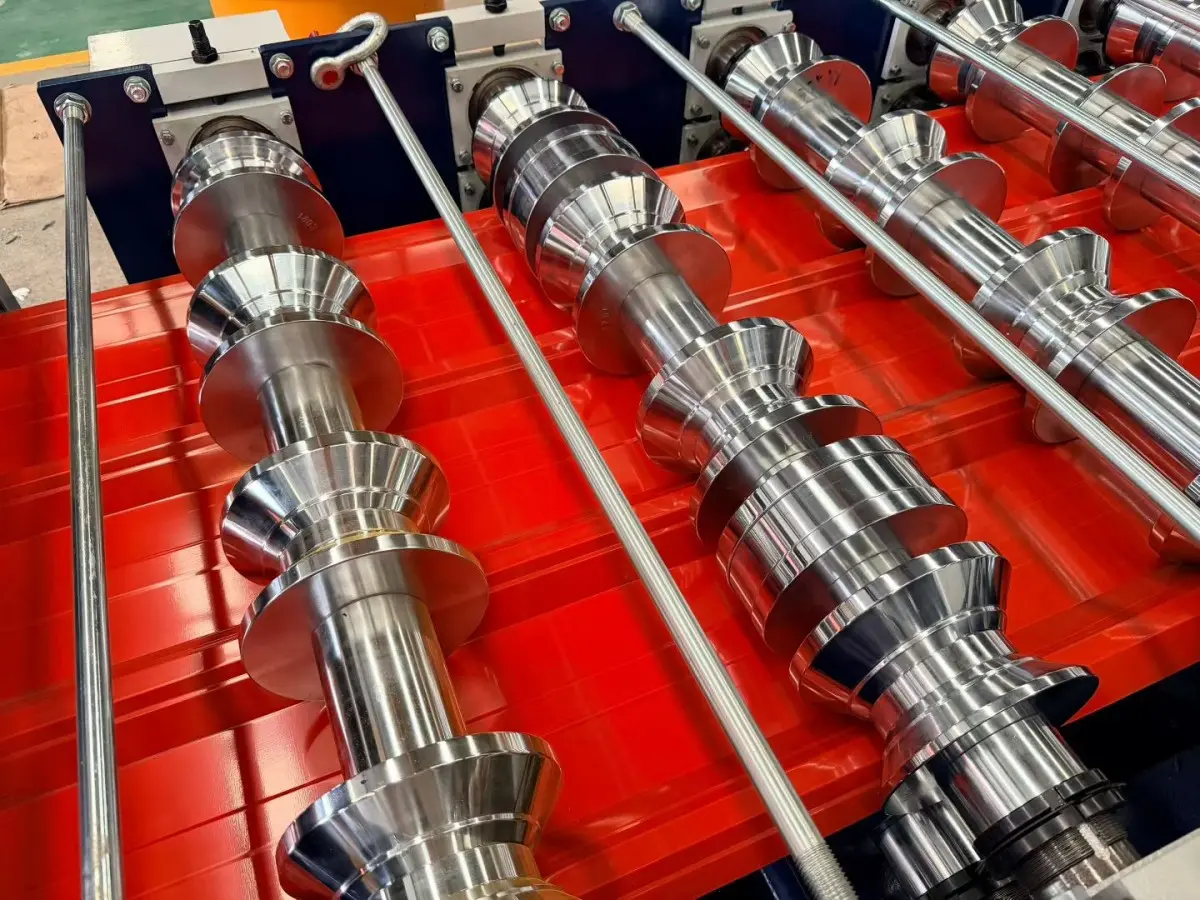
Cold Roll Forming Industrial Solution

Key Considerations for Global Procurement Managers

Global procurement teams look beyond unit price to evaluate total cost of ownership. Important criteria include metallurgical certifications, components that meet regional electrical safety standards (such as CE, UL, or CSA), and the long-term cost of wear parts.

XC helps lower total ownership costs by using open-source PLC logic, high-grade tooling materials, and standard hydraulic components that are easy to source locally, reducing downtime for your business.

Standing Seam Tech Support & FAQ

Get answers to common technical questions about standing seam roll forming, machine setup, and material performance.

Q: What is the difference between Mechanical Lock, Snap-Lock, and Nail-Strip panels?
Mechanical Lock: Requires a mechanical seamer to crimp the seams together (typically 90 or 180 degrees). This provides the highest wind uplift resistance and watertight performance, making it ideal for low-slope commercial roofs.
Snap-Lock: Panels snap together during installation without requiring a mechanical seamer. This saves labor time but is best suited for steeper slopes.
Nail-Strip: Features a prepunched flange along the male edge. Fasteners secure the panel directly to the deck, allowing for quick installation without separate mounting clips.
Q: How does the roll former prevent oil canning on wide metal panels?
Oil canning is a visible waviness in the flat areas of metal panels. XC prevents this by using adjustable tension-leveling feed guides, specialized ribbing rollers that add longitudinal stiffening ribs to the panel, and carefully designed forming steps that roll the metal gradually to prevent stress buildup.
Q: Can one machine produce multiple profile widths?
Yes. Many of our modern standing seam machines feature manual or automated width adjustment systems. Operators can quickly resize the machine (for example, from 300mm to 500mm wide panels) via a handwheel or by entering the target width directly into the PLC touch panel.
Q: What raw material thicknesses and grades can your machines process?
Our standard lines process galvanized steel, Galvalume, and prepainted steel from 0.4mm to 0.8mm (typical yield strength up to 350 MPa). For high-yield materials like G550 steel, we customize the roller geometry and increase the number of forming stations to manage springback.
Q: How is the post-cutting mechanism synchronized with panel profiling?
We use a hydraulic post-cut design synchronized through the central PLC system. A high-accuracy rotary encoder tracks the panel length. When the programmed length is reached, the machine pauses briefly to shear the panel, or uses a flying shear system to cut the panel on the fly without stopping production.

Partner with XC (XiongChang)

Our engineers are ready to design a custom roll forming line that meets your production requirements. Contact our team to discuss your profile designs, budget targets, and delivery schedules.

Request Technical Proposal Explore Factory Capabilities