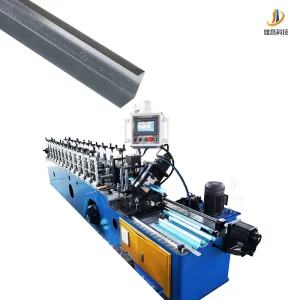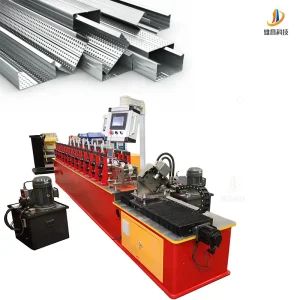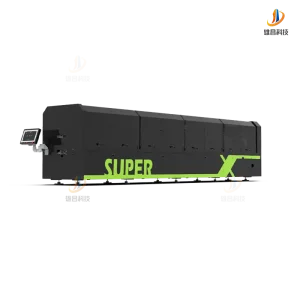
In the contemporary construction landscape, speed, precision, sustainability, and structural integrity are no longer optional metrics; they are the pillars of commercial viability. The global transition from timber framing and conventional hot-rolled steel structures to advanced Light Gauge Steel (LGS) systems represents a paradigm shift. At the core of this transition is the Smart LGS Framing Machine—an automated, CNC-controlled roll forming line that transforms cold-rolled steel coils into structural wall frames, floor joists, and roof trusses with sub-millimeter tolerances.
As a leading Chinese manufacturer, XC (Xiongchang) Metal Forming has pioneered this field for over two decades. By integrating CAD/CAM software suites directly with high-performance hydraulic tooling networks, our smart systems automate complex production sequences—from decoiling, punching, dimpling, and shearing to final inkjet printing and piece-marking. This white paper details the engineering paradigms, industry applications, technical blueprints, and global macroeconomics of smart LGS production networks.
XC (Xiongchang) stands as an authoritative force in the international metal forming sector. We formulate and engineer turnkey, integrated roll forming solutions designed for durability, repeatability, and efficiency. Our capabilities encompass not only LGS framing systems but also structural decking systems, building envelope roll formers, architectural trim lines, and automated auxiliary equipment.
By investing heavily in continuous R&D, state-of-the-art CNC processing units, and robust material analysis procedures, we ensure that every roll forming machine manufactured in our facility meets stringent European and American engineering tolerances.
Explore Our Engineering Facility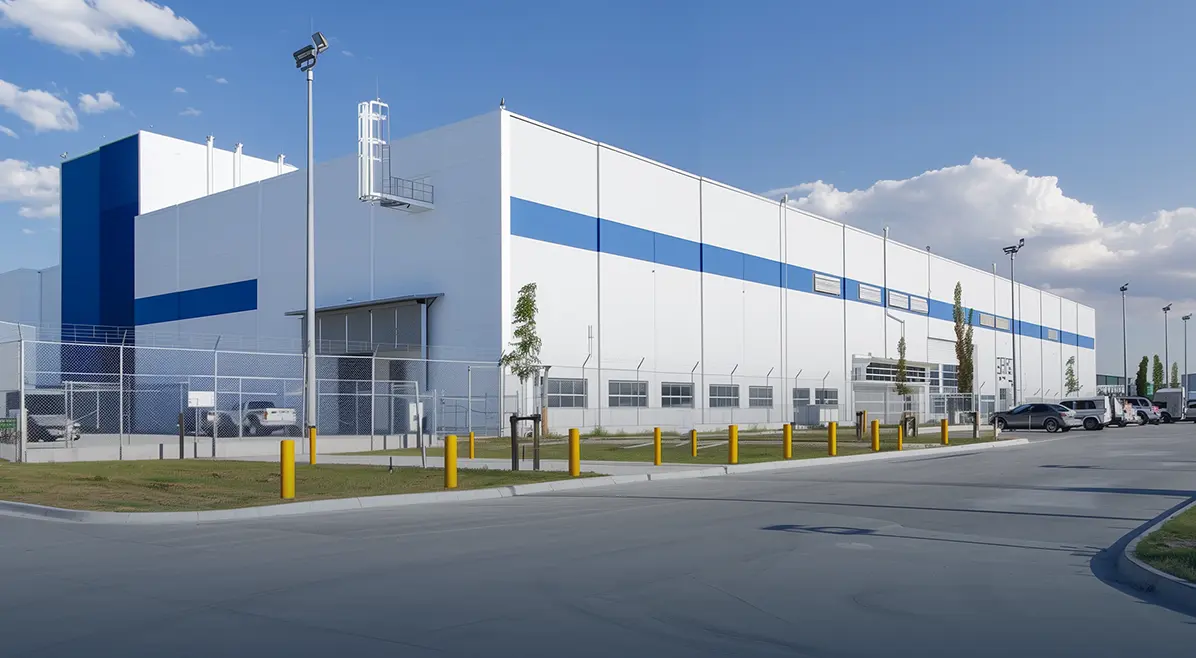
Our engineering supremacy is rooted in a highly specialized team of software experts, controls engineers, and precision machinists committed to delivery excellence.
Modern architectural layouts demand flawless component dimensional accuracy. To achieve this, XC LGS roll forming machines employ high-precision servo feeders, hardened tool steel dies (Cr12MoV, heat-treated to HRC 60-62), and real-time electronic monitoring. Each framing stud and track member features precise pre-punched service holes, dimple screw locator holes, chamfered corner cuts, and custom end-copes—all positioned within ±0.5mm. This degree of machining precision guarantees that assembly on the building site requires no manual measuring, cutting, or welding.
Our smart LGS framing machinery features direct file-to-production capability. Supporting industry-leading modeling platforms such as Vertex BD, Tekla, and FrameCAD, the machine's onboard PLC parses structural design files (DSTV, CSV, or XML coordinates) and maps out the exact position of every hole, dimple, notch, and shear cut before the metal is uncoiled.
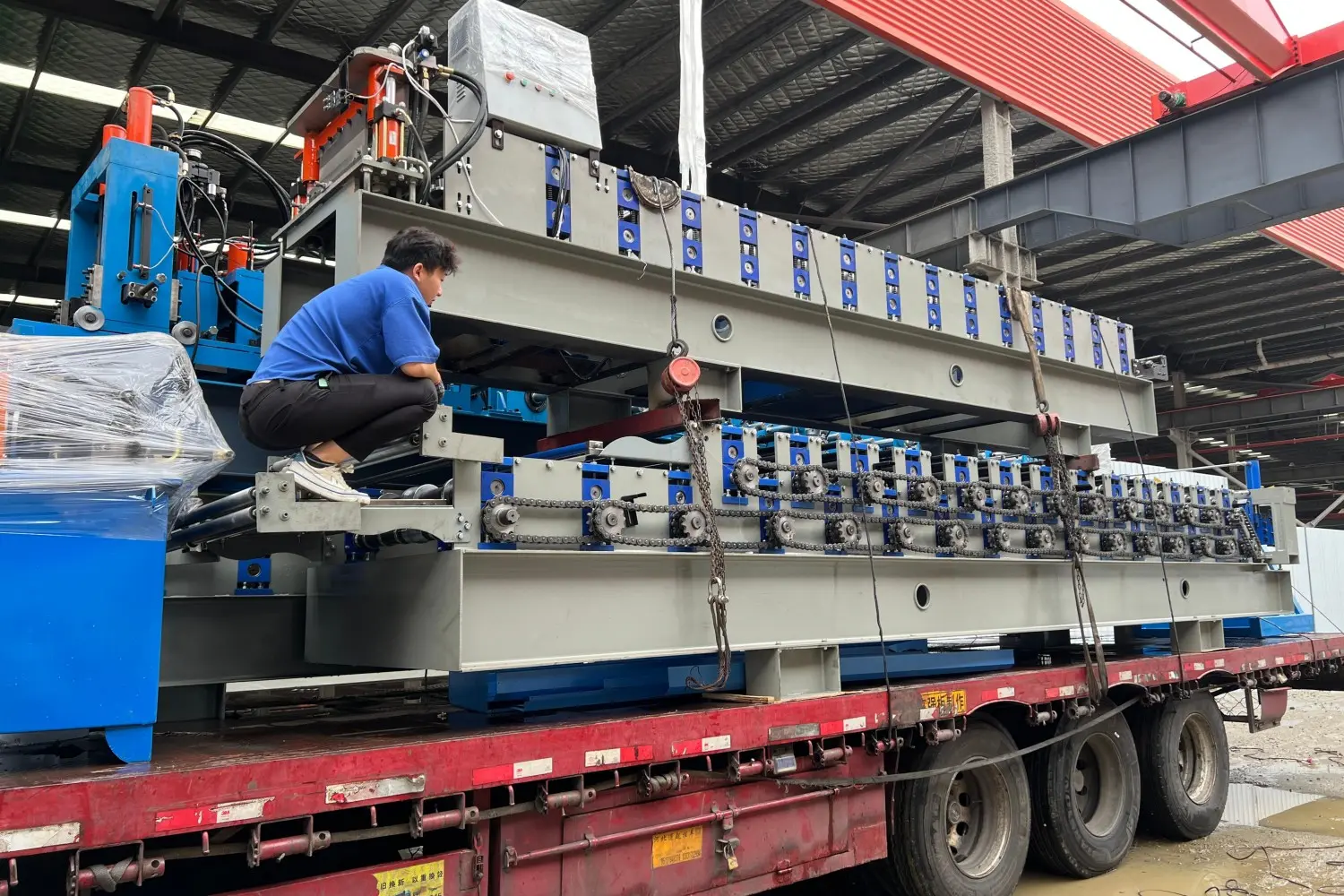
Light gauge steel construction is scaling rapidly globally, driven by shifting environmental targets, material scarcity, and labor constraints.
Driven by building code updates, timber price volatility, and the expansion of offsite modular factories, North American builders utilize LGS framing for high-density multi-family housing, hotel guestroom framing, and auxiliary dwelling units (ADUs).
Strict energy efficiency directives, fire safety codes, and circular economy mandates in Western and Northern Europe position cold-formed steel as the premium choice for zero-emission structural applications, ensuring 100% recyclability.
Australia and New Zealand represent highly mature LGS framing markets. Driven by local environmental constraints and termite-vulnerable environments, regional construction firms rely on smart LGS networks to prefabricate structural wall panels offsite.
In Latin America, the Middle East, and Asia, rapid urbanization projects rely on LGS framing machines to deliver affordable housing, educational facilities, and commercial buildings within highly compressed timelines.
Light gauge steel roll forming equipment provides structural engineering adaptability across diverse micro-environments and local constraints.
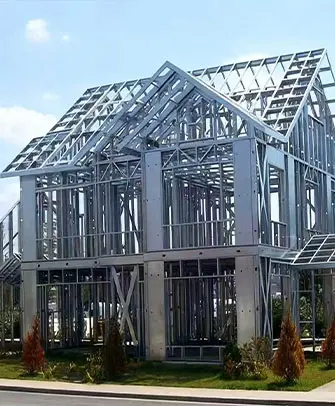
For residential developers, LGS machines form lightweight framing sections that replace brick-and-mortar or wood timber structures. The resulting framing profiles exhibit higher strength-to-weight ratios, ensuring exceptional structural safety in seismic zones and cyclonic coastal regions.
In high-rise commercial structures, LGS profiles function as non-load-bearing external curtain walls and interior partition assemblies. Prefabricating these panels offsite and hoisting them into position accelerates project completion times while reducing onsite construction waste to virtually zero.
Prefabricated modular units, such as bathroom pods, disaster relief shelters, and mobile mining cabins, rely on LGS structures for transport rigidity. The precision tolerances of XC cold-formed steel ensure that modular components fit together seamlessly onsite.
Utilizing high-tensile structural steel (G550 grade), our roll formers yield structural trusses with long spans, eliminating the need for heavy, intermediate load-bearing columns. This maximizes interior spatial utility in warehouses and agricultural storage facilities.
Automation in cold roll forming is transitioning from simple hydraulic control to intelligent, cloud-enabled manufacturing ecosystems.
Dynamic variations in steel coil thickness and yield strength can affect roll-formed dimensions. Next-generation LGS machinery will integrate automated sensor arrays that measure incoming material properties and dynamically calibrate forming roller parameters in real-time, ensuring zero-defect output.
By monitoring power draw signatures from the main drive motors and acoustic patterns from hydraulic shearing units, predictive diagnostic software identifies tool wear and mechanical strain before structural failure occurs, maximizing factory uptime.
With cloud integration, design teams located anywhere globally can transmit optimized structural plans directly to factory-floor LGS roll forming machines, enabling distributed manufacturing with minimal human intervention.
XC offers an extensive range of precision cold roll forming systems designed to support diverse architectural requirements.
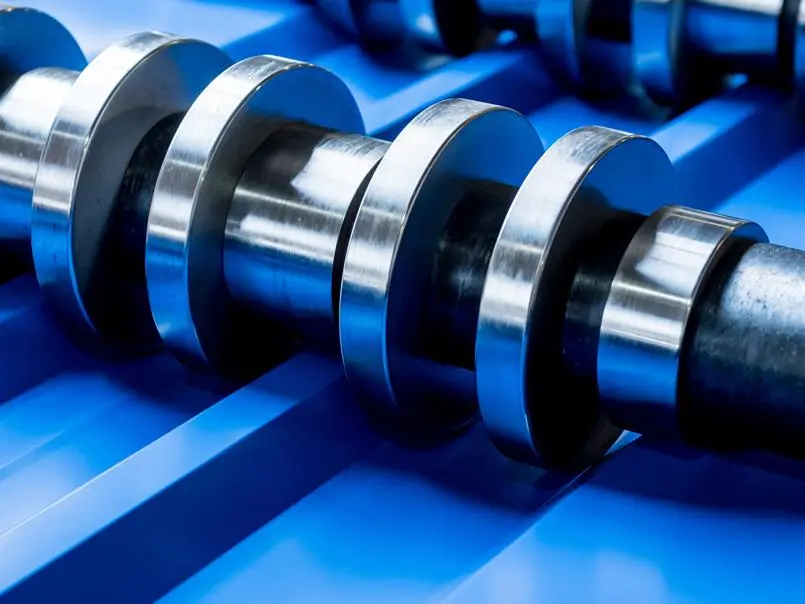
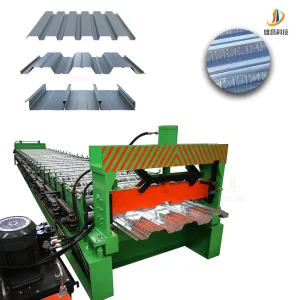
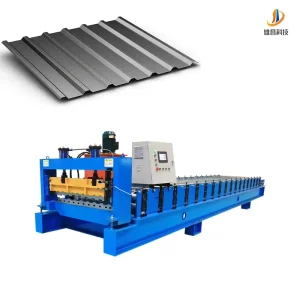
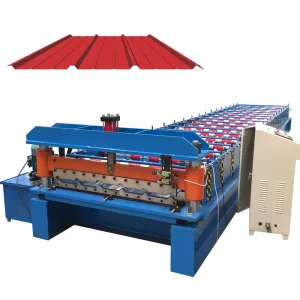
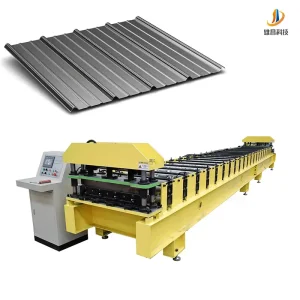
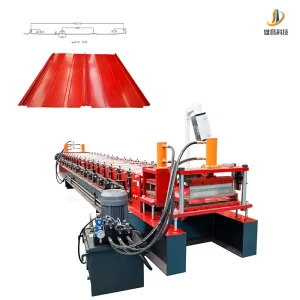
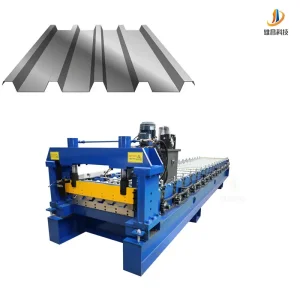
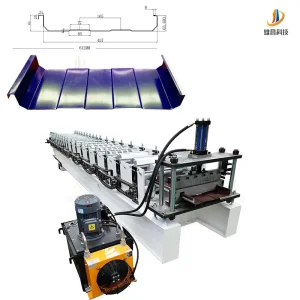
We manufacture advanced forming machinery for standing seam roofs, insulated wall cladding, U-panels, PBR panels, and architectural cladding profiles that ensure high weatherproofing and thermal performance.
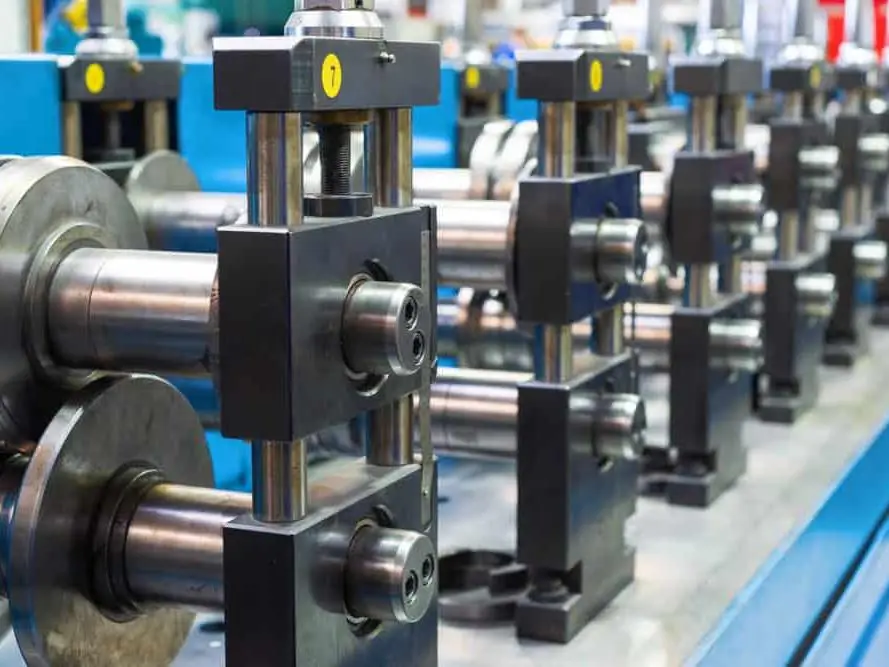
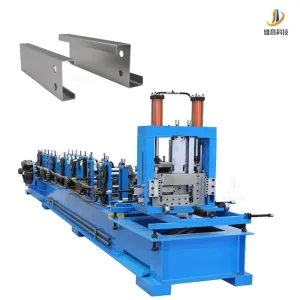
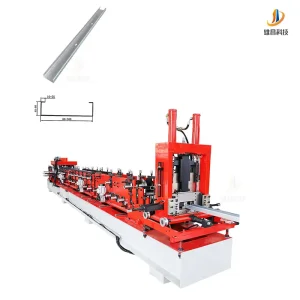
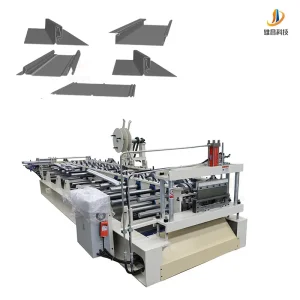
Our solutions include heavy-gauge interchangeable C/Z purlin machines and automated stud and track profiling networks designed for primary load-bearing applications in commercial and industrial structures.
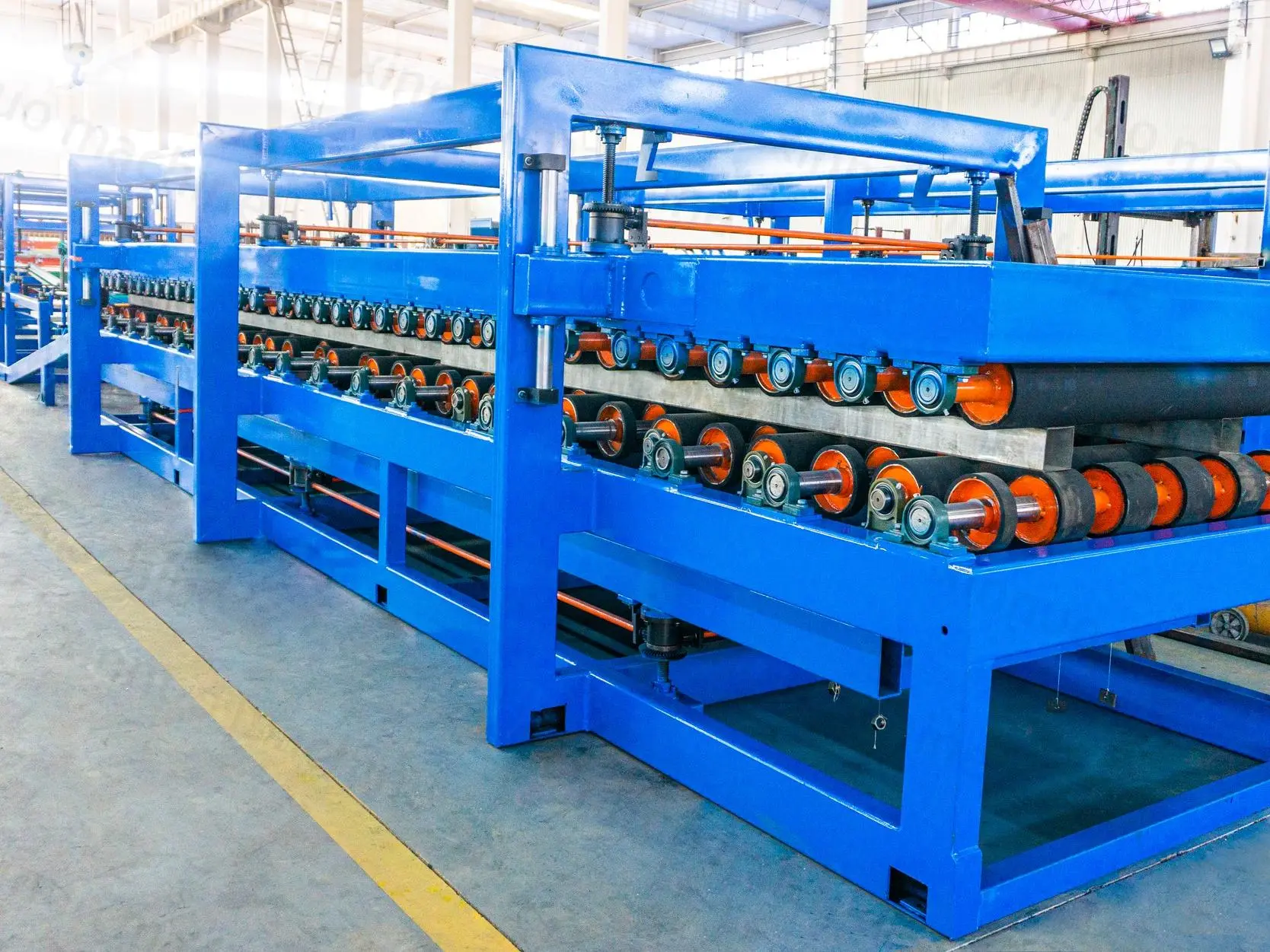
This category includes high-speed rainwater gutter machines, roller shutter door systems, floor deck machines, and custom profiles designed to integrate seamlessly into structural envelopes.
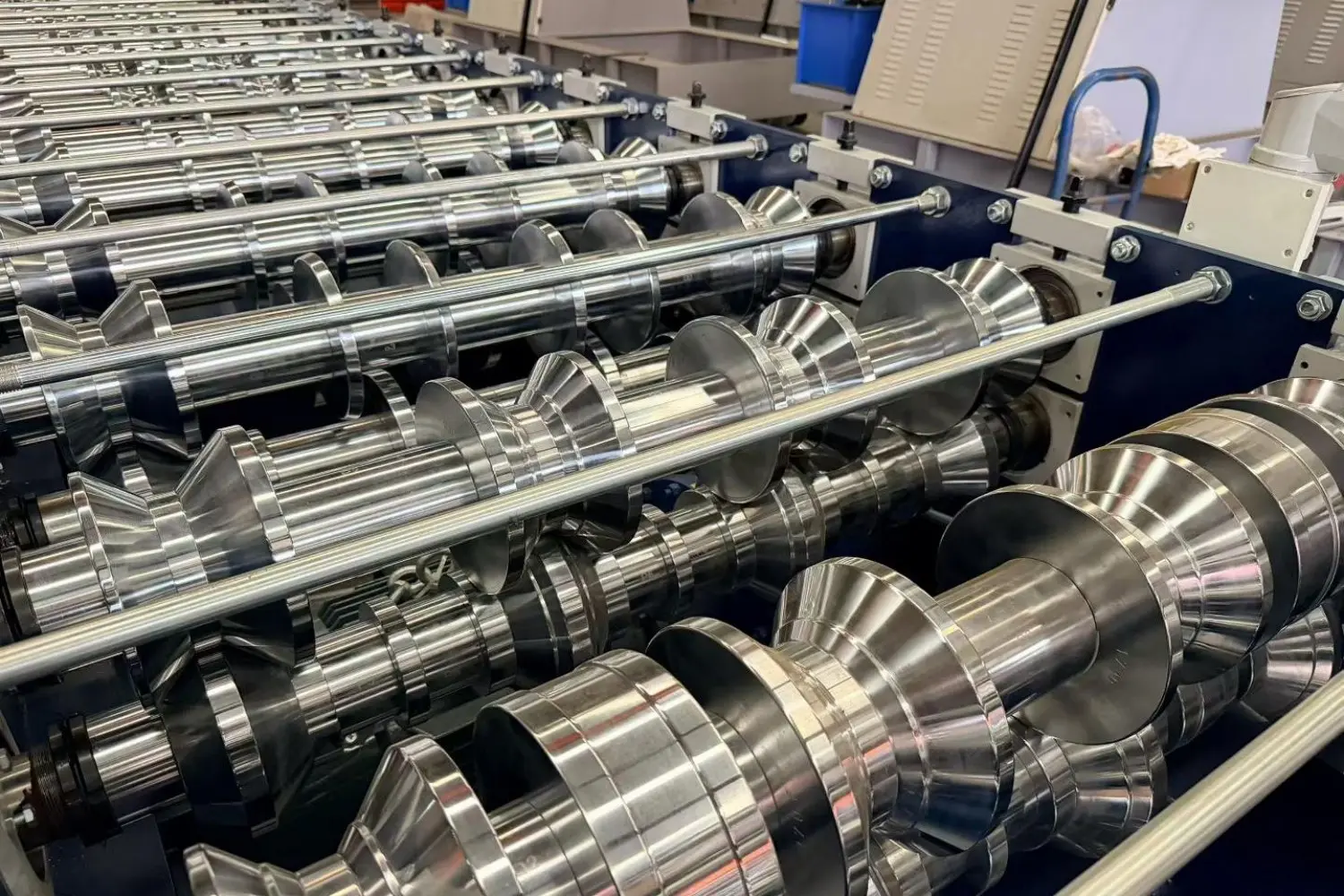
Each XC roll forming system undergoes structural validation, long-run testing under simulated factory conditions, and detailed profile inspection before dispatch to ensure immediate commissioning readiness.
For over two decades, XC (XiongChang) has built an industry reputation for engineering reliable, high-performance cold roll forming machinery.
We analyze the client's localized steel specifications, target structural profiles, and factory layout to build a custom solution optimized for local building codes.
Every shaft is precision ground, and all forming rollers are manufactured from premium tool steel. Our structural chassis feature welded steel box plates, providing structural rigidity under high-speed forming loads.
From initial design and software integration training to onsite commissioning and lifetime spare parts supply, our engineering team ensures your manufacturing facility maintains optimal productivity.
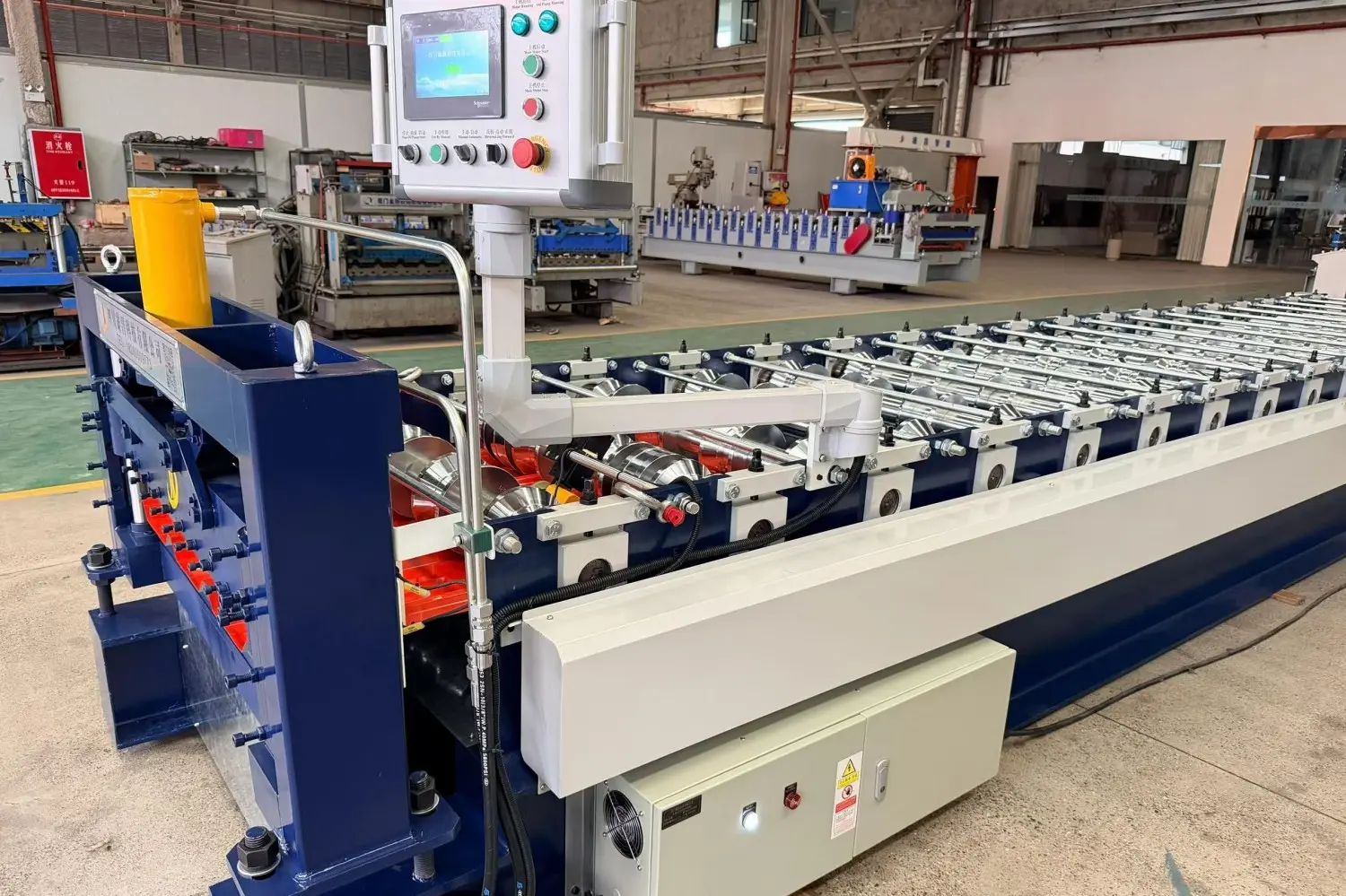
We provide full-spectrum support: mechanical installation parameters, electrical wiring schemas, CAD/CAM design integration, software calibration, and maintenance procedures. Additionally, our remote connectivity tools allow XC engineers to perform system diagnoses, adjust parameters, and troubleshoot PLC issues across borders, minimizing down-time.


Comprehensive technical answers to common questions asked by engineers, developers, and machine operators.
 Xiongchang