Discover our industrial-grade cold roll forming systems, designed for building envelopment, structural frames, and heavy-duty steel deck applications.
The cold roll metal forming industry is undergoing a structural paradigm shift. Traditionally dominated by mechanical clutches, hydraulic systems, and fixed-profile tooling, modern manufacturing now demands high flexibility, tighter dimensional tolerances, and integrated digital workflows. The transition to servo-driven systems lies at the core of this industrial evolution.
Unlike conventional systems where mechanical shafts operate at constant velocities, servo-driven roll forming machines utilize closed-loop, high-torque AC servo motors coupled directly to precision gearboxes. This architecture enables dynamic control over the roll rotation speed, continuous alignment tracking, and instant modification of profile geometry on the fly. By integrating motion controllers with digital twin software, manufacturers globally can produce complex cross-sections from high-strength steels (up to 1200 MPa yield strength) without cracking or springback errors.
Geographically, regions like North America and Europe are scaling up the adoption of automated servo lines to satisfy stringent structural specifications for solar mounting rails, logistics shelving, and automotive crash barriers. Chinese OEMs, utilizing state-of-the-art domestic supply chains and control technologies, have emerged as global leaders by offering highly reliable, customized, and cost-effective servo roll forming lines to worldwide markets.
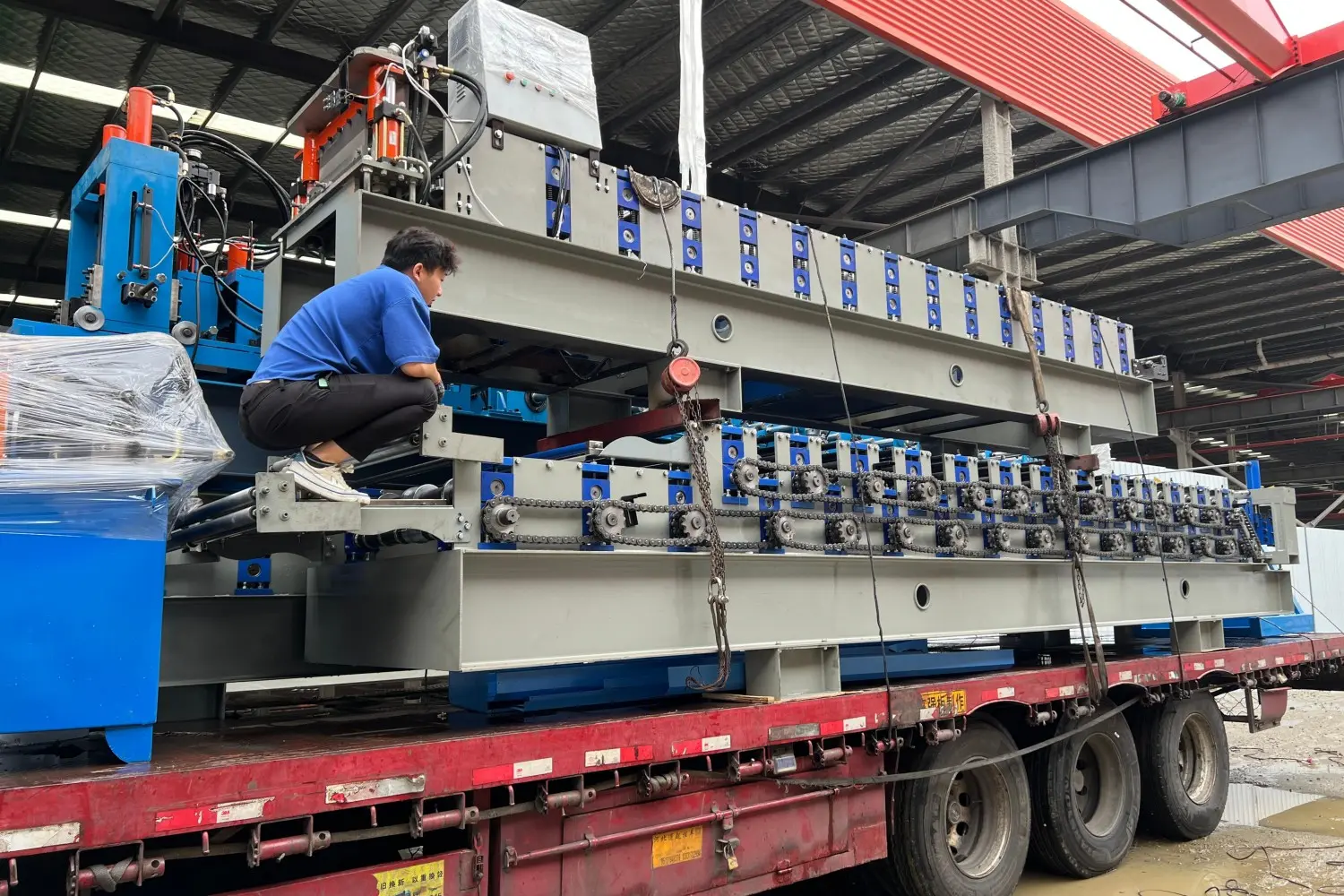
As a global leader in high-end metal forming fabrication, XC (Xiongchang) provides fully integrated cold roll forming solutions tailored for heavy industries.
For over 20 years, XC has bridged the gap between complex engineering concepts and reliable physical execution. Our product lines encompass heavy structural profiling systems, building envelope cladding, state-of-the-art floor decking profiles, and robotic material handling auxiliaries. We design machinery that increases production throughput while decreasing material scrap rates.
View Company Capabilities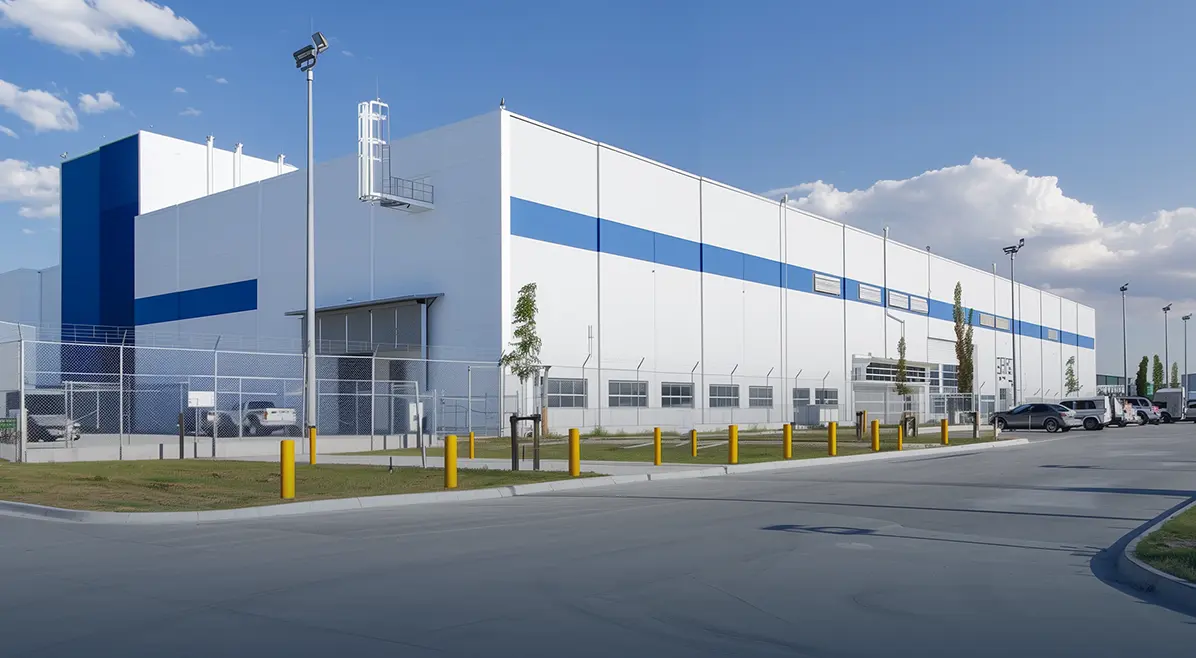
Deploying next-generation control loops and high-quality materials to maximize durability and output performance.
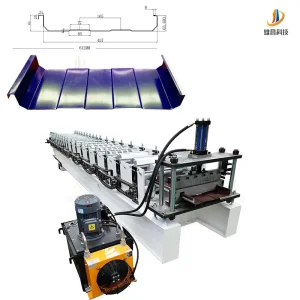
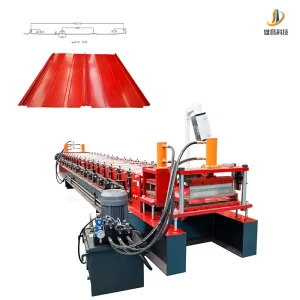
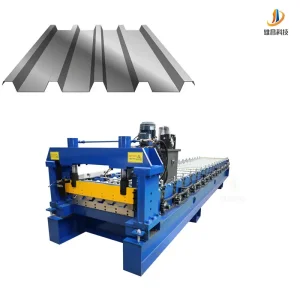
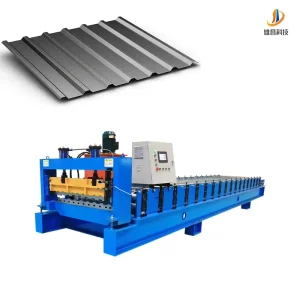
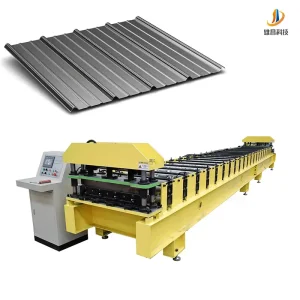
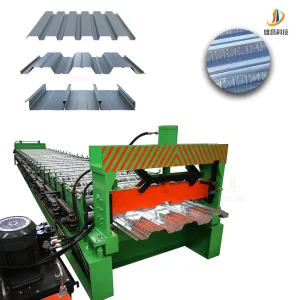
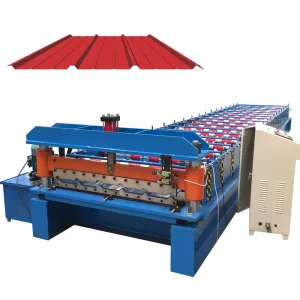
High-efficiency roof panel, wall cladding, and complex floor deck roll forming machines. Optimized for handling pre-painted steel sheets and galvanized materials without damaging architectural coatings.
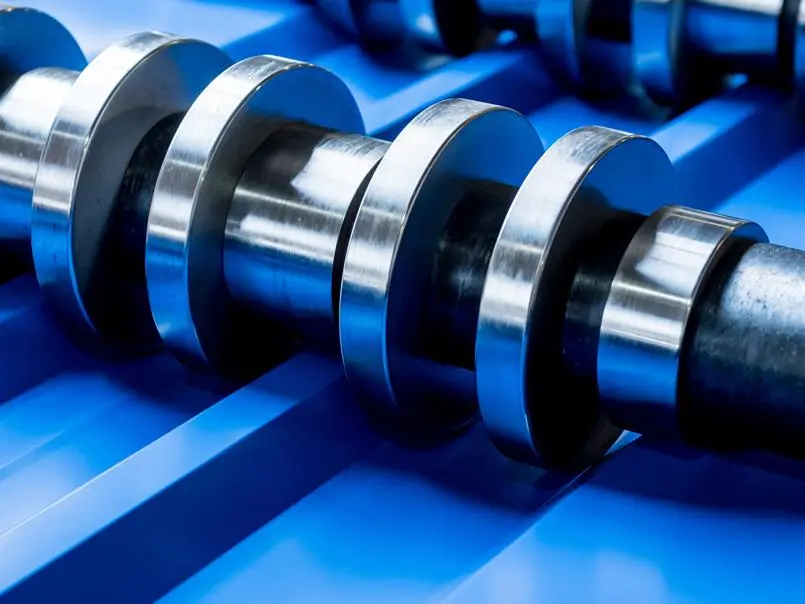
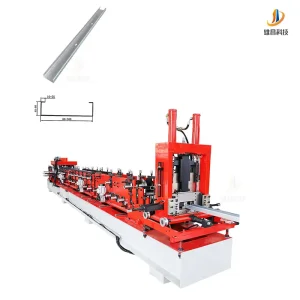
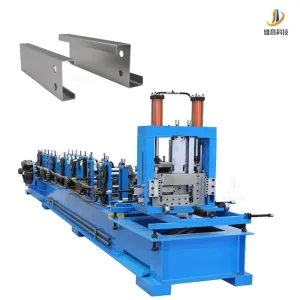
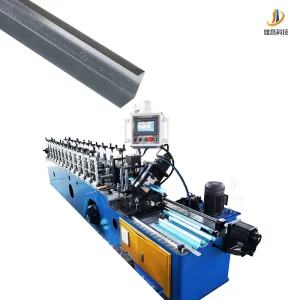
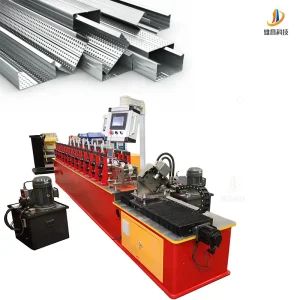
Fully automated C/Z interchangeable purlin machines and high-accuracy light gauge steel stud/track systems. Features fast web-flange adjustment powered by CNC servo actuators.
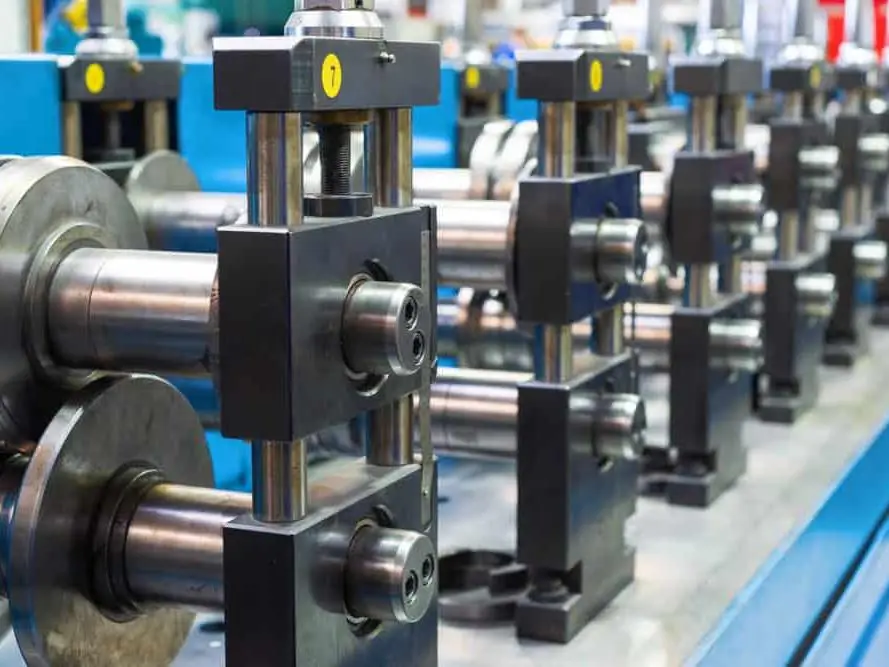
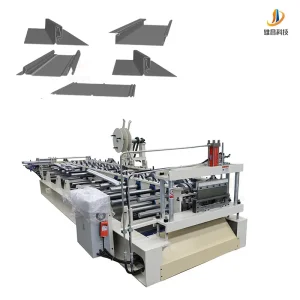
Custom-built gutter forming, door frame processing, and dynamic bending machinery. Engineered with variable-speed drives to eliminate material springback in high-precision architectural trims.
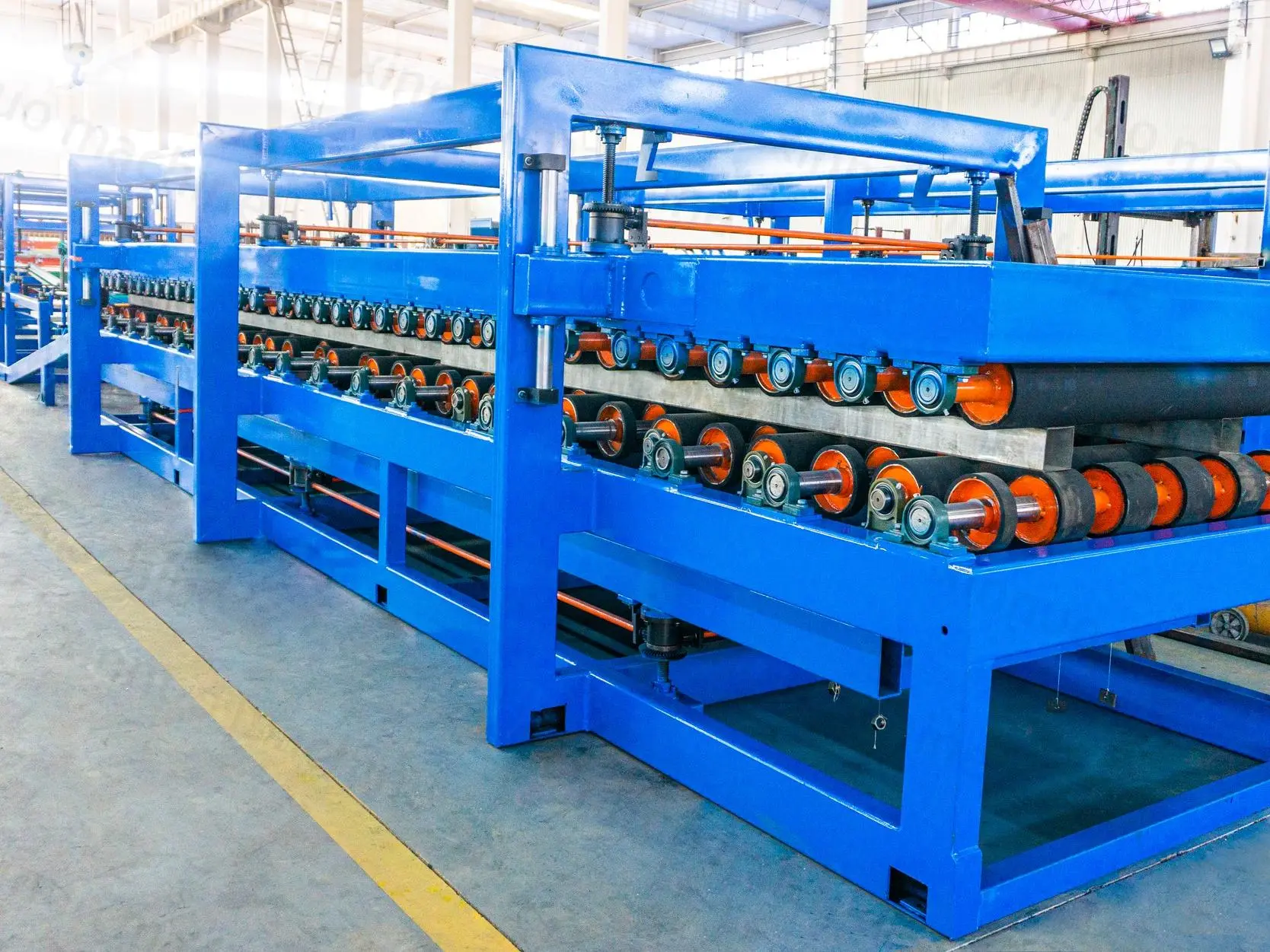
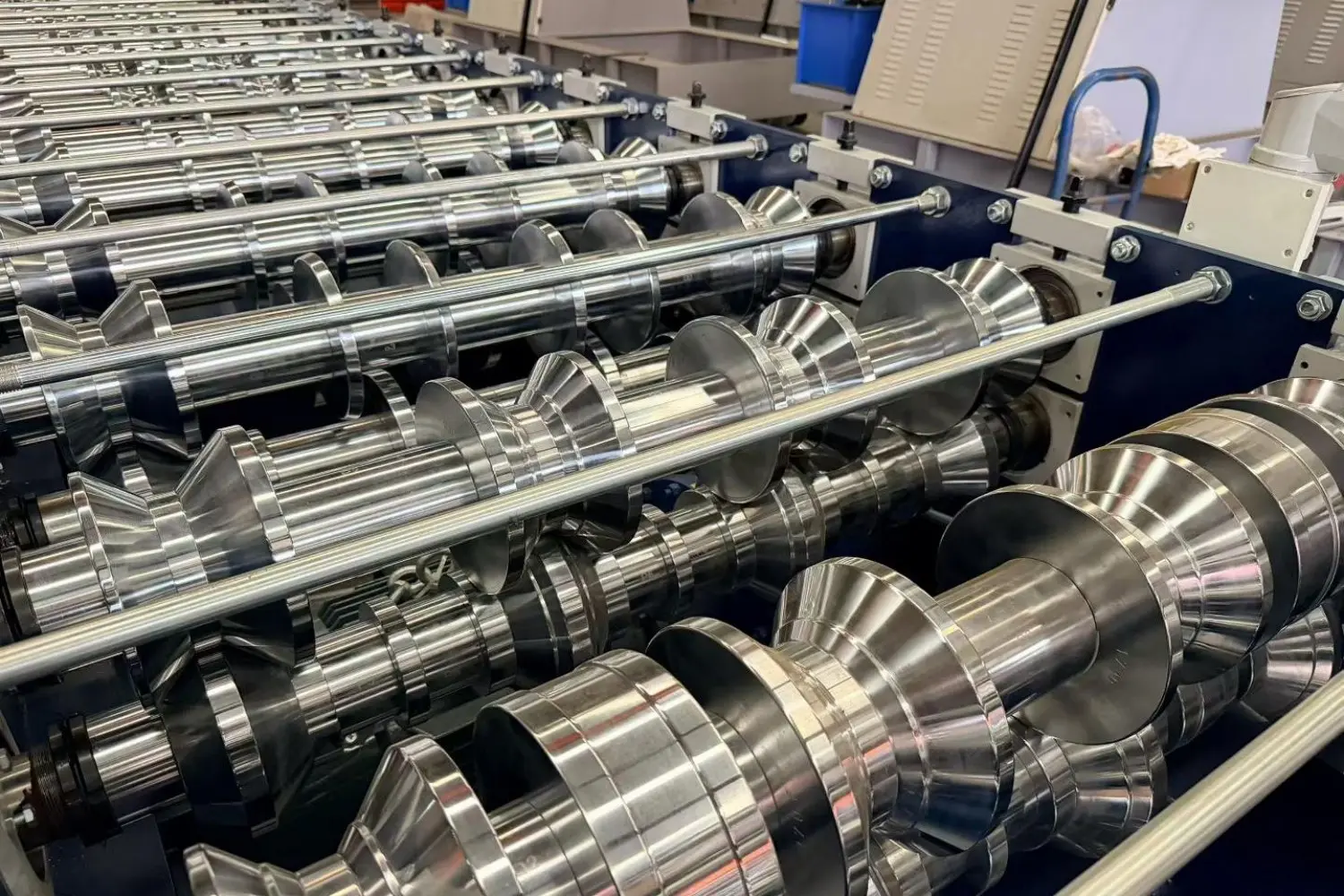
The progression of cold roll forming machines from hydraulic shearing mechanisms to multi-axis synchronized servo motion forms the core of modern metal processing technology. High-speed, high-density industrial control architectures demand seamless data synchronization across multiple shafts.
Replacement of independent PLC control loops with real-time fieldbus communications (e.g., EtherCAT). This guarantees sub-millisecond response times, enabling synchronous speed compensation during coil feeding, punching, profiling, and flying cut-off operations.
Developing fully automated changeover stations where servo actuators dynamically change roll pass clearance based on input coil thickness and yield strength profiles, eliminating manual shim adjustments.
Integration of laser-profile sensors post-forming. The system captures real-time springback deviation and feeds this data back to active roll tooling stations, which dynamically adjust position to output zero-defect profiles.
At XC, precision is verified through data. Every roll forming system undergoes a battery of quality verification tests before shipment. We utilize high-precision coordinate measuring machines (CMM) and laser trackers to check the alignment tolerances of roll shafts, bearings, and structural frames down to the micron level.
Our quality management workflow encompasses raw material analysis, heat treatment monitoring (e.g., vacuum hardening of rollers to HRC 58-62), assembly alignment, and extensive material trial runs. Every machine is tested under full production load using the client's specified coils to verify profile dimensional tolerances, surface finish quality, and maximum production speed consistency.
We provide full-lifecycle operational assistance. From custom mechanical engineering and roll tooling flower design simulation (utilizing COPRA software) to site installation, commissioning, and staff training. Our globally distributed support team ensures maximum uptime, providing remote diagnostics and fast spare parts delivery.
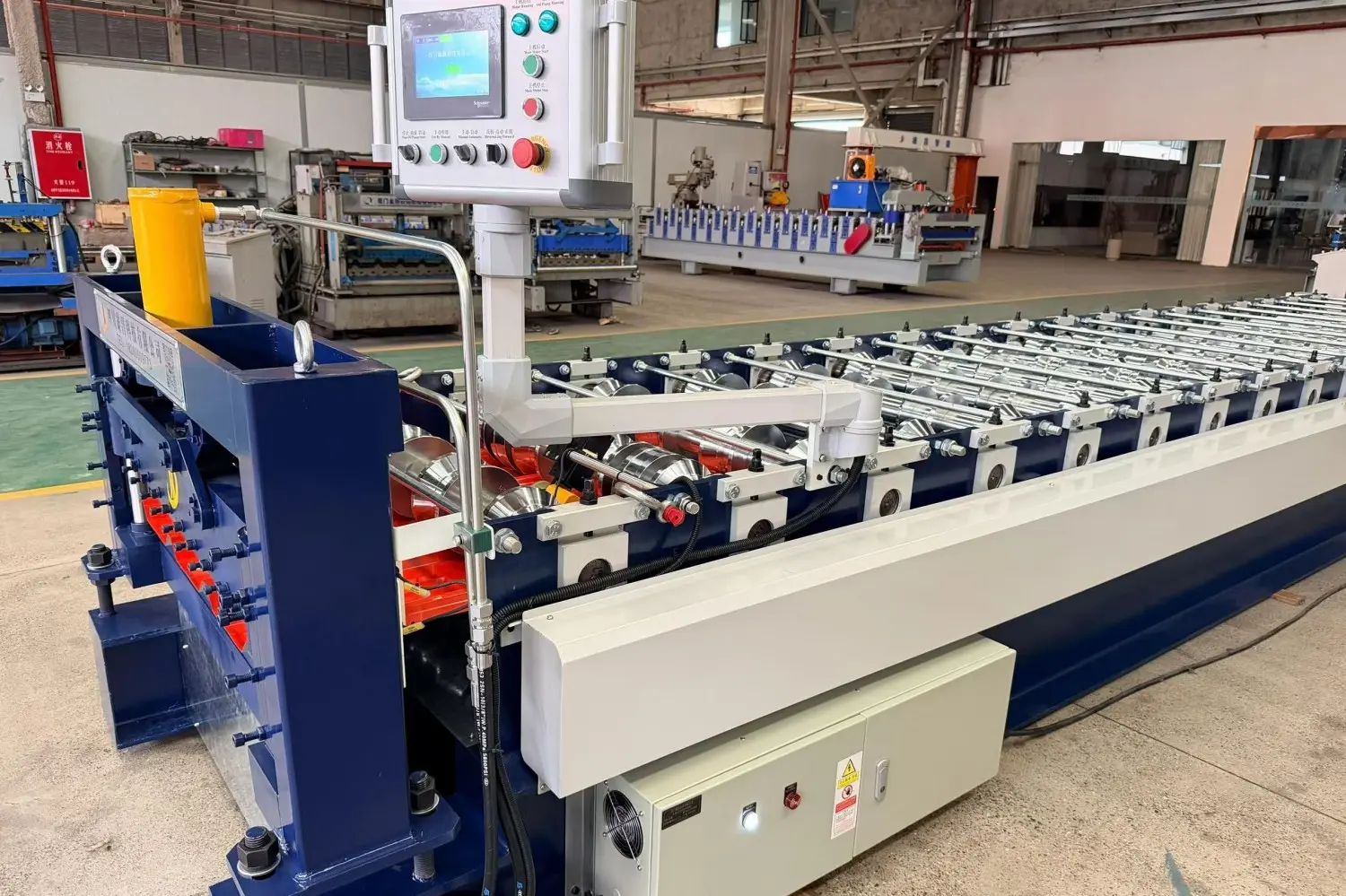
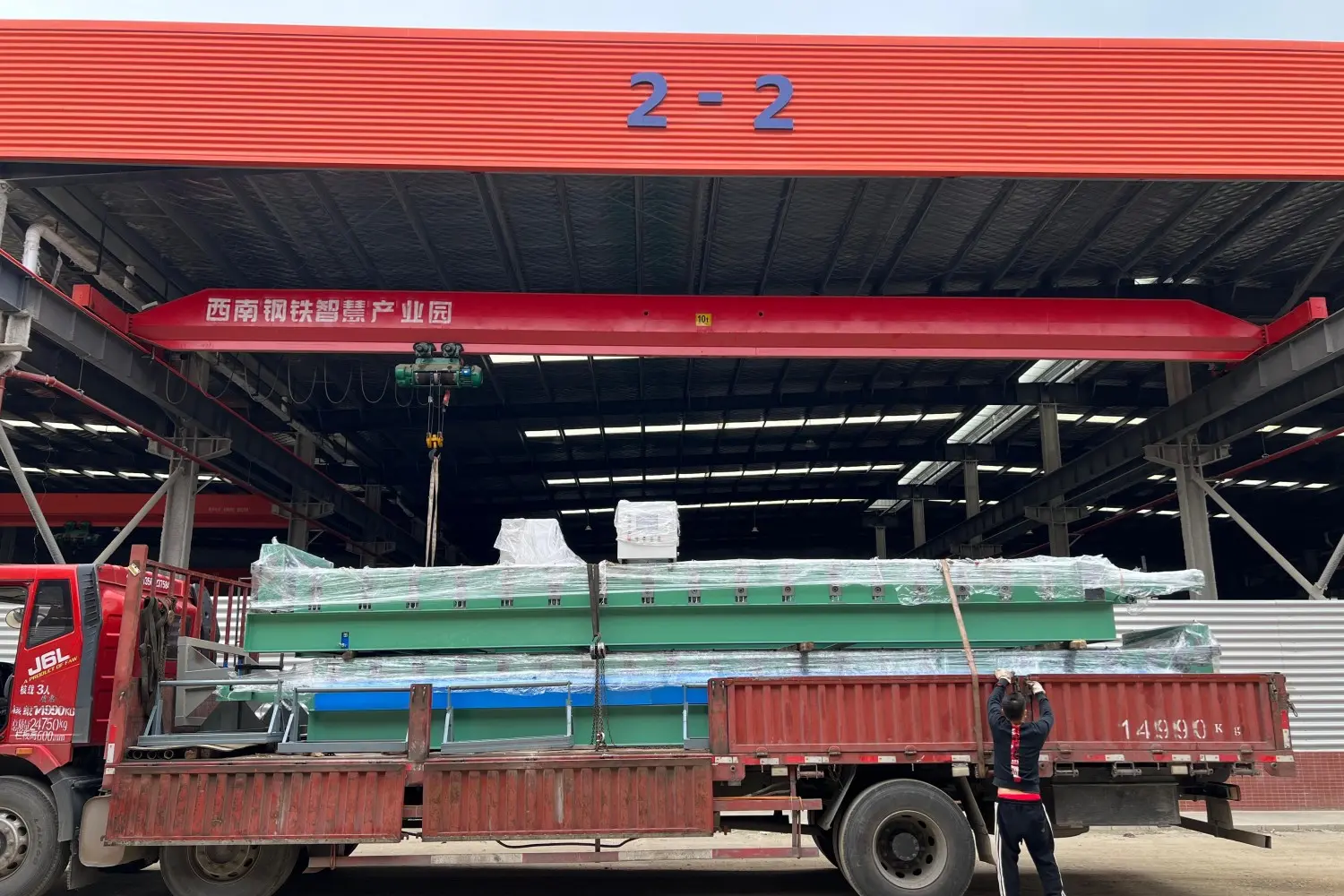
Tailoring high-performance roll forming automation lines to specific vertical market needs across the globe.
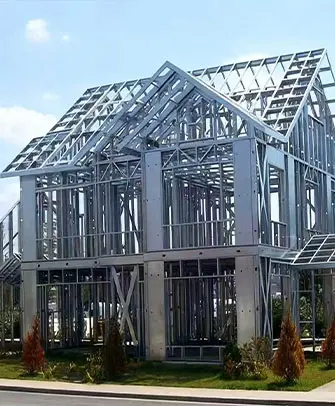
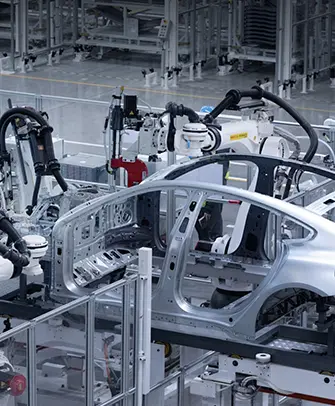



In cold roll forming, sheet metal is incrementally bent along a linear axis using successive pairs of contoured rolls. However, mechanical limitations in conventional roll formers often lead to structural issues such as end-flare, twist, bow, and camber. These issues arise from variations in material yield strength and uneven strain distribution across the profile width during high-speed passes.
Servo-driven systems solve these issues by introducing independent torque control and precise velocity adjustments for each individual forming stand. Below is a comparison between traditional systems and advanced servo-driven technologies:
| Performance Metric | Traditional Mechanical/Hydraulic System | XC High-Precision Servo-Driven Line |
|---|---|---|
| Profile Accuracy | ±1.5mm to ±2.0mm; subject to mechanical drift. | ±0.2mm to ±0.5mm; stabilized by closed-loop feedback. |
| Changeover Duration | Manual changeover: 2 to 6 hours. | Fully automated CNC recipe change: < 5 minutes. |
| Bending Control | Fixed roll passes, high risk of micro-cracks in hard steels. | Dynamic speed compensation prevents local thinning. |
| Energy Efficiency | Continuous running hydraulic pump (low efficiency). | Power-on-demand servo control (30% - 45% energy savings). |
A major design challenge in high-speed roll forming lines is the flying shear mechanism. Conventional pneumatic or hydraulic cutters require physical stop limits or low-precision encoder wheels, which can cause section crushing and high scrap rates during start/stop cycles.
XC's servo-driven flying shear system uses a high-performance motion controller to synchronize the cutting die's speed with the forming speed of the metal profile. The controller calculates the exact position profile, accelerating the cutting carriage to match the material's speed, shearing the profile cleanly, and returning the carriage to its home position. This technique ensures clean, burr-free cuts, eliminates deformation at the profile ends, and prevents scrap generation.
Technical explanations to help procurement and engineering teams make informed decisions.
Engineered to produce building envelope panels, metal roof decks, and structural wall framing profiles with high dimensional accuracy.
 Xiongchang