High-Precision Cold Roll Forming Systems, Structural Metal Fabrication Lines, and Custom Building Envelope Technologies Engineered for Global Heavy Industries.
Engineered to deliver tight tolerances, extreme durability, and seamless automation for construction, framing, and metal sheet profiling industries.
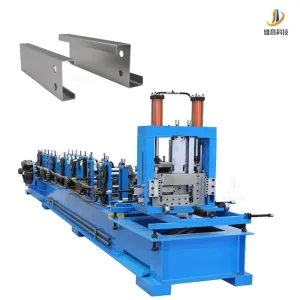
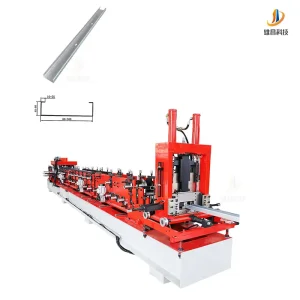
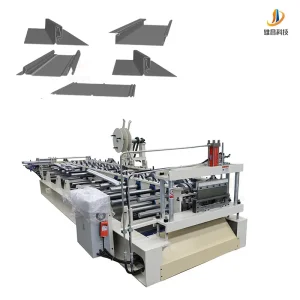
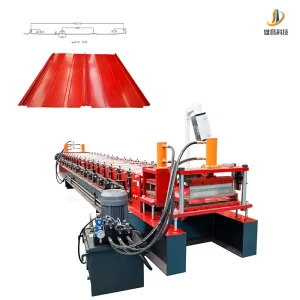
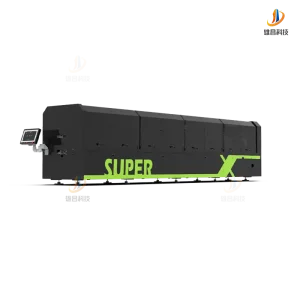
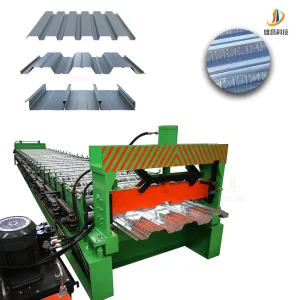
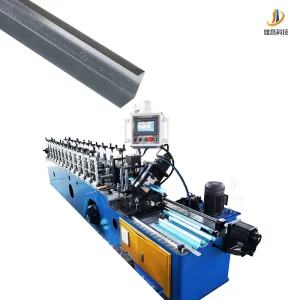
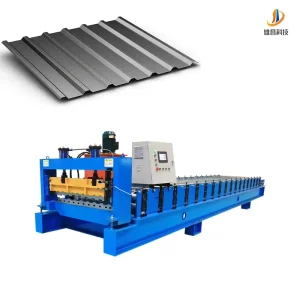
Cold roll forming represents one of the most cost-efficient and structurally sound methods of processing sheet metal into uniform profiles. Across the globe, sectors such as modern infrastructure development, massive logistics hubs, renewable energy arrays, and precision automotive manufacturing rely heavily on customized profile roll forming equipment. As construction timelines tighten and green building compliance standards like LEED rise, the demand for precise structural profiles has skyrocketed.
Historically dominated by high-overhead European and American toolmakers, the roll forming sector has undergone a massive geographic transition. Today, the global landscape requires machinery that balances extreme longevity, advanced automation (such as IoT connectivity, remote telemetry, and quick-change tooling), and rapid lead-time execution. In this macro-economic environment, modern manufacturing facilities in China have transitioned from simple machinery replicators to pioneering global design houses, engineering systems capable of forming high-tensile steel up to 800 MPa with sub-millimeter tolerances.
The efficiency advantages offered by top-tier Chinese roll forming factories are rooted in a combination of localized metallurgy clusters, vertically integrated design ecosystems, and significant capital investments in automated CNC manufacturing. Rather than outsourcing components, leading Chinese suppliers handle everything from design modeling, FEA (Finite Element Analysis) stresses, roller tooling machining, heat treatment, to PLC programming in-house.
For international buyers, procuring from a qualified Chinese factory provides several distinct advantages:
As an established global expert in the metal forming field, XC (XiongChang) provides comprehensively integrated cold roll forming systems. Our vast product portfolio encompasses the core production lines for roofing panels, composite floor decks, metal door frame moldings, and complex structural wall framing systems, alongside the vital auxiliary decoiling, punching, and stacking lines necessary for high-volume automated manufacturing.
For over two decades, XC has positioned itself at the cutting edge of metallurgy, automation, and structural engineering. By utilizing state-of-the-art tooling software and highly precise CNC machining platforms, we ensure that every roller station is heat-treated and ground to perfect specifications, offering our clients systems that can produce millions of linear meters without physical degradation.
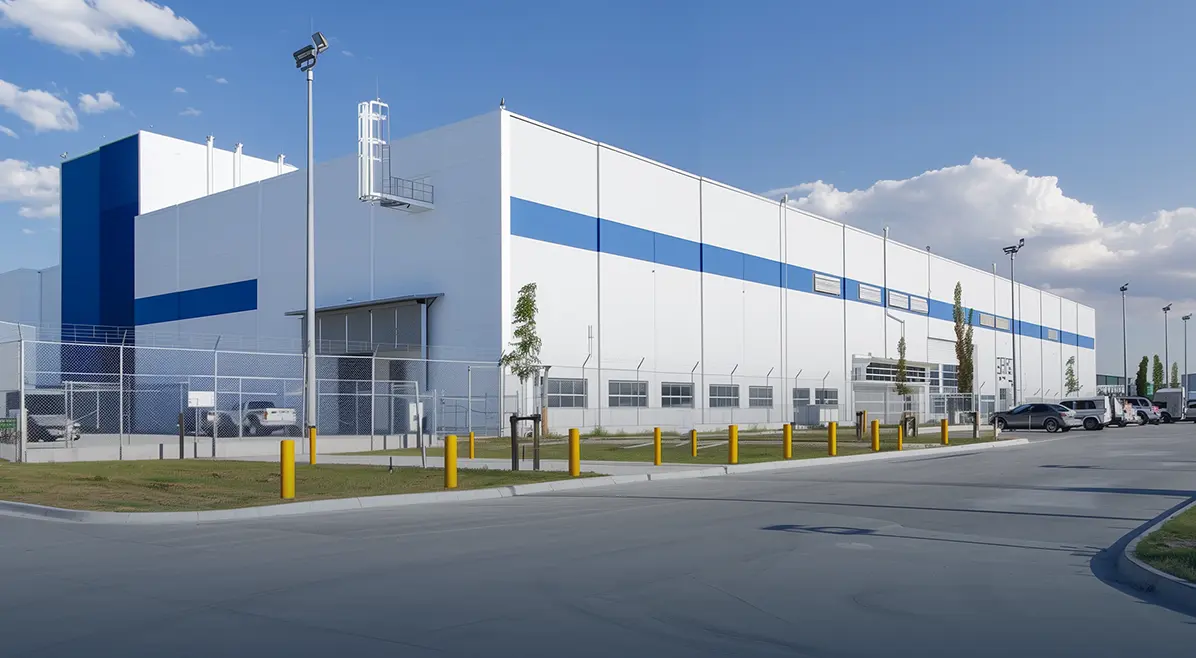
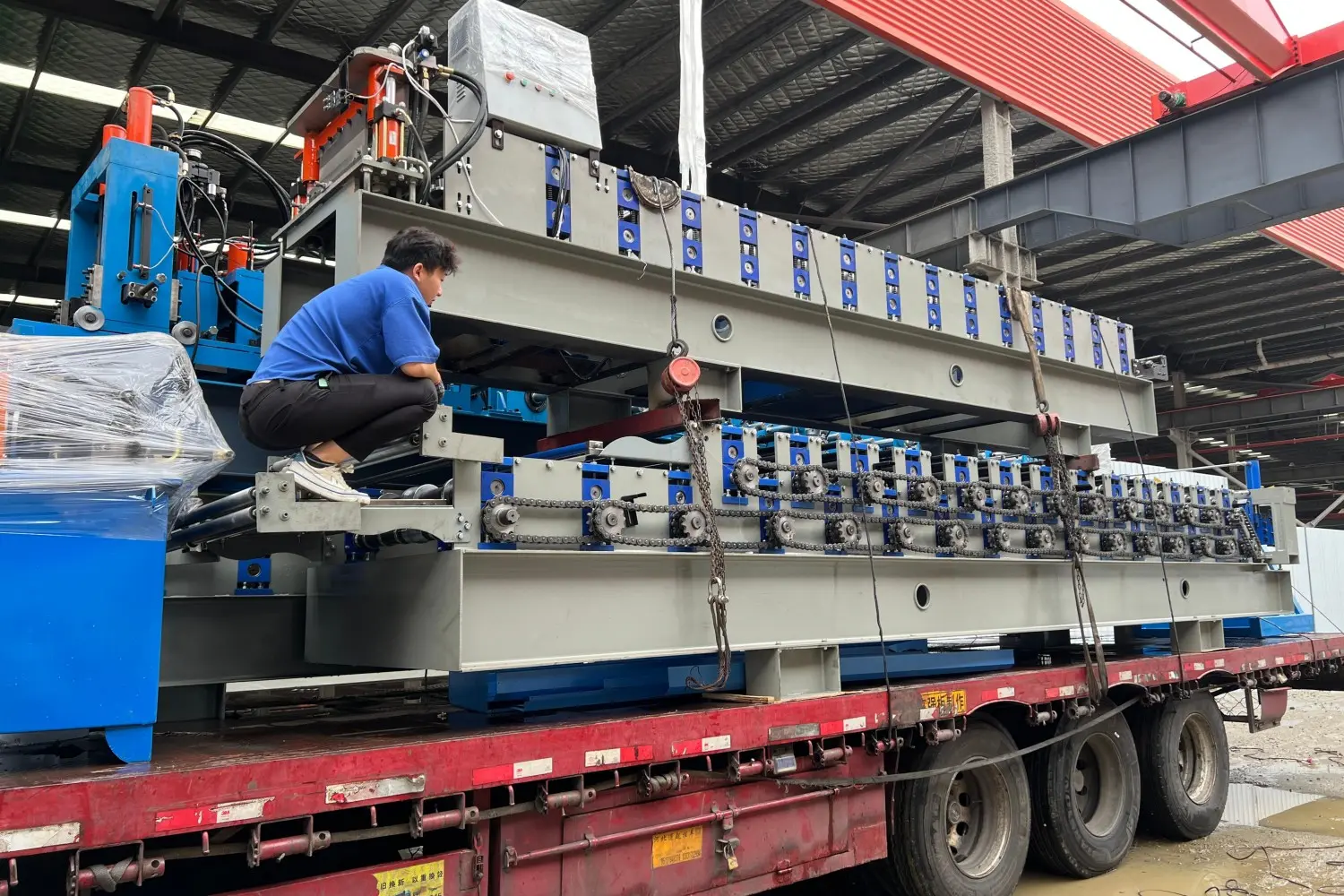
Our commitment to excellence is supported by a robust technical force and industrial equipment assets. Our design processes employ advanced finite-element simulations to calculate stress profiles, preventing oil-canning and edge-wave defects common in subpar roll forming machinery. We utilize multiple axis CNC machining centers to shape roller dies from premium Cr12Mov or GCr15 tool steel, followed by rigorous vacuum hardening and chrome plating processes.
By integrating automation across our production lines, we ensure high speed and precision. Every line features high-performance Siemens, Mitsubishi, or Delta PLC systems with intuitive multi-language HMI screens. These systems allow operators to set length tolerances within ±1mm at linear operating speeds ranging from 15m/min to over 60m/min.
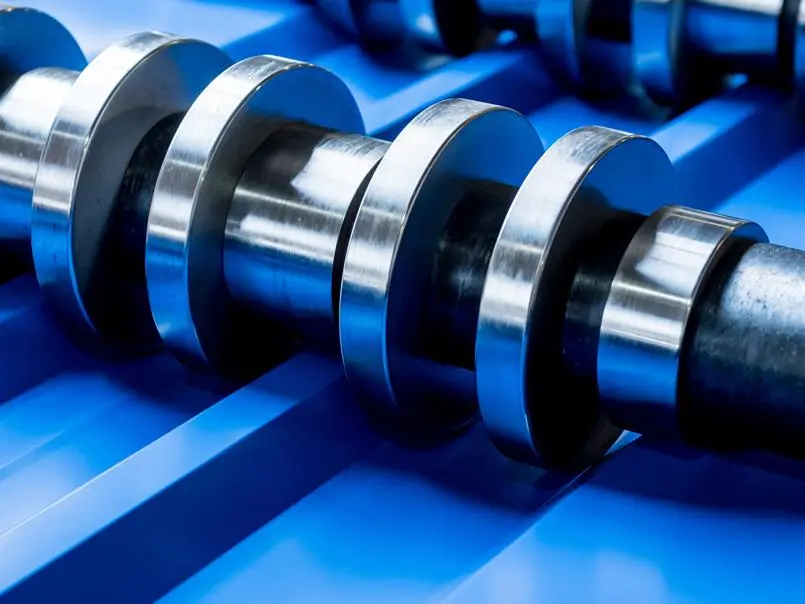
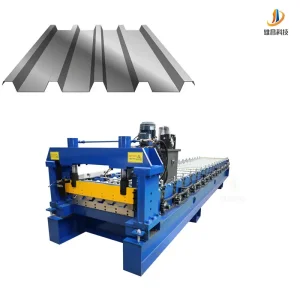
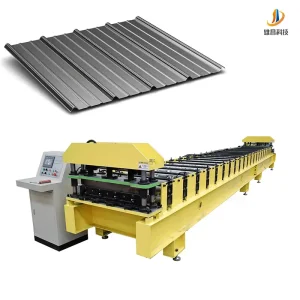
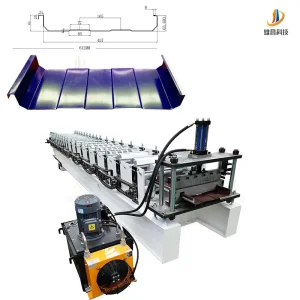
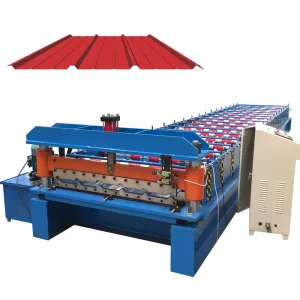
High-performance standing seam, tile, rib, and floor deck forming systems that secure residential, commercial, and industrial facilities.
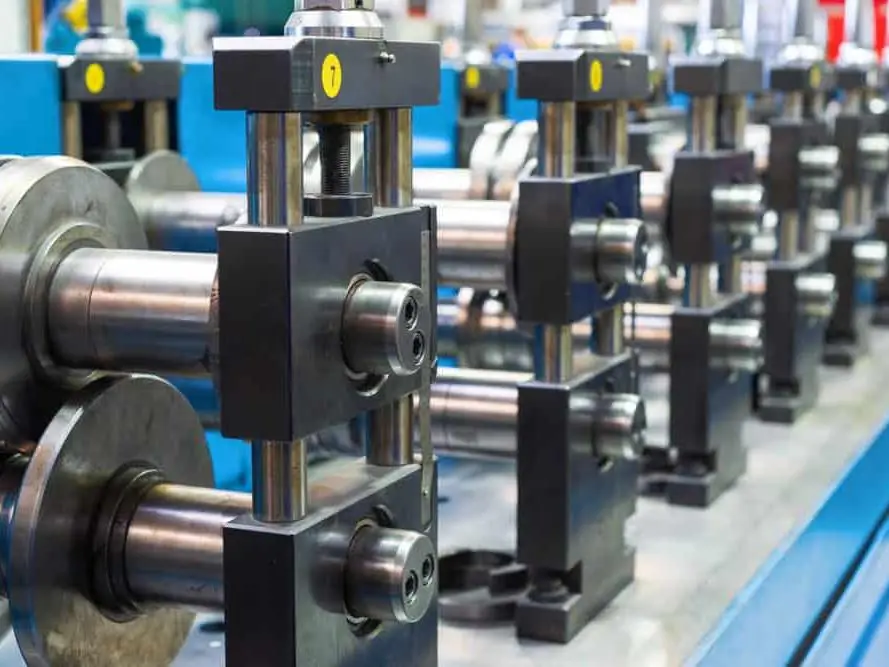
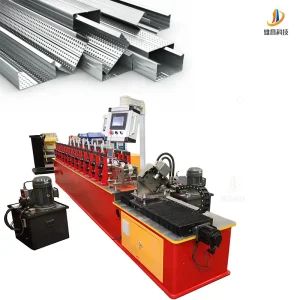
Heavy-gauge C/Z purlin machinery and light gauge steel (LGS) framing solutions with integrated punching and shearing stations.
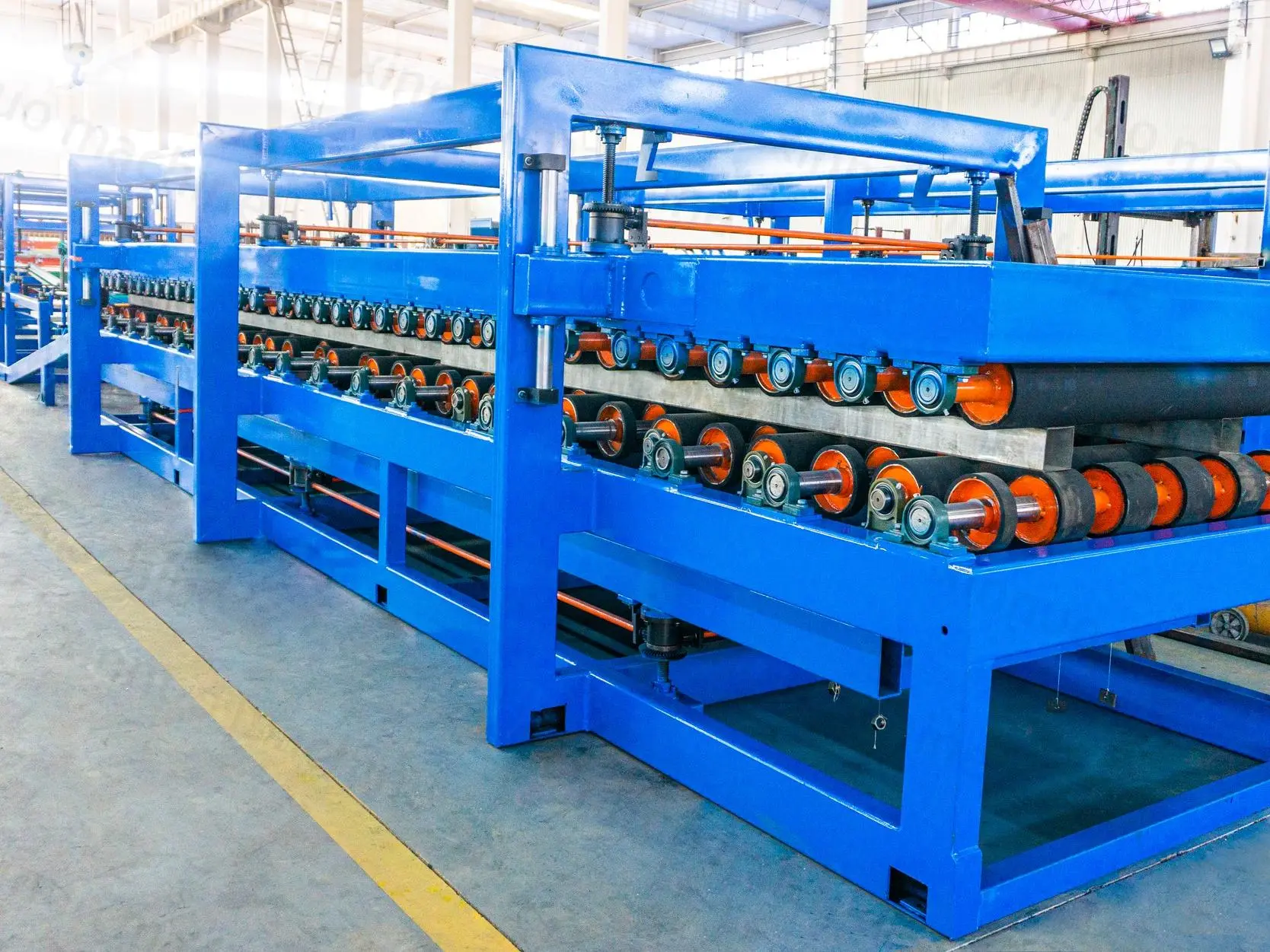
Advanced door frame profiles, high-precision drainage gutter formers, and complex customized geometric profiles.
At XC (XiongChang), our quality systems are designed to guarantee precision. We maintain a state-of-the-art metrology department containing hardness testers, laser alignment tools, and ultrasonic testing equipment to examine both metallurgical properties and structural tolerances. Before any line is authorized for shipment, it undergoes a simulated test run using the client's material to verify that profile shapes, punching sequences, and cut accuracy conform to the engineering design.
Our commitment extends beyond manufacturing. XC provides end-to-end support services, including:
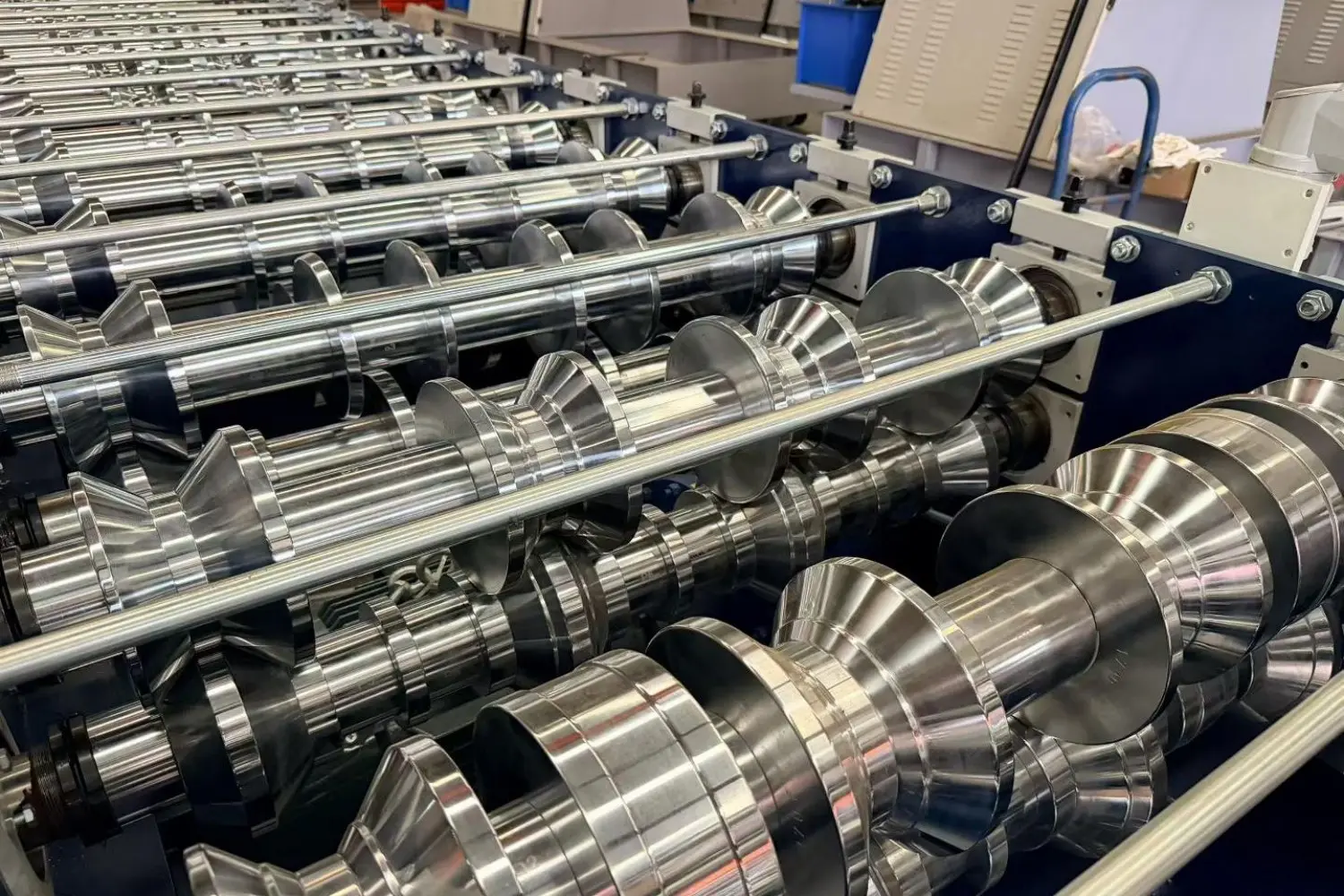
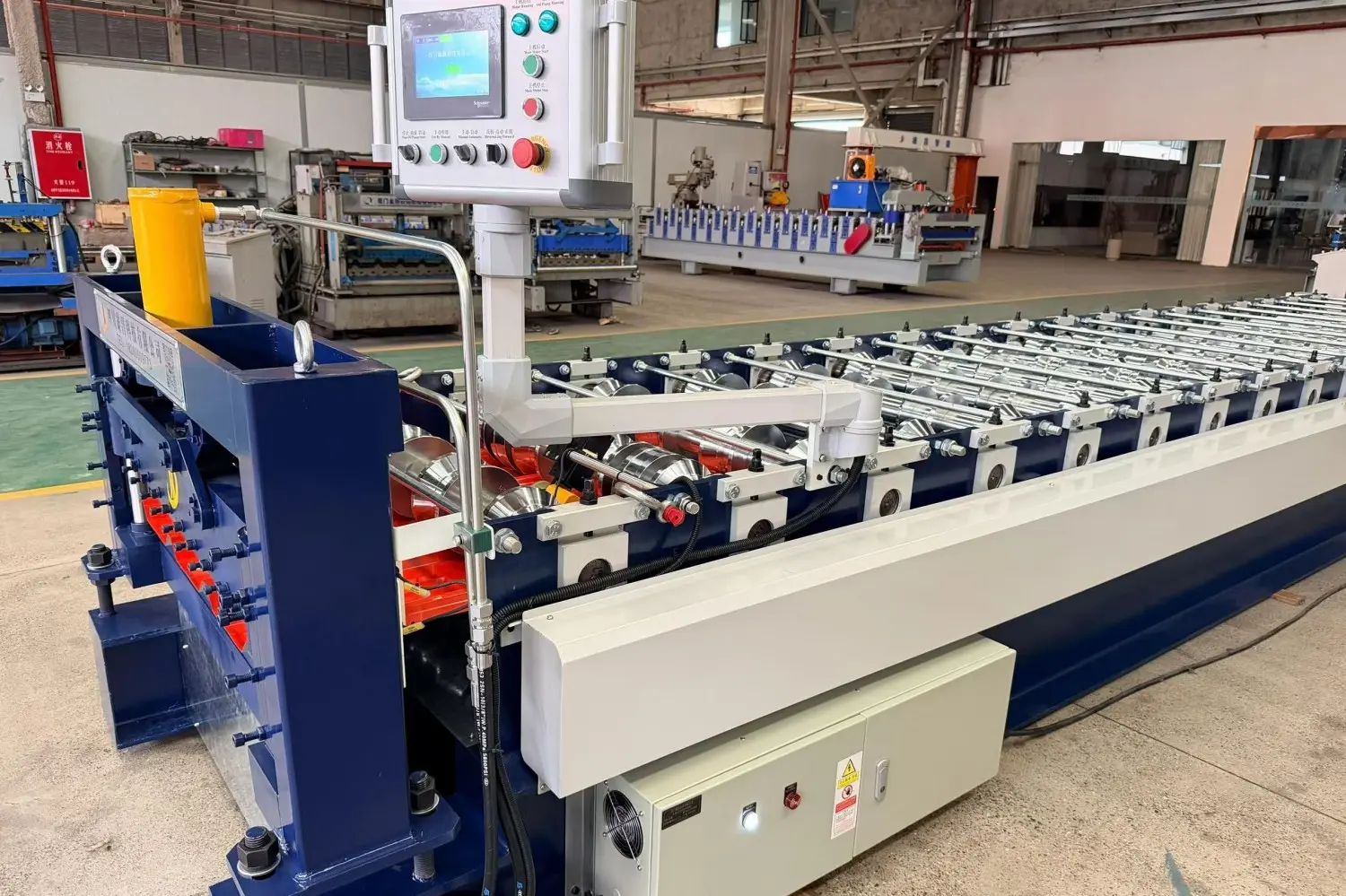
Cold roll formed steel profiles serve as structural backbones across multiple industries. The versatility of these profiles allows them to satisfy strict load-bearing and geometric demands in unique environments:
From massive airport terminals to metropolitan rail stations, the building envelope demands lightweight, high-strength panel systems. Standing seam roof profiles offer thermal movement flexibility and wind-uplift resistance. Meanwhile, composite floor decks act as structural reinforcement in high-rise concrete skyscrapers, eliminating traditional timber formwork and saving months of construction time.
With the global push toward renewable energy, customized profiles are widely used as structural mounting rails for photovoltaic (PV) panel arrays. These profiles must withstand harsh outdoor environments. By using roll forming systems capable of cold-working corrosion-resistant ZAM (Zinc-Aluminum-Magnesium) coated steels, factories supply rails that offer excellent durability without requiring post-forming hot-dip galvanization.
Safety barriers, high-speed rail guardrails, structural bus frames, and commercial vehicle chassis members depend on cold-roll formed elements. The manufacturing of these profiles requires deep forming capabilities with minimal thinning at the corners. This ensures the structural integrity of the steel is maintained, satisfying transportation crash safety standards.
The rise of global e-commerce logistics centers has increased the demand for heavy-duty racking systems. These systems use tall, cold-formed uprights and box beams. The manufacturing process uses integrated high-speed punching stations to create precise slot arrangements along the structural columns, ensuring quick assembly and load-bearing safety.
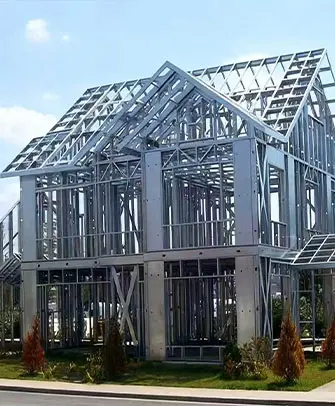

The roll forming industry is transitioning toward digital integration and flexible production systems. The following developments are shaping the next generation of cold roll forming machines:
Traditional interchangeable purlin systems required operators to manually reposition spacers. Next-generation systems feature servo-driven roll stand adjustments. By inputting the target dimensions into the HMI controller, the machine repositioning elements adjust in under a minute, drastically reducing down-time for custom orders.
To maximize speed without causing material distortion, modern lines feature hydraulic flying shear and pre-punching stations mounted on servo rails. These components track the moving metal sheet, executing clean cuts and punch-outs at full speed, eliminating start-stop lag and optimizing output.
By fitting temperature and vibration sensors to roller shafts and hydraulic pumps, modern roll forming equipment feeds live operational data back to centralized cloud platforms. Machine learning algorithms analyze this data to predict tool wear, prevent unexpected downtime, and schedule maintenance before profile defects occur.
Purchasing capital equipment requires balancing technical specifications, long-term operating costs, and after-sales support. Consider the following criteria when selecting a roll forming partner:
The service life of your machine depends on the quality of its roller dies. Ensure the manufacturer uses GCr15 or Cr12MoV tool steel treated with vacuum hardening (HRC 58-62) and chrome plating to prevent premature wear when processing abrasive galvanized or pre-painted coils.
High-tensile forming requires robust support. Opt for heavy-duty welded H-beam steel bases rather than thin plate-metal variants, and specify cast-iron archways or solid steel upright plates to prevent structural flexing under load.
To simplify maintenance, insist on globally recognized electrical and hydraulic components. Brands like Siemens, Schneider, Mitsubishi, Omron, and Yuken ensure your local maintenance teams can source replacement components easily.
Expert technical answers regarding profile roll forming engineering, tolerances, commissioning, and operational troubleshooting.
Engineered to produce structural deckings, custom wall framing studs, and standing seam roof systems with consistent quality.
 Xiongchang