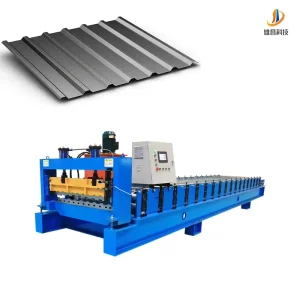
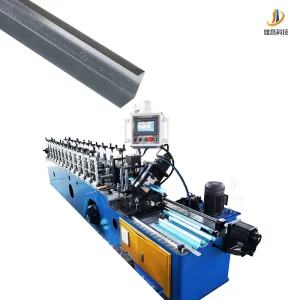
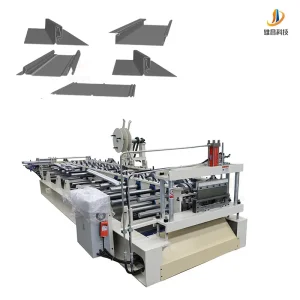
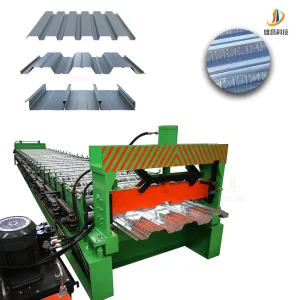
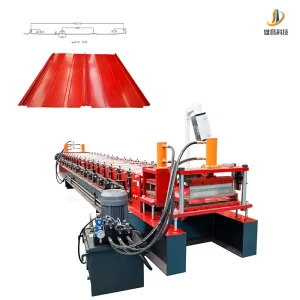
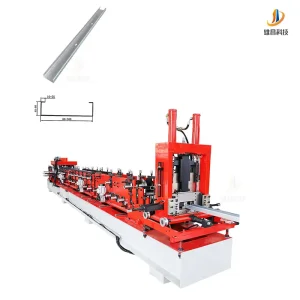
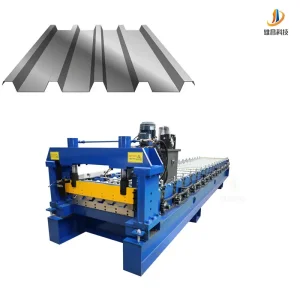
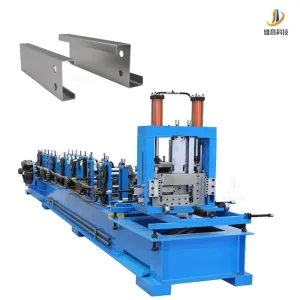
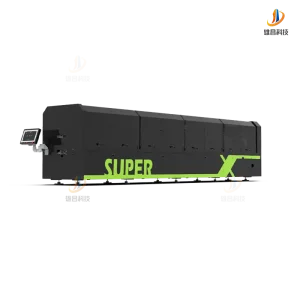
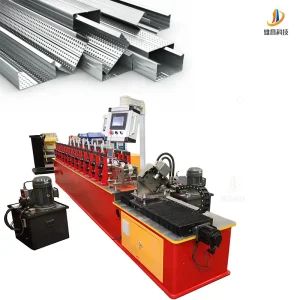
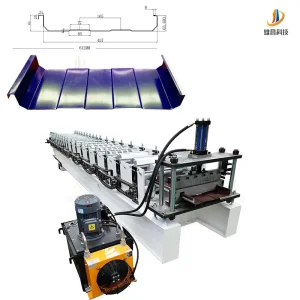
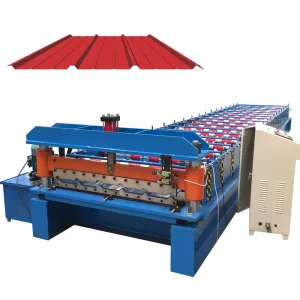
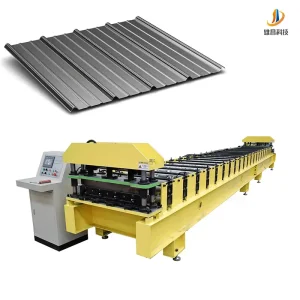
Understanding the technology behind Prepainted Galvanized Iron (PPGI) Roofing Sheet roll forming and why structural reliability matters.
Prepainted Galvanized Iron (PPGI) roofing sheet production requires specialized machinery engineered to preserve the surface coating of pre-painted steel while achieving strict geometric tolerances. As industrial and commercial infrastructures expand globally, the demand for high-durability, anti-corrosive building envelopes has made cold roll forming a critical link in the metal fabrication supply chain.
Our heavy-duty roll forming systems are designed using progressive profile deformation methodology. This eliminates structural micro-fractures in the zinc and paint layers, guaranteeing that the end-products retain their aesthetic finish and structural integrity for decades. From simple wave corrugated profiles to high-rib IBR and advanced standing seam systems, our machinery accommodates varying yield strengths (ranging from G300 up to G550 high-tensile steel) and complex coating compositions (PE, PVDF, HDP, and SMP).
INTEGRATED ROLL FORMING SPECIALIST
As an established expert in the field, XC (Xiongchang) provides integrated roll forming solutions. Our portfolio encompasses core production machines for roofing, flooring, doors, and structural components, as well as the complete auxiliary line equipment essential for efficient operation.
Our infrastructure supports end-to-end processing, from customized CAD engineering design to high-precision CNC machining of components. By maintaining control over every phase of manufacturing, we ensure that each assembly delivers reliability, safety, and productivity under rigorous industrial environments.
Pioneering metal-forming innovation through industrial manufacturing and automated infrastructure.
We get a specialized team of technical personnel and engineers, they are committed to delivering superior products and solutions for our valued customers. Our substantial investment in state-of-the-art, automated production lines ensures manufacturing precision and consistency, forming the foundation of our product excellence.
With our dedication on a robust technical force and advanced industrial equipment, We XC aimed to provide integrated and automated systems across our production, to fulfill diverse industrial requirements, try our best in guaranteeing the highest standards of quality and performance in every machine we build.
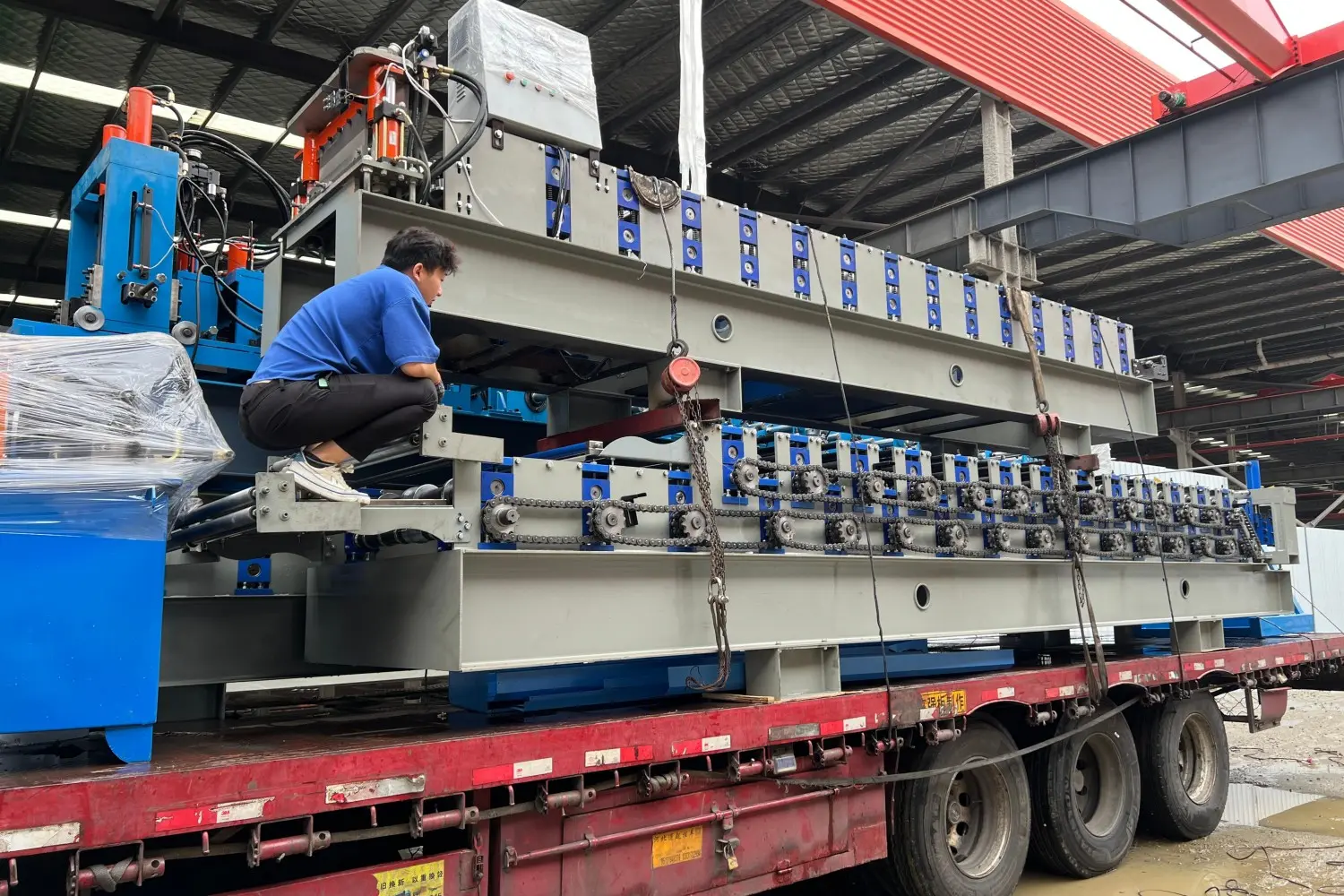
Complete lines for high-speed production of Roof Panels, Wall Panels, and Floor Deck Roll Forming Machines with advanced post-cut setups.
Flexible profiling solutions including C/Z Purlin Roll Forming Machines and Stud & Track Roll Forming Machines with automated size changes.
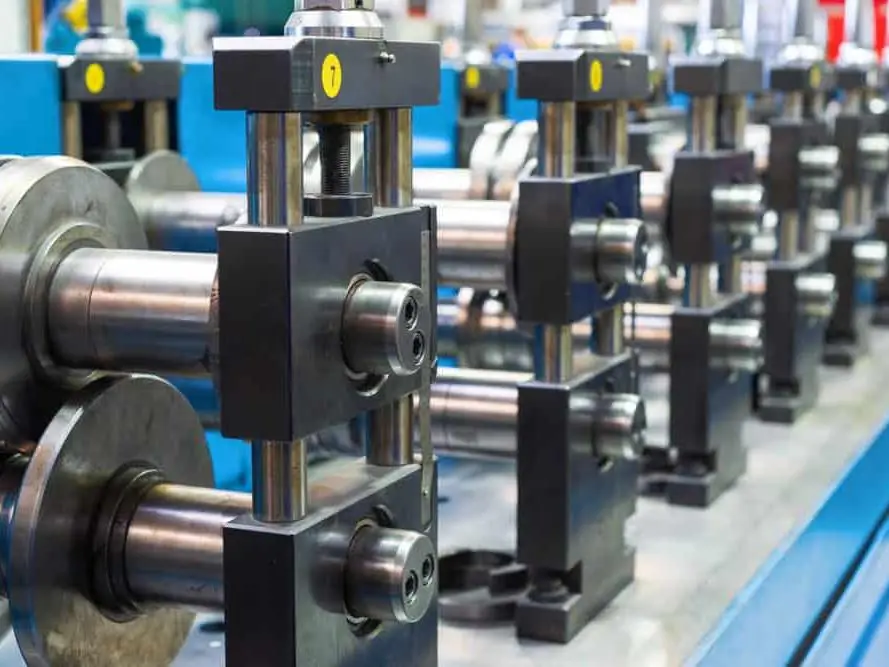
Niche custom profiling systems such as Gutter Roll Forming Machines, Door Frame profiles, and high-strength metal components.
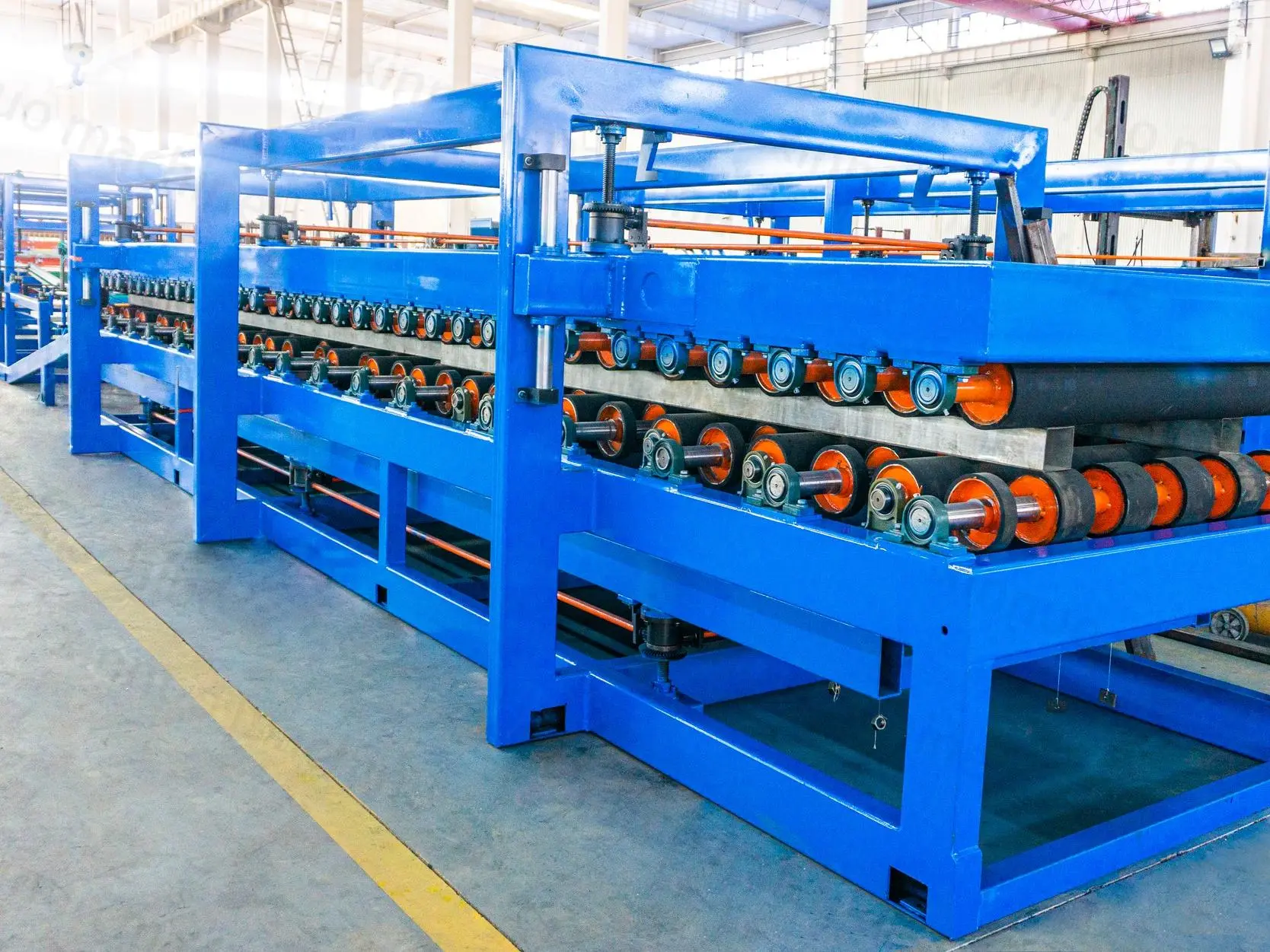
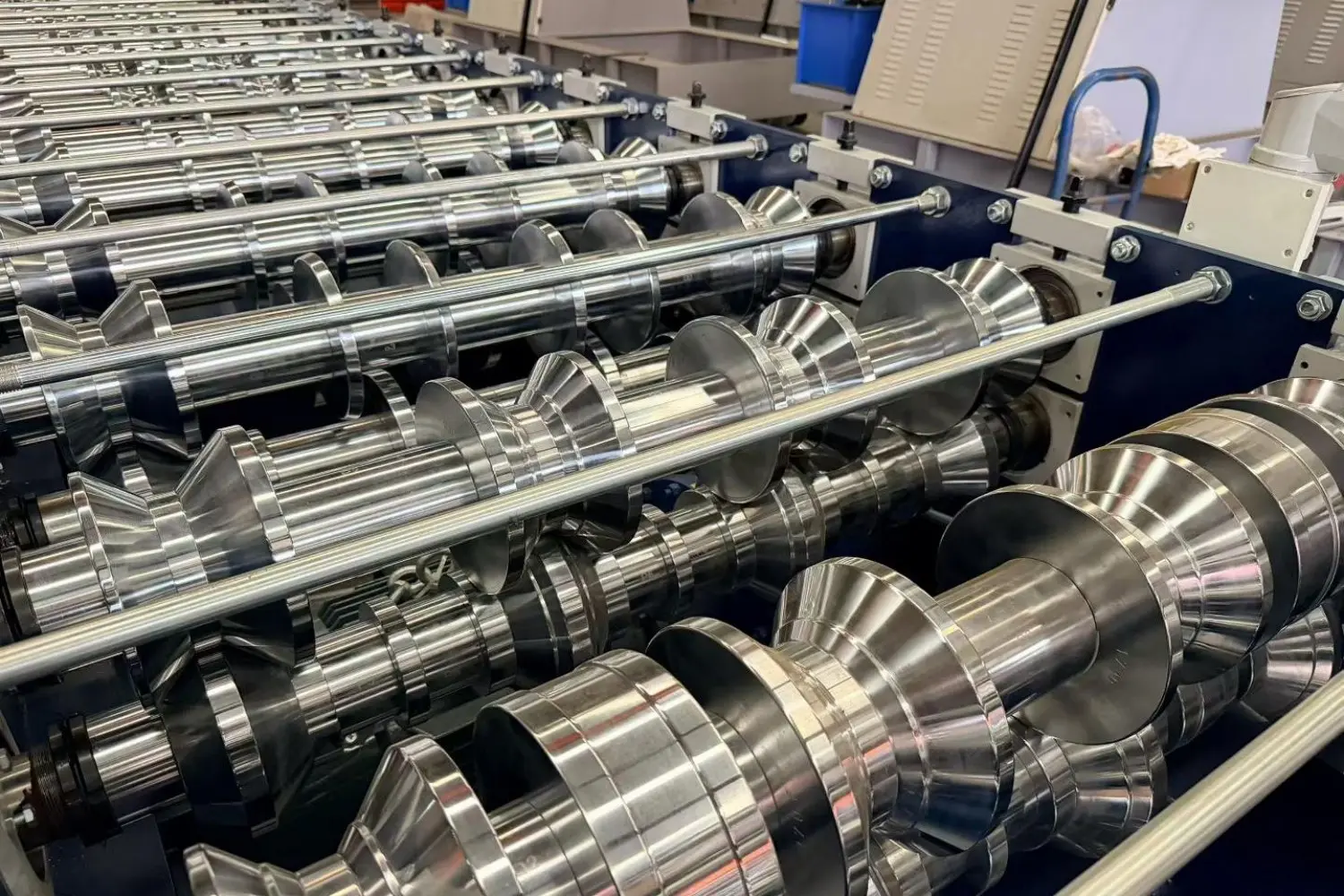
XC has a complete suite of detection and testing instruments, to rigorously verify product strength, durability, and reliability. We adhere to strict, standardized quality control protocols throughout the manufacturing process, ensuring all output consistently meets specified customer specifications.
Our quality checks encompass ultrasonic shaft flaw detection, high-accuracy coordinate dimension checks for rollers, and rigorous endurance trials running at full load before delivery. This level of quality verification guarantees seamless on-site commissioning, minimizing downtime at client production facilities.
From design to installation, XC provides comprehensive lifecycle support. We offer professional installation, commissioning, and operational training to ensure optimal setup and productivity. Our dedicated after-sales support team delivers ongoing technical assistance and maintenance services, helping customers achieve sustained, peak operational performance.
We provide structural CAD drafts, roll pass simulations using specialized design software, operational tool kits, and spare parts supply contracts to safeguard our clients' long-term return on investment.
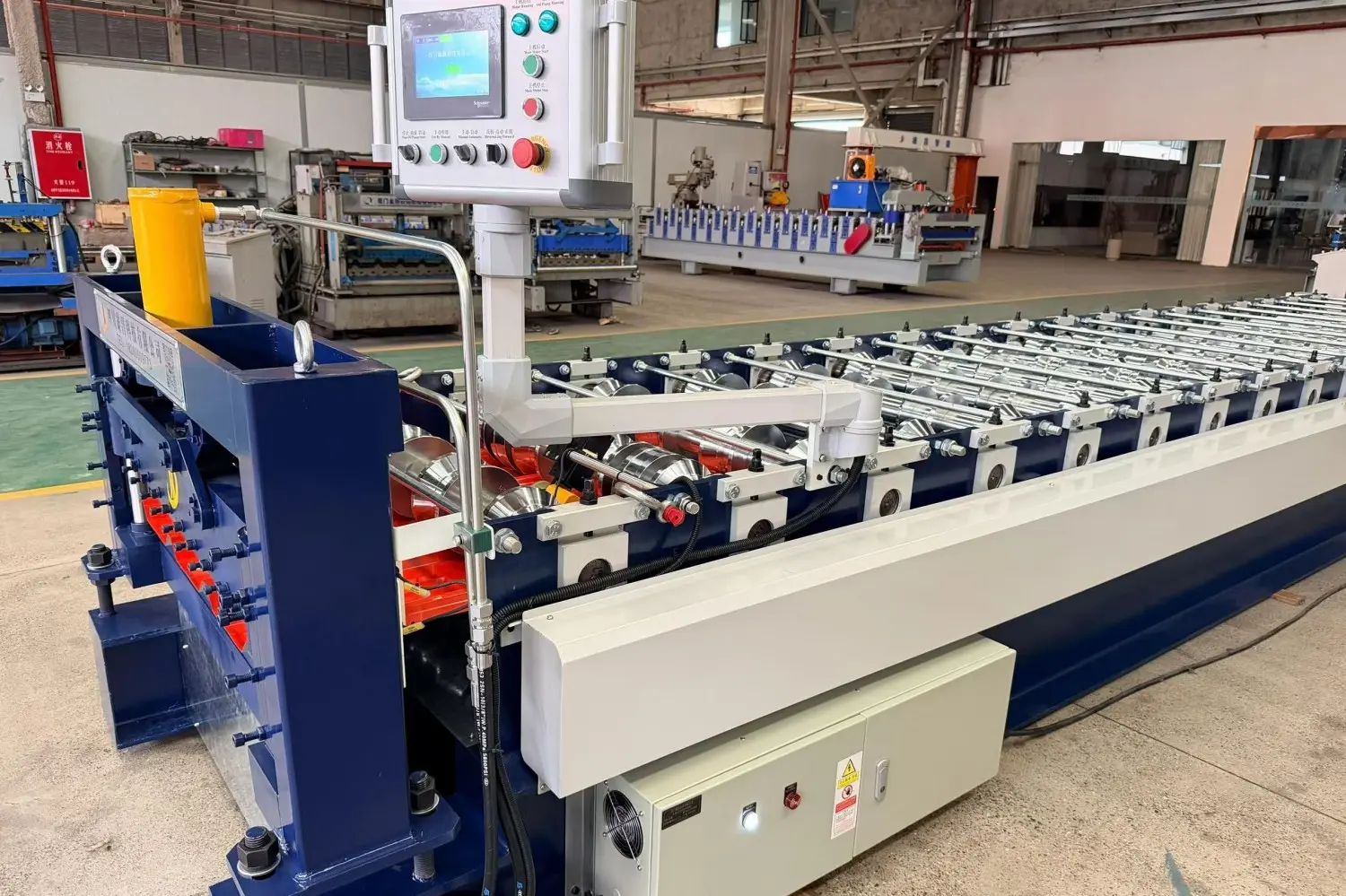
The technological shifts reshaping sheet metal profiling efficiency, surface protection, and high-tensile coil management.
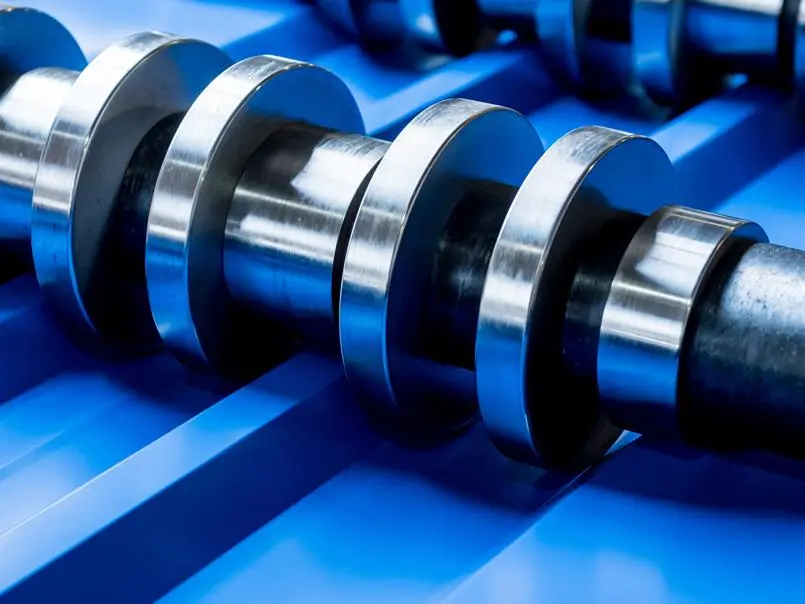
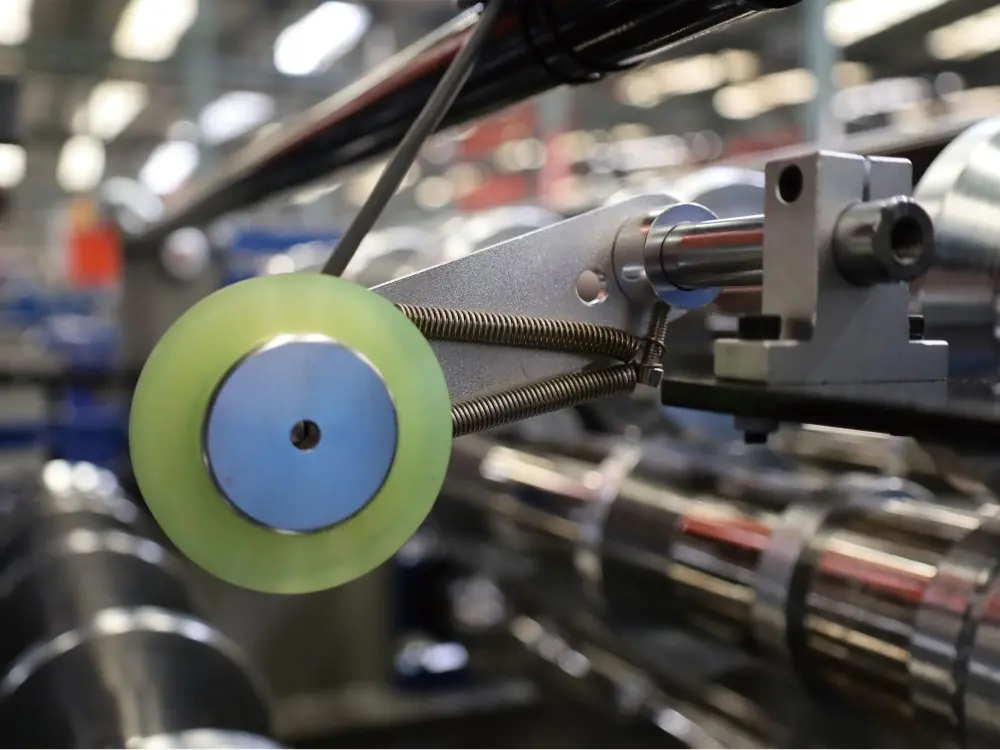
Modern architectural projects demand high-grade PPGI with scratch-free surfaces. Leading manufacturers implement specialized hard-chromium plated rollers (with thickness exceeding 0.05mm) or elastomeric polyurethane rollers. These rollers form protective layers on organic coatings, preventing micro-scratches that could lead to early oxidation.
With changing client demands for corrugated, IBR, and tile roof patterns, tooling changes can stall operations. The trend is moving toward modular cassette systems. These systems allow operators to change complete profiling roll sets in under 30 minutes, compared to traditional setups that took days.
To reduce overall construction weight, projects are moving toward G550 high-tensile prepainted galvanized coils. These require robust frame structures, high-torque gearboxes, and precise roll pass profiles to handle elastic springback without compromising precision.
Key technical criteria for procurement managers and engineering leads to evaluate when sourcing metal forming assets from China.
Procuring a roll forming machine involves evaluating its Total Cost of Ownership (TCO) over a 15-year operational lifecycle rather than just the initial capital expenditure. Sourcing managers must focus on the following key metrics to ensure operational performance:
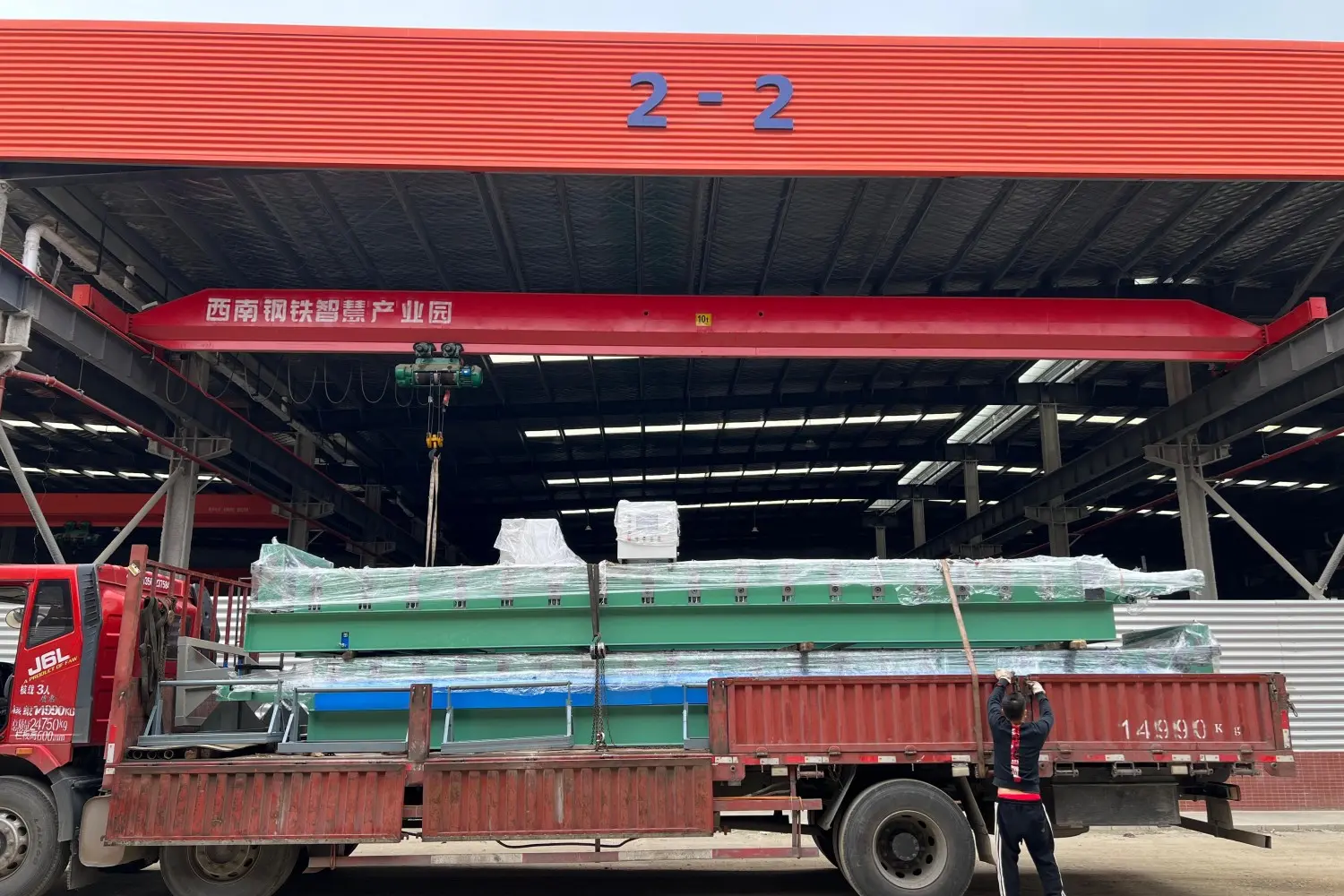
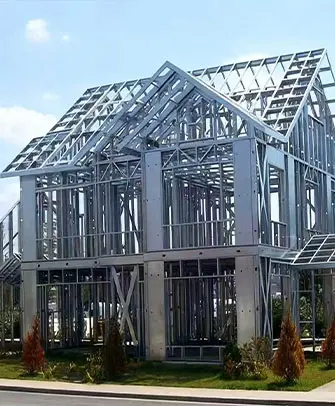
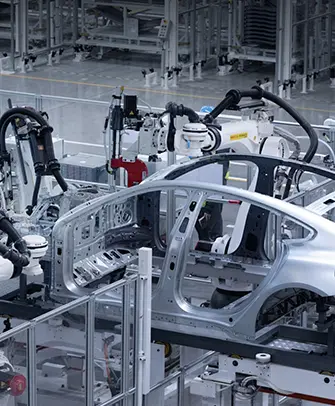
Providing integrated systems for large-scale infrastructure, automotive, energy, and residential developments.
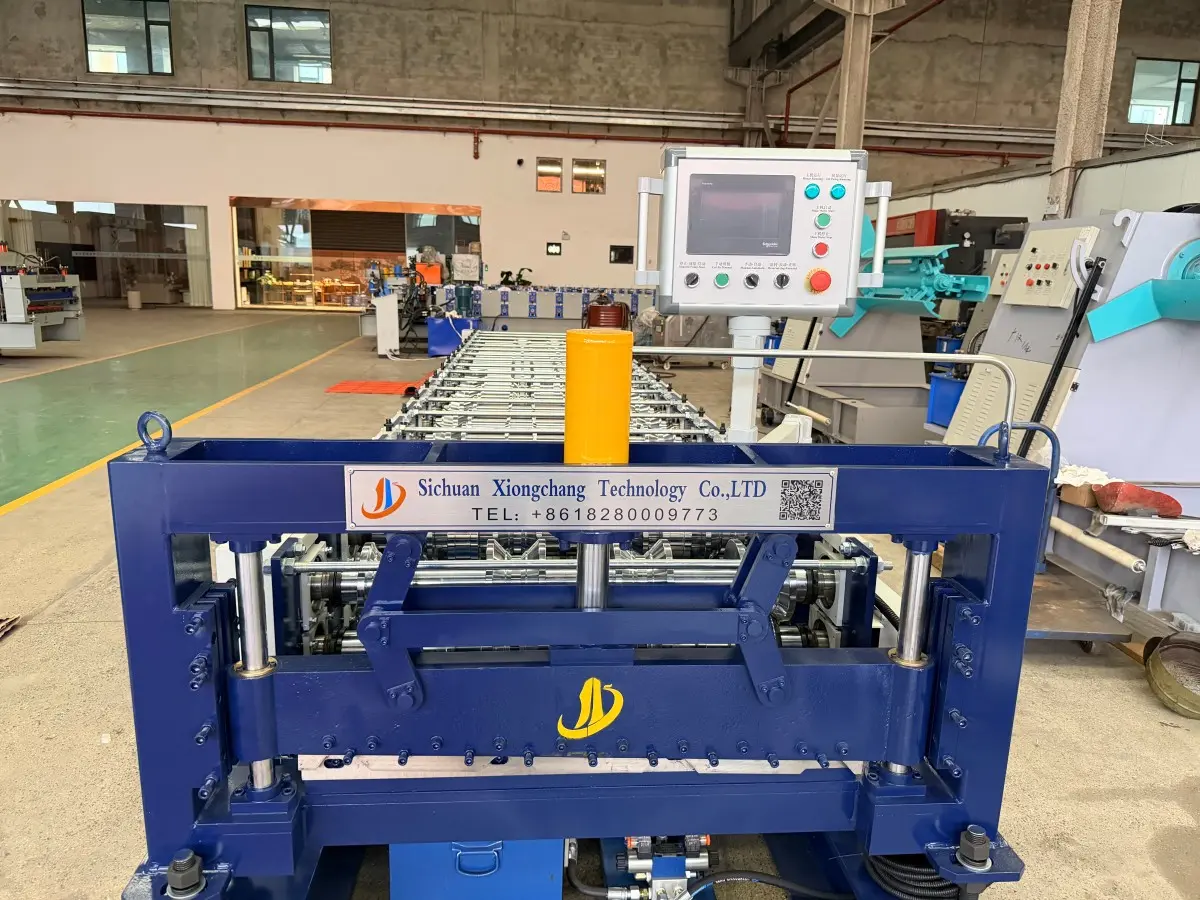
Offering direct factory integration, training, and custom modifications for processing lines worldwide.
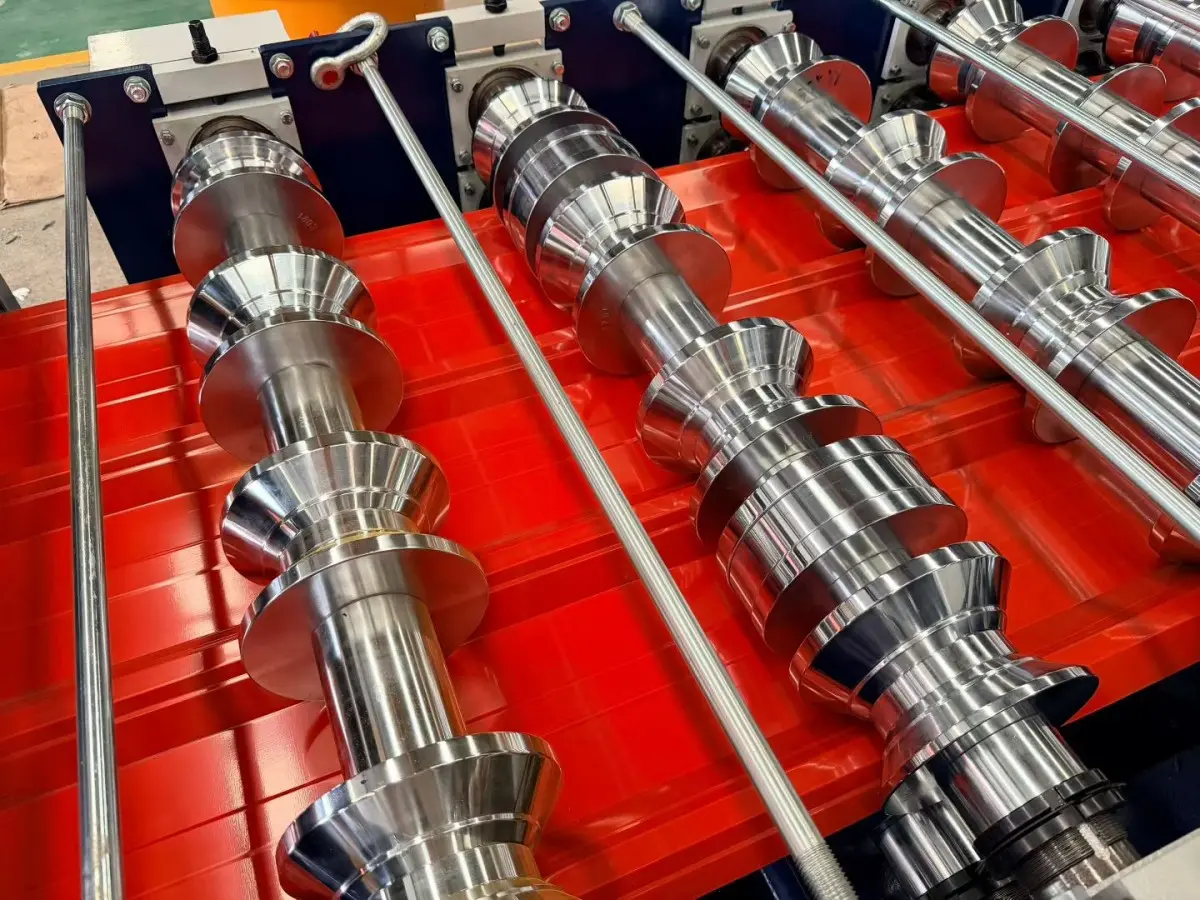
Developing high-speed roll forming systems engineered for modern building cladding and envelope systems.
Bridging international safety protocols with localized technical support to ensure seamless integration.
Deploying heavy machinery globally requires adherence to local electrical standards and industrial safety codes. Our roll formers are engineered to meet key international certifications, including CE conformity, UL electrical assembly standards, and CSA requirements for North American clients.
Our global service framework is structured to keep downtime to a minimum:
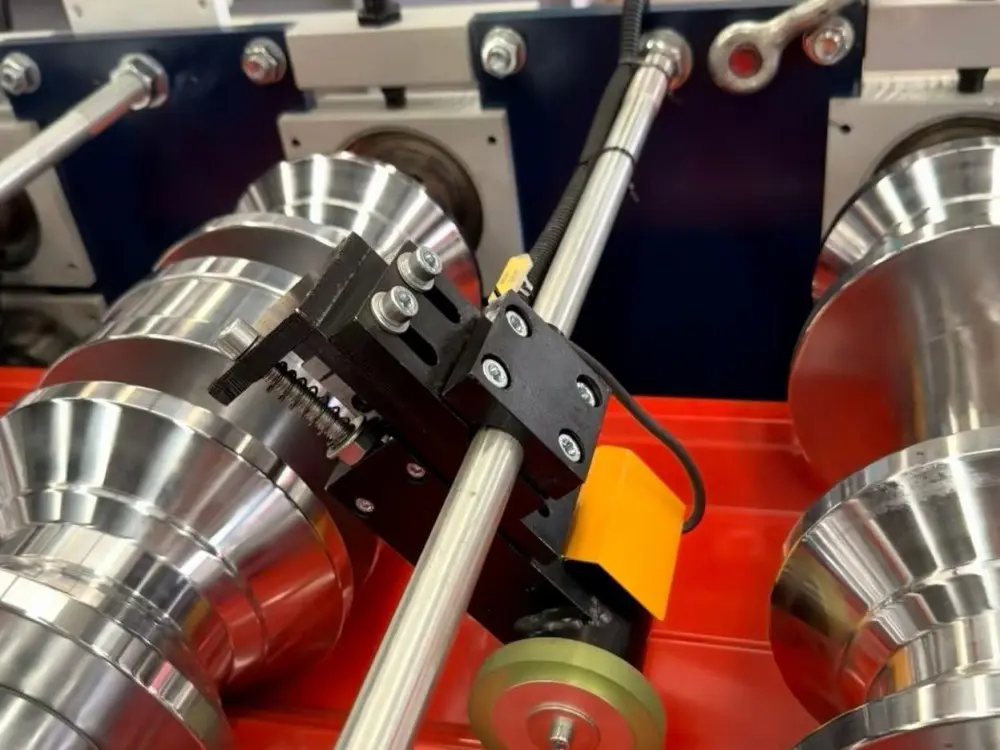
Integrating smart technologies, predictive diagnostics, and adaptive mechanisms into modern sheet metal profiling systems.
Integrating real-time laser profiling sensors and thickness measurement heads to automatically adjust roller spacing. This compensates for variations across steel coils without manual operator intervention.
Integrating high-torque servo drives for each roll station to allow independent velocity profiles. This approach reduces stress on complex geometries and increases linear production speeds to 40 meters per minute.
Developing dry-forming roll tooling configurations with low-friction coatings to eliminate the need for forming lubricants. This design is combined with energy-regenerative braking units on uncoilers and cutoff shears to lower overall power consumption.
Our roll forming systems serve a diverse global clientele, from residential builders to large-scale industrial and infrastructure projects.
For over two decades, XC has been a trusted partner in designing and manufacturing high-performance metal forming equipment.
Our design team utilizes engineering CAD simulation tools to optimize roller profiles, helping to eliminate material stretching and paint damage.
Using heavy-duty steel plates, precision-turned solid shafts, and hard-chrome plated rollers to ensure durability under continuous operations.
We provide full layout design, remote commissioning assistance, on-site setup, and lifetime technical support for all of our machinery.
Answers to technical and commercial queries regarding PPGI roofing sheet production and equipment sourcing.
 Xiongchang