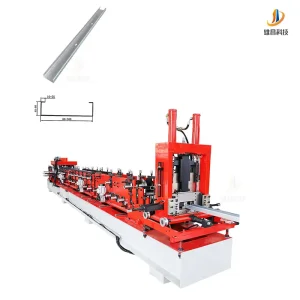
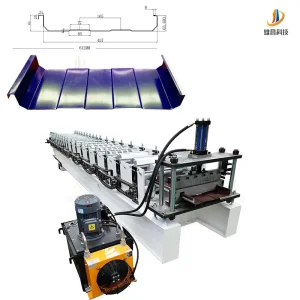
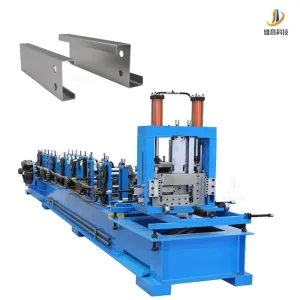
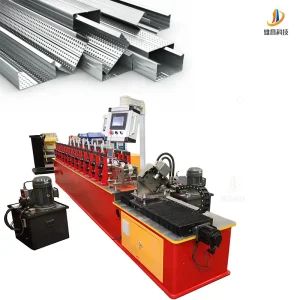
Discover our precision-engineered cold roll forming systems, designed to satisfy rigorous global structural standards with high-performance output.
Analyzing the design mechanics, load-bearing attributes, and architectural efficiency of PBR (Purline Bearing Rib) profile systems.
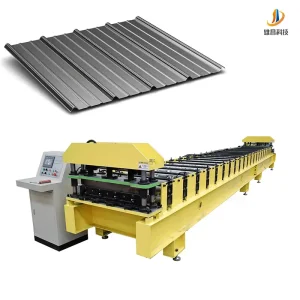
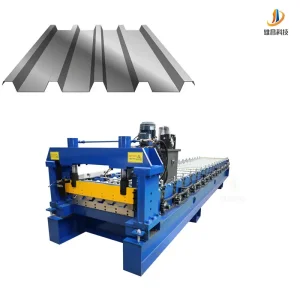
In contemporary industrial and commercial construction, the building envelope plays a dual role: it acts as a environmental barrier and serves as a structural reinforcement element. The PBR (Purline Bearing Rib) panel stands as the industry benchmark for high-strength steel cladding. Unlike standard R-panels, the PBR profile incorporates an extended lip on the overlapping rib. This unique configuration provides critical support for underlap panels, ensuring enhanced structural stability during fastening and offering robust resistance to extreme wind loads and structural shifts.
For global construction firms, commercial developers, and manufacturing facilities, sourcing high-efficiency, durable manufacturing systems is vital. Precision cold roll forming systems are essential to handle high-tensile steel coils without micro-cracking protective zinc or paint finishes. This technical analysis provides an in-depth look at how professional PBR roofing machinery is designed, fabricated, and optimized to deliver reliable performance for demanding structural applications.
As an established expert in the field, XC (Xiongchang) provides integrated roll forming solutions. Our portfolio encompasses core production machines for roofing, flooring, doors, and structural components, as well as the complete auxiliary line equipment essential for efficient operation.
With a focus on automation, mechanical tolerance control, and heavy-duty system durability, our production lines are designed to handle demanding high-tensile material configurations, supporting continuous output for international engineering projects.
Learn More About XC Solutions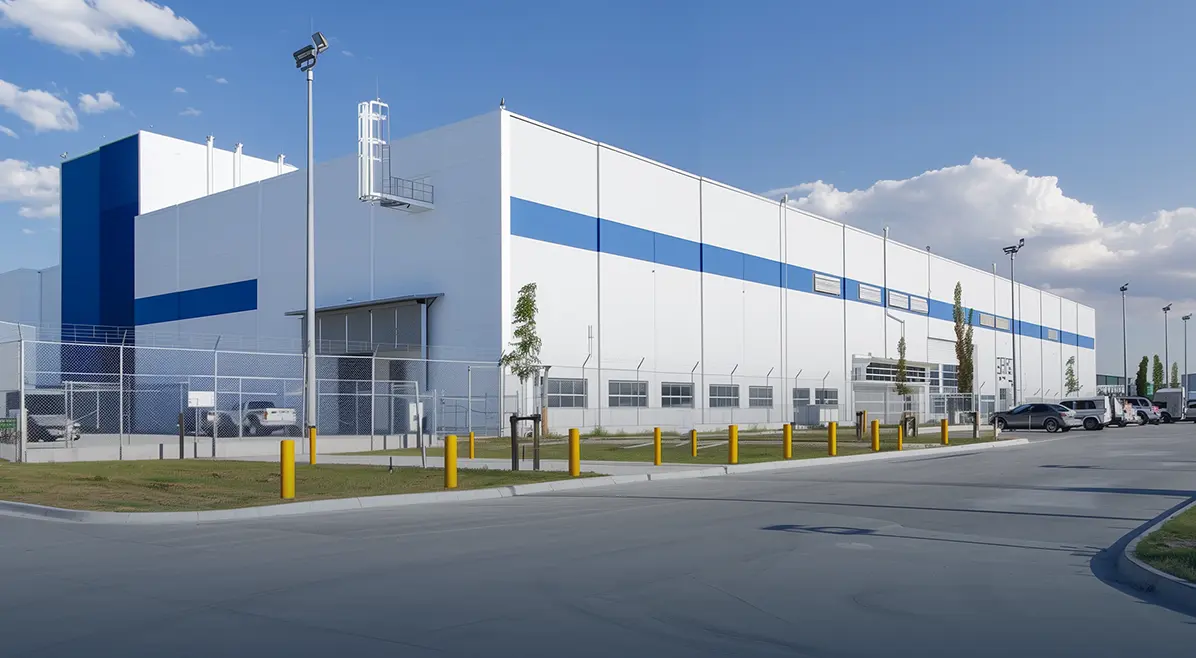
How our engineering design, materials selection, and manufacturing methods deliver high precision and reliable machine longevity.
We utilize advanced CNC machining centers to process rollers from high-grade Cr12MoV/D2 die steel. Vaccum heat treating ensures consistent HRC 58-62 hardness, reducing roller wear and preventing profile scuffing during operation.
Featuring 18 to 24 forming stations, our PBR profiles are shaped gradually. This step-by-step deformation reduces internal material stress, eliminating issues like edge waves, warping, and oil-canning.
Siemens or Mitsubishi PLC controls coordinate line speeds, material feeds, and hydraulic shear cycles. The touchscreen HMI allows operators to store cutting schedules and monitor diagnostics in real time.
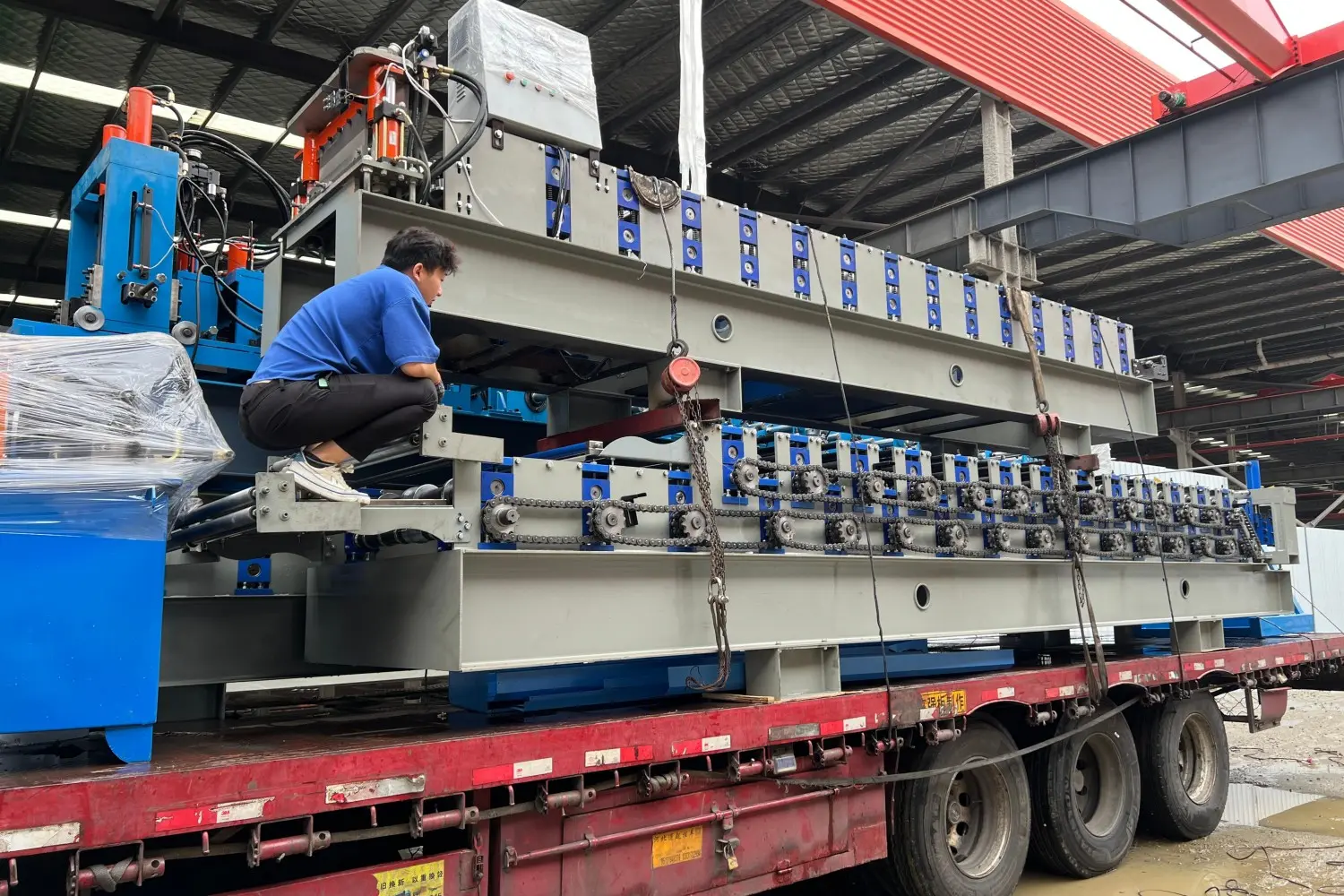
With a focus on building a robust technical team and utilizing advanced industrial manufacturing equipment, XC delivers integrated, automated systems across our product range. Our goal is to meet diverse industrial specifications, ensuring consistent quality standards and performance for every machine we manufacture.
Our facility utilizes heavy-duty frame casting and CNC-machined steel side plates. This robust construction absorbs vibration during high-speed runs, allowing the machine to maintain tight manufacturing tolerances over years of continuous operations.
Analyzing how localization, raw material ecosystems, and advanced manufacturing clusters optimize the cost-to-performance ratio.
Our proximity to premium domestic steel producers provides direct access to high-grade structural alloys, structural castings, and tool steels. This localized supply chain reduces material lead times and enables rigorous quality screening prior to component machining.
Located within a major industrial manufacturing cluster, we collaborate with specialized providers for heat treating, surface finishing, and custom CNC gear cutting. This concentration of expertise enables cost-effective production while maintaining high technical quality.
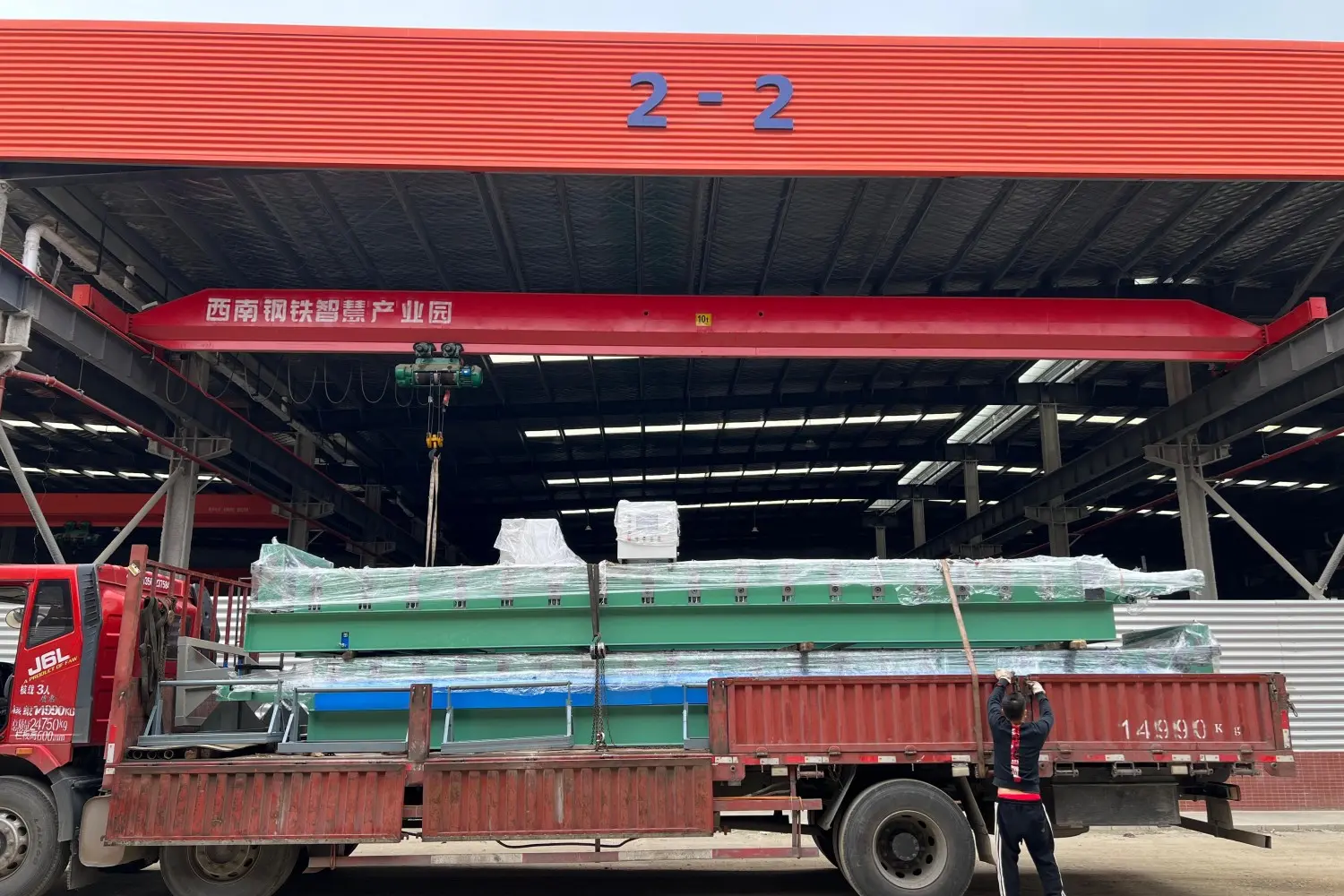
With direct access to major international shipping hubs like Shanghai and Ningbo, we offer efficient freight management. We coordinate seaworthy vacuum packaging, customized container packing, and global customs documentation to ensure secure transport and delivery.
A detailed breakdown of technical configurations and capabilities for commercial-grade PBR panel production lines.
| Technical Parameter | Specification Details / Standard Values | Functional Performance Impact |
|---|---|---|
| Raw Material Types | Pre-painted GI, Galvanized, Aluzinc (G300 - G550) | Supports production across various material yields and coatings. |
| Material Thickness Range | 0.3 mm to 0.8 mm (29 Gauge to 22 Gauge) | Enables manufacturing of both light residential cladding and heavy industrial panels. |
| Forming Speed | 15 to 25 meters per minute (adjustable via PLC) | Balances high throughput with precise profile geometry control. |
| Roller Stations | 18 to 22 forming steps (profile dependent) | Ensures gradual profile shaping to minimize material stress and warping. |
| Shaft Diameter & Material | Solid Shafts, 75mm / 80mm diameter, 40Cr Steel | Provides high structural rigidity, minimizing deflection under heavy forming loads. |
| Cutting Mechanism | Post-cut hydraulic shear, 3D die-fitted blades (Cr12 steel) | Delivers clean, burr-free cuts without deforming the rib profile. |
| Control Interface | Siemens / Mitsubishi HMI with PLC automation | Allows easy programming of batch runs, sheet lengths, and speed adjustments. |
Ensuring machinery complies with international safety, electrical, and structural codes for seamless integration into overseas factories.
For global enterprise buyers, purchasing manufacturing machinery from China requires alignment with local regulatory and safety standards. Our electrical, hydraulic, and mechanical designs are built to comply with international certifications:
Before shipment, we conduct rigorous Factory Acceptance Testing (FAT). We test the equipment with the customer's specified steel coils to confirm profile tolerances, cutting precision, and overall speed. Additionally, we provide Site Acceptance Test (SAT) assistance, including remote video support or on-site engineer deployment, to ensure successful commissioning.
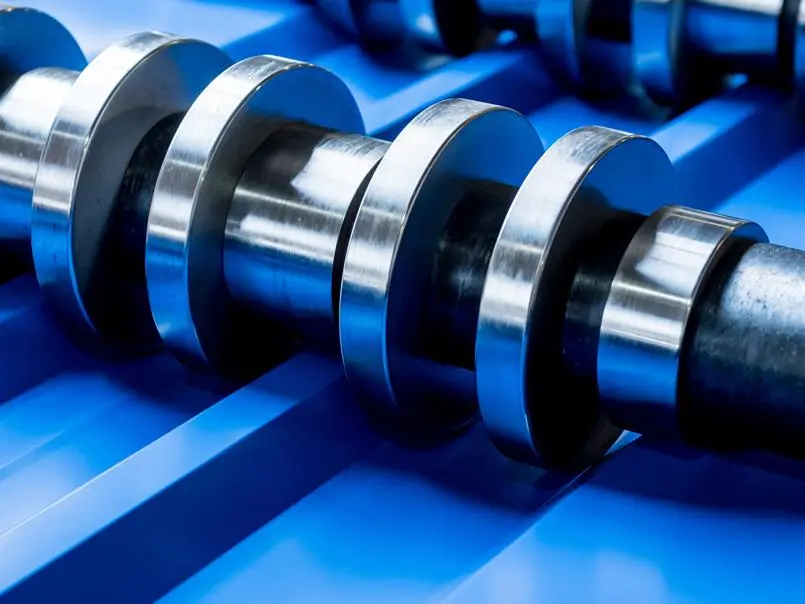
From raw material testing to post-installation service, we provide comprehensive support for your roll forming operations.
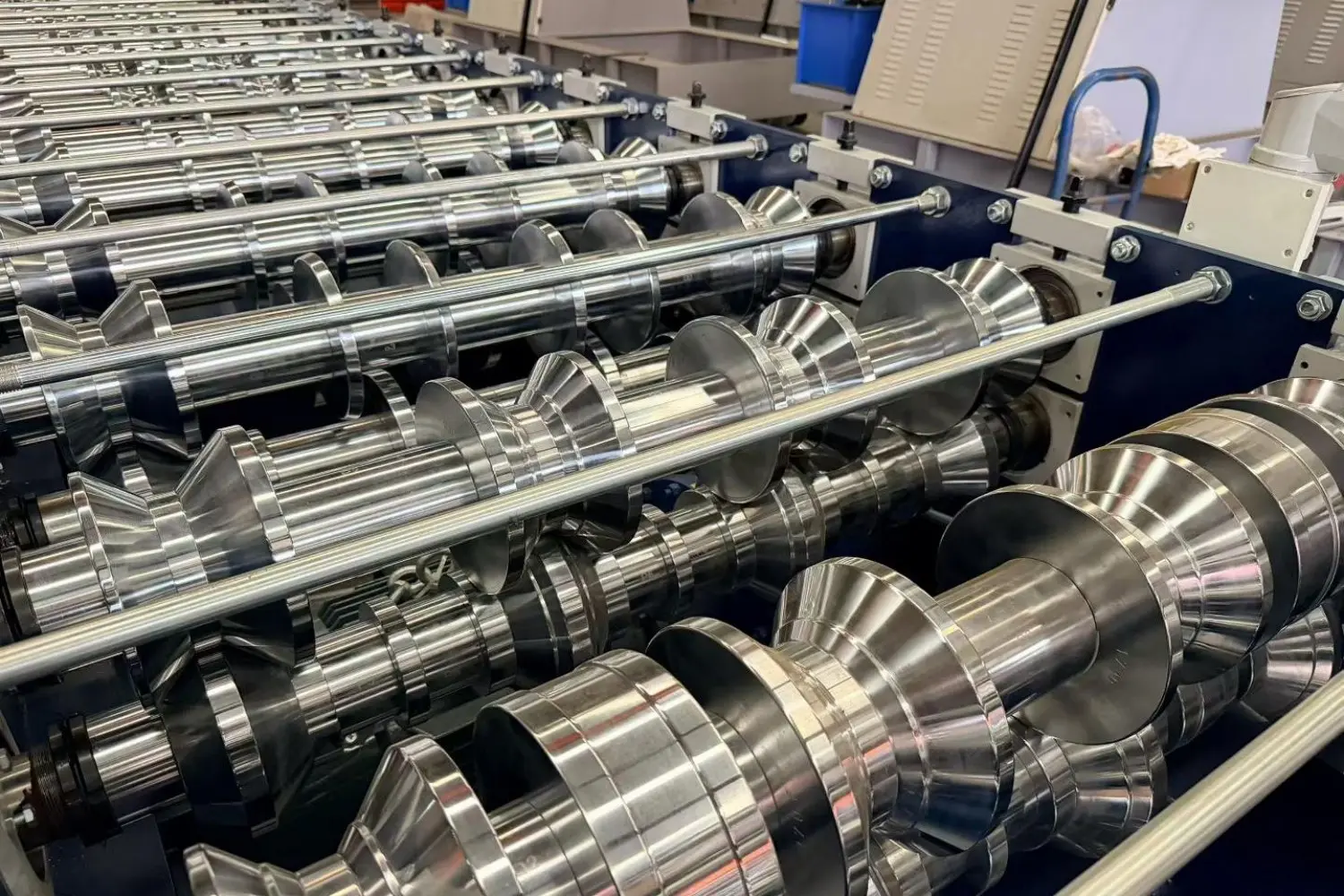
XC maintains a comprehensive suite of inspection and testing tools to verify structural strength, durability, and profiling tolerances.
We implement standardized quality control checks throughout the production process. Every assembly step, from frame welding to shaft alignment, is measured to ensure the finished machine meets customer design specifications.
From initial design validation to post-installation service, XC provides comprehensive operational support.
We provide machine installation, line commissioning, and operator training to ensure smooth integration into your production workflow. Our customer support team offers ongoing technical advice and spare parts availability to help you maintain consistent plant productivity.
Request Technical Consultation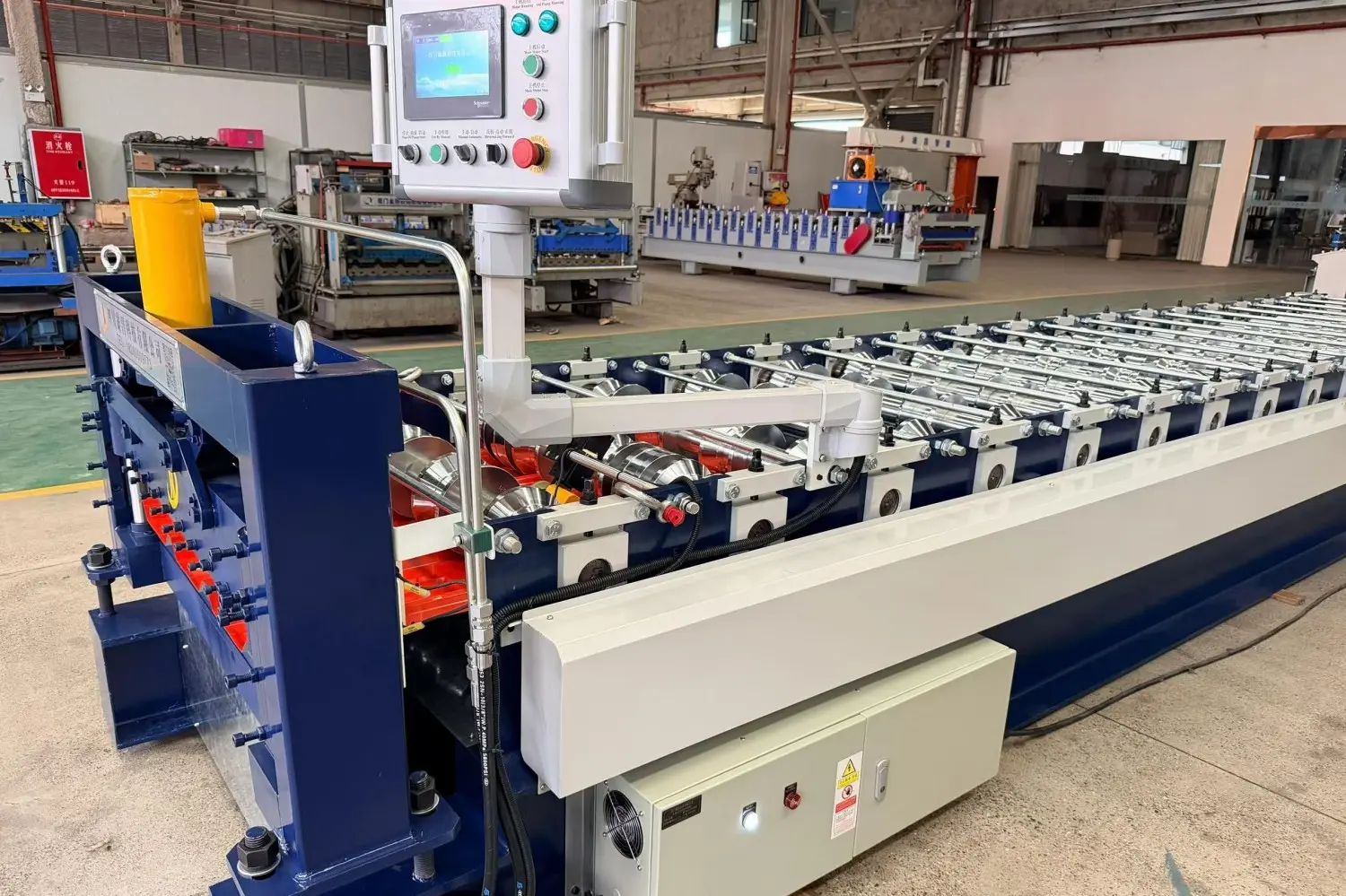
Where and why PBR profile roofing panels are utilized in modern construction projects.
Ideal for large industrial warehouses and distribution centers, the PBR panel's high-profile rib design allows for long spans between purlins, which reduces the overall amount of structural steel framing needed.
In agricultural buildings, the profile's lap-siphon groove helps prevent moisture infiltration, providing reliable weatherproofing for grain silos, barns, and storage sheds.
For commercial buildings and modular offices, the clean vertical lines of the PBR profile offer a modern look that coordinates easily with exterior insulation and finishing systems.
The metal forming industry is shifting toward smart, connected systems. XC continues to invest in engineering upgrades to keep pace with these evolving technologies:
Over two decades of designing and manufacturing cold roll forming equipment, combining industry experience with a commitment to customer performance.
Our design team holds multiple patents in roll profile mechanics, tooling configuration, and high-speed hydraulic shear design.
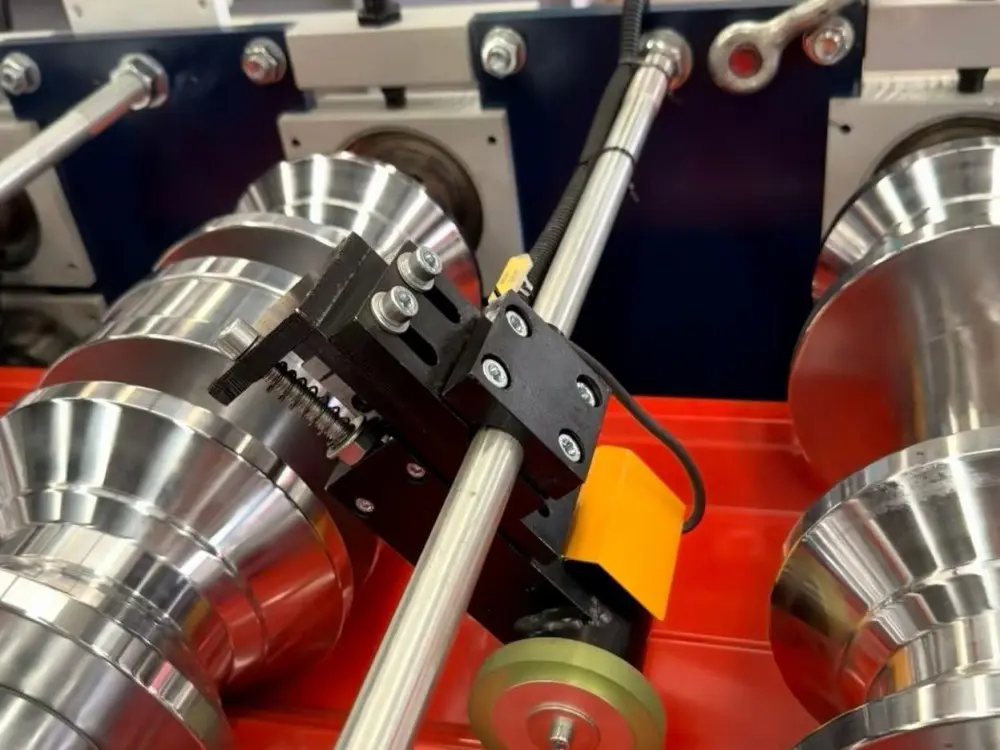
With cast-iron bearing stands and solid steel shafts, our machines are built to run continuously in demanding plant environments.
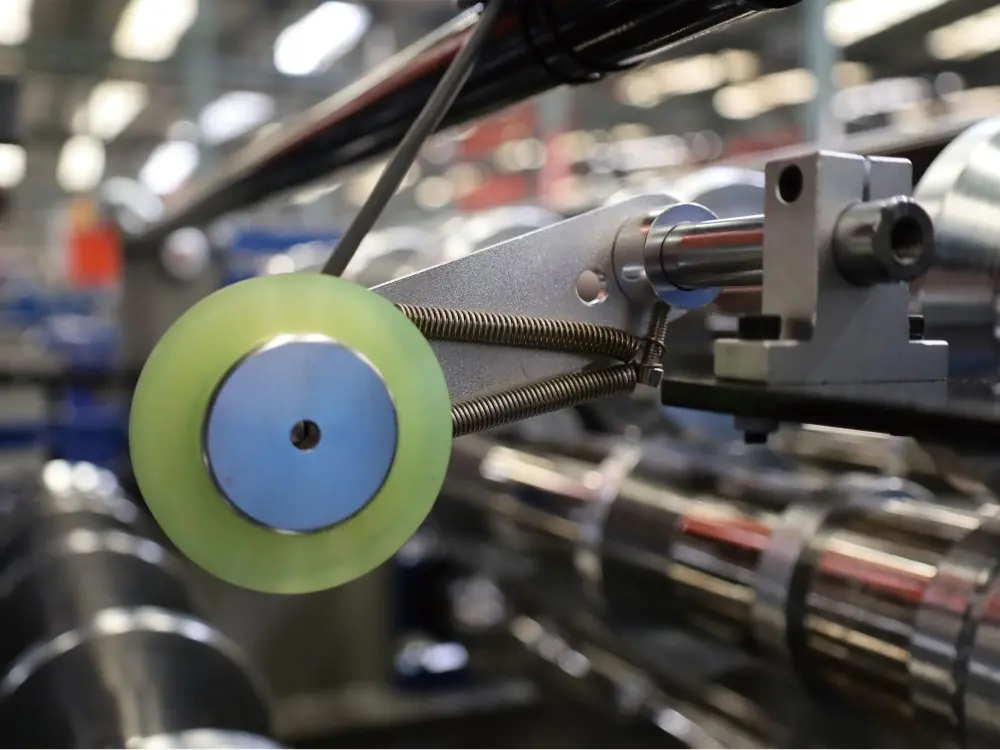
We offer pre-shipment testing, operator training, and ongoing technical support to keep your production line running smoothly.
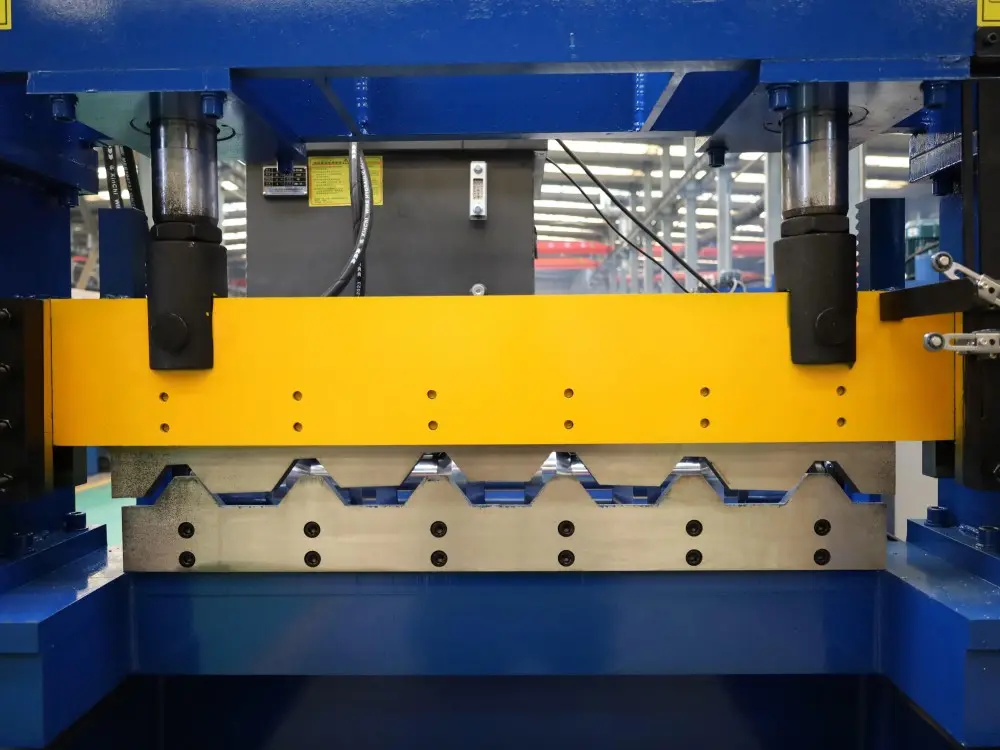
Our roll forming systems support diverse building material and structural projects globally.
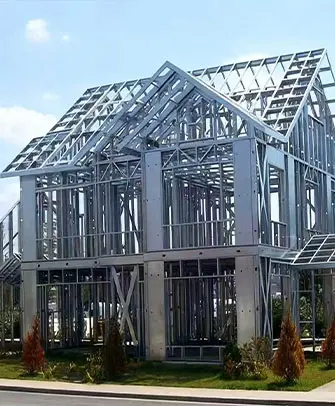
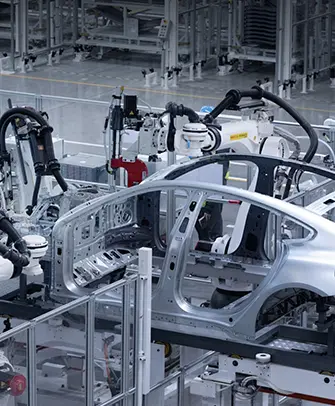
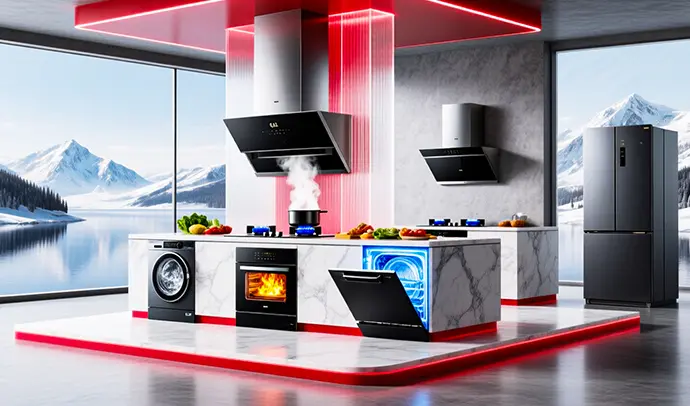


Common questions regarding technical capabilities, machine setup, and ordering procedures for PBR cladding equipment.
Explore our wider catalog of roofing, decking, and architectural cold roll forming machines.
 Xiongchang