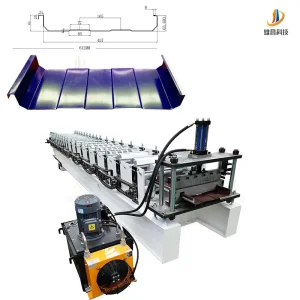
Explore our industrial-grade cold roll forming systems, engineered to output exact profiles for modern building envelope and framing assemblies.
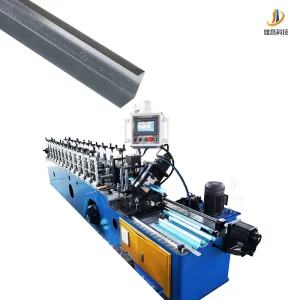
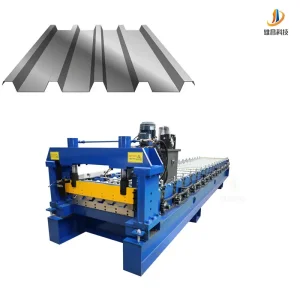
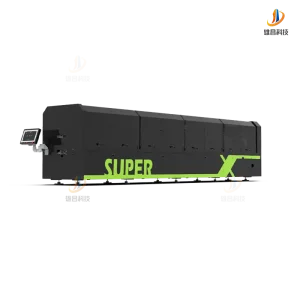
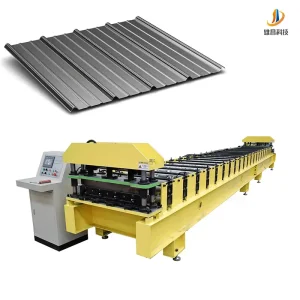
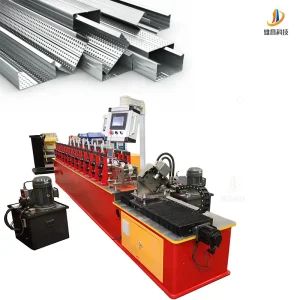
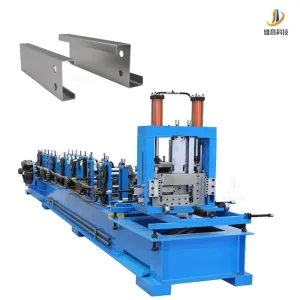
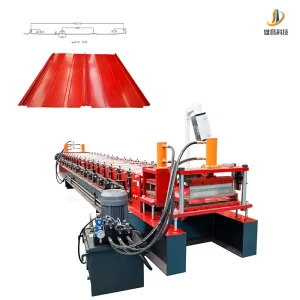
XC (Xiongchang) delivers high-efficiency cold roll forming hardware systems designed to scale building envelope production globally.
As an established expert in the cold metal forming industry, XC (Xiongchang) provides integrated roll forming solutions designed for modern commercial, residential, and industrial construction sectors. Our specialized machinery covers the core requirements for manufacturing high-quality metal roofing panels, structural floor decking systems, architectural steel doors, and cold-formed structural studs/tracks. By aligning engineering precision with customized auxiliary production lines, we enable downstream fabrication networks to optimize operational output with minimal line downtime.
Our global engineering service architecture encompasses initial layout design, material flow consultation, assembly integration, and remote/on-site commissioning, guaranteeing that your machine arrives configured to exact localization codes.
View More About Us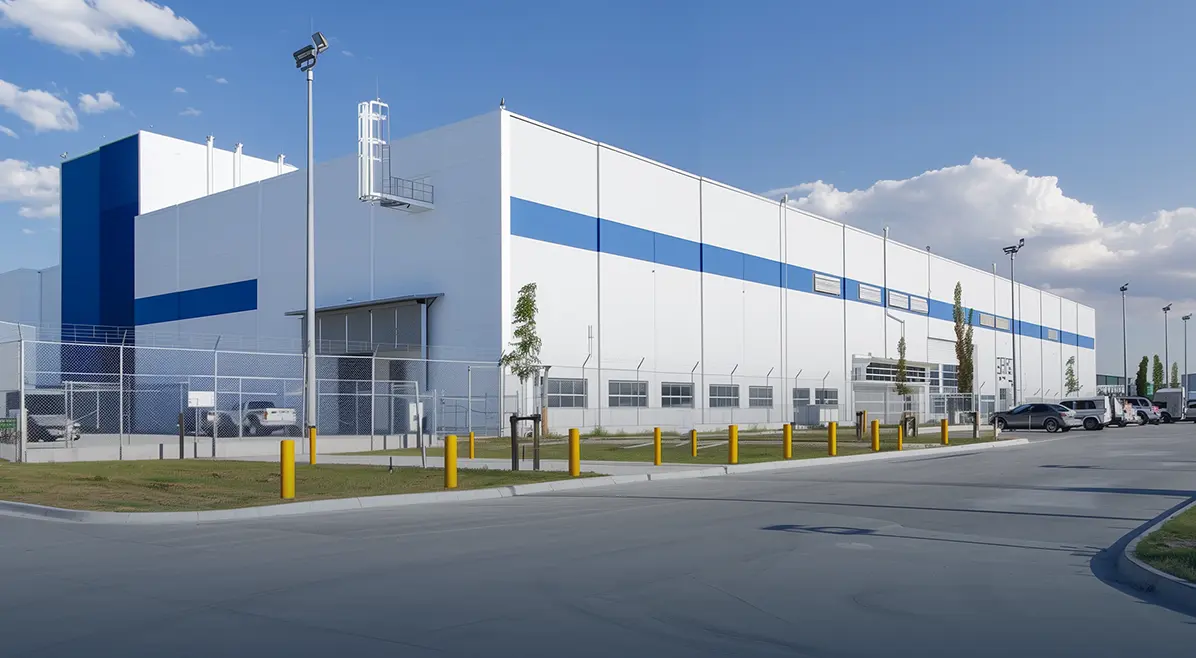
A comprehensive whitepaper exploration on how high-strength composite deck profile lines transform multi-story load dynamics and construction speed.
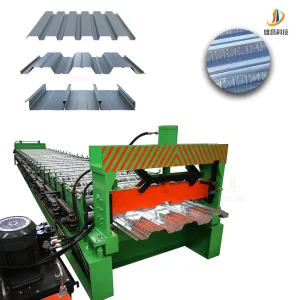
In modern multi-story buildings, the transition from traditional wood joists and solid concrete slabs to steel-composite floor decks represents a major leap in engineering. An open web floor deck machine or a composite deck roll forming line is engineered to process galvanized high-strength steel coils into deep-ribbed decking profiles. These profiles serve a dual purpose: first, as a safe, continuous working platform during construction; second, as the structural tensile reinforcement element for composite concrete slabs. The embossments rolled onto the steel profile flanges mechanical-lock with the cured concrete, creating a high-performance floor slab that stands up to both static and seismic forces.
By leveraging advanced roll tooling geometries, manufacturers can produce profiles that allow utility lines, HVAC ducts, plumbing, and electrical conduits to pass through the structural zone of the floor without adding vertical building height. For high-rise designs, this saves steel framing weight, concrete volume, and excavation depth, yielding significant cost savings across the project life cycle.
From North American commercial hubs using ANSI/SDI standards to high-density projects in Western Europe complying with Eurocode 4, structural floor deck components remain high-demand building products. Furthermore, the manufacturing of these components has shifted toward automated, high-precision roll forming lines based in leading technological hubs like China. Manufacturers are moving away from regional, manual shop operations and investing in fully integrated structural deck production systems that run at speeds up to 30 meters per minute.
Because structural floor decks must withstand substantial design loads, sourcing roll forming systems from manufacturers with proven engineering expertise is critical. Global project buyers look for mills that integrate hydraulic post-shearing, inline embossment units, and heavy-duty decoiling to process steel sheets up to 1.5mm or 2.0mm thick with zero micro-fracturing along the bends. XC (Xiongchang) structures its operations to supply this international demand with reliable machinery configured for diverse voltage standards, safety protocols, and automation requirements.
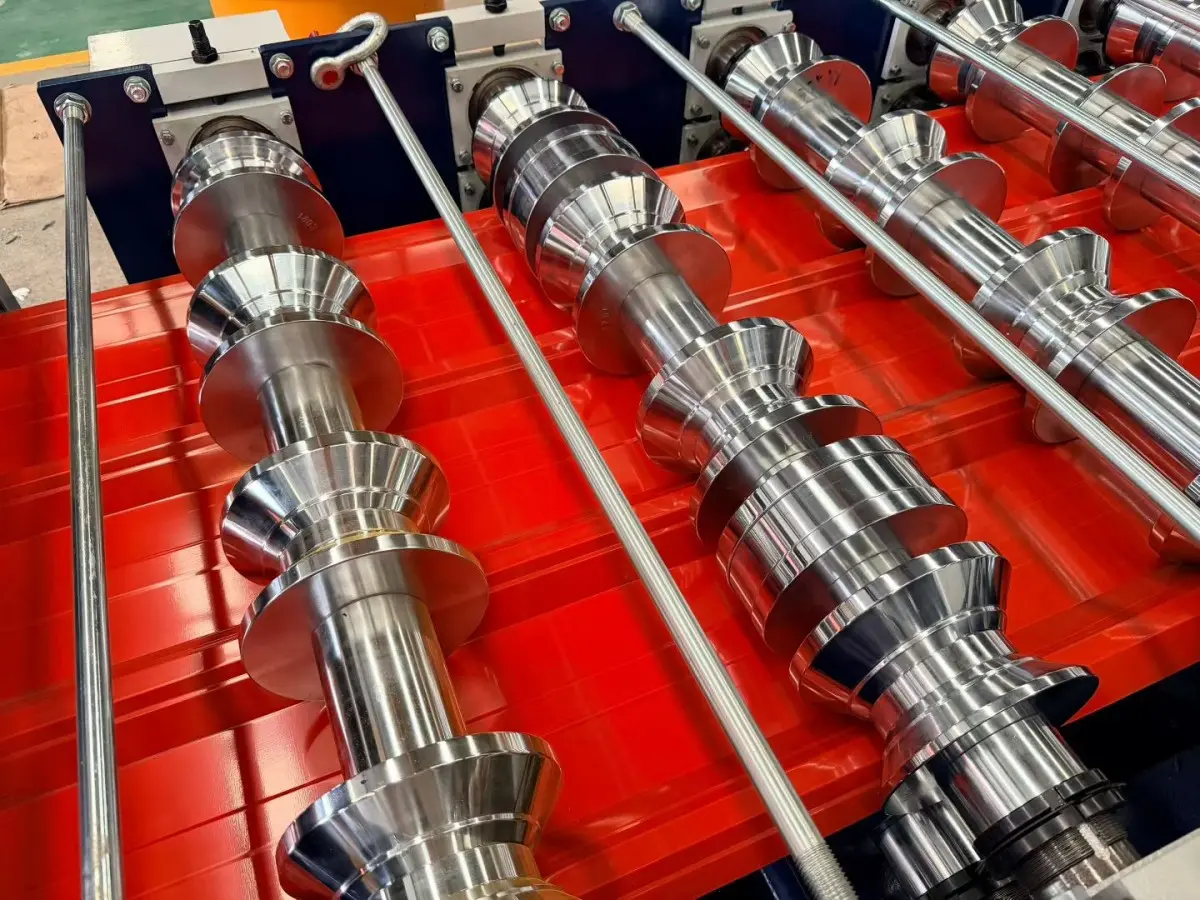
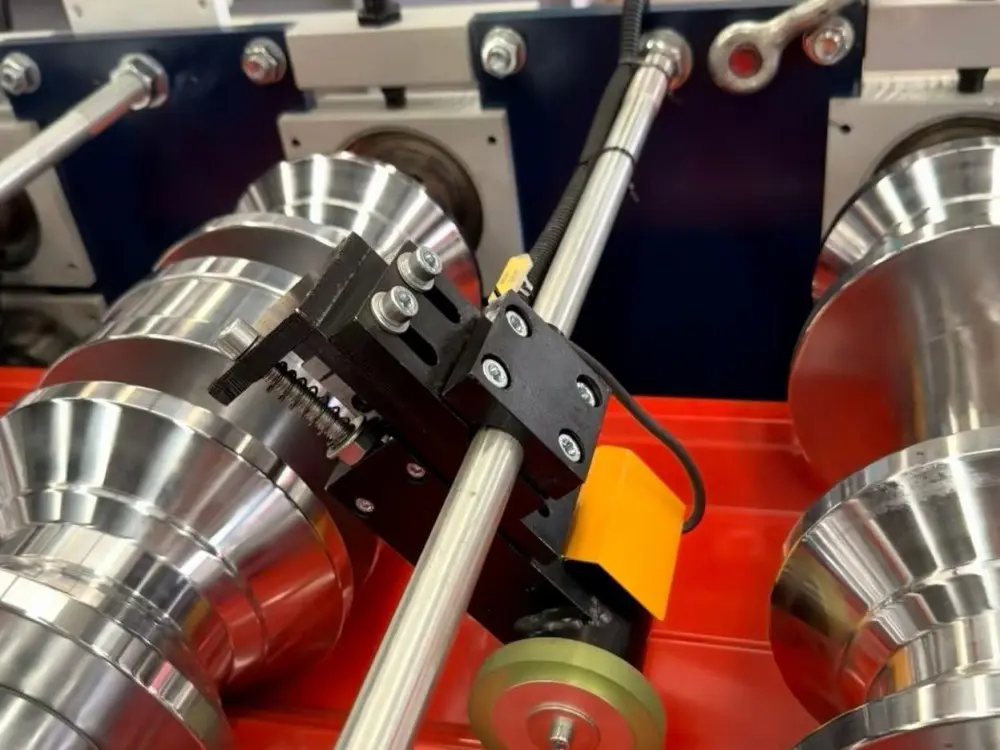
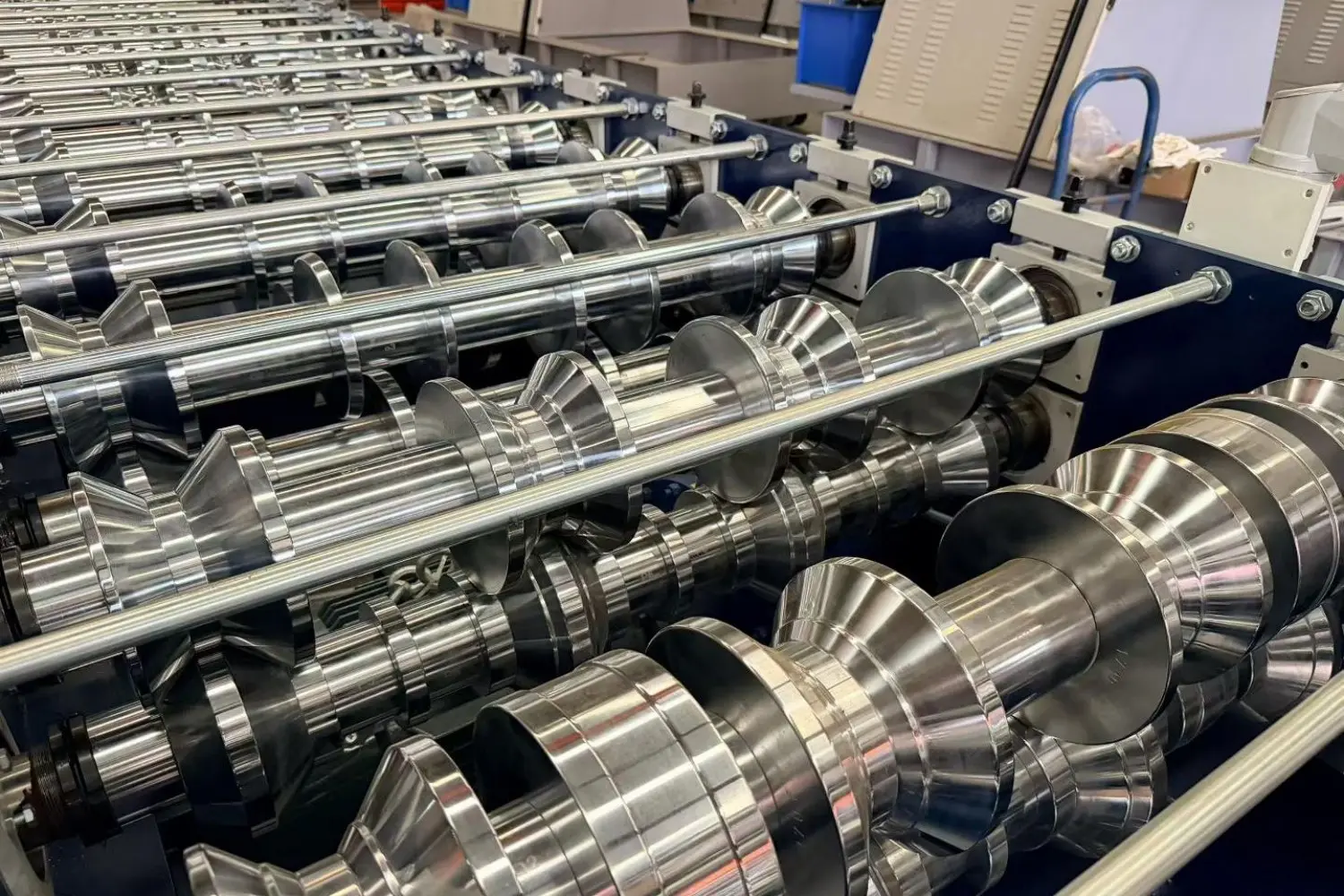
A high-performance floor deck machine requires meticulous mechanical engineering. First, the station count must match the thickness profile: deep ribs (e.g., 75mm profile height) require up to 28-36 forming stages to gradually shape the steel sheet without stretching or tearing the protective zinc layer. Second, the tooling material is a primary driver of line durability. Heavy-duty Cr12/D2 tool steel rollers, hardened with vacuum heat treatment, resist wear and maintain profile tolerances over long production runs.
Additionally, inline embossment rollers must apply structured indentations to the sheet web. These embossments form mechanical shear interlocks between the concrete and the steel profile, which keeps the steel from sliding under bending stresses. Achieving the correct embossment depth without puncturing the galvanizing layer requires precise, micrometric roll gap adjustments and specialized roller heat treatment.
Our foundation rests on precise manufacturing, automated processes, and long-term machine structural stability.
Our engineering team configures every profile using COPRA roll forming design software, guaranteeing structural calculations match physical results.
Heavy investments in automated production lines, multi-axis CNC milling machines, and coordinate measuring machines (CMM) ensure high dimensional accuracy across all rolling tools.
Since our founding, XC (Xiongchang) has combined deep metal forming expertise with client-focused engineering to deliver structural value and reliability on every project.
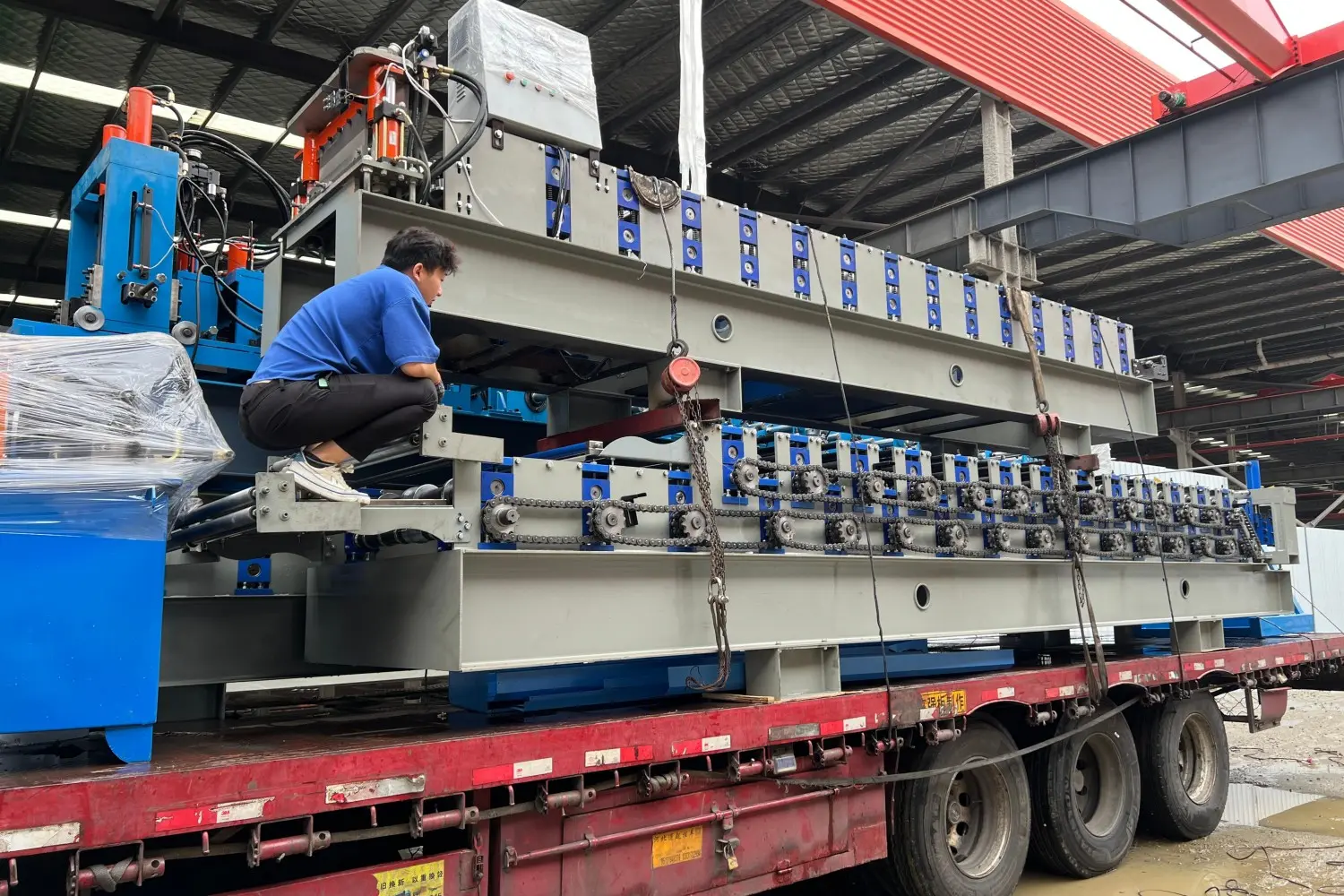
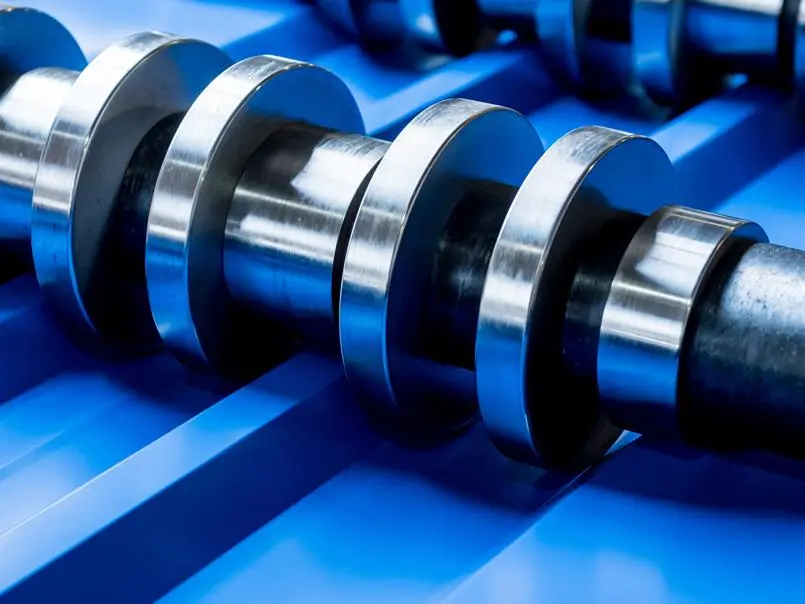
High-efficiency roll forming systems for roofing, walling, and structural decking.
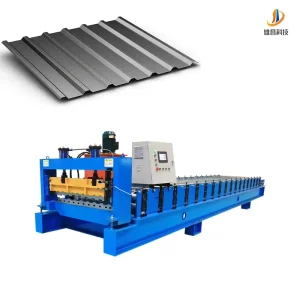
Modern building envelope systems require highly consistent structural profiles to prevent air leakage, water infiltration, and structural failure. XC specializes in manufacturing cold roll forming machines that process galvanized steel, painted steel, and aluminum coils into precise envelope profiles. Our building envelope lines include roof panel machines, wall panel machines, and high-speed floor deck lines.
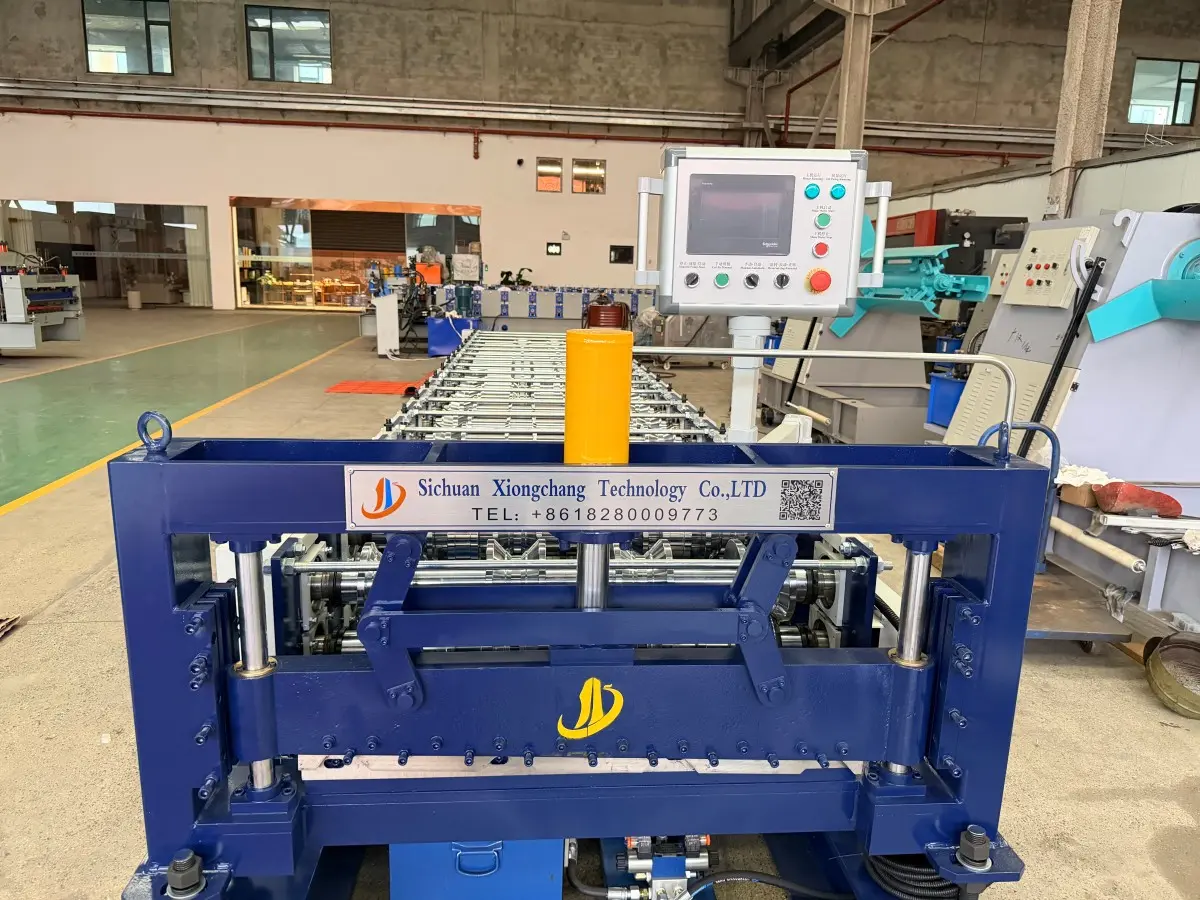
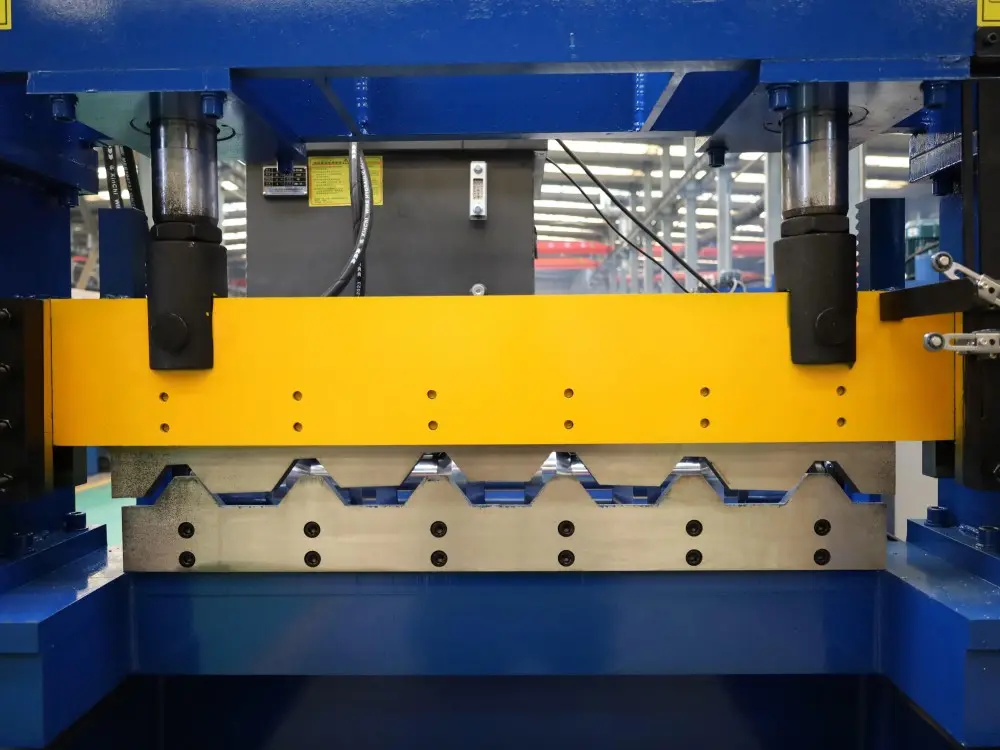
By using premium material feeders, variable frequency drive (VFD) motors, and Siemens or Mitsubishi PLC systems, our production lines achieve tight tolerances down to ±1.0mm in length. Additionally, integrated pneumatic or hydraulic shear units provide clean, burr-free cuts, reducing manual trimming at the construction site.
Heavy-duty C/Z purlin and stud/track light gauge steel roll forming machinery.
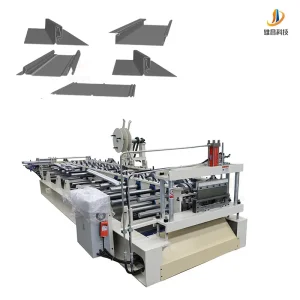
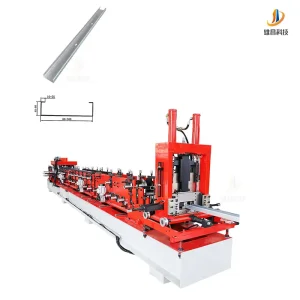
Structural framing requires materials that handle significant load-bearing demands. XC's C/Z interchangeable purlin machines feature quick-change configurations that allow operators to switch profile sizes in minutes. This speed is achieved through motorized width adjustments controlled directly from the PLC touchscreen interface, which eliminates the need for manual roller spacer changes.
Furthermore, our stud and track machines are optimized for light-gauge steel construction (LGS). Operating at speeds up to 45 meters per minute, these systems produce tight-tolerance components designed for fast, accurate structural framing assembly on-site.
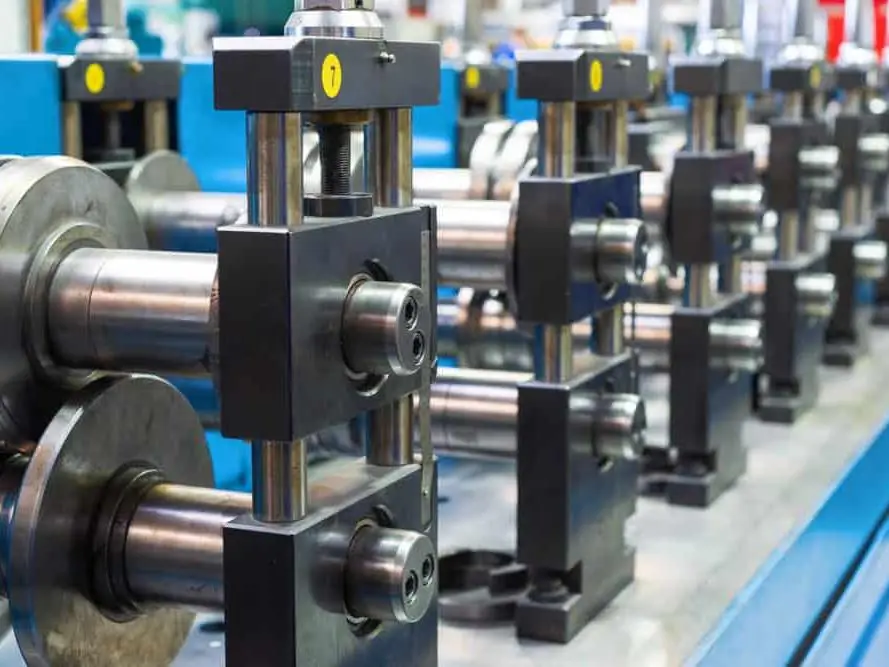
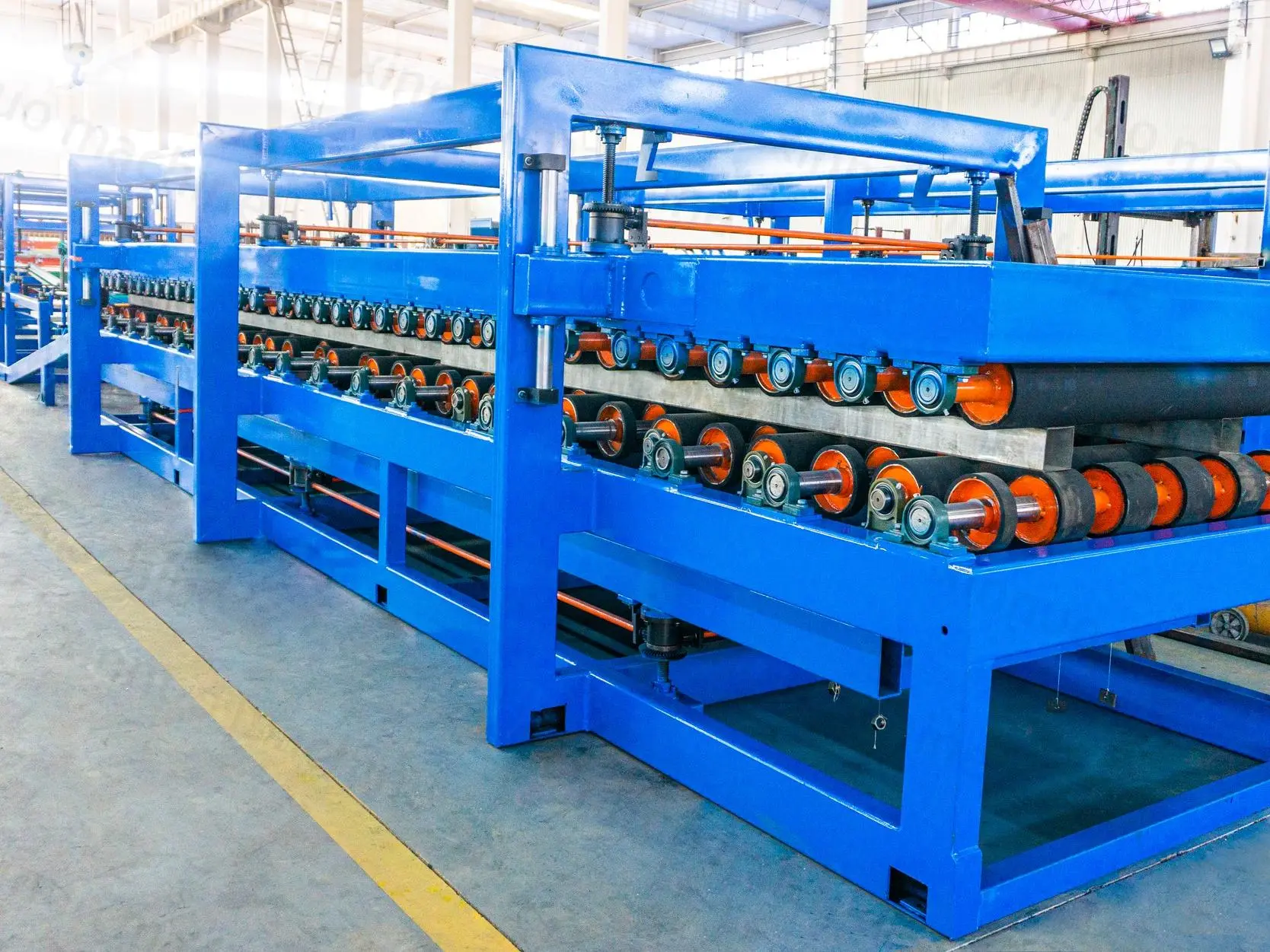
Custom gutter, downspout, and metal door frame roll forming systems.
Beyond main structural components, large commercial and residential structures require specialized auxiliary profiles. XC's gutter and door frame roll forming machines process prepainted steel and heavy-gauge galvanized materials to produce gutters, downspouts, and secure steel door frames.
These machines feature custom tooling sets that handle varied metal thicknesses without scratching prepainted coatings. Integrating these units into your overall manufacturing workflow helps ensure high product consistency and eliminates reliance on third-party fabricators.
Rigorous inspection and testing ensure that every machine delivers long-term durability and reliable performance.
Quality control at XC starts with material sourcing. We inspect all incoming steel plates, shaft forgings, and electrical components for defects before they reach the production floor. Our manufacturing team monitors each step of the machining process, testing roller hardness (which must meet HRC 60-62 specs) and checking final dimensions after assembly.
Once assembled, every roll forming line undergoes a 24-hour test run. During this trial, we form sample sheets at full speed to verify profile dimensions, embossing depths, and shear tolerances against client specifications. This rigorous pre-shipment validation helps prevent installation delays and ensures your line is ready for immediate production upon arrival.
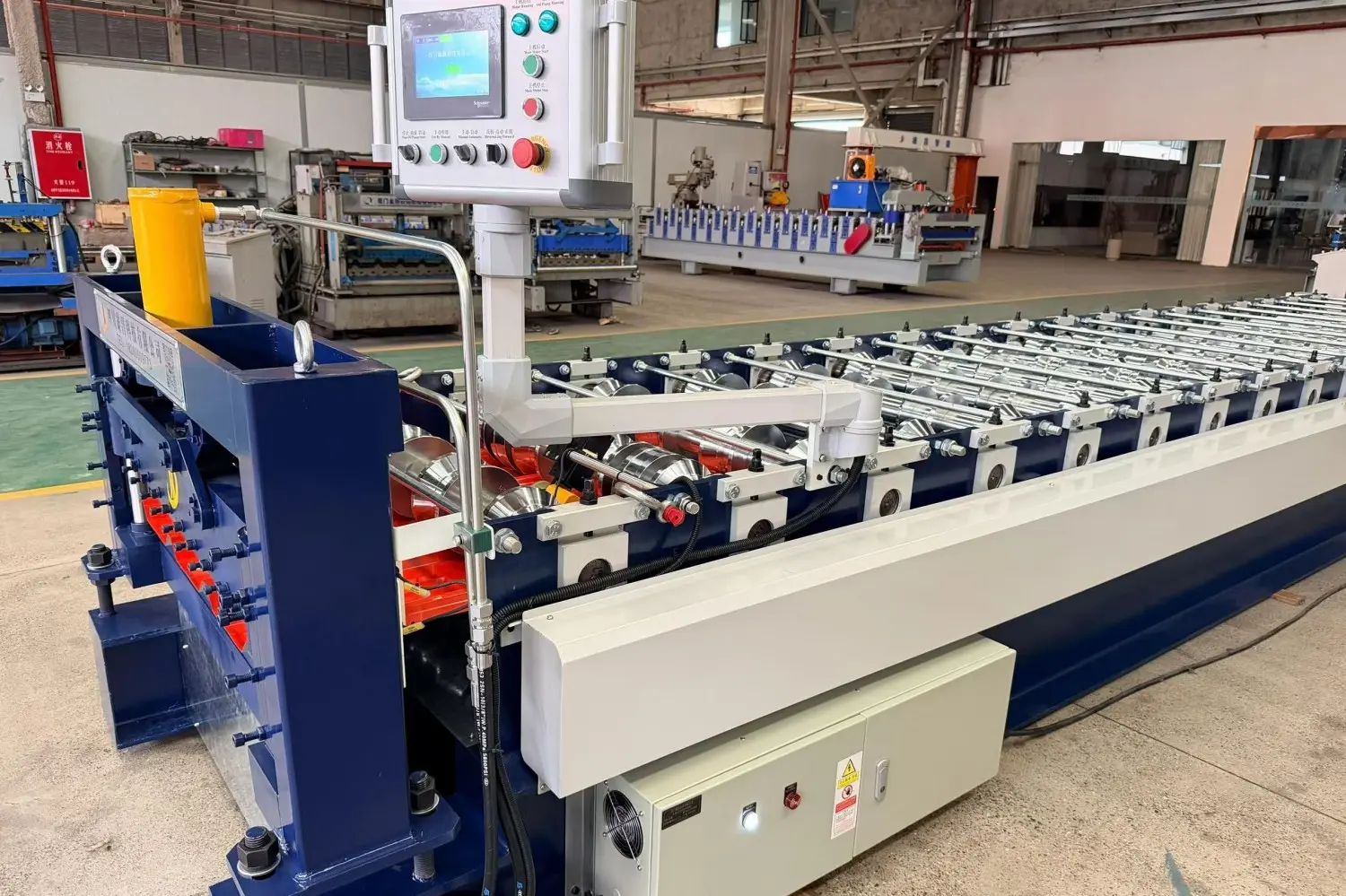
Our engineering support runs from initial layout designs to long-term operational maintenance.
To help clients maximize machine uptime, XC offers comprehensive lifecycle support. Our engineering team designs production layouts that optimize shop floor efficiency and raw material flow. During installation, our field technicians assist with setup, configure PLC systems, and train local staff on safety and operation.
Additionally, our customer support team provides remote troubleshooting, system updates, and fast spare parts delivery to keep your production lines running smoothly over the long term.
How IoT integration, smart sensors, and automated servo controls are defining the next generation of roll forming equipment.
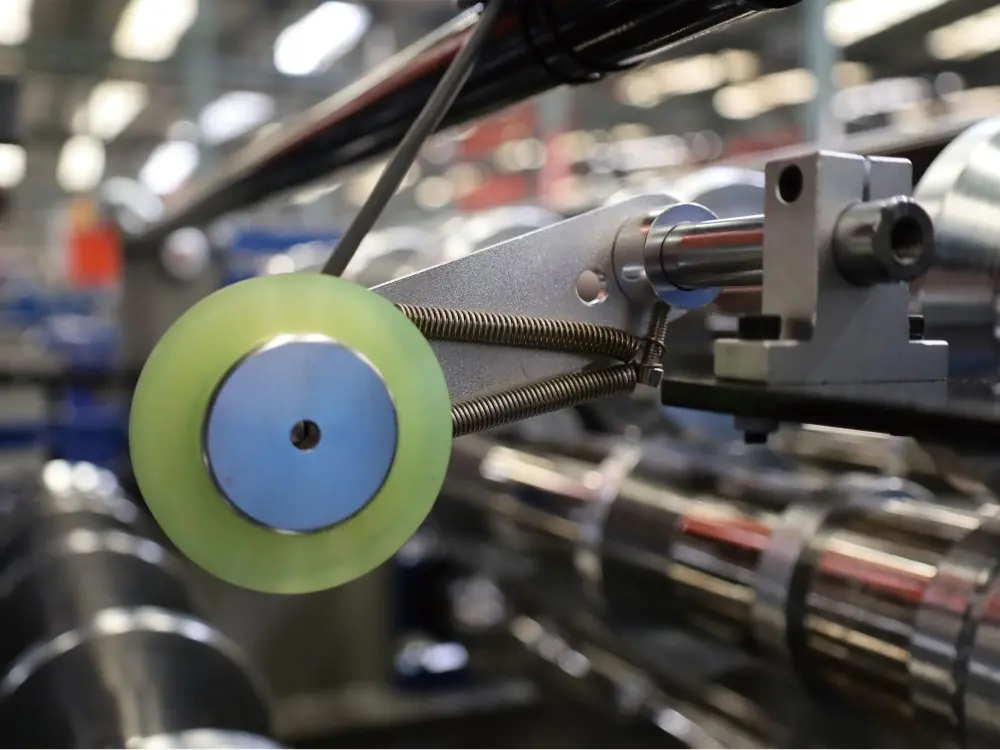
The roll forming industry is transitioning from manual, hydraulic-driven systems to connected smart platforms. Next-generation open web floor deck machines will feature integrated IoT sensors that monitor motor temperatures, bearing vibrations, and hydraulic system pressures. By compiling this telemetry, cloud-based analytics platforms can predict mechanical issues before they cause component failures. This transition to predictive maintenance helps operators schedule servicing during planned shutdowns, protecting daily production quotas.
As structural engineers look to reduce total steel weights, request sizes for thin-gauge, high-strength structural profiles (G550 grades and above) are growing. Forming these high-yield materials requires specialized roll geometries designed to manage significant springback. Future systems will feature servo-driven adjustable rolls that modify spacing automatically based on sensors that measure the incoming sheet's mechanical properties, keeping final profiles consistent across varying coil batches.
Review our specialized production capabilities, custom metal forming machinery, and global after-sales support systems.
Over 20 years of experience designing and manufacturing reliable, high-performance cold roll forming systems.
Our engineers use computer-aided design simulations to model profile shaping, minimizing sheet stress and avoiding springback issues during production.
Featuring solid steel shafts, hardened metal rollers, and heavy-duty frame bases, our machines are built to withstand continuous production demands.
We configure every production line to match your facility's local safety regulations, power standards, and technical specifications.
Our cold roll forming systems produce profiles used across many different global industries.
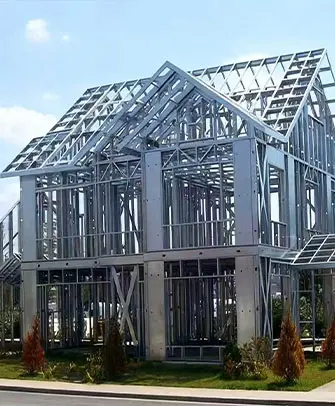
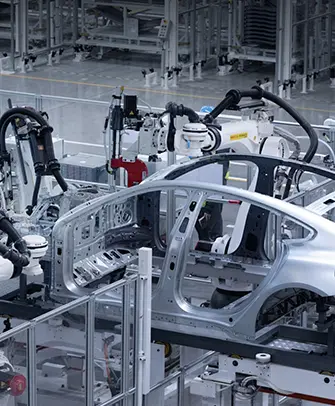


XC designs machinery to comply with regional electrical standards, CE safety directives, and local steel building codes.
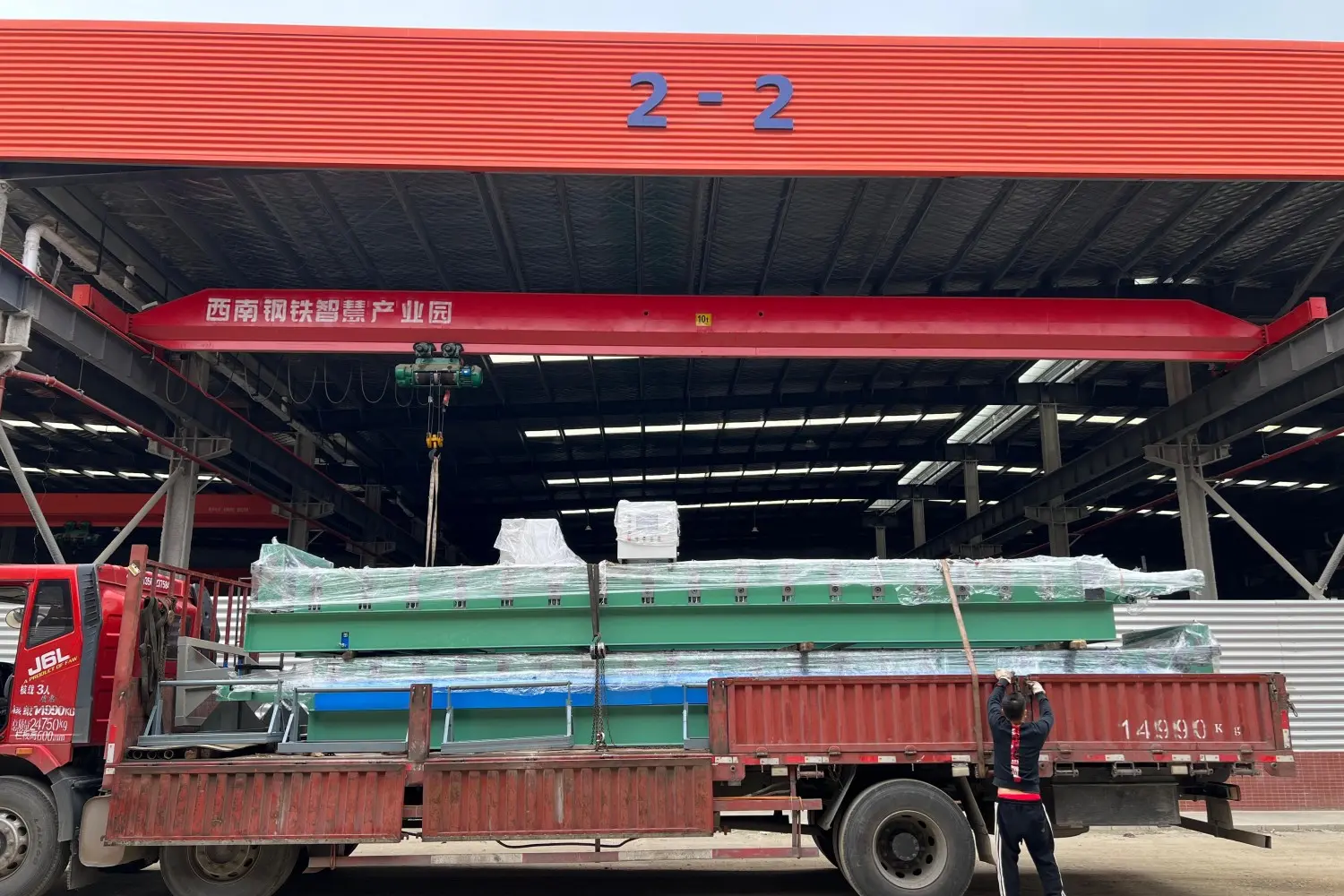
Shipping industrial machinery globally requires compliance with regional safety, environmental, and engineering standards. XC configures its roll forming lines to meet local certifications, including CE marks for Europe, UL listings for electrical cabinets in the US, and CSA compliance for Canadian installations. All electrical panels feature clear wiring diagrams and use standard components from global brands like Schneider Electric and Siemens to make local servicing easier.
Before leaving our factory, every machine undergoes thorough performance testing. We run sample coils provided by the client through the line at full production speed, checking embossment depth, width, and shear tolerances. Clients can view these tests in person, via live video feed, or through detailed measurement reports, ensuring the equipment meets all operational requirements before it is prepared for shipping.
Get answers to common technical, logistics, and configuration questions about our structural roll forming machinery.
Explore our complete catalog of precision metal forming machinery, manufactured to support building envelope and industrial framing applications worldwide.
 Xiongchang