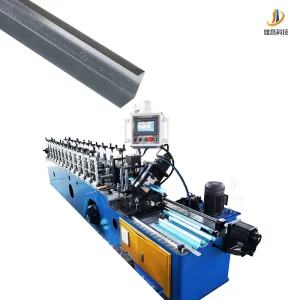
High-speed, precision engineered manufacturing solutions for standing seam, structural framing, and metal cladding profiles.
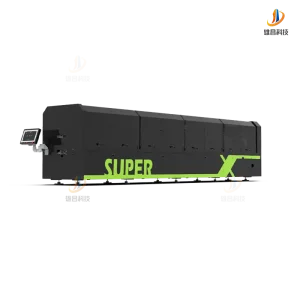
The global construction industry is undergoing a structural transition toward fast-assembled, highly resilient, and energy-efficient building enclosures. "Mega Rib" panels—characterized by their deep-profile ribs, massive water-shedding channels, and exceptional structural spanning capability—have emerged as the material of choice for industrial mega-warehouses, processing plants, and commercial infrastructure. Accordingly, the manufacturing tech behind these panels has transitioned from basic mechanical configurations to heavy-duty, highly automated forming cells.
Modern roll forming machines must accommodate higher tensile steel alloys (up to G550 yield strength) while maintaining profile consistency. The latest development trends focus on dynamic profile adjustability via computerized servo controls, automated quick-change cassette structures, and closed-loop feedback systems that correct springback variances in real-time. By minimizing material stress and improving rib accuracy, modern systems significantly reduce operational waste and downtime.
Analyzing the critical considerations of international EPC contractors, factory developers, and machinery distributors during custom configuration.
As an established expert in the metal forming industry, XC (Xiongchang) provides fully integrated roll forming design, manufacturing, and support solutions. Our comprehensive portfolio encompasses core production machines for industrial roofing, structural flooring, high-security doors, and robust cold-formed structural frames. We offer full auxiliary lines (decoilers, stackers, and packaging units) essential to maintaining safe and profitable manufacturing ecosystems.
For over two decades, XC (XiongChang) has remained a trusted leader, matching technical innovation with a client-centric approach. All machine models are built to deliver extreme durability, minimal cycle times, and excellent profitability.
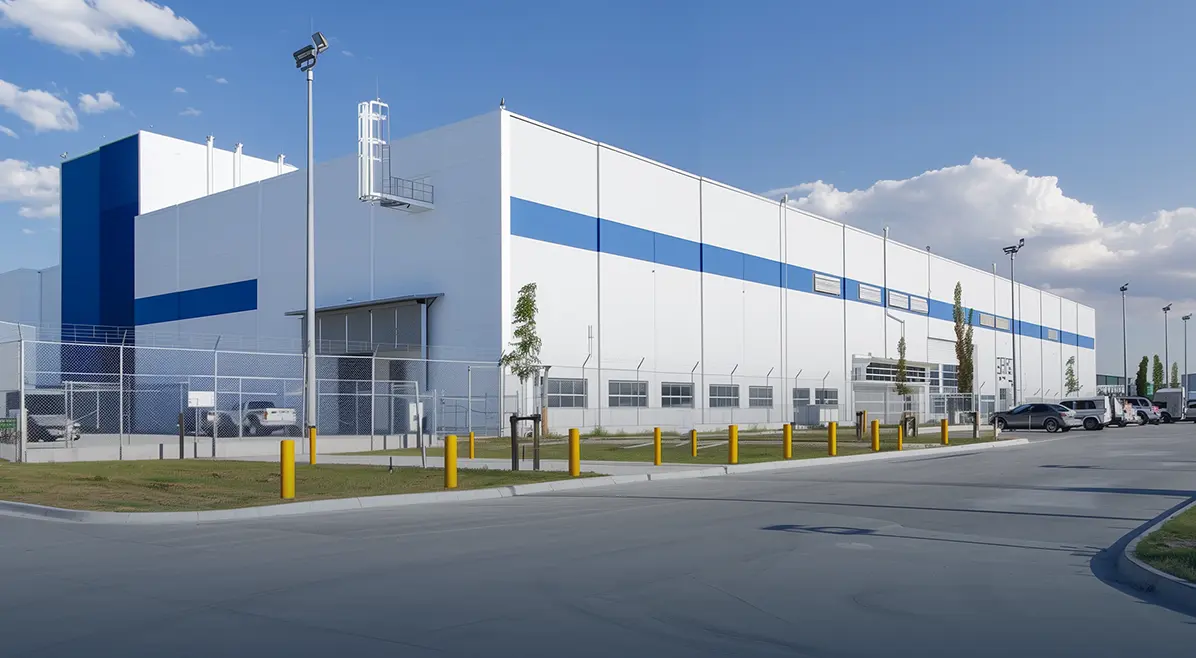
Our substantial investment in state-of-the-art tooling and automated production lines ensures structural precision and consistent tolerances.
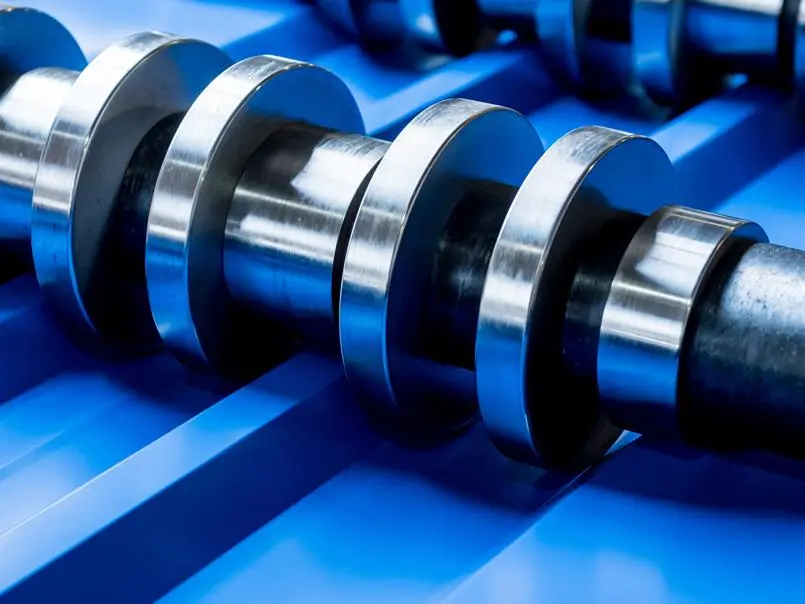
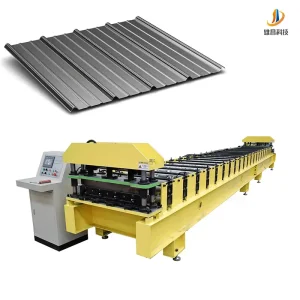
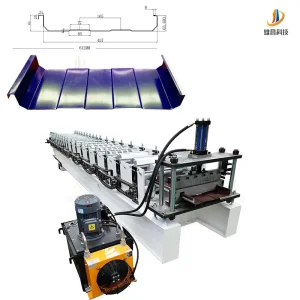
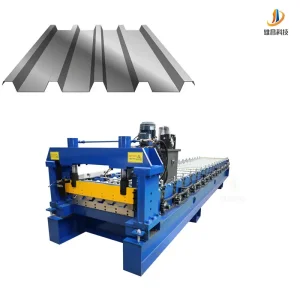
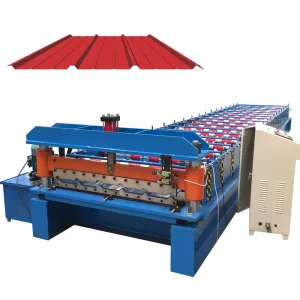
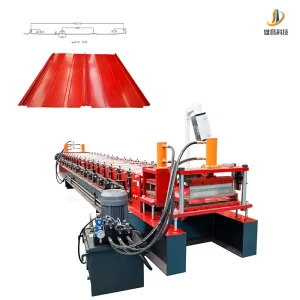
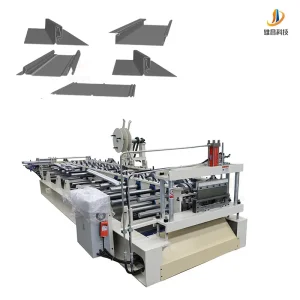
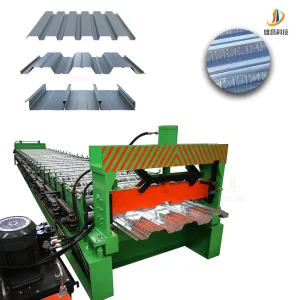
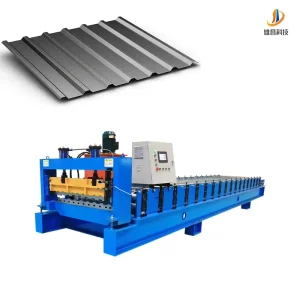
Roof Panel, Wall Panel, Standing Seam, and Floor Deck Roll Forming Machines designed for rapid fabrication of building facades.
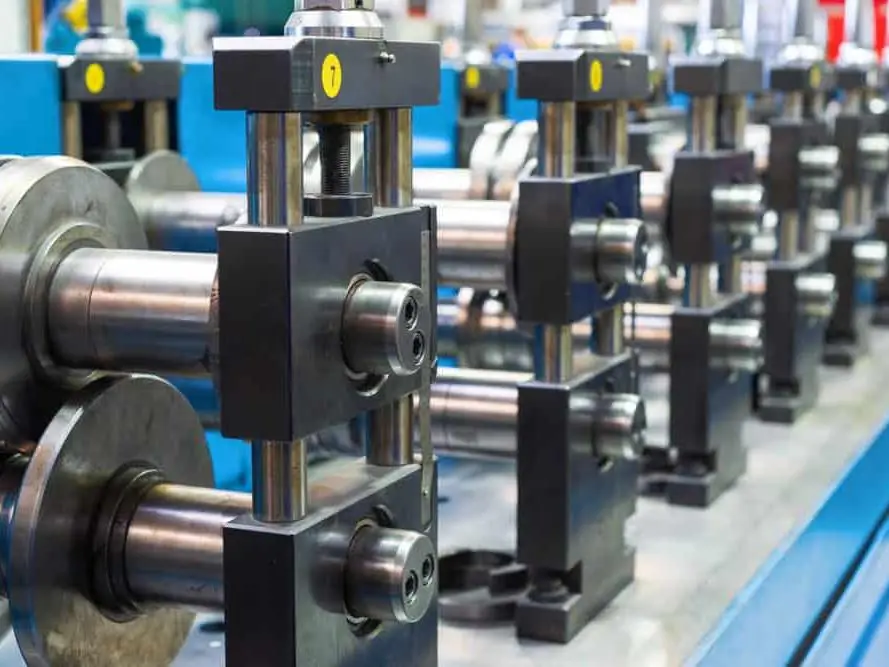
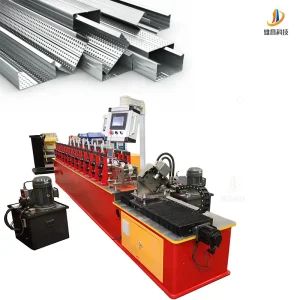
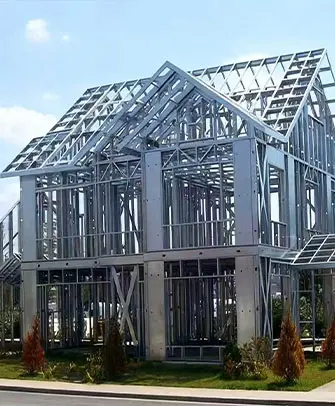
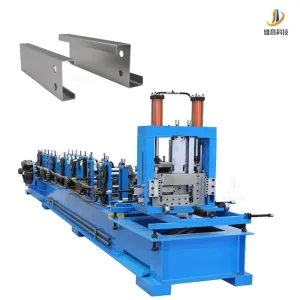
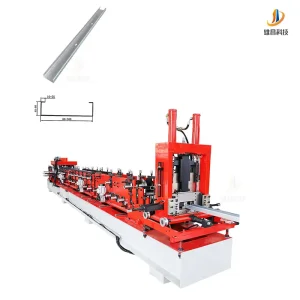
Variable C/Z Purlin Roll Forming Machines, and high-precision light gauge Stud & Track Roll Forming Machines.
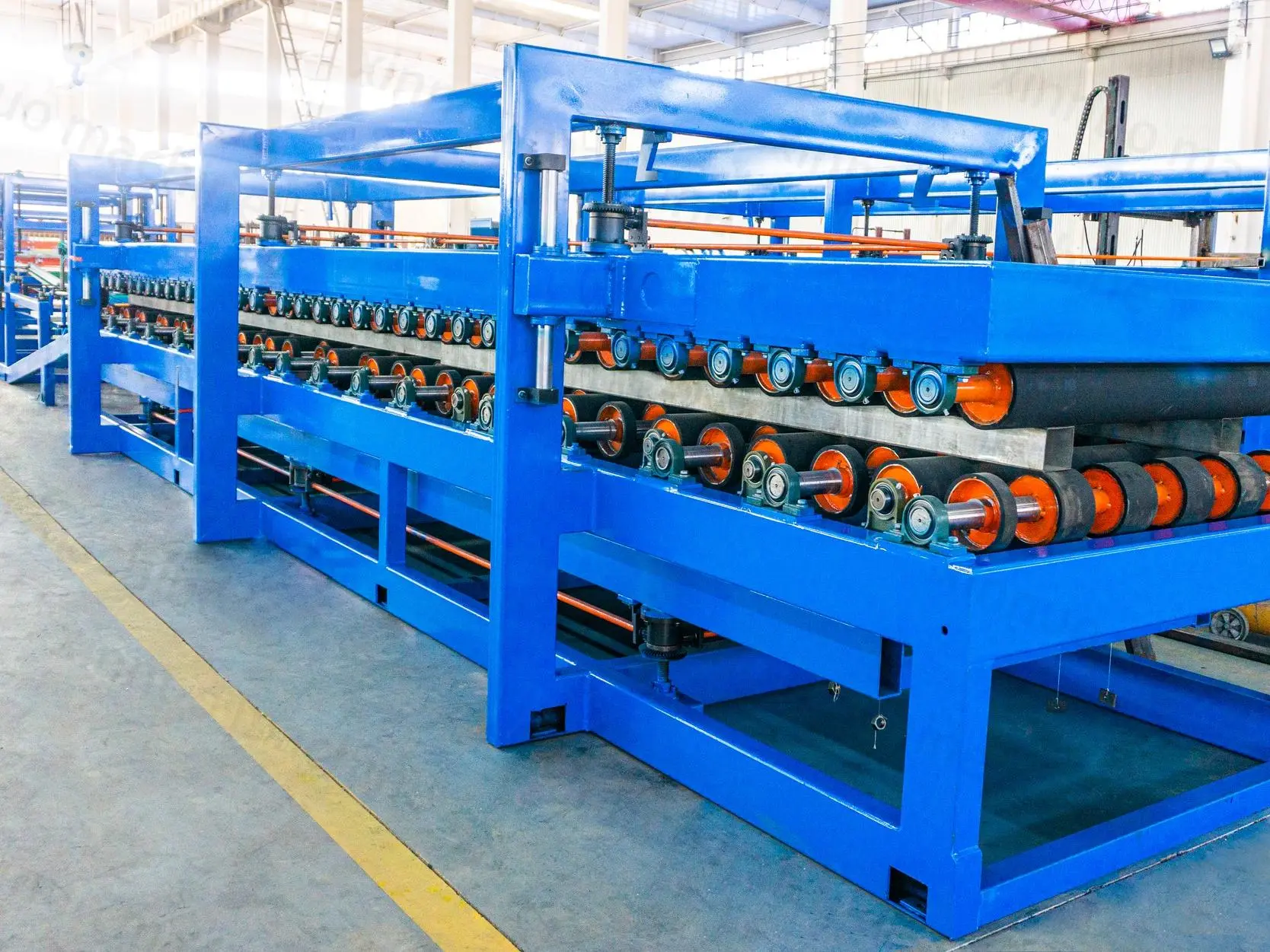
Heavy-duty Gutter Roll Forming, Metal Door Frame Roll Forming, and custom profile forming lines engineered to client drawings.
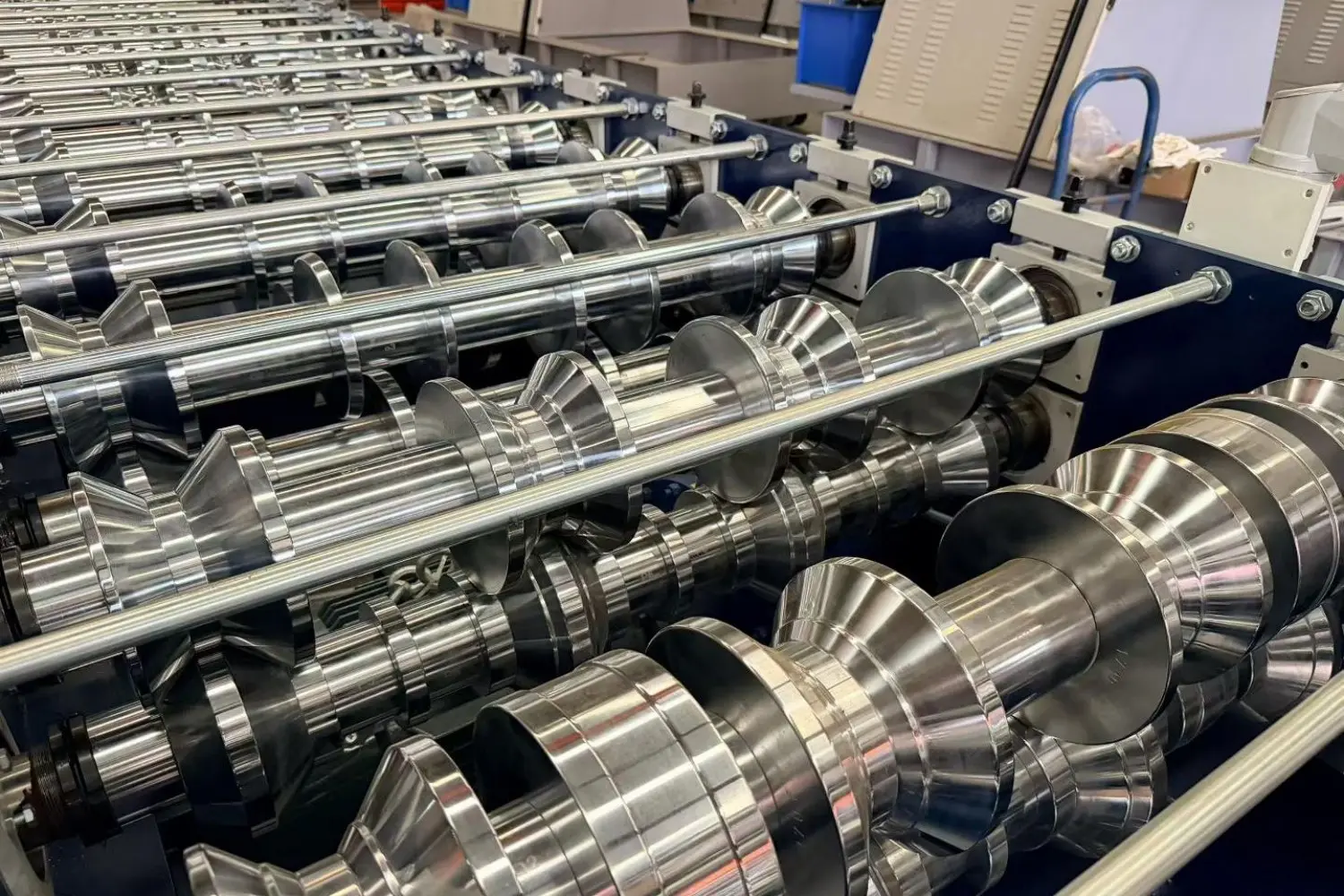
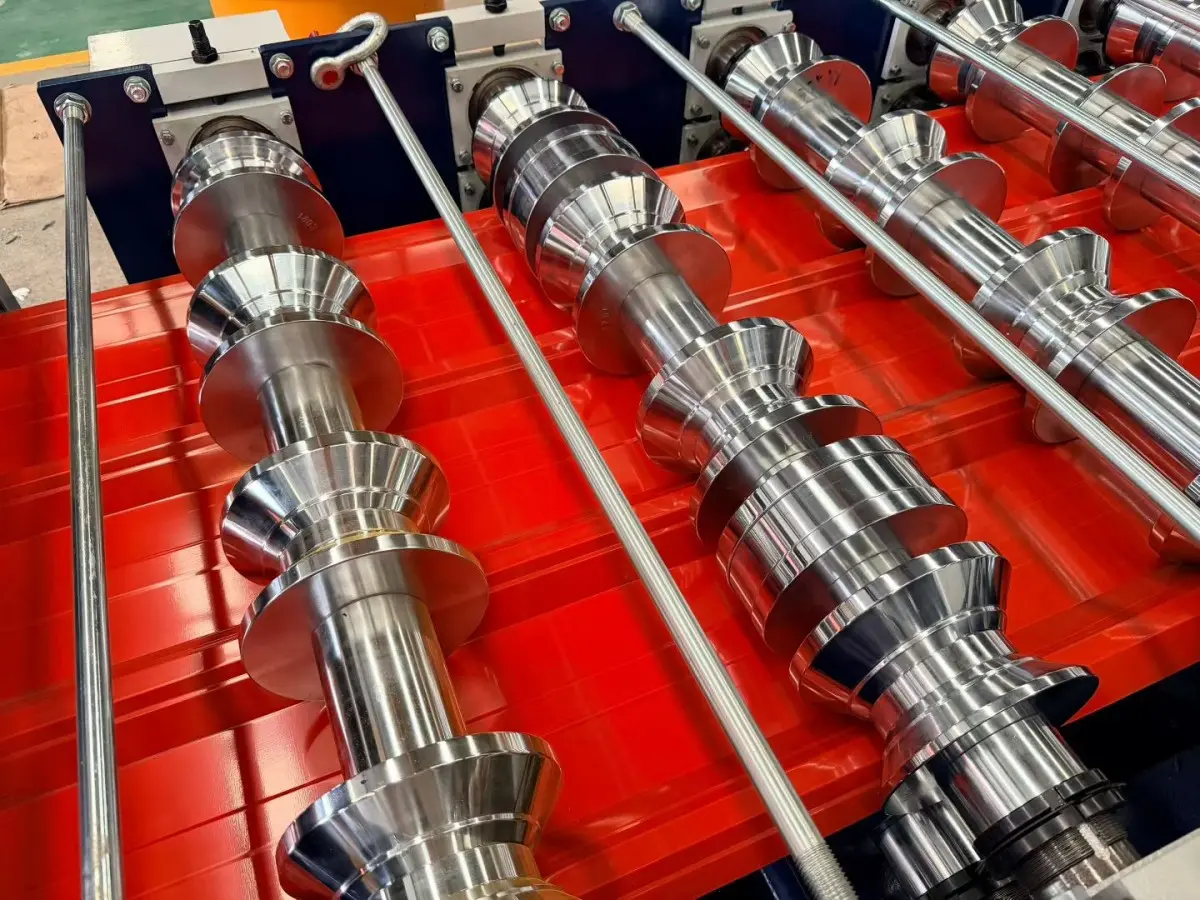
At XC, quality is not a testing checkpoint; it is a systematic design and manufacturing methodology. We deploy a complete suite of non-destructive detection and testing instruments to inspect weld seams, verify roller hardness, and audit dimension tolerances. Every roller shaft undergoes heat treatment, precision grinding, and hard chrome plating to guarantee long-term wear resistance against harsh steel coatings.
Standardized QC protocols are implemented at every station. Before shipment, every machine is subjected to a continuous production run test using the customer's specified steel material to ensure profile geometries match mechanical models perfectly.
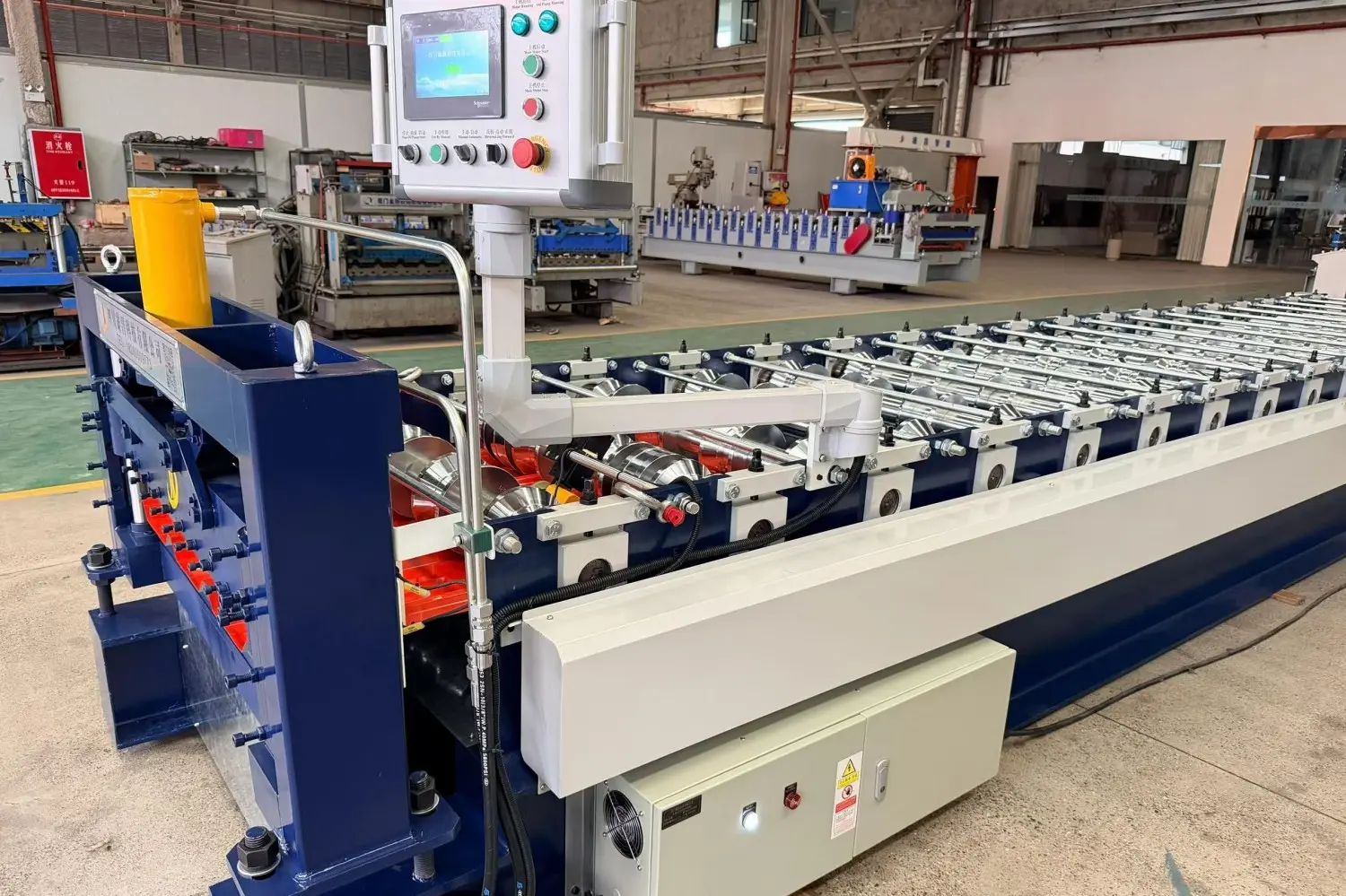
From initial engineering design validation to final on-site installation, XC provides comprehensive lifecycle engineering support. We assist our clients with floor plan layout optimization, electrical loading analysis, and roll former commissioning. Our technical service includes onsite training programs for machine operators, focusing on safety protocols, preventive maintenance schedules, and quick tooling changeovers.
Our after-sales engineering crew is on call to deliver rapid component shipping, remote diagnostics, and on-site repair. We ensure your production line maintains optimal productivity year-round, minimizing expensive machinery downtime.
How our heavy-duty roll forming machinery feeds the primary structural and commercial development sectors globally.
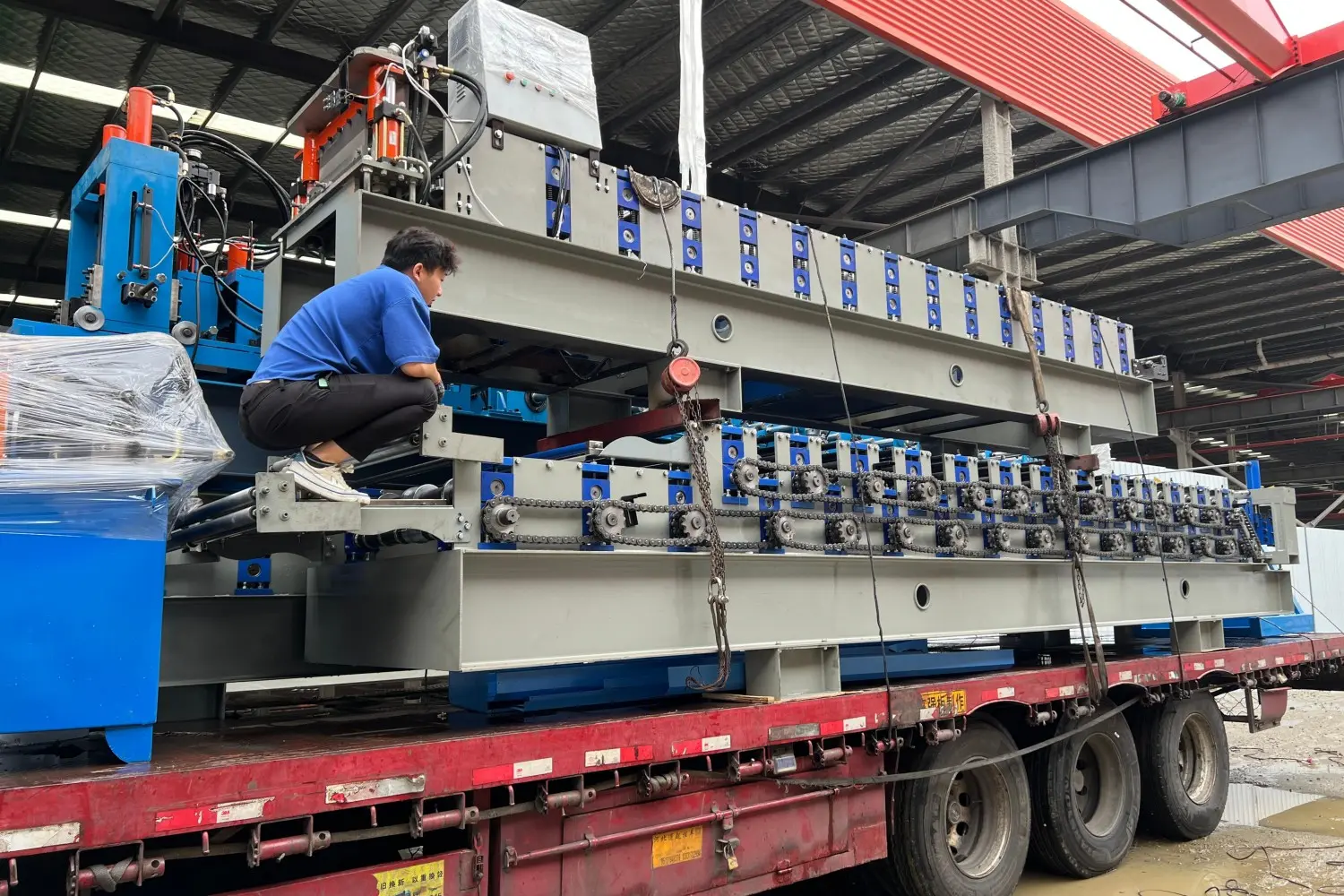
1. Mechanical Structural Integrity: The chassis of our roll forming systems is built using welded H-beam steel structural plates, normalized to relieve internal stress. This ensures long-term operational alignment and eliminates the structural warping common to lower-tier roll formers.
2. High-Grade Roller Tooling: We manufacture our forming rollers using solid CNC-machined GCr15 or Cr12 alloy steel blanks. Each roller is vacuum quenched and polished to a mirror finish, preventing material surface scratching during high-speed metal forming.
3. Electrical & Drive Configuration: Driven by high-efficiency electric motors paired with premium gearboxes and frequency converters, our machines deliver precise torque and synchronized speeds across all forming passes, resulting in ideal panel quality.
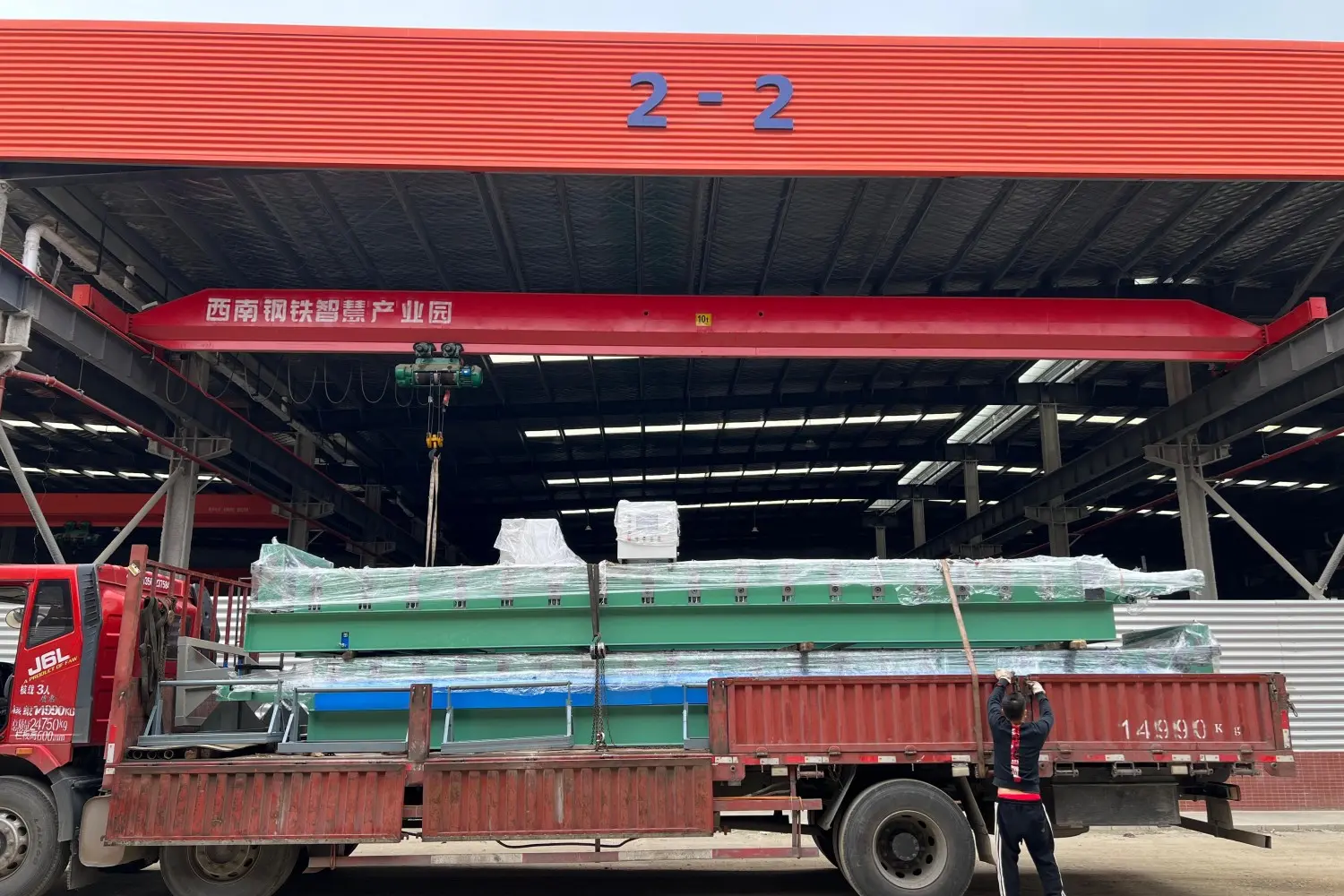
Expanding operations globally requires compliance with safety protocols. Our engineering lines are engineered to meet strict international standards, including CE certification for European Union markets, UL/CSA standards for North American electrical configurations, and AS/NZS compliance for Australia. Every electrical panel features clean cable routing, overload safeguards, and emergency stop systems.
We support global installation and integration by dispatching certified field service technicians who speak native languages or coordinate with local service centers. This localized infrastructure ensures smooth communication, seamless equipment integration, and reliable spare parts sourcing.
The future of roll forming lies in cloud connectivity, sensor integration, and smart self-correcting mechanisms. The next generation of XC cold roll forming machines will feature material thickness sensors that automatically adjust roller spacing in response to coil variations. Furthermore, by using smart predictive software, we can monitor motor heat signatures and vibration patterns to alert operators to maintenance needs before unexpected breakdowns occur.
Through our investment in advanced servo control technology, we are developing machines that drastically reduce sheet overlap waste. This focus on resource efficiency will support our global partners in achieving green, low-carbon building objectives.
Critical technical questions and engineering parameters answered by our senior technical designers.
Our machines are engineered to form steel gauges ranging from 0.3mm to 0.8mm (29 to 22 Gauge) with yield strengths up to G550 (high tensile). During design, our engineering team optimizes the number of forming stations to manage springback without damaging protective paint layers.
Generally, the design, manufacturing, profiling, and testing process takes between 60 to 90 days. For complex configurations or automated quick-change cassette models, the lead time may extend slightly to ensure thorough testing and trial runs prior to shipment.
We maintain strict dimensional tolerances (typically length tolerance within ±1.0mm and profile diagonal tolerances within ±1.5mm) by utilizing high-precision encoders, servo-driven cutting systems, and solid chromed steel tooling engineered in-house.
Yes, we provide the option to dispatch experienced installation engineers to your facility. Our service includes machine installation, fine-tuning, system configuration, and complete safety training for your operators.
We build our control panels and drive systems to match your factory's specific electrical layout. Common options include 380V/50Hz/3Phase for Europe and Asia, 460V-480V/60Hz/3Phase for North America, and 415V/50Hz/3Phase for Australia.
High-efficiency solutions designed to manufacture floor decks, purlins, structural frames, and heavy roofing panels.
 Xiongchang