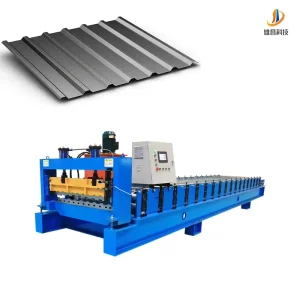
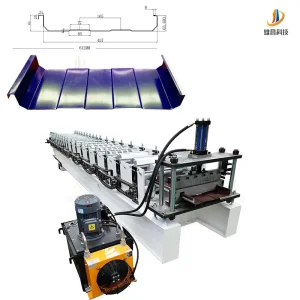
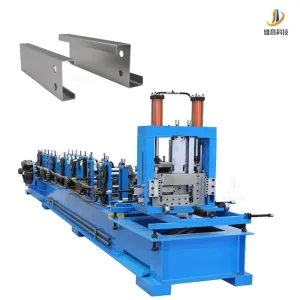
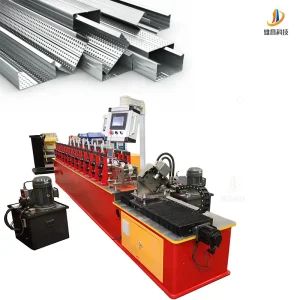
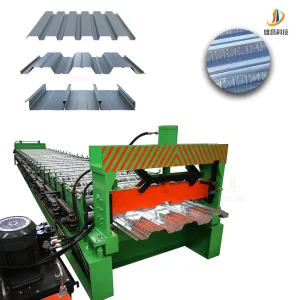
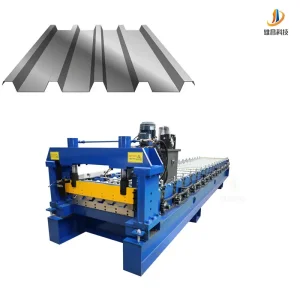
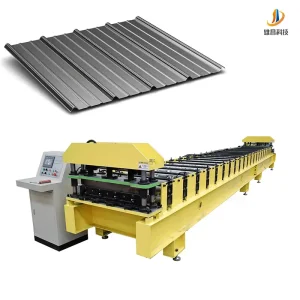
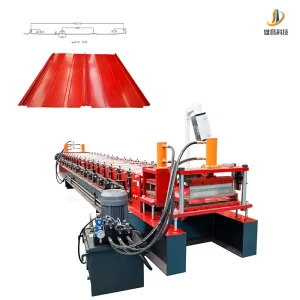
As a tier-one engineering enterprise based in China, XC (Xiongchang) designs and manufactures state-of-the-art cold roll forming production lines that serve as the backbone of modern construction projects worldwide.
Our design team leverages advanced CAD/FEM simulations to model material stress distribution, ensuring that every dynamic profile—including high-strength Max Rib structural profiles—retains dimensional stability and experiences zero springback variances. From structural building envelopes to residential roof paneling systems, XC machines process mild steel, high-strength G550 galvanized coils, and pre-painted metals with extreme precision.
Explore Technical Capabilities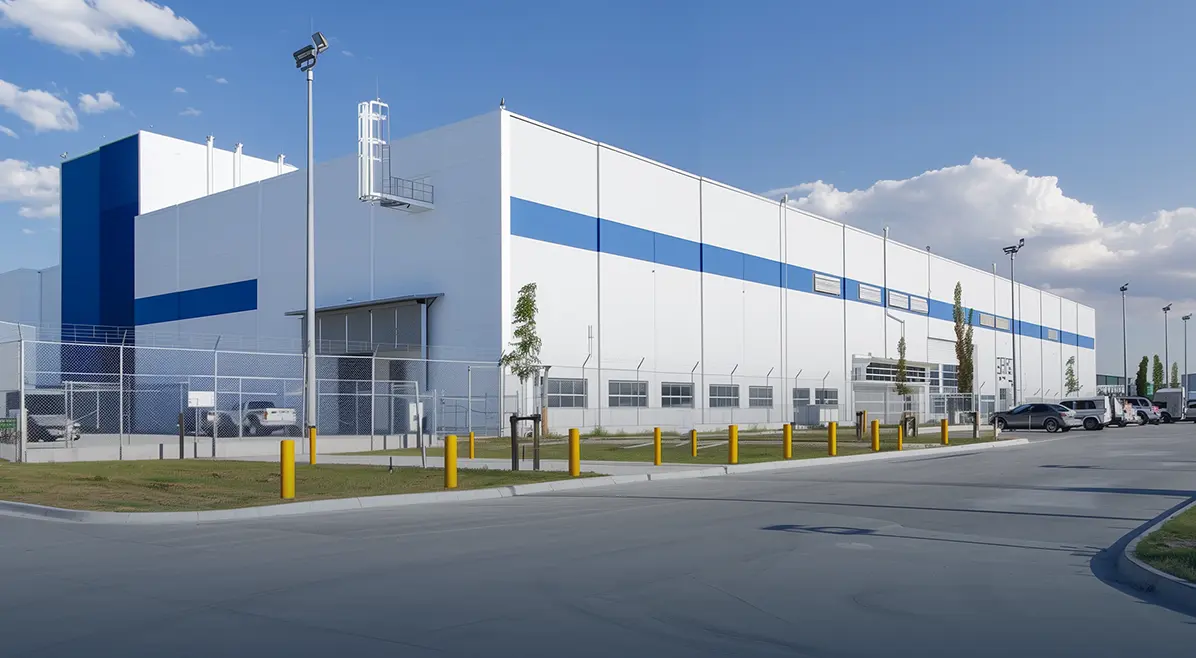
A comprehensive analysis of heavy-gauge profiling equipment design, metallurgy, and output accuracy controls.
The term Max Rib profile (widely utilized across North American and European agricultural and light commercial structures) demands a precise spatial arrangement of major ribs (usually 3/4" high on 9" centerlines) coupled with minor anti-siphoning grooves. Operating at raw material yields up to G550 (high-tensile carbon steel), forming equipment must utilize progressive deformation stages to avoid stress fractures or coating degradation of the sheet.
| Specification Parameter | Standard Configuration Range | Heavy Industrial Configuration |
|---|---|---|
| Material Thickness Range | 0.3 mm – 0.6 mm | 0.2 mm – 0.8 mm (G550 High Tensile) |
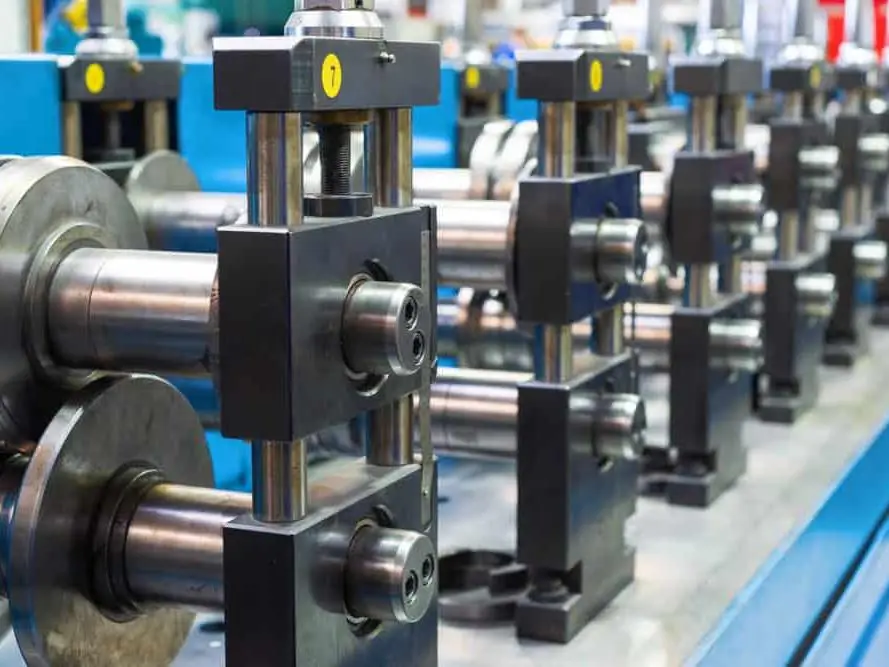
| Roll Station Capacity | 14 – 18 Forming Stations | 20 – 24 Forming Stations (Ensures zero strain hardening) |
| Shaft Material & Treatment | 45# Carbon Steel, Hard Chromed | 40Cr Steel, CNC Ground, Hard Chromed 0.05mm |
| Roller Material Options | GCr15 Steel (Quenched HRC 58-62) | Cr12MoV Die Steel (Vacuum Heat Treated) |
| Production Line Speed | 12 – 18 m/min (Standard Hydraulic Shear) | 25 – 40 m/min (Servo Flying Cut-off System) |
| Control Architecture | Siemens / Mitsubishi PLC + Touch Screen | Delta System with Closed-Loop Encoder Feedback |
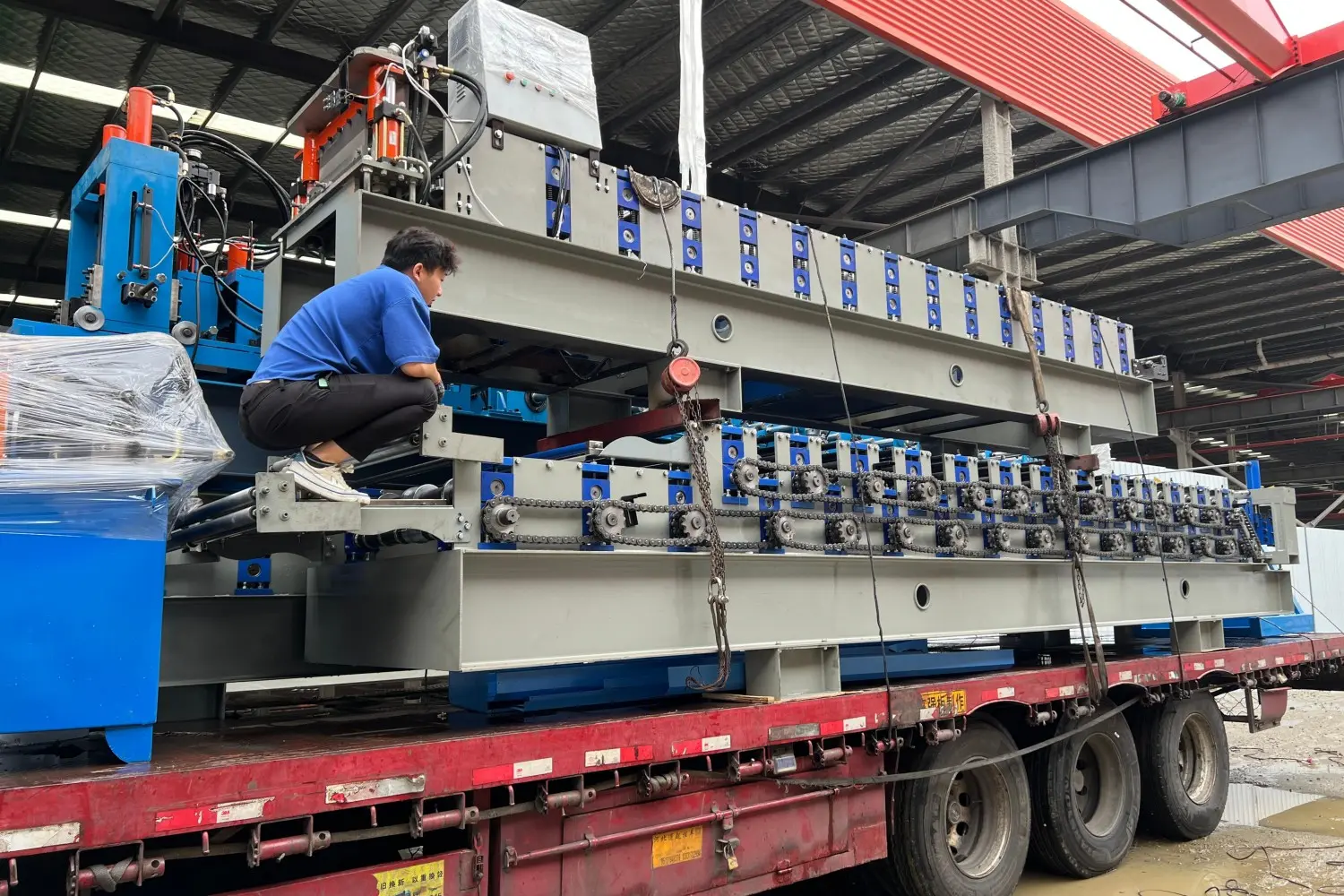
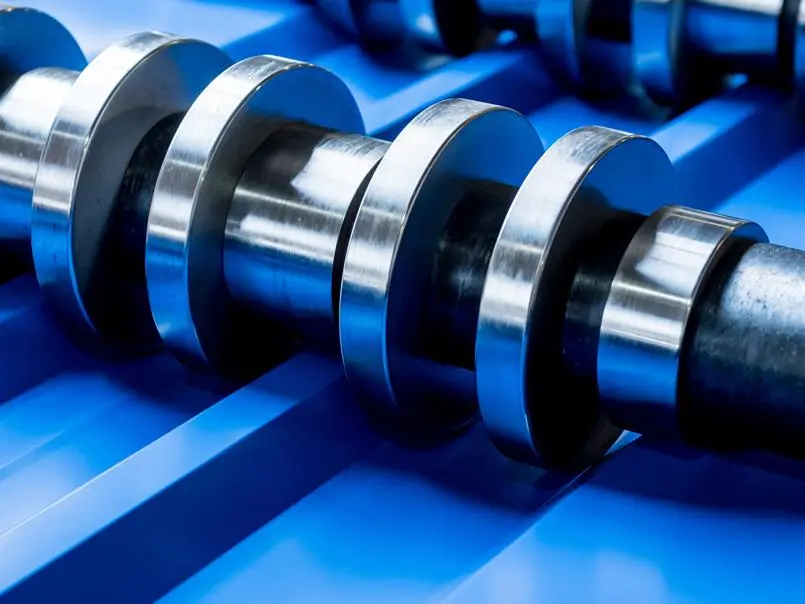
Our rollers are fabricated using CNC precision lathes and undergoing rigorous heat treatment. We ensure the hardness of the rollers reaches HRC 58-62, effectively minimizing surface wear when fabricating abrasive zinc-aluminum coated sheets.
By using modular tooling design, factories can quickly adapt the production setup to adjust profile widths and flange depths. This allows operators to toggle between traditional AG-Panel (Tuff Rib) specifications and customized Max Rib profiles with minimal downtime.
Engineered to withstand long production cycles with high repeatability rates.
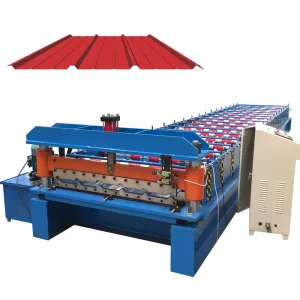
We supply advanced roll forming machinery designed specifically for roof panels, commercial wall panels, and metal floor deckings, serving key roles in industrial infrastructure projects.
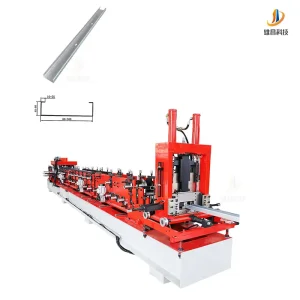
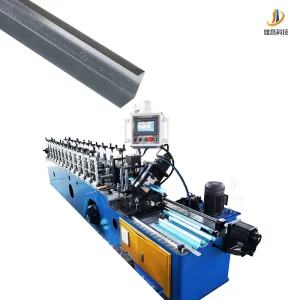
Featuring automated C/Z purlin changeover machines alongside heavy-duty light gauge steel stud and track systems that guarantee architectural structural reliability.
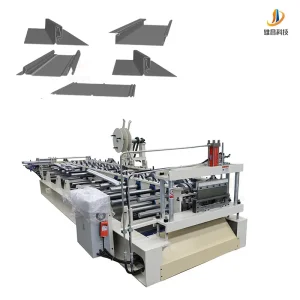
High-speed rain gutter profiles, dynamic downspouts, and heavy commercial steel door frames developed with proprietary cutting and punching systems.
Every Max Rib roll former produced under our roof undergoes stringent testing protocols before container packaging. Our dynamic quality evaluation includes continuously running the machinery at peak speeds with simulated material loads to evaluate thermal stability and torque tolerances on gearboxes and hydraulic manifolds.
We check the panel tolerances against global architectural tolerances (+/- 1mm on length, +/- 0.5mm on rib heights) ensuring that the outputs slide effortlessly into place during site installation, minimizing manual adjustments.
At XC, our engagement with customers goes beyond equipment delivery. We provide a complete spectrum of post-sales services to ensure your production line stays at maximum efficiency. Our engineers travel to international destinations to oversee commissioning, configure complex multi-profile lines, and train your staff on safe operations and maintenance cycles.
We utilize digital remote-assistance units connected to our Siemens/Delta PLC interfaces. If your technicians run into profile alignment errors or electrical faults, our Chinese engineering desk can log in to diagnose the machine state real-time, reducing downtime from days to minutes.
Access Support PortalHow industries apply our high-precision roll formers across diverse structural projects.
Provides cladding and robust structural frameworks for large agricultural facilities, warehouses, and urban residential communities.
Delivers roll-formed sheet configurations for transport hubs, high-capacity highway guardrails, and acoustic sound insulation barriers.
Supplies robust solar panel mounting profiles, support purlins, and specialized structural frames optimized to withstand extreme wind conditions.
Direct answers from our Senior Roll Forming Engineers regarding machine setup, tooling lifespan, and steel grade compatibility.
G550 high-tensile steel has significantly higher elastic recovery (springback) compared to ductile G300 steel. A roll former optimized for G550 steel must utilize overbending parameters in its roller tooling configuration. It also requires more forming stations (typically 18 to 22 stations) to guide the metal sheet gradually, avoiding stress fractures in the galvanized coating.
Cr12MoV die steel is an alloy formulation characterized by high carbon and high chromium concentrations. Following heat treatment, it develops excellent wear resistance and hardness retention (up to HRC 62). This material outlasts standard 45# carbon steel rollers by more than three times under continuous production conditions, maintaining sharp profile lines and clean cuts.
Our rollers undergo high-precision CNC polishing followed by hard industrial chrome plating (thickness of 0.05mm+). In addition, we calibrate the rotational speeds across all forming stations, ensuring consistent line speed to prevent friction-based scuffing. For highly sensitive surfaces, we can integrate inline protective film laminating devices.
Post-cutting configurations shear the profile after the sheet is completely formed. This method ensures clean edge profiles without distorting the final panel ends. While pre-cutting is easier to build, it can result in flared edges at the ends of formed profiles due to material springback. As a result, post-cutting is the standard configuration for our high-precision roofing systems.
Operators should apply general machine oil to the driving chains and gears weekly, verify hydraulic oil levels and replace the oil filter element every six months, and clean metallic dust off the rollers daily. Inspecting the cutting blade clearance and checking the torque on major structural bolts every 200 operating hours ensures consistent run tolerances.
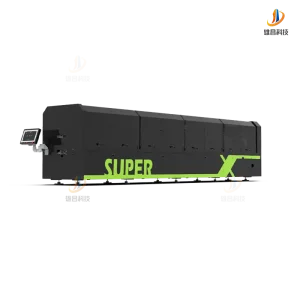
Custom Super Series Light Gauge Steel Roll Forming Machine (Stud & Track Roll Former) Manufacturers, Factory
View Details Xiongchang