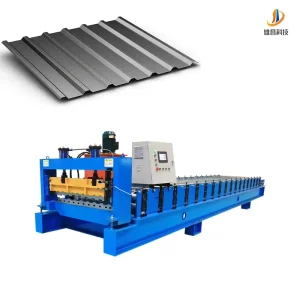
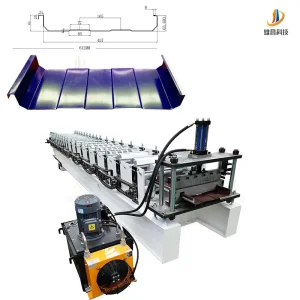
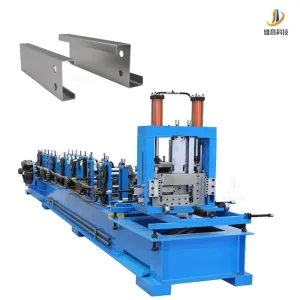
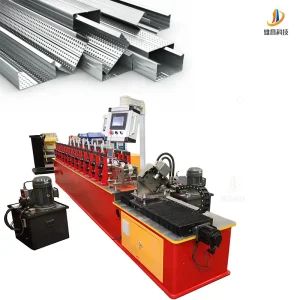
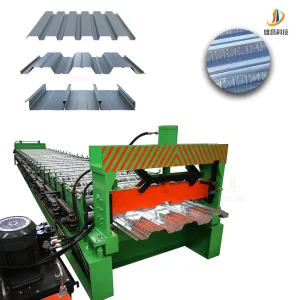
Architectural building envelope systems and structural framing systems precision engineered by XC Metalforming.
The modern building envelope industry demands steel panels that combine high structural integrity with economic efficiency. The Max-Rib Panel (commonly recognized across various international markets as the AG Panel or Tuff-Rib) has emerged as the global benchmark profile for agricultural, light commercial, and residential metal roofing and siding applications.
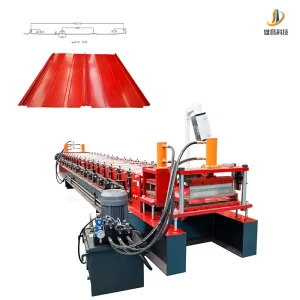
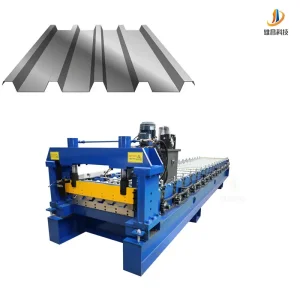
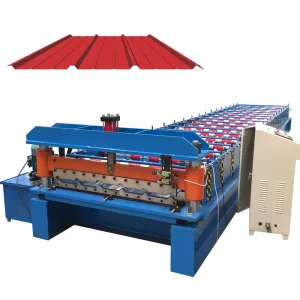
A Max-Rib profile features low-profile ribs typical of 3/4-inch height spaced at 9 inches on center, integrated with an anti-siphon groove to ensure water tightness under heavy precipitation. Manufacturing these panels requires highly sophisticated cold roll forming machinery designed to maintain exact dimensional consistency while shaping high-tensile steel, typically ranging from G300 to G550 yield strength. As industrial manufacturers, the engineering behind our roll formers prevents structural oil-canning and micro-cracking of galvanization layers during deformation.
INTEGRATED ROLL FORMING SPECIALIST
As an established expert in the metal forming industry, XC (Xiongchang) provides fully integrated roll forming production lines. Our technical portfolio encompasses core high-precision profiling machinery for roofing, flooring, wall cladding, and structural elements, along with comprehensive auxiliary system integrations (uncoilers, stackers, slitting lines) to optimize downstream manufacturing cycles.
We provide end-to-end mechanical solutions, integrating mechanical design, FEA structural simulation, toolpath manufacturing, and full-scale factory testing. By addressing the requirements of high-volume fabricators, our machines operate continuously with low downtime and high dimensional consistency.
Years Industry Experience
Factory Area
Cooperative Customers
Completed Deployments
XC designs, engineers, and fabricates roll forming equipment to meet strict tolerances and prolonged operational lifetimes.
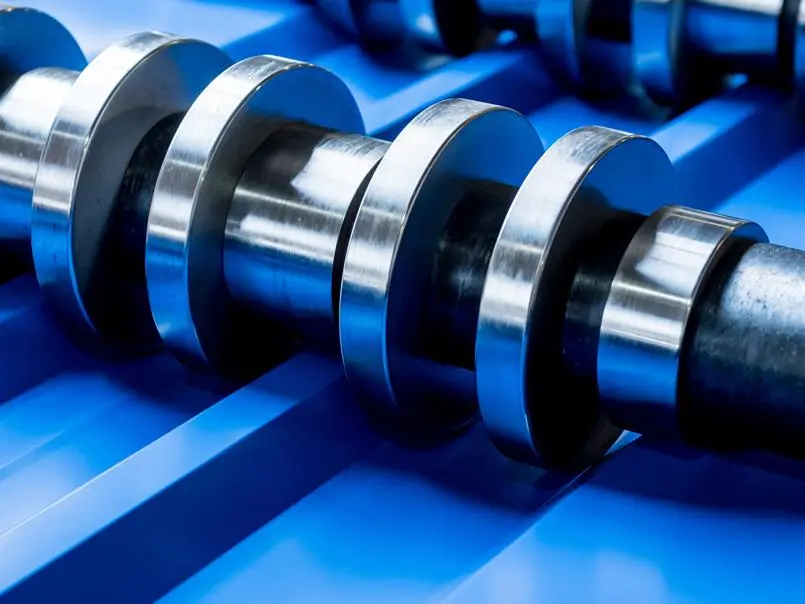
Our rollers are manufactured from premium Cr12 (D2 equivalent) or Cr12MoV tool steel, undergoing precise CNC turning, vacuum heat-treatment to HRC 58-62, and subsequent hard chrome plating. This prevents surface wear when forming highly abrasive pre-painted galvanized steel (PPGI) and Galvalume.
A stable frame prevents vibration-induced profile distortion. We utilize 350-400mm H-beam steel welded structures with internal reinforcement ribs. The base undergoes thermal stress-relieving annealing and surface grinding on high-precision gantry milling machines to ensure flatness.
Equipped with PLC control systems (Siemens, Yaskawa, or Mitsubishi) integrated with touchscreens, our machinery permits variable length programming, batch scheduling, and automatic tracking. Line speeds are synchronized using closed-loop vector drives to maintain shear tolerances within +/- 1.0mm.
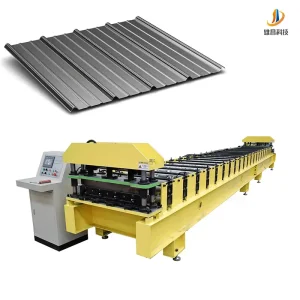
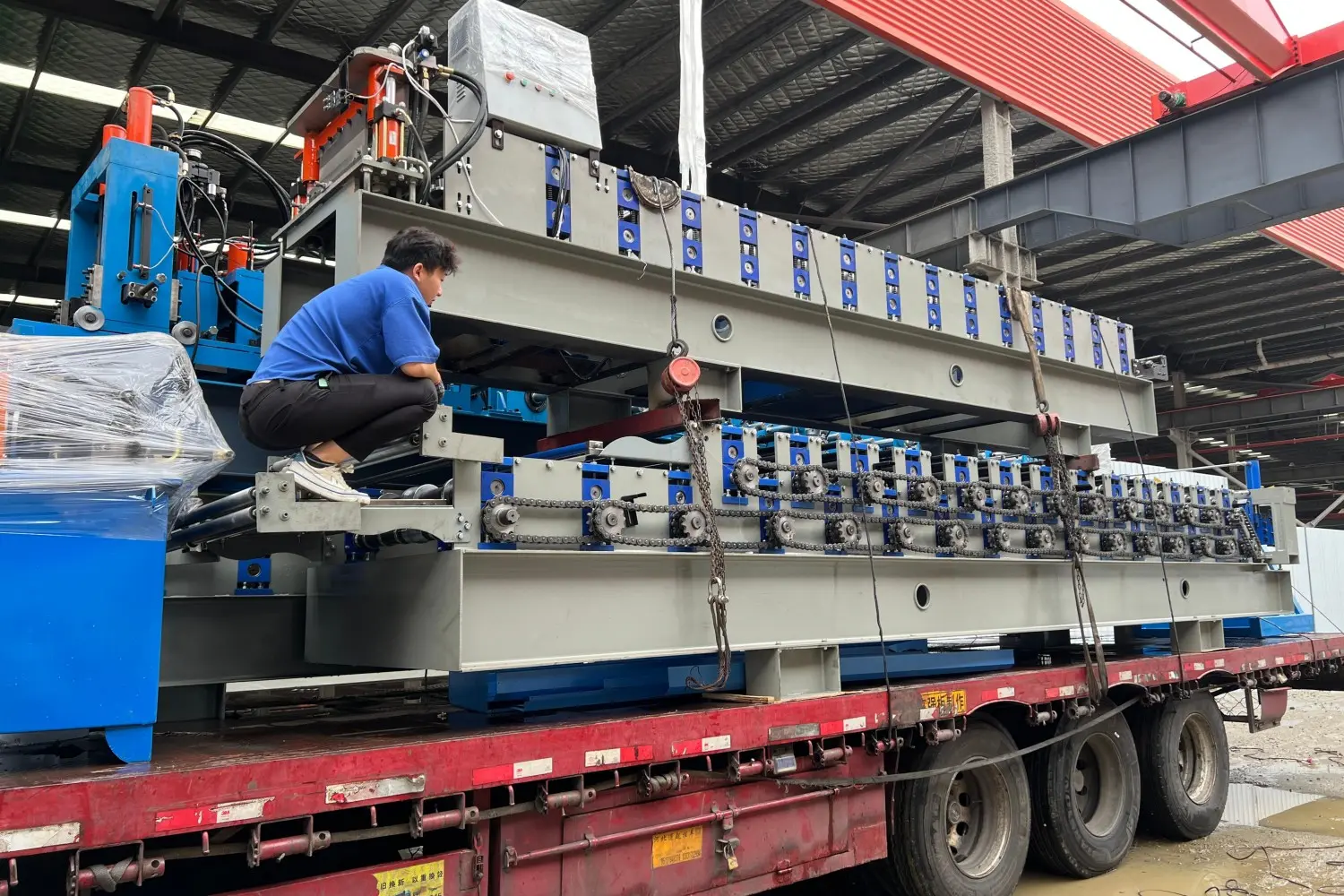
To optimize factory floor utilization and reduce capital expenditure, XC engineers high-capacity Double-Deck Roll Forming Machines. These allow manufacturers to produce two distinct architectural profiles—such as the Max-Rib (AG Panel) on the upper deck and a corrugated or PBR/IBR profile on the lower deck—using a single drive assembly and controller.
This design employs dual-level feed guides, a unified transmission system, and individual cutting systems tailored to each profile. Heavy-duty chain drives or individual gearbox-coupled shafts ensure quiet and uniform power distribution across all forming stations.
Analyzing key pain points of international steel panel fabricators, distributors, and construction firms.
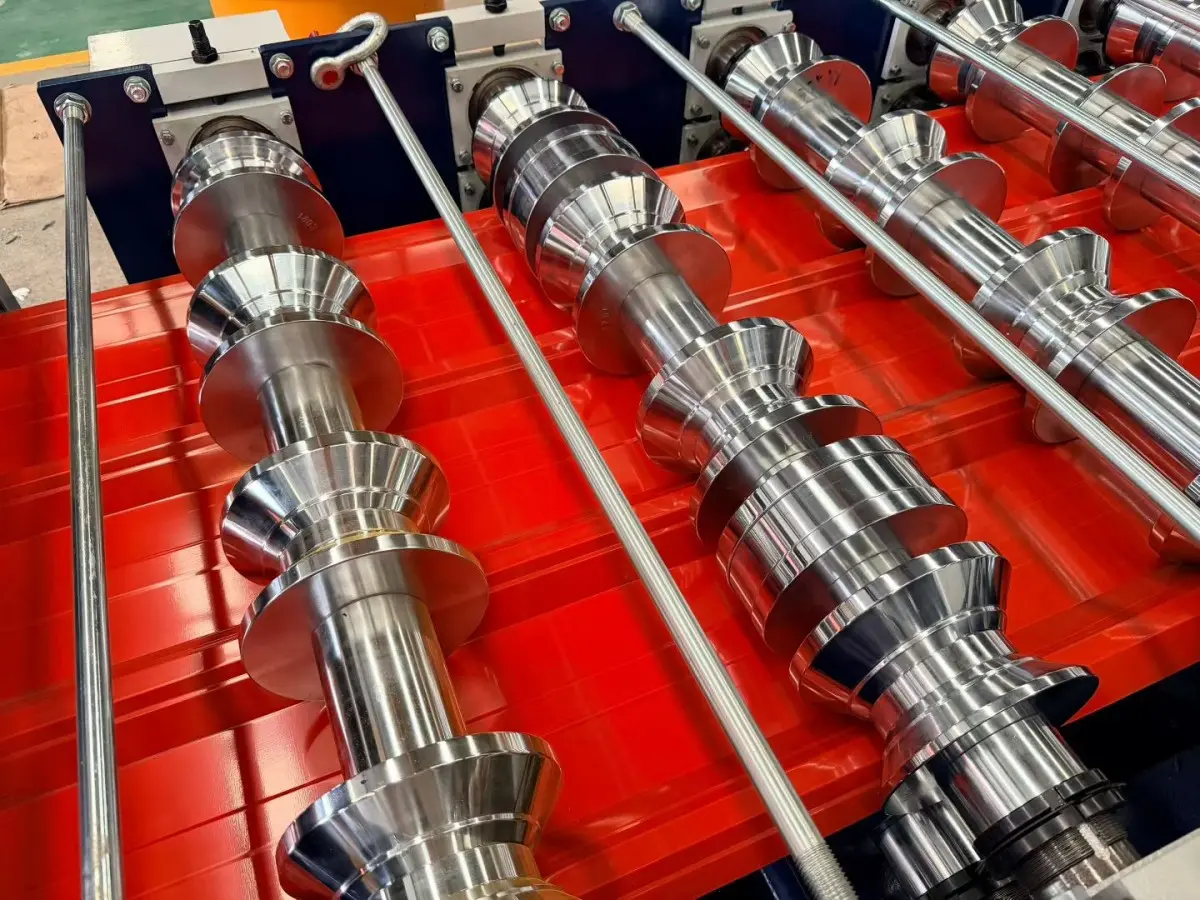
For large-scale construction networks and architectural suppliers, consistency across thousands of linear meters is essential. Our production lines feature inline punching, anti-siphoning rib formation, and precise post-cut systems, designed to handle raw materials from 0.3mm up to 0.8mm thicknesses. Each station is designed to minimize material stress, preventing the paint cracking and substrate exposure that can lead to corrosion in coastal or industrial environments.
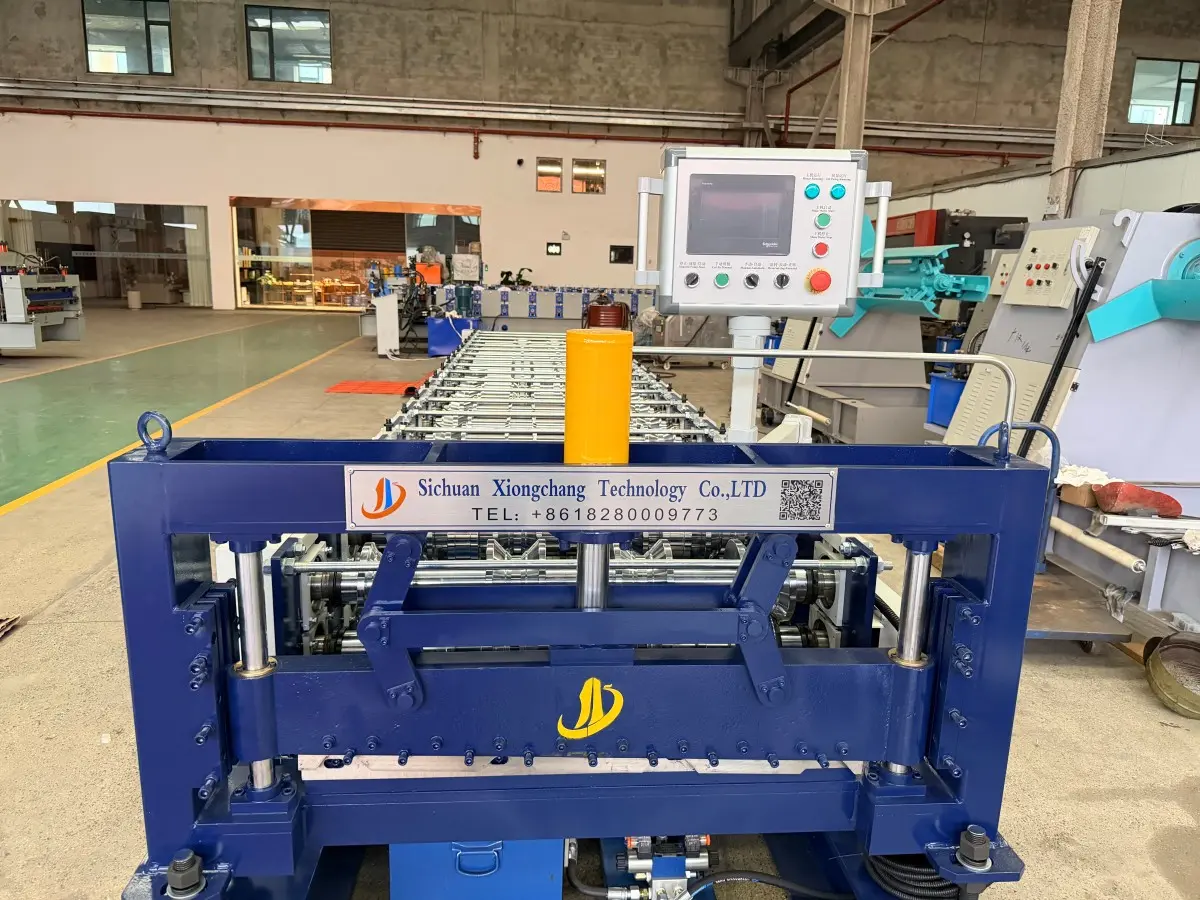
Procuring a roll former from China requires confidence in long-term support. XC provides detailed technical documentation, transparent spare-parts lists, and full digital commissioning reports before shipping. Our engineers coordinate directly with your factory teams to align power requirements (e.g., 220V/380V/480V at 50/60Hz), safety compliance (e.g., OSHA, CE, local shielding), and logic configurations.
Over two decades of engineering excellence in design, manufacturing, and client partnership.
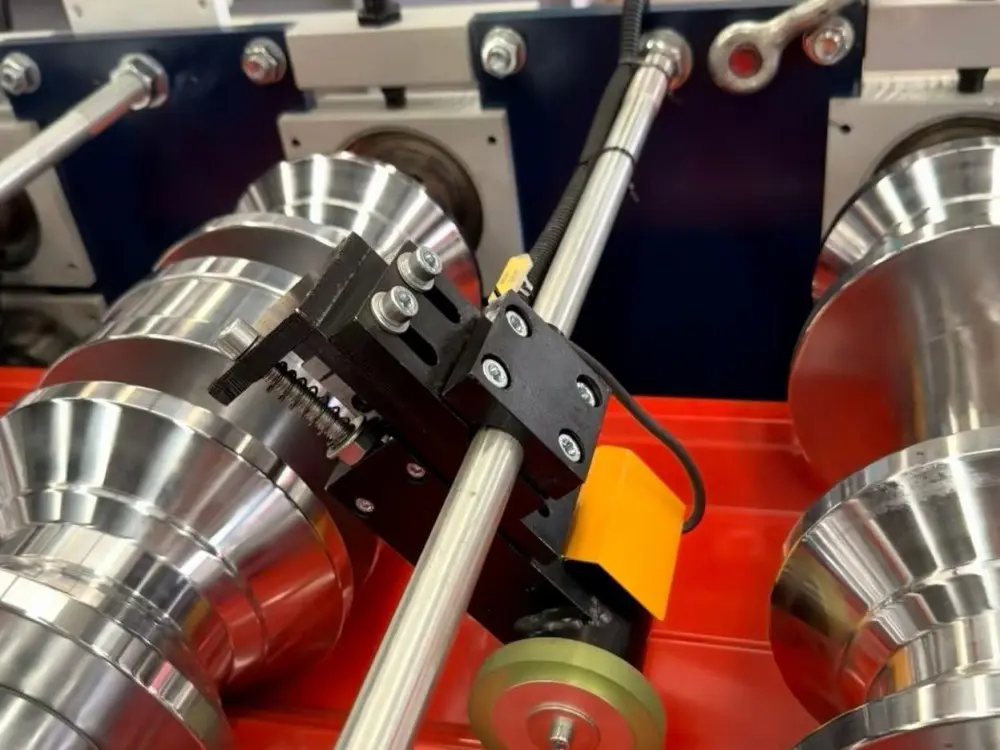
We continuously invest in R&D to refine roll designs, incorporating feedback from over 1,000 global projects to improve machine speeds, profile accuracy, and material yields.
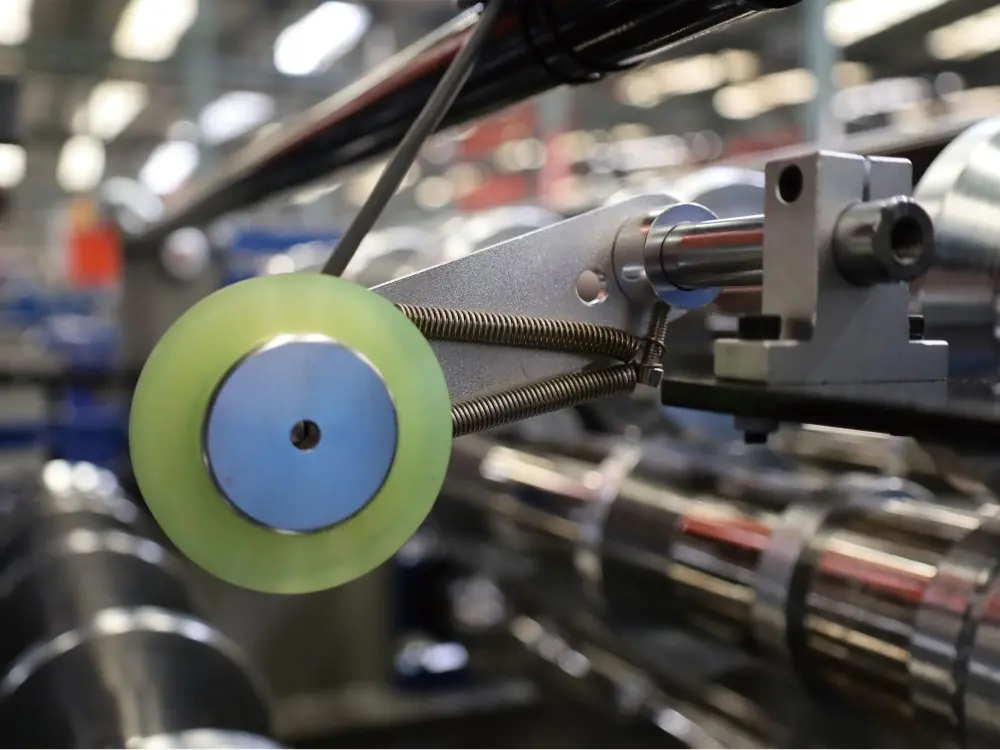
From heat-treated solid steel shafts to ground steel frame assemblies, our machines are designed for reliable operation in high-volume, multi-shift production environments.
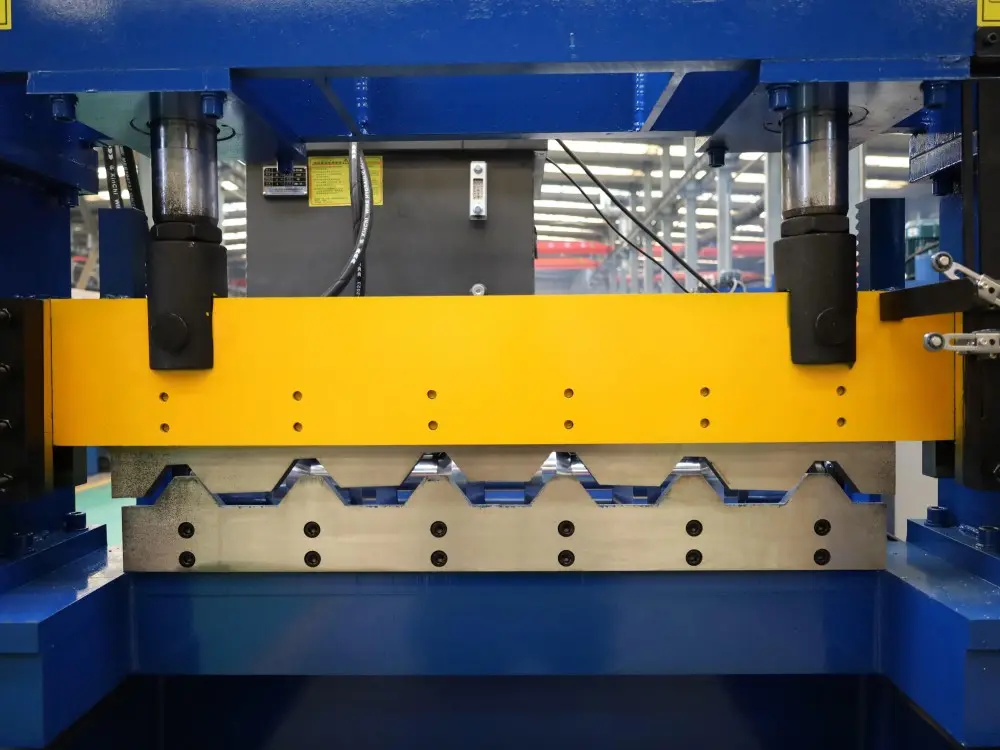
From initial design consults to lifetime tech support, XC ensures prompt assistance, rapid spare parts supply, and proactive guidance to maximize your return on investment.
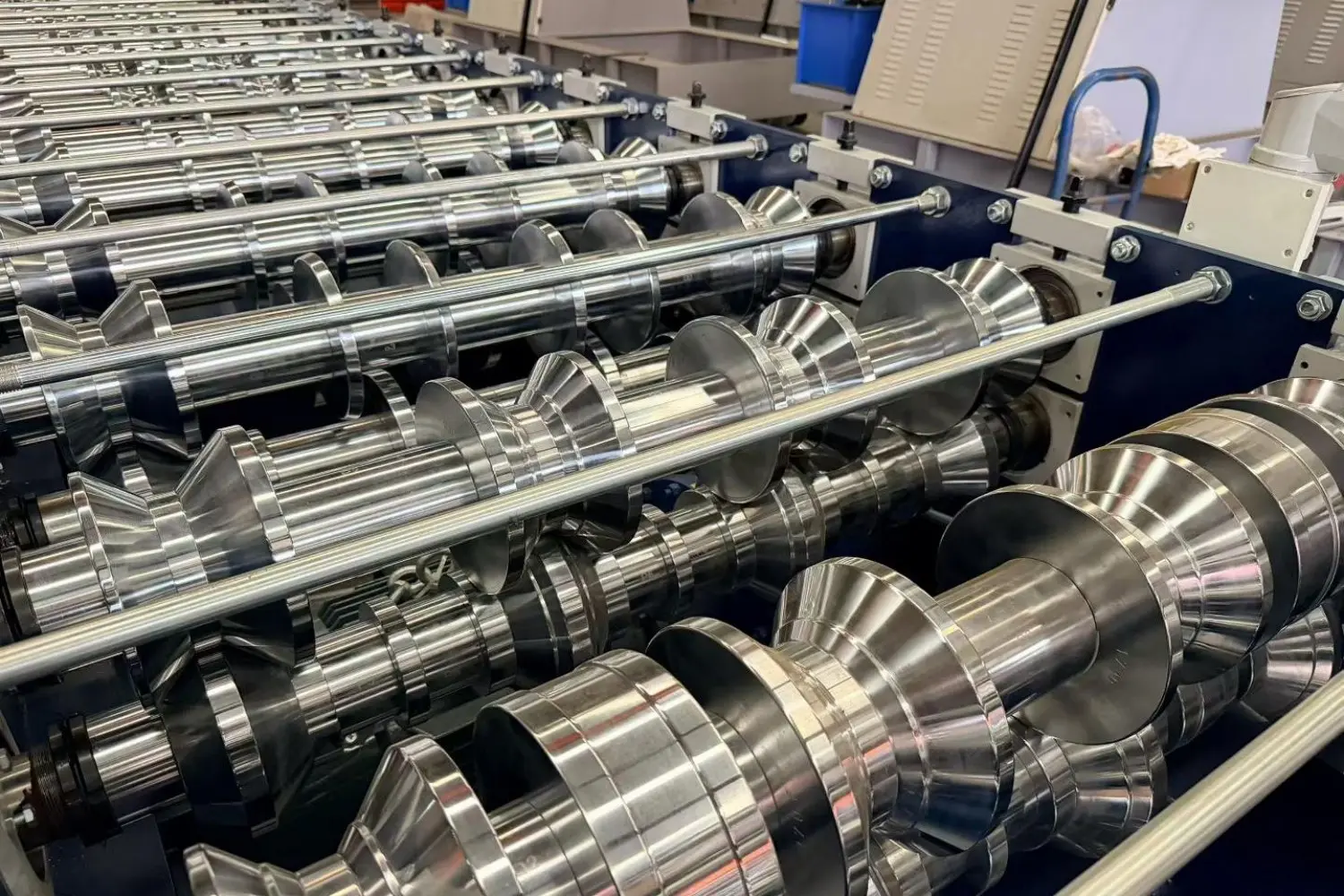
Quality control at XC starts at the raw material stage. Steel plates, shafts, and rollers are tested for hardness, chemical composition, and internal structural integrity. We follow standard quality control procedures at every phase of the manufacturing process:
XC roll forming lines serve key infrastructure sectors, enabling sustainable, low-carbon building envelopes.
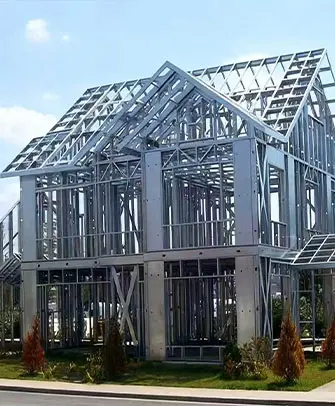
Roof panels, wall panels, and decking systems for commercial warehouses, high-end residential complexes, and public infrastructure.
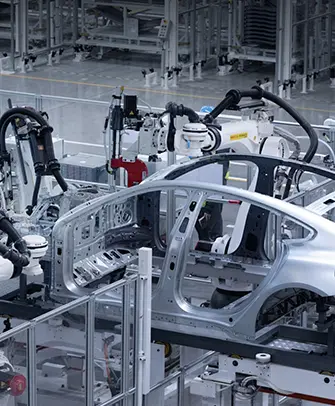
Roll-formed chassis rails, structural pillars, and internal reinforcement tracks designed to meet high automotive safety standards.
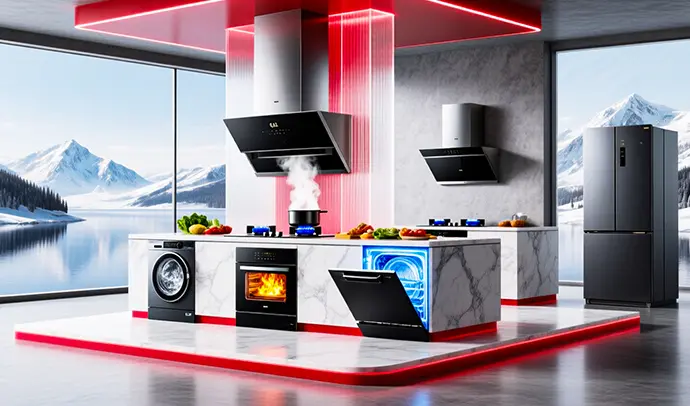
Precision thin-gauge panel forming for refrigerators, washing machines, HVAC components, and modular kitchen enclosures.

High-tensile guardrail systems, drainage pipes, and structural framing solutions for transportation networks.
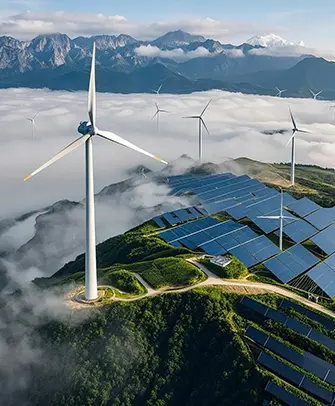
Automated manufacturing lines for solar mounting racks, PV mounting brackets, and battery storage rack systems.
Need a custom profile design? Contact our engineering team for expert advice, design drawings, and feasibility assessments.
Consult EngineersWe provide comprehensive engineering support from design through installation, ensuring long-term operational efficiency.
Our localized technical support addresses issues that can arise in remote production settings. Through PLC remote connectivity (integrated via Wi-Fi/4G industrial modems), our technicians can diagnose and update PLC code parameters, troubleshoot sensor errors, and optimize cutting speeds without requiring on-site visits.
If on-site support is needed, our global installation teams travel to customer facilities to manage setup, calibrate mechanical alignments, and train local staff on safety protocols, preventive maintenance schedules, and tooling changeovers.
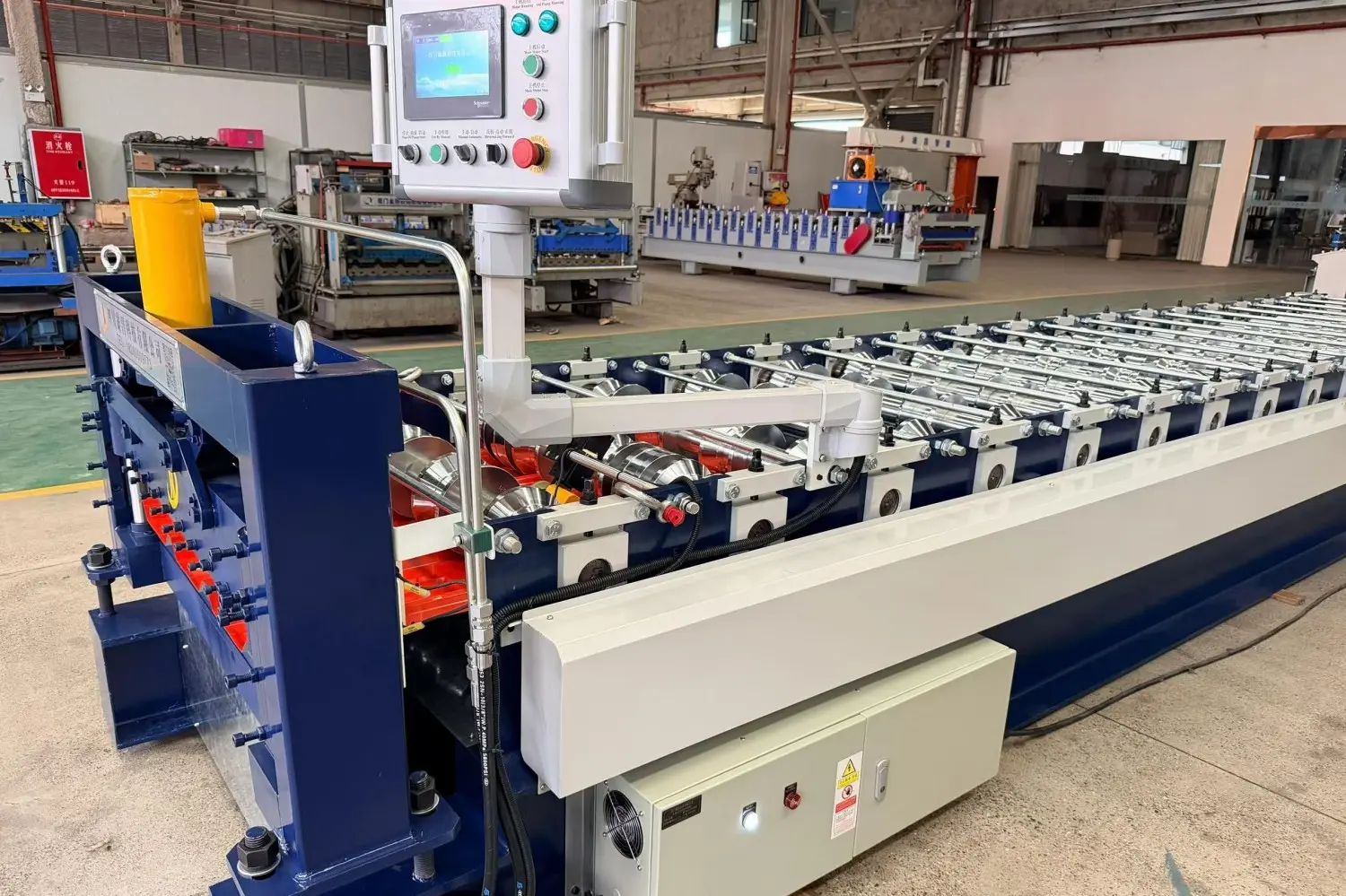
Advancing roll forming technology through research into automated changeovers, precision control, and sustainable manufacturing.
Incorporating vibration and temperature sensors into bearing housings and hydraulic power units to enable predictive maintenance alerts on HMI screens and cloud dashboards.
Developing motorized, computer-controlled width adjustment systems that allow operators to change between panel widths automatically without manual spacer reconfiguration.
Upgrading to non-stop servo fly-shear cutting systems that cut panels at high speeds while eliminating scrap waste and maintaining clean, burr-free edges.
Addressing the technical, operational, and financial considerations of importing and setting up industrial-grade roll formers.
Our Max-Rib (Tuff-Rib) roll forming machinery is designed to work with steel gauges between 0.3mm and 0.8mm (29 to 22 gauge). The tooling profiles are calculated to handle hard G550 yield strength steel (typical for agricultural roofing panels in standard North American markets) and G300 soft steel, compensating for spring-back differences through precise roller spacing.
Our rollers undergo vacuum heat treatment followed by hard chrome plating (surface hardness over HRC 60) and polishing. Additionally, we optimize roller-pass configurations to ensure gradual, even forming. Micro-adjustments and optional lubrication spray systems prevent friction scratches on PPGI, PPGL, and protective paint coatings.
A post-cut system shears the panel after it has been fully formed. While this requires a unique cutting die matching the panel profile, it eliminates flat-end issues (flares) and maintains profile consistency at the panel edges. This makes installation easier and improves wind uplift resistance in the finished building envelope.
We supply and integrate electrical systems configured to meet local regulations, including CE compliance for European markets and UL-labeled components or CSA-certified panels for North American clients. Standard integrations feature safety light curtains, emergency stop pull cords, and fully enclosed chain drives to ensure workplace safety.
Typical lead times range from 60 to 90 days, depending on profile complexity and customization requirements. For transport, machines are cleaned, treated with anti-rust oil, wrapped in water-resistant plastic wrap, and secured inside ocean containers using steel cables and wooden blocks to prevent movement during transit.
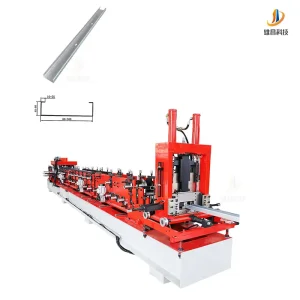
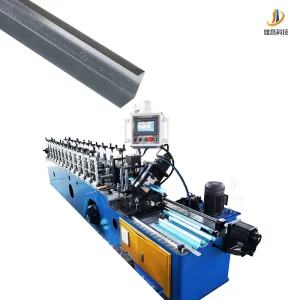
Explore our selection of heavy-duty purlin systems, structural framing lines, and deck formers.
 Xiongchang