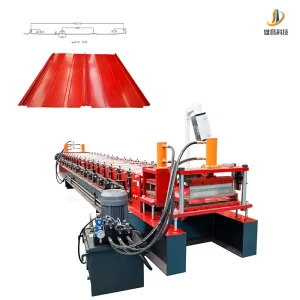
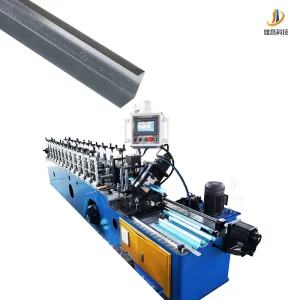
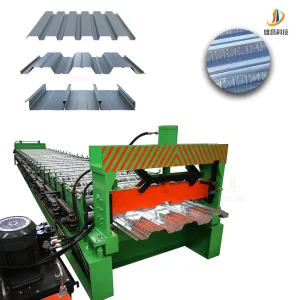
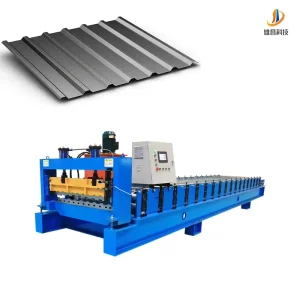
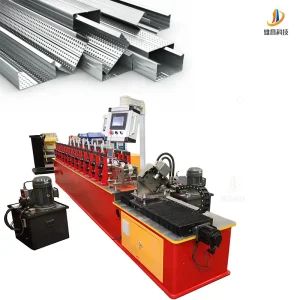
Explore our premium industrial-grade metal roll forming configurations, optimized for structural integrity and high yield strength steel substrates.
How the Inverted Box Rib (IBR) profile has redefined building envelope performance, load-bearing design, and production efficiency across emerging global economies.
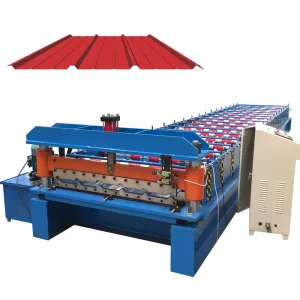
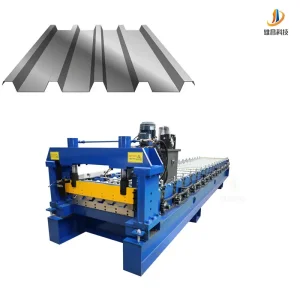
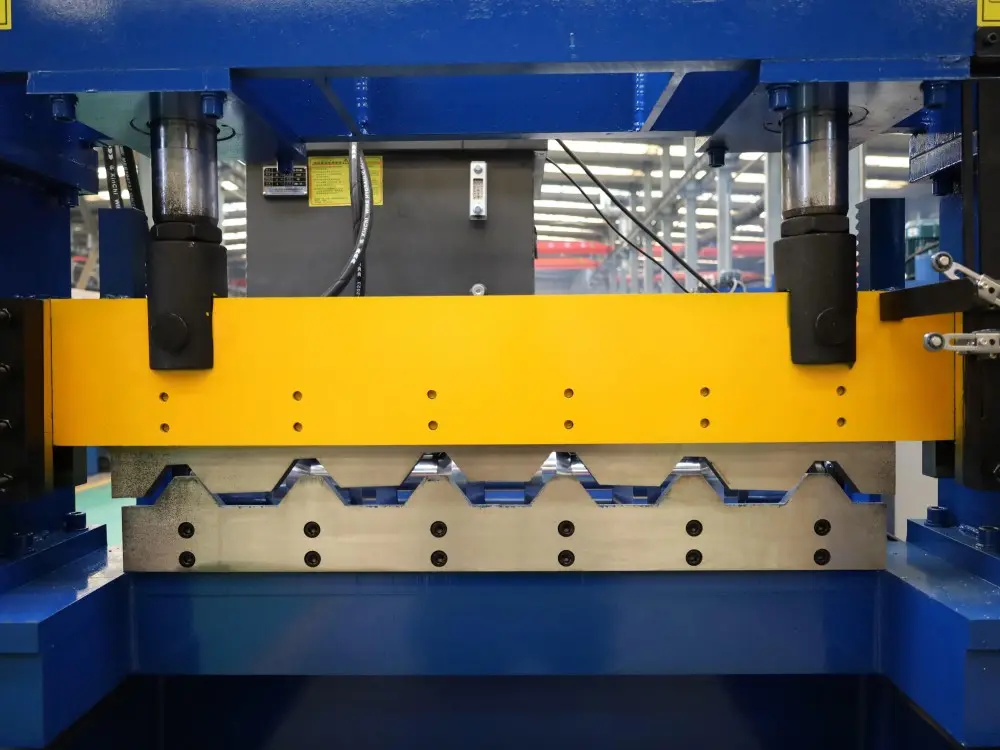
The Inverted Box Rib (IBR) is a deep-fluted, square-fluted profile type designed specifically for use as side cladding or roofing in industrial, commercial, and residential projects. Originating as a preferred choice in structural design due to its high strength-to-weight ratio, the unique geometry of the IBR panel optimizes both drainage capacity and structural resistance against wind uplift.
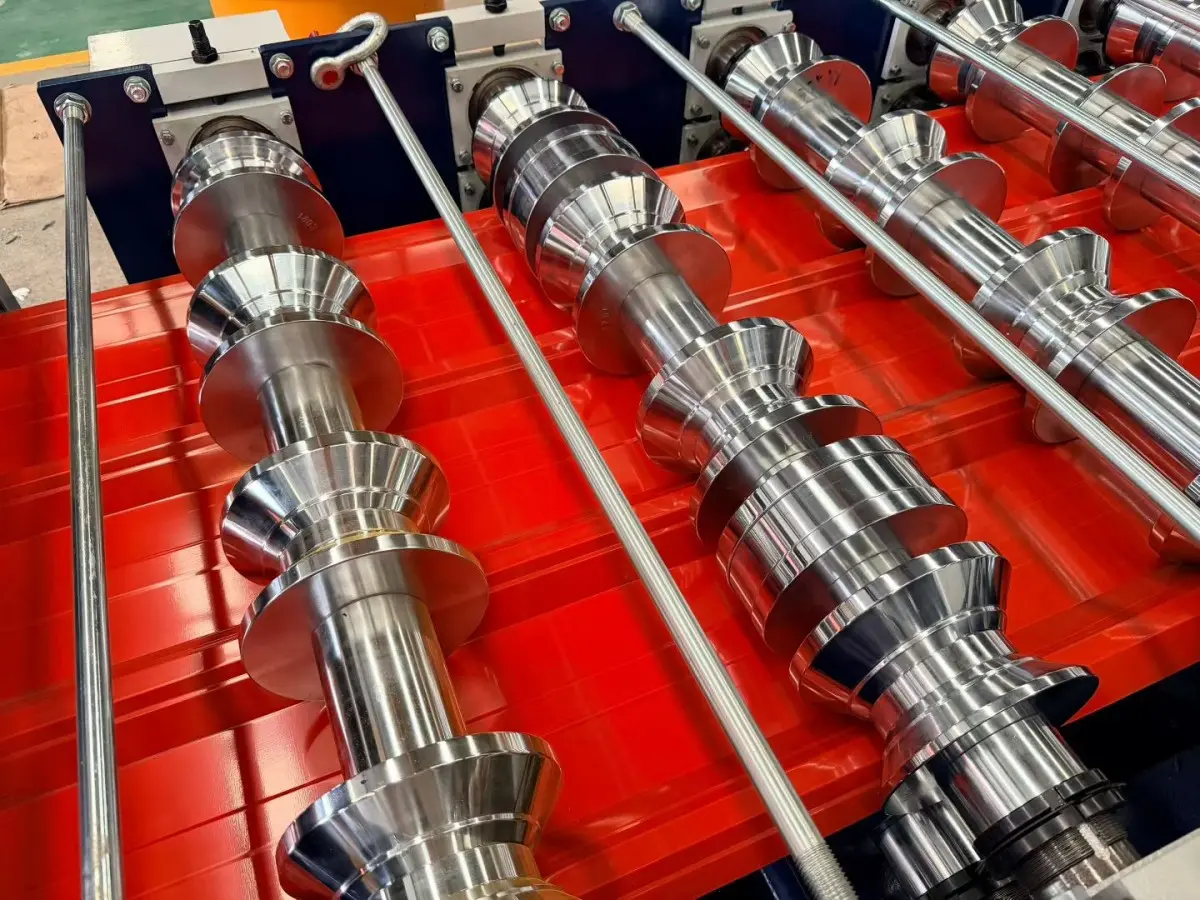
For modern roofing system manufacturers, producing consistent, precise IBR profiles requires machinery that is built to eliminate spring-back issues, maintain rib dimensional integrity, and preserve the delicate protective zinc or organic coatings of the steel coil. Our roll forming systems are designed specifically to handle these physical dynamics, ensuring uniform rib height, precise crest width, and flat valleys across every run.
By leveraging COPRA® FEA structural simulations, our design engineering teams optimize the roll passes to systematically minimize residual stress buildup inside the metal substrate, ensuring the final panels stay perfectly straight without curvature or twist.
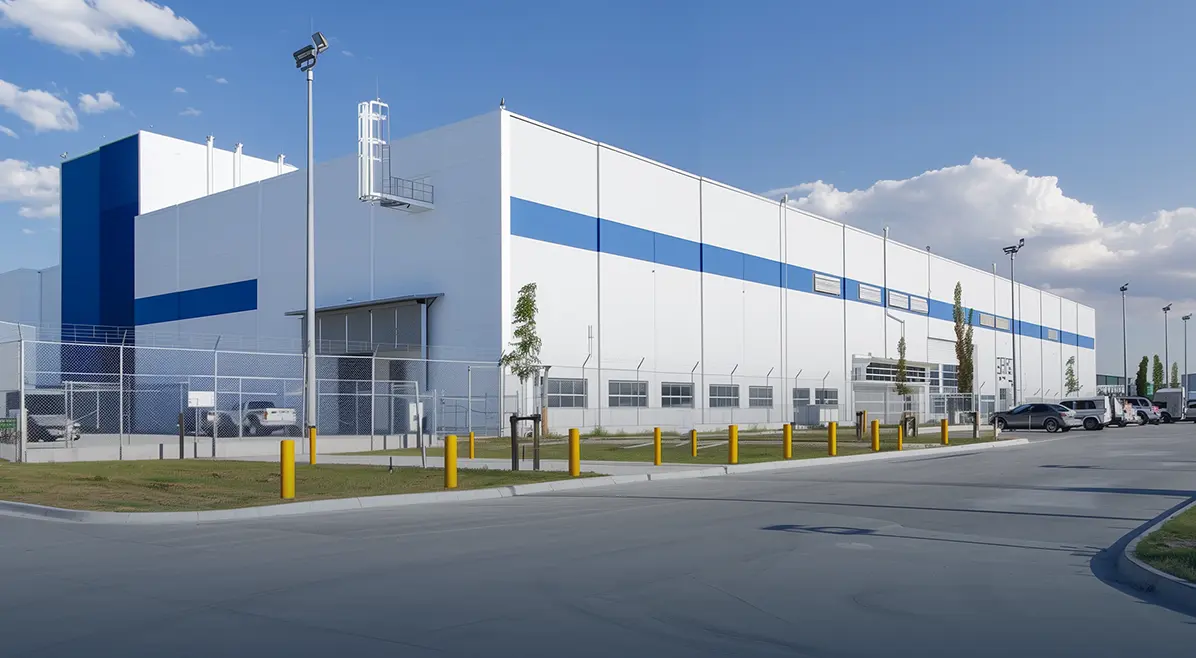
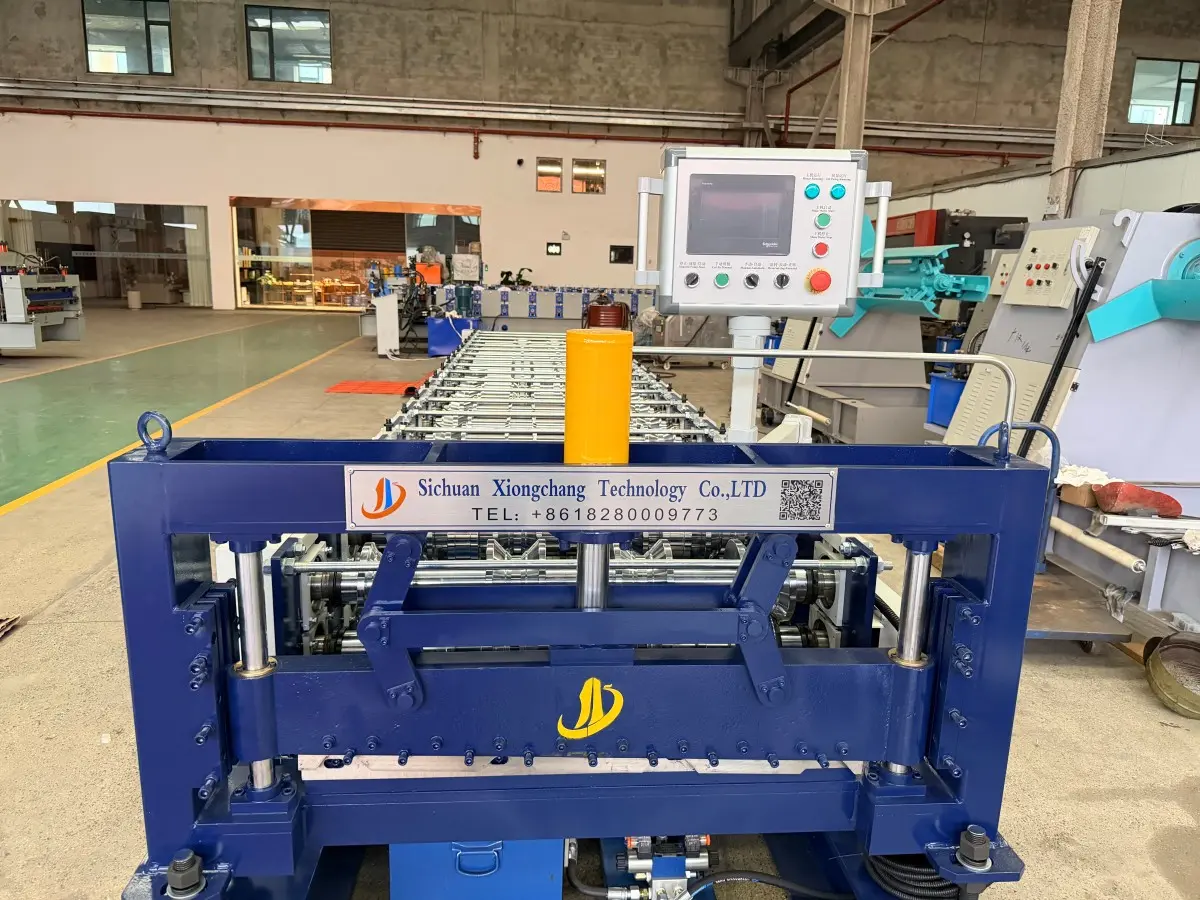
As an established expert in the field of metal cold-forming engineering, XC (Xiongchang) delivers high-end, integrated roll forming solutions designed for modern industrial manufacturing. Our expansive machinery portfolio encompasses core production machines for building envelopes, floor decking, door profiles, and structural components, as well as complete auxiliary processing lines essential for high-capacity, turn-key factory operations.
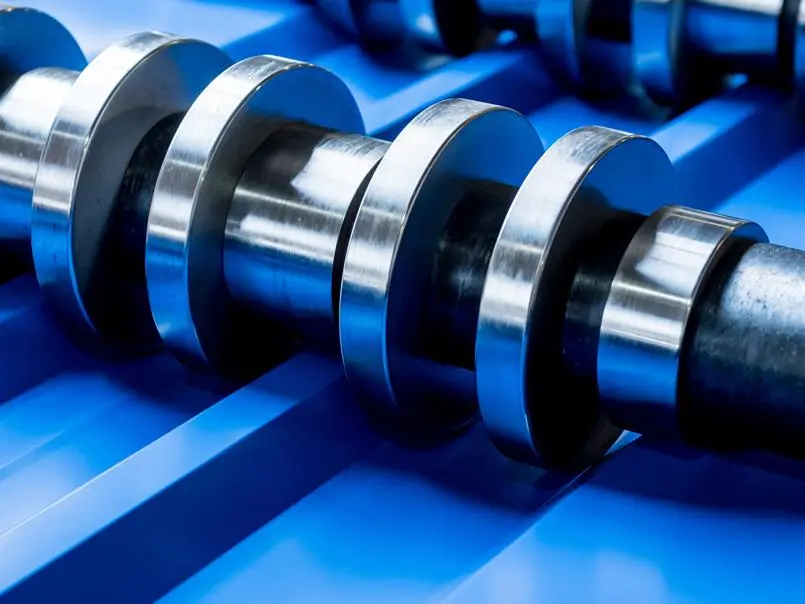
Through our commitment to engineering innovation, we design every machine with heavy-duty structural chassis, precision-ground solid steel shafts, and CNC-machined forming rollers to withstand the rigorous demands of continuous production shifts.
Discover the engineering methodologies, manufacturing capabilities, and technology integration that place XC at the forefront of the global roll forming sector.
Our dedicated team of technical designers and metal forming engineers is committed to delivering state-of-the-art product configurations. We specialize in custom roller profiling, tension leveling integration, and high-precision tooling design.
Our significant capital investments in advanced CNC machining centers, automated roller grinding lines, and modern heat-treatment equipment ensure that every part—from bearing blocks to complex profiles—is machined within sub-micron tolerances.
Since our founding, XC has set the standard for cold roll forming systems. Our legacy is built upon structural dependability, client-focused machinery design, and operational integrity that translates directly into long-term customer success.
With our focus on robust structural engineering and sophisticated production line controls, we aim to integrate advanced automation throughout our manufacturing ecosystem. This focus fulfills the custom requirements of infrastructure developers, contractors, and metal fabricators while guaranteeing high quality and minimal maintenance overhead.
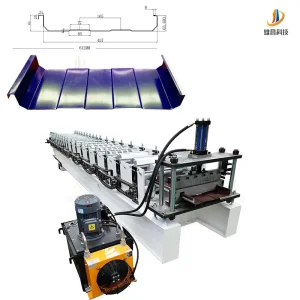
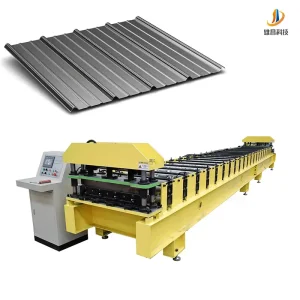
High-speed Roof Panel, Wall Panel, and Floor Deck Roll Forming Systems engineered for industrial roofing output.
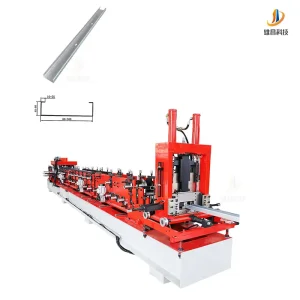
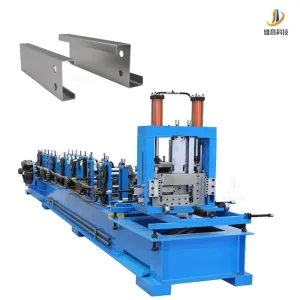
Automated, quick-change C/Z Purlin formers and Light Gauge Steel (LGS) Stud & Track profiles.
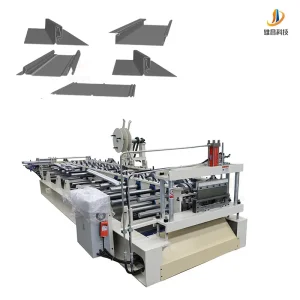
Gutter, downspout, step-tile, and heavy-duty structural door frame roll forming machines.
Analyze how international steel price volatility, geographic standards, and automated technology are transforming IBR machine procurement.
Global procurement offices now demand machinery capable of processing high-tensile steel (up to G550 yield strength) and thin-gauge raw materials (down to 0.15mm) without causing localized necking or micro-cracking in the galvanized or pre-painted coating layer.
To reduce changeover downtimes from hours to minutes, factories require quick-change cassette architectures. This setup allows operators to swap whole roller sets using a forklift or overhead crane, boosting factory agility.
Modern production facilities run on cloud integration. Our machines feature industrial PLC setups with Ethernet connections, allowing real-time yield reporting, remote diagnostic troubleshooting, and automatic batch scheduling.
We supply modular forming configurations optimized for three primary building system classifications.
Heavy-duty Roof Panel, Wall Panel, and Floor Deck Roll Forming machines engineered to withstand multi-shift operational requirements.
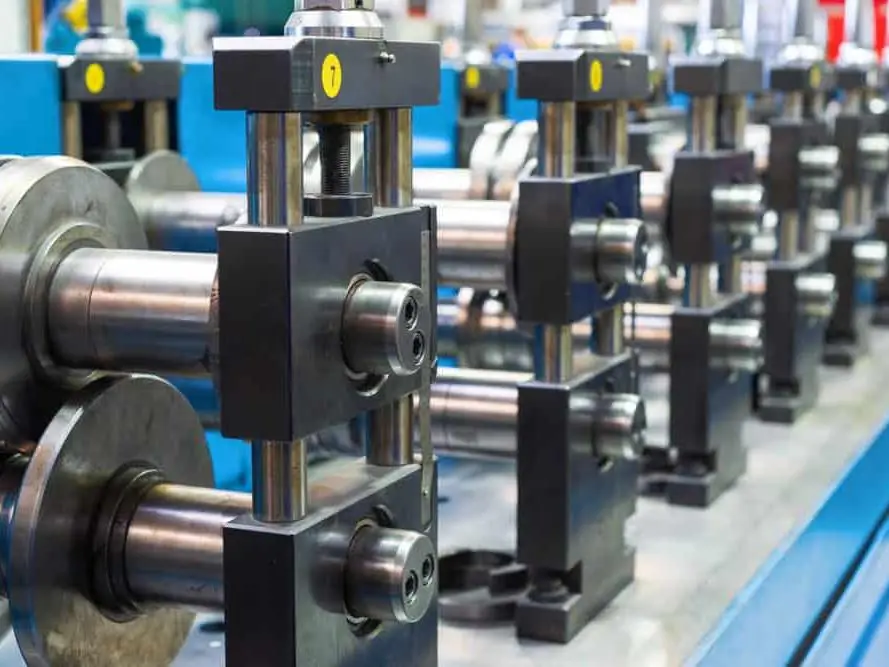
High-precision adjustable C/Z Purlin lines and high-speed structural Stud & Track roll formers with post-punching arrays.
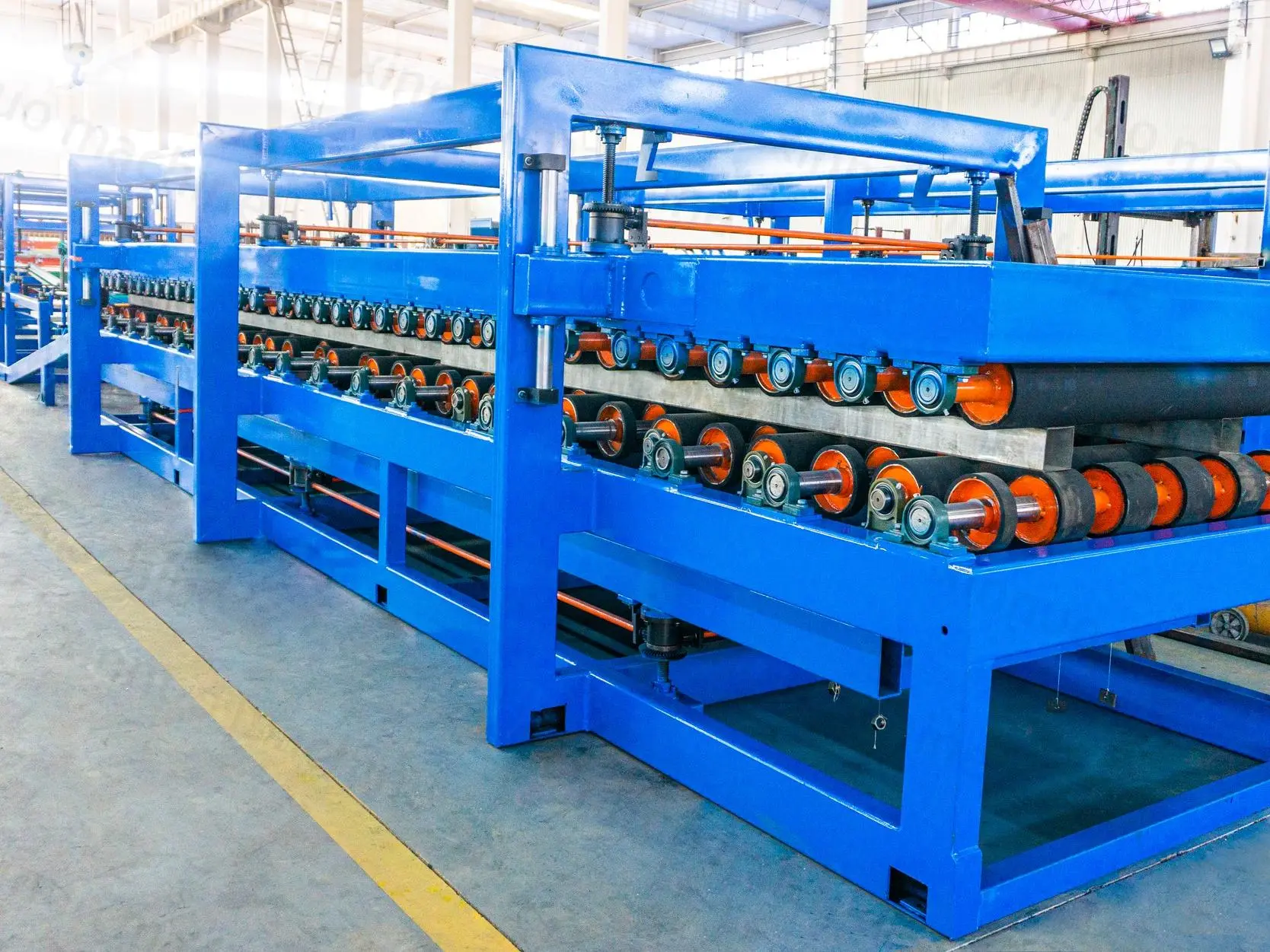
Custom metal fabrication units including high-precision rain Gutter profiles, Downspouts, and heavy-duty Steel Door Frame lines.
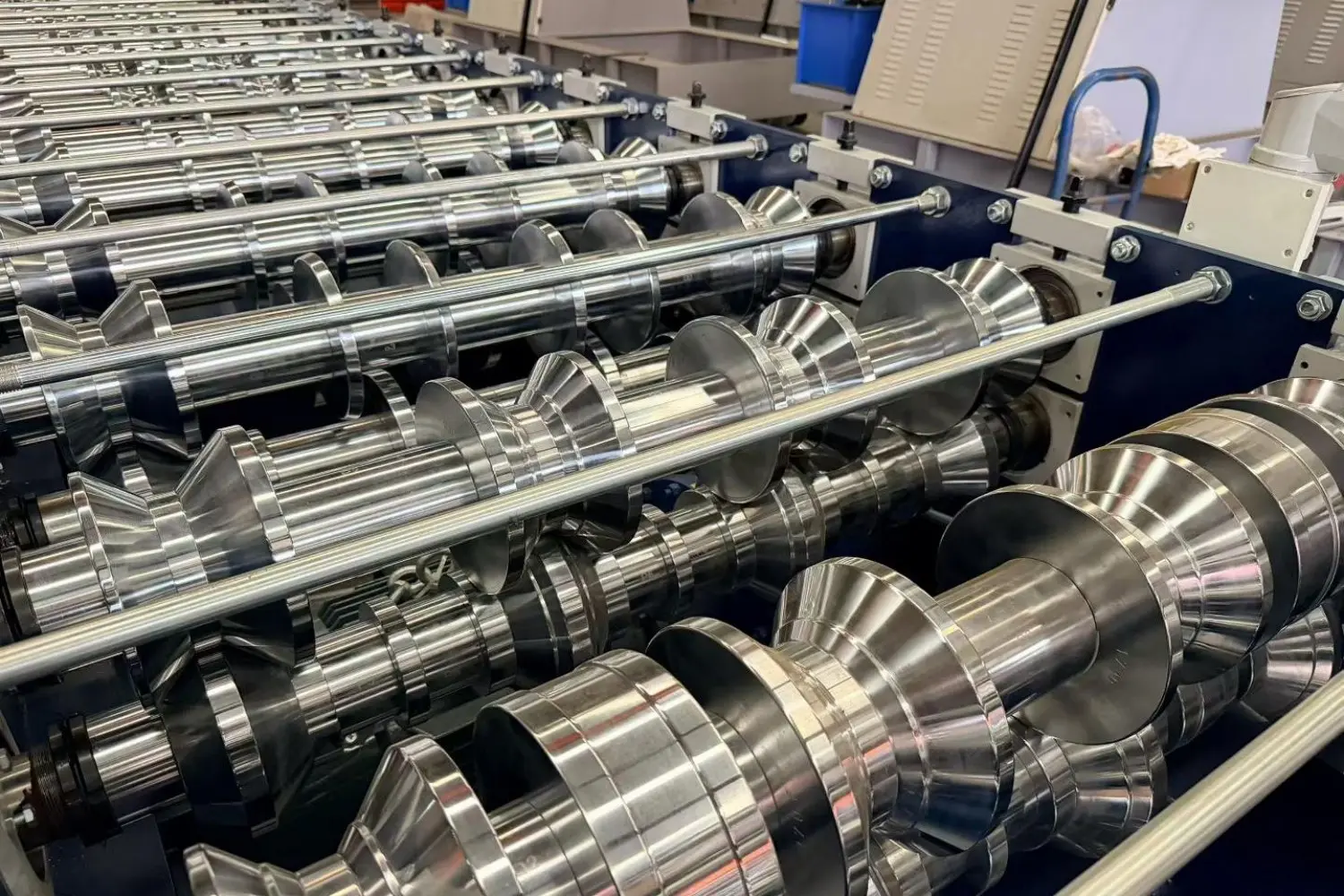
At XC, precision is not a variable; it is a standard. We maintain an in-house laboratory equipped with coordinate measuring machines (CMM), hardness testers, and profile scanners to verify the accuracy of every individual component before final assembly.
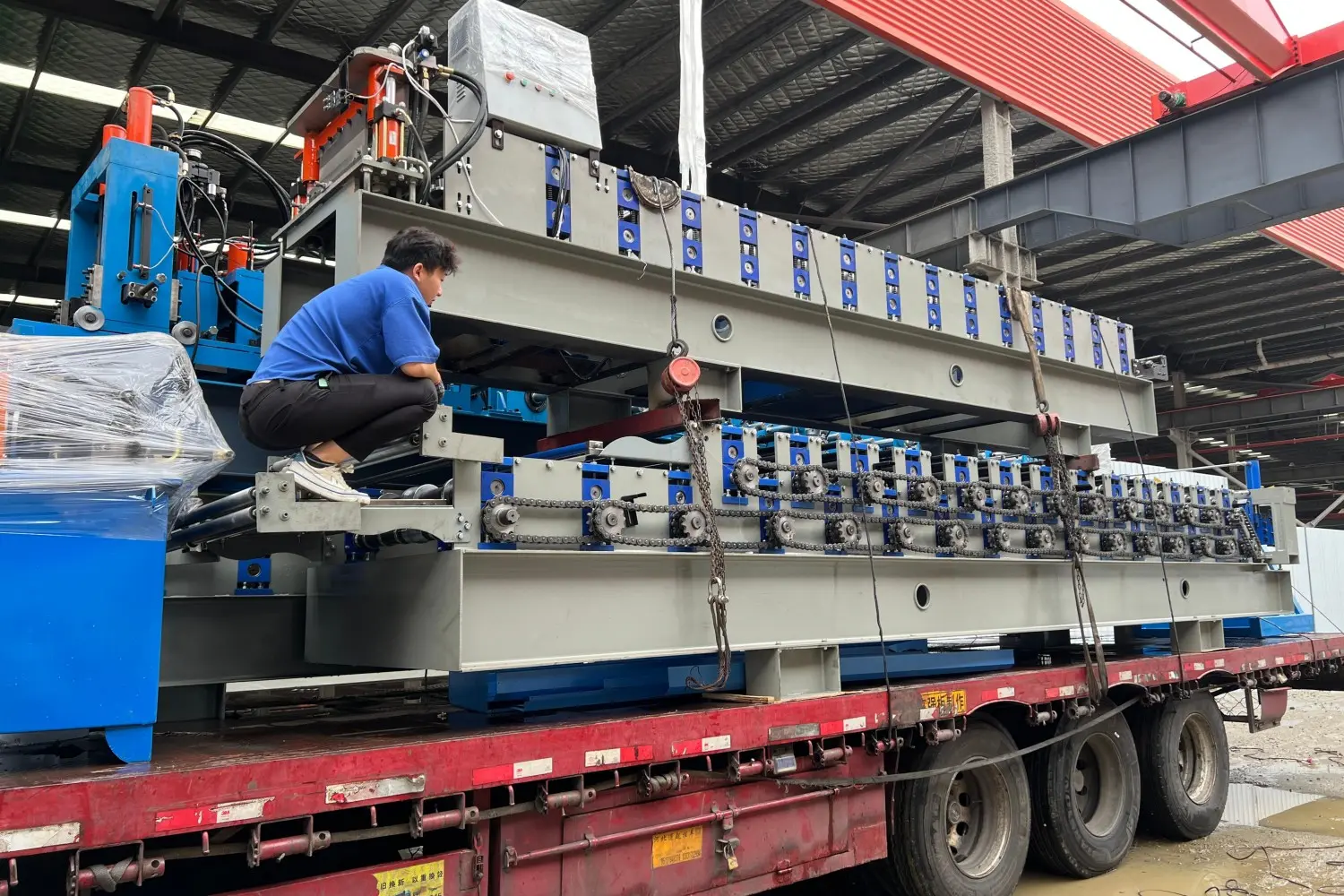
Every IBR roll forming line undergoes a continuous 100-hour dry run followed by dynamic material profiling tests. We use both light and heavy-gauge coils to verify tolerances, punch positioning, and profile shapes. This rigorous protocol ensures that when the system arrives at your factory, it is ready to begin production with minimal setup time.
From initially reviewing profile drawings to final production line configuration and commissioning, XC supports your manufacturing goals throughout the lifetime of the machinery.
We provide full installation support, on-site commissioning, operator safety training, and PLC programming workshops. Our after-sales division ensures that genuine spare parts, replacement rollers, and upgrade modules are dispatched quickly to keep your factory running at maximum efficiency.
Additionally, our remote diagnostic support enables XC engineers to access your machine's PLC over a secure connection. This capability allows us to update software, adjust cutting tolerances, and diagnose sensors without needing to travel to your site.
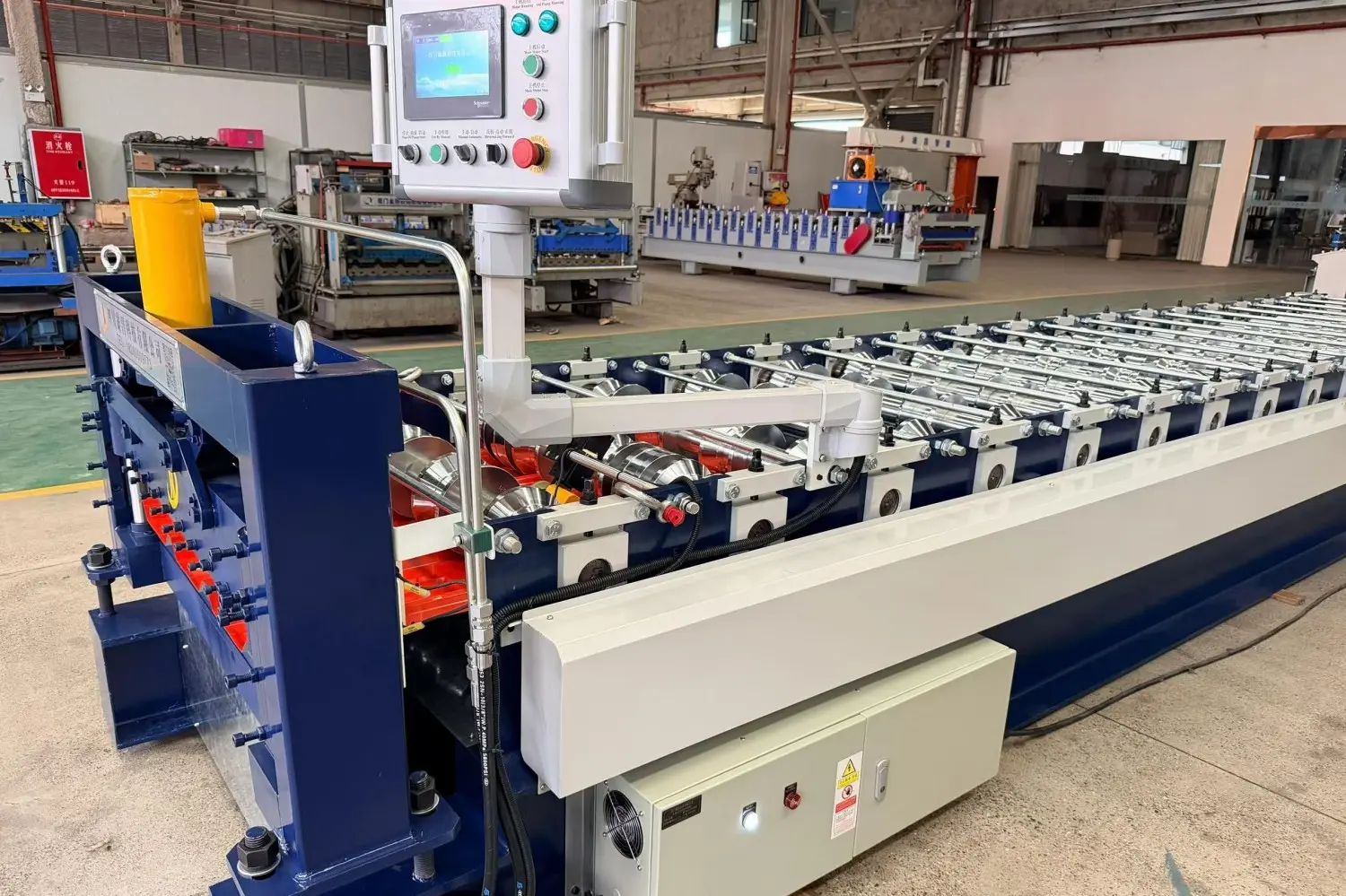
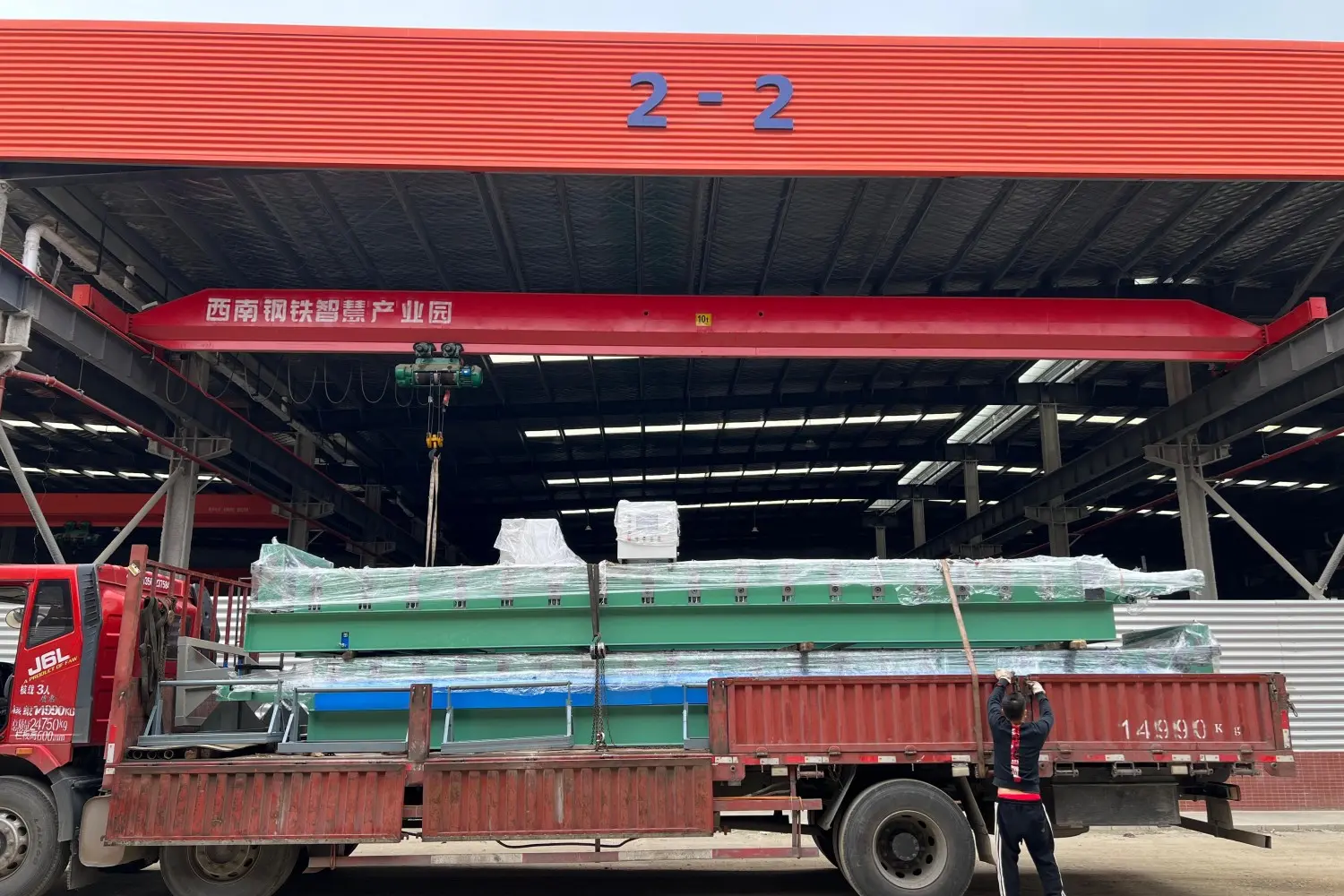
Our commitment to quality has earned XC a trusted reputation among structural engineers, steel service centers, and industrial construction groups worldwide. Our machines produce building components used in projects ranging from simple pre-engineered warehouses to complex commercial hubs and large-scale industrial complexes.
We work closely with clients to customize every machine to their local markets. Whether you need to meet unique building codes, adapt to specific power grid requirements, or design custom profile profiles, our engineers can create a tailored solution for your business.
Discover how we turn raw coils into high-quality building products through automated production lines.
We combine manufacturing expertise with a customer-focused approach to deliver long-term value and machine performance.
Our machinery manufactures components utilized across diverse industrial, commercial, and structural sectors worldwide.
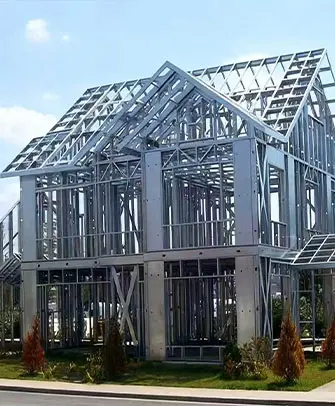
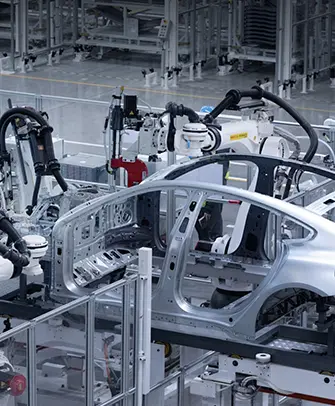
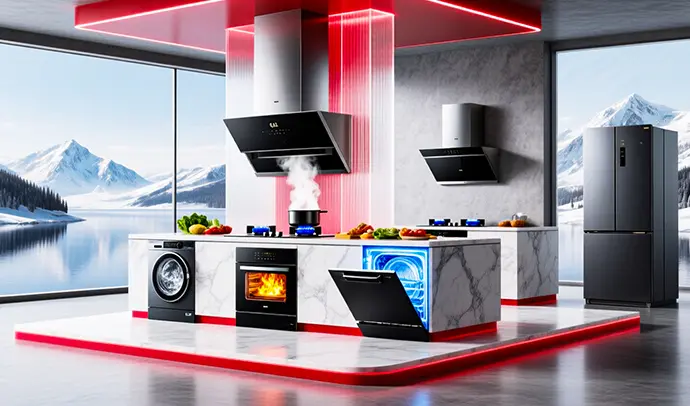

A look at the emerging technologies, automation frameworks, and sustainable systems shaping our machinery design from 2025 to 2030.
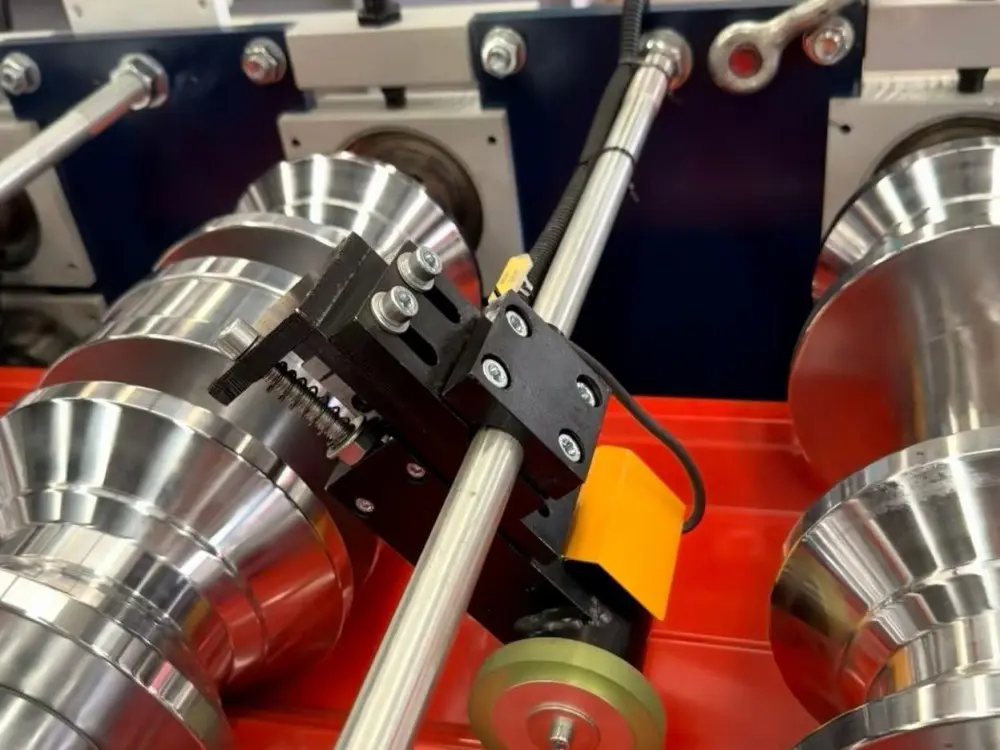
Integrating machine-vision cameras at the exit guide to scan profiles in real time. The system automatically adjusts roll station pressures to keep products within precise dimensions.
Developing intelligent cassettes with built-in temperature and stress sensors. These modules alert maintenance teams to roller wear or alignment issues before they affect product quality.
Introducing smart, hydraulic scrap-free cutting heads that adjust to different profiles, eliminating strip waste during start-up and shut-down sequences.
Expert answers to the most common questions asked by procurement managers, engineers, and factory operators.
Our systems cover structural components, framing lines, and customized metal forming options.
 Xiongchang