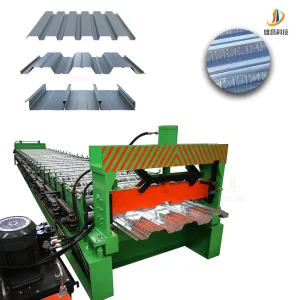
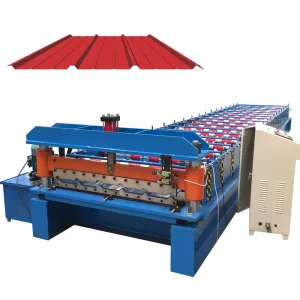
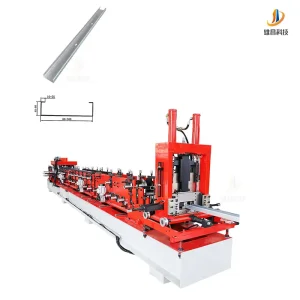
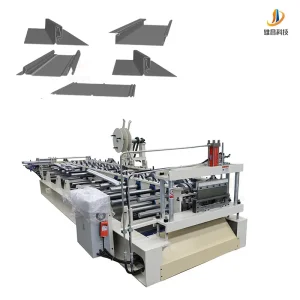
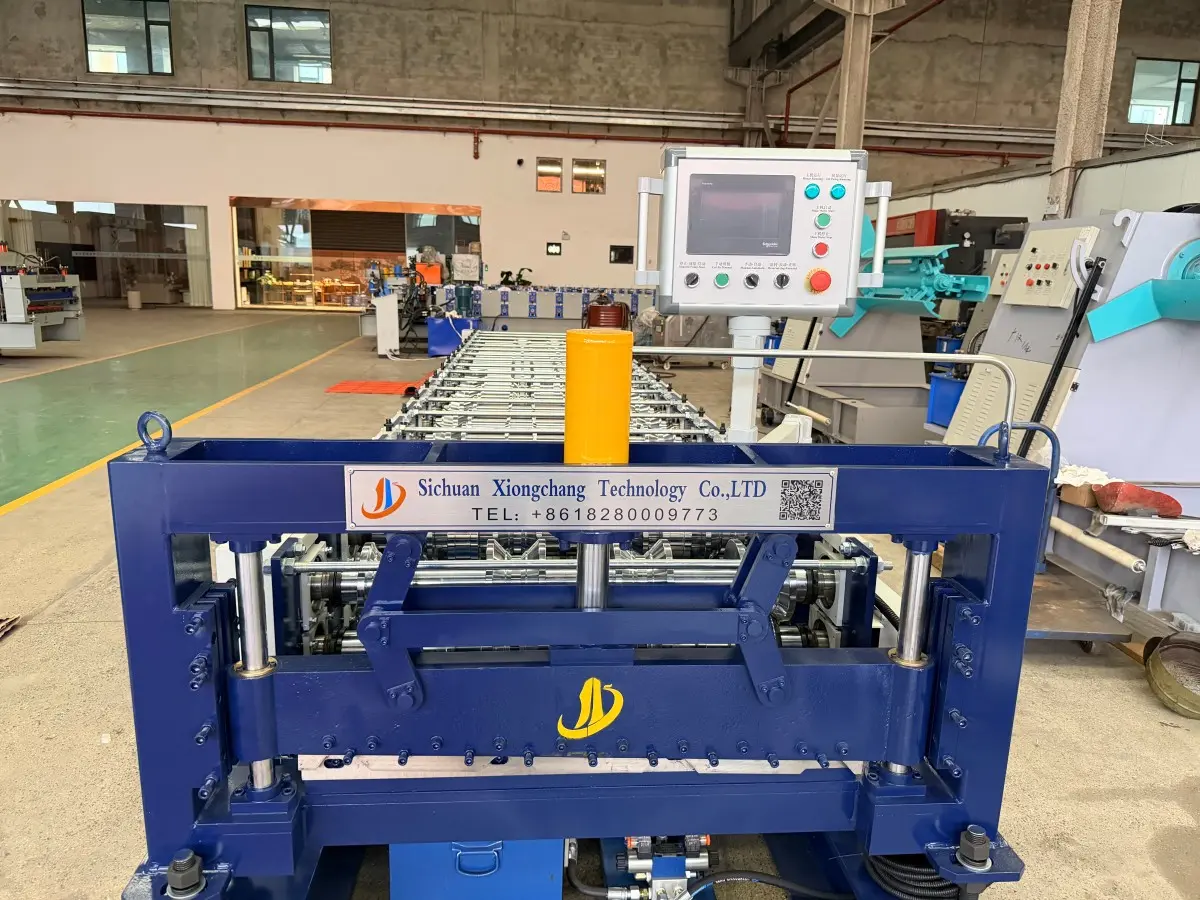
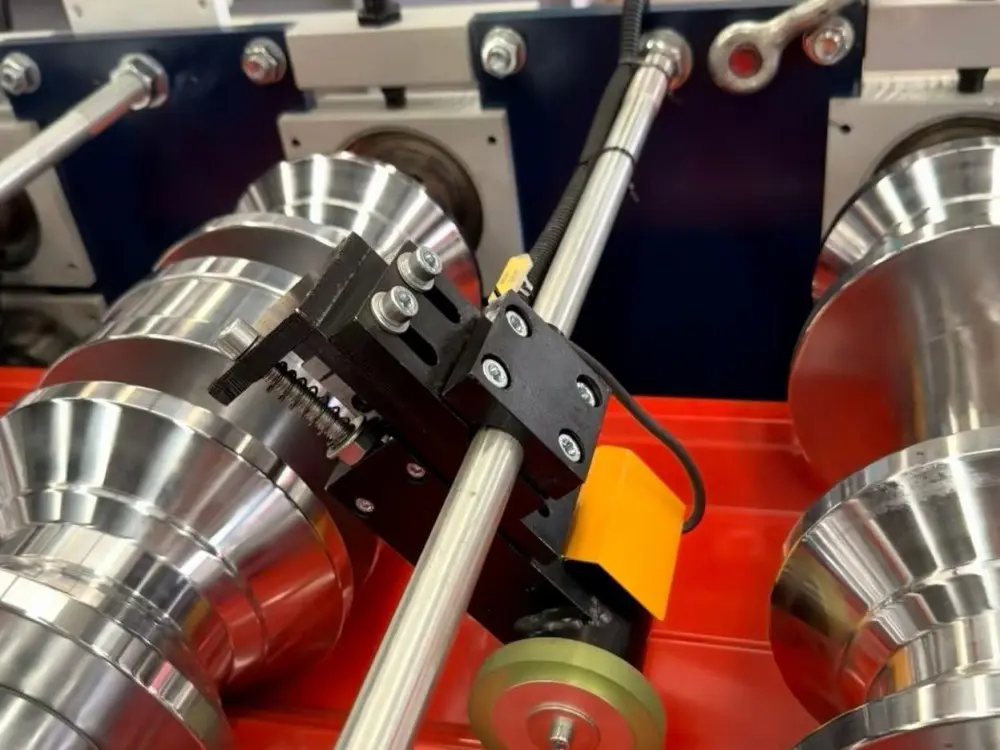
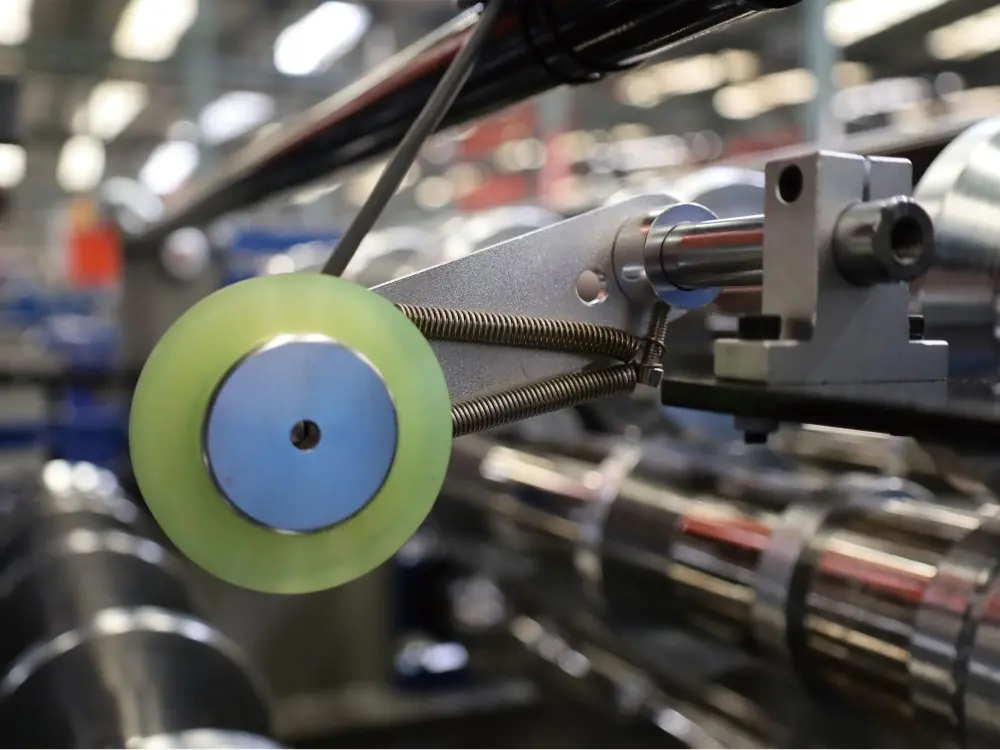
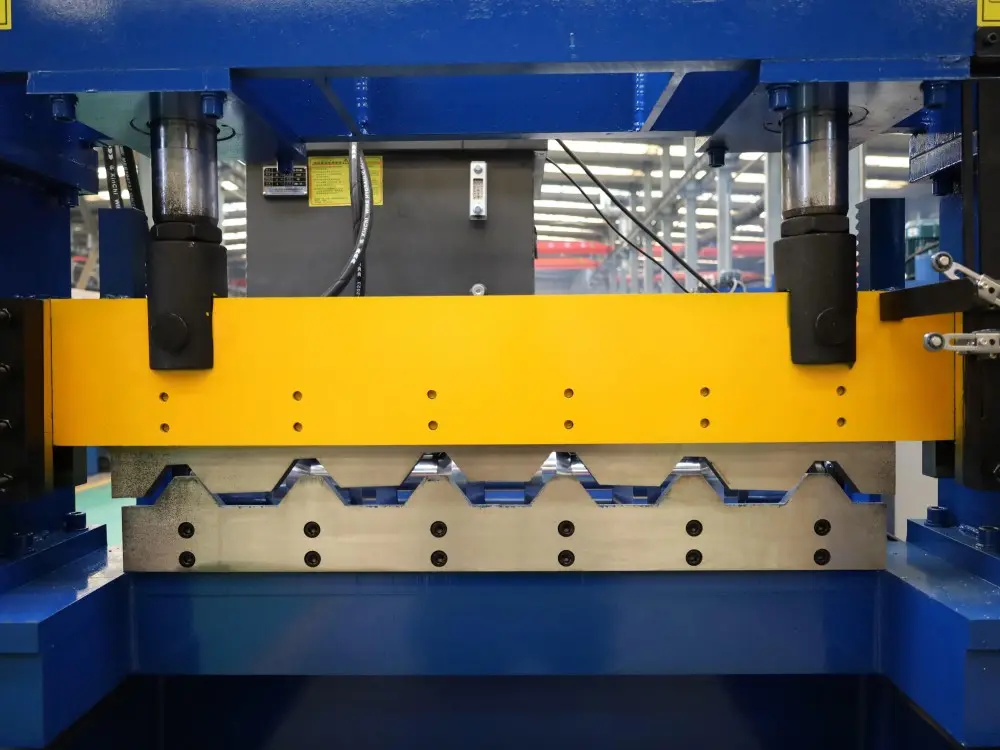
Engineered for durability, high tensile loads, and high-efficiency composite metal deck production.
How modern roll forming technology is shaping composite slabs in modern infrastructure.
In high-density urban environments and large-scale industrial projects, construction speed, structural integrity, and material efficiency are paramount. The global floor deck forming industry has experienced a massive shift from traditional cast-in-place timber formwork to automated composite steel decking systems. This shift has driven the demand for high-caliber floor deck forming machines capable of handling thicker raw materials, higher tensile strengths, and complex profile geometries.
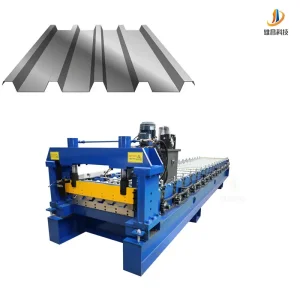
Composite slab floor systems leverage cold-formed profile steel sheeting acting simultaneously as structural working platforms during construction and as tensile reinforcement in composite concrete slabs once cured. This dual functionality dramatically slashes construction timeframes, reduces reinforcing steel bar usage, and optimizes overall structural weight. Manufacturers of these roll formers must ensure high-precision profile engineering, as minor deviations can compromise the shear-bond performance of the concrete-steel interface.
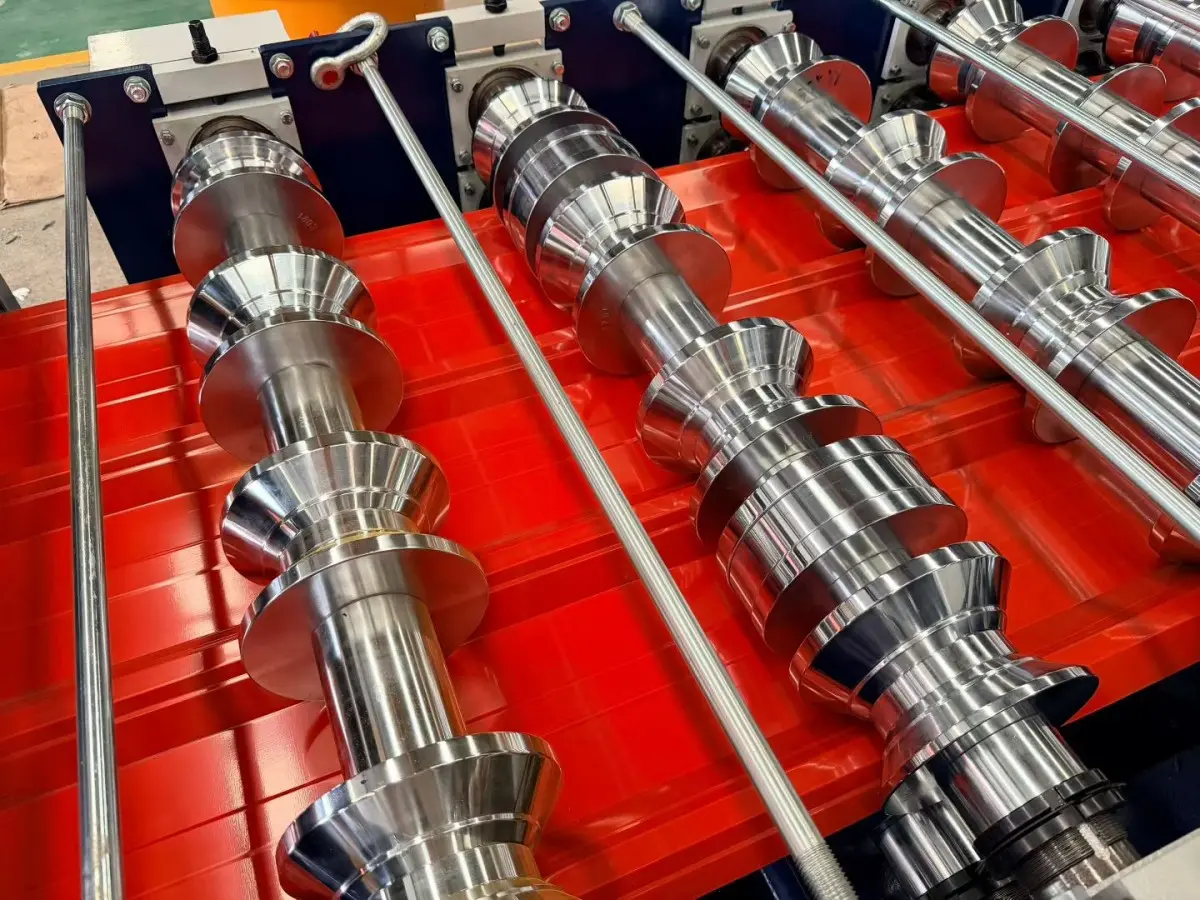
Modern steel decks feature precise embossments roll-formed into the rib webs. These embossments act as mechanical interlocking mechanisms with the concrete matrix, ensuring high horizontal shear-bond capacity.
Providing working platforms immediately upon installation, floor deck sheets protect lower floors from overhead operations, shortening building delivery windows in high-rise constructions by up to 35%.
By substituting thick concrete layers with optimized trapezoidal voids and eliminating temporary formwork support scaffolding, overall construction dead loads and structural costs are minimized.
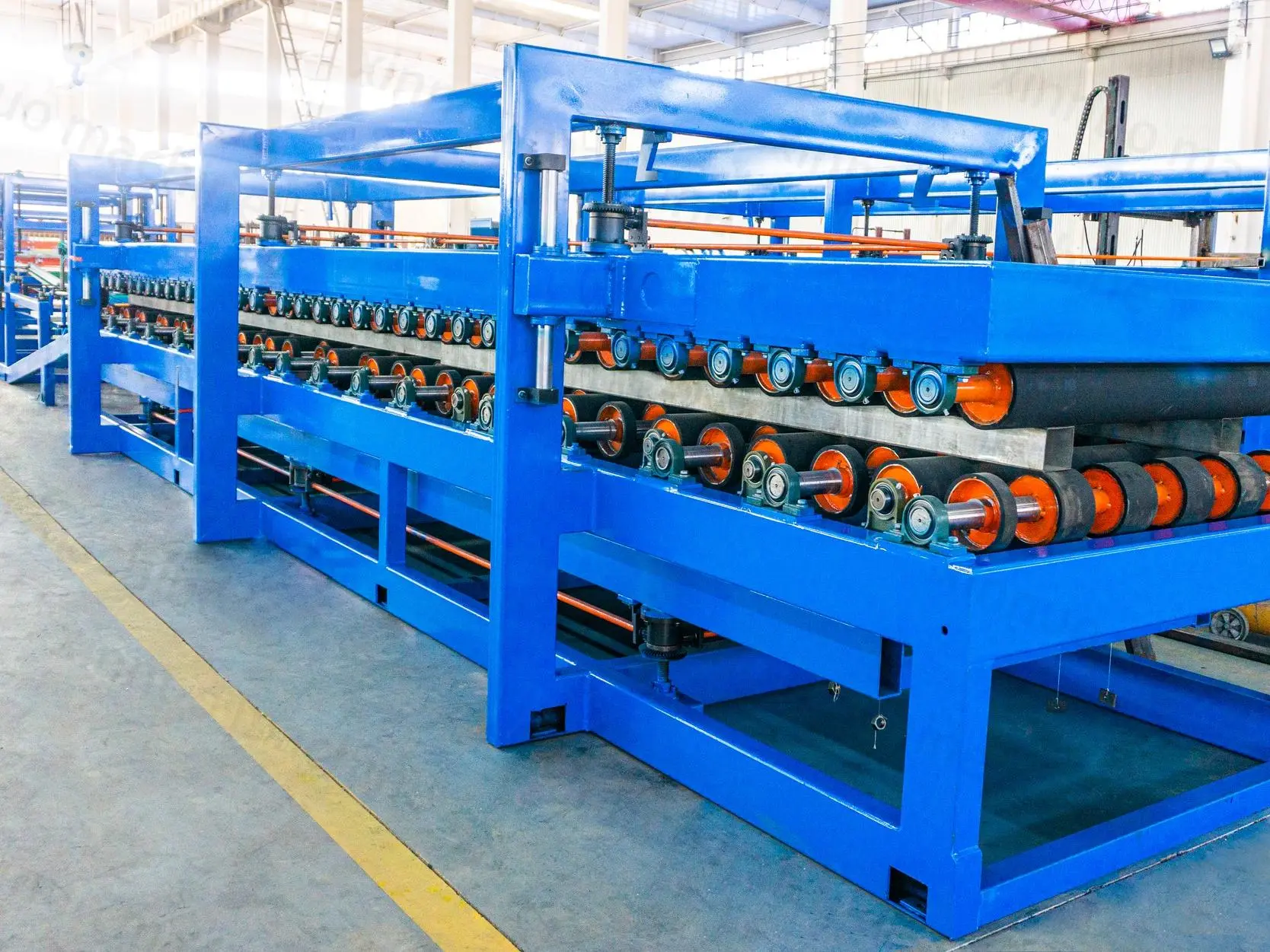
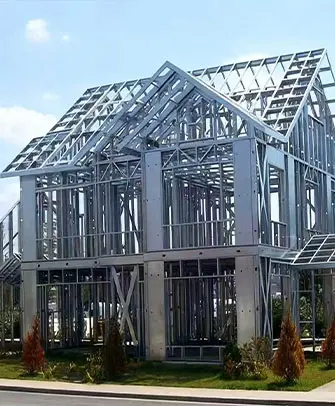
As an established expert in the cold roll forming field, XC (Xiongchang) provides fully integrated roll forming solutions. Our extensive portfolio encompasses core production machines for roofing, flooring, doors, structural components, as well as complete auxiliary lines essential for continuous industrial operation.
We are dedicated to a robust technical force, state-of-the-art production lines, and advanced industrial automation systems to fulfill diverse industrial requirements. Our focus remains on guaranteeing the highest standards of structural stability and precision in every single unit we deploy.
EXPLORE SYSTEM SPECIFICATIONS
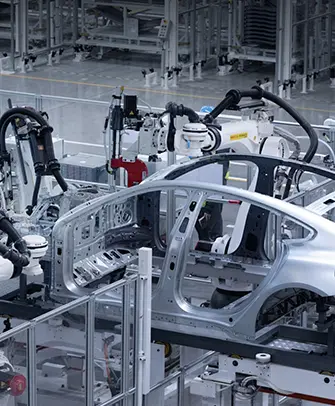
State-of-the-art automation lines guaranteeing micron-level forming precision.
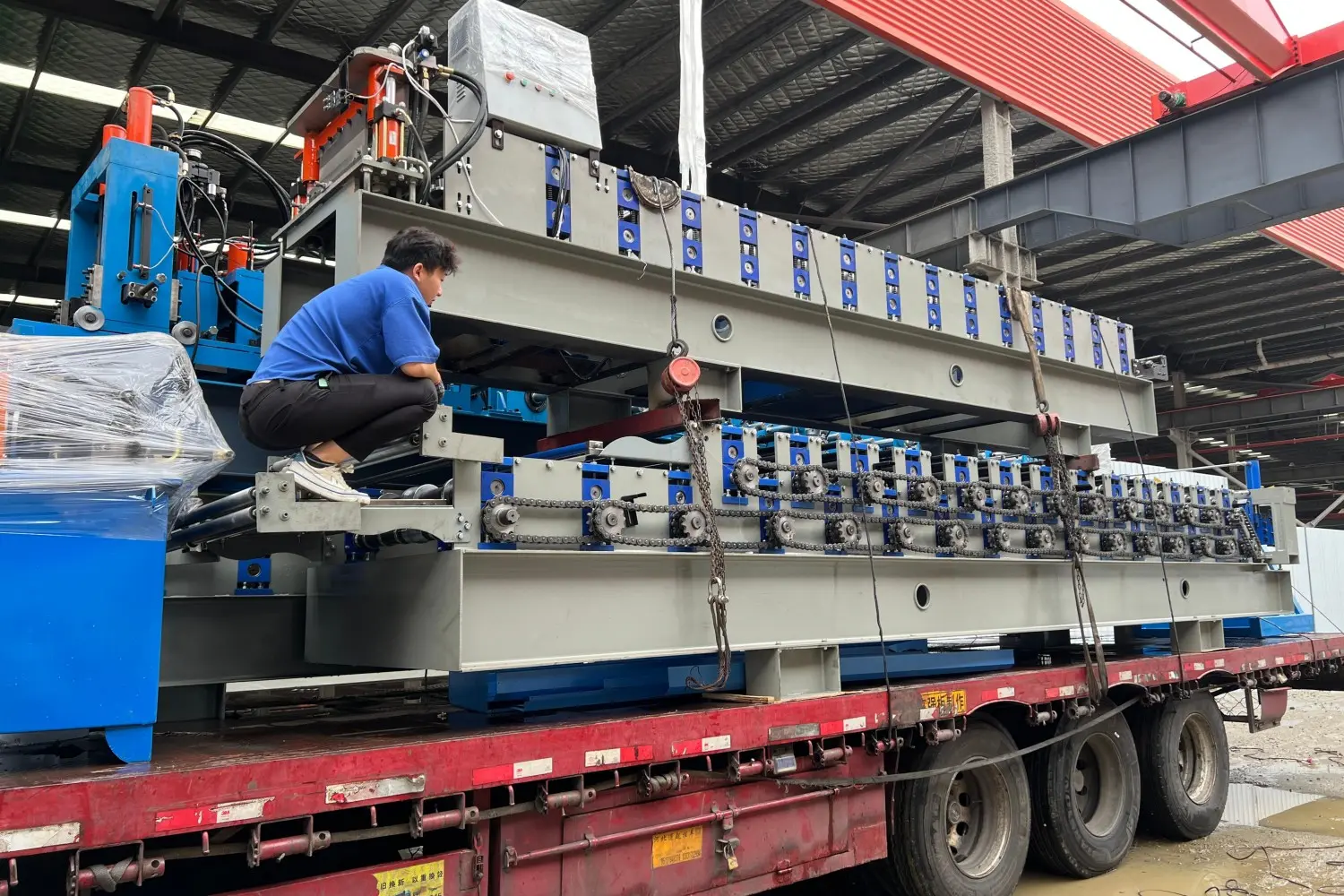
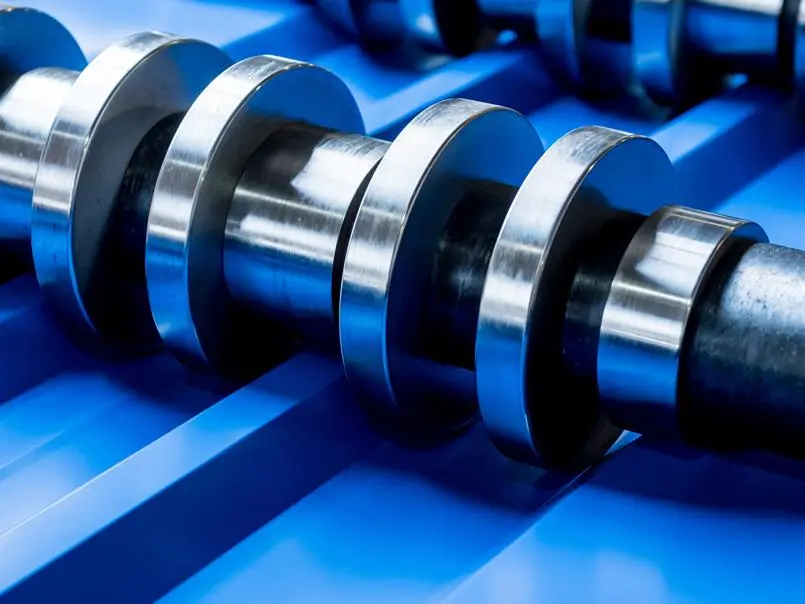
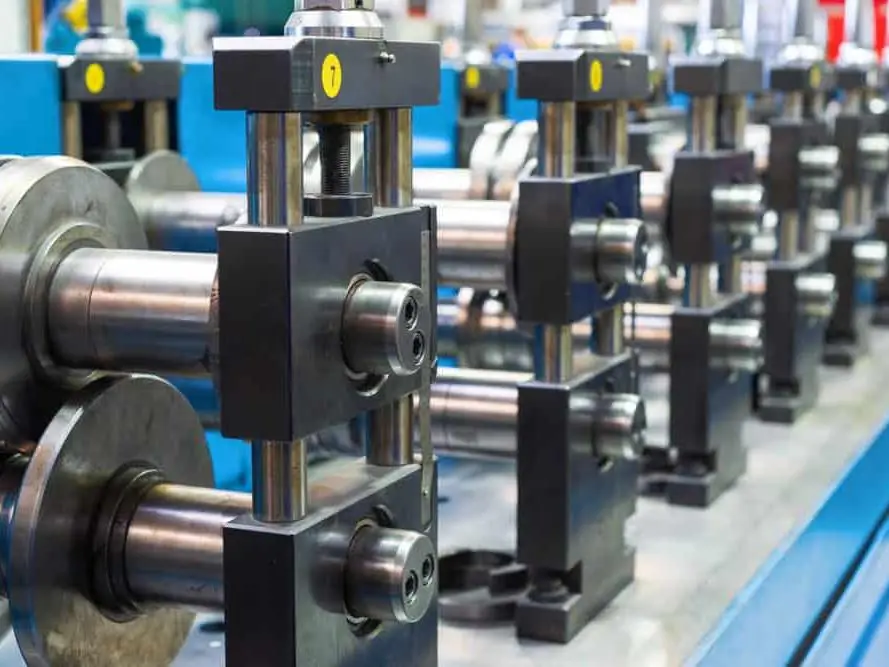
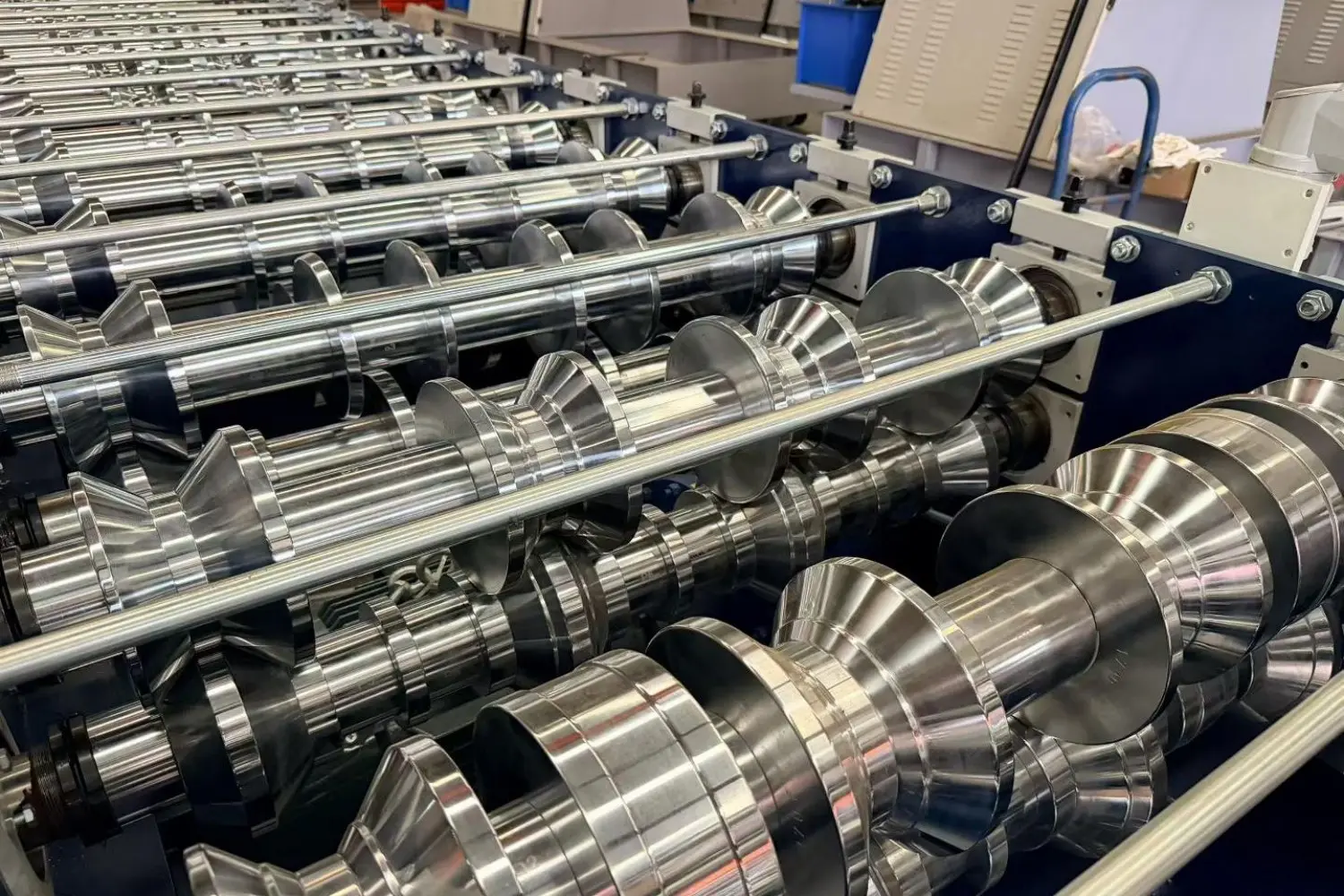
Our fabrication lines integrate advanced hydraulic components, German Siemens PLC modules, and high-wear-resistant solid rollers. This setup guarantees that machines forming profiles up to 1.5mm thickness operate at speeds of up to 25 meters per minute without profile twist or flange deflection.
We employ structural simulation software (such as COPRA RF) to map out precise deformation transitions across every single roller station. This mitigates internal stresses in high-tensile material sheets, preventing structural defects, micro-cracks, and coating peeling during processing.
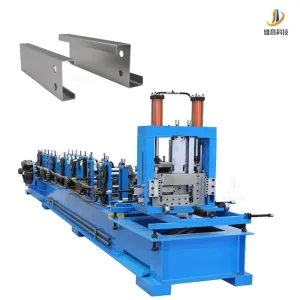
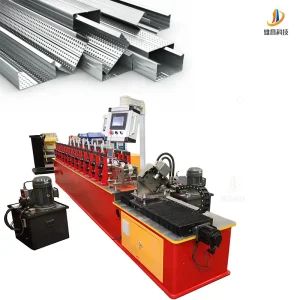
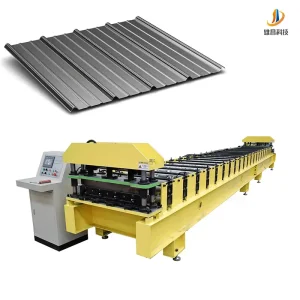
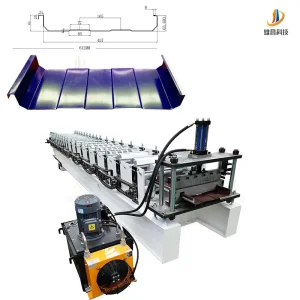
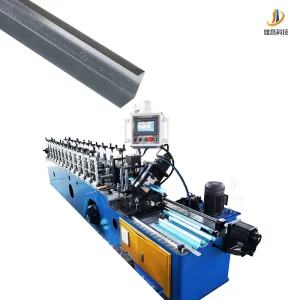
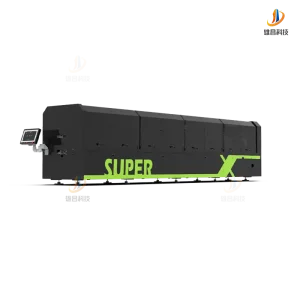
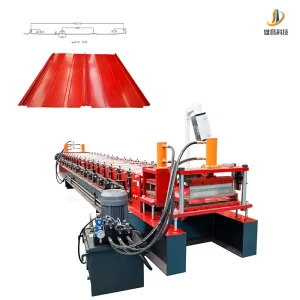
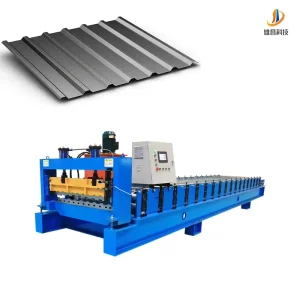
Broad range of precision metal roll forming lines to service major structural domains.
At XC, we deploy a comprehensive suite of high-precision measurement, testing, and alignment tools. Every component is subjected to strict mechanical checks before assembly, including roll shaft balance checks, hardness profiling of rollers (typically exceeding HRC 58-62), and dimensional alignment using laser interferometers.
Our adherence to strict quality control codes ensures that the cold-formed sheets retain correct width tolerances (+/-0.5mm) and uniform embossment depths, meeting international building standards such as ASTM A653, BS EN 10346, and Eurocode 4.
A baseline comparison of technical indicators across industrial floor decking platforms.
| Parameters | Light Commercial Range | Heavy Industrial Range | Custom Multi-Wave Deck System |
|---|---|---|---|
| Profile Thickness Compatibility | 0.6 mm - 1.0 mm | 0.8 mm - 1.5 mm | 0.8 mm - 2.0 mm |
| Forming Stations | 22 to 26 stations | 28 to 32 stations | 35+ stations |
| Roll Shaft Diameter | φ 75 mm - φ 85 mm | φ 90 mm - φ 110 mm | Custom heavy-duty layout |
| Embossment Mechanism | Dynamic mechanical rollers | Heavy hydraulic pre-embossing | Interlocking complex pattern rolling |
| Max Processing Speed | 15 m / min | 20 m / min | 25 m / min (flying cut-off) |
| PLC Controller | Siemens / Delta Controls | Siemens S7-1200 / S7-1500 | Custom smart integration |
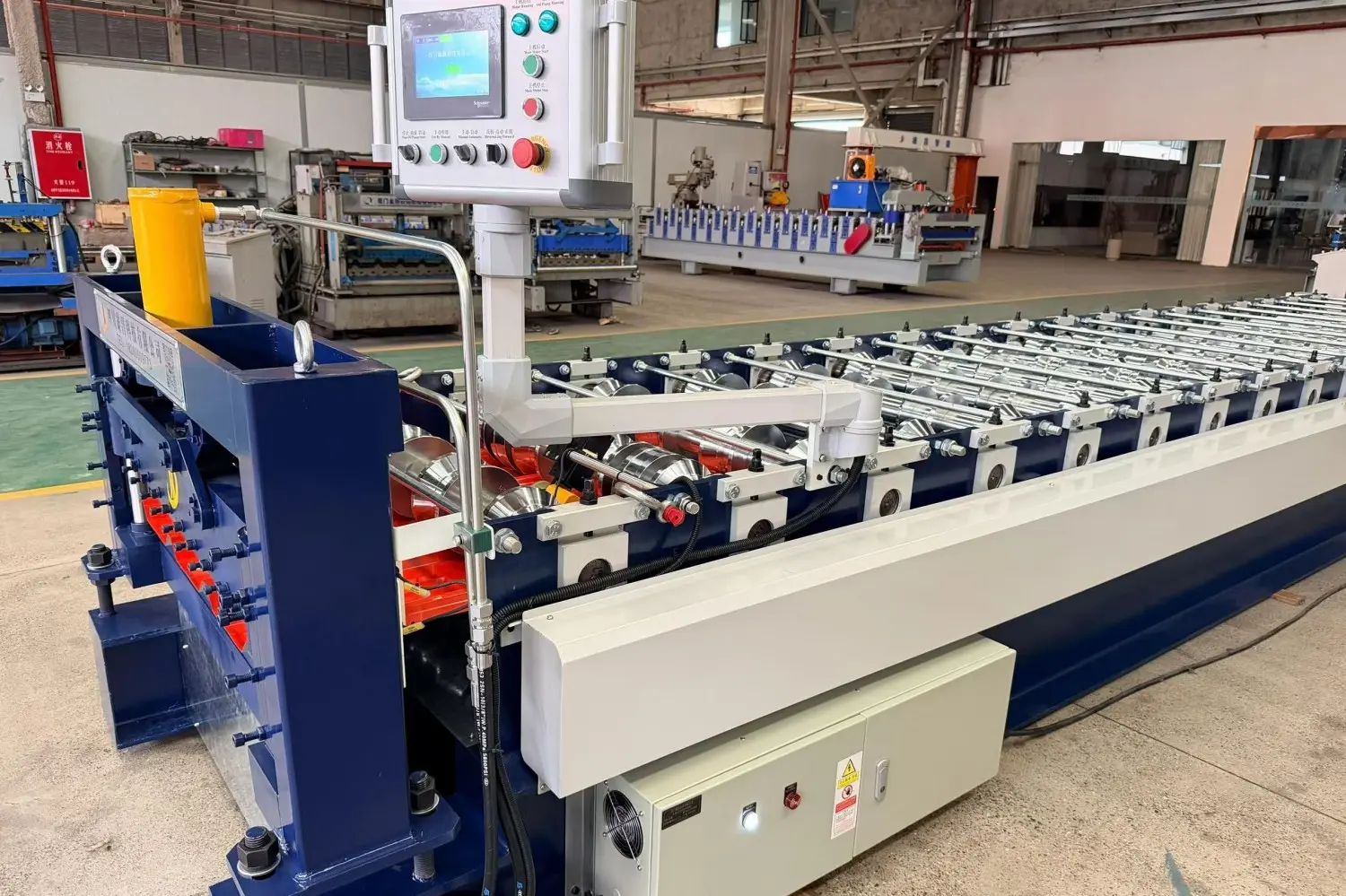
We provide full lifecycle technical support. Our engineers collaborate with customer design departments to optimize profiles using Finite Element Analysis (FEA). From raw coil specification advice to on-site machine commissioning and training programs, we help clients run highly efficient production operations.
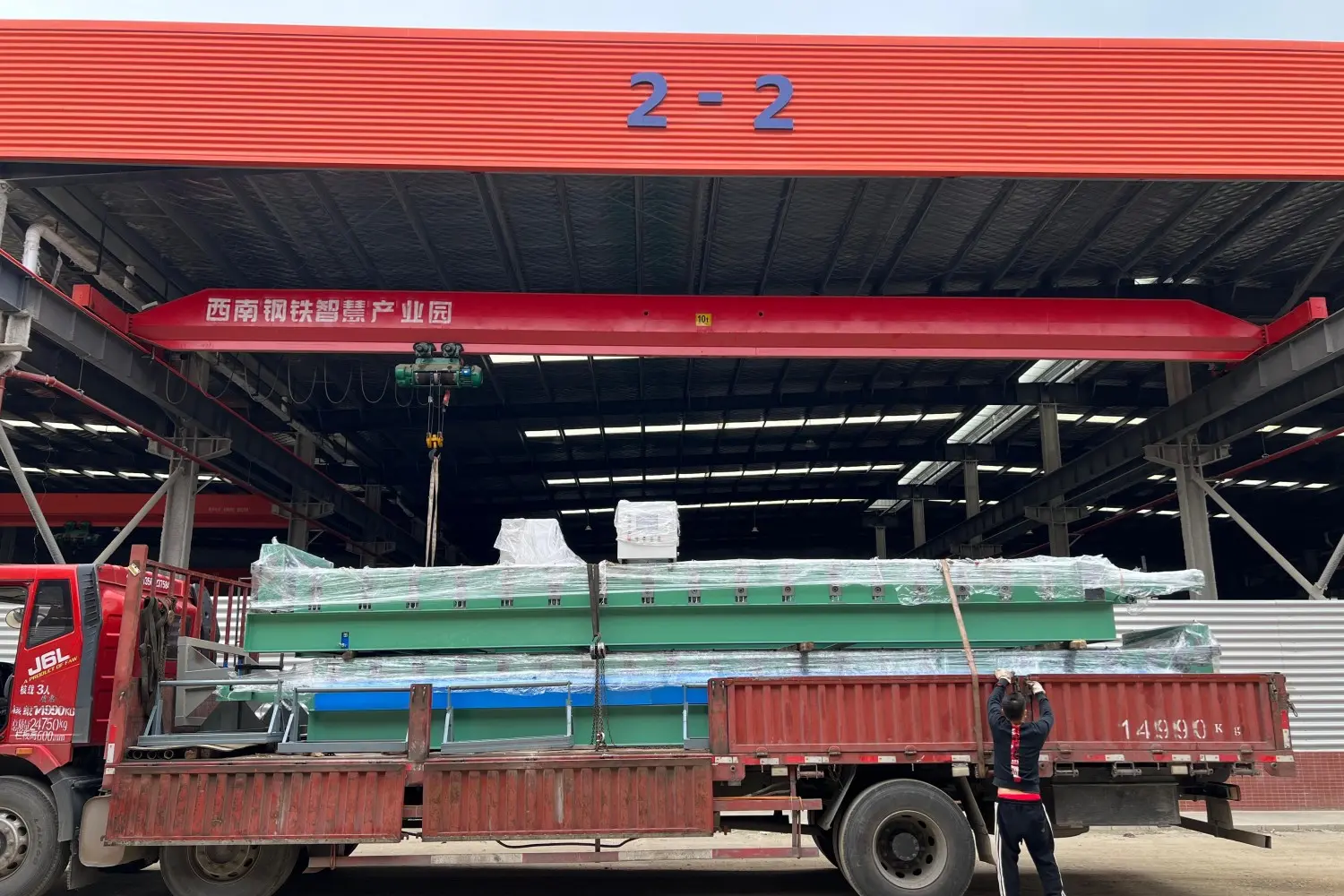
Our responsive after-sales service guarantees minimal operational downtime. With stock components available for swift international dispatch, XC machines remain operational across high-pressure production cycles.
End-to-end industrial lines designed for structural building components.
Decades of structural tooling refinement ensuring operational success.
Serving industrial, commercial, and structural infrastructure projects across the globe.
How digital manufacturing and smart analytics are changing deck production lines.
The roll forming industry is transitioning toward smart manufacturing. Next-generation floor deck forming lines will incorporate real-time monitoring systems to adjust roller pressure dynamically. This technological progression solves a key industry challenge: thickness variations in raw coils. When a coil varies in thickness, conventional rigid systems experience tooling wear or profile distortion. Smart systems counter this by using integrated stress sensors to automatically adjust clearances.
Additionally, automated quick-change tool configurations are replacing manually adjusted roller stands. Modern cartridge-type roll formers allow changing profile rib depths (e.g., from 50mm to 75mm) in under 30 minutes, compared to hours in older configurations. Advanced flying-shear designs cut formed decks cleanly at high speeds without pausing, increasing throughput by up to 40%.
Real-time thermal monitoring of cutting dies and roller bearings helps predict wear patterns, scheduling maintenance before failures happen.
Quick-change tooling configurations reduce profile switchover times from hours to minutes, improving flexibility for multi-profile orders.
Variable frequency drive systems and energy-recovery hydraulics reduce power draw during high-speed cold forming cycles.
Answers to common structural and configuration questions.
The embossments formed into the web of the steel deck profile serve as physical anchorage points. They provide mechanical interlock between the steel deck panel and the concrete matrix, preventing slip. The design of these embossments directly determines the horizontal shear-bond capacity of the composite slab. Under-embossed decks can lead to structural failure under high live loads.
High-tensile steels (such as G550 structural steel) exhibit significant spring-back after forming. Standard forming roller designs will not yield accurate dimensions with these materials. To compensate, roll formers require custom roller flower designs with higher station counts (up to 32 stations or more) and localized over-bending calibration features to lock in the final profile shapes.
XC rollers are made from GCr15 bearing steel or Cr12 mold steel, vacuum heat-treated to HRC 58-62, and finished with a hard chrome plating layer. Under standard operation and with correct lubrication, these rollers can process up to 10-15 million meters of steel decking before requiring re-profiling or calibration.
Yes, this is typically done using cassette/cartridge-style designs or adjustable duplex systems. With a cassette setup, different profiling rollers are mounted on independent sub-plates. The operator can slide the assembly out of the machine base and slide in a new profile set, reducing profile changeover times to under 40 minutes.
View additional options to configure complete structural cladding and framing operations.
 Xiongchang