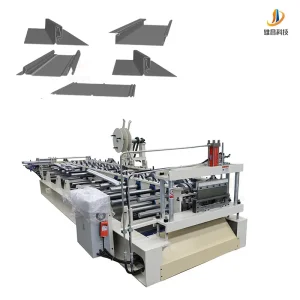
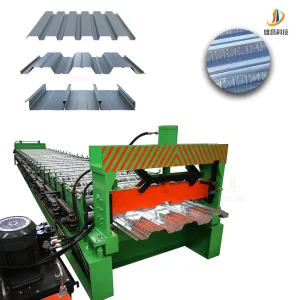
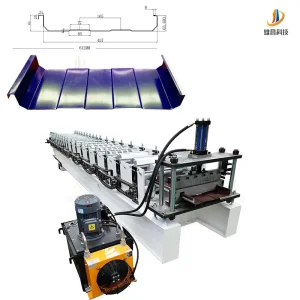
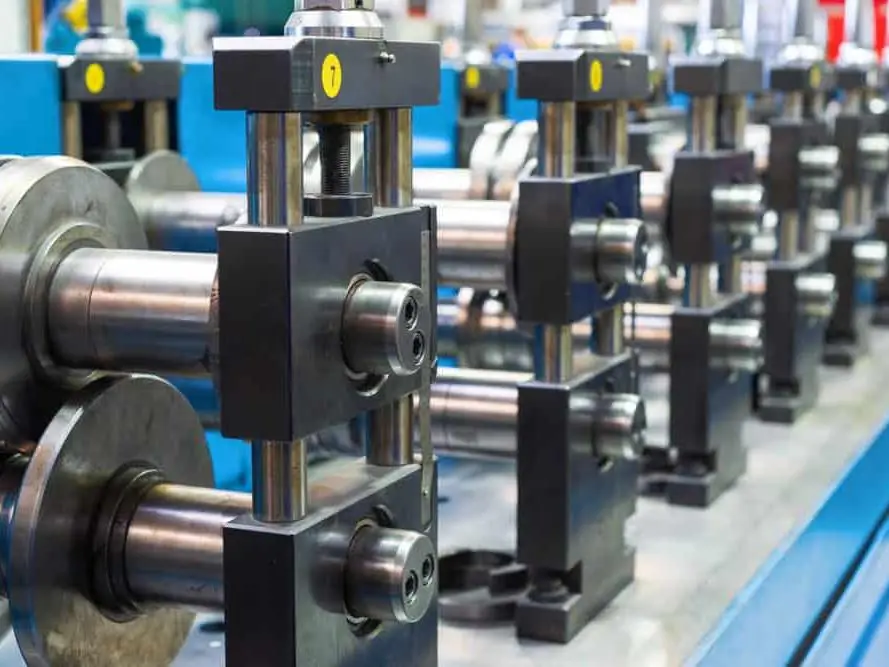
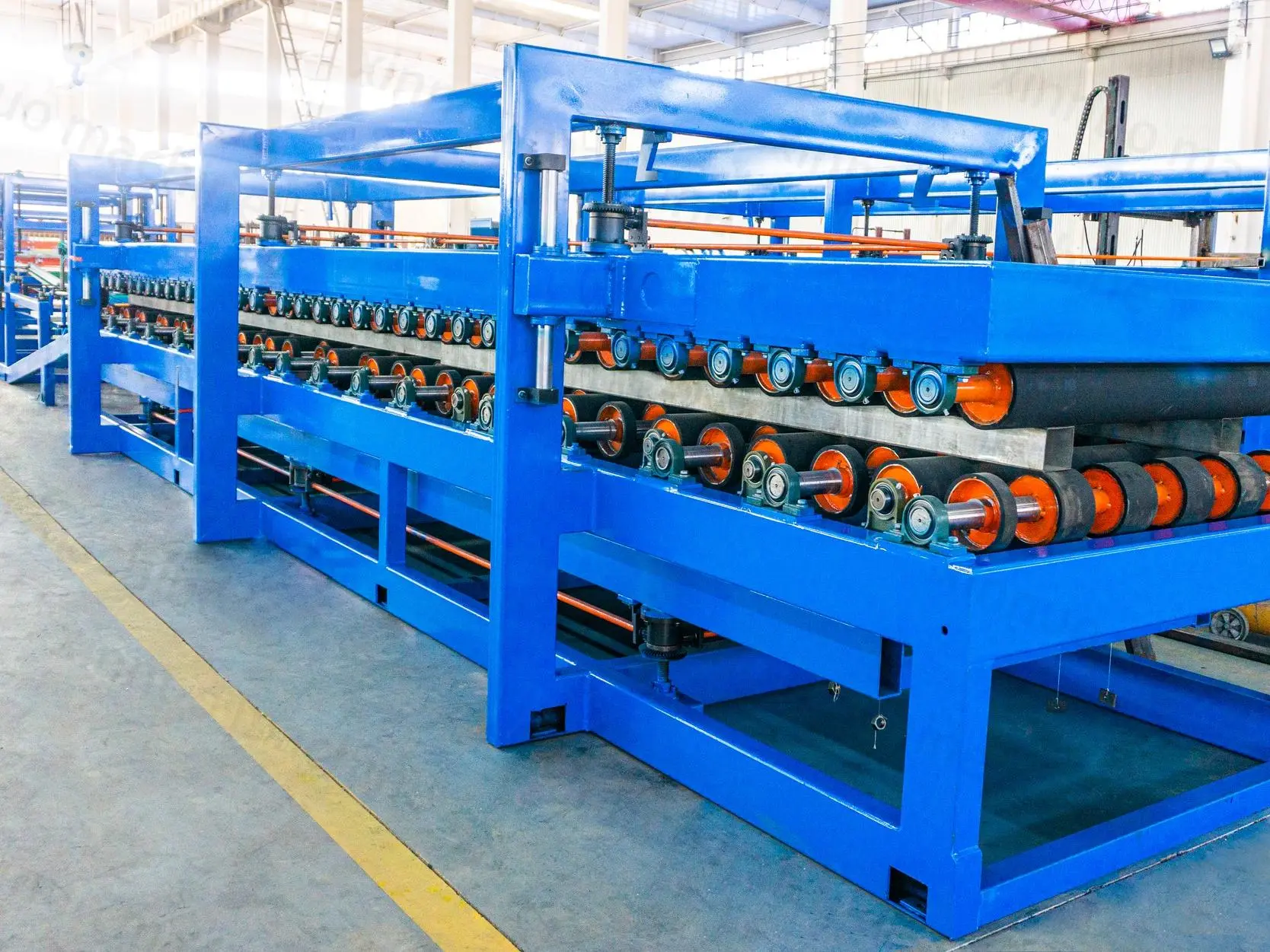
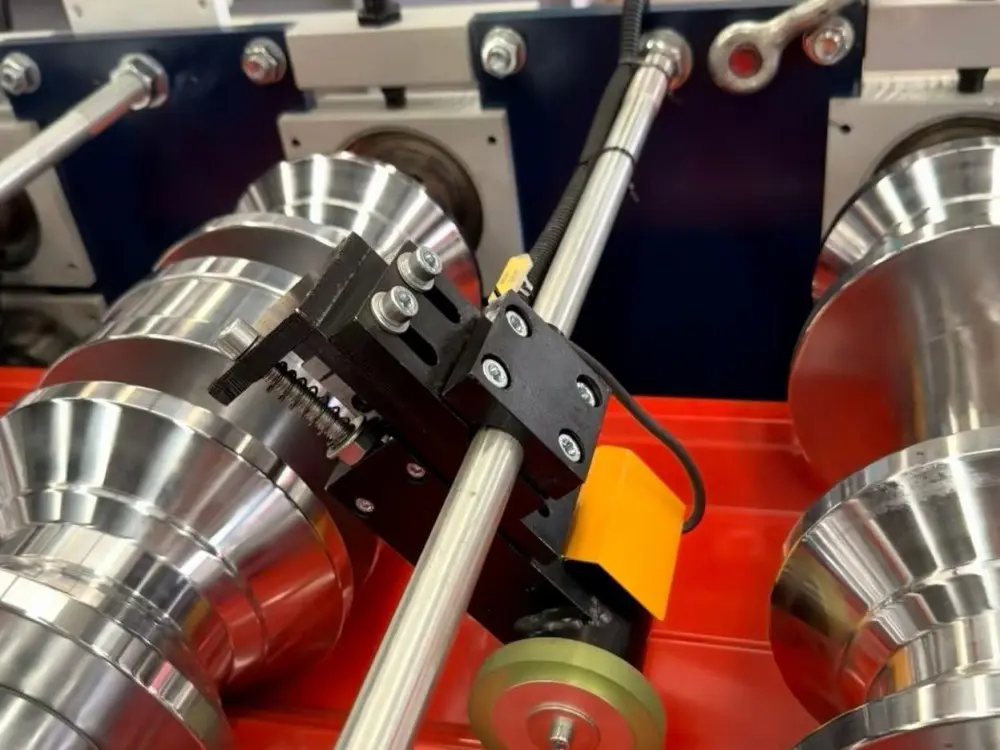
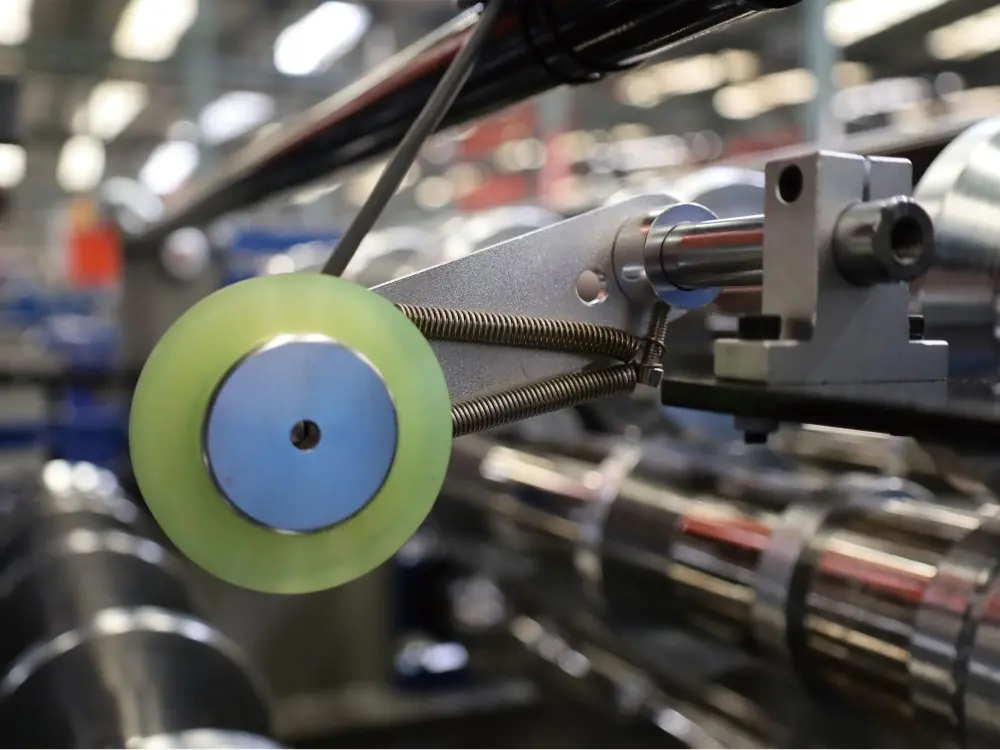
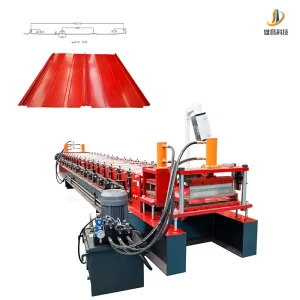
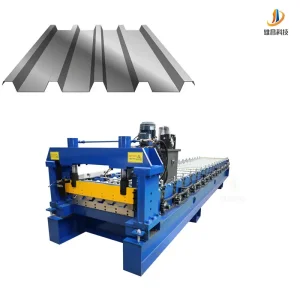
Explore our core metal forming machinery. Designed for reliability, high-speed output, and exact profile repeatability.
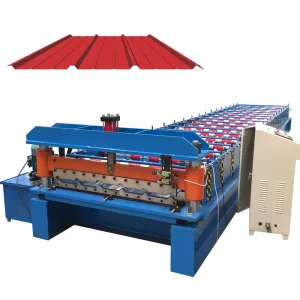
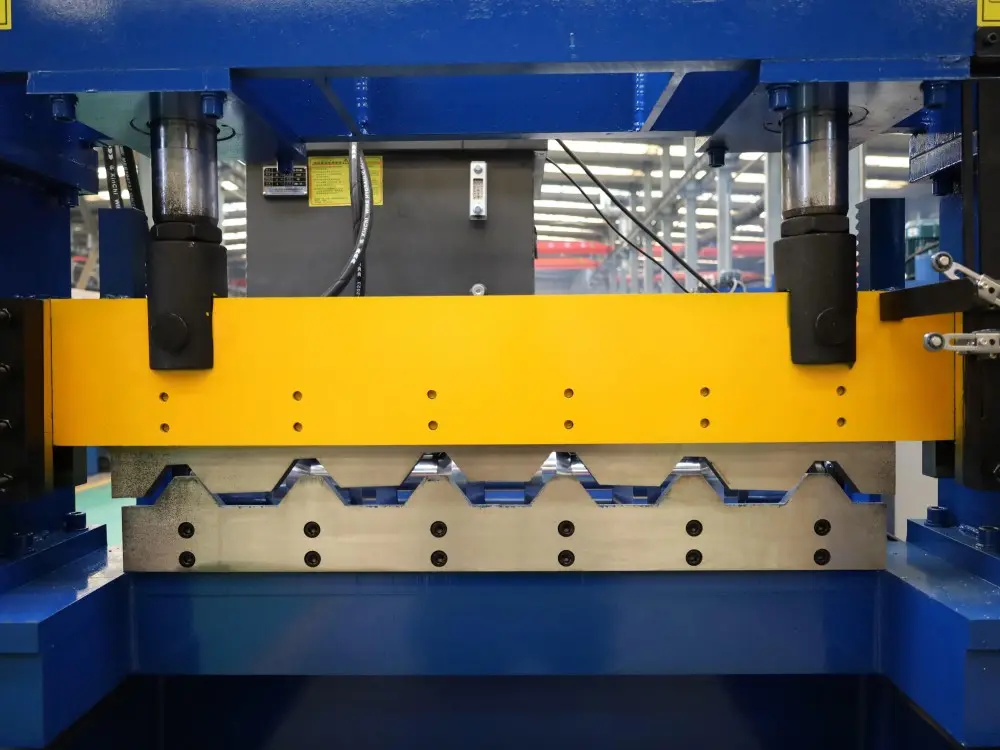
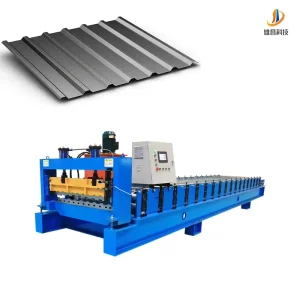
In modern construction, the Delta Rib profile (frequently referred to as the Tuff Rib or Ag Panel) serves as a cornerstone for building envelopes. Featuring sharp, high-elevation trapezoidal ridges and wide valleys, it is designed for optimal runoff control, panel stiffness, and structural performance. Producing these structural sheets demands cold roll forming lines engineered to handle high-tensile material without fracturing the steel grain structure or stripping protective coatings.
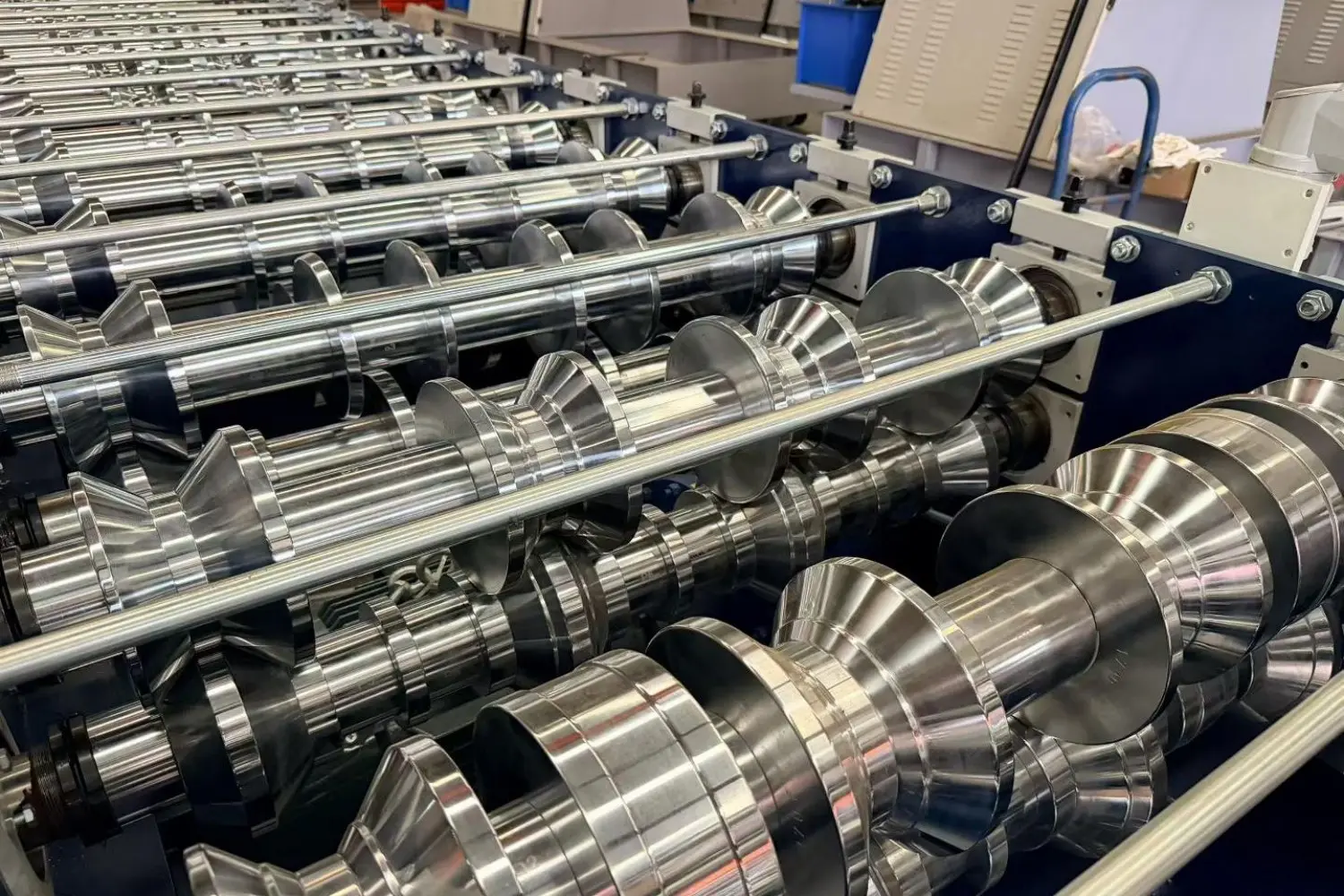
For factories globally, sourcing the correct machine involves balancing station count, shaft sizing, and tooling metallurgy. A machine with insufficient forming passes will overstress the profile bends, causing edge wave defects and panel flare. Our systems deploy engineered forming passes that gently shape the metal at each station, guaranteeing precise dimensional stability, tight tolerance overlaps, and hassle-free field installation.
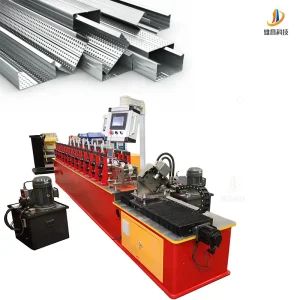
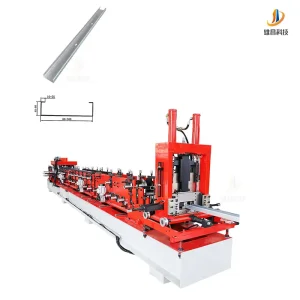
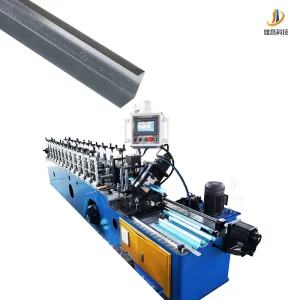
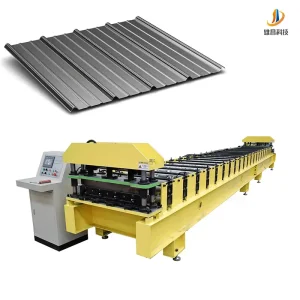
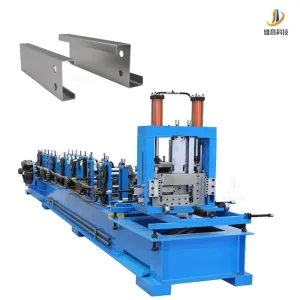
As an established expert in the cold metal forming industry, XC (Xiongchang) provides integrated roll forming solutions designed for modern industrial applications. Our portfolio encompasses core production lines for roofing panels, structural framing components, sub-girts, and floor decks, alongside essential auxiliary equipment that optimizes production efficiency.
We operate out of a modern manufacturing facility, combining automated CNC processing centers, heat treatment bays, and assembly lines. This ensures every piece of equipment we build achieves structural rigidity and operational accuracy.
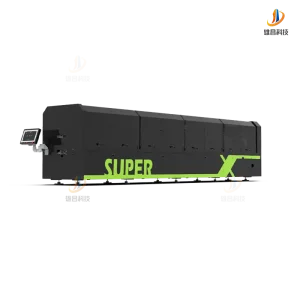
View Complete Portfolio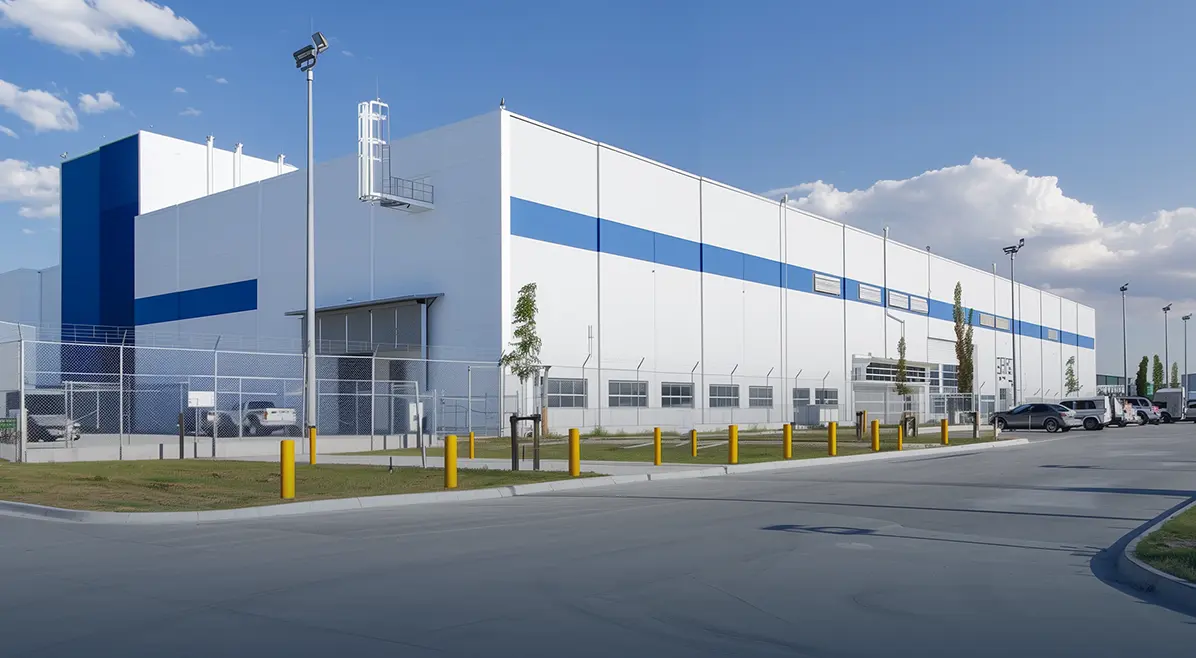
How our specialized engineering team delivers high-performing metal forming equipment that yields concrete ROI.
Our engineering department utilizes Finite Element Analysis (FEA) to simulate profile deformation and springback. This ensures precise, consistent panel dimensions across varied coil batches.
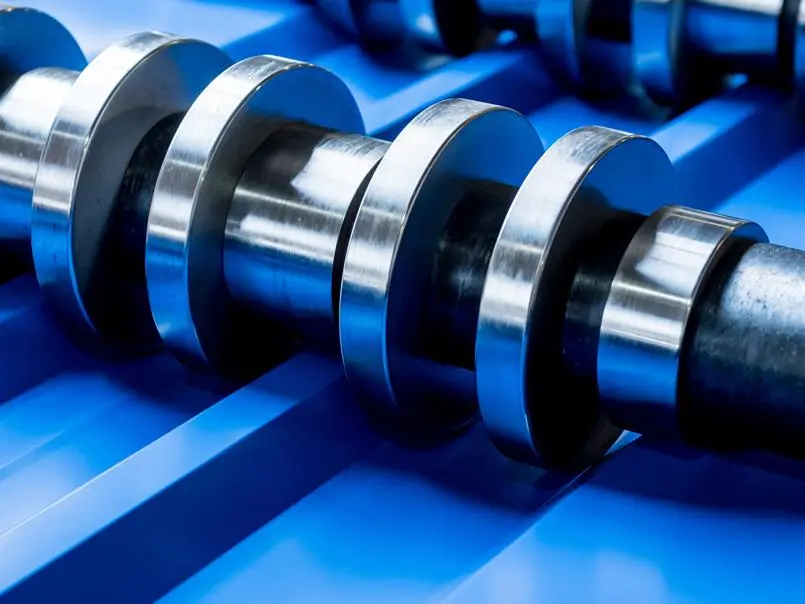
Our machining capabilities include heavy CNC centers, precision surface grinders, and wire EDM equipment. We maintain tight shaft tolerances and roller concentricity to prevent profiling variance.
Every machine undergoes full dry runs and load tests using customer-specified coils before shipping. We measure gauge variations and shear tolerances to verify alignment.
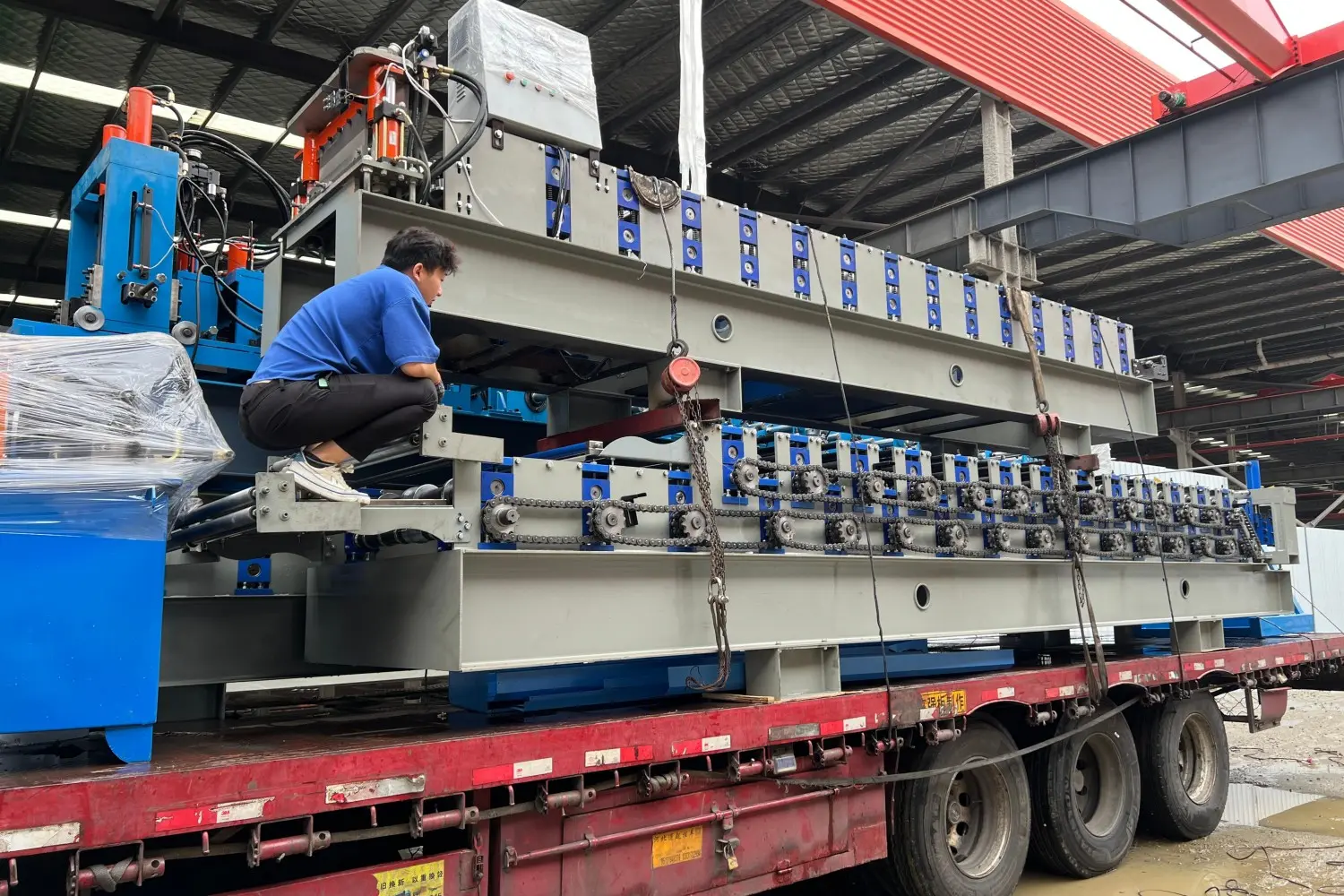
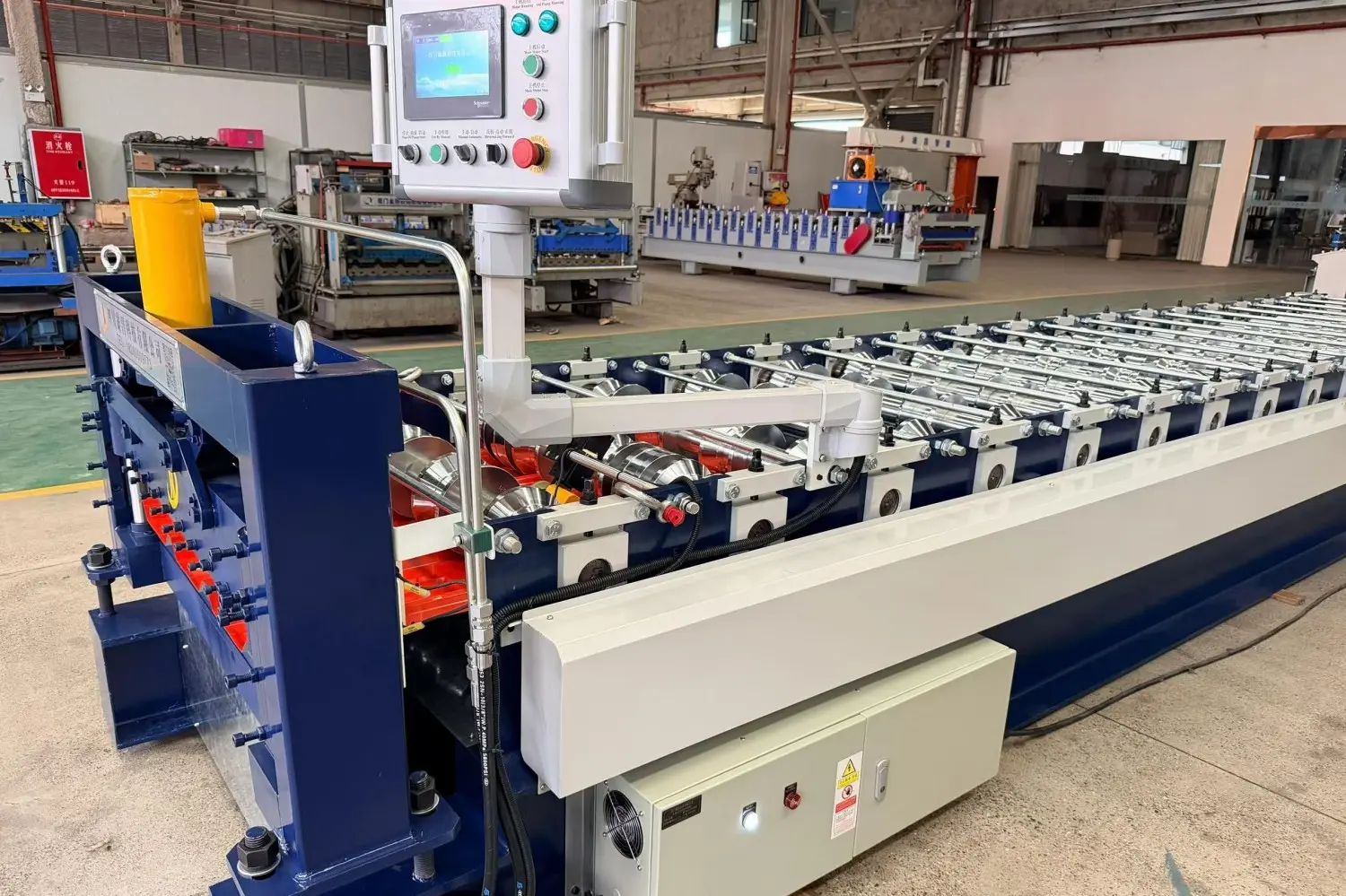
Modern manufacturing requires precision and automation. We integrate industrial electronics, hydraulics, and mechanical systems to ensure our roll forming machinery delivers high efficiency.
By utilizing Siemens or Delta PLC panels, operators can adjust batch quantities, sheet lengths, and cut-off points via user-friendly HMI displays. Our electronic synchronization matches the hydraulic shear cycle with speed profiles, eliminating panel slippage and maintaining length tolerances within ±1.0mm.
From building envelopes to structural framework systems, our lines are engineered for durable, high-performance end-products.
Navigating steel mill tolerances, regional building standards, and production logistics across continents.
Buyers in North America require machinery compliant with local regulations, including UL/CSA electrical certification, NFPA safety controls, and OSHA-compliant mechanical guards. Focus centers on high-tensile substrates like ASTM A792 Galvalume (Grade 50 & 80), requiring robust drive systems and post-cut shears to minimize profile distortion.
European operators demand CE declaration of conformity, IE3 high-efficiency motors, safety light curtains, and integrated protective fencing. They favor quick-change systems, such as cassette-based changeovers, to swap profiles in under 30 minutes.
Rapid urban development and agricultural modernization in Southeast Asia, Africa, and Latin America drive demand for affordable, high-wind resistant roof profiles. Sourcing demands focus on versatile, low-maintenance machinery.
Double-deck roll formers are widely utilized in these regions. Combining a Delta Rib profile and a Corrugated or IBR profile on a single frame saves valuable shop floor space and lowers capital costs.
XC maintains testing equipment to verify the strength, mechanical performance, and durability of every machine build.
Our quality control protocols monitor tolerance checking, bearing alignment, and roll shaft concentricity at each manufacturing phase. Every finished line completes a production run under full load, using client-provided coils, to verify profile compliance before shipping.
We offer engineering support from initial blueprint design to on-site machine commissioning.
Our technicians deploy globally to manage mechanical assembly, coordinate electrical installation, and conduct operator training. We cover machine setup, coil feeding adjustment, PLC operation, and preventive maintenance. This helps operators achieve target run times and minimize start-up delays.
Remote support networks allow our engineers to troubleshoot PLC diagnostic errors online, reducing unscheduled downtime and avoiding high costs.
Review our structural cold forming installations and the field applications we support worldwide.
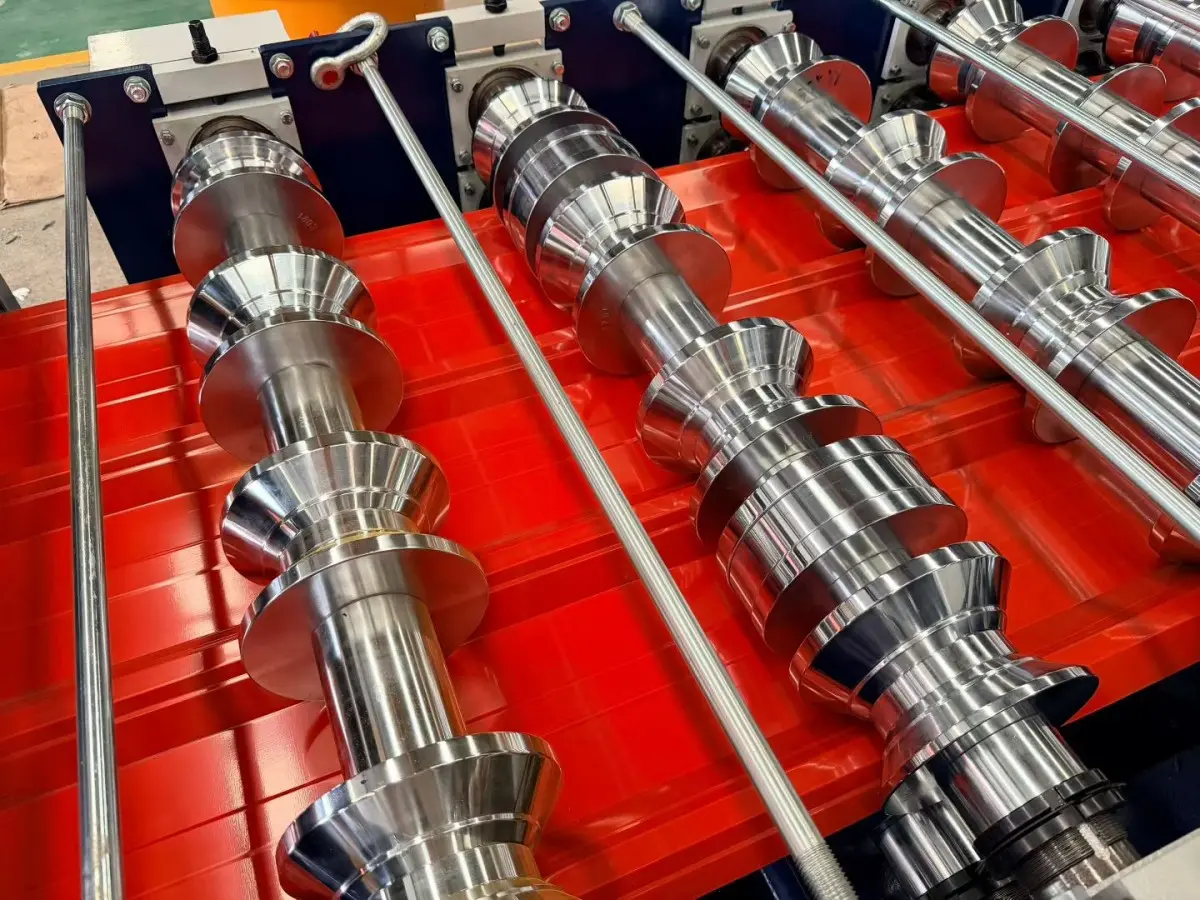
Precision-designed tooling lines optimized for structural profiles. Engineered to balance metal forming loads and reduce strain during production.
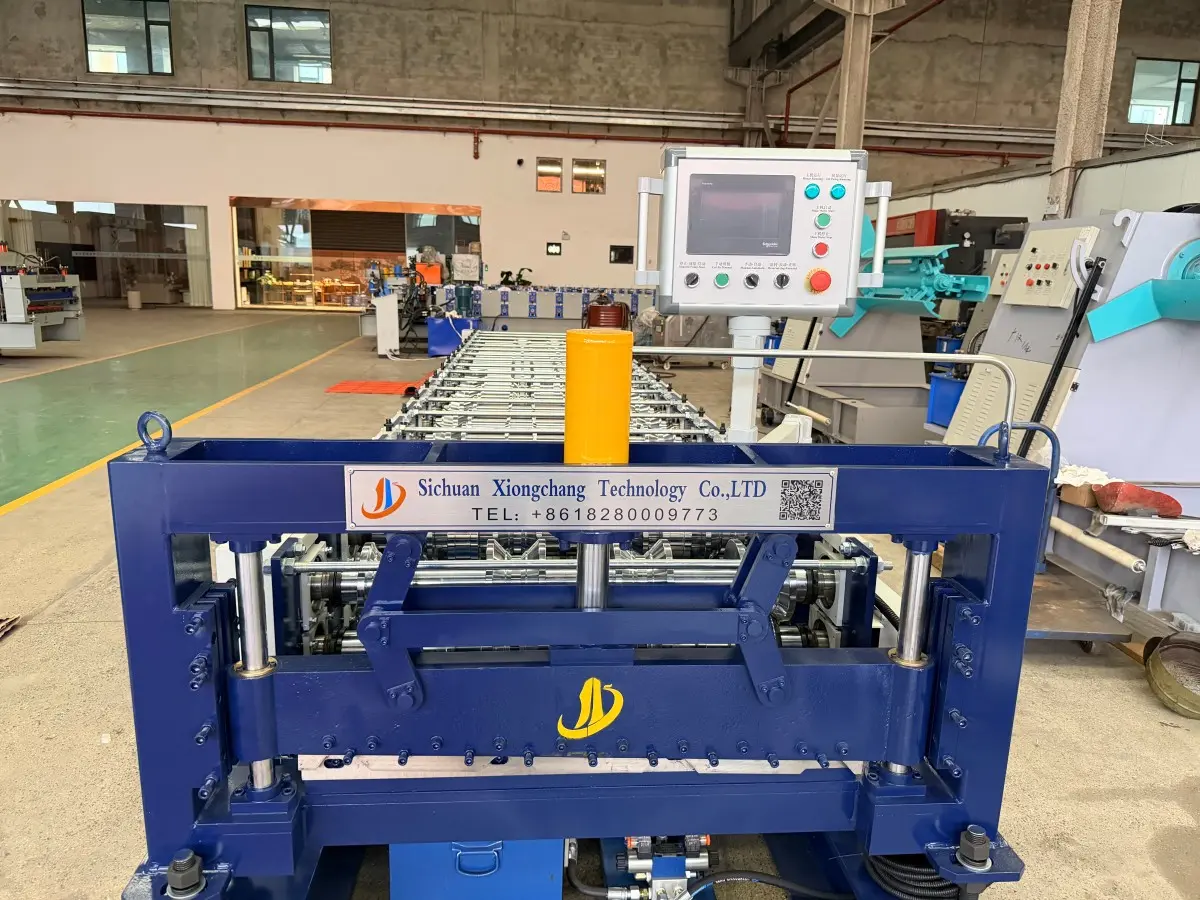
Comprehensive manufacturing support, including scheduled preventative maintenance and on-site mechanical troubleshooting.
Over two decades of engineering experience, structural design integrity, and customer support.
The design of metal profiling lines is evolving, driven by the integration of digital systems and mechanical automation.
Key technological developments include servo-motor driven roll forming stations. Moving away from manual spacers, modern machines use computerized servo actuators to adjust width and depth configurations automatically. This cuts changeover times from hours to minutes.
Additionally, IoT sensors are being integrated to monitor mechanical wear. Vibration sensors, torque monitors, and thermal couplers track shaft loads, bearing temperatures, and alignment deviations. This data feeds into predictive maintenance systems to alert operators before failure occurs.
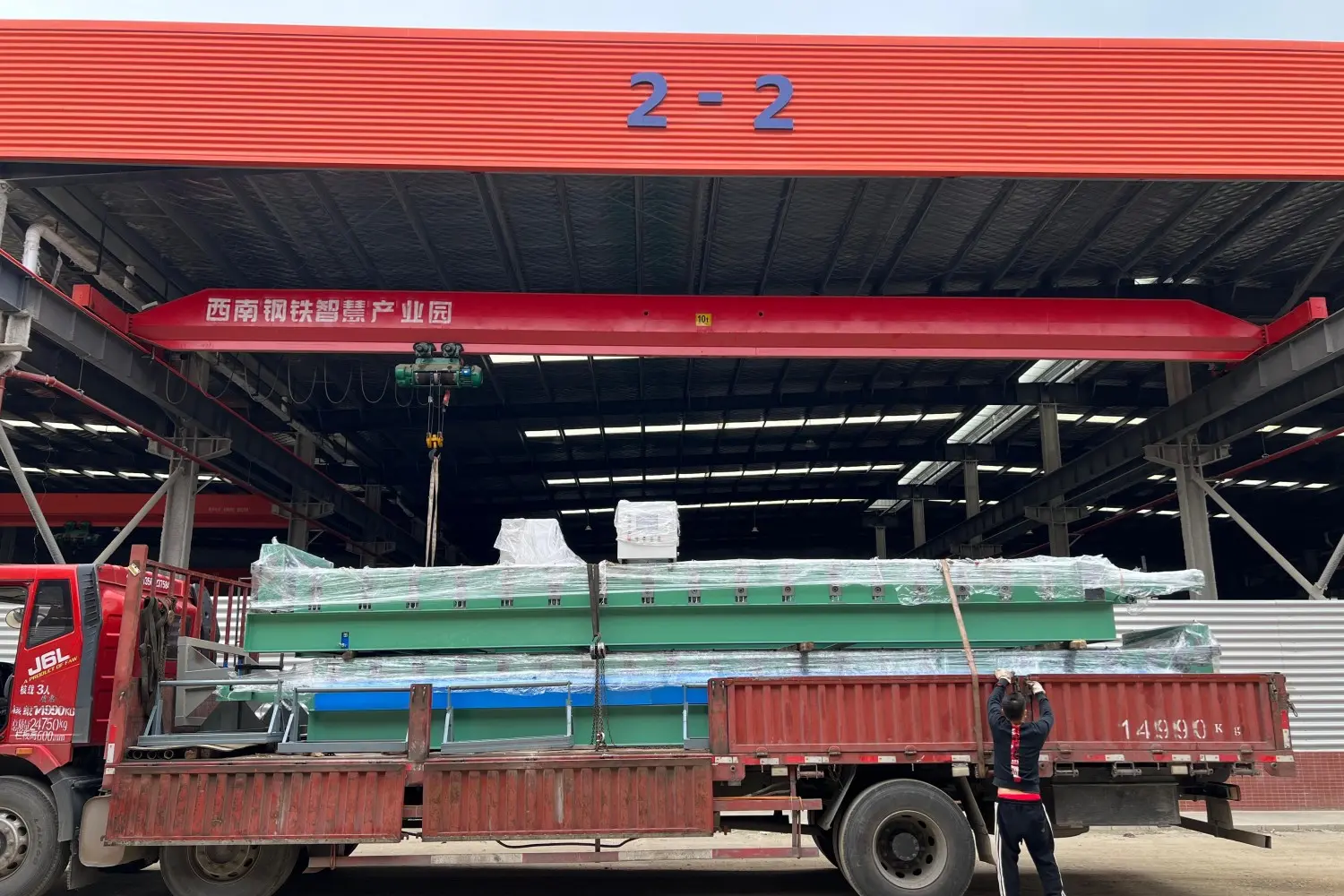
Our roll forming systems serve a diverse global clientele, from residential builders to large-scale industrial and infrastructure projects.
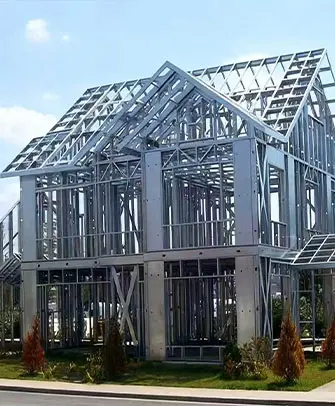
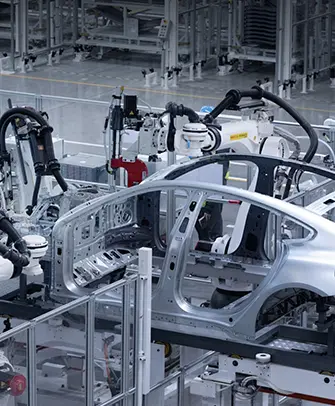

Expert technical insights regarding machine configuration, material limits, and operational setup.
We manufacture roll formers to produce structural decks, siding, purlins, and specialized building panels.
 Xiongchang