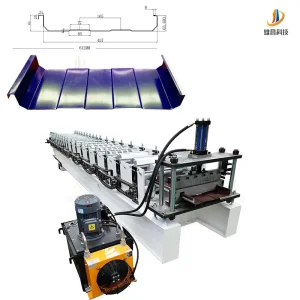
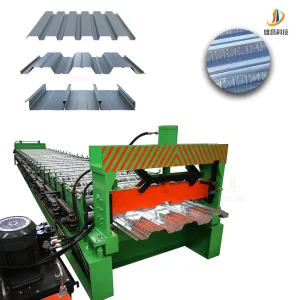
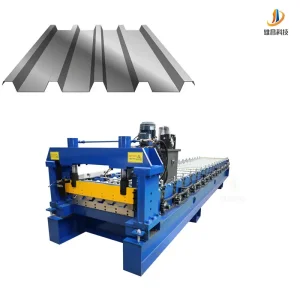
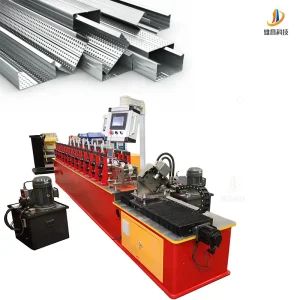
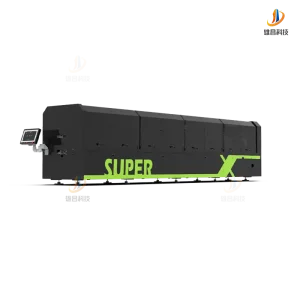
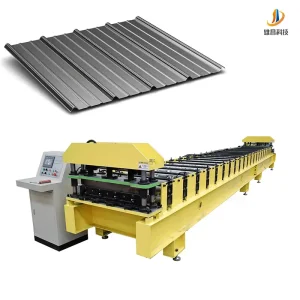
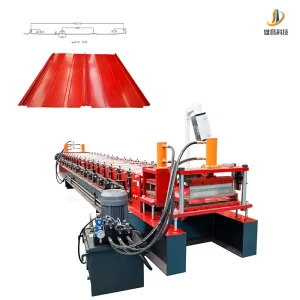
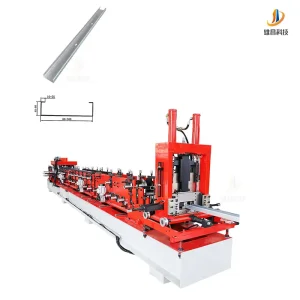
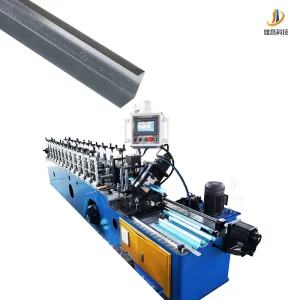
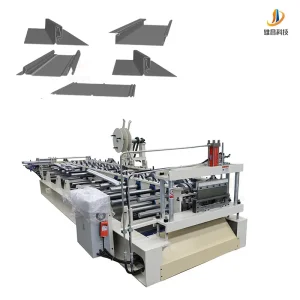
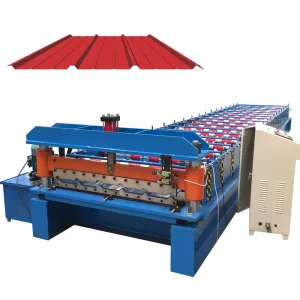
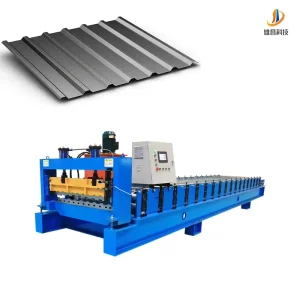
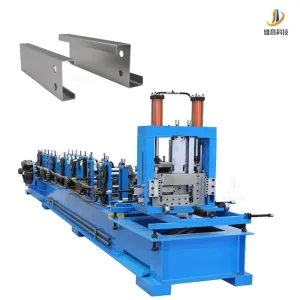
For over two decades, XC (Xiongchang) has been a trusted leader in the design, engineering, and manufacturing of heavy-duty cold roll forming equipment. We combine deep structural engineering expertise with a steadfast commitment to our clients, ensuring every machinery line delivers exceptional reliability, production throughput, and dimensional accuracy.
As an established expert in the field, XC provides integrated roll forming solutions designed to meet the rigorous demands of modern industrial and architectural metal manufacturing. Our comprehensive portfolio encompasses core production machinery for industrial roofing, heavy floor decking, exterior wall cladding, door systems, and precision structural framing components, alongside complete automated auxiliary line equipment necessary for optimized, high-speed operations.
The manufacturing landscape of cold roll forming machinery in China has undergone a major paradigm shift. Historically categorized as simple mechanical bending equipment, contemporary Chinese roll forming systems represent high-speed, fully automated, and highly integrated production systems. Modern sheet metal rolling demands micro-millimeter tolerance control across variable yield strengths, particularly when dealing with High-Strength Low-Alloy (HSLA) steels like ASTM A653 or AS 1397 G550, which are highly prone to springback.
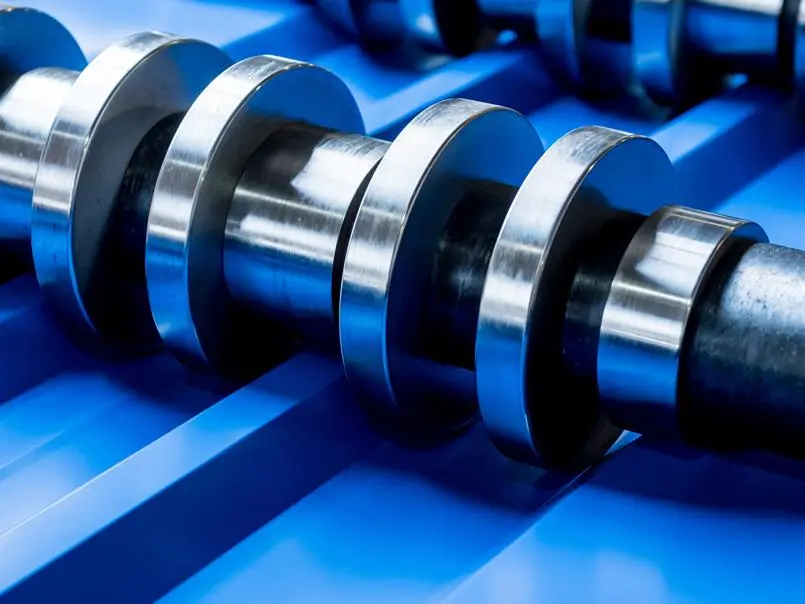
By utilizing advanced Finite Element Analysis (FEA) software, such as COPRA, engineers design roller profiles that gradually deform the metal strip without exceeding its ultimate tensile limit. This preserves the zinc-coated galvanized layers or Galvalume protective skins, preventing micro-fractures that accelerate premature oxidation. Contemporary roll structures utilize premium tooling materials like Cr12MoV (D2 tool steel), hardened through vacuum heat treatment to HRC 58-62, and finished with hard chrome plating to minimize friction and wear during continuous, high-speed runs.
Technical Insight: Pre-punching, post-cutting, and multi-station profiling are now controlled through synchronized closed-loop servo systems. This integration ensures that even under high speeds of 40 meters per minute, length deviations remain within ±0.5mm, significantly reducing scrap material and accelerating project installation cycles.
The global sourcing of industrial machinery has concentrated in China's industrial clusters due to unparalleled supply chain advantages. When sourcing corrugated iron sheet forming lines, international procurement officers gain access to a complete ecosystem. This includes local raw material processing, high-precision CNC manufacturing facilities, internationally certified electrical system integrators, and heavy-duty logistics providers.
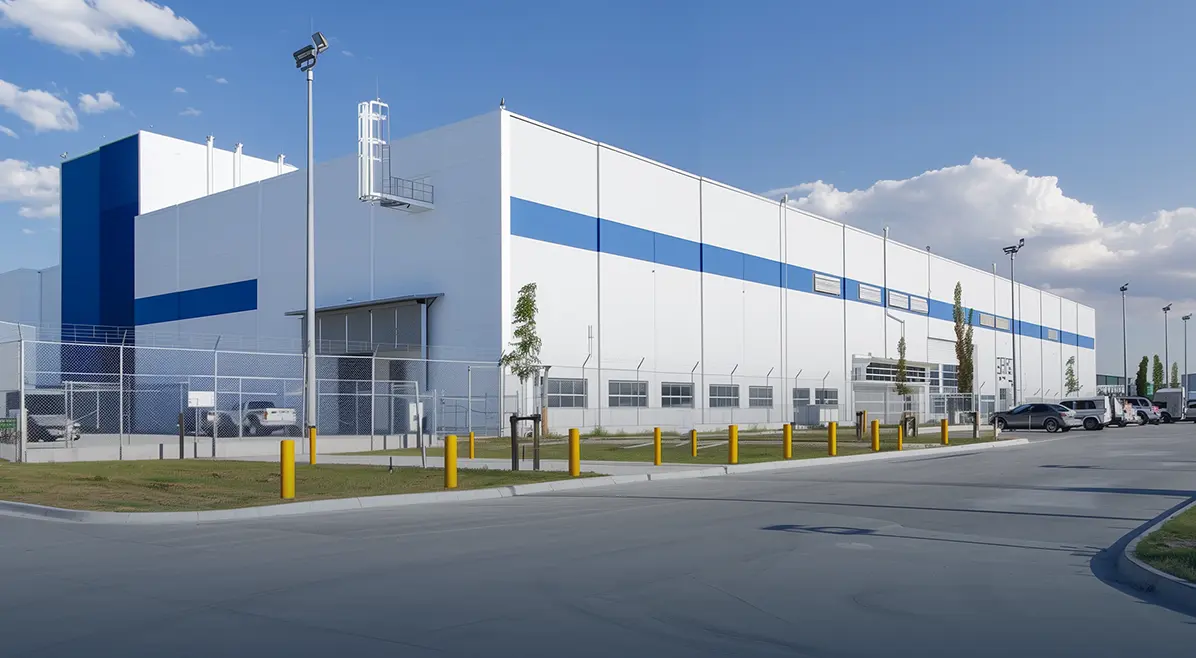
Chinese manufacturing plants, such as XC's 50,000-square-meter facility, achieve economies of scale that enable massive capital investment in high-end tooling, such as gantry machining centers and slow-wire EDM profile cutters. Furthermore, Chinese manufacturers offer flexible customization, engineering dual-level profile machines, interchangeable C/Z purlin lines, and smart cassette-type roll formers that allow rapid tooling changeovers within minutes instead of hours.
Operating machinery internationally requires strict alignment with localized safety and electrical codes. Chinese manufacturers of high-end equipment engineer lines with dual-channel emergency stop loops, physical protective enclosures, and certified electrical cabinets. Control systems are designed to comply with UL 508A for North American markets, CE Machinery Directive 2006/42/EC for the European Economic Area, and CSA standards for Canadian operators.
PLC control stations (typically Siemens, Mitsubishi, or Allen-Bradley) feature multi-lingual HMIs configured in English, Spanish, Russian, or French. This enables intuitive operation, troubleshooting, and parameter settings. Standard features also include cloud-connected IoT router modems, allowing remote diagnostic assistance and software upgrades from manufacturing facilities in China directly to operating sites in South America, Africa, or Europe.
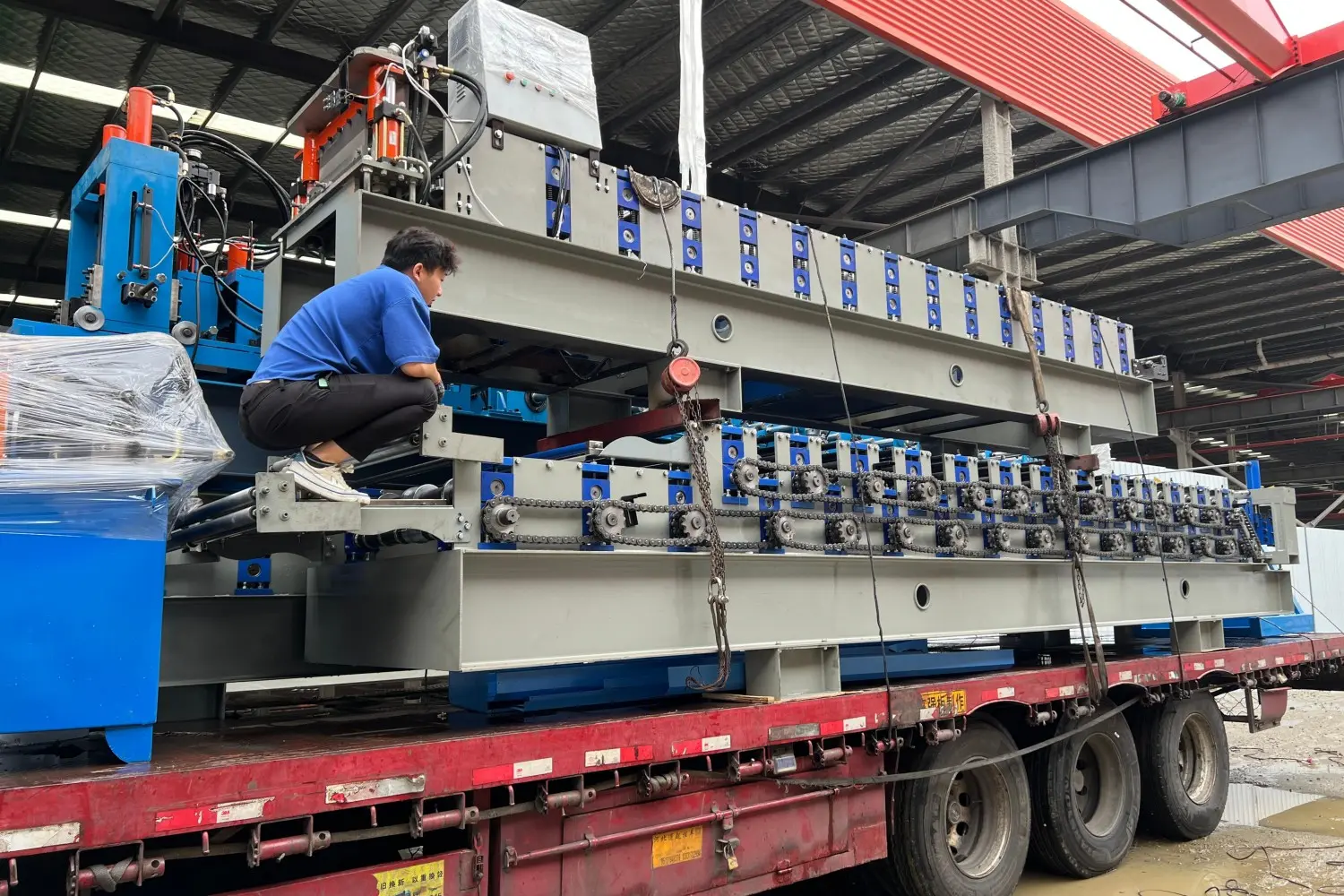
With our dedication to maintaining a robust technical force and advanced industrial equipment, XC is committed to providing integrated and automated systems across all production lines. We design systems to fulfill diverse industrial requirements, guaranteeing the highest standards of quality and performance in every machine we build.
We get a specialized team of technical personnel and engineers who are committed to delivering superior products and customized solutions for our valued customers. Our substantial investment in state-of-the-art, automated production lines ensures manufacturing precision, mechanical consistency, and structural rigidity—forming the foundation of our product excellence.
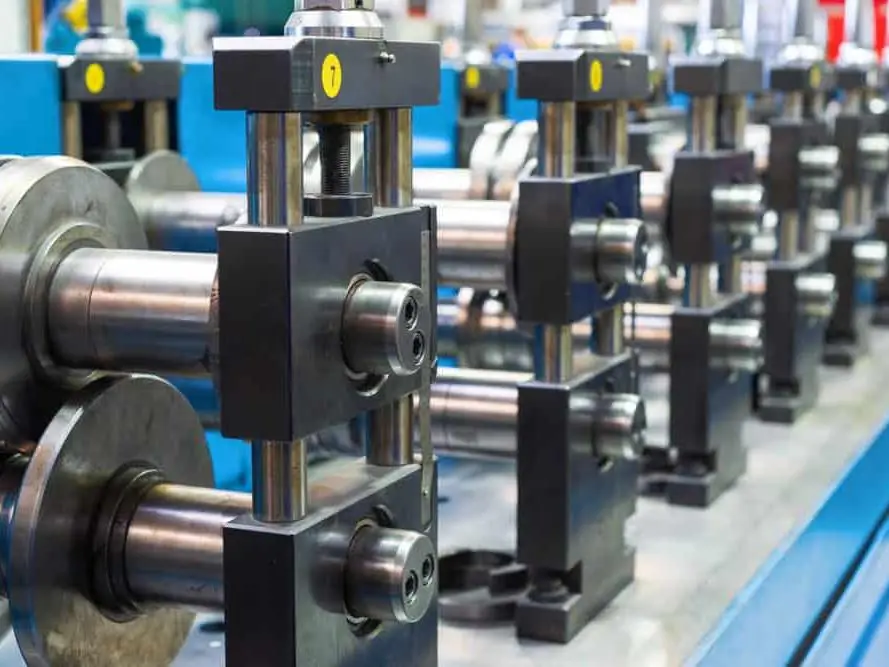
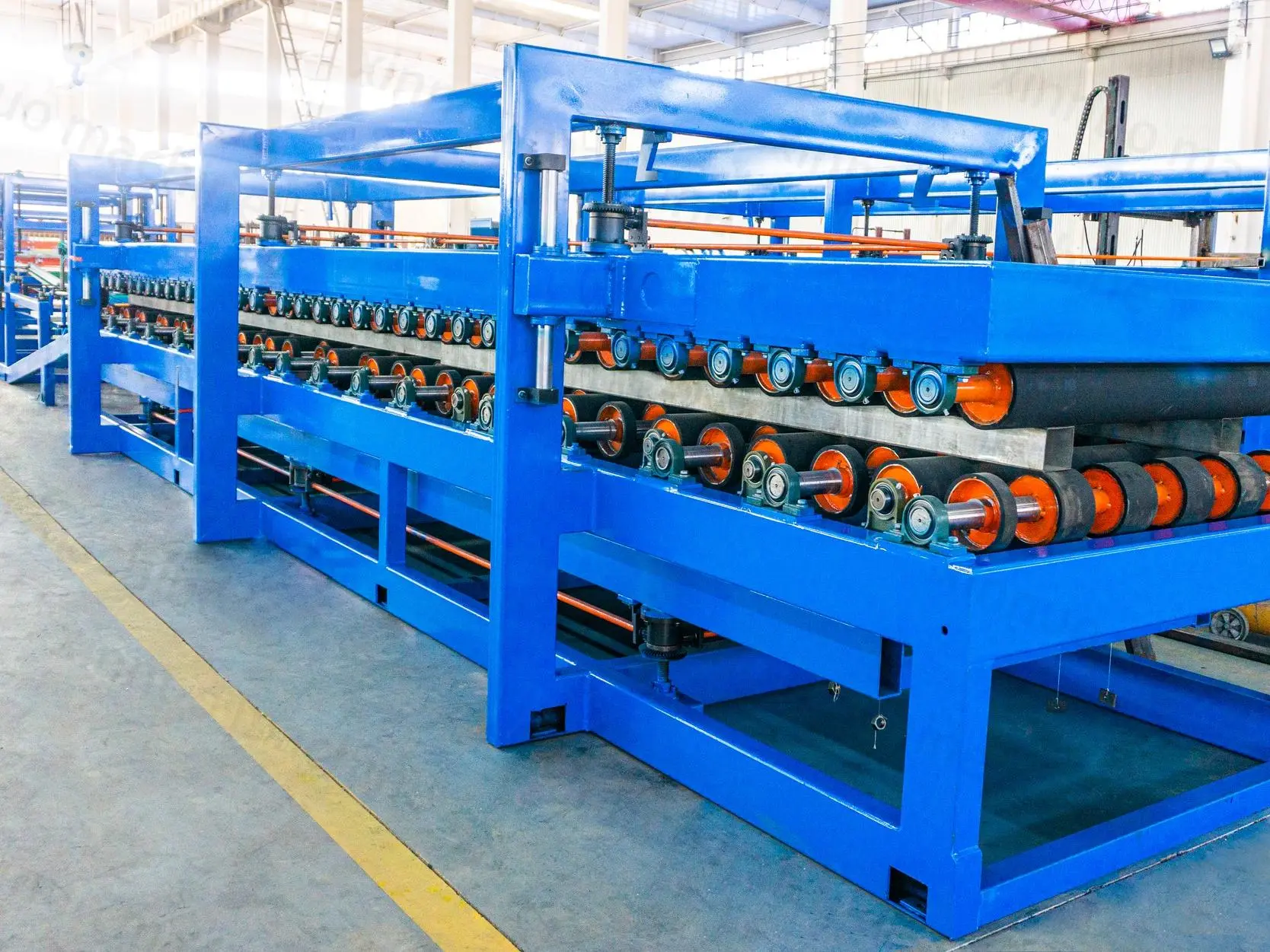
XC has established and maintains a complete suite of advanced detection and testing instruments to rigorously verify product strength, dimensional accuracy, structural durability, and operational reliability.
We adhere to strict, standardized quality control protocols throughout the entire manufacturing process, from raw steel sheet incoming inspection to final trial runs of the fully assembled roll forming lines. This ensures all outputs consistently meet specified customer engineering requirements and tolerance profiles.
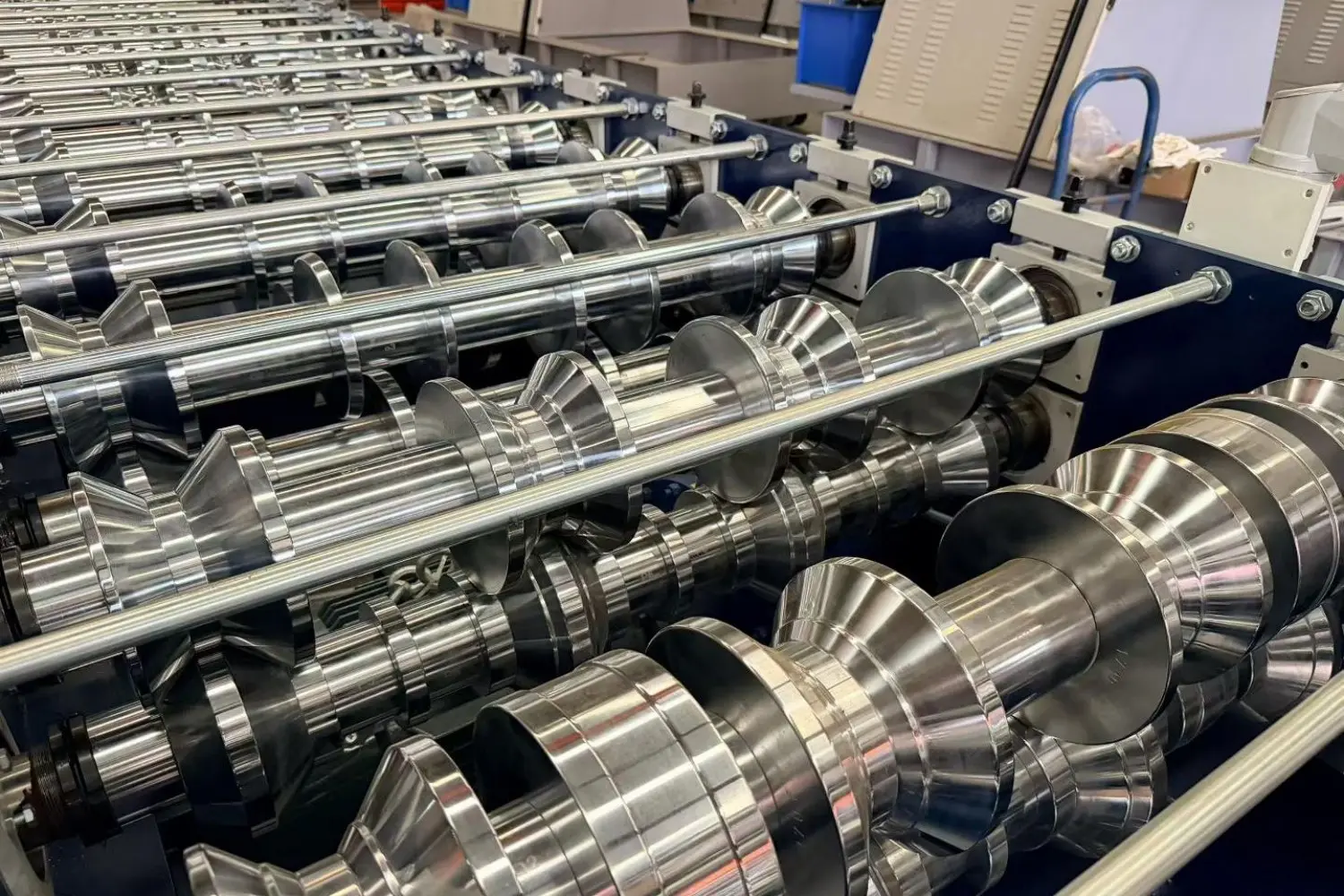
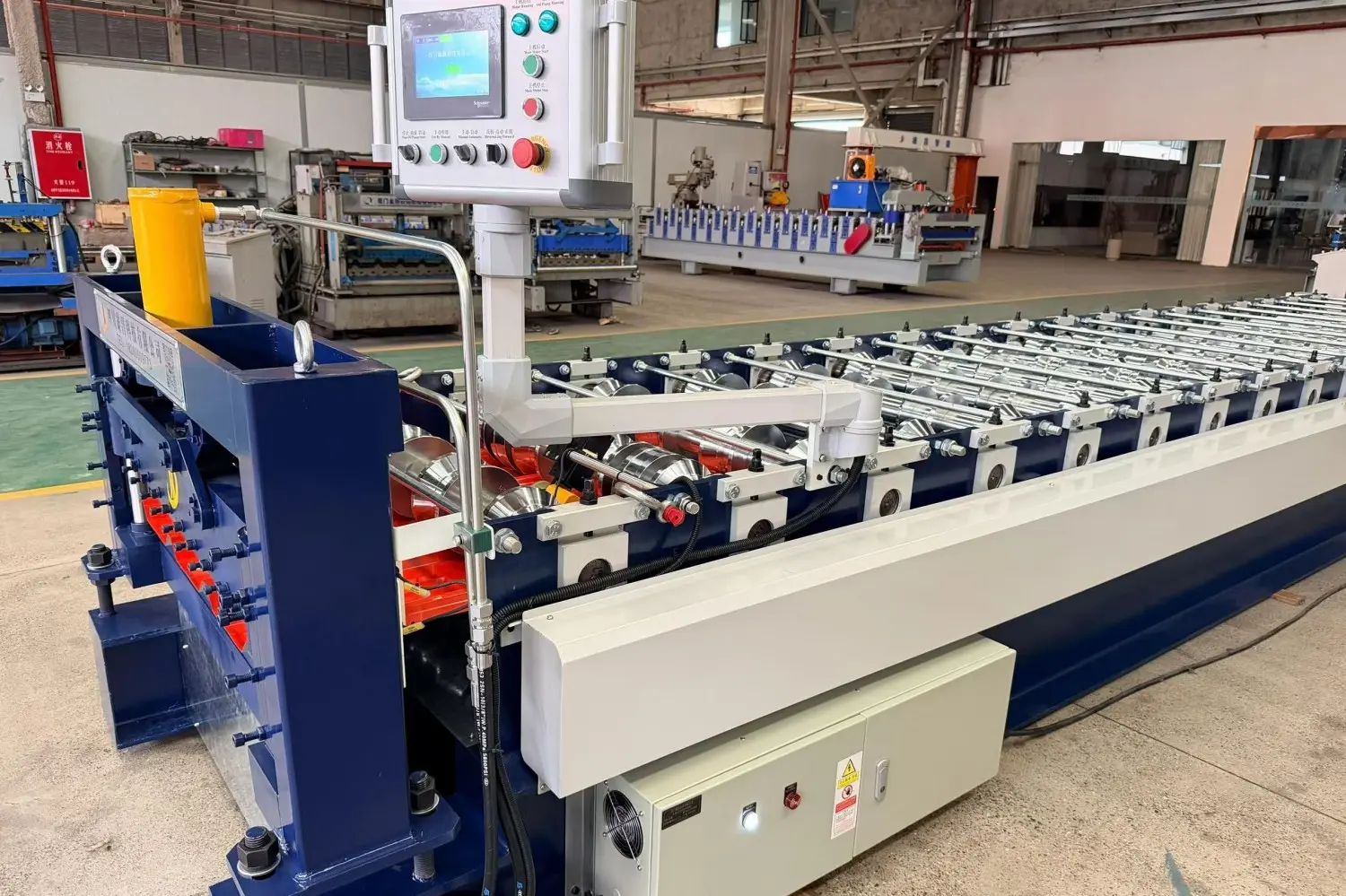
From initial structural design to final equipment commissioning, XC provides comprehensive lifecycle support. We offer professional site installation, system integration, operator commissioning, and detailed operational training to ensure optimal machinery setup and long-term shop floor productivity.
Our dedicated after-sales support team delivers ongoing technical assistance, preventive maintenance consultation, and swift component replacement services. This proactive support helps customers achieve sustained, peak operational performance with minimized system downtime.
With years of industry expertise, we have established a strong international reputation for manufacturing quality and customer-centric service. Our professional engineering team provides tailored support for both standard profiling systems and customized cold roll forming configurations.
This commitment has fostered a loyal client base across construction, heavy manufacturing, and civil engineering sectors. Our machines contribute to global infrastructure projects ranging from residential housing developments to large-scale commercial warehouses, logistic centers, and infrastructure projects.
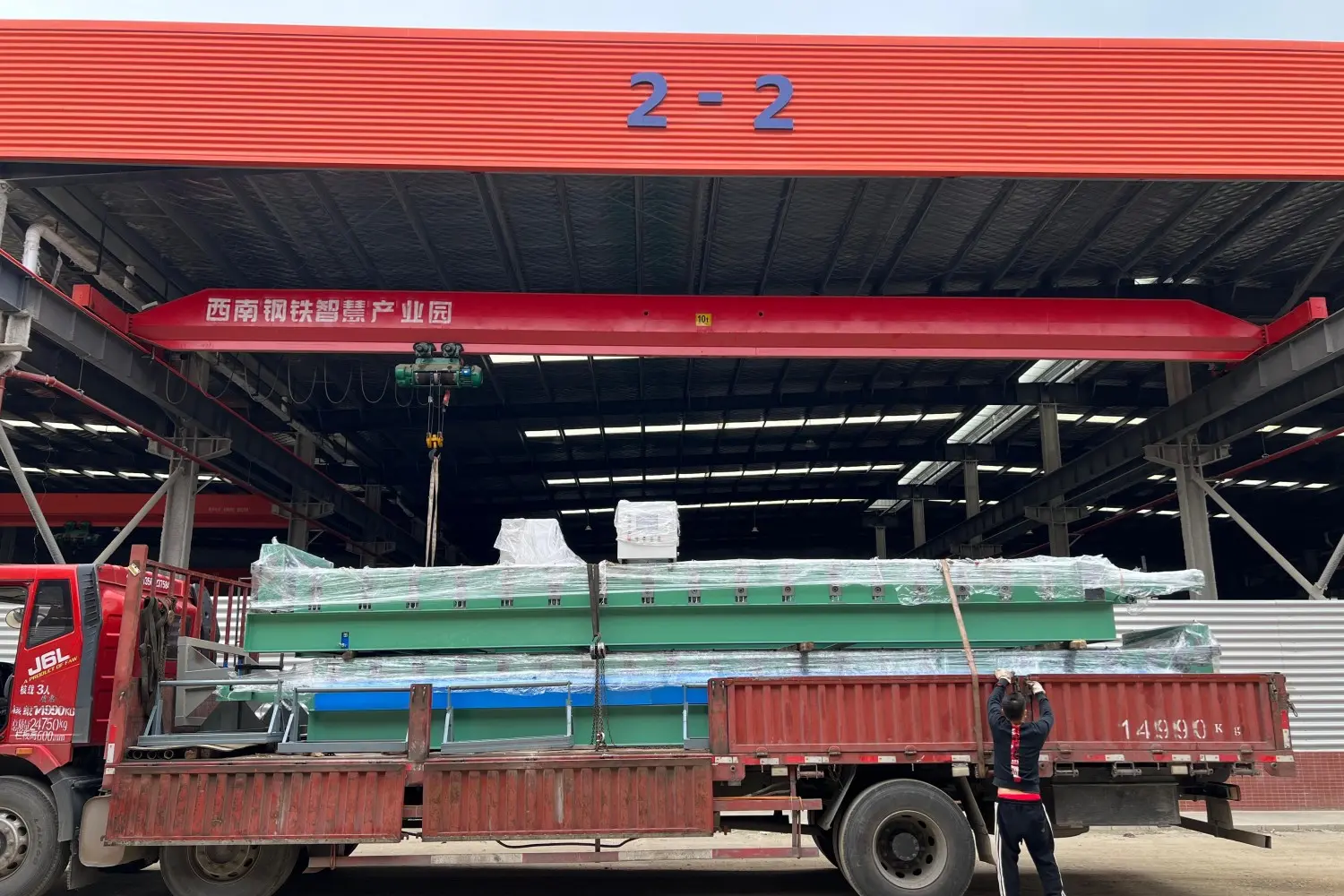
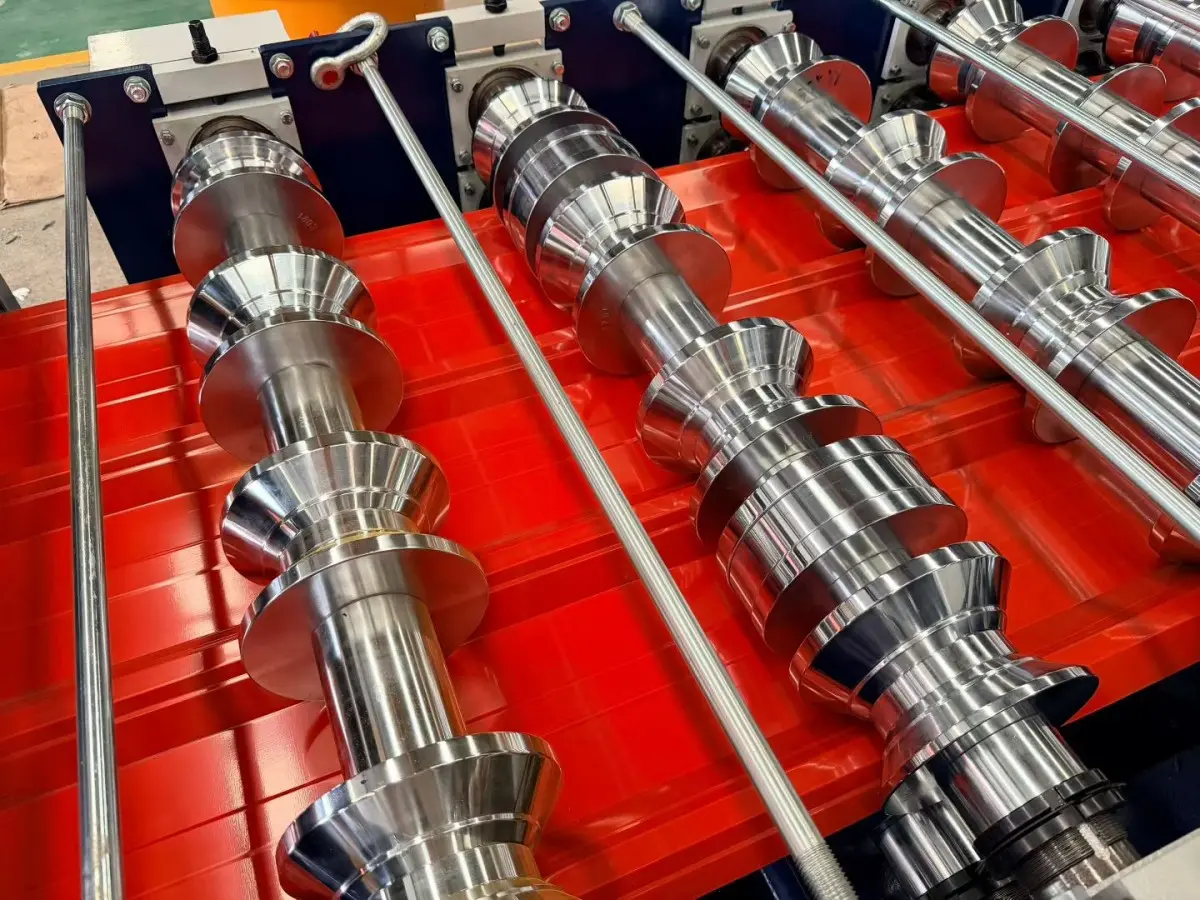
We design, customize, and deliver heavy-duty systems suited for complex, thick structural profiles and high-strength metal components.
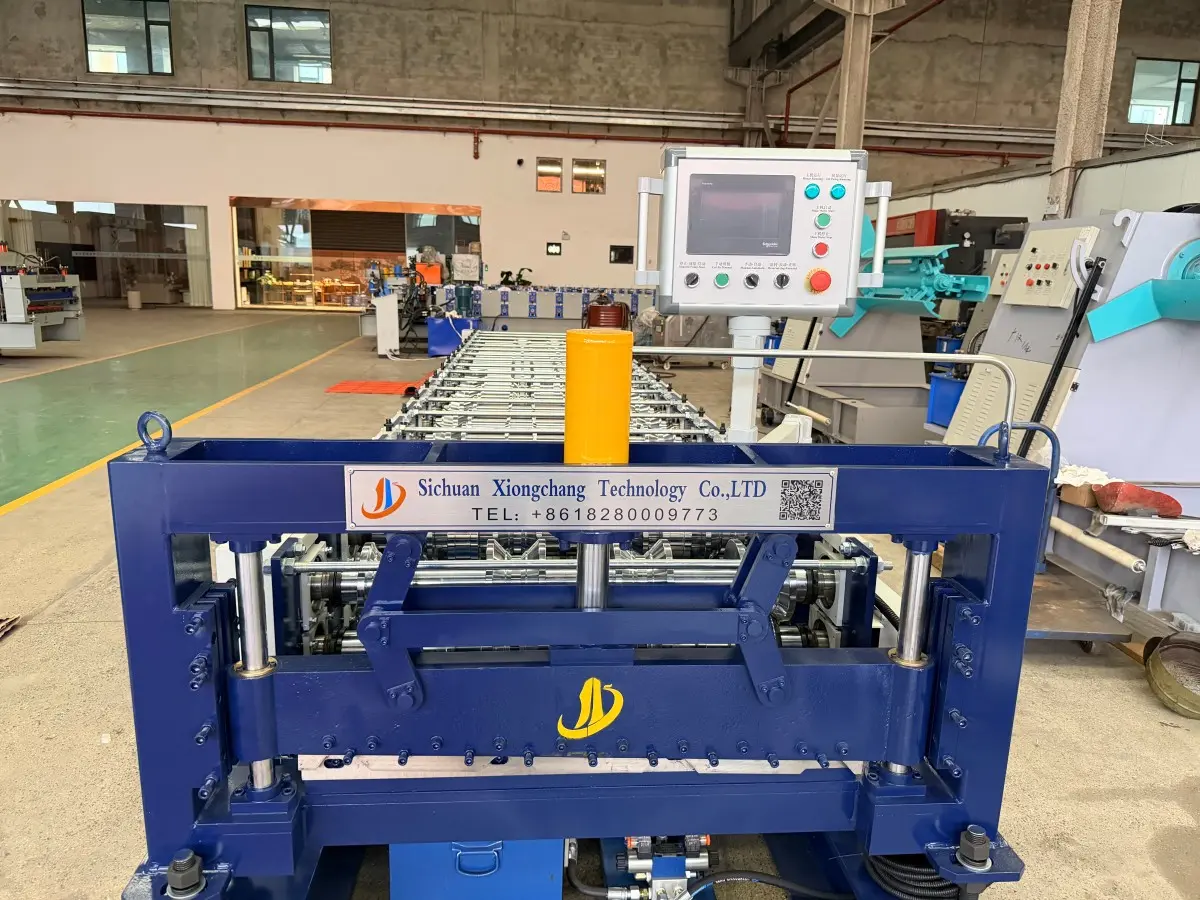
Comprehensive on-site commissioning, quick-wear spare parts supply, and remote PLC program support to maximize return on investment.
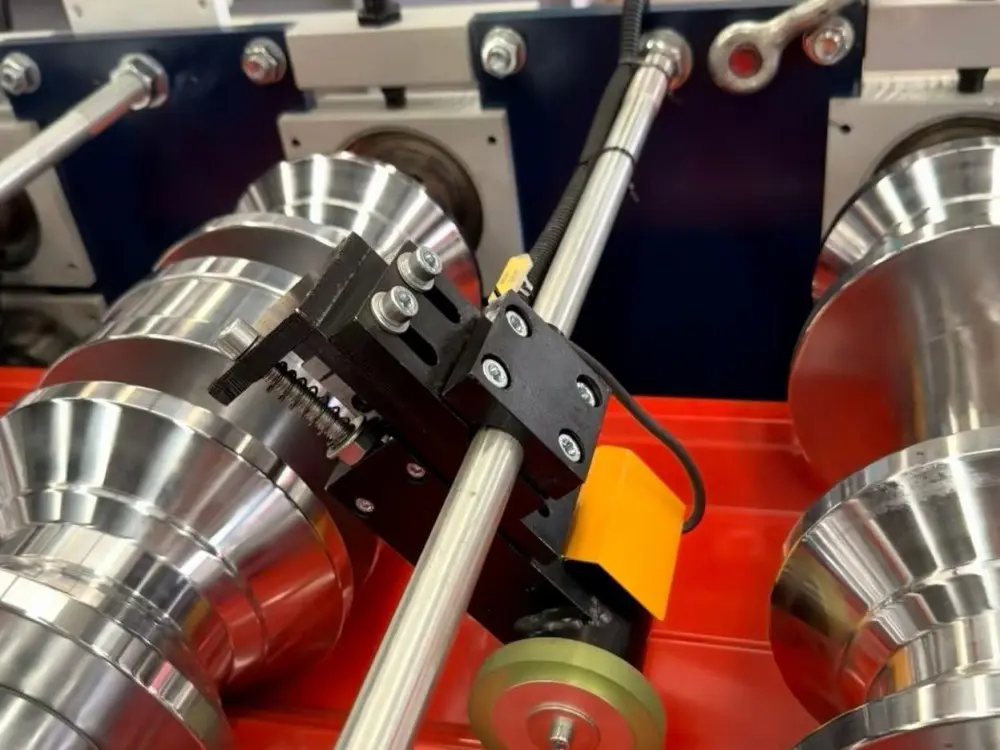
Over 20 years of active design, engineering development, and application experience in the global cold roll forming industry.
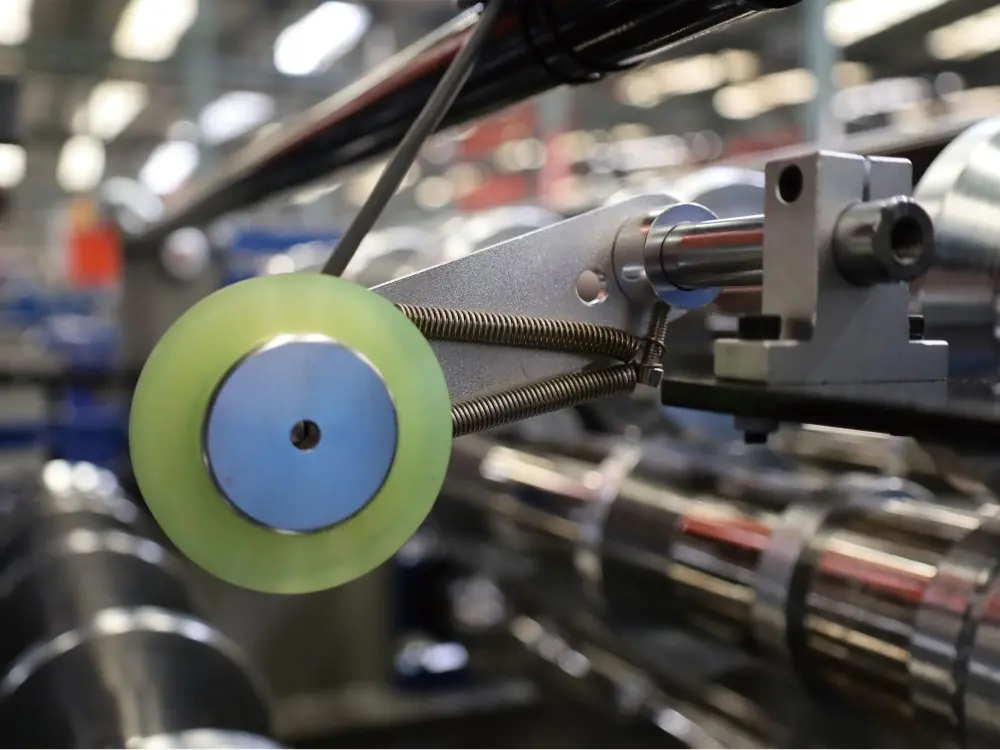
Heavy-duty, precision-ground solid steel shafts, premium grade tool steel rollers, and robust structural steel base frames.
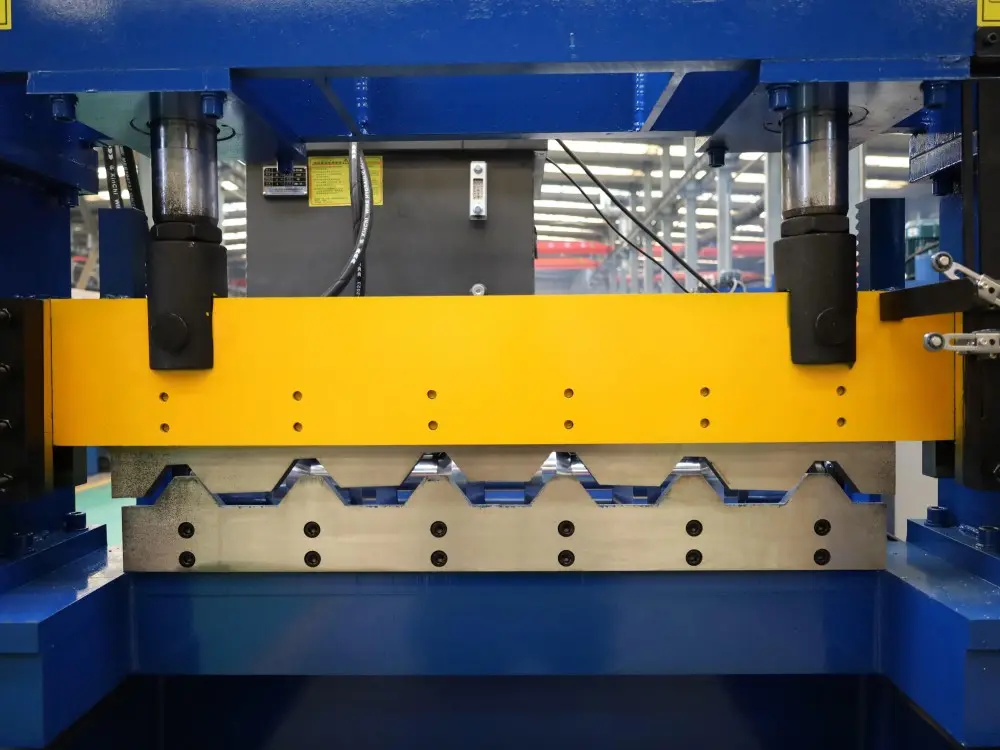
Fully integrated engineering services, offering turnkey manufacturing plant layouts, custom profile designs, and continuous technical support.
Our custom roll forming systems serve a diverse global client base, delivering high-speed, automated output to several structural, building, and transport sectors.
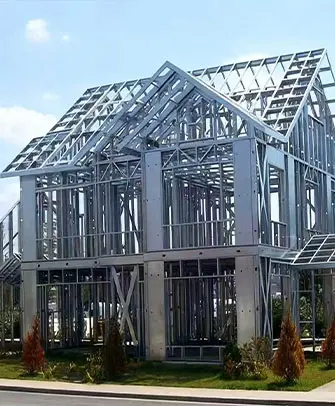
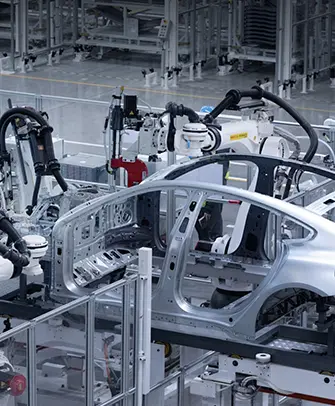


Detailed technical guidance, operational tips, and material handling advice compiled by XC's lead mechanical design engineers for international B2B buyers.
 Xiongchang