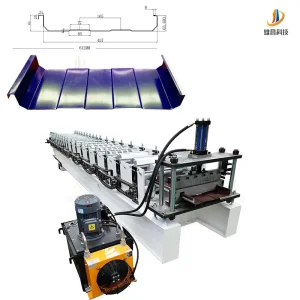
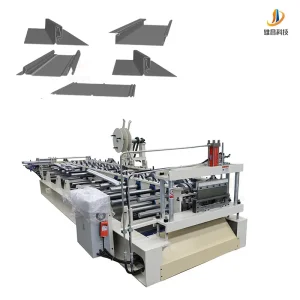
In modern commercial, industrial, and high-end residential architecture, the architectural building envelope plays a key role in both aesthetics and structural performance. Among the myriad profiles available, the Batten Seam standing seam profile is recognized for its unique capacity to handle severe weather, structural expansion, and architectural styling. Utilizing a raised cap (or batten box) over the structural seam joint, it provides a distinct, bold line profile that elevates roofing visual dynamics.
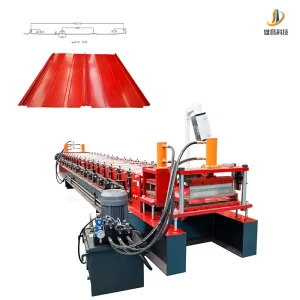
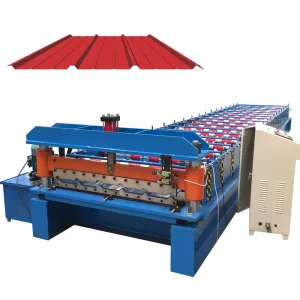
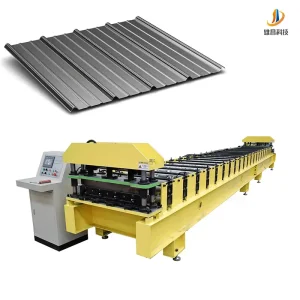
To fabricate these profiles with precise tolerances, industrial projects depend on advanced roll forming systems. A Batten Seam Roof Panel Machine transforms flat sheet coil stock—composed of prepainted steel, galvalume, zinc, copper, or aluminum—into structured roof panels with integrated male and female vertical seams. The batten cap is then rolled either dynamically inline or via a auxiliary secondary line, creating a water-tight seal when seamed mechanically or snapped over specialized clips.
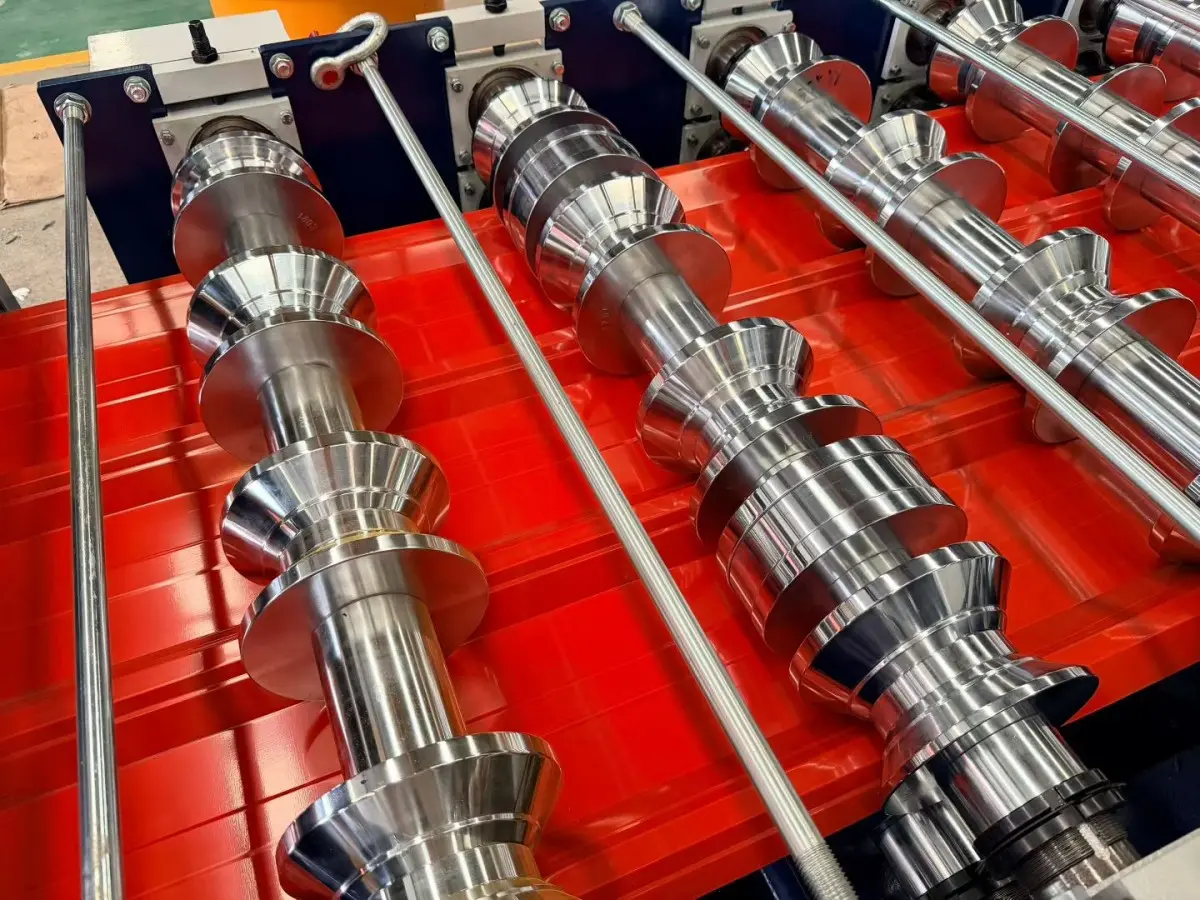
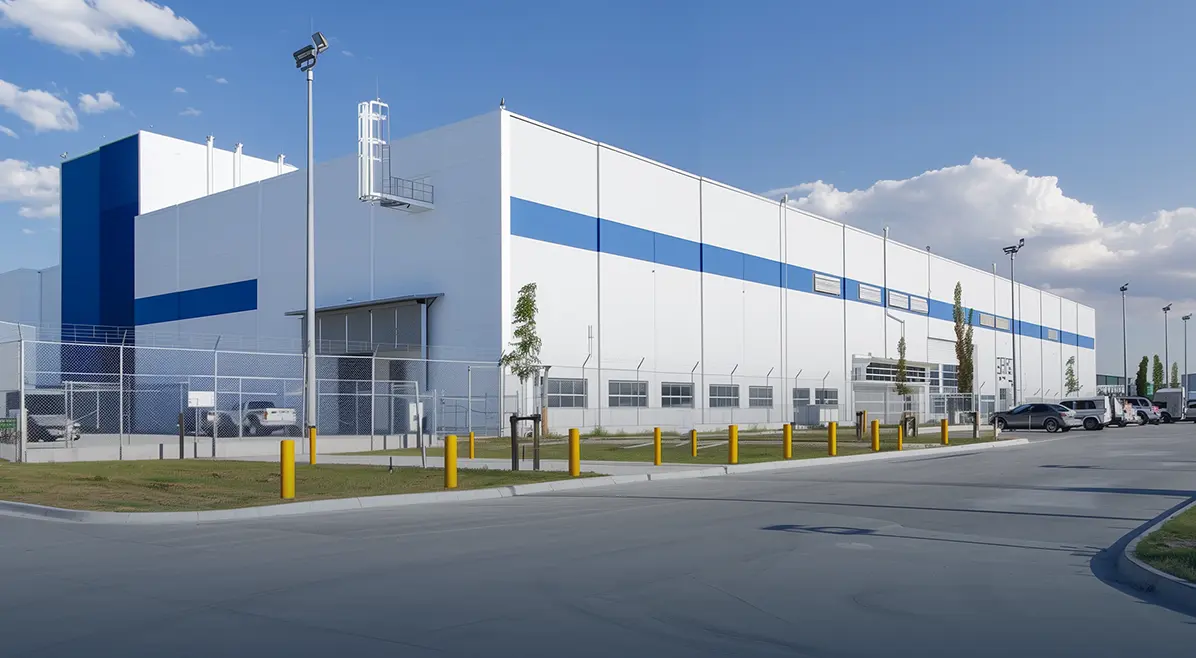
As an established expert in the field, XC (Xiongchang) provides integrated roll forming solutions. Our portfolio encompasses core production machines for roofing, flooring, doors, and structural components, as well as the complete auxiliary line equipment essential for efficient operation.
For over two decades, XC (XiongChang) has been a trusted leader in the design and manufacture of cold roll forming equipment. We combine deep industry expertise with a steadfast commitment to our clients, ensuring every machine delivers exceptional value and performance.
Batten seam profile machine parameters require customization to match local structural regulations, wind-load ratings, and architectural norms across global markets.
In the US and Canada, compliance with UL 580 (wind uplift certification) is critical. Batten seam profiles are frequently selected for institutional structures like university campuses and municipal buildings. Machines for these markets are designed to form panels with pre-punched slotted fastener flanges to allow for free thermal expansion and contraction over long roof spans.
Europe has a long tradition of utilizing copper, zinc, and titanium-zinc for roofing. To prevent micro-cracking at stress concentration zones in cold temperatures, batten seam panel machinery must integrate high-precision multi-pass forming with progressive roll diameters. Rollers are engineered with specialized materials (such as polished Cr12MoV) to protect delicate finishes.
In regions like Southeast Asia, Japan, and the Caribbean, typhoons and heavy rain require deep water channels and secure structural connections. Batten seam panel formers configured with high ribs (typically 50mm to 65mm) and integrated seaming systems prevent water ingress and wind peel under extreme weather conditions.
We get a specialized team of technical personnel and engineers, they are committed to delivering superior products and solutions for our valued customers. Our substantial investment in state-of-the-art, automated production lines ensures manufacturing precision and consistency, forming the foundation of our product excellence.
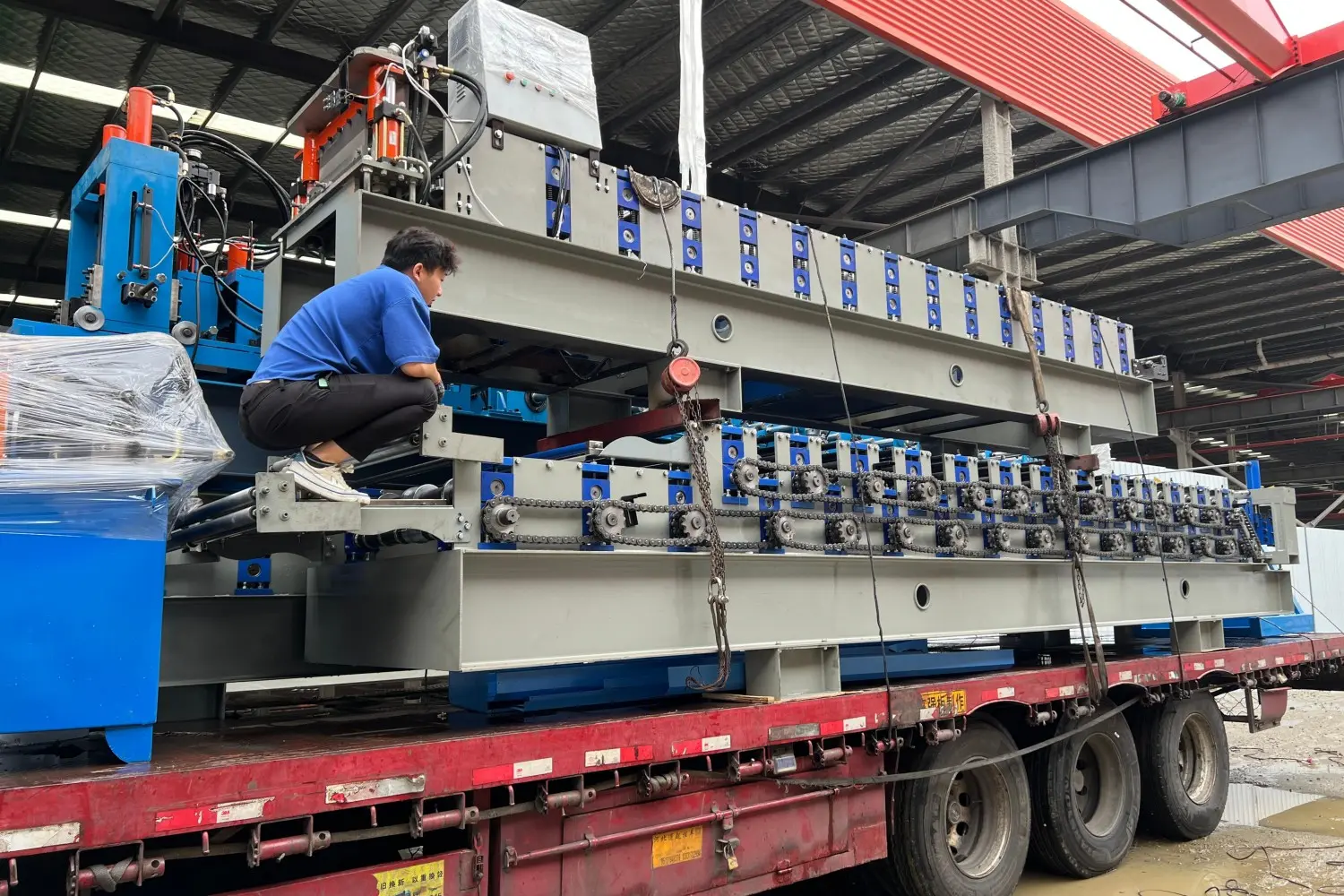
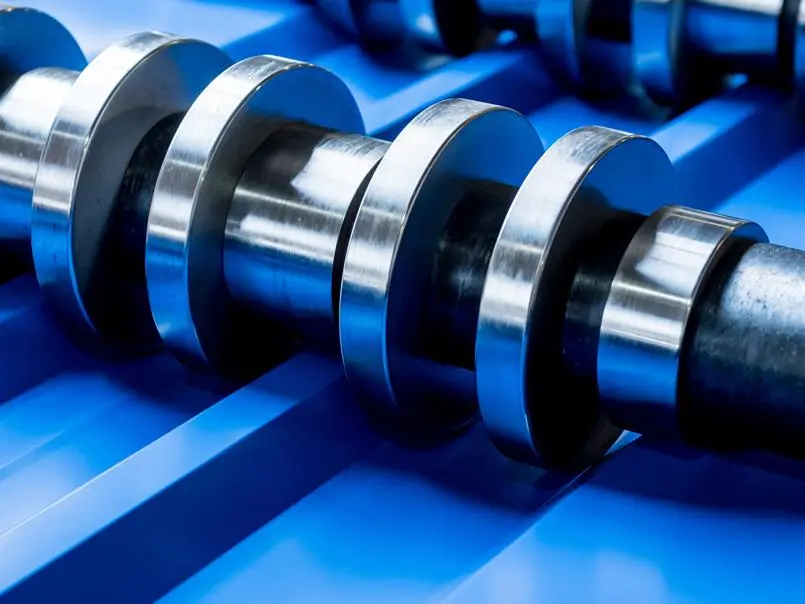
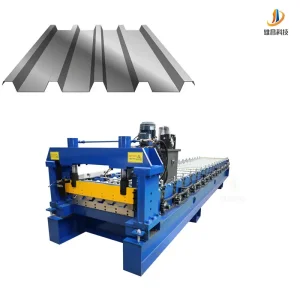
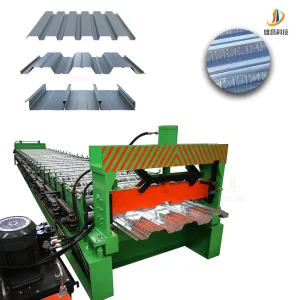
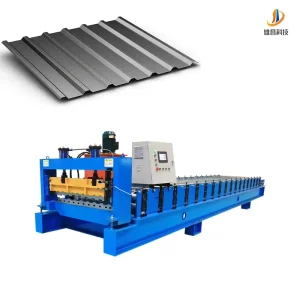
Roof Panel, Wall Panel, and Floor Deck Roll Forming Systems.
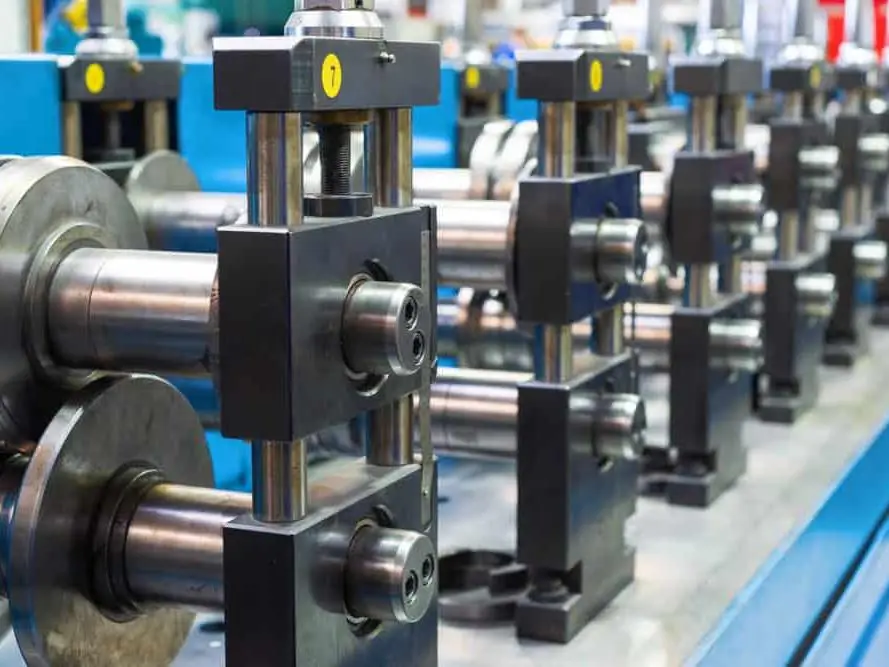
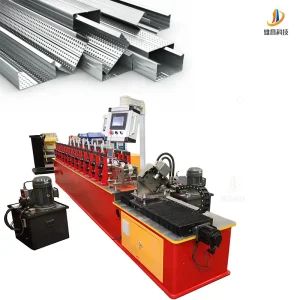
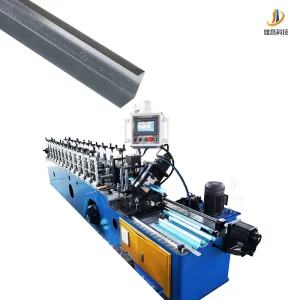
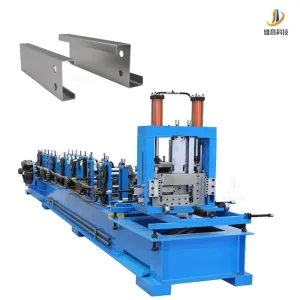
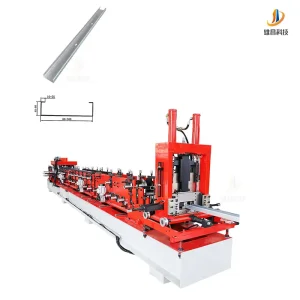
C/Z Purlin Roll Forming Machines, and Stud & Track Roll Formers.
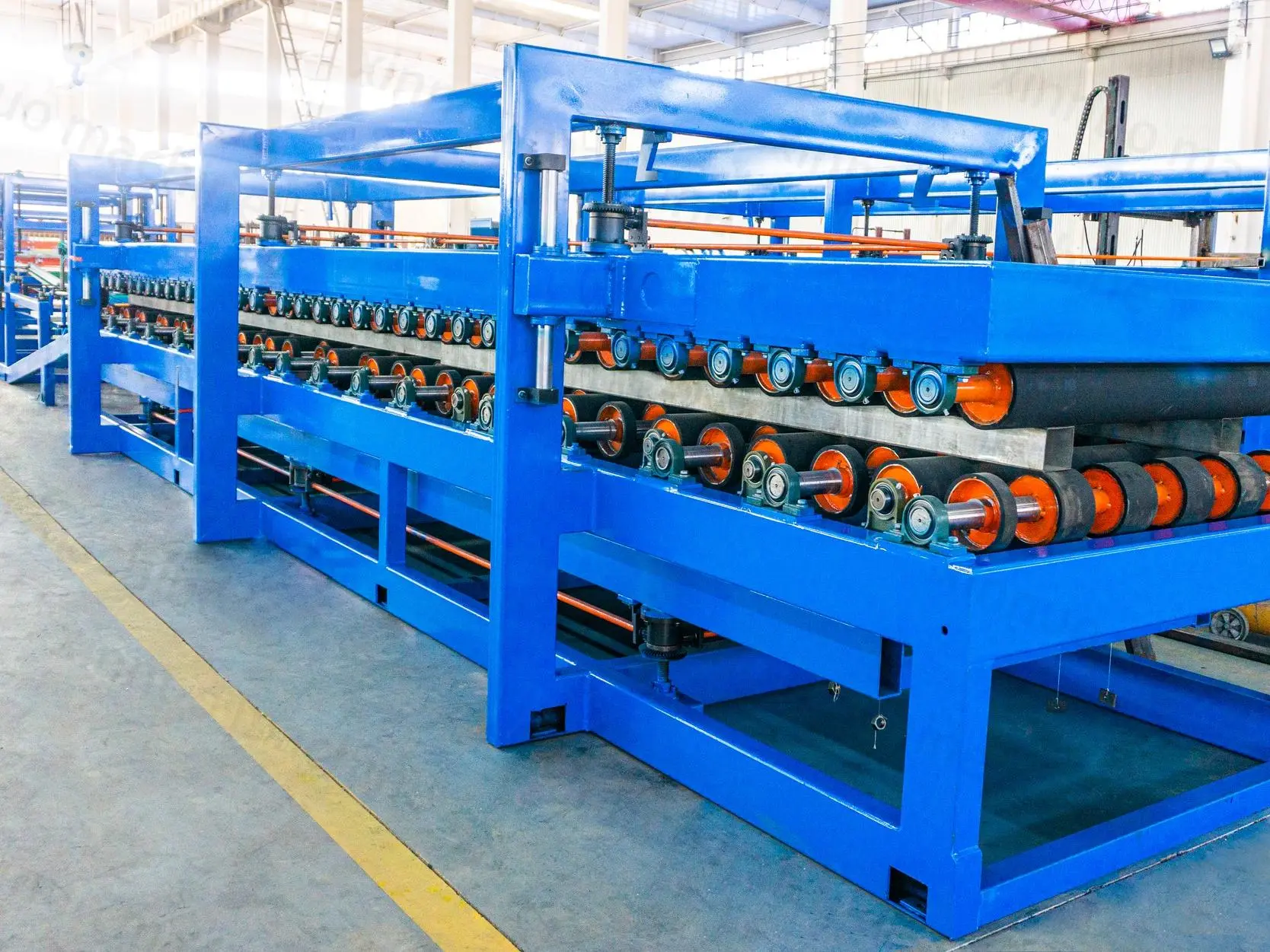
Precision-engineered Gutter and Heavy-duty Door Frame Roll Formers.
To address global challenges in environmental compliance and skilled labor availability, the engineering roadmap for Batten Seam Roof Panel equipment is transitioning toward automation, intelligent feedback loops, and material flexibility.
Conventional forming machines require manual adjustment or complex spacer shifts to modify panel width. Next-generation systems feature servo-motor-driven PLC systems that dynamically shift forming rolls within seconds, minimizing downtime during changeovers.
Variations in coil hardness and yield strength can impact bend angles. Modern roll formers utilize laser measurement and sensor feedback to adjust sizing passes in real time, ensuring high accuracy across different coil batches.
Equipment connected via industrial gateways allows remote monitoring of motor currents, hydraulic oil temperature, and forming speed. Data analytics enable predictive maintenance, reducing unplanned downtime.
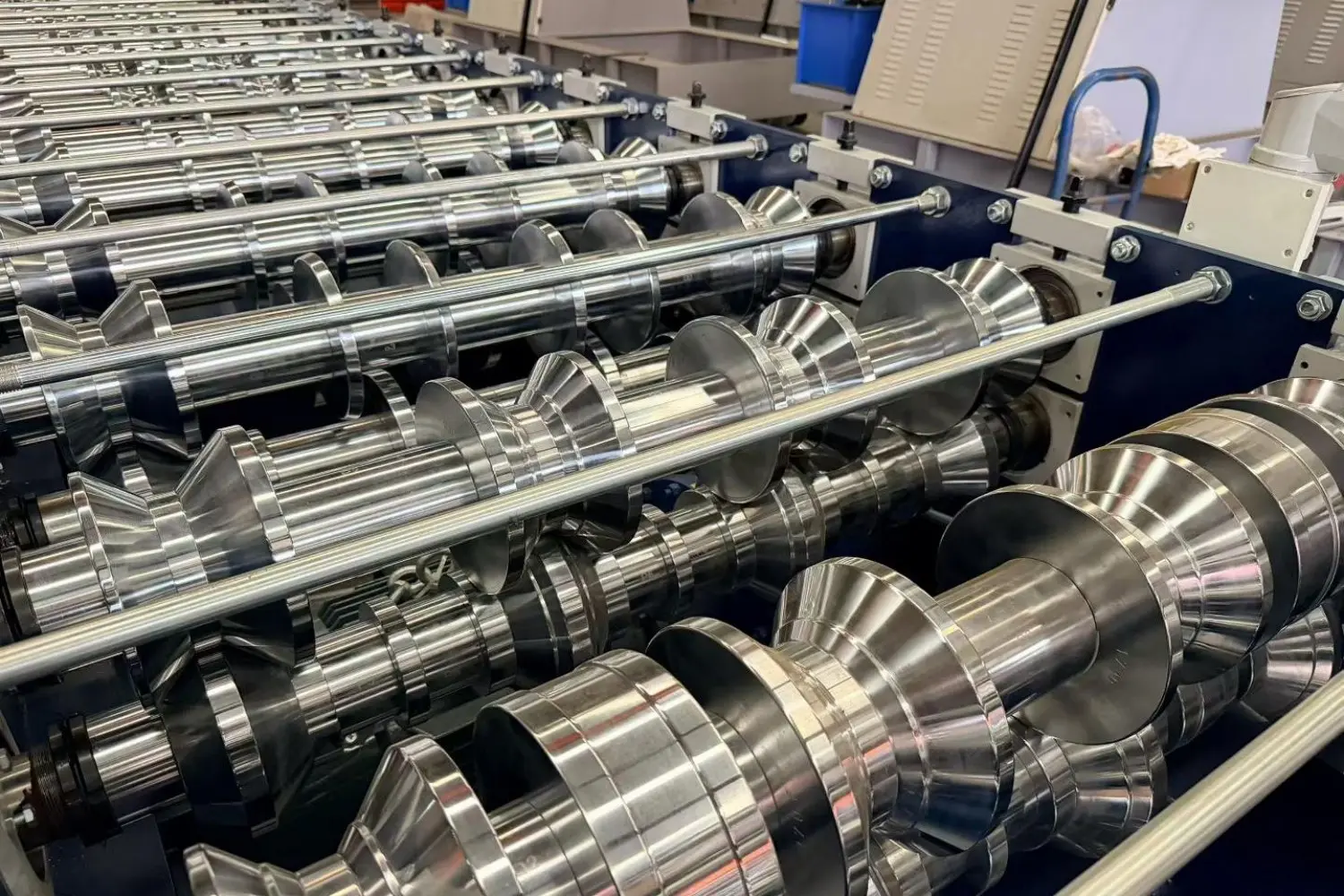
XC has a complete suite of detection and testing instruments, to rigorously verify product strength, durability, and reliability. We adhere to strict, standardized quality control protocols throughout the manufacturing process, ensuring all output consistently meets specified customer specifications.
Each machine undergoes simulated test runs using the client's specified coils. We measure the profile dimensional tolerances using 3D scanner systems to confirm alignment with design standards.
From design to installation, XC provides comprehensive lifecycle support. We offer professional installation, commissioning, and operational training to ensure optimal setup and productivity.
Our dedicated after-sales support team delivers ongoing technical assistance and maintenance services, helping customers achieve sustained, peak operational performance.
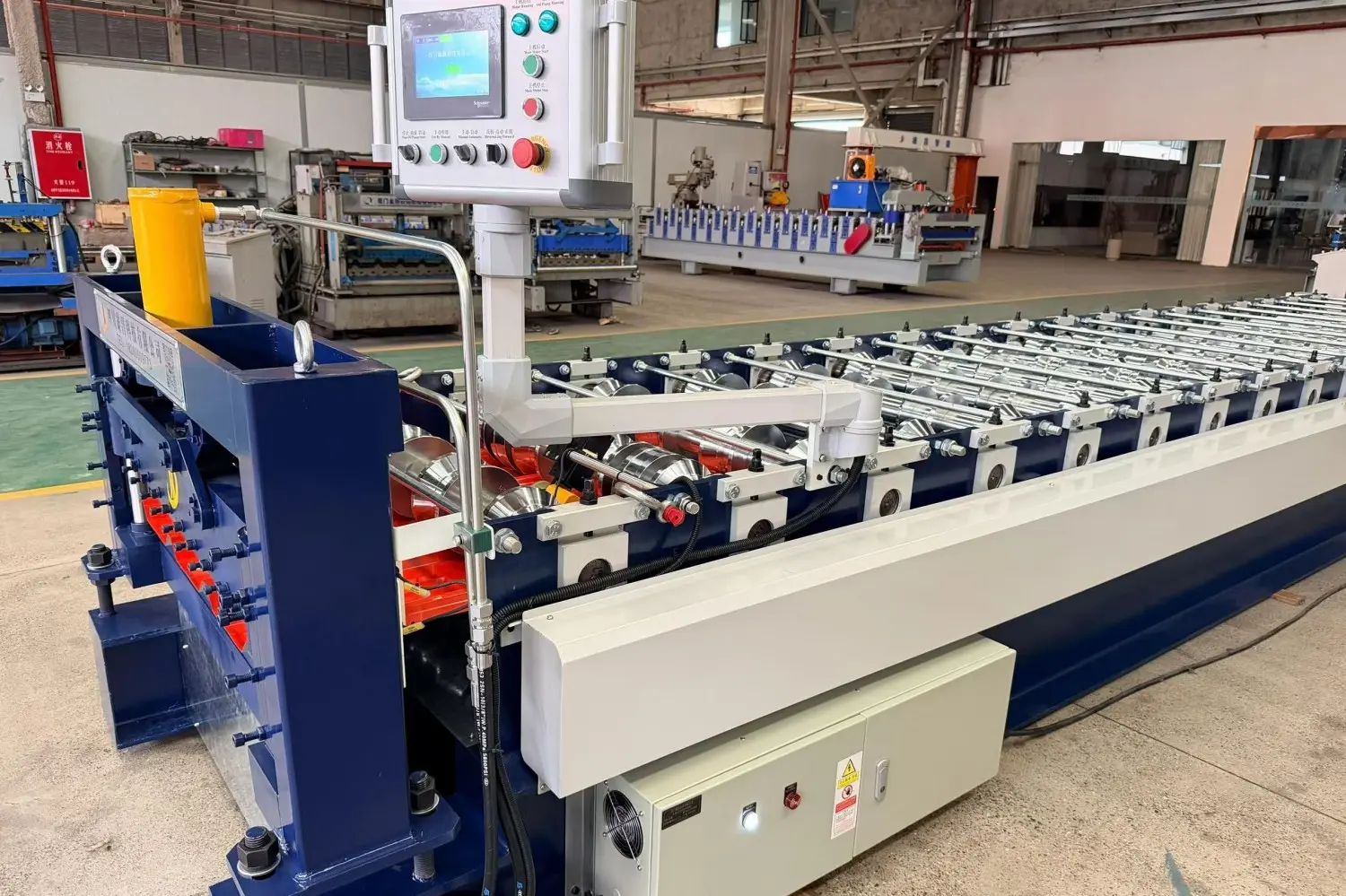
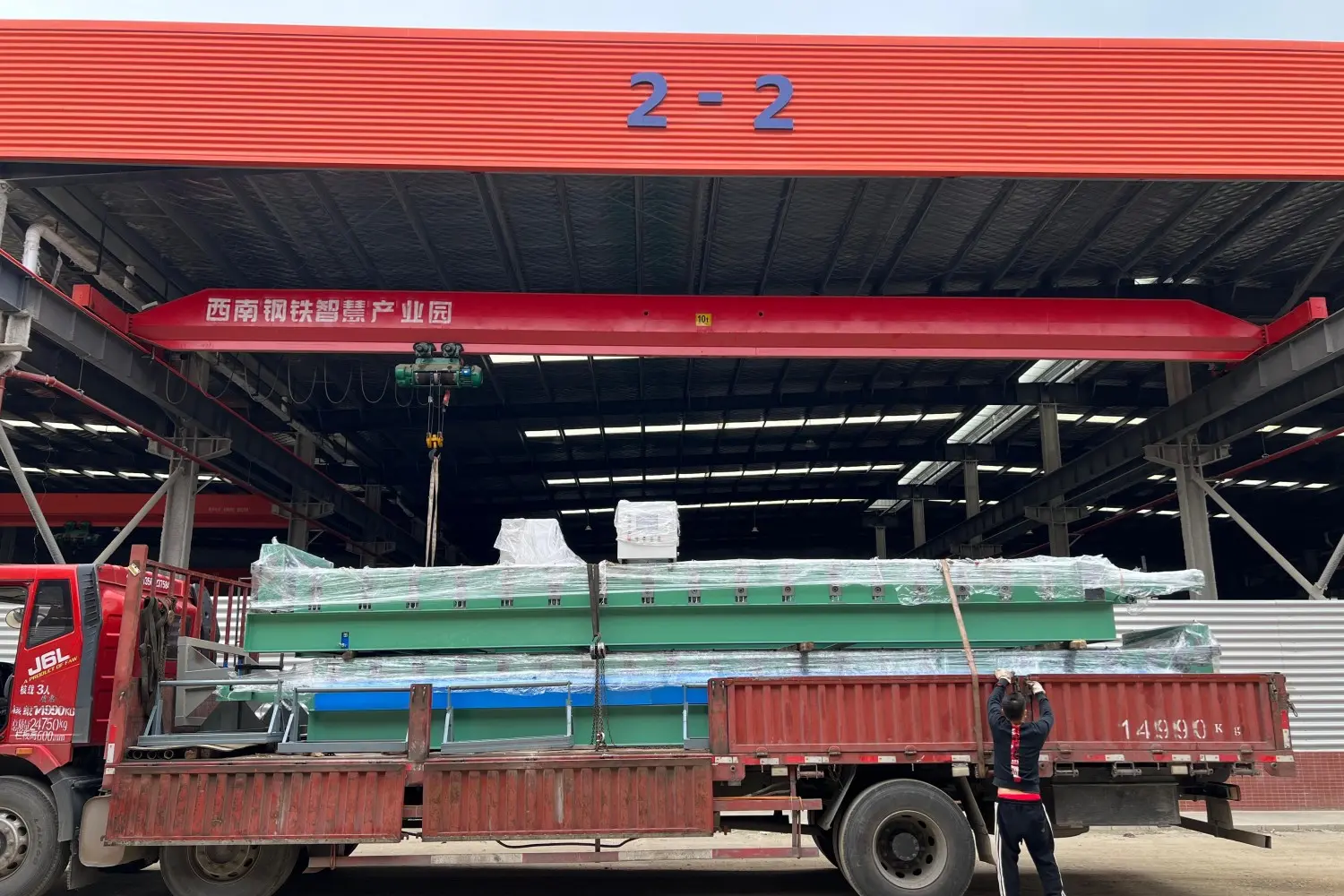
The decision to partner with Chinese manufacturers like XC (Xiongchang) for roll forming equipment is driven by industrial efficiency, component sourcing speed, and cost-to-performance ratio. China's industrial infrastructure offers key benefits to international buyers:
First, **integrated manufacturing ecosystems** concentrate steel production, heat-treatment facilities, precision CNC machine shops, and electronics suppliers within a close regional footprint. This allows manufacturers to source, design, and assemble complex machines within short lead times.
Second, **economies of scale** allow Chinese manufacturers to procure raw materials like high-grade alloy steel (for rollers) and structural frames at competitive rates. These cost efficiencies are reflected in the final machinery pricing, helping international companies optimize their capital expenditures.
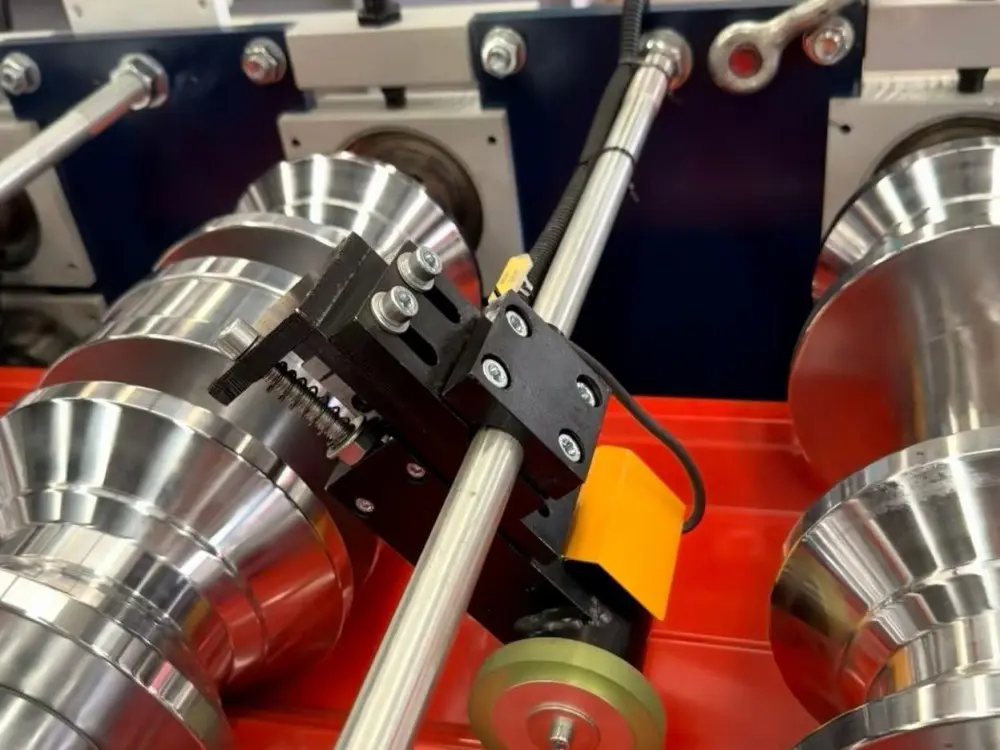
Over 20 years of focus on cold roll forming design allows us to address complex geometries, strict material specifications, and high-speed production requirements.
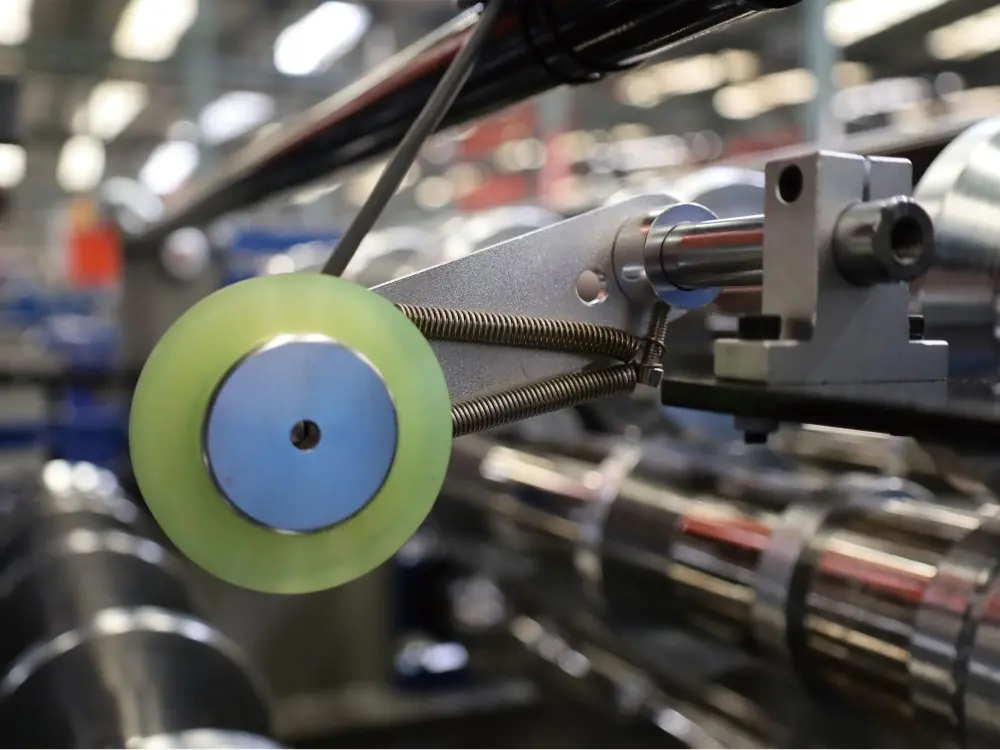
We utilize heat-treated alloy steel rollers, chrome plating, reinforced steel frames, and reliable hydraulic and electronic components to ensure long operational life.
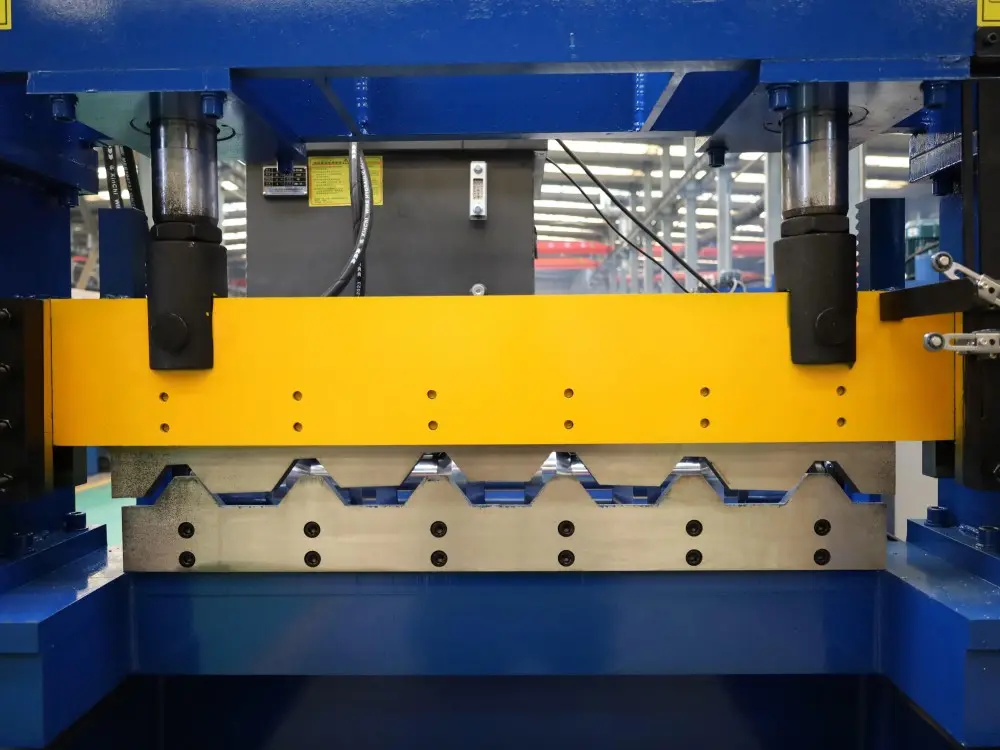
From initial design consultations to onsite installation and technical training, we partner with clients to maximize system uptime and throughput.
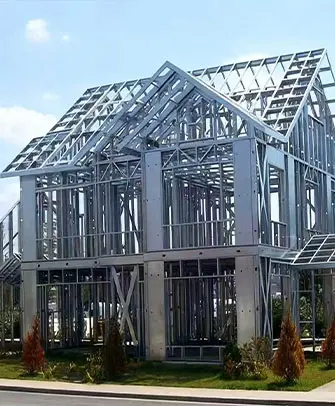 Architecture & Building
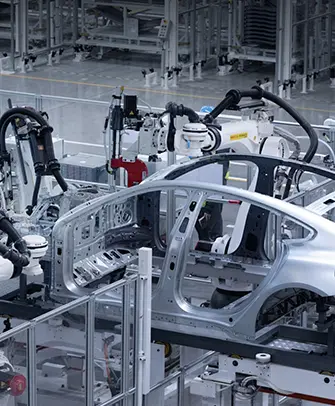 Automobile Manufacturing
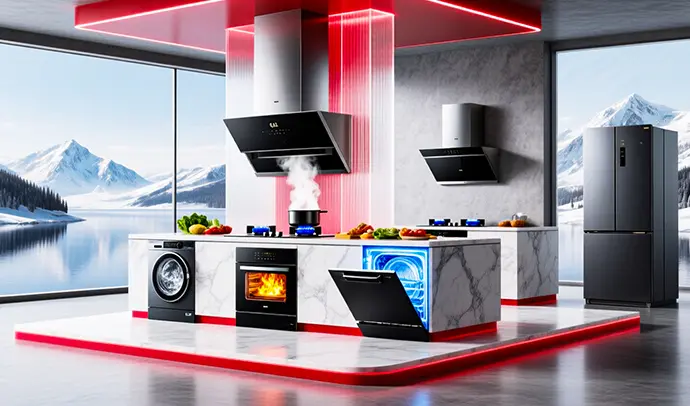 Home Appliances & Kitchen
 Transportation Systems
Expert answers to technical and operational questions regarding the purchase, design, and integration of Batten Seam Roof Panel forming systems.
 Xiongchang