Explore our top-tier engineering machinery designs optimized for heavy-gauge roll forming, framing systems, and architectural envelope production.
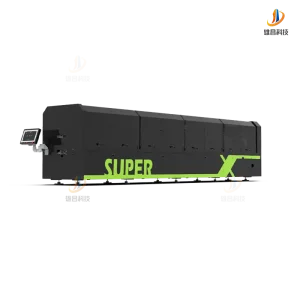
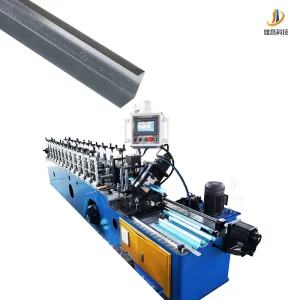
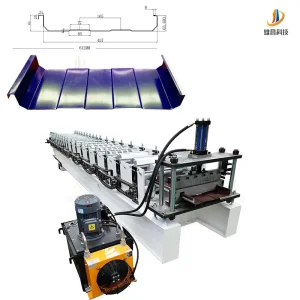
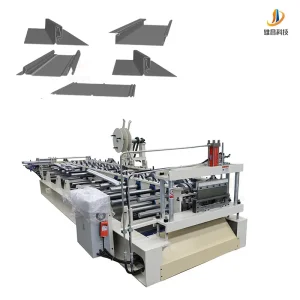
Analyzing the fundamental paradigm shift in cold-formed steel framing structures globally.
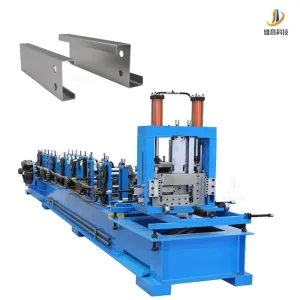
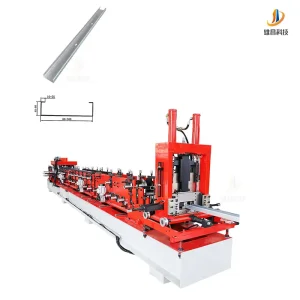
In modern structural engineering, the call for lightweight yet high-load-bearing structural frames has elevated the status of cold-formed steel (CFS) systems. Among these, the 1.5-3.0mm Purlin Roll Forming Machine stands out as the ultimate production standard for secondary framing elements. Historically, structural sections were limited to heavy, hot-rolled steel profiles which increased building self-weight, shipping costs, and assembly complexity. The development of high-strength structural sheet steels (like ASTM A1003 or EN 10346 grades up to S350GD and S550GD) has paved the way for optimized, lightweight profiles.
From a macroeconomic perspective, the global construction sector is undergoing a massive push towards pre-engineered metal buildings (PEMB) and pre-fabricated modular construction. This trend is driven by intense urbanization, structural safety requirements, and environmental considerations. For instance, cold-formed steel purlins (specifically C and Z profiles) provide unmatched strength-to-weight ratios compared to traditional wooden joists or heavy concrete blocks. These profiles form the structural backbone of large commercial distribution hubs, heavy industrial manufacturing plants, data centers, agricultural warehouses, and massive utility-scale solar ground mounts.
For manufacturing companies and roll forming machine builders, managing structural steel within the 1.5mm to 3.0mm thickness threshold presents complex engineering challenges. Operating at this thickness requires machines built with heavy-duty cast iron wall plates (or robust solid steel plate stands), high-torque gearboxes, and customized forming roll tooling to mitigate the visual effects of material springback. As an integrated roll forming specialist, XC (Xiongchang) provides the global construction sector with high-performance production systems designed to meet these requirements.
Operating in the thickness range of 1.5-3.0mm requires meticulous calibration across the entire machine. XC's technical and production capabilities are built upon solid engineering principles that prioritize system longevity and continuous forming precision:
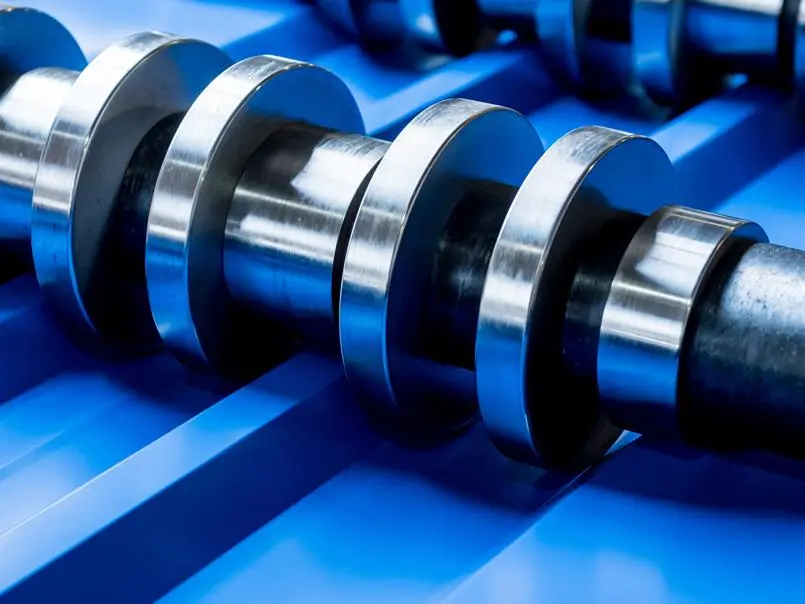
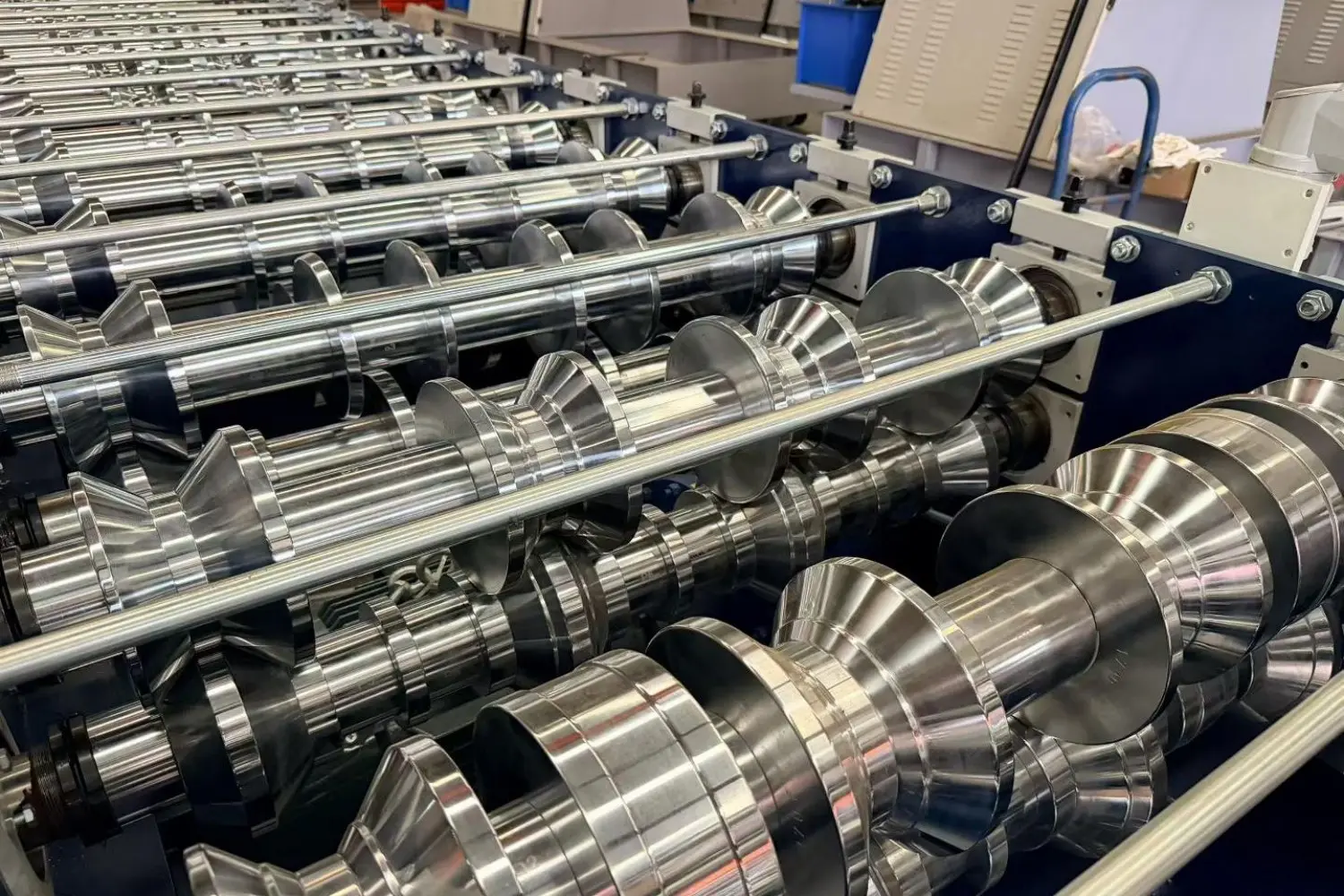
High-Performance Roll Tooling Design: Standard thin-gauge profile machines are unsuitable for structural 3.0mm steel profiles. We utilize premium Cr12MoV (D2 grade equivalent) tool steel, heat-treated to 58-62 HRC. This level of hardness is necessary to withstand the high wear and friction generated when bending thick galvanized or hot-rolled steel coils.
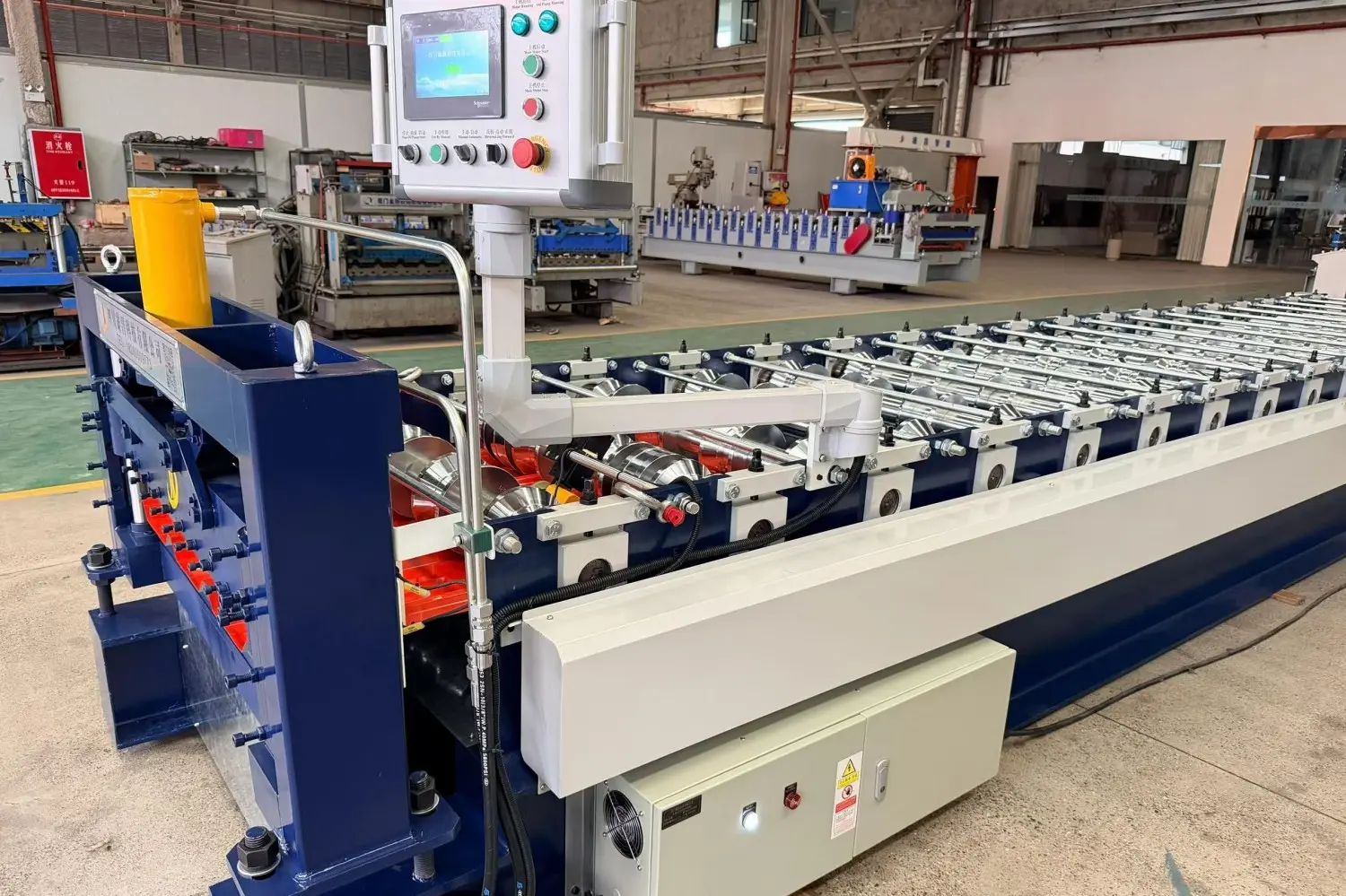
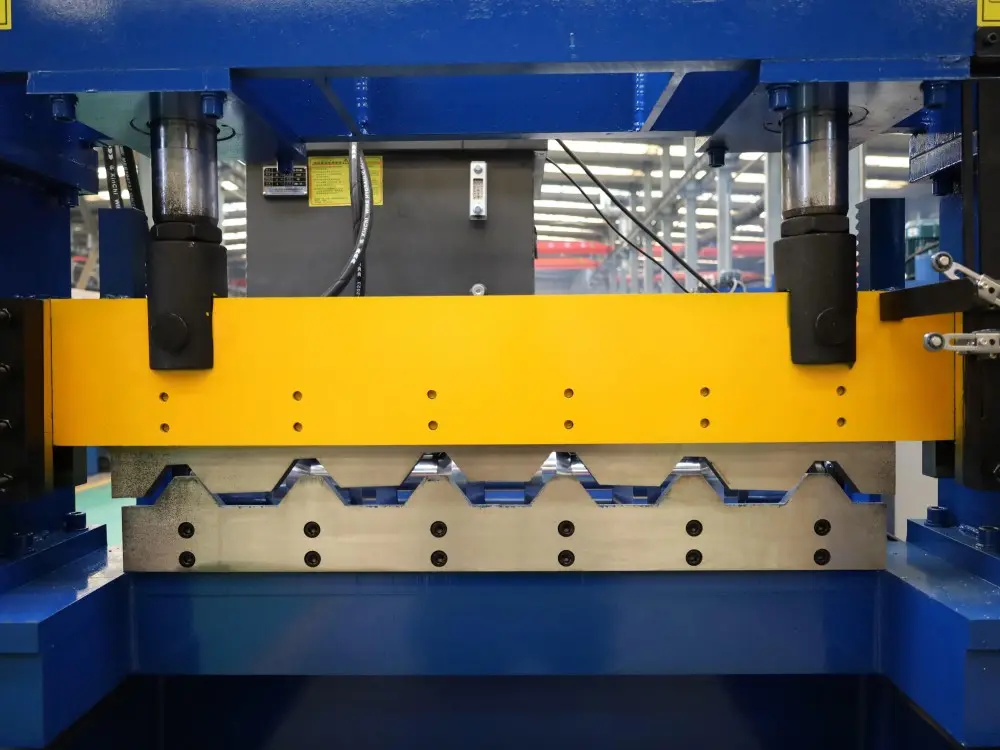
Dual-Pillar Post-Cutting & Pre-Punching: To achieve clean edges on 3.0mm thick steel profiles without burrs or profile distortion, we engineer heavy-duty hydraulic punch and shear assemblies. These systems operate with hardened Cr12 cut-off blades, guided by dual pillars to ensure long-term stability and repeatability.
Advanced PLC Integration: XC machines are equipped with premium control platforms (featuring Siemens or Mitsubishi PLCs paired with Yaskawa variable frequency drives). This integration enables precision closed-loop control of cutting tolerances within +/- 1.0mm, even at line speeds exceeding 25 meters per minute.
Download Technical Catalog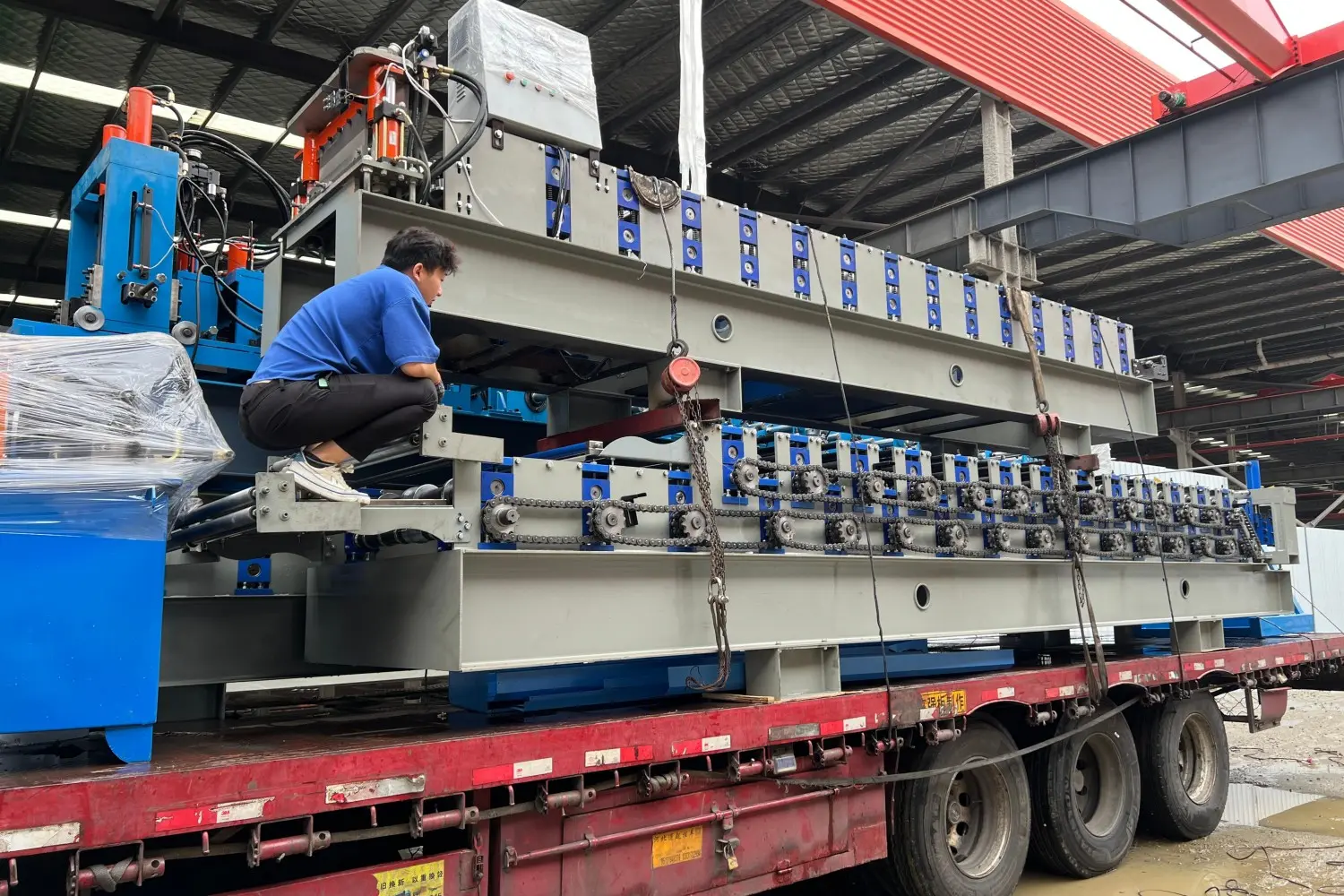
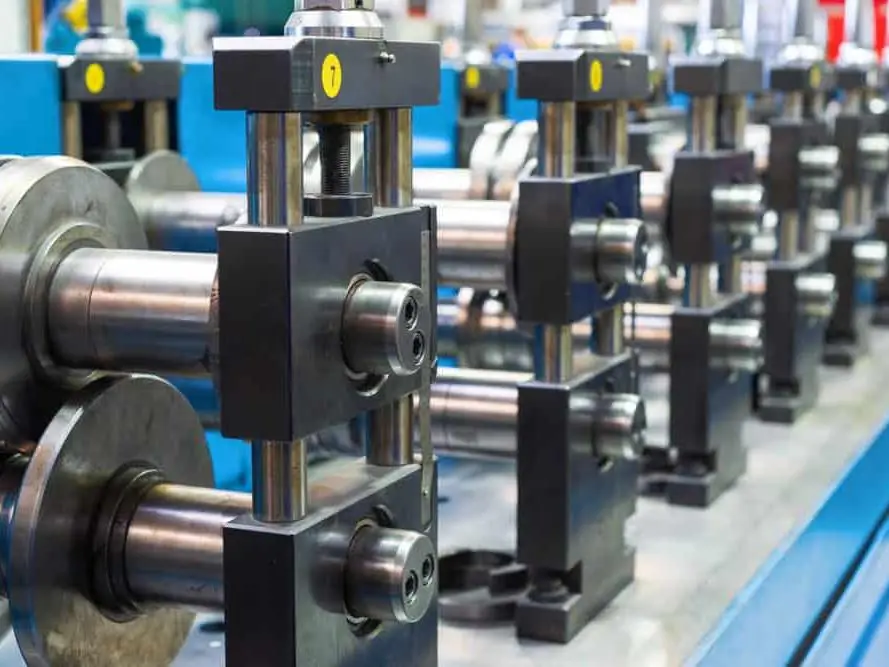
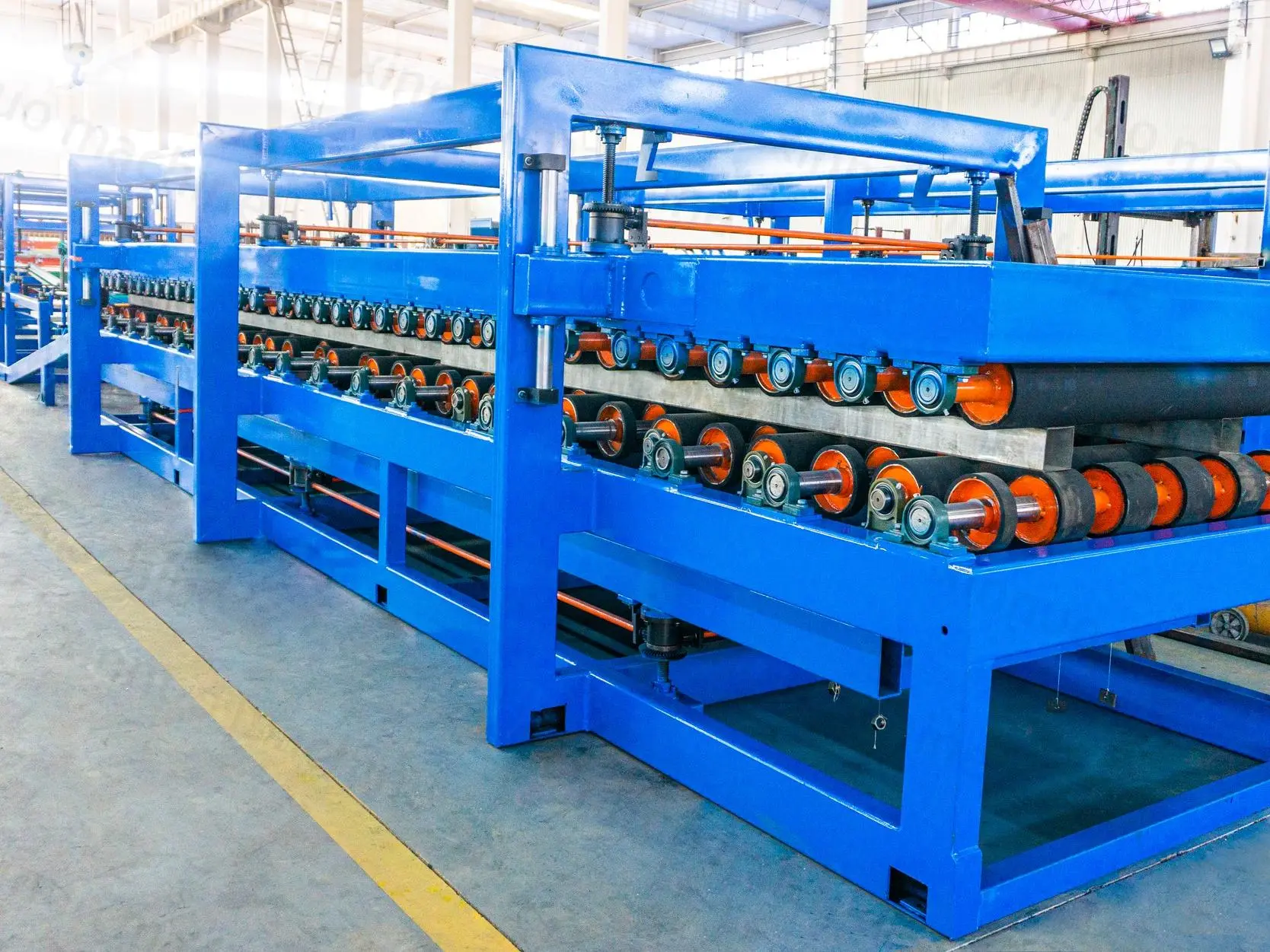
In the manufacture of heavy-duty purlin forming equipment, minor inconsistencies in roller station alignment can lead to profile twist, camber, or flared ends. These issues prevent fast-track erection on the construction site. XC has established a complete suite of detection and testing instruments to verify the chemical and physical characteristics of raw materials, machined parts, and finished assemblies.
Our in-house quality control team performs multi-point coordinate inspections on every roller station frame to guarantee absolute alignment. Before shipping, each machine runs continuous test batches of 1.5-3.0mm structural coils to verify profile tolerance, hole-punch alignment, and shearing accuracy.
Standardized Quality Control Protocols: From the selection of high-carbon alloy steel shafts to the heat treatment of cutter dies, every step is cataloged and monitored to ensure our equipment meets international structural standards.
Purchasing structural purlin roll forming equipment is a long-term capital investment. XC supports global industrial operators with comprehensive lifecycle services that ensure high machine uptime and stable performance:
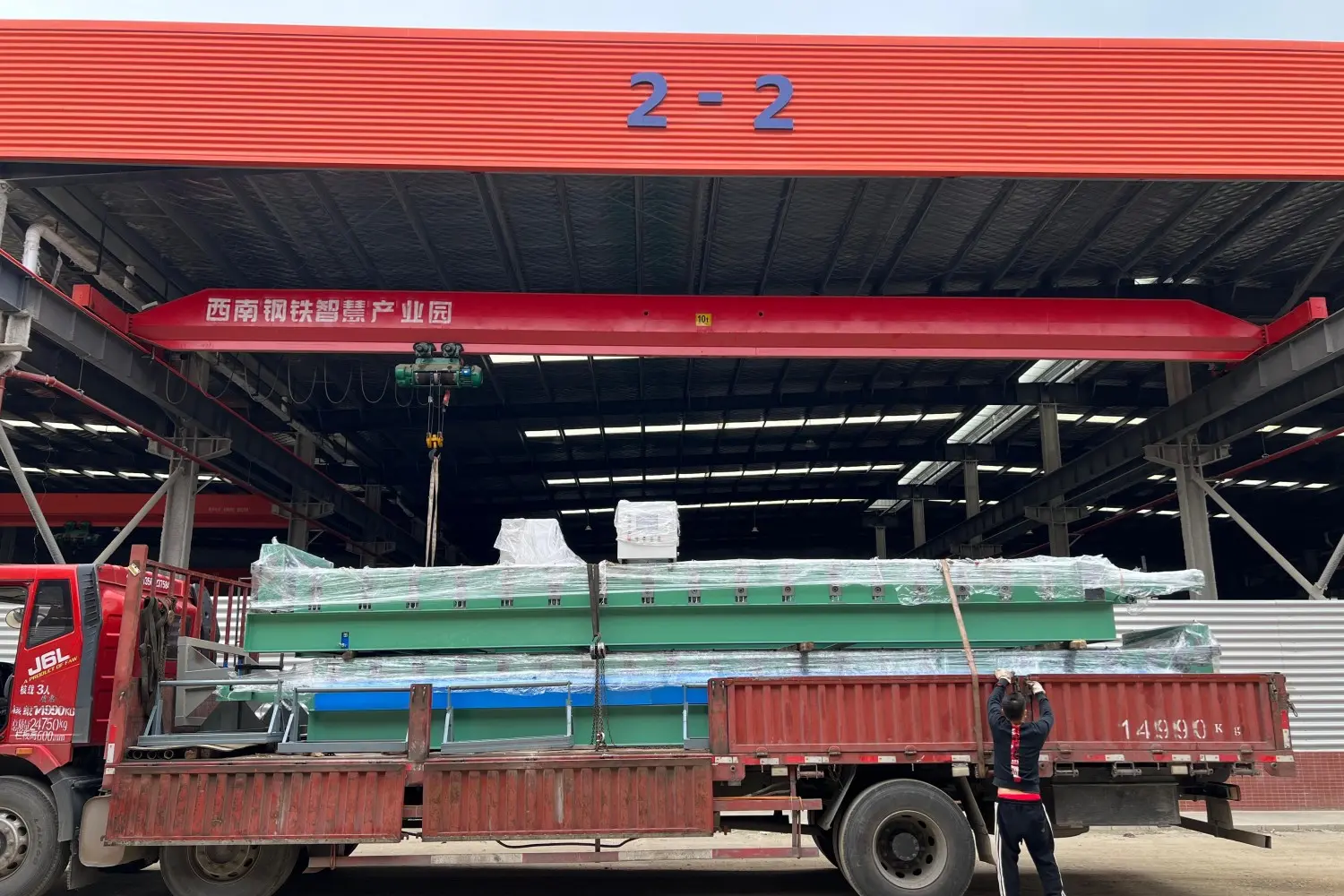
Commissioning & Installation: Our senior structural and field service engineers travel globally to oversee factory foundation preparation, machinery assembly, sensor calibration, and system startup.
Operator Training Programs: We provide detailed training for local operators, covering routine preventive maintenance, safety procedures, and PLC programming to enable fast, error-free C-to-Z size transitions.
Technical Support & Spare Parts Access: With remote diagnostics available via network-enabled PLCs, our design team can troubleshoot software anomalies and assist local technicians in real time. We maintain a full inventory of replacement parts to minimize unscheduled downtime.
Adapting structural C & Z profiles to meet regional building codes and high-stress environments.
Purlin manufacturing must align with regional building regulations. Different markets enforce distinct structural codes to ensure durability against wind loads, seismic events, and snow accumulation. In Europe, designs must comply with Eurocode 3 (EN 1993-1-3), which defines calculations for cold-formed members and sheeting. In the Americas, the AISI S100 (North American Specification for the Design of Cold-Formed Steel Structural Members) governs load calculations.
To meet these diverse regulatory frameworks, XC's 1.5-3.0mm purlin machines feature integrated pre-punching systems. These units can punch custom hole patterns for web and flange fasteners, ensuring that all holes align perfectly with connection plates on structural rafter channels. This level of precision prevents onsite modifications that could compromise the steel's galvanization and structural integrity.
Our structural machines produce profiles for several key application areas:
Multi-Span Industrial Workshops: Large warehouses require purlins with spans of 6 to 12 meters. Roll-formed sections in the 2.5mm to 3.0mm thickness range provide the strength needed to carry heavy industrial insulated metal roofs.
Solar Photovoltaic Ground Mounts: Solar tracker brackets and torque tubes require corrosion resistance and high structural strength. C-purlins produced from high-zinc coated steel (such as Z350 or Galfan) offer excellent durability in outdoor environments.
Cold Storage Facilities: Multi-layer cold storage buildings rely on nested CZ structures to carry thick polyurethane insulation panels while maintaining thermal envelope isolation.
For over two decades, XC has been a trusted leader in the design and manufacture of cold roll forming equipment. We combine deep industry expertise with a steadfast commitment to our clients, ensuring every machine delivers exceptional value and performance.
We design systems using advanced 3D FEA (Finite Element Analysis) software, modeling stress points along each roller pass to eliminate profile springback in heavy-duty structural steel profiles.
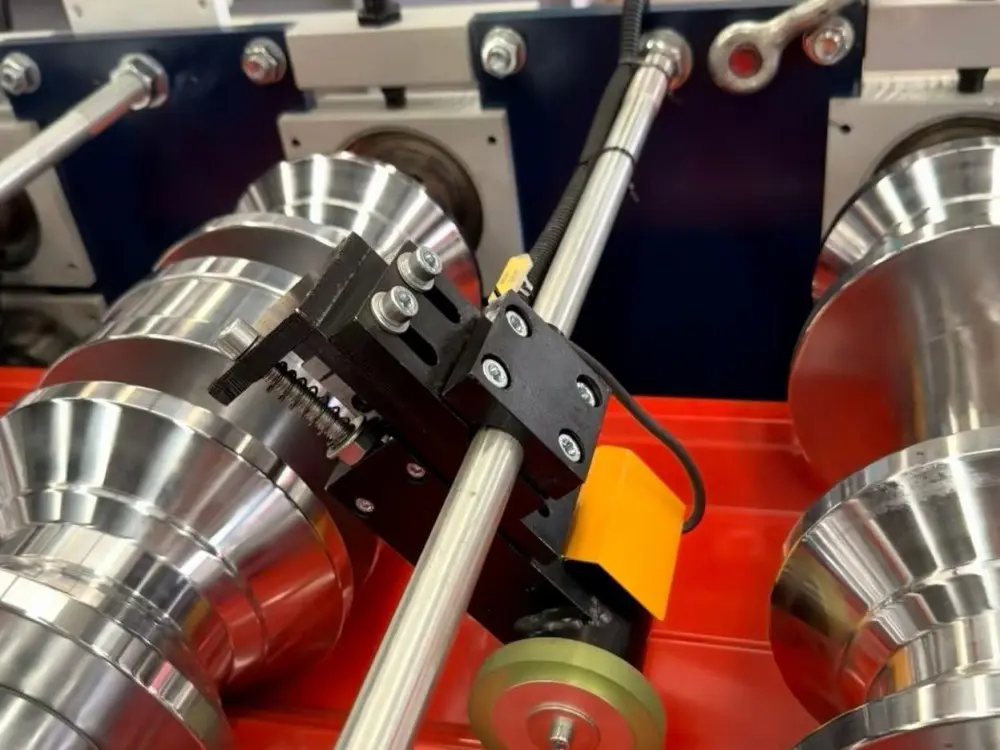
Our machine bases are fabricated from high-tensile structural steel sections, thermal stress-relieved to prevent frame warping, and shot-blasted prior to precision powder coating.
From raw material sourcing to commissioning, XC delivers comprehensive support. We help our customers optimize production yield and reduce scrap rates to less than 0.5%.
The integration of Industry 4.0, smart diagnostics, and high-efficiency material utilization.
The cold roll forming industry is transitioning toward fully digitalized, smart manufacturing systems. As raw material costs fluctuate, maximizing steel yield and reducing setup times are critical for maintaining profit margins. XC's technological roadmap focus includes:
1. Servo-Driven Interchangeable Systems: Traditional manual CZ size changes require operators to swap spacers or mechanically turn rollers, which can take up to 2-3 hours. Our upcoming CZ interchangeable systems utilize precision servo-motor actuators. Operators can change web and flange widths from 100mm to 300mm via the PLC touchscreen in under 60 seconds.
2. Real-Time Laser Thickness Compensation: Thickness variations within steel coils (e.g., from 1.8mm to 2.2mm within a single batch) can affect final profile dimensions. We are testing laser-based monitoring arrays that measure incoming sheet thickness in real-time, allowing the PLC to automatically adjust sizing rolls to maintain profile tolerances.
3. Remote Diagnostic Integration: By equipping machines with IoT sensor arrays (measuring spindle temperature, hydraulic pressure, and vibration patterns), we can monitor system health remotely. This data helps schedule maintenance before failures occur, preventing unscheduled line stoppages.
Whether standard industrial configurations or customized production, we supply builders and manufacturers worldwide with high-performance roll forming lines.



Answering crucial engineering and design questions for structural roll forming lines.
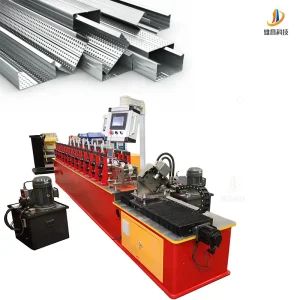
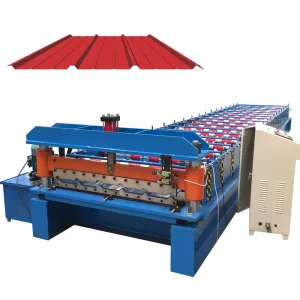
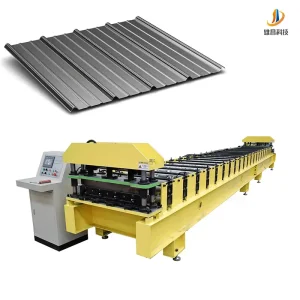
Complete line of professional metal forming machinery designed for international building systems, decking, and architectural manufacturing.
 Xiongchang