Highly optimized cold roll forming lines designed specifically for Turkish engineering standards, architectural dimensions, and industrial durability.
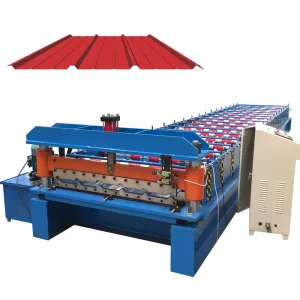
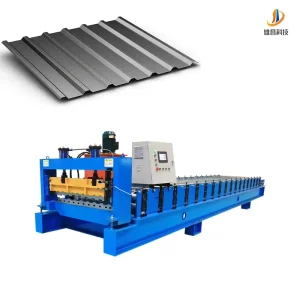
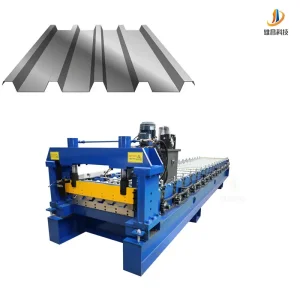
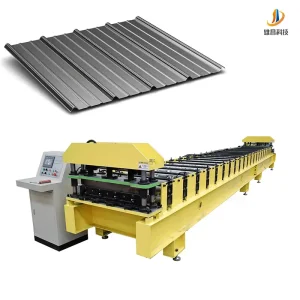
As an intercontinental logistics hub bridging Europe and Asia, Turkey is undergoing rapid expansion in manufacturing, chemical storage, food processing, and automotive infrastructure. The demand for industrial sheds, modern warehouses, and robust building envelopes has accelerated the adoption of high-yield steel trapezoidal roofing sheets.
A key element driving this change is the shifting regulatory focus towards seismically active areas and wind load mitigation. Standard clay tiles are being phased out in large-scale warehouses in favor of structural metal sheets like the 38/151, 27/200, and 50/250 trapezoidal configurations. Designing and manufacturing cold roll forming machinery that handles high-strength structural steels (such as S250GD, S320GD, and high-tensile S350GD up to S550GD galvanized/pre-painted coils) has become critical for Turkish contractors and steel builders.
XC (Xiongchang), as an international specialist in cold roll forming machinery, leverages over 20 years of research and development to manufacture high-precision trapezoidal profiling machines. Designed to withstand Turkey’s local material variances, environmental extremes, and strict structural norms, our machinery ensures that sheet output aligns with standard building codes and withstands decades of environmental stress.
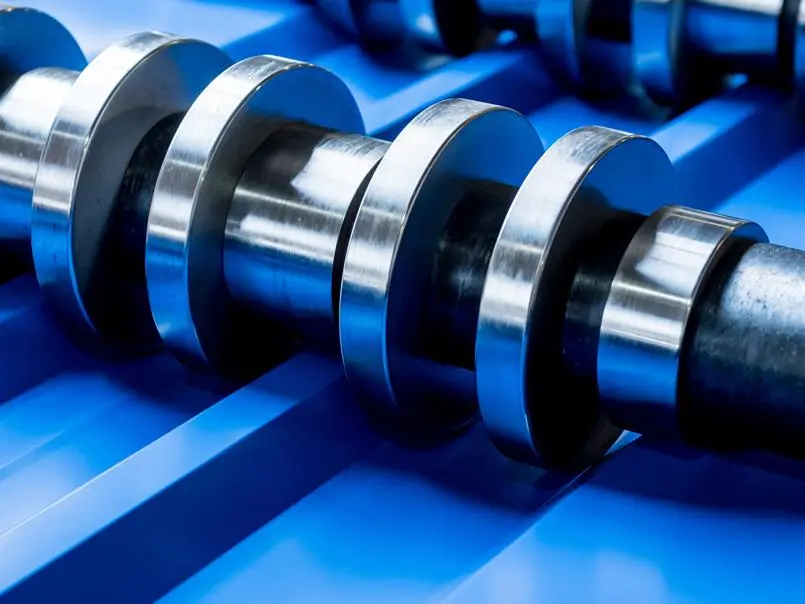
Tailored metal roll forming parameters to suit the environmental, meteorological, and structural demands across Turkey's diverse geography.
Turkey is situated in a highly active earthquake zone. Structural roofing must have elastic ductility combined with high yield strength to endure shear forces. Our machines feature precise cold-rolling multi-station forming sequences, keeping internal stress at minimum levels to prevent micro-fracturing along the bends of high-tensile steels.
In seaside industrial developments around Izmir, Kocaeli, and Mersin, salt-laden marine air requires specialized materials (PVDF coatings, Aluzinc). Our roller tooling designs feature mirror-polished finishes and engineered chrome plating, preserving protective coating layers from abrasions during forming.
Anatolia's booming agricultural zones demand massive greenhouses and cold-storage facilities. Our machines produce panels with deep trapezoidal profiles. These integrate with insulation boards or double-skin configurations to manage extreme temperature swings between hot summers and freezing winters.
Built with premium metallurgical standards and automated control systems to ensure precision, safety, and longevity in production.
| Mechanical Specification | Engineering Parameter Details | Operational Advantages for Turkish Operators |
|---|---|---|
| Raw Material Types | Pre-painted Steel (PPGI), Hot-dip Galvanized Steel (GI), Galvalume/Aluzinc Coils | Adaptable to diverse local steel supplies (e.g., Erdemir steel grades) |
| Material Thickness | 0.3 mm to 1.2 mm (heavy duty processing capabilities) | Enables manufacturing of both light architectural cladding and structural deck slabs |
| Roller Station Metallurgy | Forged GCr15 / Cr12 Mould Steel, CNC-lathe machined, hard chrome plated | Prevents wear over extended periods and avoids scuffing pre-painted finishes |
| Shaft Diameter & Construction | Ø 76mm to Ø 90mm solid structural shafts, 45# carbon steel / 40Cr | Maintains flatness and accuracy, eliminating common defects like pocket waves |
| Line Working Speed | 12 - 15 meters per minute (standard); High-speed options up to 25m/min | Meets demanding project schedules for industrial construction zones |
| Control Automation | Siemens / Delta PLC with integrated touchscreen HMI controls | Supports multiple operating languages with high safety interlock standards |
| Cutting Mechanism | Post-cut hydraulic shear, Cr12MoV cutting blade, zero-waste design | Delivers clean, burr-free cuts with no deformation on the profile ends |
Each machine can be outfitted with remote industrial modems. This allows engineering teams to perform remote diagnostic testing, troubleshoot PLC programming, and update control parameters directly from the main factory, saving valuable time and cost.
Our safety system features light barriers, mesh enclosures, and fast-response emergency stop buttons. These mechanisms comply with European CE safety standards, making it simple for Turkish manufacturers to clear local occupational health and safety inspections.
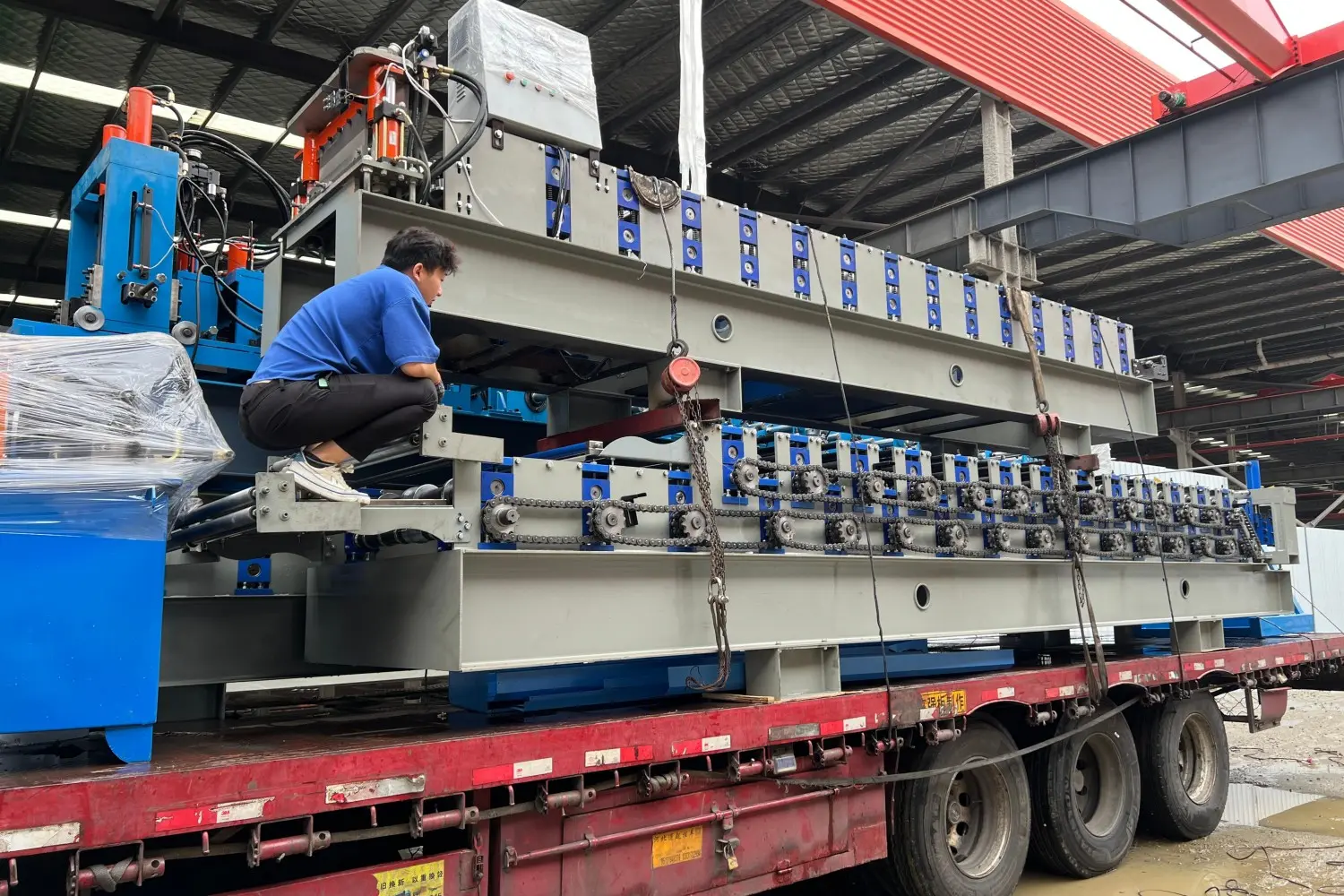
Sourcing roll forming machinery requires balancing capital investment, manufacturing speed, custom engineering, and component quality. XC offers a robust supply chain solution that combines Chinese manufacturing efficiency with localized engineering support for the Turkish market.
Optimized Cost Structure: China’s robust industrial ecosystem keeps raw component costs low. We pass these savings directly to Turkish buyers without compromising on motor brands or metallurgy.
Rapid Turnaround: Our large-scale facilities produce standard trapezoidal tooling profiles in 35 to 45 days, helping project managers stay on schedule.
Customized Tooling: We design custom profiles to meet local preferences, including standard 1000mm width input sheets and specific Turkish corrugation depths.
XC (Xiongchang) is an established expert in the cold roll forming field, providing integrated roll forming solutions worldwide. Our portfolio encompasses core production machines for roofing, flooring, doors, and structural components, as well as the complete auxiliary line equipment essential for efficient operation.
For over two decades, XC has been a trusted leader in the design and manufacture of cold roll forming equipment. We combine deep industry expertise with a steadfast commitment to our clients, ensuring every machine delivers exceptional value and performance.
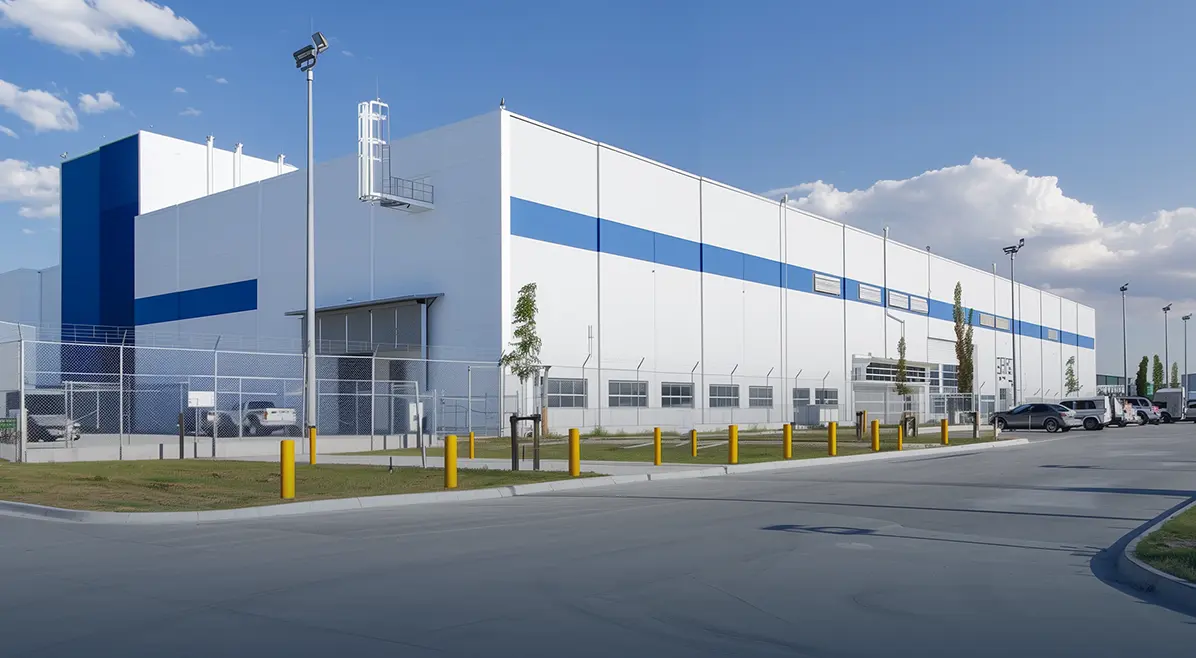
Strict, standardized protocols throughout the manufacturing process to guarantee every machine meets your specifications.
Every machine runs a continuous trial using the buyer's specified coil gauge and tensile strength. We analyze profile height, pitch, overlapping tightness, and finish consistency before authorization for packaging and export.
We provide clear documentation, video installation guides, and remote video calls to support setup. For large-scale manufacturing installations, our technicians can assist with on-site assembly, wiring calibration, and staff training.
Our engineering team offers quick assistance for adjustments, component maintenance, or new profile designs. We supply spare parts, including rollers, cutters, and sensors, to keep your production line running smoothly.
Detailed answers addressing key questions on metallurgy, design tolerances, and import logistics for trapezoidal sheet profiling lines in Turkey.
Our profiling systems include hand-wheel-operated adjustments with clear gauge indicators on the main forming stands. The operator can calibrate roller clearance using pre-calculated spacing values. For large-scale changes, our multi-station designs help balance forming loads, preventing wrinkling or profile distortion.
We use high-grade GCr15 steel for our rollers, which undergo vacuum quenching and CNC-machining before receiving a hard chrome plating (over 0.05mm). We also integrate fine-mist lubrication systems and precise speed matching to reduce friction and protect the painted surface during forming.
All machinery is prepared with anti-rust coatings, wrapped in high-density vapor-barrier plastic, and secured to the container base with heavy-duty steel wire ropes. PLC cabinets and hydraulic units are crated separately in moisture-proof wooden boxes to protect electrical systems during transit to Turkish ports like Istanbul, Izmir, or Mersin.
Yes. We assemble our control panels with CE-compliant parts from top-tier brands like Siemens, Schneider, and ABB. The wiring runs through protective ducts and includes clear labels, ground shielding, and emergency interlocks to meet European and Turkish industrial safety regulations.
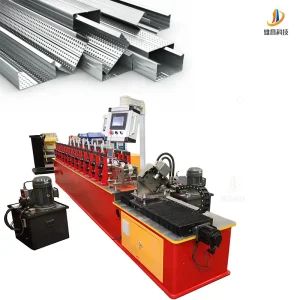
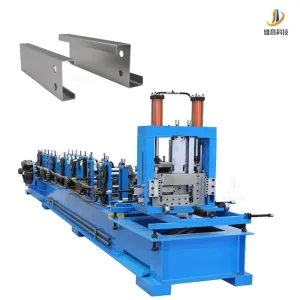
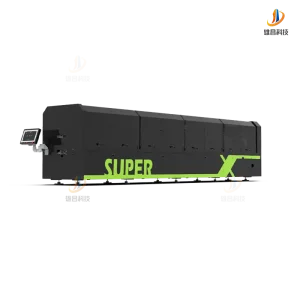
Explore our wider catalog of roofing, framing, and floor decking machinery built for international structural requirements.
 Xiongchang