White Paper & Technical Guide
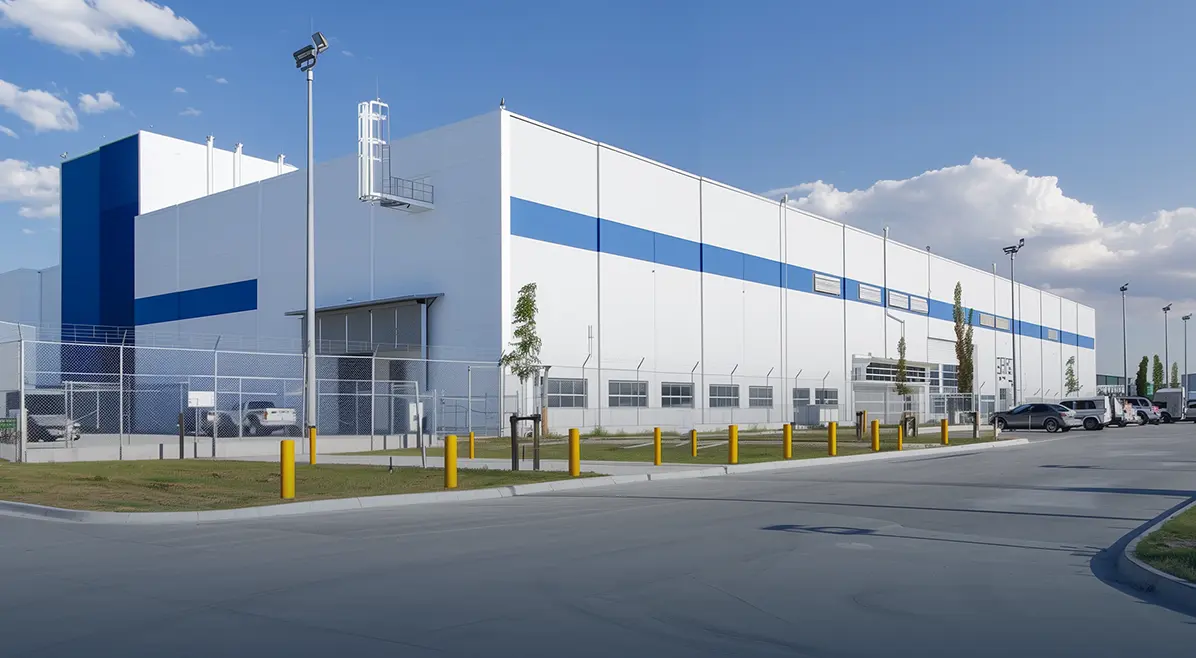
For more than two decades, XC (Xiongchang) has established itself as an authoritative leader in the development and fabrication of state-of-the-art cold roll forming lines. Operating out of a massive manufacturing compound, our engineering paradigm aligns with Global Industry 4.0 parameters, enabling the design of customized production profiles that comply with stringent construction tolerances worldwide.
This industry report acts as a technical reference guide for procurement executives, lead engineers, and commercial project managers aiming to procure custom metal siding panel roll former machinery. We analyze production variables, structural performance profiles, automated shear mechanisms, and supply chain logistics that form the foundation of elite metal cladding systems.
Years Industry Experience
Factory Area
Cooperative Customers
Team Members
Modern metal siding roll forming technology has evolved past traditional static bending sequences. The implementation of variable material tolerances, ultra-high-strength steel grades (such as G550 Aluzinc), and architecturally complex profiles requires real-time adaptivity and predictive engineering.
Using CAD-driven Finite Element Method (FEM) software like COPRA, our designers model the stress distribution across the metal sheet. This eliminates micro-cracking and paint flaking along the profile radii, extending the service life of both product and tooling.
Integrating servo-driven motors dynamically adjusts the roller spacing, enabling seamless production changes between different profile widths. This technology reduces line changeover times from 4 hours down to less than 15 minutes.
By using industrial sensors alongside PLC systems (Mitsubishi, Siemens, or Delta), our machineries track metrics like motor temperatures, hydraulic pressure fluctuations, and cutting speed metrics. Data is fed directly to cloud analytics platforms for predictive maintenance scheduling.
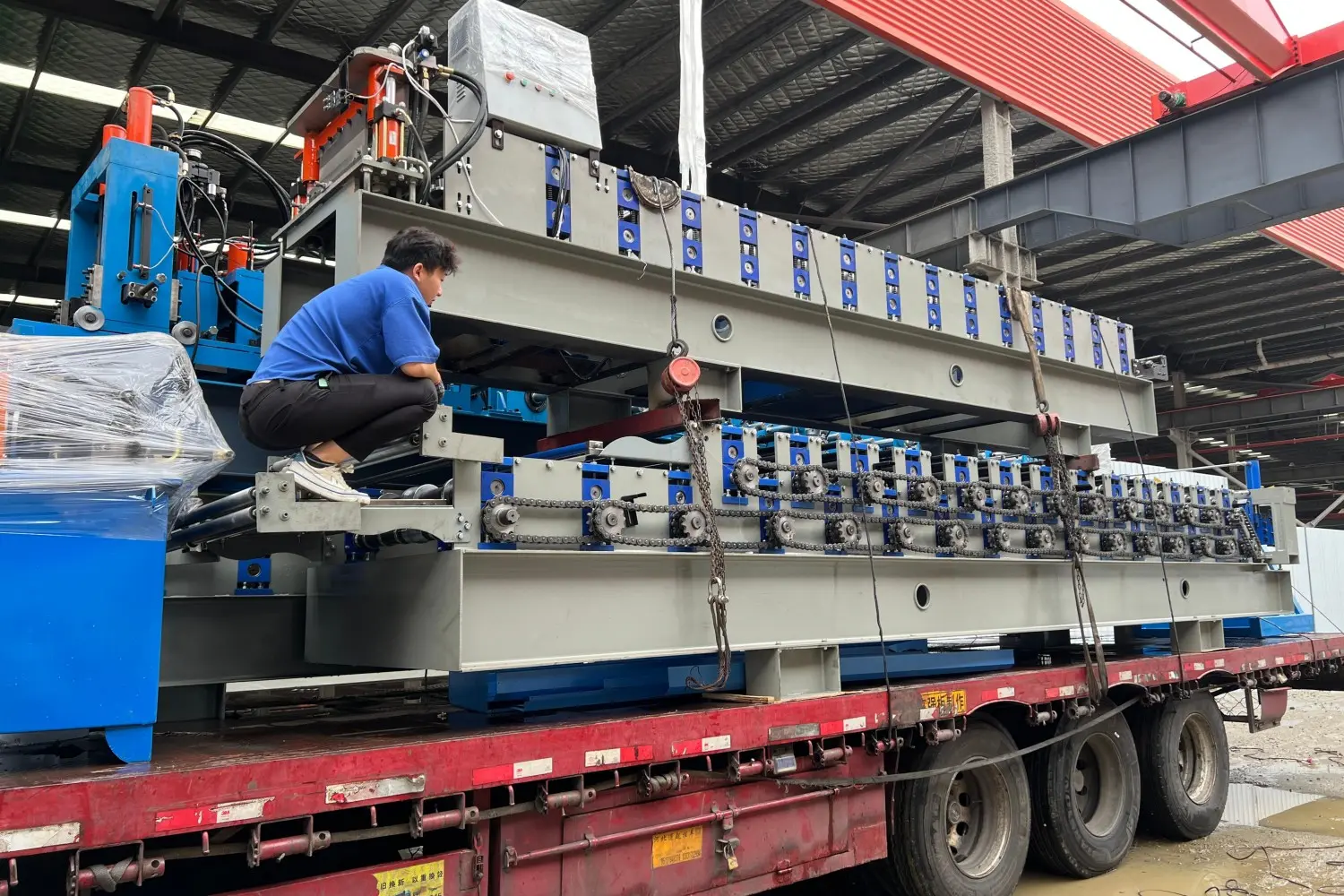
Domestic steel processing clusters in China offer raw material access and engineering synergies that help reduce equipment capital expenditure. At XC (Xiongchang), we combine regional supply chain advantages with rigorous quality assurance protocols to deliver highly cost-effective cold forming systems.
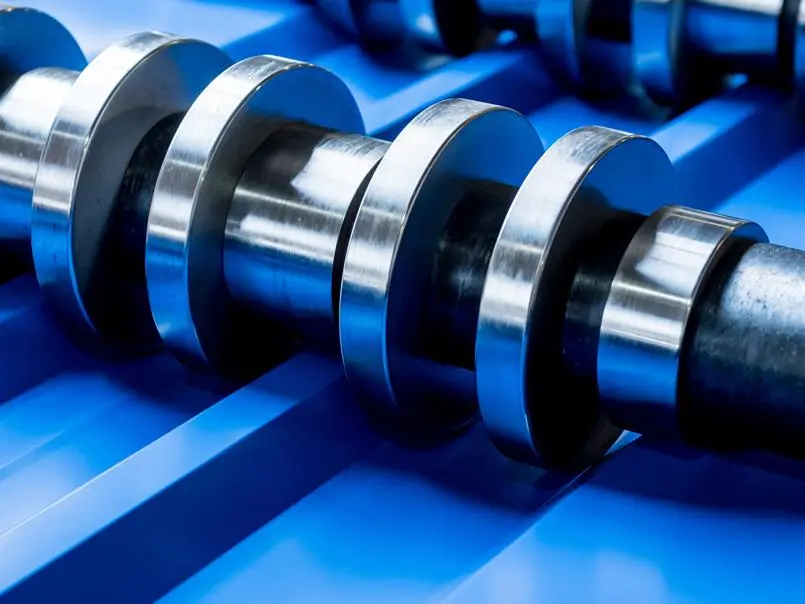
From initial design concepts to final system checkouts, our production control is maintained under an ISO 9001:2015 framework. We produce critical line components in-house, including the casting molds, chrome rollers, and hydraulic shear blades, ensuring consistent component alignment and long-term reliability.
Industrial metal siding serves a critical role in structural envelopes, protecting internal load-bearing frameworks from wind loads, temperature changes, and environmental wear. Our roll forming systems are configured to process galvanized, galvalume, pre-painted steel, and aluminum coils into high-performance structural systems.
| Profile Type | Material Thickness | Primary Industrial Application | Technical Characteristics |
|---|---|---|---|
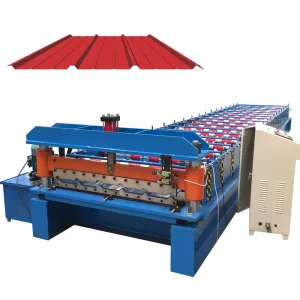
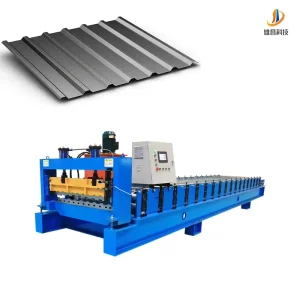
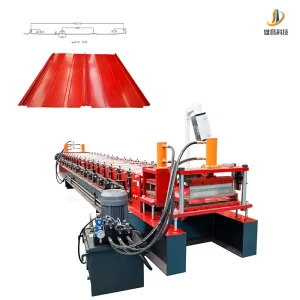
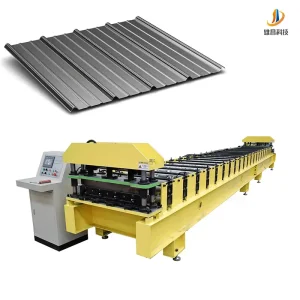
| PBR & IBR Panels | 0.4 mm – 0.8 mm | Industrial Warehouses, Ag-buildings | High rib profile offers excellent water runoff capabilities and structural strength under wind loads. |
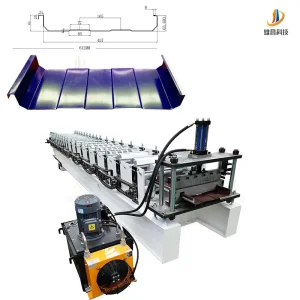
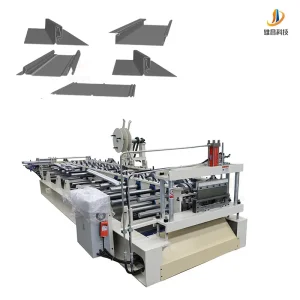
| Standing Seam Panels | 0.5 mm – 0.7 mm | Commercial Architectural Envelopes | Concealed fastening design eliminates leak paths from fastener penetrations, allowing for expansion and contraction. |
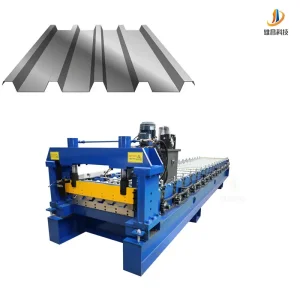
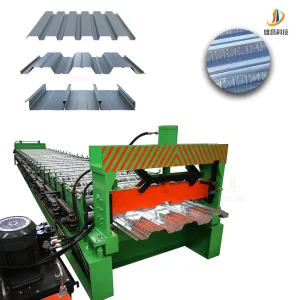
| Deep Wave Corrugated | 0.3 mm – 0.6 mm | Agricultural Silos, Sheds, Accents | Classic profile design provides reliable load capacity and cost-effective coverage. |
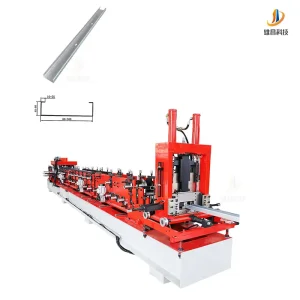
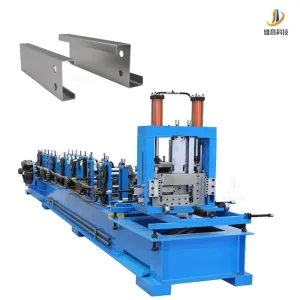
| C/Z Structural Purlins | 1.5 mm – 3.2 mm | Commercial Sub-girts & Roof Trusses | Quick-change tooling configurations adjust automatically via PLC to vary web and flange dimensions. |
For international buyers and procurement directors, choosing the right machinery partner goes beyond matching technical specifications. It requires verifying quality control consistency, manufacturing lead times, and post-installation support systems.
XC (Xiongchang) supports complex global supply chain deployments by providing transparent milestone tracking, raw material testing certificates, and comprehensive virtual testing protocols (FAT) prior to system shipment.
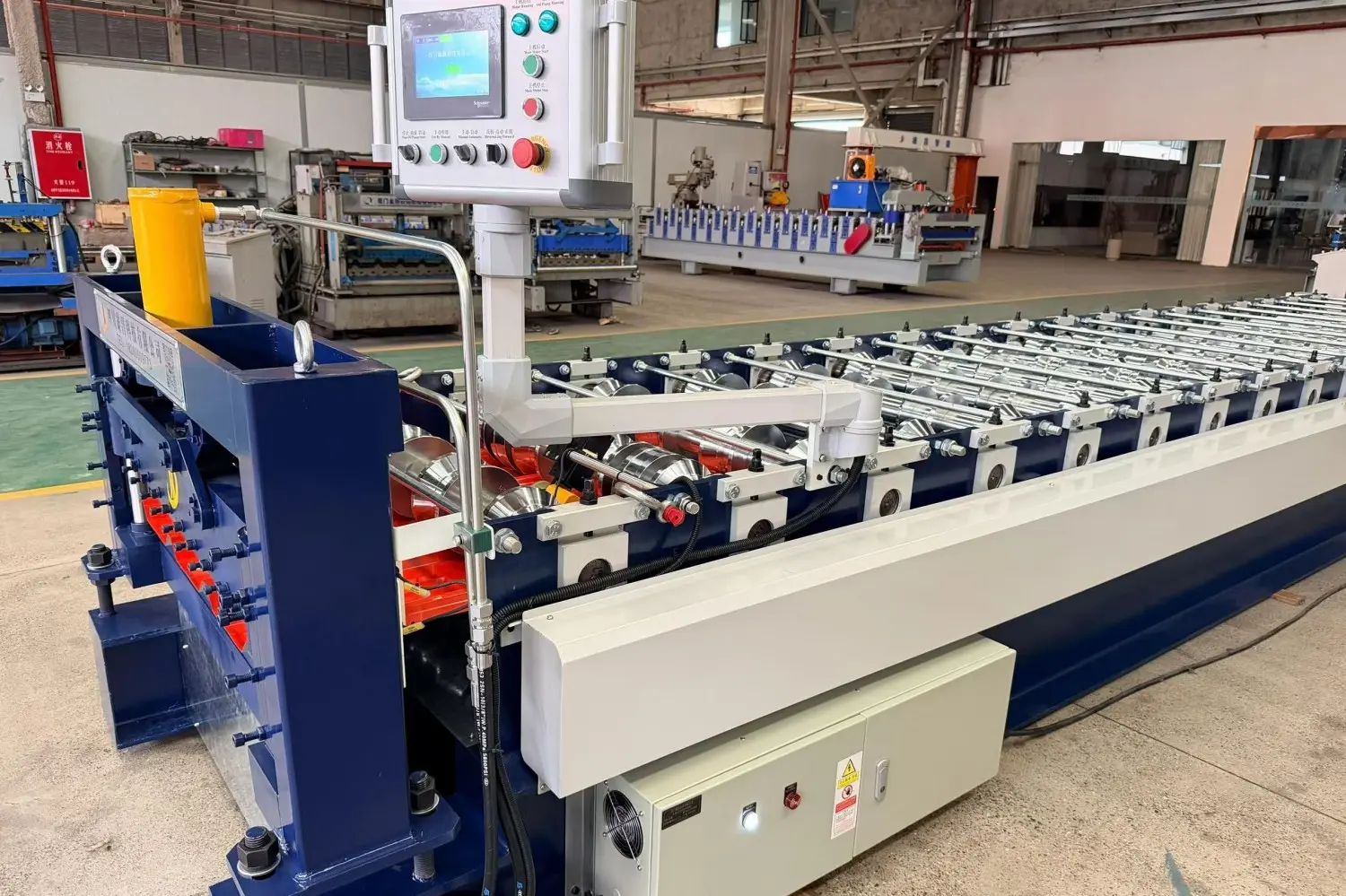
To operate reliably in North American, European, and South American markets, roll forming lines must comply with regional environmental and electrical standards. XC provides comprehensive certification support, aligning with CE directives, UL standards, and local grid requirements.
Our global services division coordinates the installation and commissioning process, providing support during start-up and operator training to help you reach peak line productivity quickly.
Answers to common engineering and operational questions regarding metal siding and wall cladding roll forming lines.
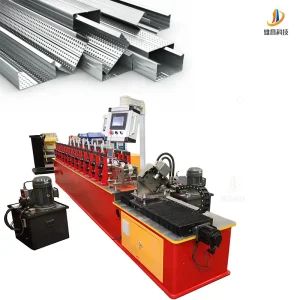
Whether you require a standard siding line or a complex, multi-profile custom roll forming system, our technical sales and design engineers are here to assist with your project specs.
Request a Custom Proposal Xiongchang