I can write the introduction, but no article or verifiable expert quotation was included. To avoid inventing an expert or attributing a false quote, please provide the source material or the expert’s name and exact statement.
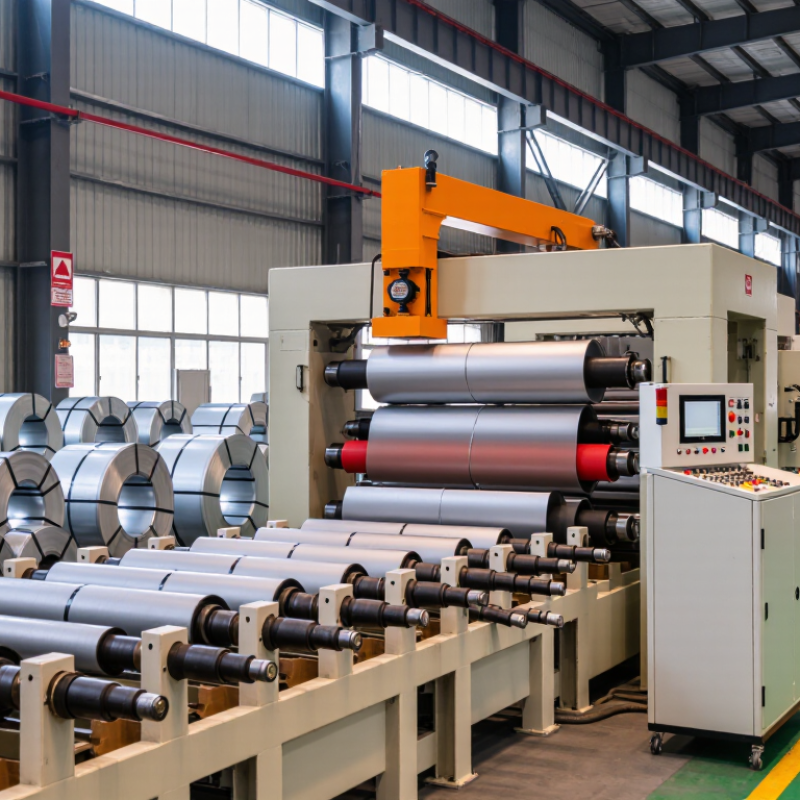
A roll forming machine turns flat metal strip into a continuous, shaped profile. The strip passes through a series of rotating roller stations, with each station making a small bend. By the final station, the material may form a roofing panel, channel, or framing section. The process is useful when a shop needs many consistent parts at steady lengths. It is not a press that makes one part per stroke. It shapes material gradually.
Operators feed coil stock through the entry guides and check that it tracks straight. Small alignment errors can create twisted profiles or uneven edges. Cutoff equipment then trims the formed material to length. On a real production floor, setup can take longer than expected. That detail is easy to overlook. The machine’s output also depends on material thickness, profile shape, roller condition, and line speed, so one setup does not suit every job.
Tips: Before comparing machine costs, define the profile, metal thickness, and expected daily output. Ask whether tooling, a decoiler, cutoff equipment, and setup support are included. Run a sample coil if possible, and inspect the finished part for consistent dimensions. Keep a little time in the schedule for adjustments; even a well-planned setup may need them.
How to read this chart: These are broad, indicative budget-planning ranges in US dollars, not guaranteed quotations. A roll forming machine progressively bends coil-fed metal through rollers to produce a consistent profile. The price depends on factors such as material and thickness, profile complexity, production speed, tooling, automation, and auxiliary equipment. Installation, shipping, and taxes may be additional.
Roll forming machine prices depend heavily on profile complexity, production speed, and included equipment. The ranges below are rough estimates in US dollars for new machines, not guaranteed quotes. A basic manual or portable unit often costs about $5,000–$20,000. It may suit short runs, but setup and handling can take more hands-on time. Light-duty machines with powered feeding commonly fall around $20,000–$60,000. They can form straightforward profiles such as simple channels or trim, with modest production needs.
Standard automatic machines typically range from $60,000–$150,000, depending on the controls, cutoff system, and tooling. A typical setup might include an infeed guide, several forming stations, and an automatic shear. Higher-speed lines or machines designed for multiple profiles can cost $150,000–$500,000 or more. Added tooling, decoilers, stacking equipment, and installation may raise the final bill. Not always. Some listings appear cheaper because they exclude these items. Buyers should compare the same configuration and ask what materials and thicknesses the machine has been tested on. A quoted price alone rarely shows the full production cost. One detail is easy to miss: changeover time can matter as much as the machine’s rated speed.
A roll forming machine’s purchase price depends on more than its frame and motor. The profile shape is a major cost driver: a simple channel usually needs less forming complexity than a panel with several ribs and tight bends. More forming stations can improve gradual shaping, but they add tooling, setup time, and machine length. Small details matter.
Material specifications also affect the quote. Ask suppliers to price against the same metal type, thickness range, and coil width. A machine designed for thicker stock may need stronger shafts, bearings, and drive components. Cutting options, automatic stacking, and control systems can raise the initial cost, while reducing manual work later. The right level of automation depends on production volume, not appearance.
Compare what each offer includes: tooling, installation, operator training, spare parts, shipping, and commissioning. These items may be priced separately, so a low headline figure can conceal real costs. Request a written specification and clarify expected output using your actual material and profile. I would be cautious about choosing solely by quoted speed; real output can vary with setup and handling. That assumption is easy to miss. A careful comparison may take longer, but it makes the purchase price more meaningful.
How Much Does a Roll Forming Machine Cost? 7 Tips
Seven Tips for Estimating the Total Investment
A machine’s purchase price is only one part of the investment. The final cost depends on the profile, material thickness, production speed, and level of automation. A simple channel profile may need less complex tooling than a multi-stage section with tight tolerances. Request a quote based on your actual drawings and coil specifications. Guessing from a photo can lead to a poor comparison.
List the extra costs before choosing a machine. Include tooling, freight, unloading, installation, operator training, and electrical work. Check whether the quote covers spare rollers and commissioning support. A concrete detail matters: a machine may fit the workshop, but still need floor reinforcement or a suitable power supply. Those costs are easy to overlook. Leave room for uncertainty.
Compare operating costs, not just purchase prices. Estimate labor, energy, maintenance, material waste, and expected output per shift. Ask suppliers how they measure production speed and what conditions their figures assume. Then compare warranty terms, response times, and parts availability. A lower quote may exclude useful support. That does not always make it the wrong choice, but the trade-off should be clear. Build a simple spreadsheet, update it when quotes change, and note which figures are estimates rather than confirmed costs.
A quoted roll forming machine price rarely covers the full installation. Freight, unloading equipment, and rigging can add substantial costs, especially when the machine must pass through a narrow factory entrance. The floor may need reinforcement, and the electrical supply may require upgrades. Small items add up. Budget separately for tooling, setup, operator training, and safety guarding. Ask which tooling comes with the machine and whether a changeover kit is included. A low initial quote can leave important details unclear.
Ownership costs continue after production begins. Rollers, bearings, sensors, and cut-off blades need inspection and eventual replacement. Keep common spare parts on hand; waiting for a small component can stop an entire line. Downtime hurts. Electricity use, lubrication, scrap during setup, and scheduled maintenance all affect the cost per finished panel. Request a maintenance schedule and ask how quickly technical support and replacement parts are available. Even careful estimates miss things. A realistic budget should include a contingency, because material thickness, profile complexity, and production volume can change wear rates. I would challenge any estimate that assumes every shift runs smoothly.
New machines range from about $5,000 for basic manual units to $500,000 or more for high-speed lines. These are rough estimates, not guaranteed quotes.
Standard automatic machines often cost $60,000–$150,000. Controls, cutoff systems, tooling, and included equipment affect the final price.
Yes. A simple channel usually needs less complex tooling than a panel with several ribs and tight bends. Small details matter.
One quote may include tooling, installation, or training, while another leaves them out. Compare the written specifications, not just the headline price.
No. Setup, handling, material, and changeover time can reduce real production. Ask how the quoted speed was measured.
Consider freight, unloading, installation, electrical work, training, spare parts, and commissioning. A machine may fit the workshop but still need floor reinforcement.
Share your profile drawings, metal type, thickness range, and coil width. Photos alone can make comparisons unreliable.
Estimate labor, energy, maintenance, material waste, and output per shift. Track confirmed costs separately from estimates. I would check those assumptions twice.
How Much Does A Roll Forming Machine Cost depends on the profiles it produces, its production capacity, and the level of automation required. Roll forming machines shape continuous metal strips through a series of rollers and are used to make products such as panels, channels, and framing components. Different machine types can vary widely in price, so a useful estimate starts with the intended application and a realistic comparison of suitable configurations.
Before purchasing, consider material compatibility, tooling, line speed, controls, setup needs, and expected output. Build a total-investment estimate that includes delivery, installation, operator training, and any required site preparation—not just the machine’s purchase price. Also account for maintenance, replacement parts, energy use, and possible future tooling changes. Comparing these factors helps buyers choose equipment that meets production goals while keeping long-term ownership costs manageable.

Xiongchang