What Is the Price of a Roll Forming Machine?

Time:2026-11-12 Author:Henry
0%

A roll forming machine may look like a row of rollers, a control cabinet, and a long steel frame. Yet its price depends on what the line must produce, how quickly it must run, and how much automation the buyer needs. Roll Forming Machine Price is not a single fixed figure. Two machines making similar profiles can receive very different quotes because their tooling, frame strength, controls, and feeding systems differ.

Small details matter. A simple line for one standard profile may cost less than a system with multiple stations, automatic cutting, and material handling. The final quote may also include design work, installation, training, spare parts, or shipping. These items are easy to overlook when comparing headline prices. A low quote can still be reasonable, but only if its scope is clear.

This guide explains the main factors that shape a machine’s purchase price and ongoing cost. It considers profile complexity, production speed, sheet thickness, tooling, control options, and service support. Buyers should compare specifications line by line and ask what is excluded before making a decision. That sounds obvious, but quotes often use different assumptions. No price estimate can replace a detailed review of the required product and production conditions. The aim is a practical comparison, not a promise that one machine suits every factory.
What Is the Price of a Roll Forming Machine?

What a Roll Forming Machine Does and Why Its Price Varies

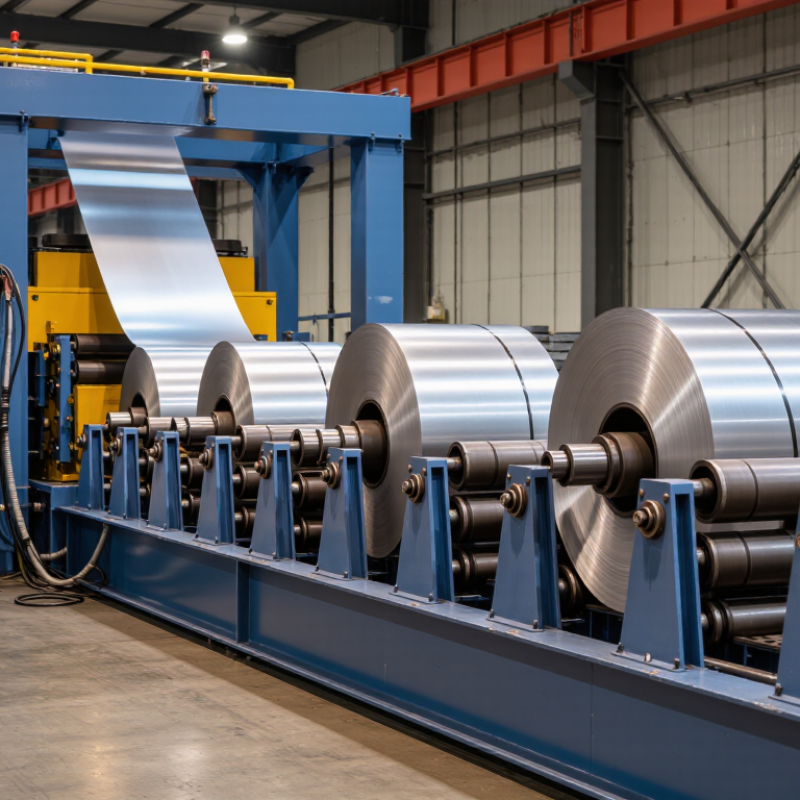
A roll forming machine shapes flat metal strip through a sequence of rotating rollers. Each station bends the material a little more until it reaches the required profile. The line may also include a decoiler, a straightener, and a cutting unit. A typical product could be a long steel channel, formed continuously from a coil. The process is steady. Setup matters.

Price varies because machines are built around specific jobs. A simple line for one profile may need fewer stations and less automation than a system that changes between several profiles. Thicker or stronger material can require more robust frames, drives, and tooling. Production speed, cutting accuracy, control systems, and safety equipment also affect the build. Even small details, such as coil width or the length of the finished part, can change the specification. Buyers should compare quotes against the same material, profile drawing, output rate, and included equipment. A low initial figure may exclude installation or commissioning. I have seen estimates look comparable until those items are checked; that is an easy detail to miss.

Typical Price Ranges by Machine Type and Production Capacity

What Is the Price of a Roll Forming Machine?

Typical Price Ranges by Machine Type and Production Capacity

A roll forming machine may cost from about $5,000 for a basic, manually fed unit to more than $1 million for a fully integrated production line. These are planning ranges, not guaranteed quotations. Public equipment listings and procurement benchmarks commonly place entry-level single-profile machines at $20,000–$80,000, with output around 5–15 metres per minute. Standard automatic lines often cost $80,000–$250,000 and run roughly 15–30 metres per minute. They may include automatic cutting and a simple control system. Short-run shops can need less. Setup matters.

Higher-capacity lines can exceed 30 metres per minute and cost $250,000–$1 million or more, especially when they handle multiple profiles, thicker steel, or integrated stacking and packaging.

Mordor Intelligence’s roll forming machine market analysis discusses market growth and automation, but does not provide a verified machine-by-machine price table; treat speed and price ranges as budget estimates, not report findings. A quote should specify material thickness, width, tooling, changeover time, and included commissioning.

A fast line is not always cheaper to run. I have seen buyers focus on speed and overlook tooling changes; that’s an easy mistake. Small details add up.

Key Factors That Affect the Cost of a Roll Forming Machine

What Is the Price of a Roll Forming Machine?
Key Factors That Affect the Cost of a Roll Forming Machine

A roll forming machine’s price depends on the product, production speed, and level of automation. A basic line for a simple profile usually costs less than a system with many forming stations, automatic feeding, and in-line cutting. More stations can improve profile accuracy, but they also add tooling, setup, and maintenance needs. Small details matter.

Material specifications affect the design, too. Wider or thicker steel requires stronger frames, shafts, and drive components. If the profile includes tight bends or unusual features, the rolls may need more precise engineering. Ask suppliers to assess sample drawings and material thickness rather than relying on a general machine description. That takes time, but it can prevent an expensive mismatch.

The quoted price may also include controls, guarding, installation, operator training, and spare tooling. Check what is included, and whether commissioning and delivery are separate charges. A faster line is not automatically the better investment if your order volume is modest. Estimating future output is difficult; even experienced buyers can get it wrong. Compare expected production needs with the full operating cost, including power, changeovers, and routine maintenance. A clear specification makes quotes easier to compare, though it will not remove every uncertainty.

What Is the Price of a Roll Forming Machine? - Key Factors That Affect the Cost of a Roll Forming Machine

Cost Dimension Typical Configuration or Scope Indicative Price (USD) How It Affects Cost
Basic machine A relatively simple profile, manual or basic controls, limited automation $15,000–$40,000 Lower material-handling and control requirements help keep the initial price down.
Standard automated line Common single-profile production with powered feeding, cutting, and programmable controls $40,000–$120,000 Automation, line speed, and included handling equipment influence the price.
Custom or high-capacity line Special profile, heavier-gauge material, higher output, or multiple integrated stations $120,000–$500,000+ Custom engineering, larger drives, more stations, and added automation can substantially increase investment.
Roll tooling and forming stations Roll sets designed for the profile, material thickness, and required tolerances Often included in a quoted line; additional or interchangeable tooling may add several thousand to tens of thousands of dollars More forming passes and tighter tolerances require additional design, machining, and setup work.
Material capacity and frame construction Maximum strip width, thickness, yield strength, and machine-duty requirements Varies by specification; heavy-duty builds generally cost more than light-gauge configurations Thicker or stronger material typically calls for a more rigid frame, larger shafts, and higher-capacity drives.
Automation and line speed Automated cut-to-length, sensors, recipe controls, faster production, or remote monitoring Can add several thousand to tens of thousands of dollars, depending on scope More advanced control and synchronization systems raise equipment and integration costs.
Ancillary equipment Uncoiler, straightener, punching unit, stacker, or run-out table May add a few thousand to tens of thousands of dollars per major component A complete production line costs more than a roll former supplied on its own.
Delivery, installation, and commissioning Freight, rigging, site preparation, setup, testing, and operator training Quoted separately or included; costs depend on distance, site conditions, and service scope These expenses can materially increase the delivered and ready-to-run cost.

Note: These are broad, indicative equipment-price ranges in USD, not supplier quotations. Actual prices depend on specifications, country of manufacture, order terms, freight, taxes, and what is included. Cost items are not necessarily additive; request a written quotation that clearly lists tooling, auxiliaries, installation, and warranty coverage.

Additional Costs Beyond the Machine’s Purchase Price

A roll forming machine’s invoice is only one part of the investment. Freight, unloading, and installation can add substantial costs, especially when the line arrives in several sections. A crane or forklift may be needed to move heavy components into position. Freight adds up. The production area may also need a reinforced floor, new electrical connections, or room for coil storage. That takes space. Check these requirements against the actual building before ordering, rather than assuming the machine will fit beside existing equipment.

Tooling and setup are another cost to plan for. Different profiles may require additional roll sets, guides, or cutting tools, while commissioning can involve technician travel and production trials. Operators need time to learn adjustments and safe changeovers. Training is not free. Budget for coil handling equipment, such as a suitable decoiler, and for routine items like lubricants, bearings, and replacement blades. A common planning mistake is to count only scheduled maintenance; early setup can also produce scrap while the profile is being tuned. Ask suppliers for a written list of included tooling, installation tasks, and recommended service intervals, then compare those details with your expected production volume.

How to Compare Machine Quotes and Choose the Right Option

A roll forming machine quote should be compared by scope, not just its headline price. Check the quoted material thickness, coil width, forming stations, and rated line speed. A machine designed for thin, narrow stock may not suit heavier material, even if the purchase price looks attractive. Ask whether the quote includes decoiling, cutting, guarding, and basic controls.

Look closely at what happens after delivery. Installation, operator training, freight, and commissioning can add meaningful costs if they are excluded. Confirm which tooling is included and whether the supplier has sized it for your actual profile. Request a sample run or review a detailed drawing with the manufacturer. Small differences in flange dimensions can affect fit on site. Details matter.

Compare service terms in practical language: response times, spare-part availability, warranty coverage, and remote troubleshooting. Ask what routine maintenance involves, and whether common wear parts are easy to replace. Production estimates also deserve scrutiny. They may assume ideal coil quality, experienced operators, and minimal changeovers. That takes time. A lower quote can still be the right choice, but only if its output and support match your work. I would keep a written list of assumptions beside each offer; some are easy to overlook during a fast comparison.

FAQS

How much does a roll forming machine usually cost?

A basic manually fed unit may start near $5,000. Entry-level single-profile machines often range from $20,000 to $80,000. These figures are planning estimates, not guaranteed quotes.

What does a standard automatic line typically cost?

Standard automatic lines commonly cost $80,000 to $250,000. They may run at roughly 15–30 metres per minute, with automatic cutting and basic controls.

How much can a high-capacity production line cost?

Lines exceeding 30 metres per minute may cost $250,000 to over $1 million. Multiple profiles, thicker steel, stacking, and packaging can raise the price.

What features have the biggest effect on machine cost?

Production speed, automation, forming stations, and profile complexity affect the price. Extra stations may improve accuracy, but add tooling and maintenance needs. Small details matter.

How do steel specifications affect the machine price?

Wider or thicker steel can require stronger frames, shafts, and drive components. Tight bends may also need more precisely engineered rolls.

What should a buyer check in a price quote?

Check whether controls, guarding, delivery, installation, training, and spare tooling are included. Commissioning may be charged separately. Ask for the details in writing.

Is the fastest machine always the best investment?

Not necessarily. A fast line may cost more to operate, especially when orders are modest. Compare power, changeovers, and routine maintenance with expected output.

What information helps suppliers prepare a useful quote?

Share profile drawings, material thickness and width, target speed, and expected changeover time. This can reduce the risk of a costly mismatch, though uncertainty remains. I could still underestimate future demand.

Conclusion

A roll forming machine gradually shapes metal coil into consistent profiles, making it useful for both small workshops and high-volume production lines. Roll Forming Machine Price varies widely because machines differ in profile complexity, production capacity, automation, tooling requirements, and customization. Comparing typical price ranges by machine type and output capacity can provide a starting point, but the best choice depends on the products you plan to make and the level of performance you need.

The purchase price is only part of the total investment. Tooling, shipping, installation, operator training, maintenance, and optional equipment may add to the cost. When reviewing quotes, compare specifications, production speed, material compatibility, included services, warranty terms, and expected operating costs—not just the headline figure. A careful evaluation helps you select a machine that meets current production needs while leaving room for future growth, without paying for capabilities you are unlikely to use.


Henry

Henry

Henry is a dedicated marketing professional with a profound expertise in the company's offerings. With years of experience in the industry, he possesses an impressive understanding of the market dynamics and consumer behaviors that drive success. Henry is committed to sharing his insights through......