In the construction industry, the "Galvanized Roof Sheet Roll Forming Machine" plays a pivotal role. Expert John Smith, a well-known engineer in this area, states, "These machines are essential for producing durable roofing materials." This equipment is well-regarded for its efficiency and precision.
A galvanized roof sheet roll forming machine transforms steel coils into customized roofing sheets. This process involves cold forming, ensuring that the sheets retain their strength and aesthetic appeal. Manufacturers prioritize this technology for its ability to meet high production demands while maintaining quality.
Despite its advantages, the industry faces challenges. Maintenance requirements can be overlooked, leading to machine downtimes. Ensuring regular inspections is crucial for consistent output. Overall, the significance of the galvanized roof sheet roll forming machine cannot be underestimated, as it directly impacts the quality and longevity of roofing solutions.
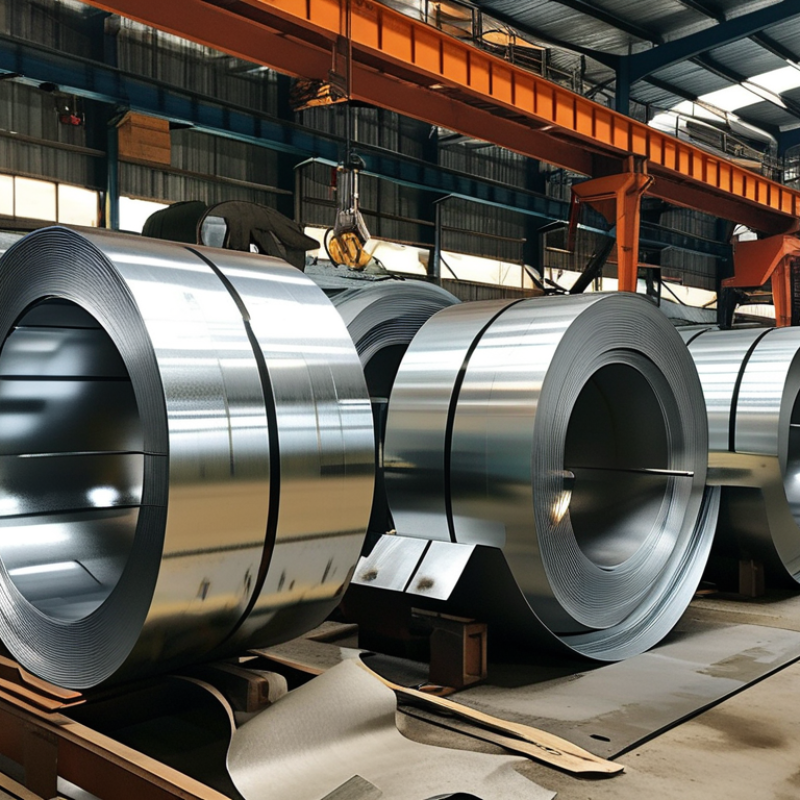
Galvanized roof sheet roll forming machines are essential tools in the metal roofing industry. These machines produce high-quality galvanized sheets used for roofing applications. They are specially designed to bend and shape metal sheets into various profiles. Operators can set the desired specifications for thickness and width, ensuring precision in every batch.
Understanding the technology behind these machines is crucial. They typically feature several roll stations that shape the sheet through a series of steps. Each station gradually reforms the metal, allowing for consistent material handling. Attention to detail at each step is vital. A minor misalignment can lead to structural issues. Operators must regularly check alignment and calibration to maintain quality.
When selecting a machine, consider the production capacity you need. Does it meet your anticipated output? Evaluate the materials suitable for the machine, as some may only work with specific sheet types. Also, remember that maintenance is key. Regular upkeep can prevent costly downtime. Ensure operators are properly trained in both usage and troubleshooting.
| Dimension | Description |
|---|---|
| Machine Type | Galvanized Roof Sheet Roll Forming Machine |
| Working Material | Galvanized Steel Coil |
| Production Speed | 5-12 meters per minute |
| Sheet Thickness | 0.3 - 0.8 mm |
| Power Consumption | 5-15 kW |
| Control System | PLC Control System |
| Overall Dimensions | Approximately 6m x 1.5m x 1.5m |
| Weight | Around 2000 kg |
| Key Features | High efficiency, low noise, sturdy design |
: They produce durable roofing sheets from galvanized steel for construction and infrastructure projects.
Key components include an uncoiler, roll forming system, adjustable cutting system, control panel, and hydraulic system.
They create lightweight, corrosion-resistant roofing materials, enhancing aesthetics and providing protection against environmental elements.
Neglecting maintenance can lead to breakdowns and costly errors in production.
They are used in construction, agriculture, and infrastructure industries for various roofing applications.
It ensures consistent thickness and integrity, reducing waste and meeting specific project requirements.
Yes, it can lead to issues such as leaks, emphasizing the need for experienced professionals for installation.
Regular cleaning, inspection, and addressing rust are crucial to prevent deterioration and maintain performance.
Properly maintained galvanized steel can last over 50 years, making it a long-term investment.
Galvanized sheets offer excellent protection against environmental elements, crucial in varying climates.
A Galvanized Roof Sheet Roll Forming Machine is an innovative piece of equipment designed to create galvanized roofing sheets through a systematic rolling process. The machine consists of several key components, including a decoiler, forming rollers, cutting tools, and control systems, which work together to produce sheets of specified lengths and profiles.
These machines operate by feeding raw metal steel through a series of rollers that shape the material into the desired roofing profile, followed by precise cutting to the required dimensions. The applications of galvanized roof sheet roll forming machines are extensive, particularly in construction and architecture, as they provide durable and weather-resistant roofing solutions. The benefits of using such machines include reduced labor costs, increased production efficiency, and consistent product quality, making them an essential tool in modern manufacturing practices for roofing materials.

 Xiongchang